
When you picture “French food,” maybe you imagine fancy soufflés, piles of escargots, and Michelin-star tasting menus. But the reality? Most French folks reach for simple, fresh, regional dishes in their day-to-day lives—meals that fit busy schedules yet still honor the country’s passion for quality. Here’s the truth behind France’s real kitchen culture.
Want More Travel Myths Debunked?
– 10 ‘Mexican’ Dishes Mexicans Never Actually Eat—And What They Do Instead
– Classic French Breakfast Dishes
– 15 Shockingly Normal European Customs Tourists Still Can’t Believe
– Get The Best Travel Insurance for Europe and Beyond
Quick Easy Tips
Forget the stereotypes – The French diet is more than wine, cheese, and croissants.
Think seasonal and simple – The French often eat fresh produce, legumes, and basic proteins.
Portion control matters – Small servings of rich food are common.
Balanced meals are key – Expect vegetables at lunch and a light dinner.
Skip snacking – The French tend to eat three structured meals a day without grazing in between.
Many people assume French cuisine is indulgent, rich, and heavy on pastries, but this stereotype often misses the mark of daily French eating habits. In reality, most French people eat with restraint, balance, and a deep respect for food quality over quantity. A typical daily diet might include lentil salad, yogurt, fruit, and a vegetable soup—far from the buttery decadence tourists expect.
What shocks many outsiders is how little processed or fast food enters the average French kitchen. Supermarket aisles in France are filled with raw ingredients, not microwave meals. This commitment to cooking—even basic meals—sets the culture apart from countries like the U.S., where convenience often trumps tradition. While the French do enjoy indulgent dishes, they’re usually reserved for weekends or holidays.
Another misunderstood point is how unapologetically the French embrace fat—real butter, cheese, or olive oil—without falling into diet culture trends. While Americans debate carb counts and go gluten-free, the French focus on moderation, satisfaction, and sitting down for meals. It’s not a diet strategy; it’s a cultural relationship with food that prioritizes enjoyment without guilt, which challenges modern wellness fads.
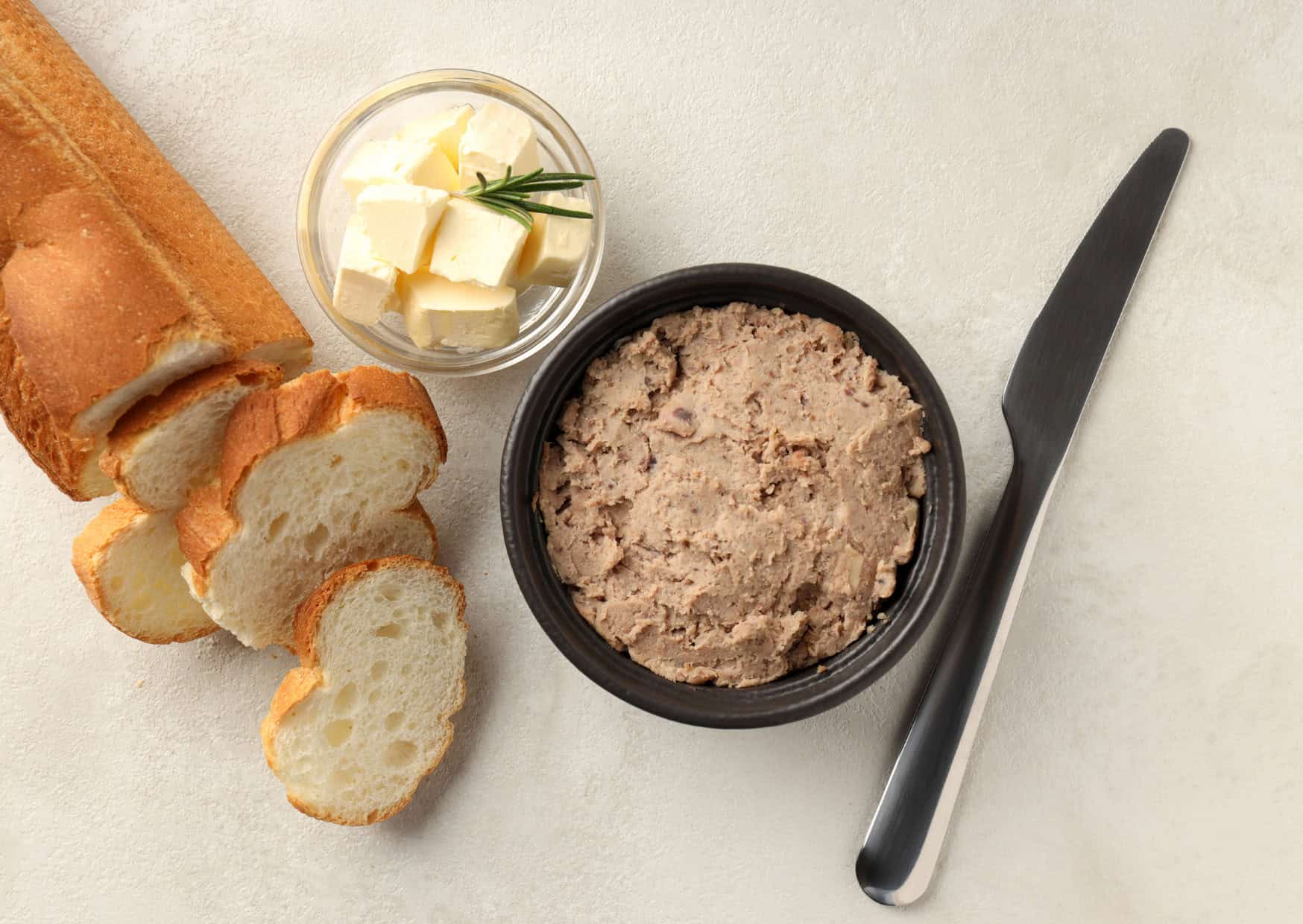
1. Baguette & Butter for Breakfast (Not Croissants Every Day)
What Tourists Think
- Everyone in France starts their morning with a fresh croissant or pain au chocolat—maybe even a pastry buffet.
What Locals Actually Do
- Grab a sliced baguette with butter or jam, paired with coffee or tea.
- Croissants and pains au chocolat are more of a weekend treat, not an everyday staple (unless you live right above a boulangerie—lucky you!).
Why the Myth?
- Croissants are iconic, but expensive and sugary to eat daily. Most folks opt for a simpler “tartine” (bread + butter) on busy mornings.
Pro Tip
Order a “café au lait et tartine beurrée” if you want a typical French breakfast. If you crave a croissant, save it for a leisurely weekend or a special treat.
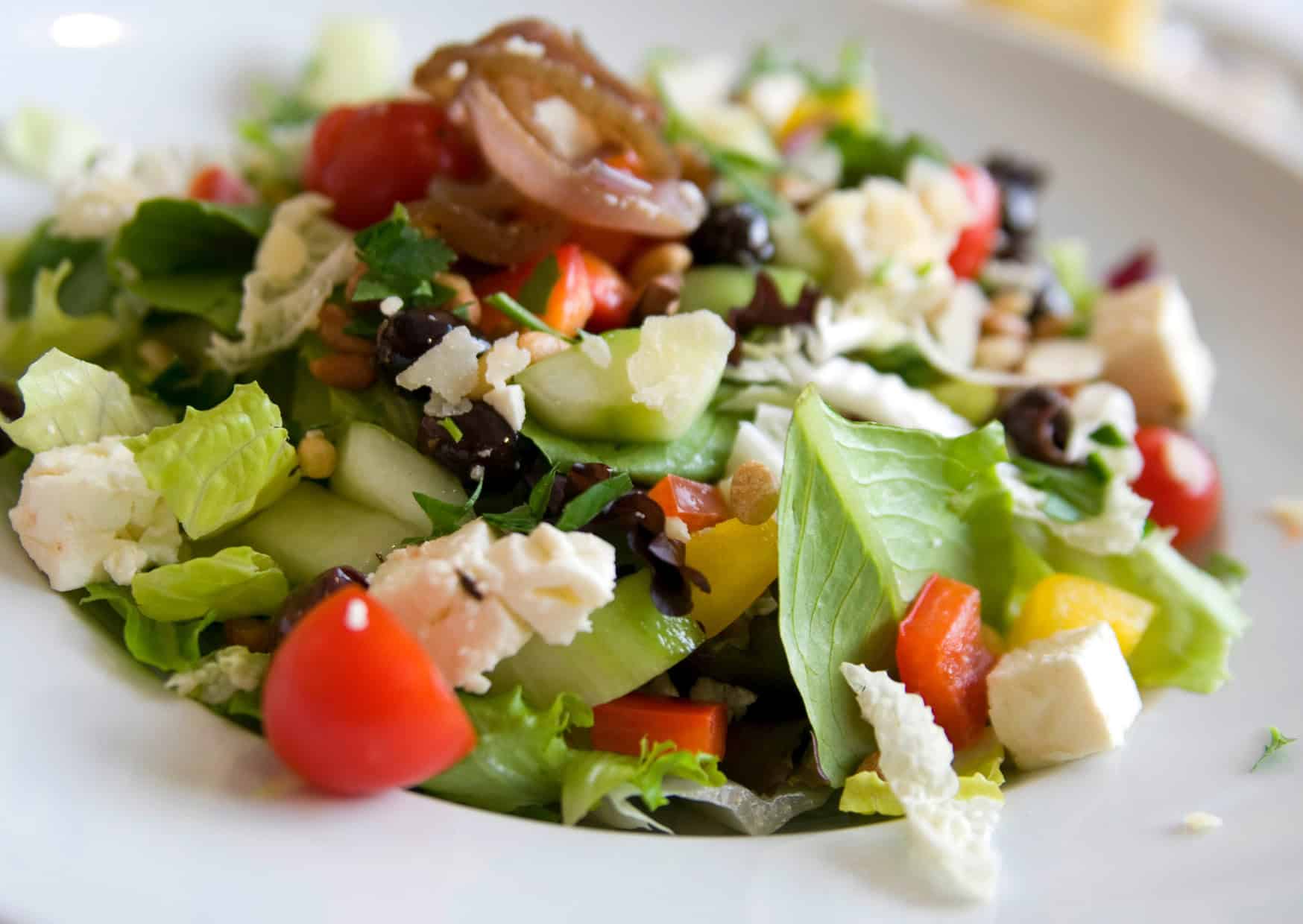
2. Simple Green Salads and Light Lunches
What Tourists Think
- French lunches are multi-course affairs daily—complete with wine, cheese, and maybe a fancy dessert.
What Locals Actually Do
- Busy workers often opt for a quick salad, quiche, or a sandwich (like a jambon-beurre—ham and butter on a baguette).
- Lunch can still be leisurely compared to some countries, but not every day is a two-hour feast.
Why the Myth?
- France is known for its culinary traditions, but modern work culture sometimes means grabbing something quick—though still generally fresh and not fast-food heavy.
Pro Tip
Look for “formule déjeuner” (lunch specials) at small bistros, which might include a light starter, main, and coffee at a reasonable price—perfect if you want a taste of that more traditional lunch vibe.
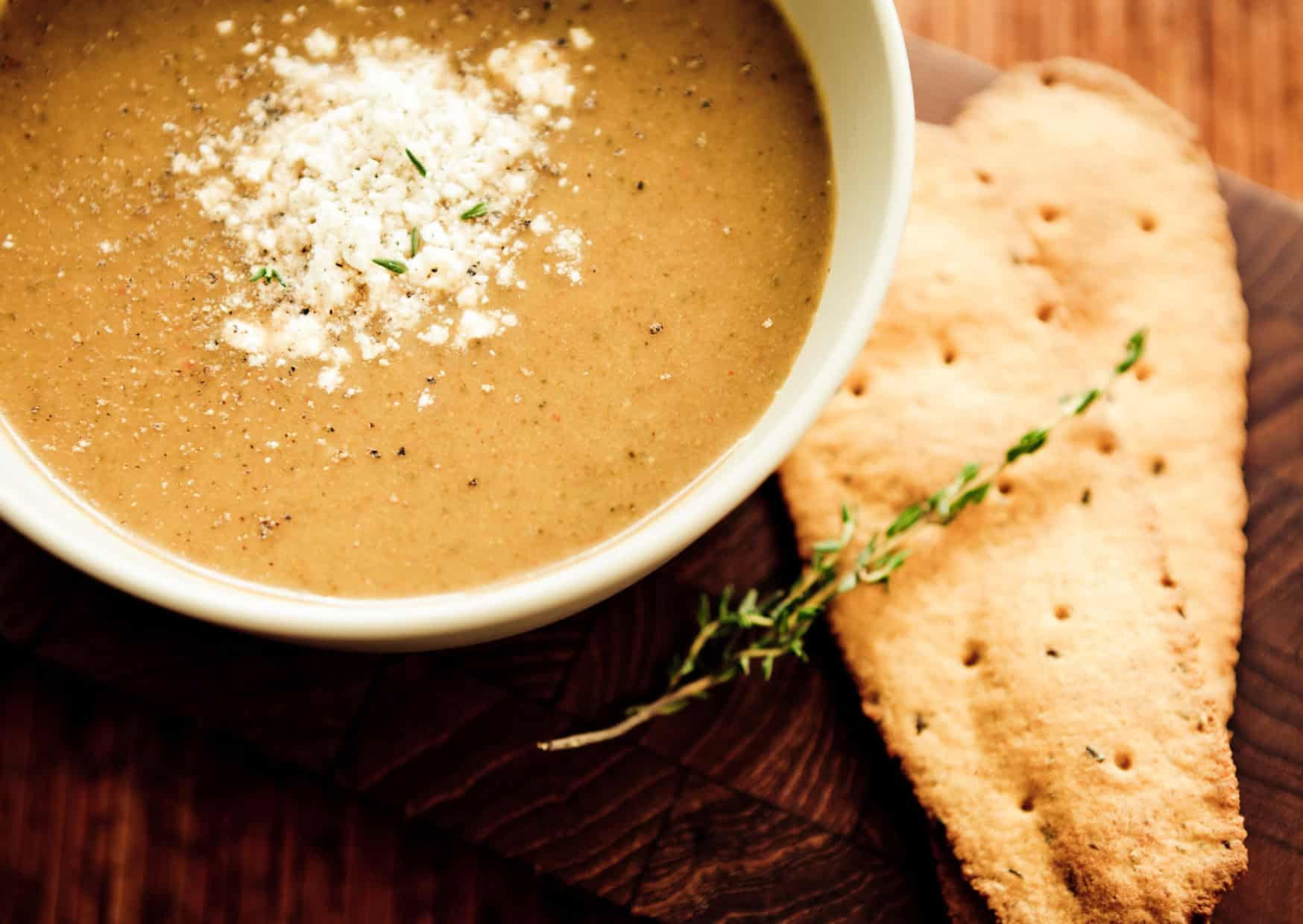
3. Soup in the Evening (Especially in Cooler Months)
What Tourists Think
- Soups are reserved for special menus or fancy restaurants (like French onion soup loaded with cheese).
What Locals Actually Do
- Many French families do a simple veggie or blended soup (like potage or velouté) at home on weeknights—especially in autumn and winter.
- It’s warming, affordable, and easy to whip up after work.
Why the Myth?
- Tourists see French onion soup on restaurant menus and assume all soup in France is decadent. In reality, homemade soups are quite minimalistic—just fresh produce, broth, and maybe herbs.
Pro Tip
In colder months, check local supermarkets or markets for fresh, ready-to-eat soups (soupes fraîches), or pick up seasonal veggies to make your own. It’s a cozy, everyday staple.
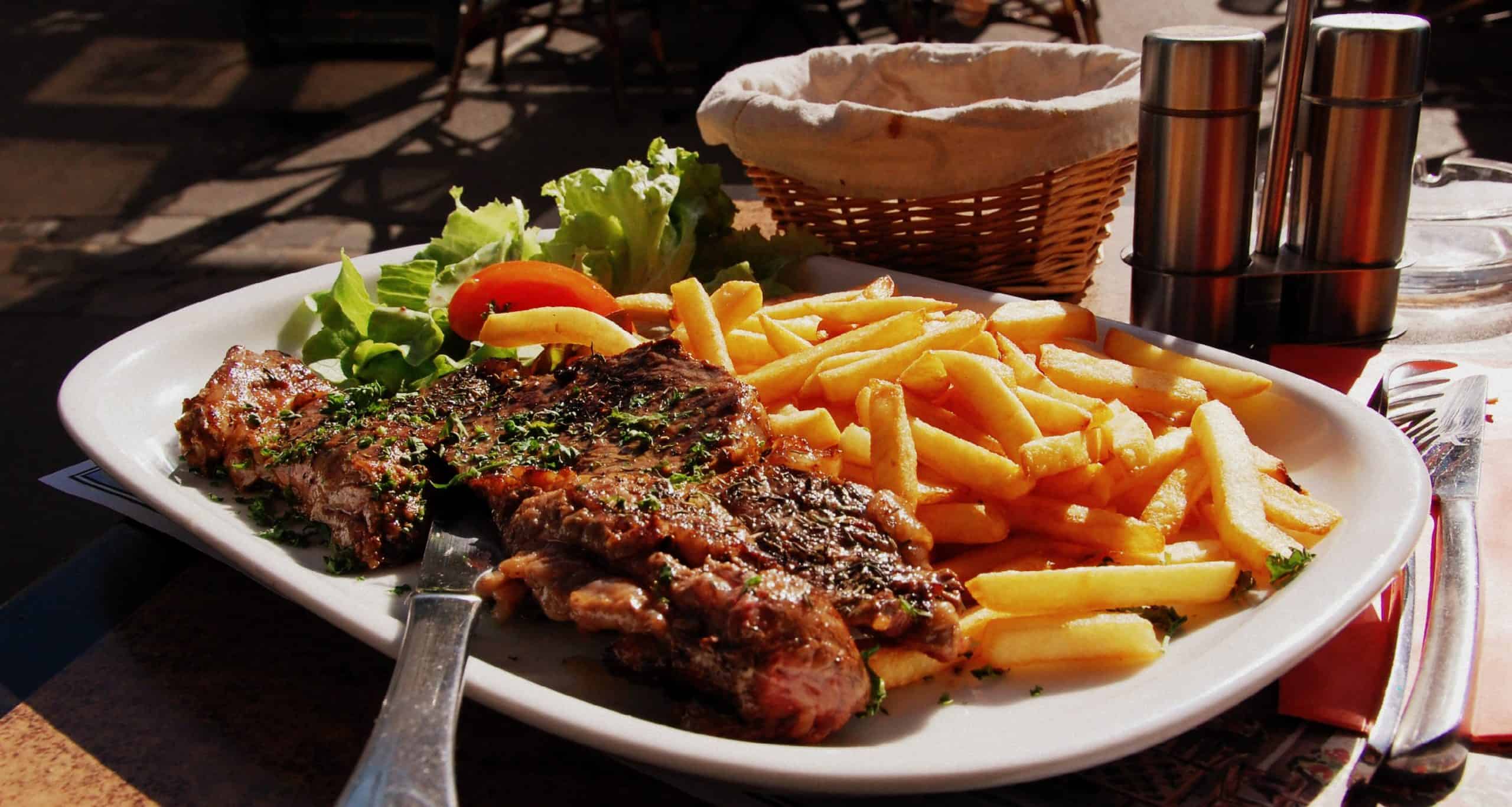
4. Steak-Frites: The Real Bistro Classic

What Tourists Think
- French people dine nightly on elaborate dishes like duck confit, foie gras, or boeuf bourguignon.
What Locals Actually Do
- In a casual bistro, steak-frites (steak and fries) is the go-to “treat meal.”
- Boeuf bourguignon is delicious but more of a weekend or special-occasion dish.
Why the Myth?
- High-end French cuisine overshadowed simpler everyday fare. But a succulent steak with crispy fries (plus a green salad) is the real bistro MVP for a comfortable, hearty dinner.
Pro Tip
Order your steak “saignant” if you like it rare—just be aware “rare” in France can be rarer than you’re used to. And yes, fries are typically homemade or at least freshly fried.
5. Real Cheese (But in Moderation)
What Tourists Think
- Huge cheese platters with 10 different varieties appear at every French meal.
- People end every dinner with a mountain of cheese and a baguette.
What Locals Actually Do
- Cheese is indeed beloved, but not always in large platters nightly.
- A single piece of cheese with bread can be a quick post-meal ritual, or a bigger selection might be saved for weekends or dinner parties.
Why the Myth?
- Cheese is a national icon, so travelers assume it’s always front and center. But moderation is key—plus, storage for that many pungent cheeses might be a challenge in a typical fridge!
Pro Tip
Explore local fromageries (cheese shops) to taste small quantities of different types. Don’t hesitate to ask for recommendations—shopkeepers love sharing cheese wisdom.
6. Yogurt & Simple Desserts
What Tourists Think
- Every dessert in France is a complex pastry masterpiece from a patisserie—think macarons, éclairs, and elaborate cakes.
What Locals Actually Do
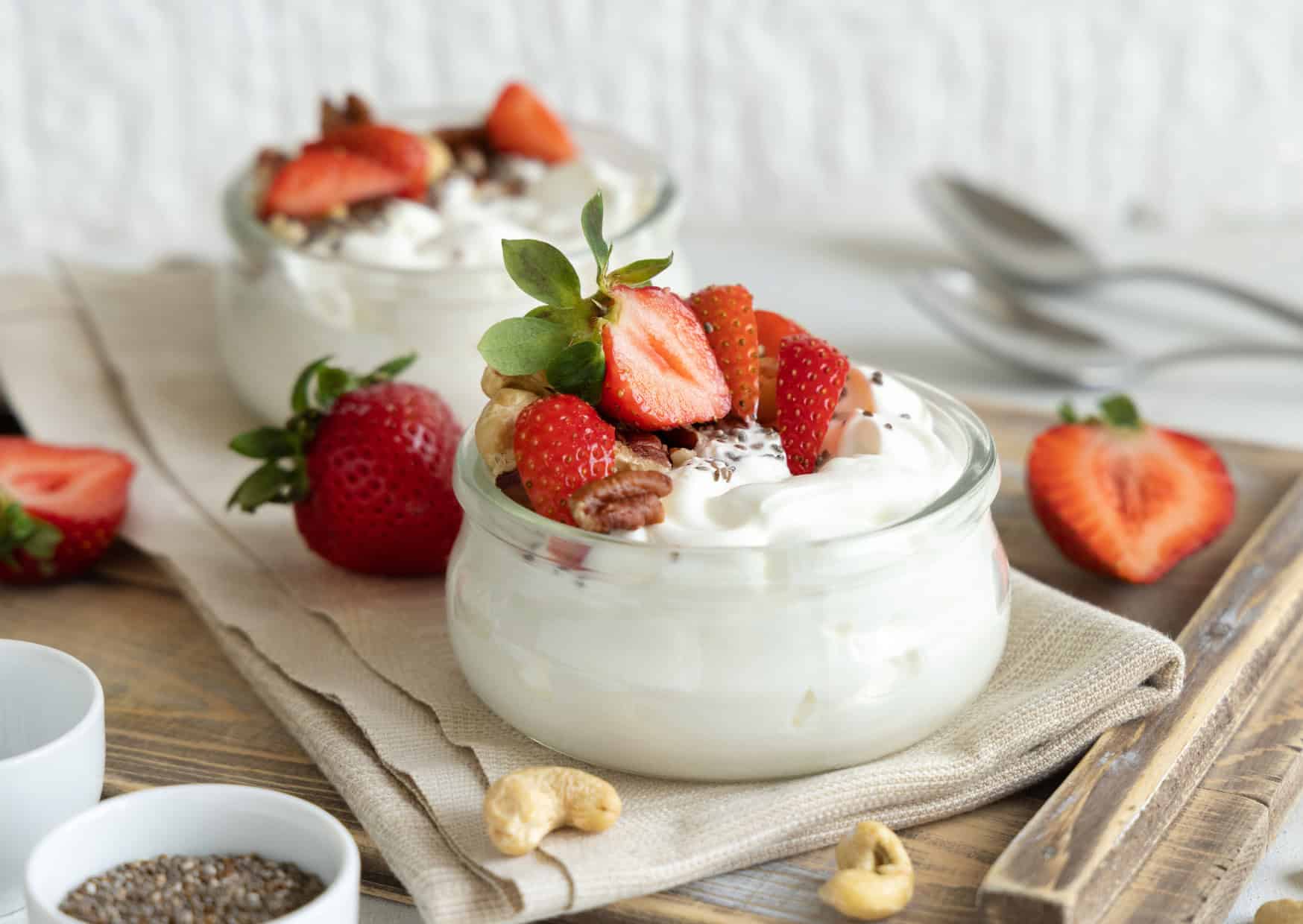
- Dinner dessert at home might just be a cup of yogurt (often plain, sometimes lightly sweetened) or fresh fruit.
- Fancier desserts are more for special occasions or dining out, not daily.
Why the Myth?
- Paris’s patisseries are mesmerizing, making it easy to believe everyone is feasting on éclairs 24/7. The reality is more modest—regular sweets are often simpler.
Pro Tip
If you want to emulate a typical French dinner dessert, keep it light—plain yogurt or fruit, maybe with a drizzle of honey. Save pastries for a dedicated patisserie visit or Sunday treat.
7. Quiche & Savory Tarts

What Tourists Think
- French quiche is a fancy brunch dish.
- Tarts are mostly sweet, high-skill patisserie endeavors.
What Locals Actually Do
- Whip up a quiche lorraine (or a veggie quiche) at home or buy a slice from a local boulangerie for a quick lunch or dinner.
- Savory tarts (like tarte aux légumes or tarte à l’oignon) are a common, easy meal—just pair with a simple salad.
Why the Myth?
- Quiche is often marketed as an upscale brunch item abroad. In France, it’s more of an everyday staple or convenient solution when you want something hearty yet effortless.
Pro Tip
Try quiche fresh from a boulangerie around midday—they often sell out by early afternoon. Pair it with a small green salad and a glass of wine or sparkling water.
8. Rotisserie Chicken from the Local Market
What Tourists Think
- Fancy poultry dishes like duck à l’orange or coq au vin are the norm for at-home dinners.
What Locals Actually Do
- Buy a rotisserie chicken (poulet rôti) from the weekly street market or neighborhood butcher—often sold with roasted potatoes soaking up the drippings.
- Serve it with a simple side of veggies or salad for an easy family dinner.
Why the Myth?
- Cookbooks and restaurants often feature complex, old-school recipes. But in real day-to-day life, the French appreciate convenient, high-quality prepared foods from trusted local vendors.
Pro Tip
If you spot a row of rotating chickens and a line of French locals, get in that line. You’ll enjoy a delicious, ready-to-eat dinner for a reasonable price—one of the true joys of French daily life.
9. Seasonal Produce & Light Veggie Dishes
What Tourists Think
- French cuisine is all butter, cream, and indulgence, with minimal veggies.
What Locals Actually Do
- France boasts vibrant produce markets. Many families build meals around whatever’s in season—zucchini in summer, pumpkins in fall, etc.
- Dishes like ratatouille (Provencal vegetable stew) and tian are everyday staples in southern regions.
Why the Myth?
- Classic “French cooking” is known for decadent sauces, but at home, people balance rich foods with plenty of greens and fresh produce.
Pro Tip
Visit local markets—like the Sunday market in Provence or Paris’s street markets—and watch the locals shop. You’ll see that fresh vegetables (and fruits) are a huge part of the weekly meal plan.
10. Snacking Is Minimal (But “Goûter” For Kids)
What Tourists Think
- French people graze on baguettes, cheese, and pastries all day.
- Adult snack times are a big deal like they are in some other countries.
What Locals Actually Do
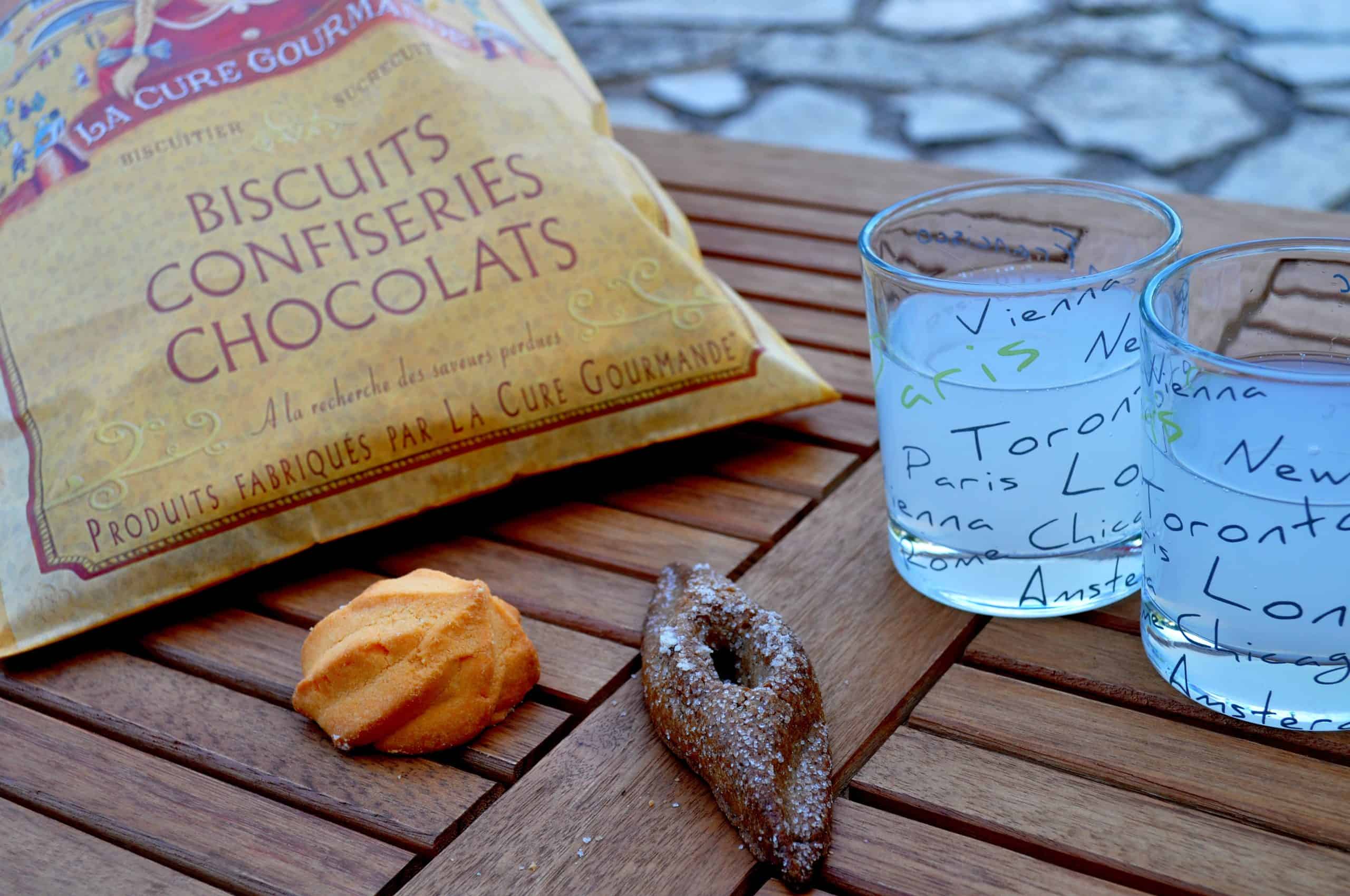
- Goûter is the 4 PM snack mostly for kids—often bread with chocolate, yogurt, or a simple pastry. Adults may have a coffee, but constant snacking is rare.
- People generally stick to the “three meals a day” routine, with some allowances for a small mid-afternoon nibble.
Why the Myth?
- Tourists see boulangeries on every corner and assume locals are in there all day. In reality, those shops cater to everyone’s daily bread or a treat, but not an endless snack-fest.
Pro Tip
If you’re feeling peckish mid-afternoon, do as the French do—maybe a small pastry or piece of bread with butter. But don’t expect adult locals to snack heavily outside mealtimes.
The Bottom Line
Yes, France is home to haute cuisine and decadent pastries—but everyday eating is far simpler and more balanced than the stereotypes suggest. From a quick slice of quiche or a humble rotisserie chicken to a comforting bowl of homemade soup, French home cooking revolves around fresh ingredients, seasonal produce, and a steady rhythm of three meals a day (with maybe a small goûter in between).
Pro Tip
If you want to “eat like the French,” prioritize quality over quantity. Savor that slice of baguette, keep your lunches light but tasty, and treat yourself to a real dessert or cheese plate—just not necessarily every single day. Bon appétit!

About the Author: Ruben, co-founder of Gamintraveler.com since 2014, is a seasoned traveler from Spain who has explored over 100 countries since 2009. Known for his extensive travel adventures across South America, Europe, the US, Australia, New Zealand, Asia, and Africa, Ruben combines his passion for adventurous yet sustainable living with his love for cycling, highlighted by his remarkable 5-month bicycle journey from Spain to Norway. He currently resides in Spain, where he continues sharing his travel experiences with his partner, Rachel, and their son, Han.