
You land, you get a SIM, you sign for a flat—and then your U.S. cards start bleeding fees on rent, utilities, and deposits. There’s a cleaner way that Europeans use by reflex. It’s the SEPA switch: move your money life onto euro bank transfers and direct debits (not cards) the moment you arrive. Inside the Single Euro Payments Area, cross-border euro transfers must cost the same as domestic ones, and from 2025 your bank is required to offer instant payments without charging more than standard transfers. Put those two rules together and your “new country” bank fees collapse.
Below is the simple, phone-friendly plan: what SEPA actually gives you in 2025, the exact laws and deadlines that make the fees vanish, how to set up rent, utilities, and payroll with one IBAN (even if it’s not “local”), and the phrases that end “we only take local bank accounts” on the spot.
Want More Deep Dives into Other Cultures?
– Why Europeans Walk Everywhere (And Americans Should Too)
– How Europeans Actually Afford Living in Cities Without Six-Figure Salaries
– 9 ‘Luxury’ Items in America That Europeans Consider Basic Necessities
What the “SEPA switch” is—one account, euro rails, no drama
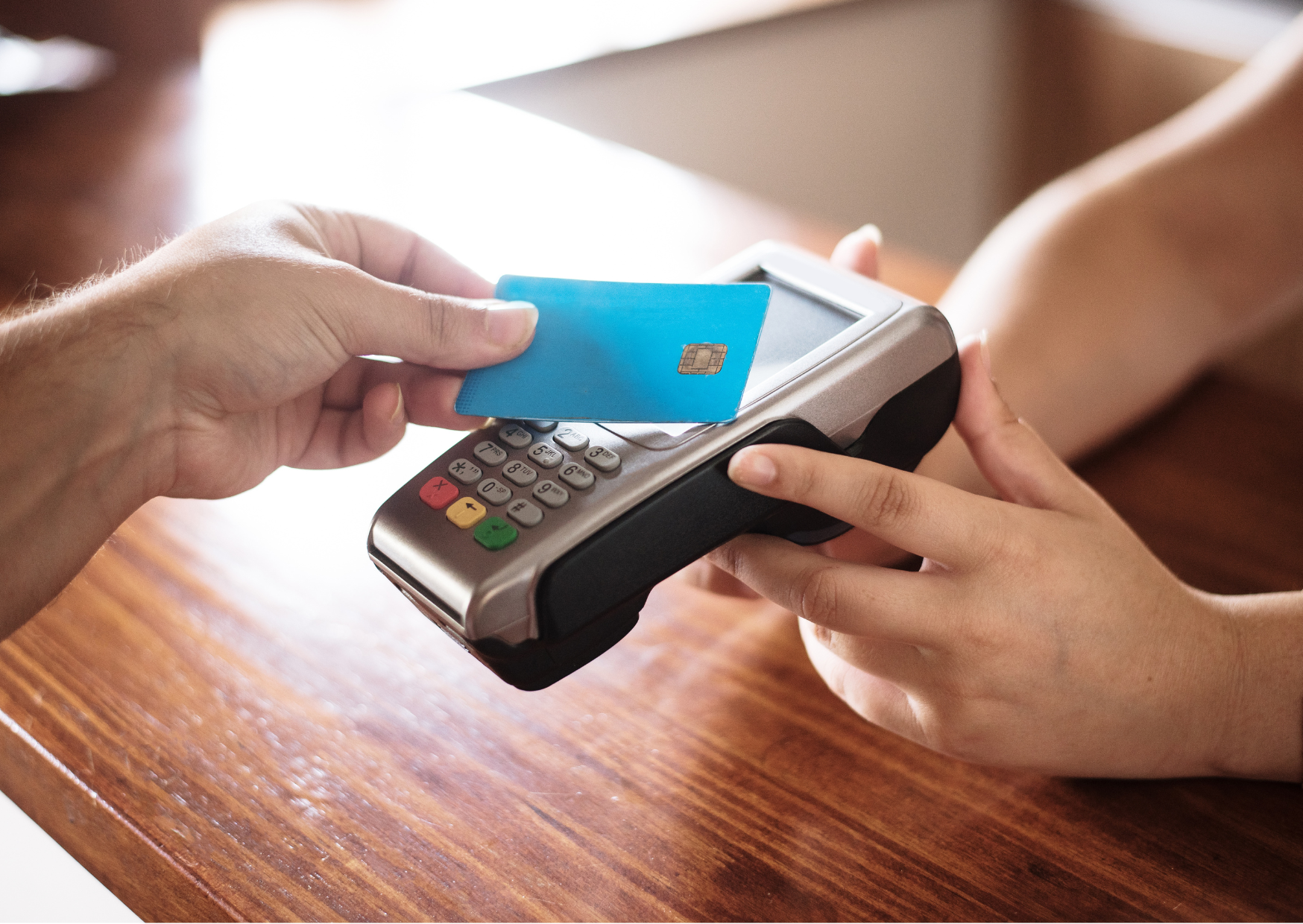
SEPA (Single Euro Payments Area) makes euro transfers and direct debits work the same way across 41 countries—EU, EEA, the UK, Switzerland, microstates, and a few newcomers joining the scheme in 2025–2026. The headline for you: send money with an IBAN, pay bills by SEPA Direct Debit, and stop using cards for big local payments. Because of EU rules, a cross-border euro transfer must cost no more than a domestic one with your bank. If your bank charges €0 for national transfers, it must also charge €0 for SEPA euro transfers. And under the 2024 Instant Payments Regulation, instant transfers can’t be priced higher than regular ones.
Key wins right away: one euro account + IBAN, domestic-level pricing across borders, instant money movement at no premium.
The two laws that crush fees (and why 2025 is different)

Two EU rules do the heavy lifting.
First, Regulation (EC) 924/2009 (as amended) forces price equality: your bank must price cross-border euro payments the same as corresponding national payments. That’s why Europeans pay rent by transfer instead of card—and why moving countries doesn’t mean moving bank fees.
Second, the Instant Payments Regulation (IPR), adopted March 13, 2024, makes instant euro credit transfers mainstream, with staggered deadlines from January 9, 2025 onward. Banks that offer transfers must also offer instant transfers, and they can’t charge more for instant than for standard. The regulation also adds name-check (Verification of Payee), free to the payer, which reduces misdirected transfers and fraud.
Remember: price equality for euro transfers, instant payments at standard prices, free name-check before you send—that’s the 2025 toolkit.
SEPA in plain English—credit transfer vs. direct debit (and why you need both)

Two instruments matter on day one.
SEPA Credit Transfer (SCT) is the push payment you use for rent, deposits, salary splits—you send money to a landlord or employer using their IBAN. In 2025, the instant version (SCT Inst) is rolling out on a legal timetable; if your bank offers transfers, it must support receiving instant euro payments (and soon sending), with no higher fee than normal.
SEPA Direct Debit (SDD) is the pull you authorize for electricity, internet, gym—you sign a mandate once, and the company charges monthly. This scheme is designed so that cross-border debits work like domestic, with no built-in penalty for your IBAN’s country code.
Why both matter: push for big one-offs (cheap, trackable), pull for recurring bills (set-and-forget), and instant for emergencies—money in 10 seconds when it counts.
“We only accept local bank accounts” — why that line is illegal
If a landlord, employer, or utility refuses your non-local IBAN (e.g., a DE or LT IBAN in France), they’re practicing IBAN discrimination. Within SEPA, payees must accept euro transfers and direct debits from any SEPA IBAN; they cannot force you to open a local account for euro payments. Regulators repeat this clearly: an Irish firm can’t demand an Irish account; the same principle applies across SEPA. Keep a one-liner ready: “SEPA prohibits IBAN discrimination—please process this with my IBAN.” If they push back, you can file a complaint with the national authority (and you usually won’t need to once you use the phrase).
Core defense: IBAN discrimination is banned, your SEPA IBAN is valid, no “local only” rules for euro payments.
Instant payments in 2025—who must do what, by when
The instant-payments deadlines are staggered so you may see capabilities arrive in phases. The big dates:
- Receive instant payments: euro-area banks by 9 Jan 2025; non-euro EU banks by 9 Jan 2027; e-money/payment institutions by 9 Apr 2027.
- Send instant payments: euro-area banks by 9 Oct 2025; non-euro EU banks by 9 Jul 2027 (with similar dates for non-bank PSPs).
- Equality of charges: in the euro area by 9 Jan 2025; outside the euro area by 9 Jan 2027.
- Verification of Payee (name-check): euro area by 9 Oct 2025; non-euro area by 9 Jul 2027.
If your bank has already offered instant transfers via TIPS or another rail, great—pricing now has to match standard transfers. If it drags, you’re covered by the deadline.
Your takeaway: instant receive now, instant send soon, no price premium, name-check coming online—city by city, but on the clock.
The 45-minute setup that stops fees before your first bill
Here’s the move you can run from your phone the week you arrive:
- Open a euro account with a SEPA IBAN. It can be with a local bank or a pan-European one; the country code on the IBAN doesn’t matter for euro payments under SEPA rules. Confirm SCT today and SCT Inst status (receive now; send soon if not already).
- Switch big spends to transfer. Pay rent and deposits by SEPA credit transfer, not card. Because of price equality, a cross-border euro transfer must cost the same as a domestic transfer with your bank (often €0).
- Authorize direct debits for recurring bills. Give utilities and internet your IBAN and sign the SEPA Direct Debit mandate. That’s how locals pay—and it’s designed to be cross-border-friendly.
- Enable name-check and instant. If your bank offers Verification of Payee, turn it on; it’s free to you under the IPR. If instant send is live, use it for deposits and key handovers; otherwise standard SCT settles same day/next day.
Result day one: rent by transfer, bills by mandate, instant for emergencies—and the “foreign card fee” problem vanishes.
How this kills the usual expat fees (and what it doesn’t change)
What disappears: foreign transaction surcharges, ATM cash-advance games, wire fees for domestic-style payments, and the “cross-border transfer” uplift (for euro-to-euro) because of price equality. If your bank’s domestic euro transfers are free, your cross-border euro transfers are also free.
What still matters: FX. SEPA moves euros cheaply; it doesn’t magic away currency conversion if you earn in USD or pay a non-euro bill. If you’re paying in złoty or forint, you’ll still see an exchange spread. And dynamic currency conversion (DCC) at ATMs or point-of-sale isn’t part of SEPA; 2019 updates require clear mark-up disclosures, but you still want to reject DCC and pay in local currency.
Bottom line: euro-to-euro is where the savings live; SEPA cuts the fee spine out of those payments. FX is separate—optimize it, but don’t mix the two ideas.
“But my landlord says my IBAN must be local” — use this script

When someone insists on “local only,” try this three-liner:
“SEPA prohibits IBAN discrimination. Euro transfers and direct debits from any SEPA IBAN must be accepted. Here’s my IBAN. If you need a direct debit, I’ll sign the SEPA mandate.”
If they hesitate: “The European Commission confirms this—no company can require a local account for euro payments. If needed, I can send the regulator’s page.”
If they still balk: “Please give me your IBAN; I’ll SEPA transfer the deposit today. Price equality rules apply, so there’s no cross-border fee on my side.”
This works because: the rule is clear, every utility understands SDD, and refusal risks a complaint they don’t want.
Quick country realities—what’s “SEPA” in practice where you live
Euro area (e.g., Spain, France, Germany). The instant-payments deadlines hit first here: banks must receive instant euro transfers by Jan 2025 and send by Oct 2025, with no higher charges than standard transfers. Verification of Payee comes online by Oct 2025.
Non-euro EU (e.g., Poland, Romania, Sweden). The price-equality rule still protects your euro transfers (they must match domestic pricing), and instant deadlines run later (2027), but the logic is identical once you’re paying in euros.
UK & Switzerland. Both are SEPA participants—you can send/receive euro via SEPA schemes using a GB or CH IBAN with banks/fintechs that support them. (Card rules and sterling/franc FX are separate topics; the SEPA win is euro-to-euro.)
Balkans & beyond. Albania, Montenegro, North Macedonia, Moldova were admitted to the SEPA schemes’ scope with earliest operational date Oct 5, 2025; Serbia follows with an earliest date May 2026. That expands cheap euro rails around you—even outside the EU.
Takeaway: wherever you are in the 41-country map, the euro-to-euro trick is the same: IBAN in, card out. European Central Bank European Payments Council
Safety nets built into 2025 rails—why your money lands where you intend

Two guardrails matter this year.
Verification of Payee (VoP): before you hit send, your bank checks the name vs. the IBAN and tells you match/close match/no match. It’s free to you under the regulation and cuts misdirected transfers and spoofing.
Sanctions screening simplified: banks running instant payments screen periodically (at least daily) rather than blocking real-time for long minutes; you still get 10-second delivery without losing compliance.
Why you care: fewer fat-finger mistakes, fast settlement, regulatory comfort—and, crucially, no surcharge for that speed.
When to still use a card (and how to avoid the bad fees when you do)
SEPA doesn’t replace tap-to-pay for coffees and taxis. Keep your card for retail and your IBAN for rent, bills, and big transfers. When you do use a card or ATM, avoid DCC: if the terminal offers to bill you in dollars, decline. EU rules force mark-up transparency, but the mark-up is still expensive. Pay in local currency and let your bank (or multi-currency account) convert.
Rule of thumb: card for small retail, SEPA for everything with an IBAN—and never accept DCC.
Payroll, deposits, refunds—put everything on IBAN rails
Ask your employer (or your client) to pay salary by SEPA to your IBAN. If payroll says they “need a local account,” drop the IBAN-discrimination line and send your IBAN + BIC in writing. For apartment deposits and returns, insist on SEPA credit transfer; you avoid international wire fees and get a timestamped proof of payment. For anything that recurs—electricity, water, internet, gym—SEPA Direct Debit is the adult option: one signature, no late fees, easy to cancel.
Think like a local: salary in by SEPA, rent out by SEPA, bills by SDD—and your statement looks European in a week.
The five mistakes that keep Americans paying fees (fix them now)
Paying deposits by card or international “wire.” You don’t need either. SEPA credit transfer is the standard, and under price equality it’s priced like domestic.
Letting anyone reject your non-local IBAN. That’s IBAN discrimination. Push back once—politely—and it ends.
Not enabling instant. If your bank offers instant send, use it—same price as standard and stronger leverage with landlords (“money’s there now”).
Confusing SEPA with FX. SEPA solves euro-to-euro costs. If you’re converting from USD, manage FX with a euro balance or a fair-rate converter—but don’t blame SEPA for spreads.
Accepting DCC at ATMs/POS. The mark-up is disclosed now by rule. It’s still bad. Always choose local currency.
Your one-screen checklist (save this before your first viewing)
- Open a euro IBAN (any SEPA country code is fine).
- Confirm instant: receiving now, sending as available—and same price as standard.
- Switch rent/deposit to SCT; authorize SDD for utilities.
- Turn on name-check (VoP) if your bank offers it.
- Use the script if someone refuses your IBAN: “SEPA prohibits IBAN discrimination.”
Run this once and you’ll feel the difference at every desk you visit this month.
Bottom line—ride the rails, not the fees
Europe built cheap, fast euro rails so money could move like it’s local—because inside SEPA, it is. In 2025, those rails got teeth: instant is mandatory on a timetable, name-check becomes standard, and charging more for instant than for standard is banned. Add the older price-equality rule and the IBAN-discrimination ban, and the play is obvious. Stop paying with cards for grown-up payments. Move rent, deposits, payroll, and bills to SEPA transfers and direct debits. One account. One IBAN. Fees: gone—on day one.

About the Author: Ruben, co-founder of Gamintraveler.com since 2014, is a seasoned traveler from Spain who has explored over 100 countries since 2009. Known for his extensive travel adventures across South America, Europe, the US, Australia, New Zealand, Asia, and Africa, Ruben combines his passion for adventurous yet sustainable living with his love for cycling, highlighted by his remarkable 5-month bicycle journey from Spain to Norway. He currently resides in Spain, where he continues sharing his travel experiences with his partner, Rachel, and their son, Han.