
And What It Reveals About Priorities, Pleasure, and the Purpose of the Evening Meal
In many American homes, dinner is an exercise in efficiency.
It needs to be fast, practical, and preferably done with minimal cleanup.
Meal kits promise “15 minutes or less.”
Air fryers sit on the counter like life-saving appliances.
Food is something you fit into your schedule.
But in Mediterranean countries—from Greece and Italy to Spain and southern France—dinner is the schedule.
It unfolds slowly.
It may begin with peeling vegetables by hand, chatting across the kitchen, preparing sauces from scratch, or walking to buy bread fresh for that evening.
It often involves multiple small dishes, a table set with intention, and time spent sitting, not just eating.
Here’s why Mediterranean people still prepare dinner in a way many Americans would find too time-consuming—and what this says about a culture that refuses to let convenience define the end of the day.
Want More Deep Dives into Other Cultures?
– Why Europeans Walk Everywhere (And Americans Should Too)
– How Europeans Actually Afford Living in Cities Without Six-Figure Salaries
– 9 ‘Luxury’ Items in America That Europeans Consider Basic Necessities
To many Americans, spending two to three hours preparing, serving, and lingering over dinner sounds inefficient—even indulgent. But in Mediterranean countries like Italy, Greece, and Spain, dinner isn’t just a meal—it’s a ritual of connection. This approach often clashes with the fast-paced, convenience-driven American lifestyle that prioritizes speed over slowness.
Critics argue that the Mediterranean way of cooking and dining is “impractical” for modern families or professionals with demanding schedules. But that perspective ignores a deeper cultural philosophy: food is not just fuel—it’s community. From slow-simmered sauces to shared platters, the time invested isn’t just about what’s on the plate—it’s about who’s at the table.
There’s also a growing backlash against the American obsession with productivity—even in the kitchen. In Mediterranean culture, taking time for food is a form of self-care and family bonding. Some view the U.S. emphasis on quick meals and dining alone as a cultural loss, not a convenience. The controversy? What Americans call “time-wasting,” Mediterranean people consider a way of life worth preserving.
1. Dinner Begins With Ingredients—Not Recipes
In the U.S., dinner often starts with a question: What can I make quickly with what I have?
In the Mediterranean, the evening meal usually begins with:
- What’s fresh?
- What’s in season?
- What did the market offer today?
A tomato is not just a filler—it’s the centerpiece.
An eggplant is not chopped and hidden—it’s roasted, seasoned, and served with olive oil and pride.
This approach takes longer.
You don’t grab a pre-shredded salad mix and pour on dressing.
You slice, soak, salt, oil, and layer. You build the dish from scratch—because you trust that flavor comes from attention.
2. Meals Are Made to Be Shared—Not Just Consumed
In American homes, it’s common to:
- Eat alone or on the go
- Grab a meal in front of a screen
- Microwave a portion while someone else eats takeout
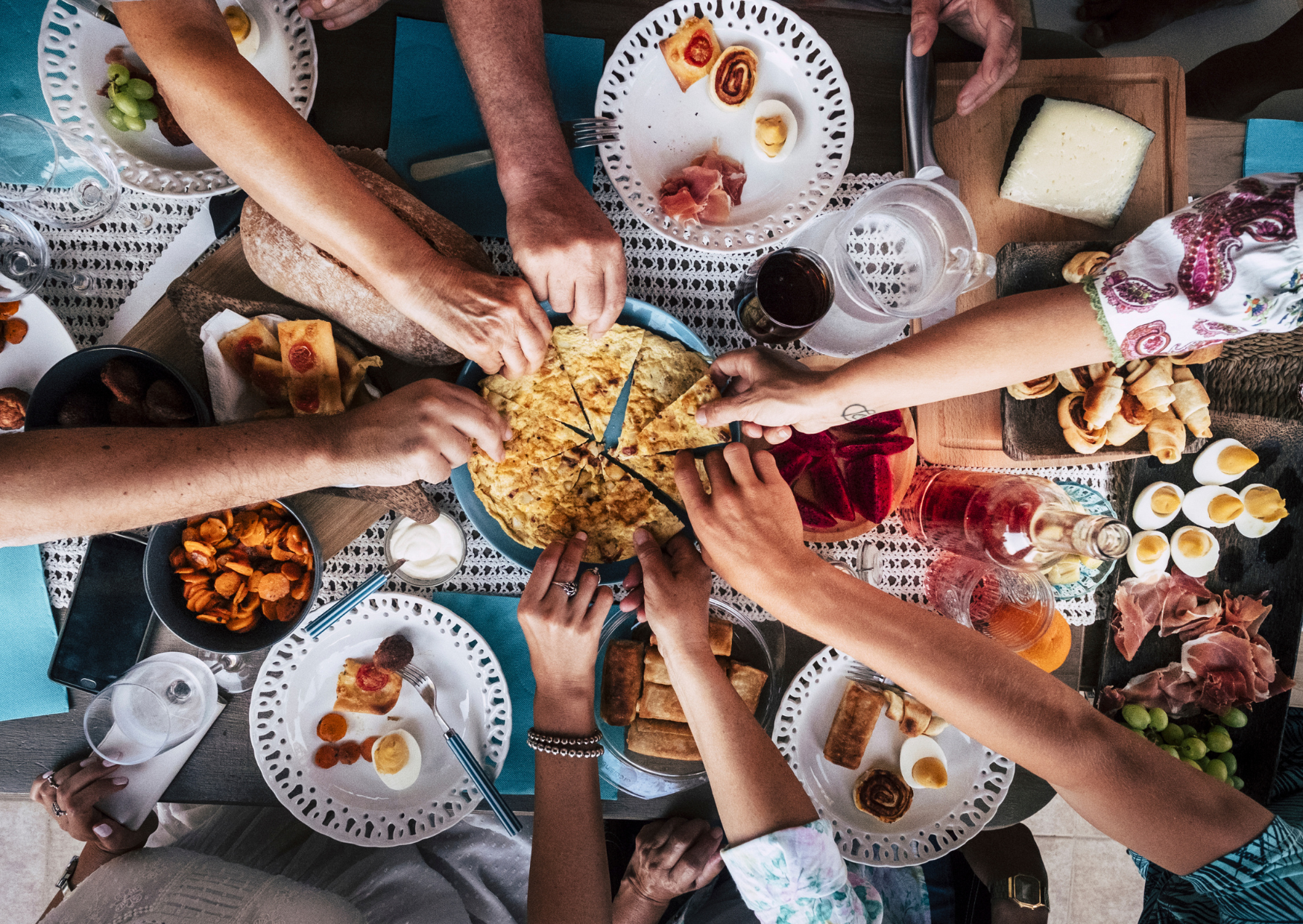
In the Mediterranean, dinner is a social anchor. It doesn’t just feed—it connects.
You cook for more than one person.
You eat slowly.
You talk.
And you wait until everyone is ready before starting.
The food isn’t rushed, because the company matters just as much.
A longer preparation time is not a burden—it’s part of the ritual.
3. Recipes Aren’t Always Written Down—They’re Remembered
Mediterranean families often cook without measuring cups or detailed instructions.
They’ve seen their grandmother make the lentil soup a hundred times.
They’ve felt the dough for focaccia enough to know when it’s right.
They’ve internalized the steps of cleaning artichokes or braising lamb.
This method takes years of casual learning. It’s inefficient by American standards. But it builds cooks who don’t rely on meal apps or grocery delivery services.
They cook from memory, from feel, and from trust.
And while it might take longer to prep a meal this way, it also means dinner is a living tradition, not a task to be completed.
4. Vegetables Are Prepped by Hand—Not From Bags
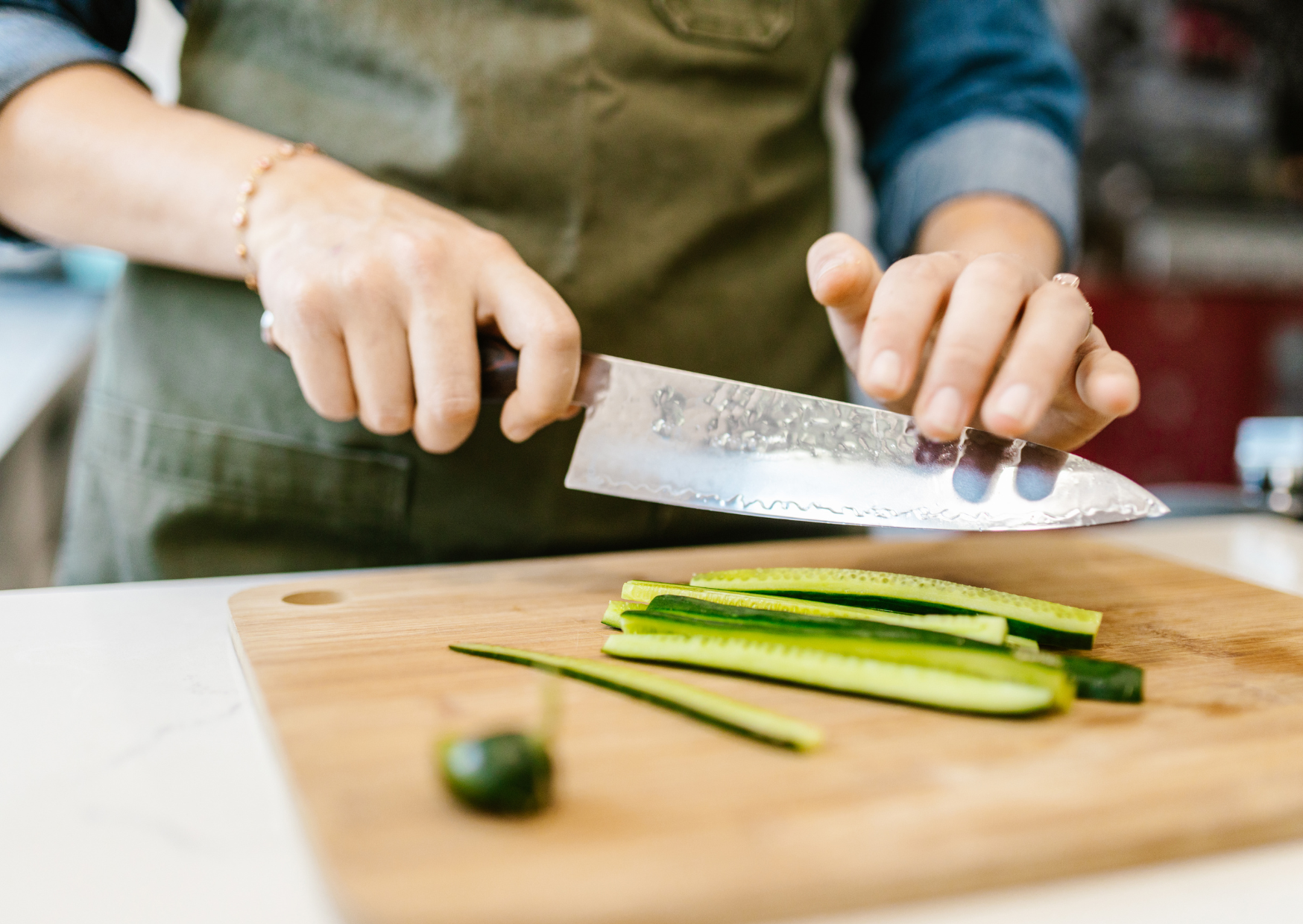
Many Mediterranean dishes involve:
- Peeling tomatoes
- Slicing fennel
- Removing strings from green beans
- Soaking legumes overnight
- Blanching and sautéing leafy greens one batch at a time
To an American cook used to pre-washed, pre-chopped produce in plastic clamshells, this feels inefficient.
But to Mediterranean cooks, the process is the meal’s foundation.
They believe:
- Texture matters
- Oil clings better to hand-cut ingredients
- Freshness can’t be faked
The extra time is seen as care, not waste. And it often happens with others around—family chatting, neighbors dropping by, children learning by watching.
5. Bread Is Bought Fresh—Often Daily

In most Mediterranean towns and cities, bread is not mass-produced and stored for days. It’s bought daily or every other day, often warm from the bakery.
This means dinner may begin with a walk to the panetteria or forno—not opening a plastic bag.
The idea of buying bread once a week, freezing it, or keeping it in the fridge for days would seem strange to many Mediterranean families.
It’s not just about flavor—it’s about continuity.
Bread is part of dinner.
And it deserves its own daily rhythm.
6. Sauces and Dressings Are Built—Not Bottled
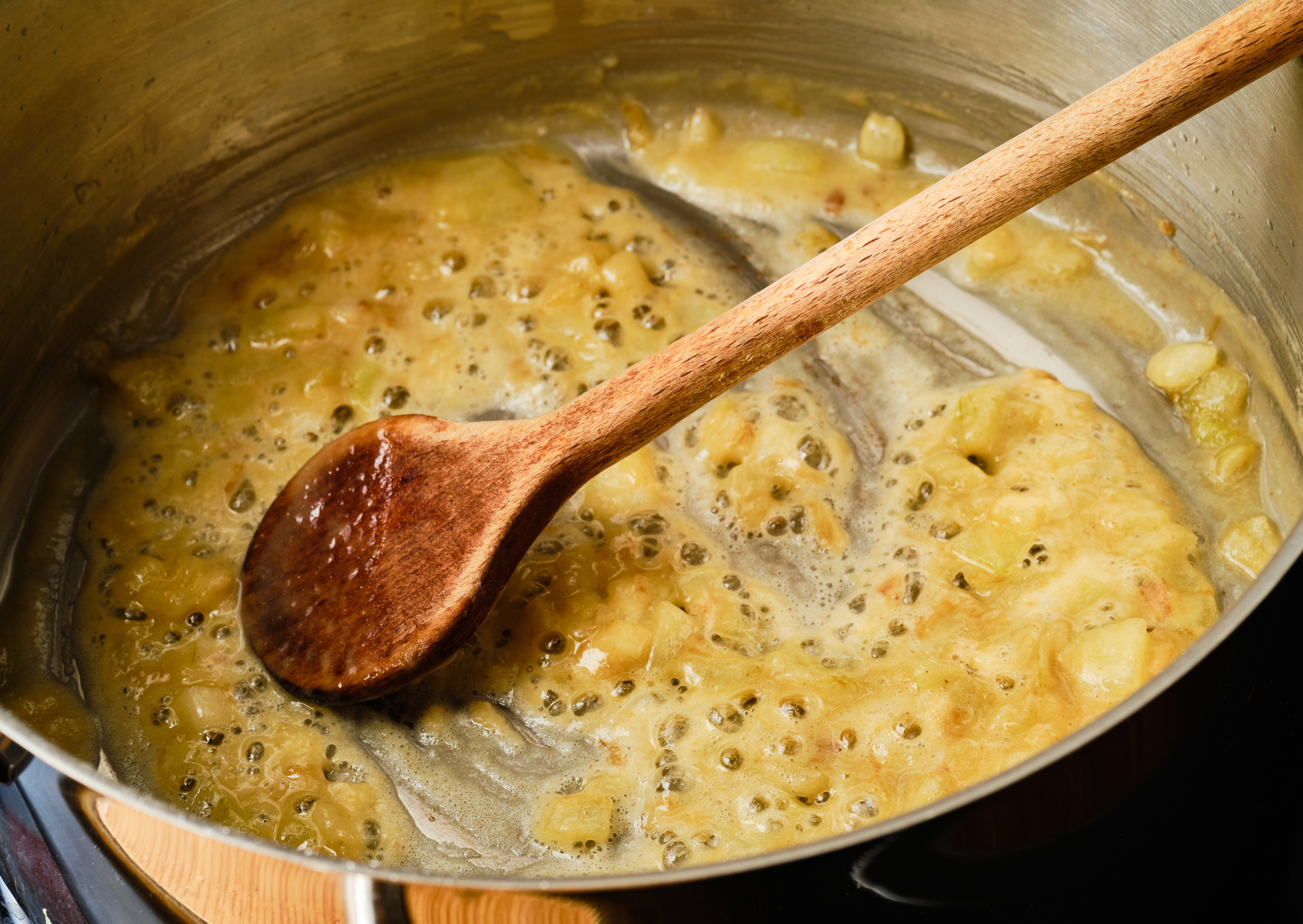
Dinner in the Mediterranean often includes a sauce or dressing made with:
- Olive oil
- Vinegar or lemon juice
- Salt
- Garlic
- Fresh herbs
It’s whisked together in the moment, usually by feel.
There’s no need for bottled vinaigrettes or pre-made marinades. And no one is using flavor packets or seasoning blends filled with preservatives.
This takes more time—but produces a meal that tastes like its region.
To Mediterranean families, preparing a sauce is not an extra step—it’s the difference between food and a meal.
7. Dinner Happens Late—Because Life Happens First
In many parts of Spain, Italy, and Greece, dinner starts at 8 PM or later.
Not because people are lazy. But because the day is structured around:
- Afternoon breaks
- Longer work lunches
- Family errands or walks in the early evening
- A slower transition from daylight to darkness
The evening meal is not rushed. It’s not squeezed between errands and bed. It’s a full, final act of the day.
This later start also explains why dinner can take longer to prepare: there’s time carved out for it, not just leftover scraps from a busy day.
8. Meals Aren’t Designed Around Speed—They’re Designed Around Gratitude
In many Mediterranean homes, dinner begins with a quiet pause—whether religious or not.
There’s a sense that this meal:
- Took effort
- Came from the land
- Will bring people together
It’s not fast food. It’s valued food.
The idea of rushing through a microwaved dinner in five minutes feels wrong—not because of snobbery, but because it disrespects the purpose of the meal.
The preparation is slower because it’s part of what you’re grateful for.
9. Clean-Up Is Built Into the Experience
One of the most common American reasons for fast dinners is clean-up.
People want fewer pans. Less mess. Fewer dishes.
In the Mediterranean, this mindset doesn’t apply in the same way.
- Cooking is seen as collaborative
- People often help with clean-up while chatting
- Meals end with digestifs, fruit, or tea—not rushing to the sink
Because dinner is social, even clean-up feels like part of the evening, not a chore to escape.
And when you’ve spent time preparing something carefully, you’re more inclined to respect the clean-up as part of the cycle.
One Meal, Two Philosophies
To Americans, dinner often means:
- Feed everyone fast
- Minimize effort
- Get on with the evening
To Mediterranean families, dinner means:
- Connect
- Savor
- Close the day with purpose
One culture optimizes.
The other ritualizes.
And while the Mediterranean approach may seem too time-consuming to some, for those who practice it, the slowness isn’t the problem—it’s the point.
The Mediterranean way of preparing dinner reminds us that food can be more than something we check off a to-do list—it can be a daily pause, a celebration of flavor, family, and presence. It’s not about perfection; it’s about prioritizing the moment.
While not everyone can commit hours to making a meal, the deeper takeaway is this: we can all choose to slow down, even just a little, and treat dinner as something more than a pit stop. You don’t need a rustic villa or a Nonna’s recipe book—just the willingness to be more intentional.
So maybe it’s not about copying Mediterranean habits perfectly, but borrowing their spirit—taking the time to cook, sit, share, and savor. Because in the end, what feels “too time-consuming” might just be the thing we’re all starving for.

About the Author: Ruben, co-founder of Gamintraveler.com since 2014, is a seasoned traveler from Spain who has explored over 100 countries since 2009. Known for his extensive travel adventures across South America, Europe, the US, Australia, New Zealand, Asia, and Africa, Ruben combines his passion for adventurous yet sustainable living with his love for cycling, highlighted by his remarkable 5-month bicycle journey from Spain to Norway. He currently resides in Spain, where he continues sharing his travel experiences with his partner, Rachel, and their son, Han.