
Sunset in Madrid, Turin, Lyon—clinics are still humming. People step in for a quick analítica, a small set of labs ordered by a GP, sometimes baked into national checkups. Nobody calls it “biohacking.” It’s just routine prevention that catches quiet risks early and keeps treatment simple. If you borrow the European rhythm—short appointments, targeted panels, regular intervals—you’ll find issues when they’re cheap to fix, not when they’re screaming.
What follows isn’t theory. It’s the core bloodwork that European primary care actually orders for risk assessment, plus how often it’s done and what it finds while there’s still time to do something about it. Frequency varies by country and risk, but the cadence is the same: measure early, measure wisely, act before symptoms.
Want More Deep Dives into Other Cultures?
– Why Europeans Walk Everywhere (And Americans Should Too)
– How Europeans Actually Afford Living in Cities Without Six-Figure Salaries
– 9 ‘Luxury’ Items in America That Europeans Consider Basic Necessities
What Europeans actually check—structured, GP-led, and tied to risk
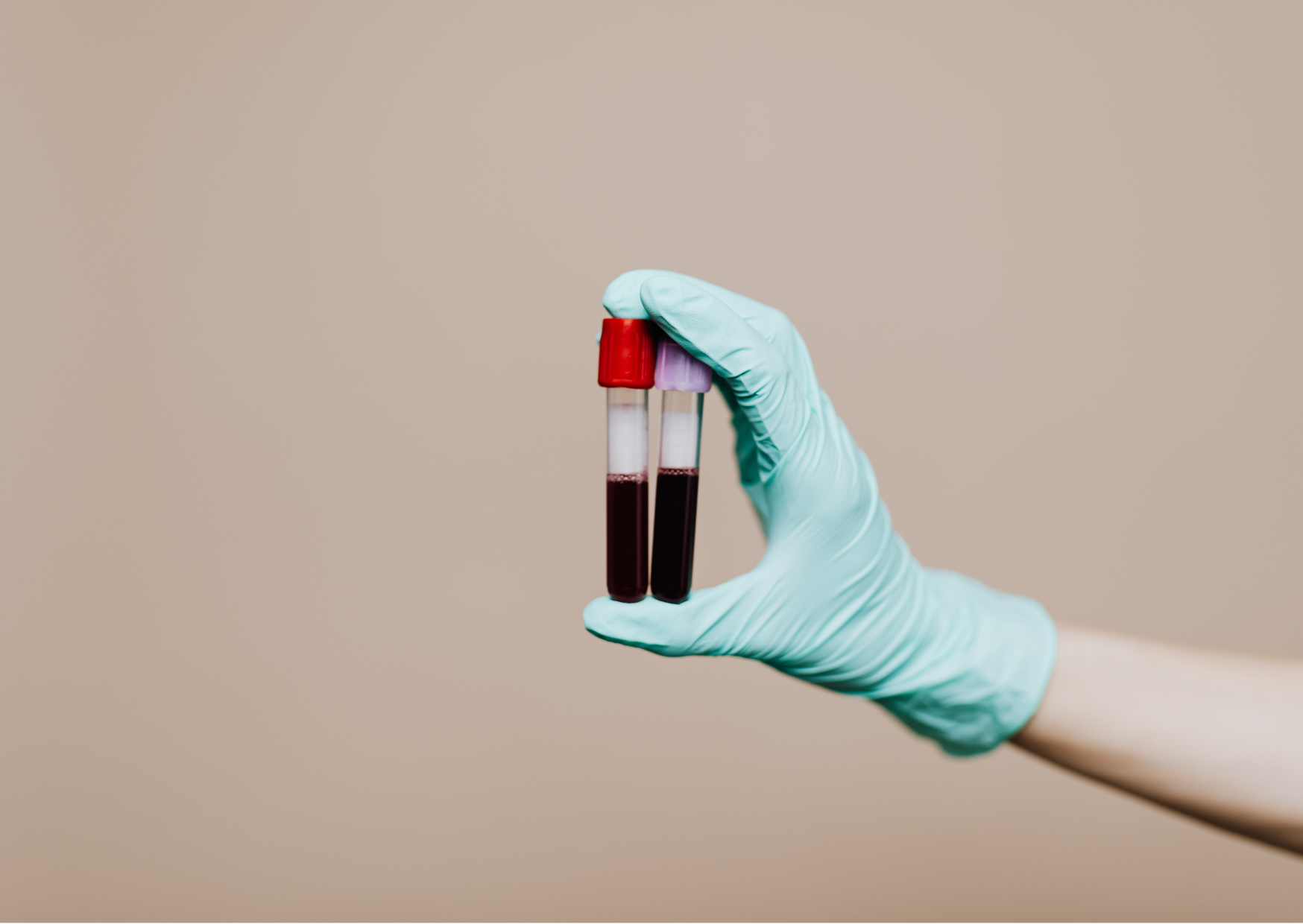
Many European systems run structured checkups in primary care. In Germany, a government “Check-up” includes cholesterol and glucose from age 35 at set intervals; in England, the NHS Health Check for ages 40–74 adds cholesterol and diabetes screening in five-year cycles; in France, a fully covered examen de prévention offers personalized blood tests. The point isn’t a mega-panel every month. It’s regular, targeted labs, done by your GP, that map your baseline and flag drift.
That’s the mindset to copy: let primary care steer, screen to guideline, and repeat on a schedule instead of waiting for symptoms. Even if you prefer yearly labs, understand that in Europe intervals adjust—every 1–3 years for low risk, yearly if you carry risks or meds.
Key ideas here: structured checkups, GP-directed panels, intervals based on risk.
The cardiometabolic anchor: lipids and glucose (your long-game insurance)

If you only run one pair of blood tests for the next decade, make it a lipid profile and glucose/A1c. Elevated LDL creeps for years with no pain; A1c and fasting glucose reveal insulin resistance long before a diagnosis. European guidelines push early risk scoring because earlier control = bigger lifetime payoff.
A practical cadence looks like this: establish a baseline lipid profile (total, LDL-C, HDL-C, triglycerides) in your 20s or 30s; repeat every 1–3 years depending on family history, weight, blood pressure, or smoking. Pair it with HbA1c (or fasting glucose) to catch prediabetes silently building after big dinners and desk days. If numbers are normal and your risk is low, stretch the interval; if you’re trending up—or you’ve got a parent with early heart disease—tighten it.
Make these non-negotiable: full lipid profile, HbA1c or fasting glucose, repeat on schedule.
Kidney and liver: the quiet organs that whisper in blood first
Kidney disease doesn’t announce itself until late. A basic metabolic panel that includes serum creatinine and eGFR catches trouble early—especially if you’re on NSAIDs, PPIs, or blood pressure meds. One abnormal reading isn’t a catastrophe; trend is what matters. Catch a slide at 90 or 80 and you can halt it; discover it at 45 and choices shrink.
On the liver side, a simple check of ALT/AST (and often GGT) lights up silent problems from fatty liver to alcohol-related injury to medication effects. Europe’s primary care often pairs liver enzymes with lipids and glucose because metabolic issues travel together. If enzymes are elevated, your GP will repeat, look for patterns, and chase causes—weight, alcohol, viral hepatitis risk, iron overload—before scarring sets in.
Put on your list: creatinine/eGFR, ALT/AST (± GGT), watch the trend.
Full blood count and iron studies: anemia now, overload before it scars

A full blood count (CBC) is a small test with big reach. It picks up anemia, B12/folate deficiency, and subtle inflammation. In women with heavy periods, a yearly CBC can prevent the slow slide into exhaustion that everyone calls “stress.” If indices hint at iron trouble, add ferritin; if ferritin is high—or you’ve got Northern European ancestry—check transferrin saturation to screen for hereditary hemochromatosis. That single fork in the road matters: hemochromatosis causes decades-in-the-making damage (liver, heart, joints) but is easy to treat when found early.
Europe tends to test to suspicion rather than shotgun everything. That’s fine—just make a habit of asking: “If my CBC is off, can we run ferritin and, if needed, transferrin saturation?” You’re not requesting a boutique add-on. You’re derailing a disease that takes ten silent years to show itself.
Remember the pair: CBC first, ferritin/TSAT if red flags appear.
Thyroid when indicated: start with TSH, don’t over-treat numbers
TSH is the right first step when symptoms or risk point that way—fatigue, cold intolerance, weight change, family history, goiter, postpartum shifts, autoimmune background. If TSH is abnormal, your GP adds free T4 and treats the person, not just the lab slip. Most European guidelines don’t push universal annual thyroid screening in low-risk adults; they do catch a lot of under-performing thyroids by using TSH early when the story fits.
If you’re edging into midlife and your energy is off with no good explanation, a TSH belongs in your next draw. If it’s normal, you’ve ruled out a common, fixable drag on life. If it’s high, you’ve found something you can treat before cholesterol worsens and mood slides.
Keep it simple: TSH first, free T4 if abnormal, symptoms drive repeats.
The “don’t miss” serologies: coeliac disease when the clues line up
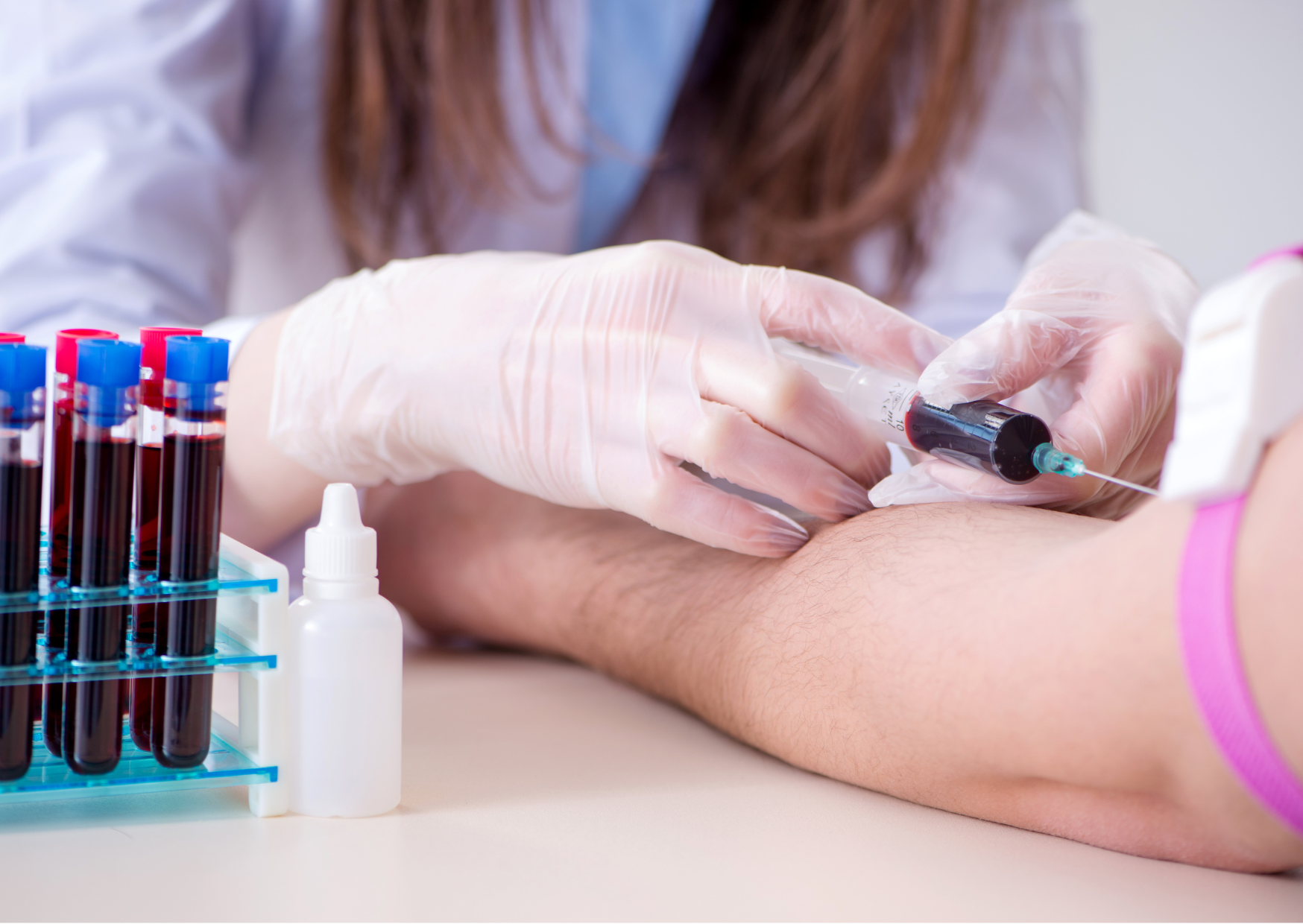
Europe is quicker than the U.S. to screen for coeliac disease in the right context because bread, pasta, and beer are daily life—and because untreated coeliac quietly steals iron, fractures bones, and raises other risks over time. If you have iron-deficiency anemia, bloating, unexplained weight loss, Type 1 diabetes, autoimmune thyroid, or a first-degree relative with coeliac, ask for IgA tissue-transglutaminase (tTG-IgA) with total IgA. That single test sequence has transformed diagnosis rates across Europe.
Don’t do this every year just to do it. Do it once when symptoms or risk appear, and again if your picture changes. It’s low cost, high clarity, and turns a decade of misdiagnosis into one clinic visit.
The pair to request: tTG-IgA, total IgA (to rule out IgA deficiency).
What not to put in your “annual” lab slip
The fastest way to waste money—and scare yourself—is to order broad tumor markers or massive panels without a reason. In Europe, primary care avoids PSA as routine screening for all men; it’s a shared decision based on age and risk, not a yearly reflex. Vitamin D isn’t a universal annual either (check it when risk is present or deficiency is suspected), and food-sensitivity IgG tests are not diagnostic for allergy or intolerance.
Keep your panel lean and evidence-based. Add tests when your story calls for them, not because a website says “annual.” That’s how you keep care smart and costs low.
Skip by default: tumor markers, IgG food panels, one-size-fits-all PSA.
How often—honest European intervals you can copy
There isn’t one “European frequency,” but you can mirror the pattern without guessing:
- Ages 20–34: establish a baseline once—lipids, glucose/A1c, CBC, creatinine/eGFR, ALT/AST. If normal and low risk, repeat every 3–5 years; sooner if weight, BP, or family history change.
- Ages 35–39: adopt a 1–3 year rhythm for lipids and glucose; repeat kidney/liver and CBC on the same cycle unless something flags.
- Ages 40–74: keep the 1–3 year cadence if you’re low risk; annual draws if you’re on statins, antihypertensives, metformin, or you’ve crossed into prediabetes.
- Any age with new meds or diagnosis: check sooner after changes; then roll back to your steady interval.
That’s the European logic: risk sets frequency, not vibes. Annual is fine if it keeps you consistent—but don’t skip three years in a row and call it “minimalism.”
Memorize this triad: baseline early, repeat by risk, tighten with meds.
How to order this like a local—even if you’re in the U.S.
Book a visit with your GP and say you’d like a preventive panel anchored on lipids, glucose/A1c, CBC, creatinine/eGFR, ALT/AST. Add ferritin/TSAT if your CBC hints at iron issues or your ancestry suggests risk. Add TSH if your symptoms fit. Add tTG-IgA/total IgA if your gut, iron, or family history points to coeliac.
Two sentences help: “I’m not chasing a mega-panel—just the core labs European primary care uses to catch cardiometabolic and silent organ issues early. If normal, I’ll follow your interval.” You’ve shown you’re serious and sane; clinicians reward that.
Lead with: a focused ask, a reason, agreement to follow intervals.
What the numbers actually buy you—ten-year wins in plain language
- A low-density lipoprotein that’s high at 32 is atherosclerosis at 42; treat the pattern at 32 and you reduce lifetime events, not just next year’s.
- An A1c creeping to 5.7–6.4% is the decade before diabetes; lifestyle and, if needed, meds in that window prevent nerve and kidney damage later.
- A rising ALT in your 30s might be fatty liver; course-correct now and you avoid fibrosis discussions in your 40s.
- A high ferritin/TSAT at 35 is hemochromatosis you can treat with simple phlebotomy; leave it ten years and you’re debating cirrhosis.
- A TSH that flags early saves you five years of “I’m just tired.”
That’s what “catch it a decade earlier” looks like in human time.
Translate labs into life: treat patterns, not one-offs, play the long game.
Travelers and expats—getting this done in Europe without drama
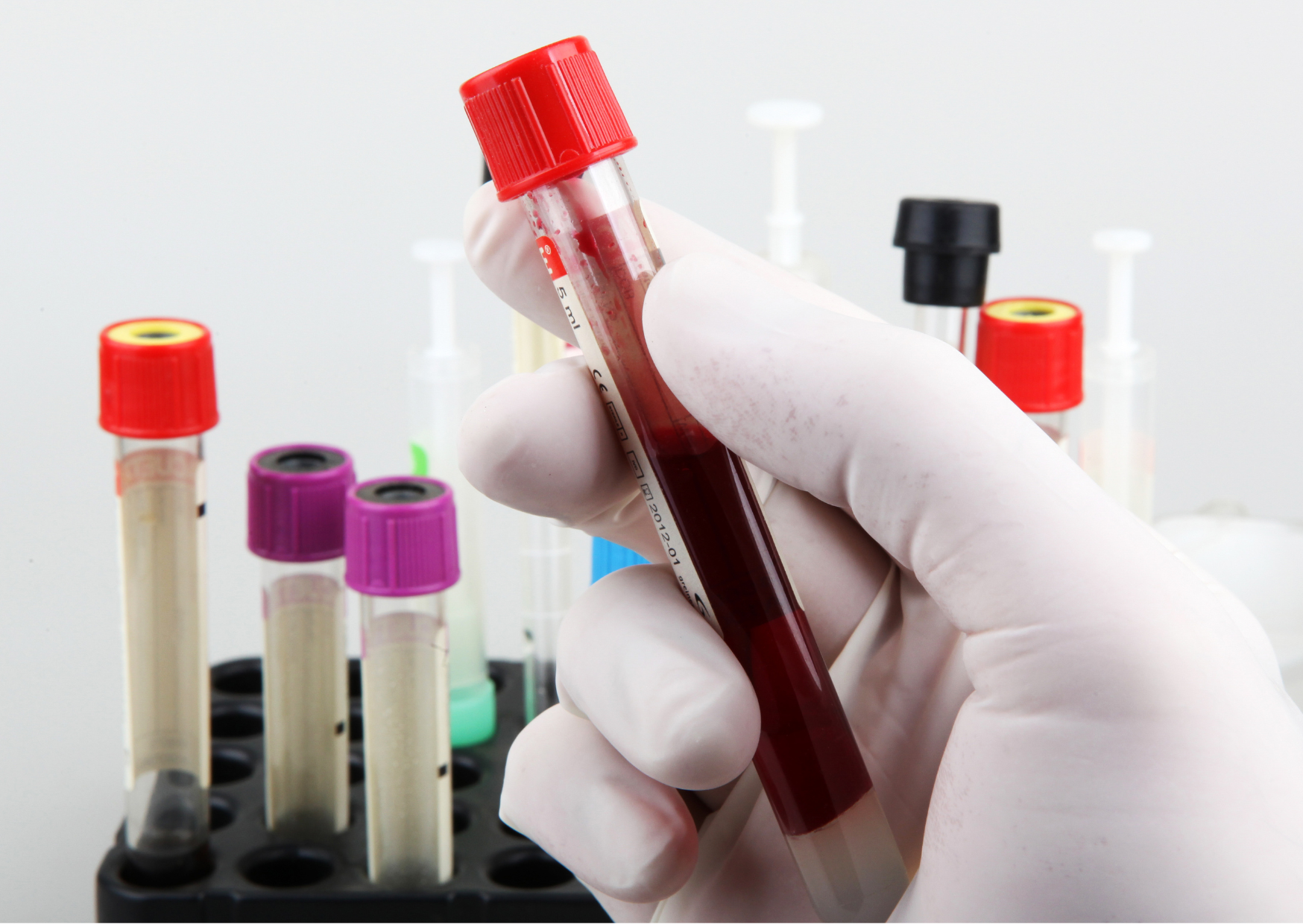
In most EU countries, you can do this through a GP visit with labs drawn the same day. If you’re in Germany, ask about the Check-up and confirm cholesterol + glucose are included for your age; in England, check if you’re due a Health Check and whether you’ll get cholesterol and HbA1c based on risk; in France, book the examen de prévention if you’re covered. If you’re outside those programs—private clinics across Europe will run these exact tests as a single “analítica” for a modest fee.
Take a one-page list to the desk and keep it boring: lipids, glucose/A1c, CBC, creatinine/eGFR, ALT/AST. Add the situational tests we noted when the story fits. You’ll walk out with a clean PDF and a plan.
Your pocket script: one page, five core tests, add by story.
A note on cancer screening—complements, not substitutes
Blood tests aren’t the mainstay for cancer screening in Europe. Real screening is HPV/cervical, mammography, and stool-based FIT/colonoscopy by age and risk. Keep those programs on your calendar; let bloodwork do what it’s good at—metabolic and organ risk, not wishful tumor hunts.
Treat labs as a tool, screenings as schedules, both as non-negotiable.
Your one-minute checklist (save this to your Notes)
- Core panel now: lipid profile, HbA1c or fasting glucose, CBC, creatinine/eGFR, ALT/AST.
- Add by story: ferritin/TSAT (iron flags/ancestry), TSH (symptoms/risk), tTG-IgA + total IgA (anemia/GI/autoimmune history).
- Repeat smartly: every 1–3 years if low risk; yearly with meds or rising numbers.
- Act on trends: don’t panic on one blip—confirm, then change something.
- Pair with screenings: cervical/HPV, mammography, FIT/colonoscopy by age.
Run that loop for ten years and you’ll feel the European advantage: fewer surprises, cheaper fixes, longer runway.
Putting it in perspective
Europe’s secret isn’t exotic medicine. It’s habits: a GP who orders targeted labs on a schedule, a patient who shows up, and a culture that treats prevention like brushing your teeth. Adopt that posture—small panels, repeated sensibly, adjusted by risk—and you’ll pull problems out of the future and into the present, where they’re still easy.
You don’t need perfect genetics or perfect discipline. You need a calendar invite that says “analítica—15 minutes” and a list that fits on one phone screen. Do that, and in a decade you’ll be grateful for how boring your blood tests look.

About the Author: Ruben, co-founder of Gamintraveler.com since 2014, is a seasoned traveler from Spain who has explored over 100 countries since 2009. Known for his extensive travel adventures across South America, Europe, the US, Australia, New Zealand, Asia, and Africa, Ruben combines his passion for adventurous yet sustainable living with his love for cycling, highlighted by his remarkable 5-month bicycle journey from Spain to Norway. He currently resides in Spain, where he continues sharing his travel experiences with his partner, Rachel, and their son, Han.