
You open Spain’s work calendar and notice a Thursday in red. Your American brain shrugs—“nice midweek break.” A Spaniard sees something else: a puente—a “bridge” you build by taking Friday off so the holiday connects to the weekend. When the red day falls on a Tuesday, you take Monday. When two red days land in the same week, the joke becomes an acueducto. It isn’t gaming the system; it’s the system—designed around fixed public holidays, regional autonomy, and a social rhythm that values rest you can plan for.
Below is the playbook: what a puente really is, how the law makes it possible, how companies schedule around it, and how to use it without annoying your boss or blowing your budget. This is everyday Spain—the calendar, not the clichés.
Want More Deep Dives into Other Cultures?
– Why Europeans Walk Everywhere (And Americans Should Too)
– How Europeans Actually Afford Living in Cities Without Six-Figure Salaries
– 9 ‘Luxury’ Items in America That Europeans Consider Basic Necessities
What Spaniards actually mean by “puente”
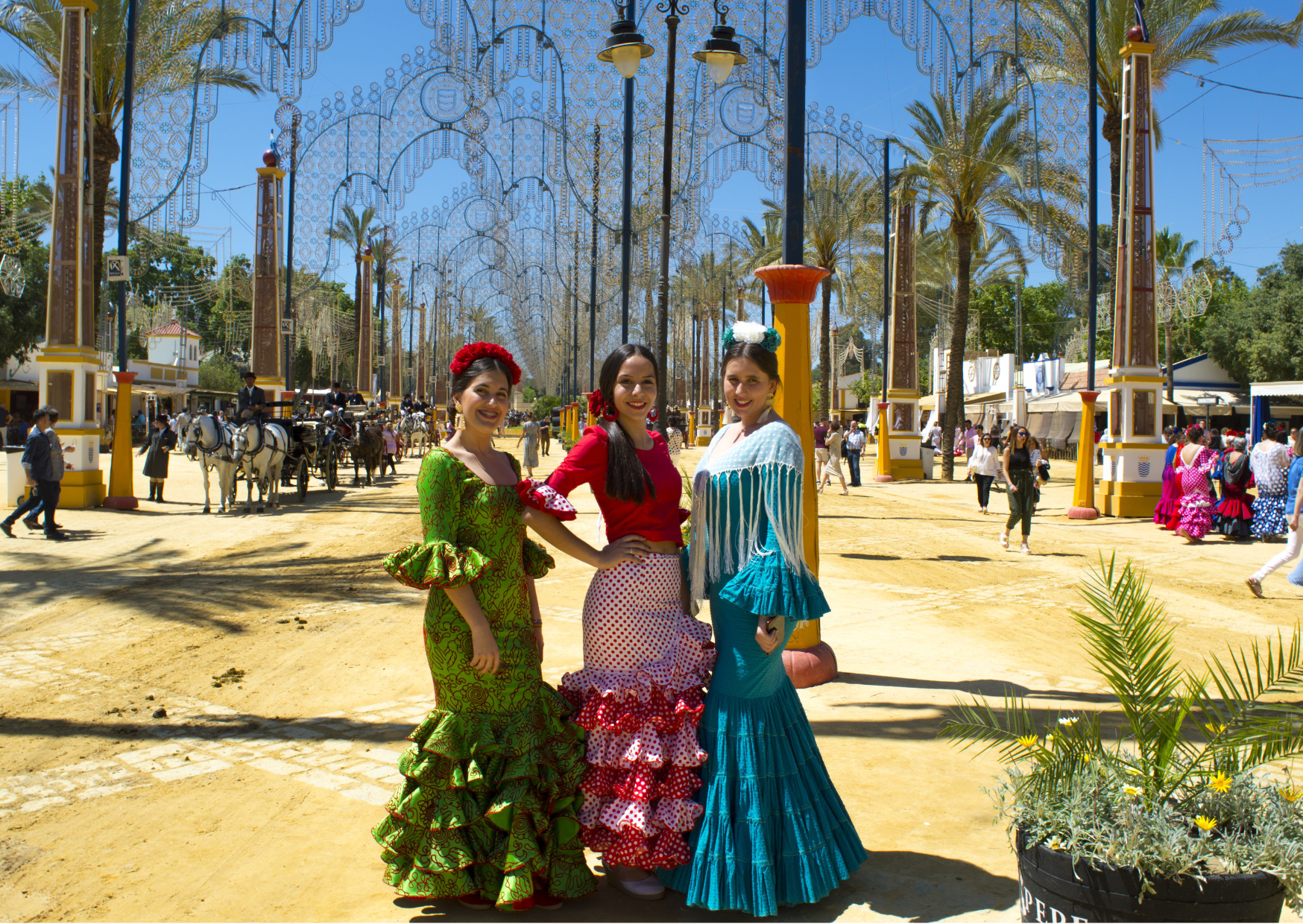
In Spanish offices, puente means a day you add next to a fixed holiday—lunes if the holiday is Tuesday, viernes if it’s Thursday—so work restarts after a long weekend. When two red days sit in the same week (think a Friday and the following Monday, or Spain’s December duo), people joke about an acueducto—a longer bridge. You’ll also hear the casual día “sándwich” for that lone workday between a holiday and the weekend.
The point isn’t slacking; it’s predictability. People book trains, see family, and plan minor renovations knowing that public holidays in Spain are posted and honored. The cultural move is simple: read the calendar, claim the one day that turns a random Tuesday off into a four-day break, and do it early so your team can plan around you.
The legal scaffolding that makes bridges possible
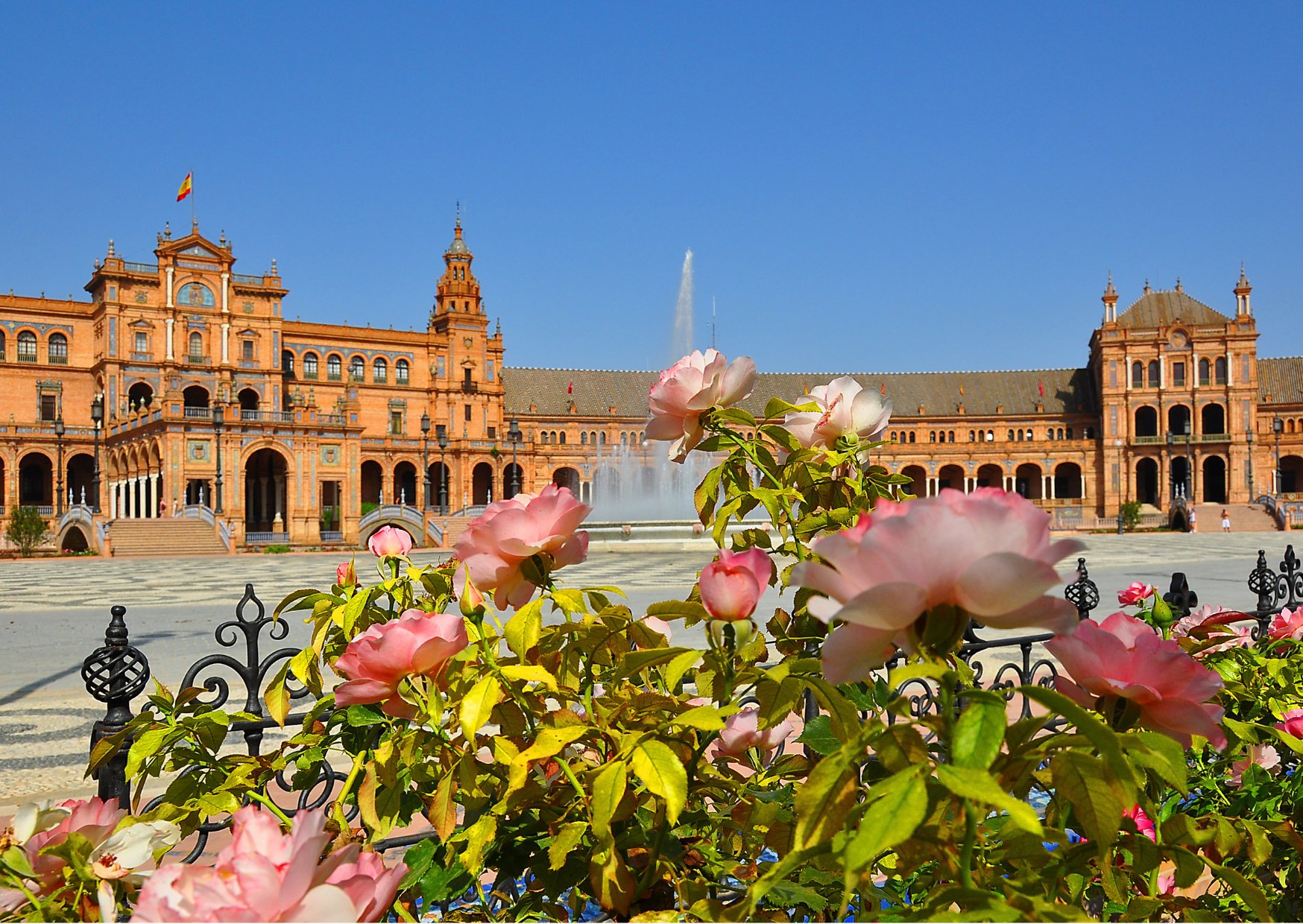
Spain’s work rules set the stage. The Estatuto de los Trabajadores caps public holidays at catorce (14) per year—retribuido y no recuperable (paid and not to be “made up”), and dos (two) must be locales set by each municipality. A core set are respected nationally (Año Nuevo, 1 de mayo, 12 de octubre, Navidad), while autonomous communities can shift some holidays to lunes when they land awkwardly. That layered structure—nacionales, autonómicos, locales—creates the little gaps Spaniards fill with a day of leave.
What does “not recoverable” mean in practice? If a holiday lands on a workday, your default is time off with pay; it isn’t a free-floating hour bank you owe later. Companies still need coverage, but the baseline is rest, not rollovers—and that baseline makes bridges socially normal rather than sneaky.
How bridges actually get booked at work
The mechanics are unglamorous: your company publishes a calendario laboral at the start of the year, often shaped by a convenio colectivo. HR flags likely cierres de puente—days when an office will be shut—or leaves them open with the expectation that staff use vacaciones to build the bridge. Some teams rotate coverage; others treat bridges as mini shutdowns, especially in schools, public administration, and firms tied to local government hours.
The employee move is to ask early, in writing, and with a plan. You propose the viernes puente or lunes puente, note how your work will be covered, and reference the posted holiday list. You are not asking for a favor; you are coordinating within a calendar the law already acknowledges. The tone that works is proactive, specific, and team-aware.
2025—where the real four-day weekends were and are
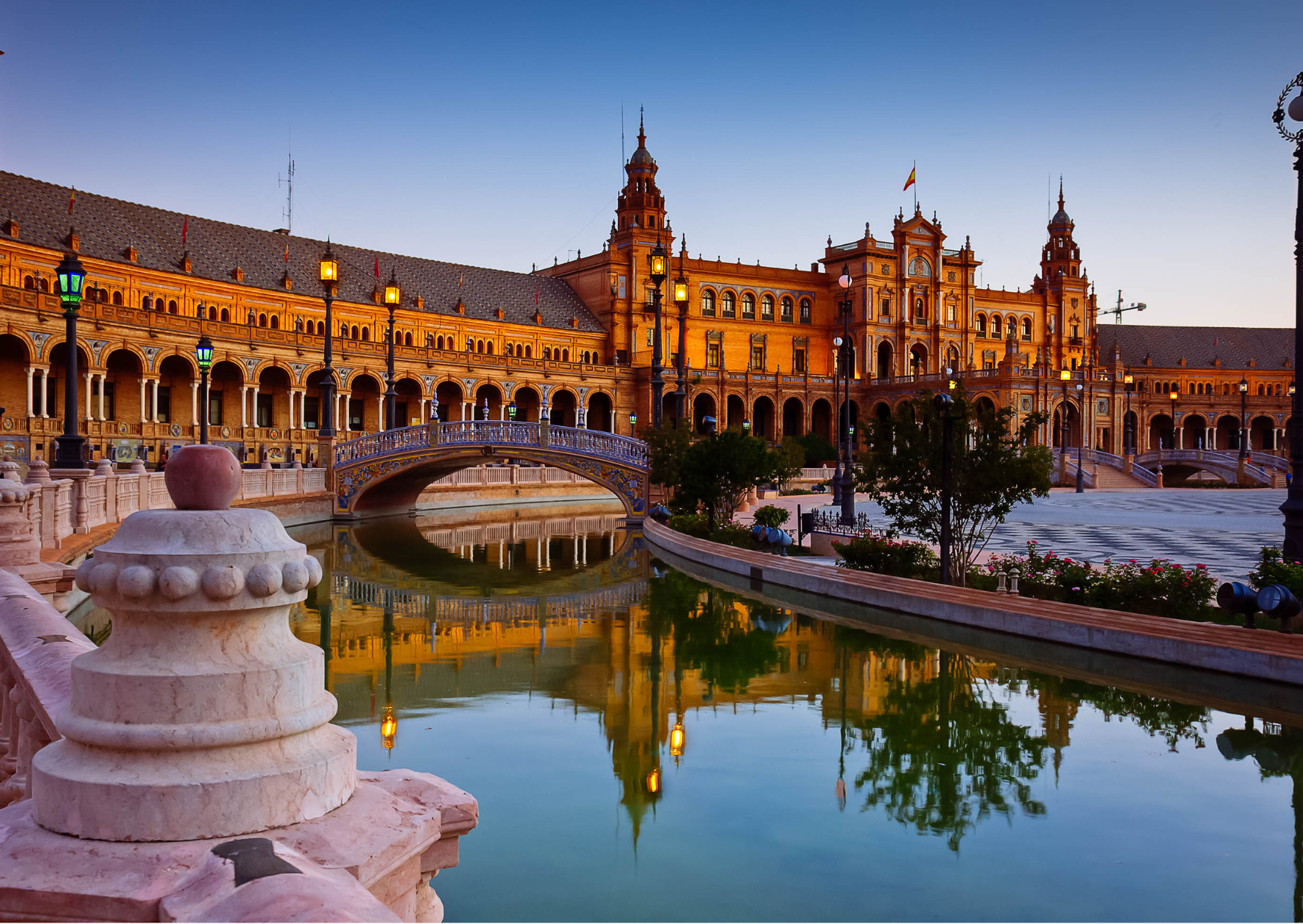
A good puente needs a holiday on jueves or martes. In 2025, Spain’s national list (plus regional choices) created some classic opportunities:
- Mayo en Madrid was textbook. 1 de mayo (Fiesta del Trabajo) fell on jueves and 2 de mayo (Comunidad de Madrid) on viernes, delivering a clean cuatro días without using leave. Two weeks later, San Isidro—15 de mayo, jueves—gave locals another easy bridge by taking viernes 16. That’s how May became the month of back-to-back long weekends in the capital.
- 15 de agosto (Asunción) hits viernes this year, which made a nationwide tres días weekend in peak summer—and a four-day stretch in towns with a Monday local holiday tagged to their fiestas. That pattern repeats across Spain every time August 15 lands at week’s end.
- Diciembre still matters even when the famous duo splits. 6 de diciembre (Constitución) falls on sábado in 2025, but 8 de diciembre (Inmaculada) is lunes—a built-in long weekend. Some communities and cities add their own local days around it, creating micro-bridges you only see on the municipal calendar. The national framework for 2025 was published last October; the regional and local add-ons are what turn a long weekend into a real puente.
The lesson holds each year: scan nacionales, then autonómicos, then locales. The “big” bridges come from national+regional pairings. The sleeper bridges come from local patron-saint days you’ll miss unless you check your city’s bulletin.
Why this doesn’t feel like “slacking” in Spain
Two cultural assumptions make bridges normal rather than naughty. First, holidays are part of public life—civic and religious dates intended “to allow society to celebrate together and to contribute to worker rest,” as courts and commentaries summarize the statute’s purpose. Second, office planning is calendar-centric—teams expect to staff around red days just as they staff around August holidays or summer jornada intensiva. In that context, a bridge is a planned pause with clear rules, not an ambush request.
That’s why Spaniards talk about bridges months ahead. You won’t hear “Can I maybe take Monday?” at 5 p.m. on Friday. You’ll see a shared spreadsheet in January and a manager nodding in March because you called your dates when everyone else did.
How to build your own puente without friction
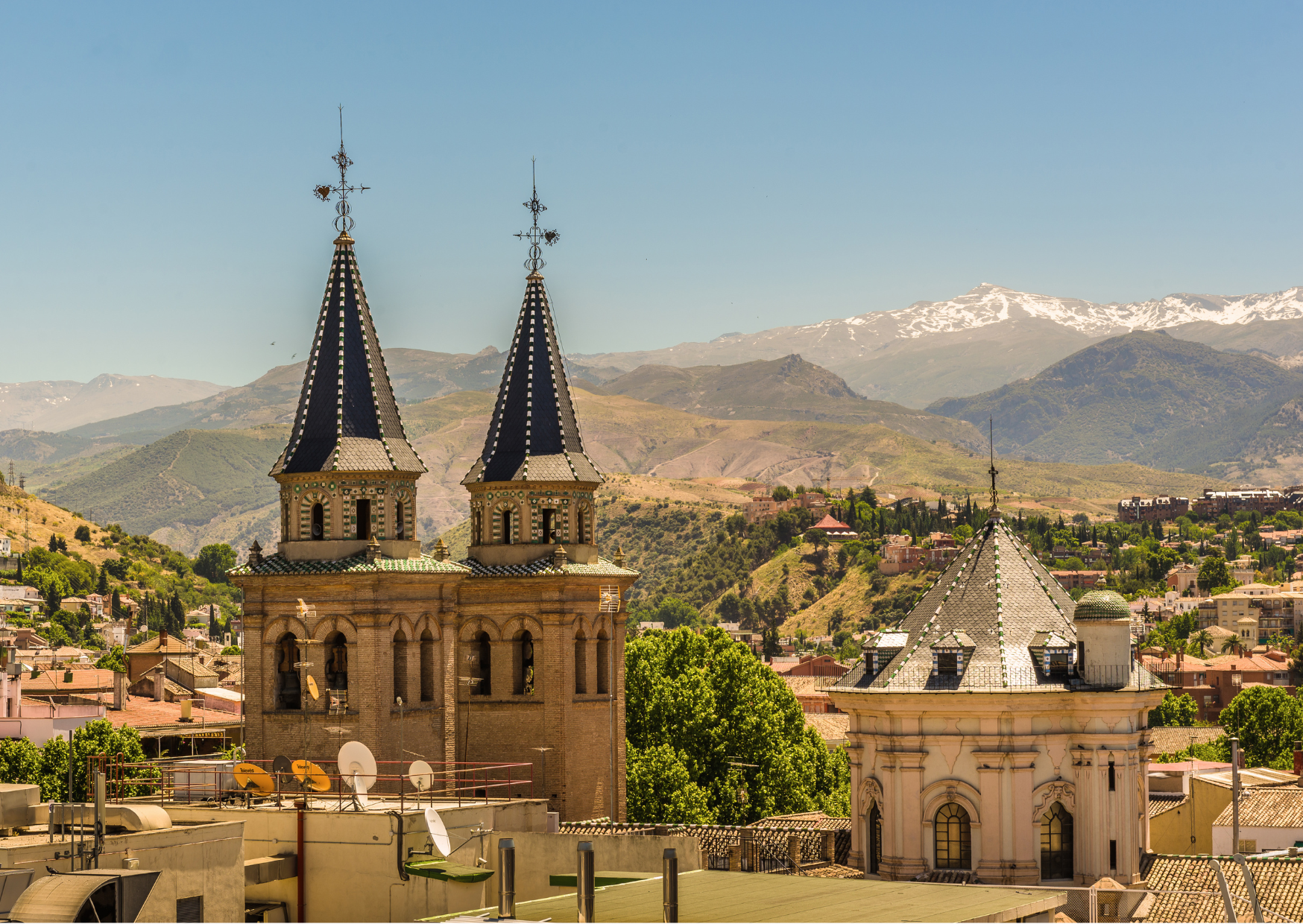
Start with the BOE holiday list for the year, then add your comunidad autónoma and ayuntamiento days. Look for jueves or martes. Request viernes or lunes as a vacation day the moment calendars open. In your note, reference the red day—“puente del 15 de agosto”—and include a one-line coverage plan (handoff, on-call, or delayed deliverables).
Two to three bold moves help: ask early, put it in writing, offer coverage. You’ve removed the manager’s headache before they feel it. If your firm prefers office-wide decisions, propose a cierre de puente so the whole team aligns.
If you’re new in Spain and still on periodo de prueba, you can still ask—just limit yourself to the obvious bridge everyone is taking, not every bridge the map allows. You’re signaling cultural fluency without looking like you’re finessing the job.
What companies typically do on bridge weeks
Firms handle bridges three common ways. Some announce cierres and treat the day as a de facto company holiday (rare outside public-adjacent sectors). Others stay open with dotación mínima (skeleton crews) and a rota. Most simply leave it to staff with the understanding that bridges are vacaciones imputadas unless the convenio says otherwise.
Watch the fine print. In some workplaces you’ll see días de libre disposición or internal “personal days” used for bridges. In others, management will propose recuperar horas around a closure (less common, and it must align with law and the convenio). If your team has cross-border dependencies, align with clients a week ahead so no one expects full turnaround on a bridge Friday.
The safe posture is explicit: “I’ll be out lunes puente; deliverables advance to Thursday; emergency contact is X; slack status: away.” You’re not asking for permission to vanish—you’re choreographing the week.
Travel, prices, and why bridges change the map
Bridges move the country. Trains fill, peajes hum, coastal towns swell, and rural fiestas spike hotel demand. If you intend to travel on a puente, book earlier than you think you need to. If you intend to stay put, stock the pantry; some small shops close, and service hours shrink. The upside is real: short breaks are built into the calendar, so prices are easier to predict and the rhythm feels communal rather than chaotic.
One practical money tip: mid-week nights on bridge weeks can be cheaper at city hotels because locals leave. If your job melts a Tuesday holiday into a martes-viernes off, you can flip the logic—city break first, countryside weekend later. The bridge isn’t just time; it’s leverage over demand curves.
Scripts that win the day (and your manager)
Keep it short and professional. “Hola, confirmo el puente del jueves 15: pido el viernes 16 de vacaciones. Entrego X el miércoles y dejo cobertura con Y.” If you manage a team: “Propongo cierre el lunes 8 (Inmaculada): mínimo de guardia 9:00–12:00, resto vacaciones.” If a client needs reassurance: “Estamos operativos martes y miércoles; el viernes es puente en Madrid. Entrego el jueves.”
Two polite anchors—aviso con antelación and cobertura clara—turn a bridge from a personal perk into a team non-event.
If you’re a freelancer or remote worker
You get bridges too—you just name them differently. Warn clients the week prior. Front-load deliverables, set an autoresponder with the local reason (“puente por festivo en España”), and offer an emergency channel for paid rush work. Bill wisely: a Tuesday holiday with a lunes puente is prime focus time Friday morning if you keep it for one fixed-price task, then shut the laptop by lunch.
Remember that many agencies and public offices shut or slow on bridges. If you need stamps, signatures, or appointments, move them off the week in question. Spain runs on the calendario oficial—work with it, not against it.
Micro-etiquette so you don’t look like “the American”
Don’t assume your U.S. PTO math applies. In Spain, bridges sit on top of a legal base of public holidays and a standard annual leave minimum (you’ll often hear “30 días naturales,” administered as roughly 22 laborables). Don’t demand a bridge last-minute because “the flight is cheap.” Do learn your local holidays—patron days and city fêtes—because they shift street life more than national ones.
Three small courtesies pay off: no last-minute asks, don’t leave coverage holes, don’t schedule big meetings on a puente’s edge. You’ll blend in not by speaking perfect Spanish but by moving with the calendar like everyone else.
Building your own puente map for the rest of the year
Do this once, and you’re done. Step one: copy the BOE 2025 list of national holidays. Step two: add your comunidad’s official calendar for the same year. Step three: add your ayuntamiento’s two festivos locales. Color jueves and martes in one tone; color lunes/viernes adjacent in another. That heat map shows every four-day weekend you can create with a single day of leave.
Share it with your team and—if you manage—mark cierres early. Managers who publish their bridge plan win hearts because everyone else can plan weddings, family trips, and school days around it without panic. That’s the Spanish way: the calendar is a public utility, so use it that way.
Putting it in perspective
Spain’s puente culture isn’t a hack; it’s a habit supported by law, shaped by regional calendars, and synchronized by workplaces that publish schedules early. When a red day lands on jueves or martes, Spaniards add one day to make cuatro—and nobody blinks because it’s planned. If you’re new to the country, borrow the rhythm: read the official lists, ask early, offer coverage, and enjoy the train ride.
Bridges turn scattered holidays into real rest. Done right, they also turn you into the colleague who understands how Spain actually lives—by the calendar on the wall.

About the Author: Ruben, co-founder of Gamintraveler.com since 2014, is a seasoned traveler from Spain who has explored over 100 countries since 2009. Known for his extensive travel adventures across South America, Europe, the US, Australia, New Zealand, Asia, and Africa, Ruben combines his passion for adventurous yet sustainable living with his love for cycling, highlighted by his remarkable 5-month bicycle journey from Spain to Norway. He currently resides in Spain, where he continues sharing his travel experiences with his partner, Rachel, and their son, Han.