
And what it reveals about texture, tradition, and why real food sometimes demands courage before comfort
In the markets of Lisbon, behind glass counters stacked with salted cod and chouriço, there’s a darker offering. Tucked between coils of cured pork and trays of bifanas is a sausage unlike any other—black, soft, almost too glossy. It’s morcela, Portugal’s beloved blood sausage. And for many American guests, it’s a line too far.
It’s not the idea of sausage that unsettles them. It’s the softness. The deep, iron-rich flavor. The way it holds heat. The way it almost melts. To the Portuguese, it’s heritage. To the unprepared outsider, it can trigger nausea with a single bite.
Yet morcela remains central to rural cooking, feast day stews, and even children’s snacks in homes across Alentejo, the Azores, and the north. It’s not served as a dare. It’s served as comfort.
Here’s the story behind Portugal’s most misunderstood delicacy—and the traditional recipe that continues to divide kitchens across continents.
1. Blood isn’t the secret it’s the foundation
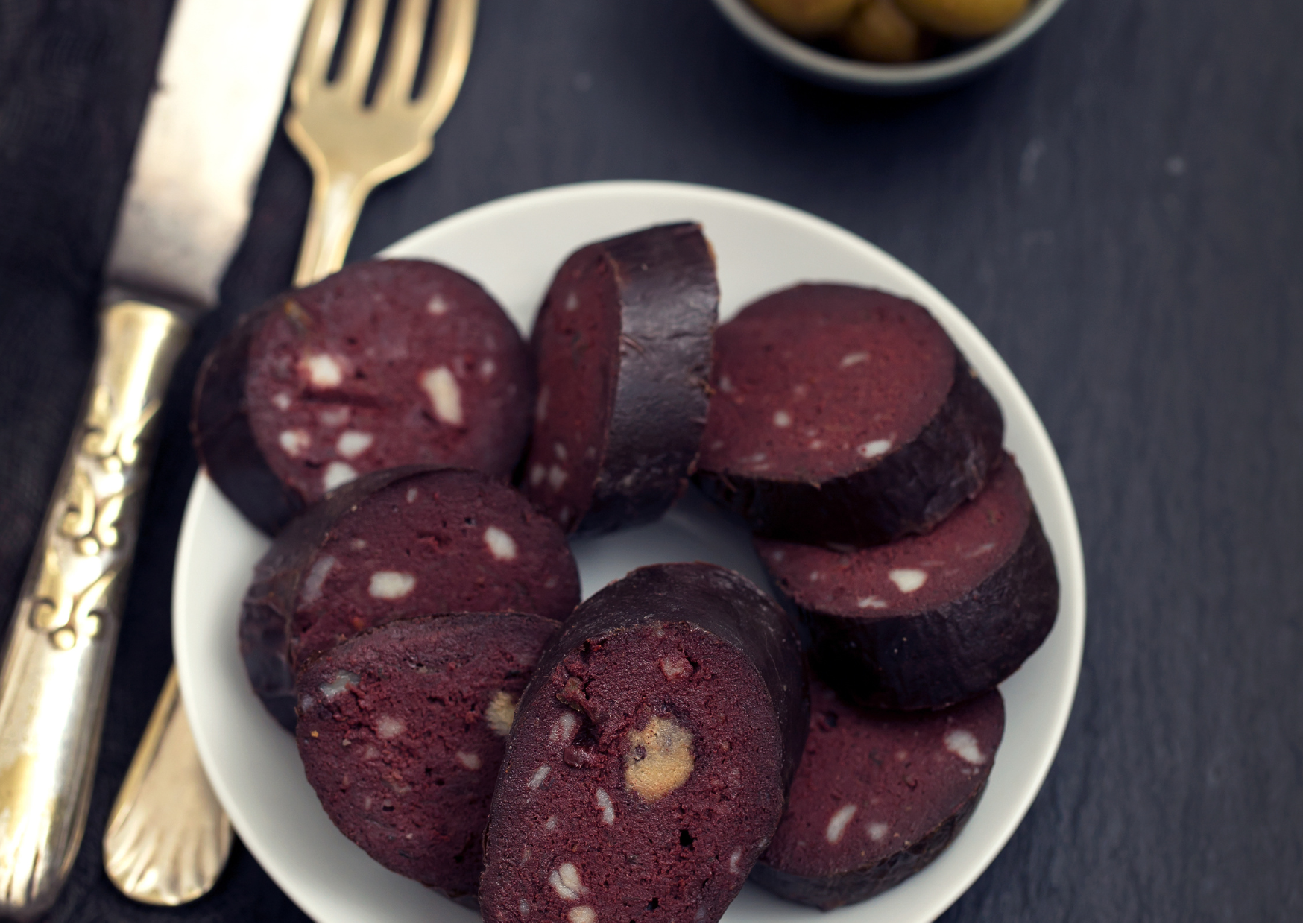
Morcela isn’t flavored with blood. It’s made with blood. Specifically, pork blood—fresh, warm, and mixed with aromatics before it congeals. In traditional recipes, this happens within hours of the slaughter. Nothing is wasted. Every part of the pig is used.
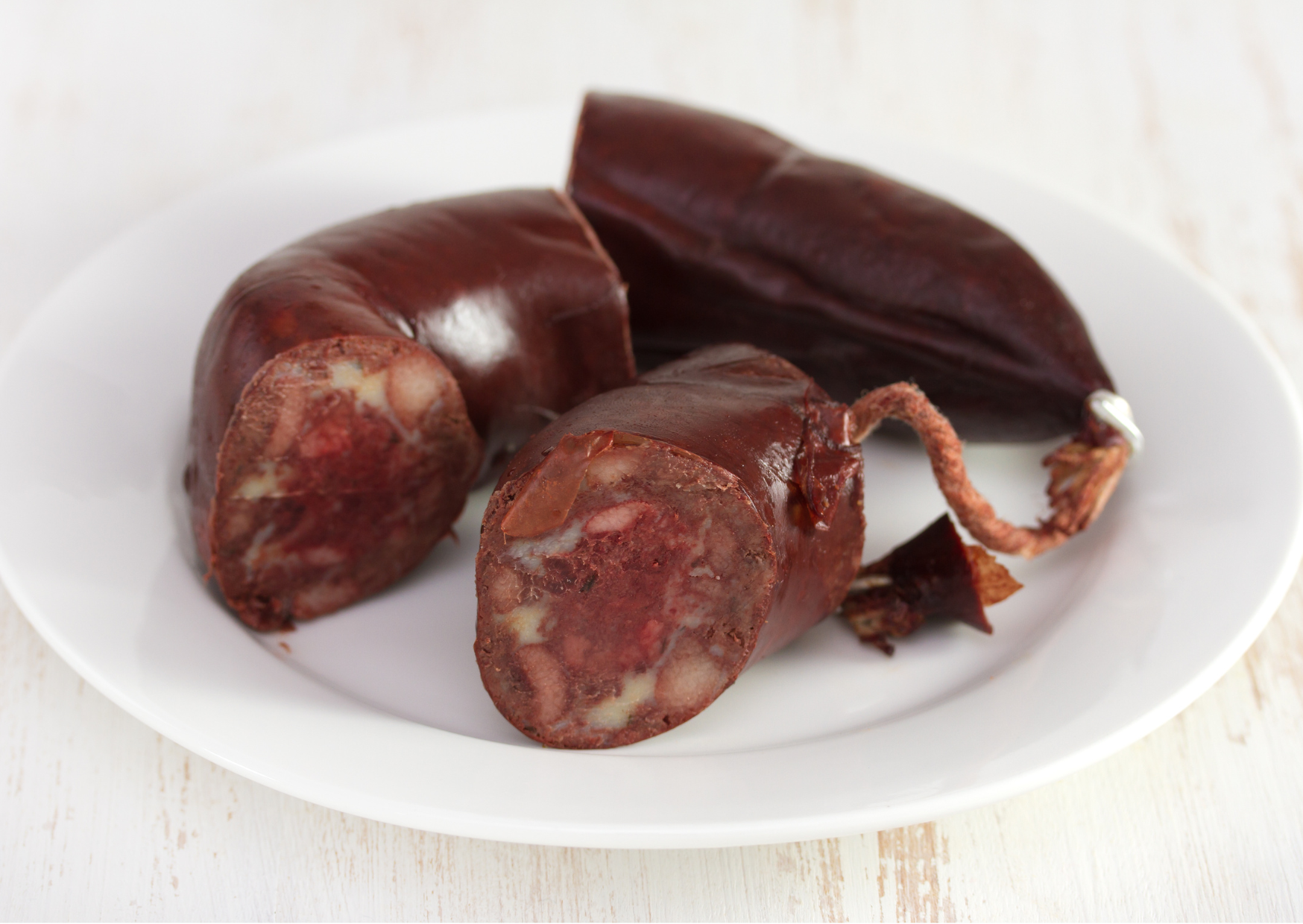
The blood is mixed with rice, onions, lard, cumin, cinnamon, garlic, and sometimes mint or cloves, depending on the region. The mixture is packed into natural pork casings, tied tightly, and boiled gently until set.
There’s no fake color. No filler. The black hue is not cosmetic—it’s the real thing.
To a Portuguese grandmother, this is the opposite of disgusting. It’s sacred.
2. Texture is the first challenge for foreigners
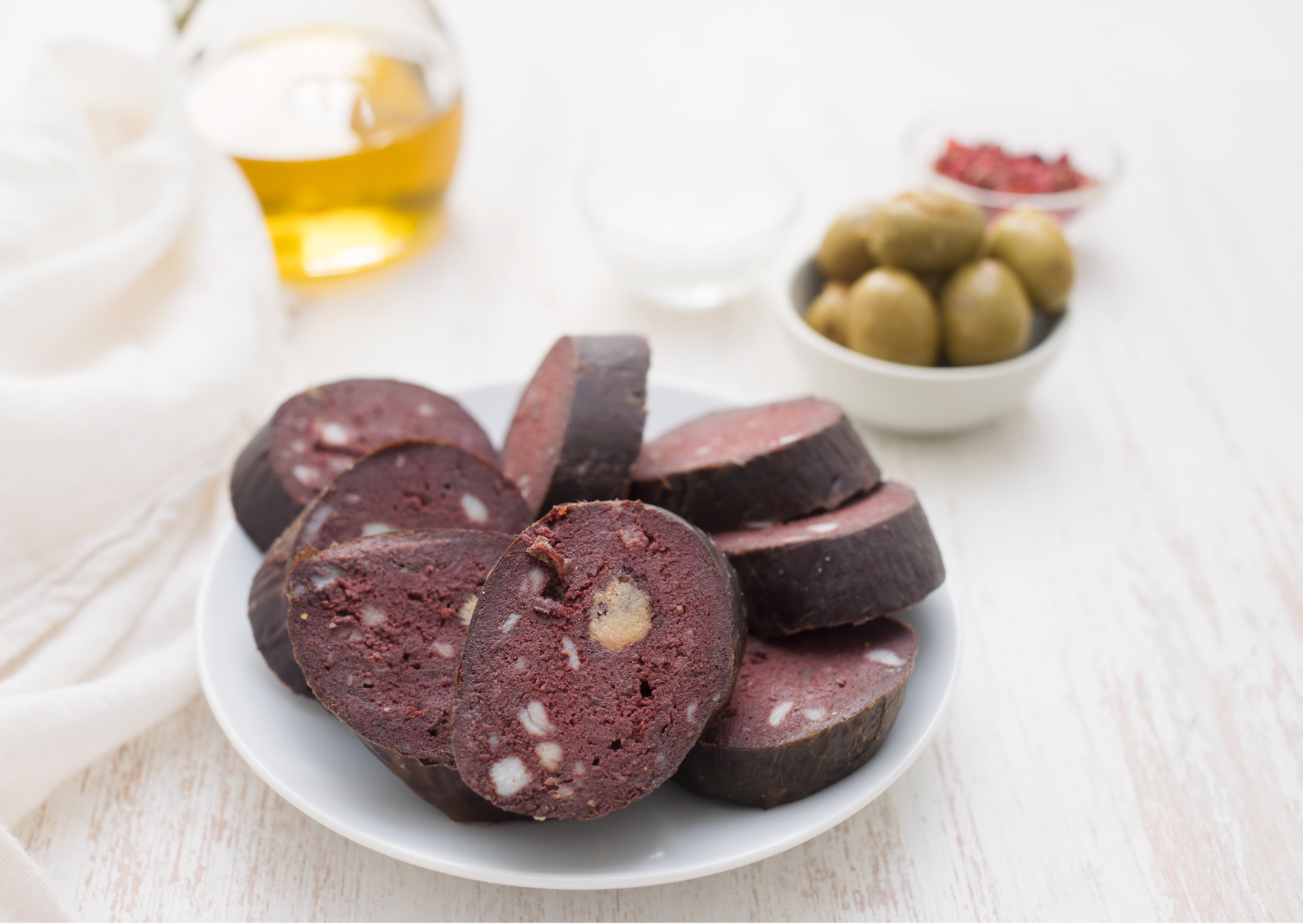
Unlike dry Spanish morcilla or crumbly English black pudding, morcela is soft—almost spreadable when hot. When sliced into a stew or pan-fried, it doesn’t hold shape like sausage. It collapses, darkens, mingles with fat. The rice swells. The blood thickens.
For many Americans, this texture—rich, loose, slightly gelatinous—is unsettling. It doesn’t match expectations of chew or bite. It has no casing snap. Instead, it has density. Weight.
The flavor is earthy, iron-rich, slightly sweet. But most never get that far. Texture overcomes curiosity.
The Portuguese, however, prize this exact quality. Morcela isn’t meant to challenge. It’s meant to soften the edge of a meal, to enrich broths, to comfort in winter.
3. Morcela isn’t street food—it’s ritual food
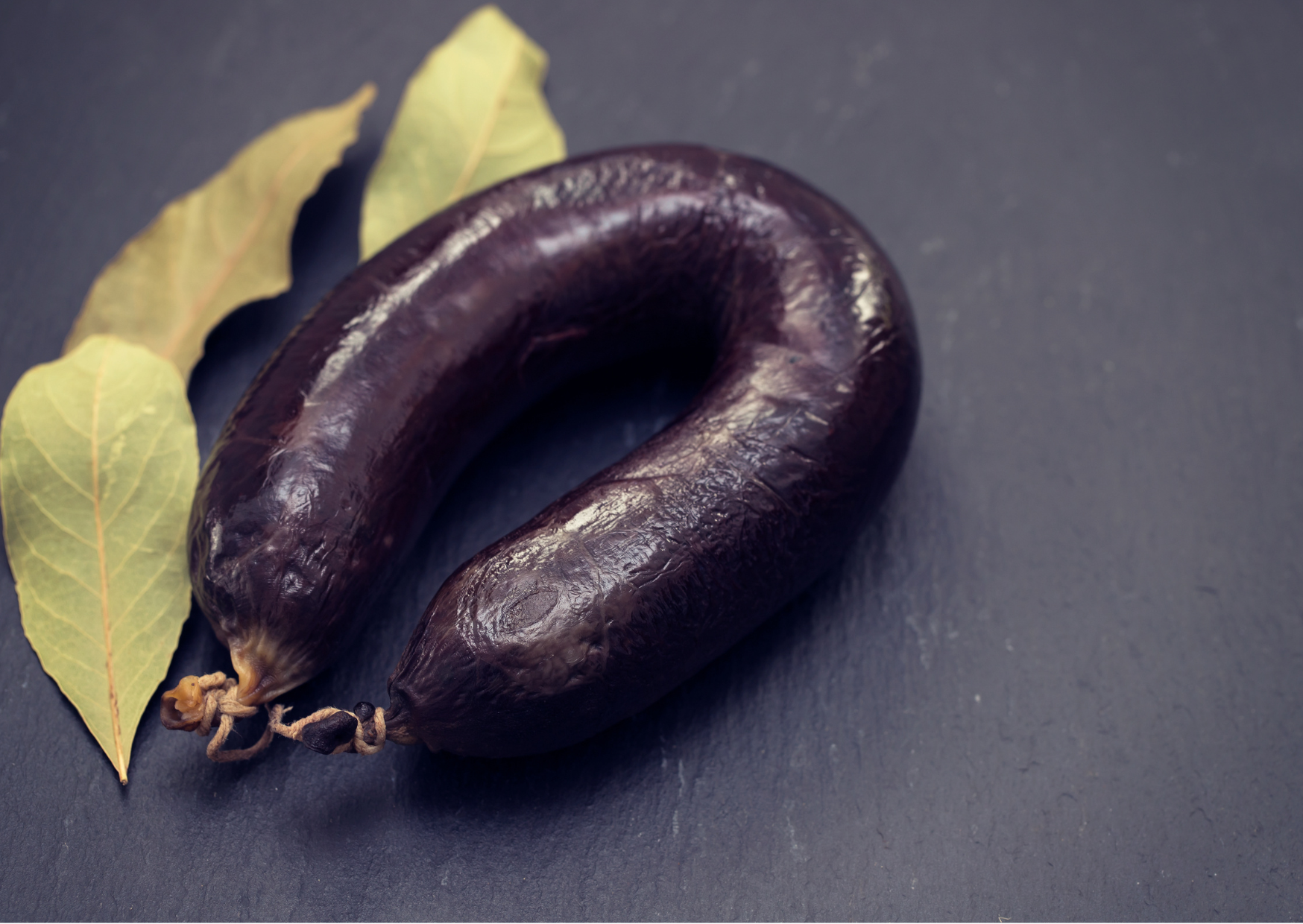
You won’t find morcela on skewers in Lisbon’s tourist centers. It’s not carnival food. It’s not something to snack on casually. It belongs to meals with memory.
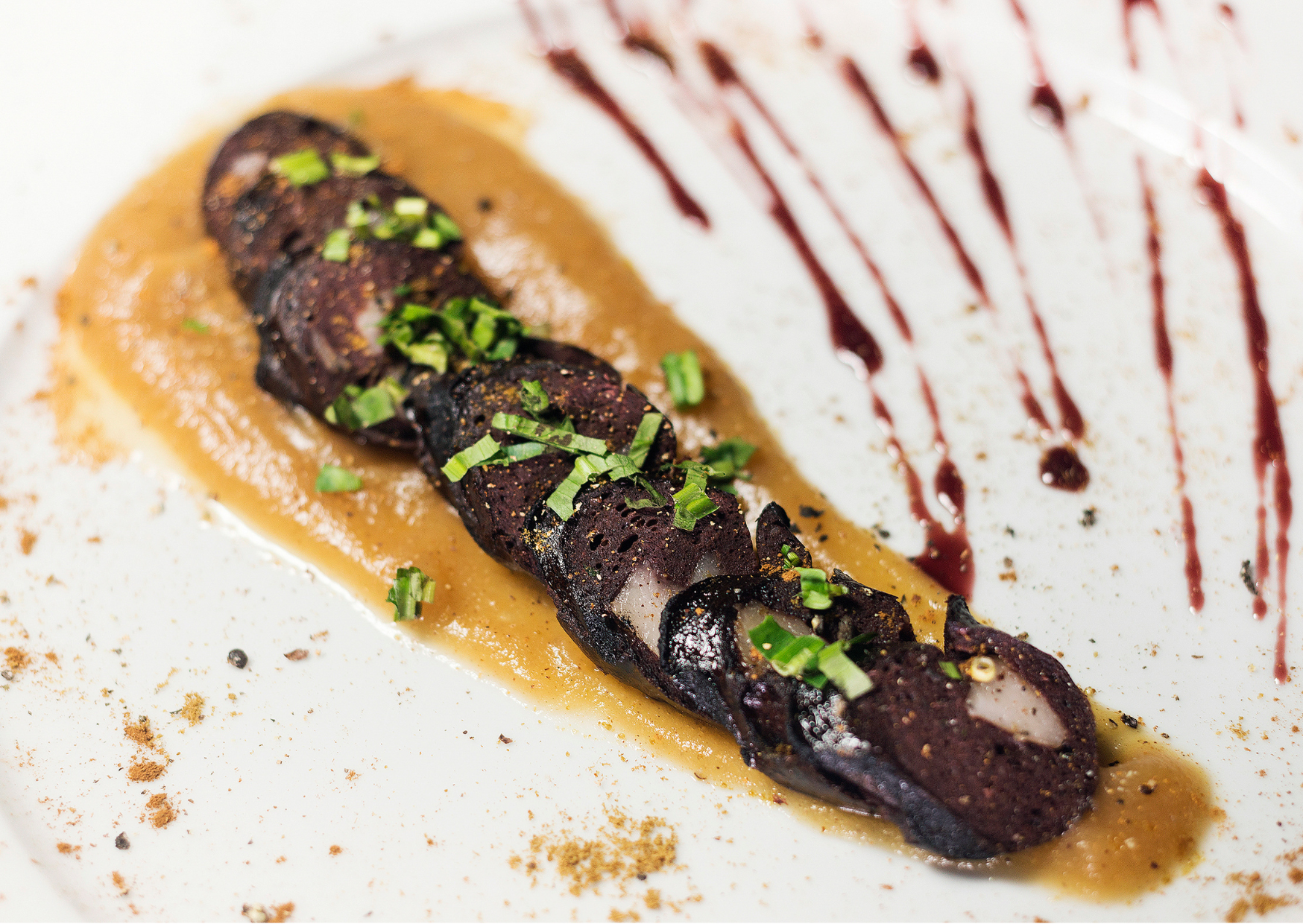
In the Azores, it’s boiled and served with yams or pineapple. In the north, it’s added to cozido à portuguesa, Portugal’s national boiled meat dish. In the Alentejo, it’s fried crisp and served with eggs.
These meals often happen around family tables, with bread in hand and stories on standby. Morcela is passed without introduction. No explanation is given. You eat it because it’s what’s served.
And when you grow up with it, there’s no shock—only warmth.
4. The smell cooks first and unnerves guests
The scent of cooking morcela is distinct. Not rancid, not spoiled—but deep. Spiced. Meaty. Slightly metallic. It clings to the kitchen. It lingers on the pan.
For many Portuguese, it’s comforting. For Americans unfamiliar with blood in any form, it can be alarming. The closest comparison is liver—but richer, darker, more primal.
The aroma is part of the experience. It prepares the palate. It announces tradition.
But for first-time guests, the smell alone can trigger discomfort.
In Portugal, this discomfort is neither mocked nor accommodated. It is simply met with silence and another spoonful.
5. The recipe
Ingredients
- 500 ml (2 cups) fresh pork blood (cooled, not coagulated)
- 200 g (1 cup) uncooked rice
- 200 g (1 cup) finely chopped onions
- 2 tbsp lard or pork fat
- 2 cloves garlic, minced
- 1 tsp ground cumin
- 1/2 tsp cinnamon
- 1/2 tsp ground cloves (optional)
- 1 tsp salt
- 1 tsp black pepper
- 2 tbsp fresh mint, chopped (regional)
- Natural pork casings, soaked and rinsed
6. Preparation
- Boil the rice until just undercooked. Drain and set aside to cool.
- In a pan, sauté the onions and garlic in lard until soft, not browned. Let cool.
- In a large bowl, combine blood, rice, onions, spices, and herbs. Stir gently until mixed.
- Fill casings using a funnel or piping bag. Don’t overstuff—allow room to expand.
- Tie into links. Prick with a needle to remove air bubbles.
- Poach in 80°C (175°F) water for 30–40 minutes, until firm but not bursting. Do not boil.
- Cool in cold water. Store chilled or freeze.
Traditionally, morcela is eaten within a few days—or cured by hanging in a cool place for light drying.
7. No sauce, no garnish, no apology
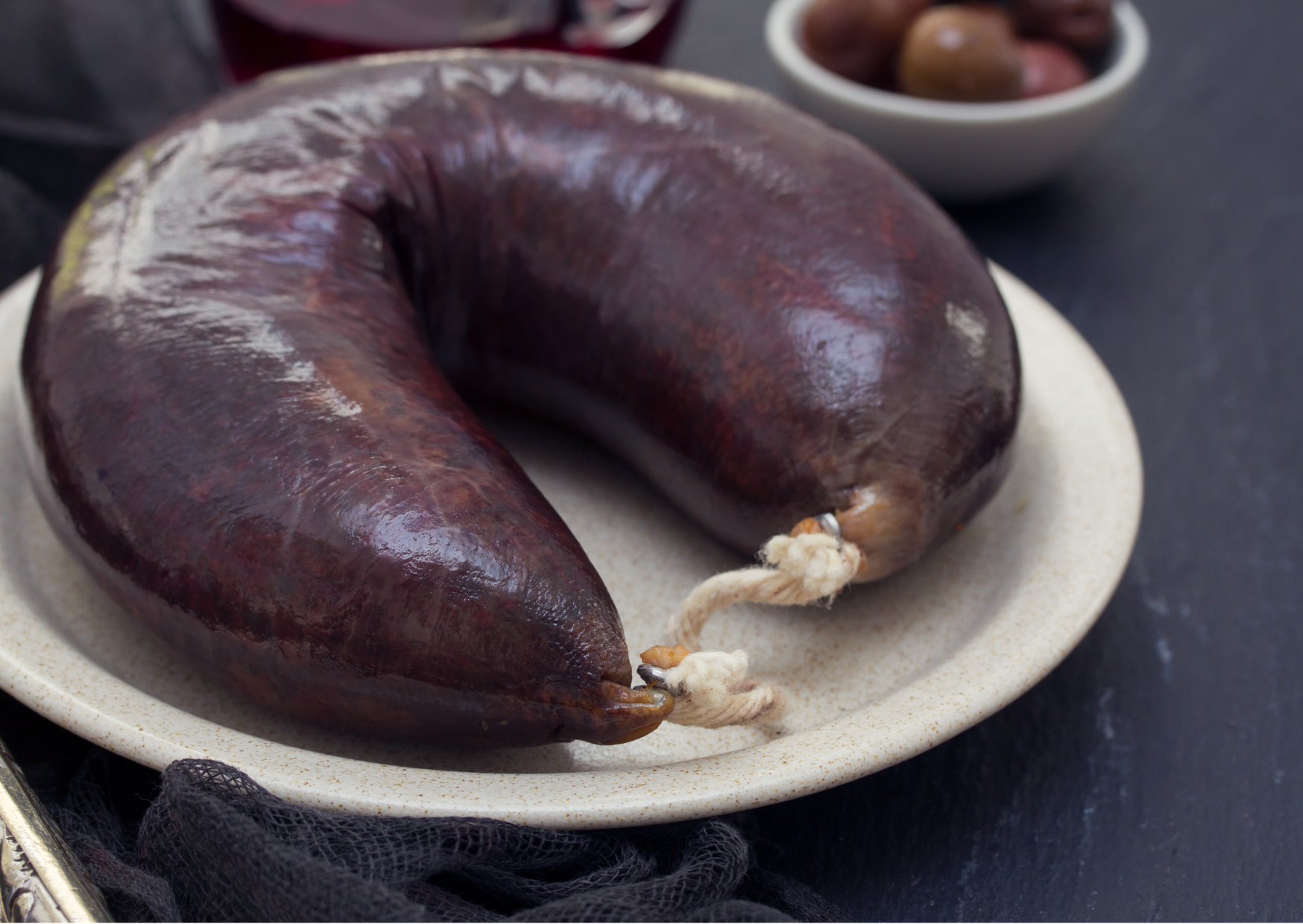
Morcela is never masked. It’s never paired with tomato sauce or covered in cream. It’s served plainly—with boiled potatoes, stewed cabbage, or grilled bread.
The absence of garnish is intentional. It keeps the focus on flavor. It refuses to dress up what doesn’t need dressing.
For Americans, used to sauces that smooth edges and hide discomfort, this directness can feel aggressive.
But to the Portuguese palate, morcela is already enough.
8. Children grow up with it or they don’t
Some Portuguese families introduce morcela early—mashed into soups, sliced into tiny rounds, fed with spoonfuls of rice. Others wait until adolescence. Either way, children are rarely forced. They’re invited. And often, they come around.
The taste becomes linked to holidays. To winter. To grandparents. To the rhythm of the farm or village, where pig slaughter once meant survival.
In America, where children are taught to fear texture and reject bitterness, this learning process rarely happens. The gap between curiosity and acceptance remains wide.
In Portugal, it narrows over time.
9. Why Americans struggle with blood
The U.S. has a strong food taboo around blood. It’s viewed as dangerous. Dirty. Associated with illness. Most Americans have never seen blood in a kitchen, much less cooked with it.
Meat is sold washed, trimmed, color-neutral. Organs are avoided. The body is sanitized before it’s sold.
In Portugal, that sanitization never took hold. Food remains connected to animals, to slaughter, to mess. Blood is just another part—used with care, honored through ritual, and never wasted.
And because it was never feared, it was never forgotten.
10. Comfort doesn’t always come soft
To eat morcela is to taste something un-American. Not in spice, not in temperature—but in philosophy.
It asks you to let go of neatness. To abandon familiarity. To understand that some comfort foods don’t soothe immediately. Some arrive heavy, earthy, and demand your attention.
And in that attention, you taste generations.
You taste what’s lost when food becomes sanitized. You taste what’s kept when food remains close to the body. You taste more than flavor.
And if you can hold on through the texture, you might taste home—just not yours.

About the Author: Ruben, co-founder of Gamintraveler.com since 2014, is a seasoned traveler from Spain who has explored over 100 countries since 2009. Known for his extensive travel adventures across South America, Europe, the US, Australia, New Zealand, Asia, and Africa, Ruben combines his passion for adventurous yet sustainable living with his love for cycling, highlighted by his remarkable 5-month bicycle journey from Spain to Norway. He currently resides in Spain, where he continues sharing his travel experiences with his partner, Rachel, and their son, Han.