
You land in Paris or Madrid this autumn, follow the crowd to passport control—and stop. The stamp line you know is being replaced by kiosks, biometrics, and an officer check the first time you enter the Schengen Area after 12 October 2025. The system is called EES (Entry/Exit System), and it’s rolling out country by country through spring 2026. Airports say the individual kiosk step takes only a few minutes—on paper. In the real world, first-time enrollment plus rollout quirks can stretch a tight connection. That’s why we tell readers to budget 30–40 extra minutes at their first Schengen border this fall—not because there’s an official “40-minute rule,” but because the buffer protects your itinerary while the new process beds in.
Below is your clear, phone-friendly playbook: what changes on your first entry, who’s affected (and who isn’t), where the bottlenecks appear, and how to breeze through with time to spare.
Want More Deep Dives into Other Cultures?
– Why Europeans Walk Everywhere (And Americans Should Too)
– How Europeans Actually Afford Living in Cities Without Six-Figure Salaries
– 9 ‘Luxury’ Items in America That Europeans Consider Basic Necessities
What actually changes on 12 October 2025
The EU is switching from manual passport stamps to a digital entry/exit record for non-EU travelers making short stays. On your first Schengen entry after the launch date, you’ll:
- Use a self-service kiosk (or desk) to scan your passport and provide biometrics (a face image and fingerprints).
- Complete a short set of border questions before an officer confirms admission.
- Get your entry automatically logged so your 90-days-in-180 counter is precise.
This is not a pilot—EES goes live 12 October 2025, then rolls out progressively to border points across the 29 participating countries. You’ll still meet an officer; the kiosk just front-loads the data collection. No app, no pre-registration, and no fee for EES itself.
Why we tell you to add 30–40 minutes (and what “40” really means)
There’s no official 40-minute mandate. Airports, rail/sea operators, and governments say the kiosk interaction is only a few minutes the first time. But they’re also modeling peak-time queues, device learning curves, and “Where do I go?” moments—especially at airports with many non-EU arrivals and at juxtaposed UK–France controls. Our guidance—add 30–40 minutes at your first Schengen entry this fall—is a planning buffer, not a promise of delay. It’s how you protect a short connection in an unfamiliar flow.
Operators like Eurotunnel and the Port of Dover publicly project minutes, not hours, once systems are humming. But early days of new border tech tend to run slower than the brochure. Use a generous buffer now, shrink it later as the rollout stabilizes. Buffer beats rebooking.
Who EES applies to—and who’s exempt
EES covers third-country nationals (you’re not a citizen of an EU/Schengen state) entering for a short stay—regardless of whether you’re visa-exempt (e.g., most Americans) or visa-required. It does not apply to:
- EU/Schengen citizens (obvious, but worth saying).
- Holders of EU residence permits or long-stay visas (students, workers, family reunification): you’re processed under residence rules, not short-stay EES.
- Certain family members with residence cards, and a few special categories.
If you’re a U.S. citizen visiting for tourism or business under the 90/180 rule, EES applies. If you’re a U.S. citizen resident in Spain with a TIE or EU residence card, EES does not—carry your permit. Knowing your category prevents wrongful kiosk detours.
What your first enrollment looks like (step by step)
Think airport kiosk + officer:
- Kiosk: Scan passport, answer border prompts, capture face and fingerprints.
- Officer: They see your kiosk record, may ask basic questions (stay length, accommodation, funds/means, return ticket), then confirm admission.
- Record: Your entry is digitally stored. On your next trip (within about three years), the system reuses your biometrics and the interaction is shorter—often face match only.
Air, sea, and land points implement the same rules with different layouts. Airports lean on lines of kiosks; car/rail terminals mix kiosks with staffed tablets. Follow signage—your goal is the EES kiosk area before the officer.
If you’re entering by air: protect connections at your first Schengen stop
Your first Schengen airport processes EES—even if your long-haul ticket continues elsewhere. That airport becomes your bottleneck. If you land from the U.S. in Amsterdam → connect to Rome, plan buffer time in Amsterdam. For tight self-made connections (separate tickets), rebuild your pad: we recommend +30–40 minutes on top of your pre-EES norm during the rollout phase.
To help yourself: sit forward on the inbound long-haul, deplane early, keep passport ready, know where the kiosks are (follow the purple/blue EES signs), and don’t stop until you clear both kiosk and officer. If you’re traveling with someone who’s EES-exempt (EU resident permit holder), you’ll likely split lanes—agree a meeting point airside. First border wins or loses your day.
If you’re crossing from the UK by sea, rail, or car: expect kiosks before you leave Britain
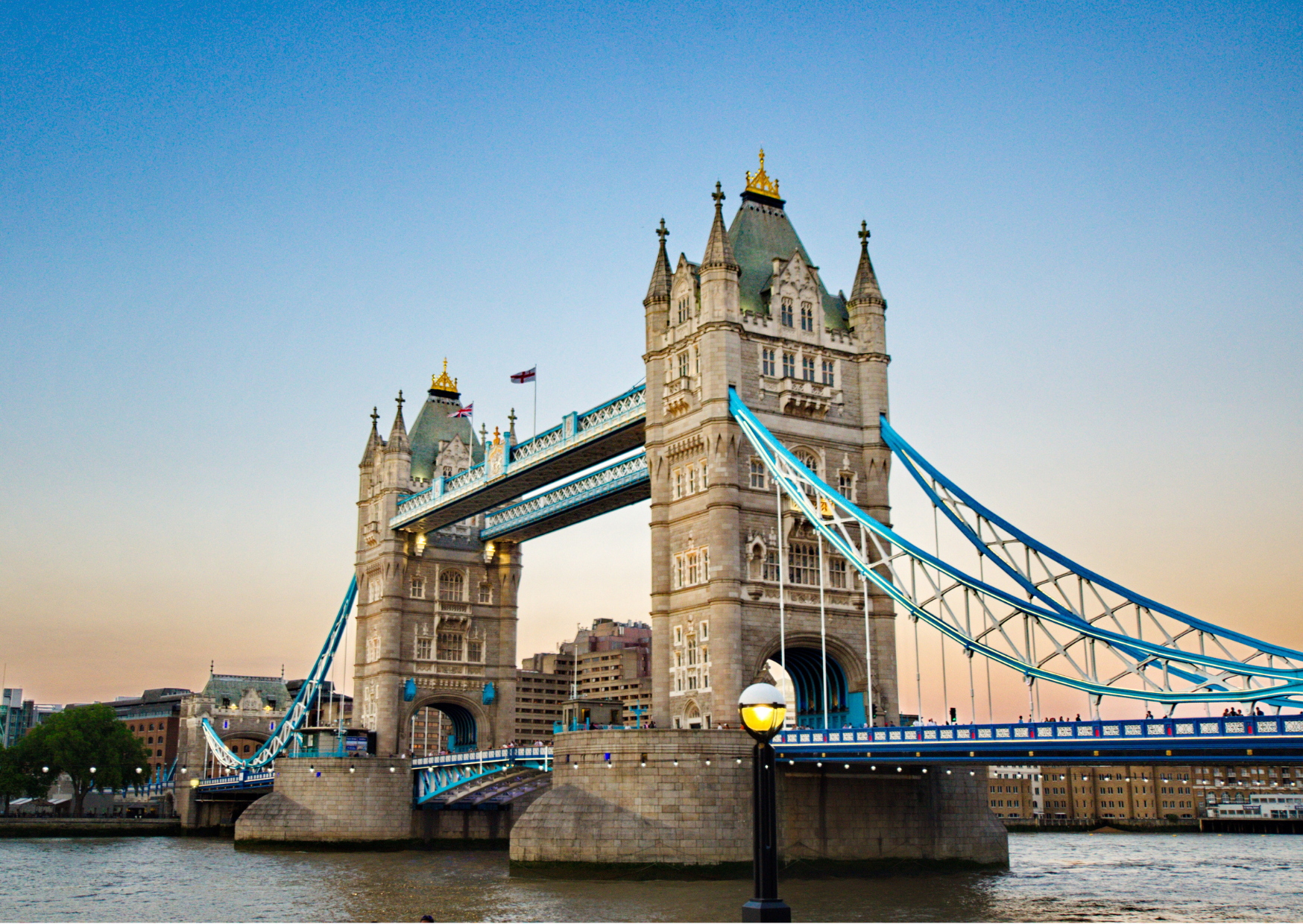
Thanks to juxtaposed controls, the French border at Dover, Folkestone (Eurotunnel), and St Pancras (Eurostar) sits in the UK. Your first EES check happens there—before you board. Operators have published their readiness:
- Eurotunnel (LeShuttle/Folkestone): 100+ kiosks; they estimate just over 5 minutes added to journeys once settled.
- Port of Dover: specialized lanes and kiosks (including for coaches), with infrastructure to manage surges; modeling points to single-digit minutes per car for the EES step when flows are stable.
- Eurostar: dozens of kiosks across stations to keep lines moving.
Driving? Everyone in the car must enroll the first time, so build extra buffer if you’re shepherding a family. Enroll once, then future trips are quicker.
EES vs. ETIAS—two different things on two different timelines
- EES = the border process launching 12 October 2025 (your biometrics + digital entry log).
- ETIAS = a pre-travel authorization for visa-exempt travelers (Americans included) that the EU plans to start in late 2026. You’ll apply online in advance and carry the authorization—separate from EES.
You do not apply for EES, and there is no EES fee. For ETIAS, expect a modest fee and a quick online form when it goes live; exact pricing/timing sits with official EU updates. Don’t mix them up when planning autumn 2025 travel—the only new thing you’ll meet at the airport door this fall is EES.
What border officers can still ask you (that slows unprepared travelers)
EES digitizes stamping; it doesn’t waive the Schengen rules. Officers can still ask for proof of:
- Accommodation (hotel, rental, invite).
- Funds/means (cards, cash, or proof you’re covered).
- Return or onward ticket within your allowed stay.
If you’re visa-exempt, these are standard questions you may or may not get today—EES just tracks days precisely. Keep reservations and a return flight handy on your phone. Preparation shortens questions.
Families, kids, and fingerprints: what to expect
Every traveler who is subject to EES completes an enrollment. Children also enroll; procedures are adapted to age (e.g., how many fingerprints can be captured, with officer discretion). Practically, family groups take longer the first time because every person must pass the kiosk/desk. Strategy:
- Have passports in order of the line you’ll use.
- Decide one adult to handle devices/phones.
- Hit the kiosks together, then the officer together.
After that first family enrollment, later trips are faster. Plan extra time once—save time later.
Residents, long-stay visas, and mixed-status groups
If you hold an EU residence permit (e.g., Spanish TIE, Italian permesso di soggiorno), EES does not apply to your entries/exits tied to residency. You’ll still clear border control with your passport + permit, but you skip EES kiosks. Mixed groups—say, one American tourist and one American Spanish resident—should expect to use different lanes. Communicate where to meet past control. Know your category, pick your line.
The “where it bites” list—places and itineraries that need an extra pad
- Self-built connections: separate tickets (e.g., long-haul to Paris CDG, DIY hop to Florence). Your first Schengen touchpoint (CDG) is where EES happens—pad 30–40 minutes on top of old habits until you’ve seen your airport run smoothly.
- Evening banks of arrivals: big transatlantic peaks test kiosk capacity; being forward in the cabin saves minutes.
- Cross-Channel car trips: your whole car enrolls at once; add time for kids.
- Edge cases: first snow days, IT hiccups, or a flight that dumps multiple wide-bodies at once. Systems are built for minutes—but your calendar should handle an outlier.
You’re not trying to predict a delay; you’re insuring your connection against rollout friction. That’s the logic behind the 40-minute buffer.
Exactly how to book around EES this fall
- Land first where you can linger. If you’re connecting, prefer a hub where you’re comfortable spending an extra hour if needed.
- Pad the first border only. Once you’re inside Schengen, EES is done for that trip; domestic/Schengen connections run as usual.
- Avoid “risky” self-transfers. If you must, build +30–40 minutes beyond your pre-EES norm.
- Arrive with proof: hotel, return ticket, and (if asked) ability to fund your stay. These aren’t new rules—you’ll just be asked more consistently while everything digitizes.
The smoother the kiosk queue, the more time you buy back. The buffer is a temporary training wheel—use it this autumn, shrink it in spring.
What happens on exit—and on trip #2
On exit, you’ll be processed again—no stamps, just EES out-recording. Some operators (especially UK–France crossings) will capture a fingerprint or face on exit to match your file. The big win is your second trip: your biometrics are already stored, so entry is quicker. That’s when the new system starts saving you time rather than costing you minutes. One slow entry, many faster ones.
Common myths (so you don’t plan around rumors)
- “I need to apply for EES before I fly.” No. EES is an at-border process, not a pre-trip application.
- “This replaces visas/authorizations.” No. It replaces stamps. ETIAS is the future pre-travel authorization (late 2026).
- “It’s only airports.” No. EES runs at air, sea, and land external borders—including Dover/Folkestone/St Pancras.
- “It’s a huge new interview.” No. It’s biometrics + a few questions you may hear already—just more consistently and digitally recorded.
Plan for process, not drama.
The 5-part checklist you paste in your Notes app
Know your category. Tourist/short stay → EES; EU resident/long-stay visa → generally no EES. Pack your permit.
Buffer the first border. Add 30–40 minutes to your first Schengen entry connection window during rollout.
Follow the signs. EES kiosks first, then officer. Keep passport open, boarding pass handy, accommodation on screen.
Split smart, reunite later. Mixed-status groups often use different lanes. Name a meeting point after control.
Ignore rumors, track dates. EES starts 12 Oct 2025; ETIAS comes late 2026. No pre-trip EES form; no EES fee.
Putting it in perspective
EES isn’t Europe trying to trap you—it’s Europe trying to count days cleanly and speed repeat entries. The first time takes a touch longer because you’re building your file; after that, the system works for you. Treat autumn 2025 like any major airport change: arrive prepared, pad the first connection, keep receipts and reservations handy. In a few months you’ll forget passport stamps ever existed—except when you miss the ink.
If your goal is to keep a trip on rails, the rule is simple: buffer the first border, then relax. One smart adjustment now saves a lot of gate sprints later.

About the Author: Ruben, co-founder of Gamintraveler.com since 2014, is a seasoned traveler from Spain who has explored over 100 countries since 2009. Known for his extensive travel adventures across South America, Europe, the US, Australia, New Zealand, Asia, and Africa, Ruben combines his passion for adventurous yet sustainable living with his love for cycling, highlighted by his remarkable 5-month bicycle journey from Spain to Norway. He currently resides in Spain, where he continues sharing his travel experiences with his partner, Rachel, and their son, Han.