
And what it reveals about memory, time, and why a loaf shaped by hand still outlasts the machine
In quiet villages across southern Italy, before the sun touches the cobblestone streets, the kitchen lights flicker on. Grandmothers tie aprons over nightgowns, open wooden cabinets, and begin the same process they’ve done for decades. No alarms, no timers—just instinct. Just rhythm.
By the time the church bells strike six, the dough has already risen once. By seven, the scent of something ancient fills the house. And by midmorning, golden loaves—hard on the outside, airy on the inside—rest on cloth-lined tables, cooling in silence.
This isn’t artisan baking. It’s just bread. Made from flour, water, salt, and yeast. Yet this bread—Pane di Altamura in the south, Pane Toscano in the north, Pane Cafone around Naples—is unlike anything found in a grocery store. And while Americans pay $12 to $15 a loaf at boutique bakeries for something they believe to be “authentic,” the truth is that what they’re buying is often a performance, not a tradition.
Here’s why Italian grandmothers wake up before dawn to make bread that machines can’t replicate—and why every bite still holds something no commercial oven can produce.
1. The recipe isn’t written, it’s remembered
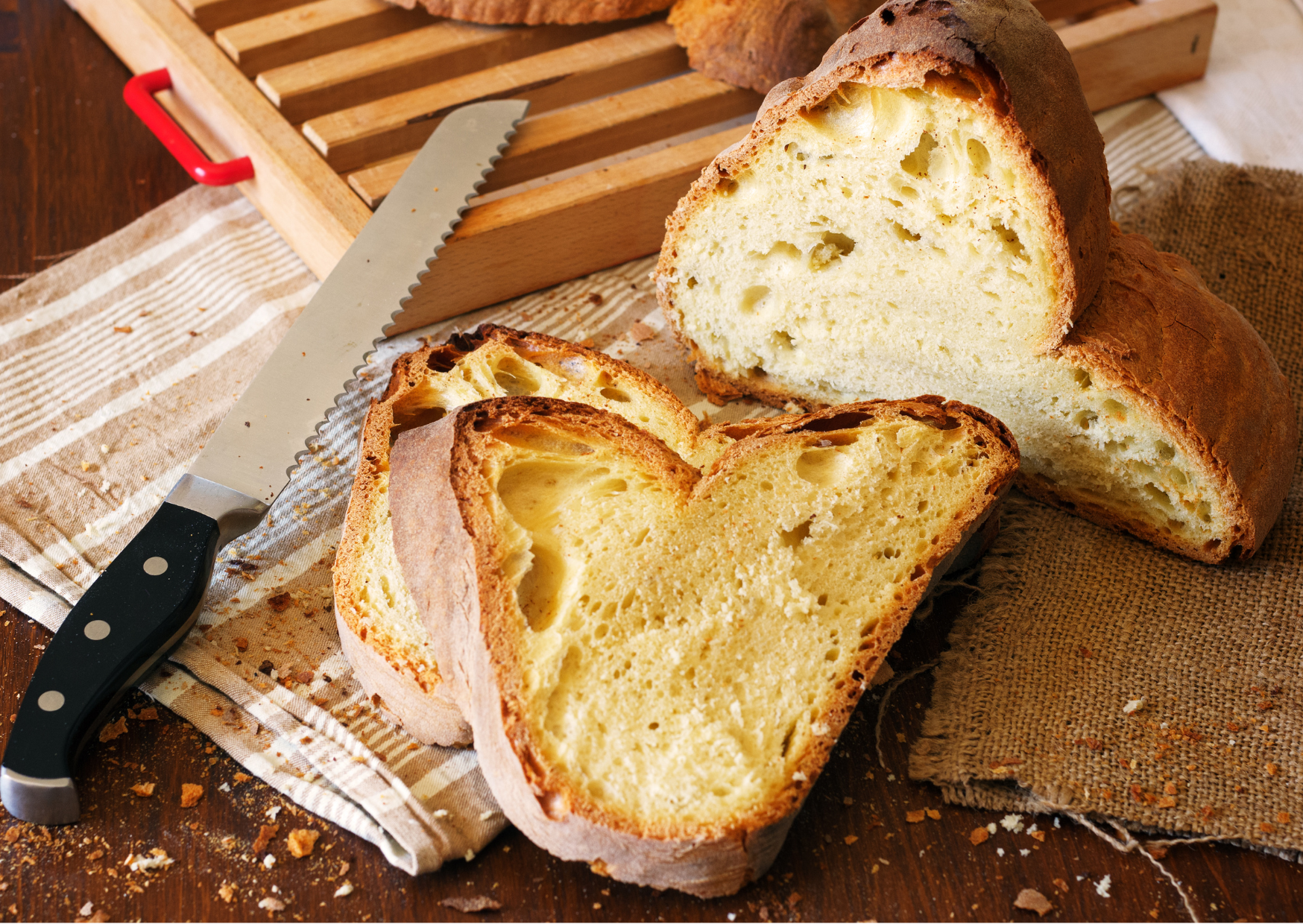
There’s no card. No book. No scale. The nonna doesn’t measure. She uses a wooden bowl the size of a wash basin. She knows the flour by weight in her hand. She knows the water by temperature from her wrist.
The dough is mixed by instinct. By sight. By resistance. The hydration isn’t calculated. It’s felt.
This bread—usually made from semola rimacinata, a finely milled durum wheat flour—is mixed with warm water, a pinch of salt, and a natural leavening agent. Traditionally, that’s a piece of dough saved from the last bake—a sourdough starter called lievito madre.
She mixes it slowly. Folds, rests, folds again. The dough becomes soft, then elastic. It rests again.
No one asks her how long. She says, “Until it tells me it’s ready.”
2. The fermentation happens in silence
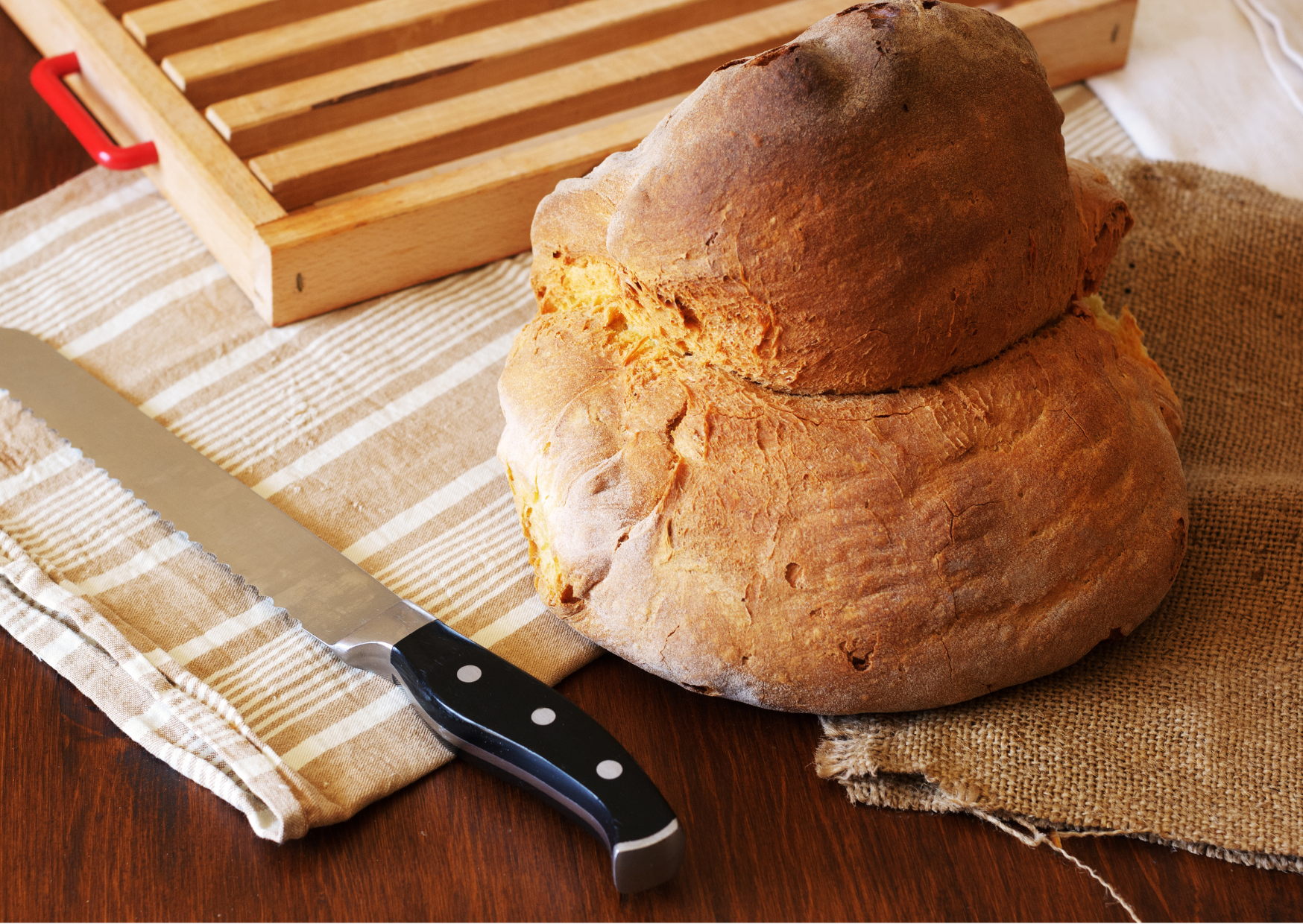
After the first knead, the dough rests. Covered in cloth. Not plastic. Not sealed. It breathes. The starter begins to feed. The fermentation begins—not rushed, not timed.
The house remains quiet. No loud music. No screens. Just the occasional sound of the dough stretching as it grows, almost imperceptible.
This rest may last two, three, even four hours—depending on the weather, the flour, the mood of the dough. The nonna watches. She doesn’t poke. She observes the dome, the texture, the way the dough slumps to the side or holds its crown.
It’s not just science. It’s intuition.
3. Shaping the bread is an act of memory
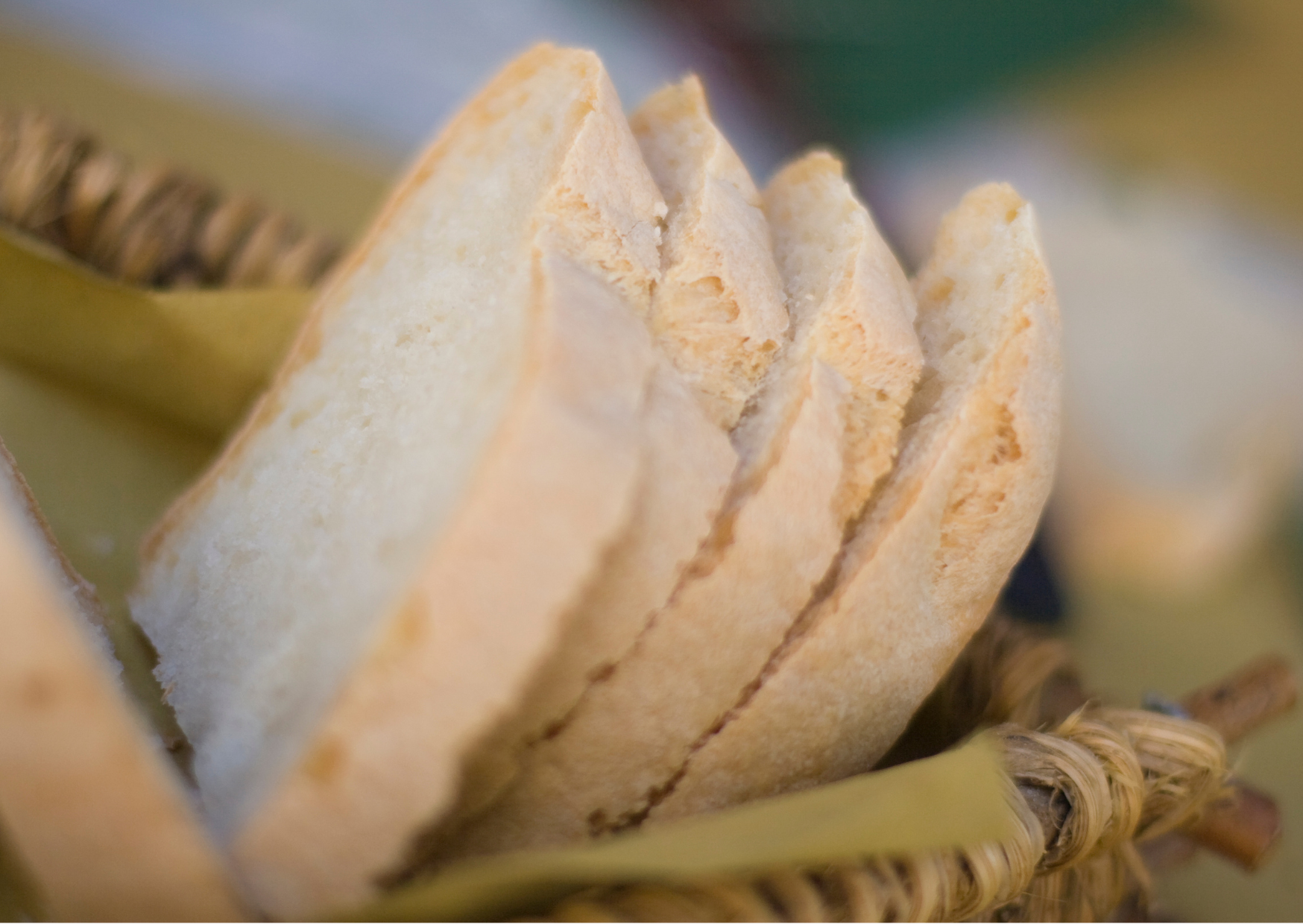
Once the dough is airy but not over-proofed, it’s turned out onto a floured wooden board. Not aggressively punched—coaxed. Split into pieces for shaping.
In Altamura, the bread is folded into a crown. In Campania, it might be shaped long and rustic. In Tuscany, it remains round and flat. Every region has its form. Every nonna remembers how her mother shaped it.
There are no molds. No pans. Just hands.
The tension created during shaping is what allows the crust to form correctly. The folds trap air. The seams are pinched closed.
Each loaf carries the print of the hand that made it.
4. The oven is stone, hot, and temperamental
The bread doesn’t bake in a convection oven. It bakes in a wood-fired stone oven, built generations ago, sometimes shared by neighbors, often preheated with dried olive branches or grapevine trimmings.
By the time the dough is ready, the oven is too hot. It’s allowed to cool slightly. The stone is tested with flour—if it smokes instantly, it’s too hot. If it browns slowly, it’s ready.
The loaves are placed directly on the stone. No trays. No parchment. The steam comes from a wet cloth tossed onto the coals. The door is sealed.
Baking takes 45 minutes to an hour. The crust hardens quickly. The inside cooks slowly. The bread becomes golden, thick-skinned, and light as a feather inside.
5. Ingredients
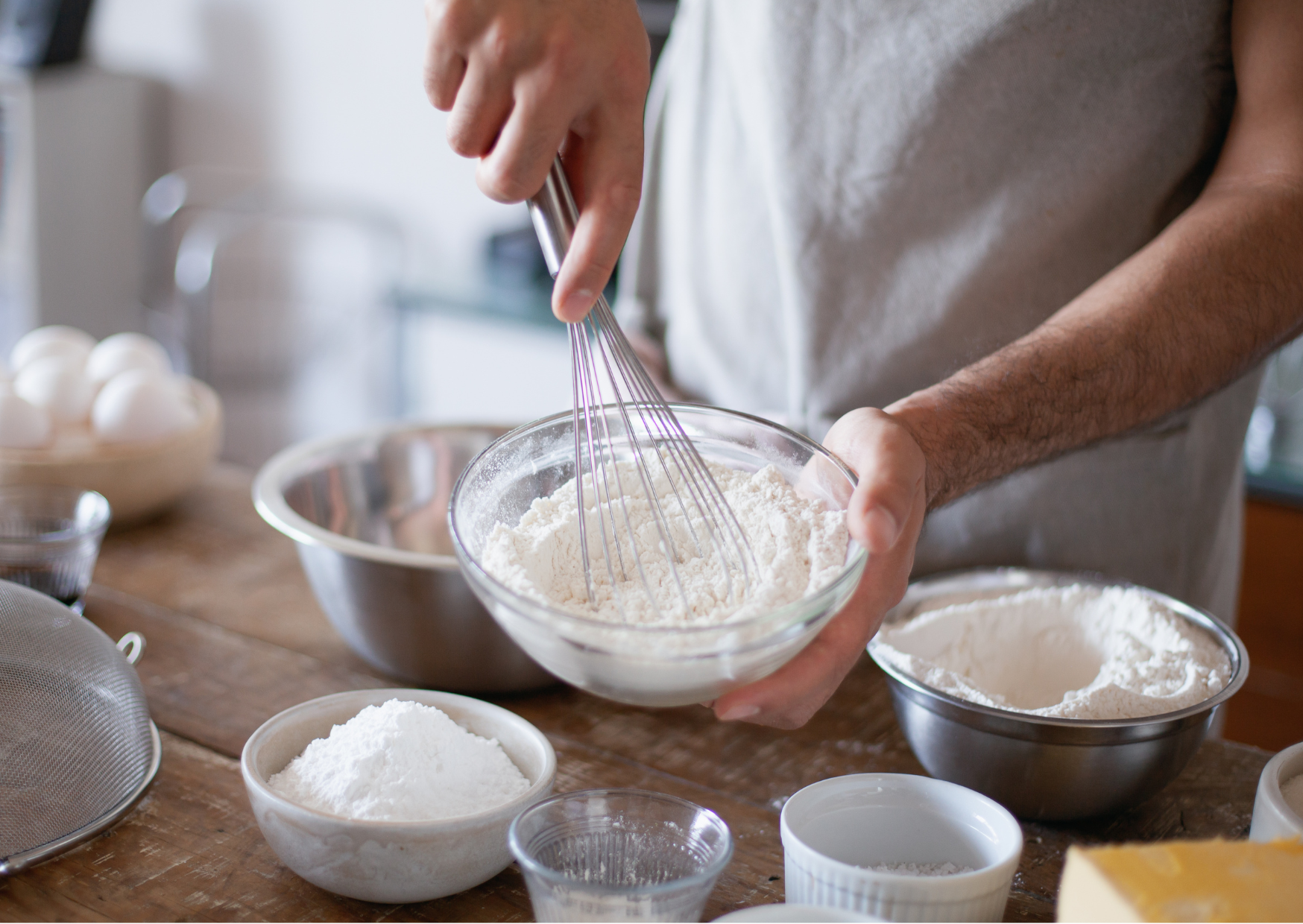
- 1 kg (about 8 cups) semola rimacinata (fine durum wheat flour)
- 700 ml (about 3 cups) warm water
- 200 g active sourdough starter (or 2 tsp dry yeast for modern shortcut)
- 20 g salt
- Extra flour for kneading
- Olive oil for coating (optional)
6. Preparation and Baking
- In a large wooden bowl, mix flour and starter. Add warm water slowly, kneading gently by hand.
- Add salt once the dough begins to come together. Knead until elastic—about 15–20 minutes.
- Cover with a linen cloth. Let rise 2–4 hours, depending on room temperature.
- Turn onto a floured surface. Gently fold and shape. Let rest 30 minutes.
- Preheat oven to maximum heat, ideally 450°F (or traditional stone oven).
- Place loaves on hot surface. Bake 45–55 minutes until crust is deep golden and sounds hollow when tapped.
- Cool on a rack, uncovered. Let rest at least 1 hour before slicing.
7. Why it costs $15 in the U.S.
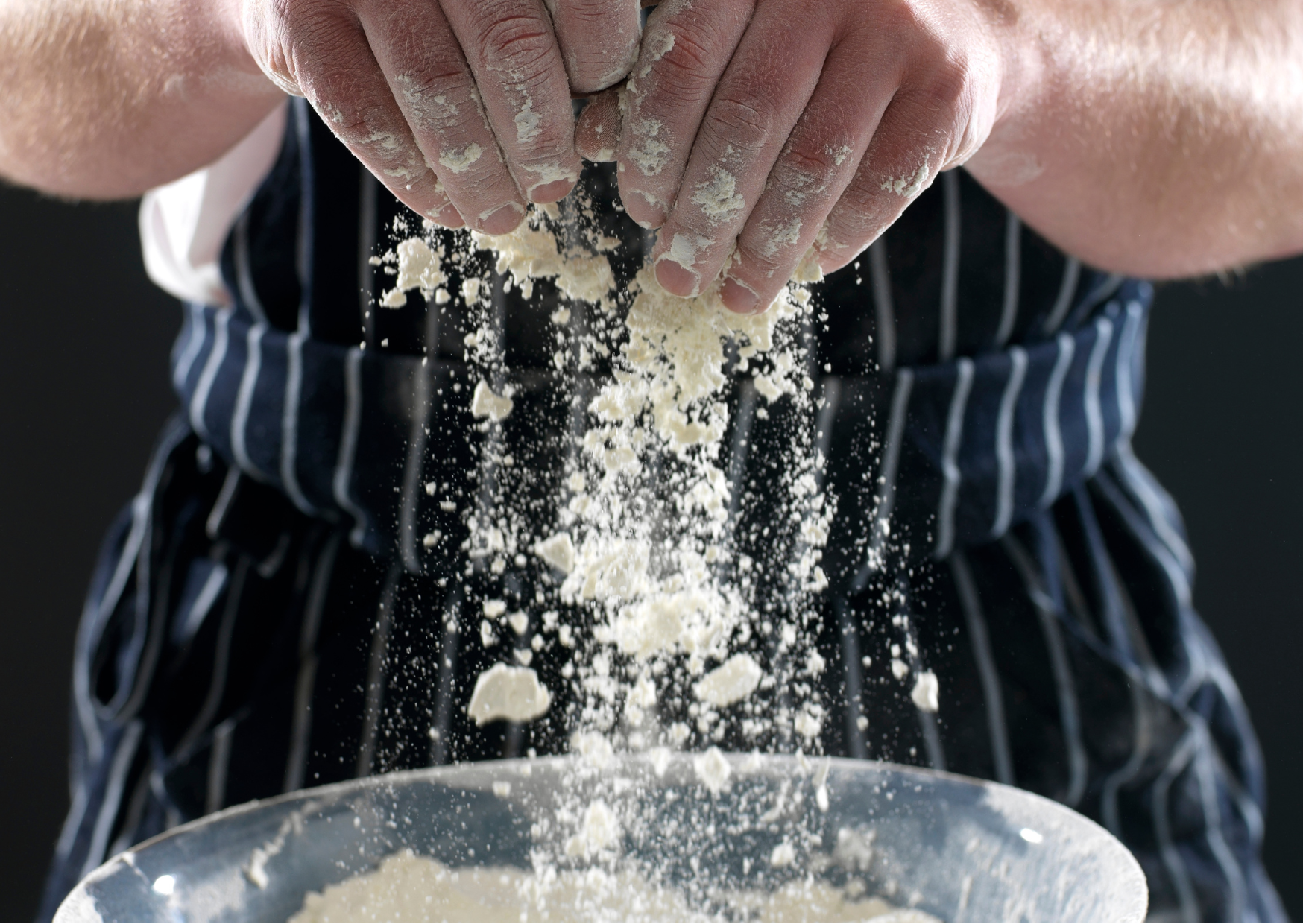
In America, recreating this bread is expensive. The flour is imported. The time is billable. The labor is rare. Bakeries charge more because customers don’t understand that bread like this takes nearly 24 hours from start to finish.
It’s not about feeding the masses. It’s about preserving a tradition that was never meant to be scaled.
But what bakeries can’t reproduce—no matter the flour or oven—is the presence of the maker. The patience. The inherited rhythm. The hands that shaped the dough while remembering stories from before the war.
American bread is often designed for speed, softness, and sweetness. Sicilian bread is designed for structure, preservation, and identity.
8. Bread is never just food—it’s continuity
In rural Italy, bread is never thrown away. It’s revived in soups, dried for breadcrumbs, toasted and soaked in olive oil. Old loaves are used in pappa al pomodoro, ribollita, or panzanella.
Children are taught to kiss a dropped piece of bread before tossing it. It is sacred, humble, and central to life.
This is why the nonna wakes at 3 a.m. Not to impress. Not to post. But because the bread needs to be ready before everyone else wakes up. Because the house runs on that loaf.
You don’t wake up early to bake if you’re not feeding more than just a body.
9. The crust tells the whole story
When you knock on the loaf and it sounds hollow, you know it’s ready. When you cut into it and the knife crunches like breaking bark, you know it’s real.
The crust protects the inside. It keeps moisture in. It develops flavor the longer it bakes. No plastic wrap required. This bread lasts days without turning gummy.
In the U.S., many store-bought loaves are soft to the point of collapse. The crust is cosmetic. In Italy, the crust is the proof—the sign of fermentation, heat, and patience.
It’s not hard. It’s earned.
When Bread Was Still Worth Waking For
A loaf like this isn’t made to be photographed. It isn’t trendy. It doesn’t need a chef. It needs a house that’s still quiet, a bowl that’s still dusted with yesterday’s flour, and a pair of hands that remember the exact weight of one kilo.
Americans pay $15 for this bread because they can’t make it. They don’t have the oven. They don’t have the flour. But most importantly, they don’t have the rhythm anymore.
Because to make bread this way is to live slowly. To listen. To wait.
And to know that some things—like a golden loaf cooling beside the window—are only possible when you begin before the world wakes up.

About the Author: Ruben, co-founder of Gamintraveler.com since 2014, is a seasoned traveler from Spain who has explored over 100 countries since 2009. Known for his extensive travel adventures across South America, Europe, the US, Australia, New Zealand, Asia, and Africa, Ruben combines his passion for adventurous yet sustainable living with his love for cycling, highlighted by his remarkable 5-month bicycle journey from Spain to Norway. He currently resides in Spain, where he continues sharing his travel experiences with his partner, Rachel, and their son, Han.