
And what it reveals about rhythm, immunity, and why health in Italy is still cooked—not prescribed
They don’t wear lab coats. They don’t have fitness trackers. They don’t know the name of the latest gut supplement trending in the U.S. But Italian grandmothers, many in their 70s, 80s, and even 90s, are still standing at their stovetops every morning, preparing something that looks simple—but quietly resists everything modern medicine now scrambles to fix.
They start their day with food. Not a bar, not a shake, not coffee alone. Actual food. Warm. Salty or brothy. Sometimes bitter. Always made with care. It isn’t called wellness. But it functions like medicine.
And while Americans rush into their mornings with blood pressure pills, heartburn tablets, insulin pens, or mood stabilizers, Italian grandmothers are simmering lentils, chopping garlic, stirring chickpeas, or reheating yesterday’s minestrone.
Here’s the daily ritual that’s kept Italian nonnas healthy for generations—and why the rest of the world is just now catching up.
Want More Deep Dives into Other Cultures?
– Why Europeans Walk Everywhere (And Americans Should Too)
– How Europeans Actually Afford Living in Cities Without Six-Figure Salaries
– 9 ‘Luxury’ Items in America That Europeans Consider Basic Necessities
1. They start the day eating warm, real food
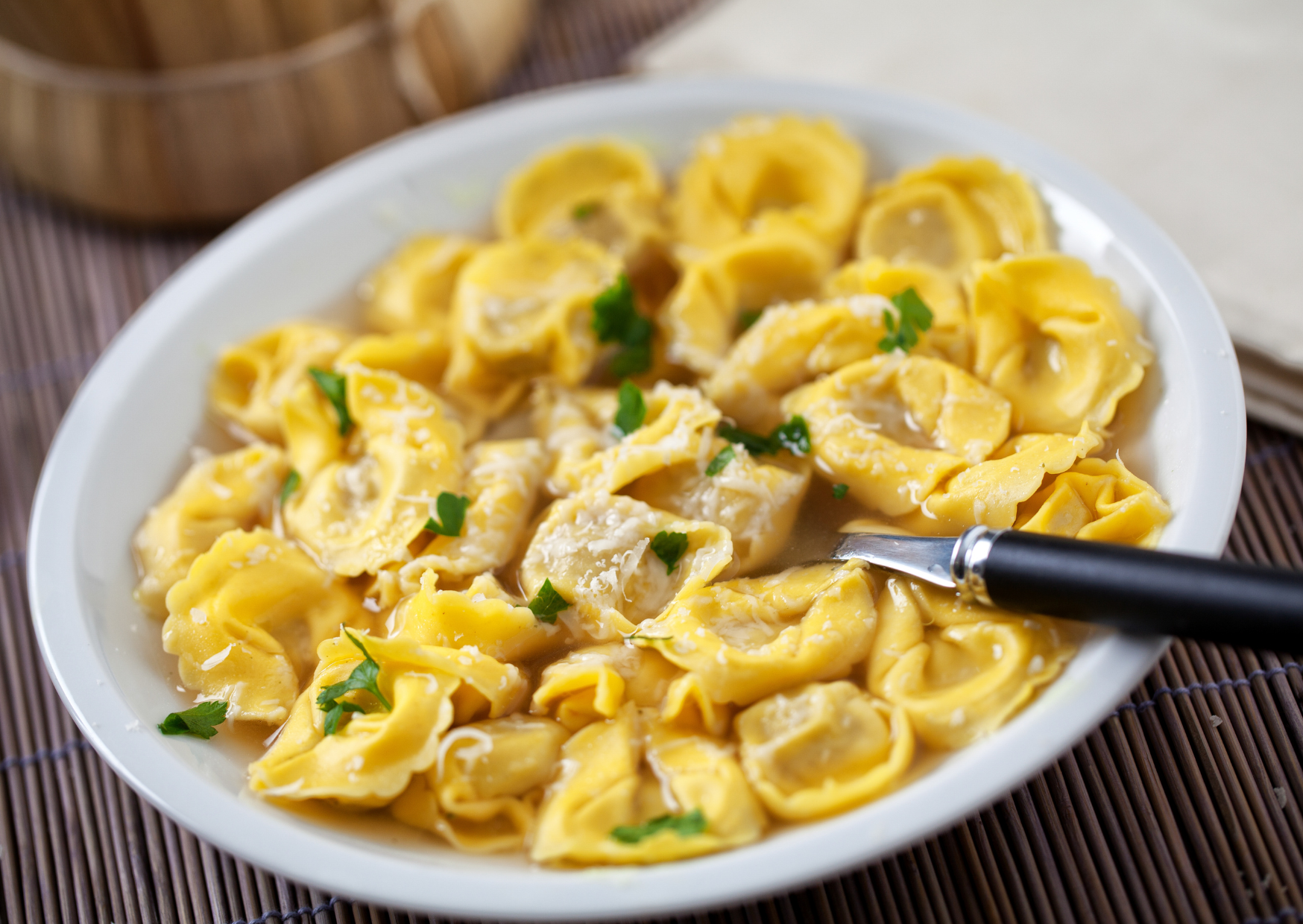
Italian grandmothers don’t skip breakfast. But they also don’t eat sugar. They don’t “grab something quick.” They don’t sip black coffee alone on an empty stomach. Their first act is preparing something warm—even if it’s small.
This might be leftover soup. A soft-boiled egg with olive oil and salt. A piece of sourdough toast with garlic and tomato. Cooked escarole with lemon. Chickpeas stewed in broth.
The meal is humble, but it does three things American mornings often fail to do: it stabilizes blood sugar, supports digestion, and gently awakens the immune system. The body starts in parasympathetic mode, not stress.
Where Americans spike glucose, suppress appetite with caffeine, or rely on processed “health” foods, Italian grandmothers ground the system.
And they do it without rushing.
2. They eat meals at the same time every day
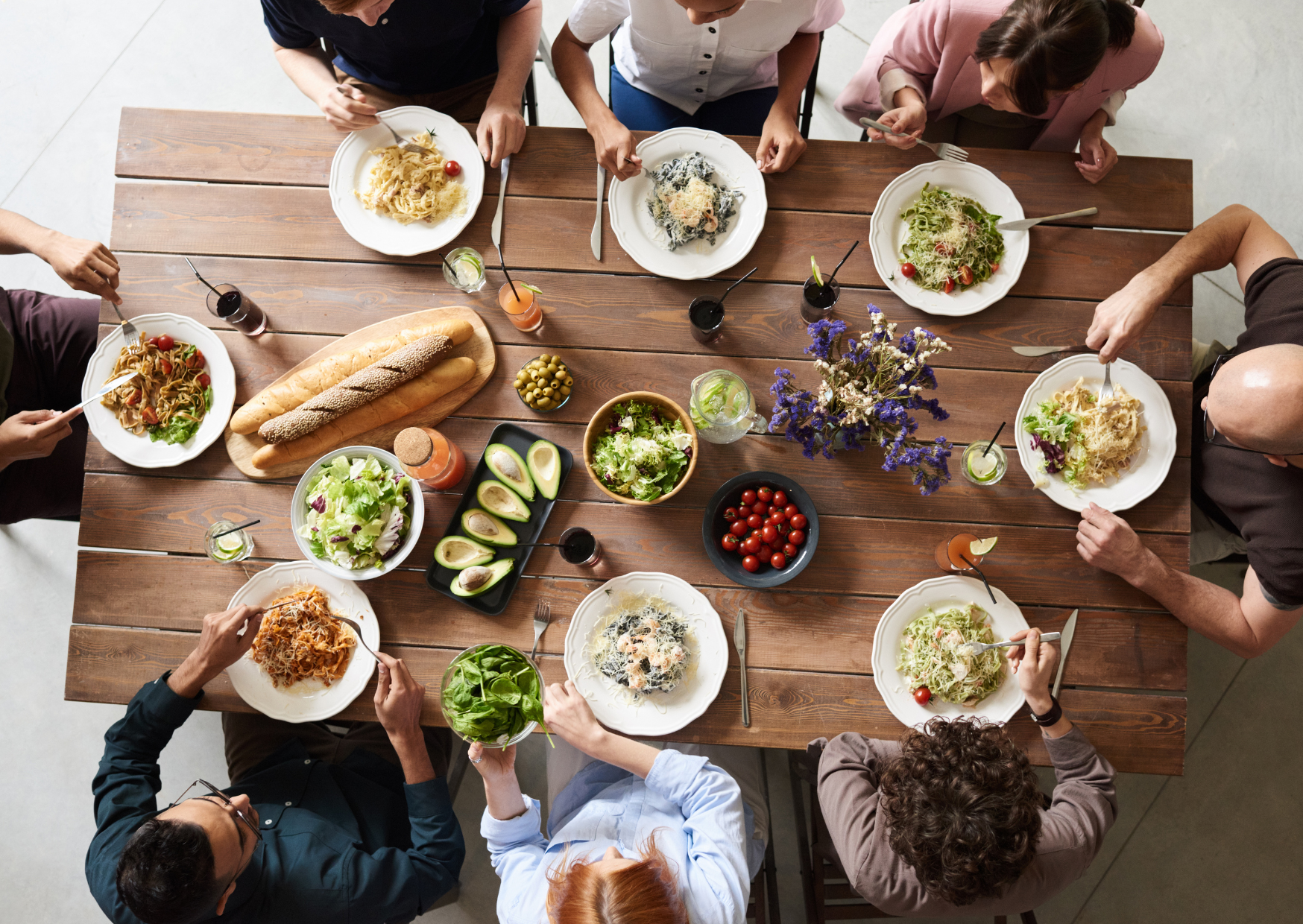
In Italy, especially among the older generation, meals are not optional and not chaotic. Breakfast happens early. Lunch arrives around one. Dinner is light and predictable. This rhythm has existed for decades, sometimes longer.
The result is a body that knows when food is coming. Hormones like insulin and cortisol follow a consistent cycle. The gut isn’t surprised. Blood sugar doesn’t spike wildly. Appetite is balanced.
Compare this to the American eating schedule—where breakfast is skipped, lunch is delayed, snacks replace meals, and dinner stretches into bedtime.
Italian grandmothers aren’t eating perfect meals. But they’re eating predictably. And that consistency has a measurable effect on metabolic health.
3. They cook with plants Americans don’t even recognize
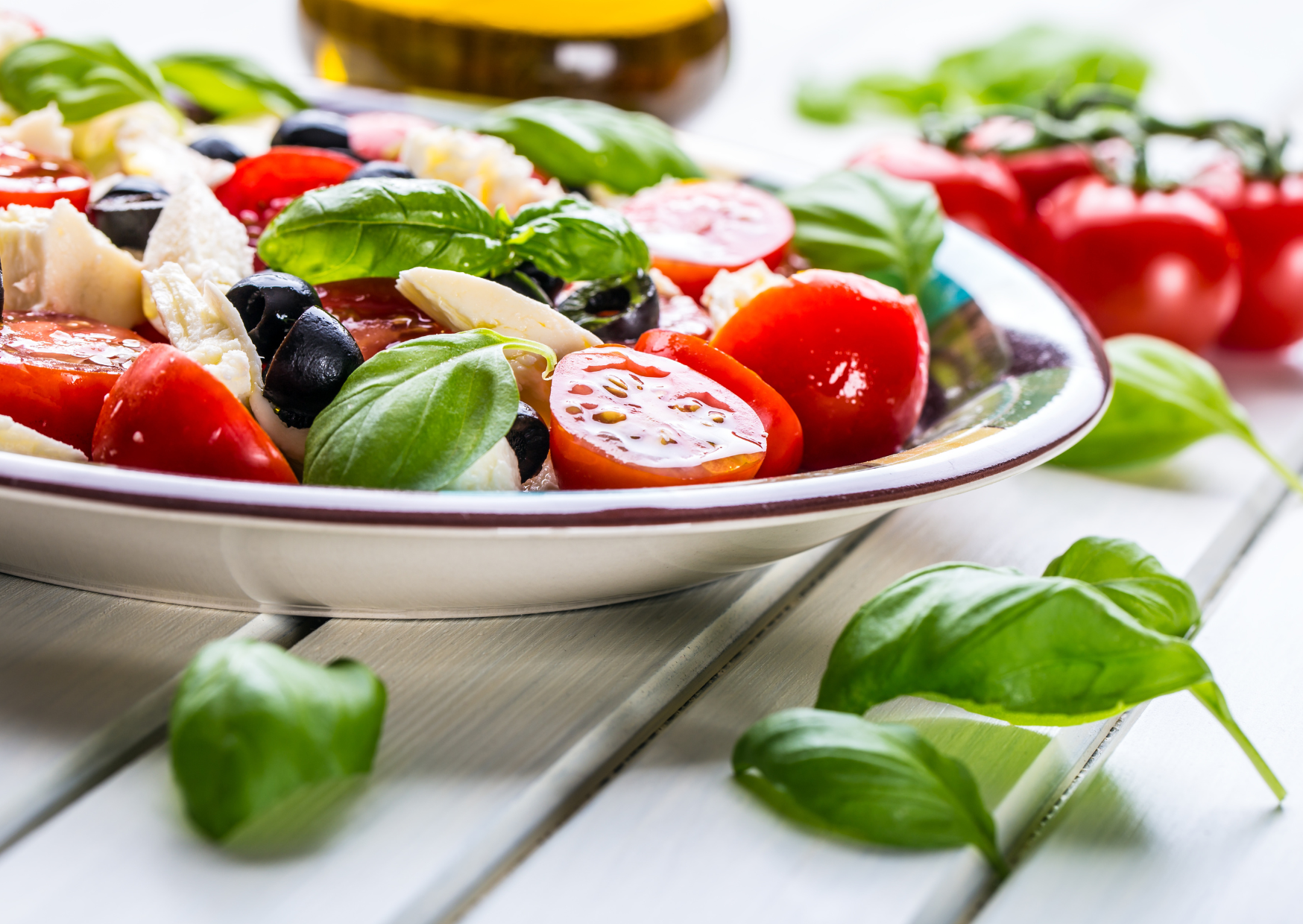
You won’t find kale in many Italian kitchens. But you’ll find cicoria, escarole, cardoons, dandelion leaves, and wild arugula. These bitter greens, often boiled or sautéed with olive oil and garlic, are part of everyday life.
They’re not superfoods. They’re staples. And they’ve been shown to support bile flow, reduce inflammation, regulate blood pressure, and feed the microbiome in a way that’s almost entirely missing from the American diet.
Italian grandmothers don’t measure fiber grams or calculate macros. But by starting lunch with a plate of bitter greens, they regulate glucose, activate digestion, and prevent the kind of chronic conditions that fuel U.S. healthcare spending.
No packaging. No claims. Just plants with names that never made it into Whole Foods.
4. They eat fermented, live food with nearly every meal
Italy isn’t known for kimchi or kombucha. But older Italians consume live food regularly—just in quieter ways. They eat aged cheeses made from raw milk, natural sourdough bread, homemade yogurt, anchovies packed in olive oil, pickled vegetables, and real wine with active yeasts.
These foods introduce healthy bacteria and natural acids that support gut balance, mineral absorption, and immune resilience. They don’t come from supplements. They come from tradition.
American probiotics are marketed in pills, powders, and frozen packets. But in Italy, fermentation is cultural, not commercial.
And it’s one reason why Italian elders have strong digestion long after the age when Americans start taking antacids.
5. They move—not to sweat, but to serve
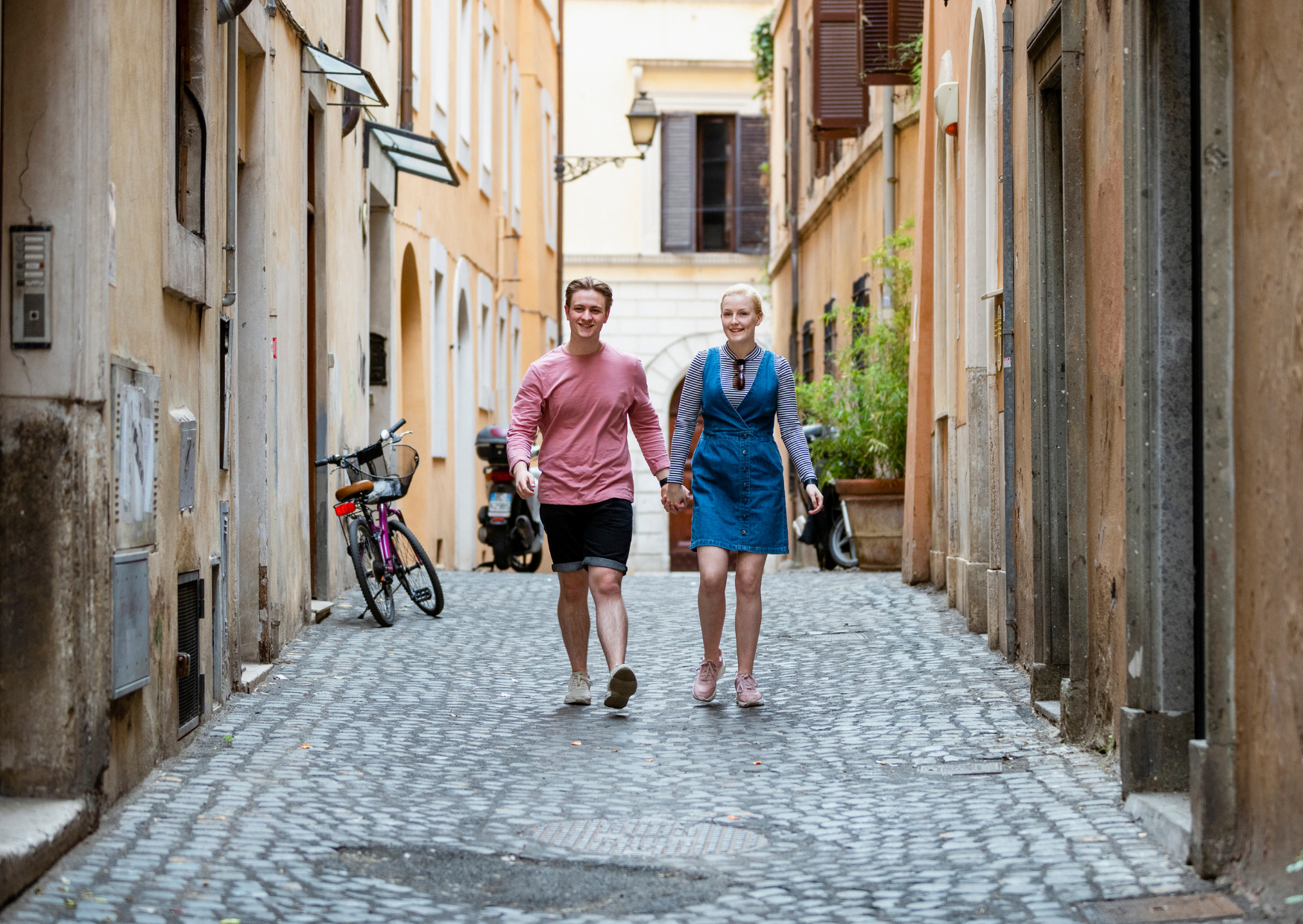
Italian grandmothers don’t go to the gym. They don’t “get their steps in.” But they walk—to the market, to the neighbor’s, through the square. They stand while cooking. They garden. They sweep. They lift pots. They move through function.
This movement is low-impact, regular, and emotionally grounded. It doesn’t require motivation. It’s embedded into life.
Compare this to the American model—sedentary most of the day, then attempting high-intensity workouts a few times a week. The spike and crash of energy, stress hormones, and fatigue often cause more harm than good.
Italian grandmothers maintain muscle tone, bone density, and joint mobility because they move with purpose—not performance.
6. They believe in broth but not for trends
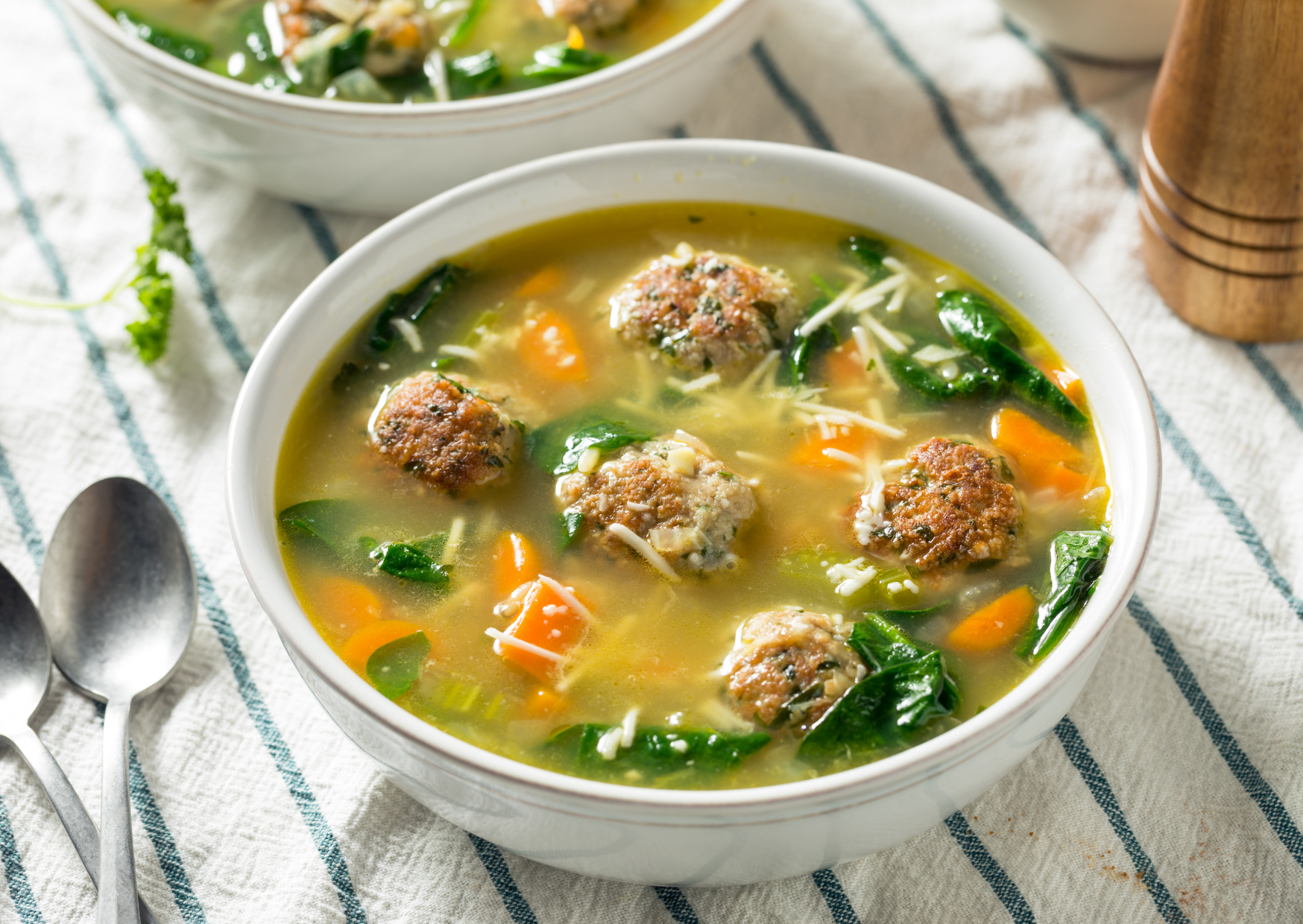
Long before bone broth became an $18 luxury item in Los Angeles, Italian grandmothers were simmering bones, vegetable peels, chicken feet, and fish heads into light broths and mineral-rich soups.
These broths are sipped slowly, added to risottos, used in sauces, or eaten plain. They contain gelatin, collagen, glycine, and electrolytes that support digestion, skin elasticity, liver detox, and immune function.
But the real magic is that broth in Italy is associated with comfort, restoration, and care—not diet culture.
It’s given after illness, during pregnancy, in winter, or simply before bed. A small bowl of broth is as normal as tea. And over time, it provides quiet, lasting support.
7. They go to bed at the same time every night

You won’t find many Italian nonnas binge-watching Netflix until 1 a.m. Their rhythms are older than electricity. Dinner is early. Cleanup is slow. And by 10 p.m., the house is quiet.
This consistency supports melatonin production, hormone balance, and repair cycles that keep cardiovascular, immune, and neurological systems stable.
American nights often stretch late. Meals are late. Lights stay bright. Screens disrupt rest. Sleep is fragmented and shallow.
Italian grandmothers may not track their REM cycles, but they sleep deeply—and wake ready to start again.
8. They don’t snack
One of the most overlooked features of traditional Italian eating is the absence of snacking. Meals are full, satisfying, and spaced apart. There’s no grazing. No protein bars in the purse. No late-night ice cream.
This allows the digestive system to rest and complete full cycles. Insulin sensitivity improves. Inflammation drops. And the gut lining is protected from constant processing.
Americans, trained by food marketing, snack constantly. Blood sugar never rests. And over time, this erodes immunity and metabolic function.
Italian grandmothers don’t need willpower. They simply have no habit of snacking.
9. They know what food feels like in the body
Perhaps the most profound difference is awareness. Italian grandmothers don’t count calories. But they remember how meals make them feel. They notice bloating, energy, heaviness, or lightness. They adjust without reading labels.
They know when pasta is too much. When salt is needed. When meat feels grounding or when lentils feel cleaner. This body literacy comes from years of slowness, observation, and cooking with hands.
Americans are taught to outsource that knowledge to apps, macros, and influencers. But Italian nonnas hold it in their bodies.
That wisdom, quiet and intuitive, is the most powerful form of disease prevention that exists.
When the Cure Was Never Missing
Italian grandmothers don’t speak the language of modern wellness. They don’t track trends. They don’t fear food. And they don’t need medicine until much later in life.
Not because they’re lucky. But because their days follow a rhythm that heals.
Three meals, taken slowly. Bitters, broth, olive oil, and fermented cheese. Walks with intention. Sleep that starts on time. And presence—always presence—in the preparation of food.
What American medicine tries to reverse, they prevent. What American health systems try to patch, they nourish. What corporations brand as new, they have done forever.
Their secret is not hidden. It’s repeated.

About the Author: Ruben, co-founder of Gamintraveler.com since 2014, is a seasoned traveler from Spain who has explored over 100 countries since 2009. Known for his extensive travel adventures across South America, Europe, the US, Australia, New Zealand, Asia, and Africa, Ruben combines his passion for adventurous yet sustainable living with his love for cycling, highlighted by his remarkable 5-month bicycle journey from Spain to Norway. He currently resides in Spain, where he continues sharing his travel experiences with his partner, Rachel, and their son, Han.