
And what it reveals about prescription laws, medical authority, and why fatal urgency doesn’t override Spanish pharmacy rules
Imagine waking with a fever in Madrid. You’re dizzy, your throat is raw, and you remember you left your amoxicillin back home. You stumble into a Spanish pharmacy. There’s no prescription in hand. You explain your symptoms in broken Spanish. They take your temperature. They shake their heads. No antibiotics.
That isn’t bureaucracy. It’s the law.
Even in acute pain and fever, antibiotic access in Spain requires a valid Spanish prescription. Without it, not even extreme circumstance changes the rules. This refusal often surprises Americans—especially those used to urgent access where medical concern trumps paperwork.
Spain treats antibiotics like controlled medication—yet deeply different from U.S. views. There’s no walk-up emergency access, no refill under duress, no trust in foreign prescriptions. Not even for someone who feels like they’re dying.
This is not immigration-level policy. It’s health‑care control.
Want More Deep Dives into Other Cultures?
– Why Europeans Walk Everywhere (And Americans Should Too)
– How Europeans Actually Afford Living in Cities Without Six-Figure Salaries
– 9 ‘Luxury’ Items in America That Europeans Consider Basic Necessities
1. Antibiotics are strictly prescription-only. Always.

Under Spanish law antibiotics cannot be sold without a prescription from a licensed medical provider. That rule is not informal—it is enforced centrally across pharmacies. Studies in Catalonia showed that nearly half of pharmacies would refuse antibiotic sales even after patient request, and pharmacists who sold them cited rule bending, not law-breaking.
This isn’t part of targeting tourists. It’s part of public health. Overuse is seen as dangerous. Resistance is the enemy. So when an American shows up without a Spanish receta, the answer is always “no.”
Penicillins, cephalosporins, macrolides—none pass the counter without documentation. Fever, vomiting, pain—they’re irrelevant.
2. Foreign or U.S. prescriptions hold no legal weight
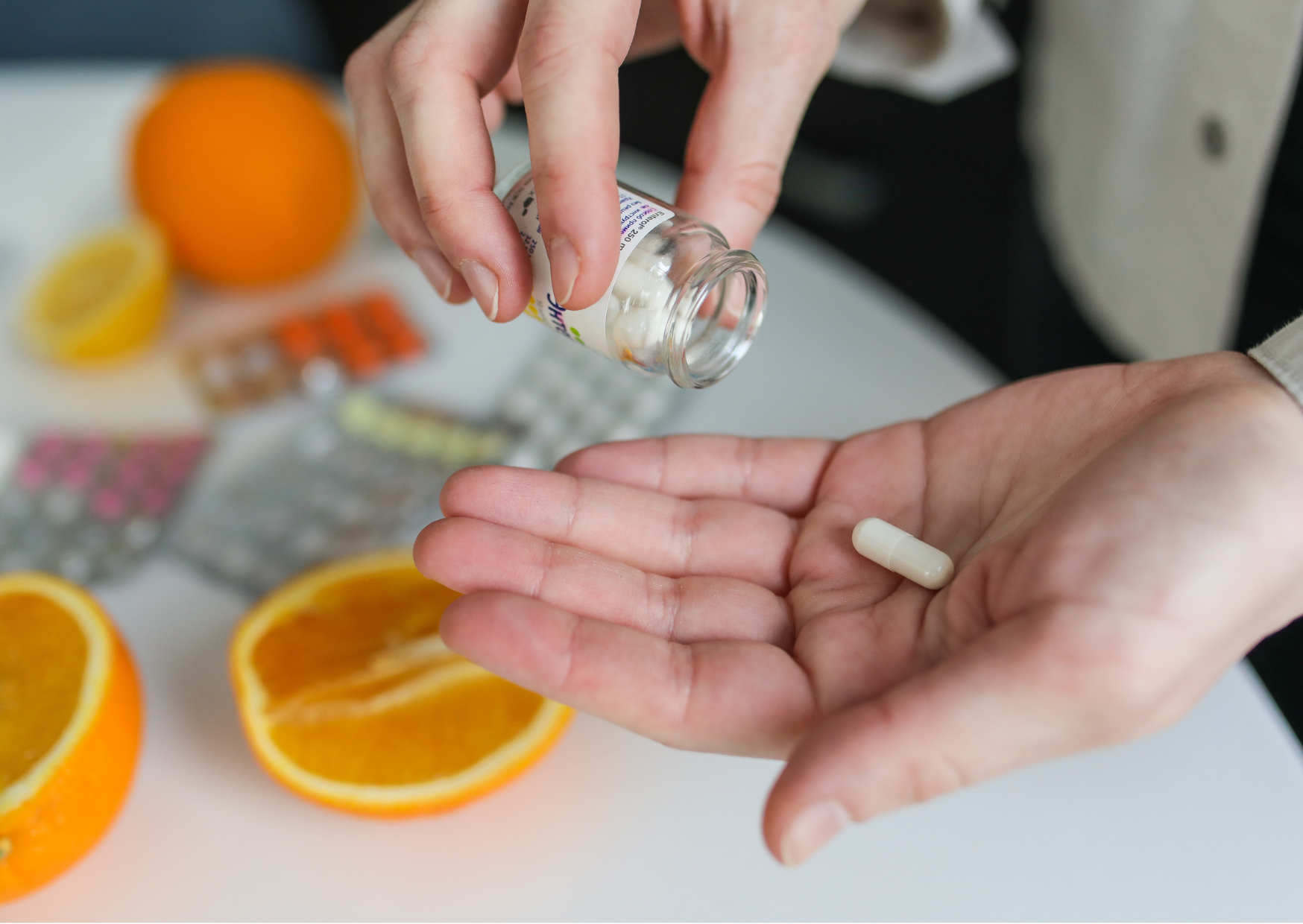
Even Branded issues aside, prescriptions issued in the U.S. are legally meaningless in Spain. Spanish policy does not recognize foreign medical authority. A prescription from Texas, New York, or California doesn’t meet Spanish licensing requirements. It isn’t registered, tracked, or traceable.
Pharmacists making the decision do so not from indifference, but from compliance. They have no choice to override. Even with U.S. health insurance statements, medical records, or urgency claims—the prescription must be Spanish.
For American doctors and travelers, realizing that your prescription has no jurisdiction in Spain comes late—and sometimes too late.
3. Even in emergencies, you must get a local diagnosis

Spain’s hospitals and urgent care clinics operate on symptoms, not prior prescriptions. If you enter the ER with fever, cough, dehydration—doctors will treat you, stabilize you, maybe even admit you. But they will not issue an antibiotic prescription unless they confirm a bacterial infection.
Once stabilized, you may be referred to primary care or sent home—but again, no antibiotics without evidence and a Spanish provider. Even serious infections, unless confirmed in a Spanish ER, will not yield a prescription you can use at a pharmacy.
So American expectations—“I have a prescription, just dispense it”—meet Spanish reality: diagnosis precedes antibiotic access.
4. Online doctors help but only if they are licensed in Spain

When tourists find themselves without antibiotics—many use services like Doctorsa, which connect you through video consultation to a Spanish-licensed physician. They can issue an electronic Spanish prescription (receta electrónica), accepted by all local pharmacies.
These visits usually cost €20‑€50. The prescription is official. Made under Spanish medical jurisdiction. And it overrides the refusal.
It’s not convenient. It requires effort. But it’s the only legal way to get the medicine yourself—even in urgency.
When urgency isn’t urgency
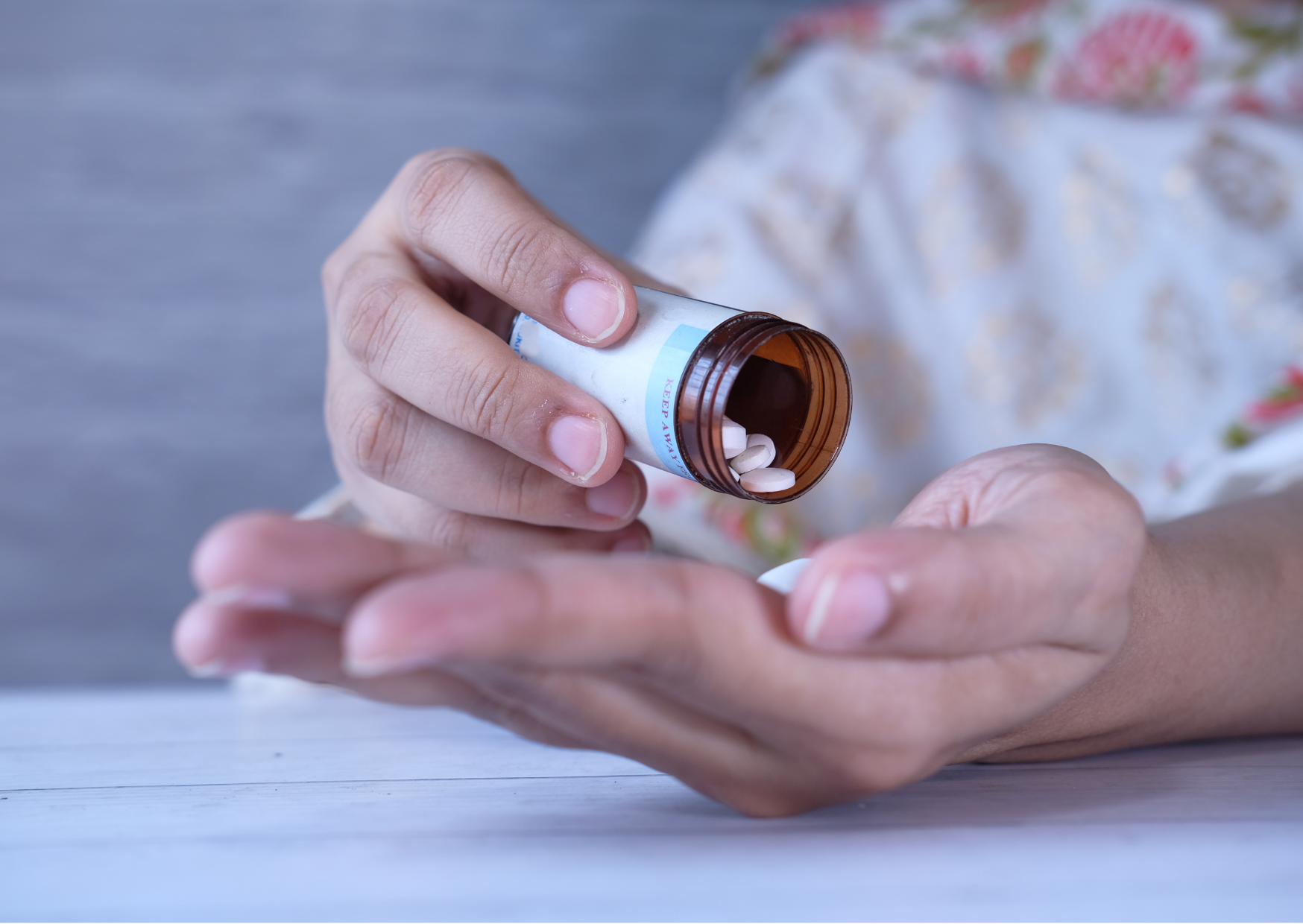
For American travelers unfamiliar with prescription laws, arriving at a Spanish pharmacy in severe pain—and being turned away—feels like medical betrayal. But in Spain, safety is individual yet regulated. Antibiotics are powerful drugs and their use is prevented without oversight.
No matter how fevered you feel, no Spanish pharmacist can legally ignore the rule. You must see a local doctor, even remotely. You must abide by Spanish diagnoses. You must wait.
That difference—between cultural trust in prescription and Spanish legal control—is often the harshest medicine.

About the Author: Ruben, co-founder of Gamintraveler.com since 2014, is a seasoned traveler from Spain who has explored over 100 countries since 2009. Known for his extensive travel adventures across South America, Europe, the US, Australia, New Zealand, Asia, and Africa, Ruben combines his passion for adventurous yet sustainable living with his love for cycling, highlighted by his remarkable 5-month bicycle journey from Spain to Norway. He currently resides in Spain, where he continues sharing his travel experiences with his partner, Rachel, and their son, Han.