
And what it reveals about surveillance, cultural expectation, and why one city polices public space with quiet precision
In Paris, no one is surprised when a tourist fumbles at a Metro turnstile. The ticket machines confuse visitors. The gates are narrow. And in a hurry, many Americans—convinced the machine is broken or their pass didn’t work—push past, hop over, or follow someone through without scanning.
And they’re often fined within minutes.
Locals see it. Inspectors see it. Surveillance systems see it. And unlike in some cities where fare evasion might get you a shrug, in Paris it can cost you €35 on the spot—and in some cases, up to €180 if you argue, delay, or refuse.
Here’s why Paris Metro turnstile jumping is more than a quick shortcut—and why Americans are spotted, reported, and fined faster than they expect.
Want More Deep Dives into Other Cultures?
– Why Europeans Walk Everywhere (And Americans Should Too)
– How Europeans Actually Afford Living in Cities Without Six-Figure Salaries
– 9 ‘Luxury’ Items in America That Europeans Consider Basic Necessities
1. Metro surveillance is passive but constant
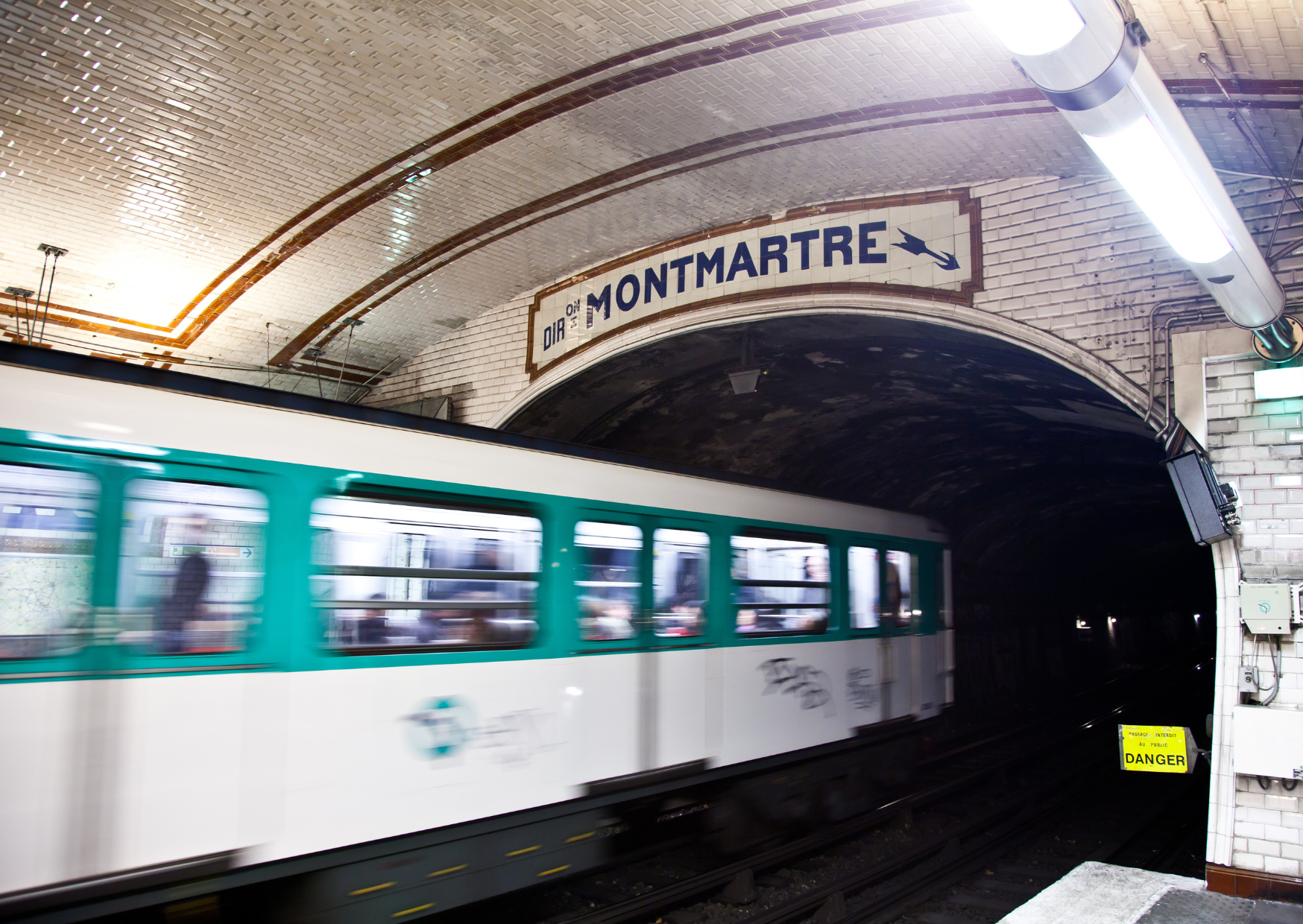
Unlike airports or train stations filled with uniformed guards, the Paris Metro appears relaxed. People move fast. There’s no bag check. No gate attendants. But that’s deceptive.
The entire system is quietly surveilled. Uniformed and plainclothes inspectors from RATP (Régie Autonome des Transports Parisiens) patrol randomly and regularly. Surveillance cameras cover entrances, exits, and transfer points. Teams blend in until they don’t.
Many tourists assume no one is watching. But in Paris, the Metro is one of the most closely monitored public systems in the country. Cameras aren’t a deterrent. They’re a network. And you’re already in it before you realize.
That means even if you think you slipped through unnoticed, there’s a good chance your move was flagged the moment it happened.
2. Locals notice and often report
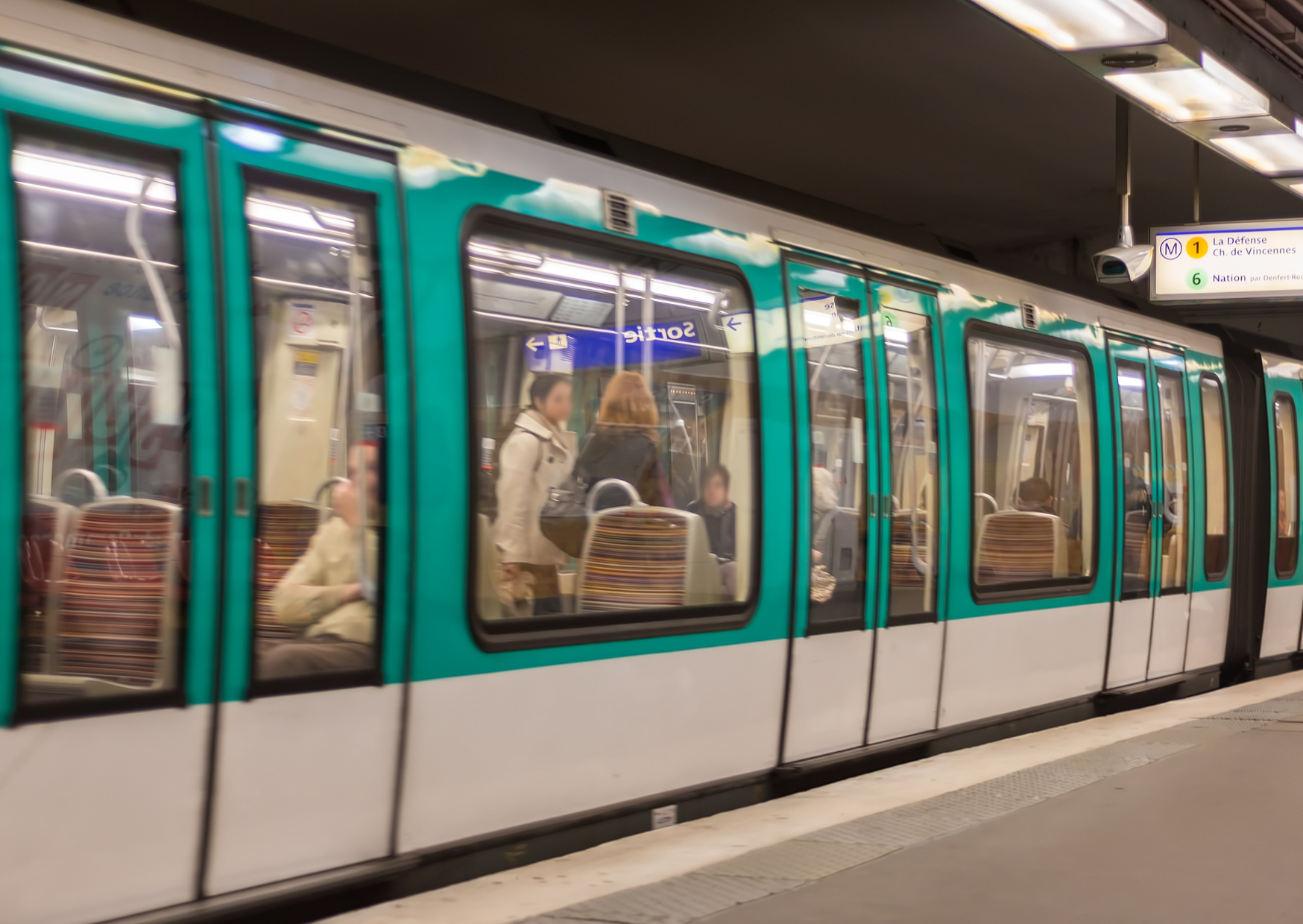
Parisians who use the Metro daily are alert to fare evasion. They see who jumps. They hear the beep that signals an unpaid trip. And while many don’t say anything, some do.
In recent years, fare evasion has been treated as a civic issue. Some commuters will report incidents in real time, using QR codes posted near the platforms or anonymous SMS systems. This quiet participation reinforces shared ownership of the system.
To an American traveler, it might feel like overreaction. But in Paris, where respect for the commons still matters, skipping the fare is treated like breaking a social contract, not just saving €2.
3. Inspectors move in quietly then swiftly
Fare inspectors—called contrôleurs—don’t always wear uniforms. They travel in pairs or small groups. They wait until you’re on the train, or just stepped off. Then they block the exit and ask for your validated ticket or pass.
If you don’t have one, or if you’re caught in the act, you’re fined immediately. No warnings. No lectures. Just on-the-spot enforcement. They scan your card, check the timestamp, and issue the fine.
And if you try to walk away or argue in English? That often makes things worse. The fine can increase. If you can’t pay, they may escort you to a side office or involve station police. In the system’s eyes, delay is evasion.
4. The cultural contrast is deeper than the fine
In American cities, fare evasion often feels like a technicality. Gates are broken. Machines lag. Passes are digital and glitchy. There’s room to explain. Enforcement varies widely.
In Paris, the Metro is seen as a shared public asset. You pay because everyone pays. The system isn’t cheap—it’s respected. So jumping a turnstile isn’t just personal. It’s a disruption of trust. Even tourists are expected to adapt.
This isn’t about shaming tourists—it’s about expecting participation. And when that doesn’t happen, the response is fast and structured.
5. Confusion isn’t always forgiven
Many Americans claim they didn’t understand the system. Their pass was new. The gate was stuck. They thought someone else scanned for them. And while sometimes a kind inspector will let it go, most don’t.
Tourist status doesn’t exempt you. In fact, inspectors may be more vigilant around popular stops—Louvre-Rivoli, Gare du Nord, Bastille—because they expect confusion.
Even a polite excuse won’t stop the fine if they saw you cross without a beep. You can try to explain, but you’re not the first. And likely not the last.
6. Turnstile hopping isn’t uncommon but it is punished
Yes, locals sometimes jump the turnstile. Teenagers. Riders in a rush. Groups trying to save money. But locals also know the risk. And when caught, they don’t protest. They pay.
Americans unfamiliar with this expectation often argue or try to explain. But inspectors aren’t there to debate. Their job is simple: issue the fine.
In 2023 alone, tens of thousands of fare dodgers were fined across Paris. Tourists made up a small but visible percentage. The fine is immediate. The lesson, lasting.
7. Payment is expected on the spot
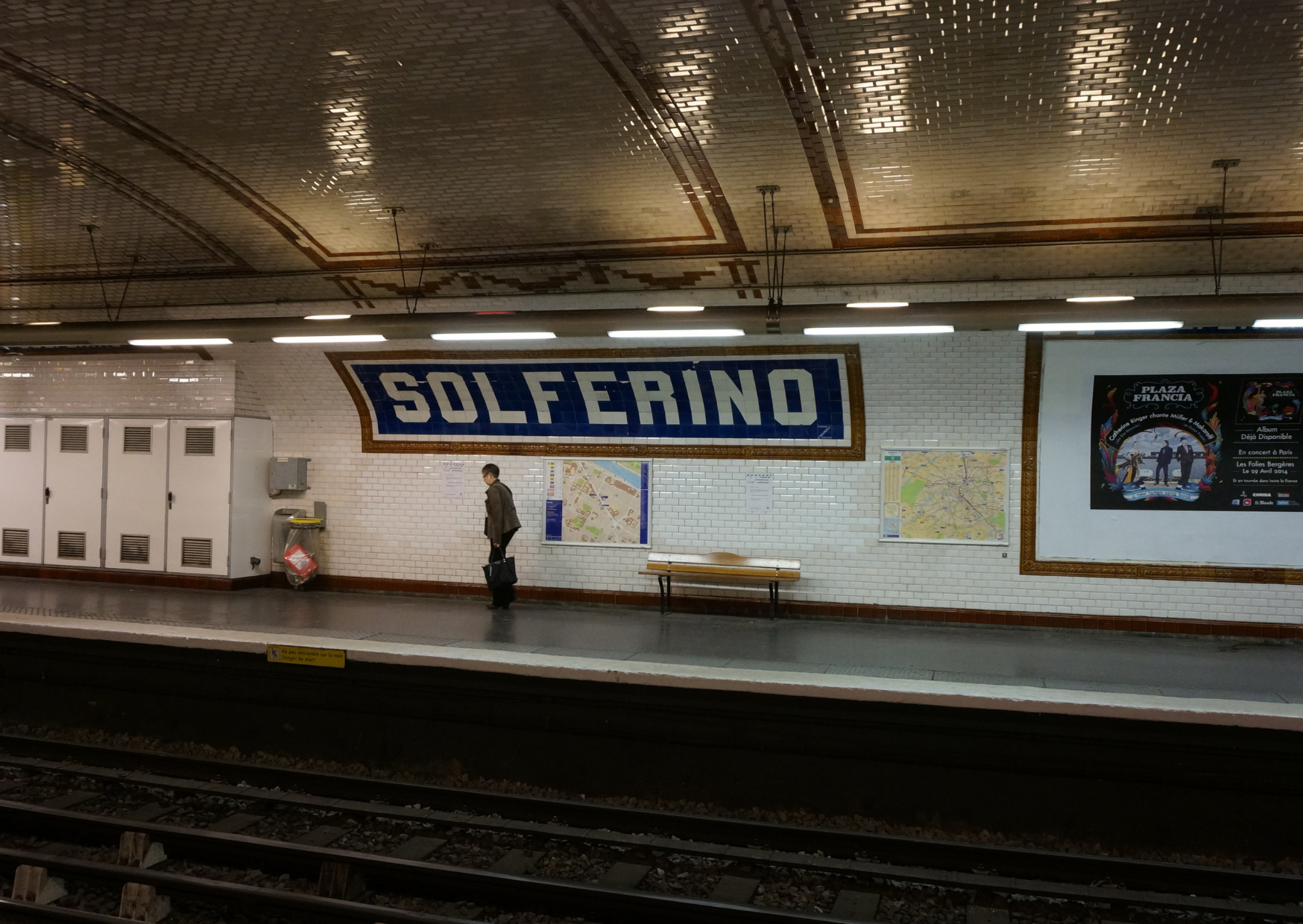
If you’re fined, you’re expected to pay immediately. Most inspectors carry portable card readers. If you don’t pay, your name and passport details are recorded. And in some cases, you may be escorted to a payment counter.
There’s no online appeal. No option to “call in later.” And if you can’t pay, things escalate quickly. The system doesn’t waste time on excuses.
It’s efficient. But it feels shocking if you’re used to more lenient systems. In Paris, efficiency wears a neutral face—and a uniform when needed.
8. The fine isn’t just financial it’s reputational
Tourists often feel embarrassed. The inspector speaks quickly. Locals watch. You fumble for your card or try to explain. And suddenly, what felt like a harmless act becomes a public incident.
The shame isn’t always about the money. It’s about being seen as someone who broke the rules. In a city that prizes elegance and discretion, that reputation lingers.
If you’re trying to blend in, jumping a turnstile is the fastest way to be spotted.
When the System Sees What You Miss
Jumping a turnstile in Paris isn’t a clever shortcut. It’s a cultural misreading. The gates may look easy to bypass, but the system around them is not.
You’re seen. You’re tracked. And in a city that lets you move freely through art, food, and space—the Metro is one place where freedom comes with rules.
Know the code. Respect the gate. Or pay the price—not just in euros, but in understanding.

About the Author: Ruben, co-founder of Gamintraveler.com since 2014, is a seasoned traveler from Spain who has explored over 100 countries since 2009. Known for his extensive travel adventures across South America, Europe, the US, Australia, New Zealand, Asia, and Africa, Ruben combines his passion for adventurous yet sustainable living with his love for cycling, highlighted by his remarkable 5-month bicycle journey from Spain to Norway. He currently resides in Spain, where he continues sharing his travel experiences with his partner, Rachel, and their son, Han.