
And what it reveals about sacred spaces, over-tourism, and why Italy now protects beauty with legal teeth
In Rome, beauty is everywhere. But some corners of that beauty now come with a fine. As of 2025, certain gestures once considered innocent—like climbing a few inches onto the stone ledge of a historic fountain for a better photo angle—have become not only discouraged but criminalized.
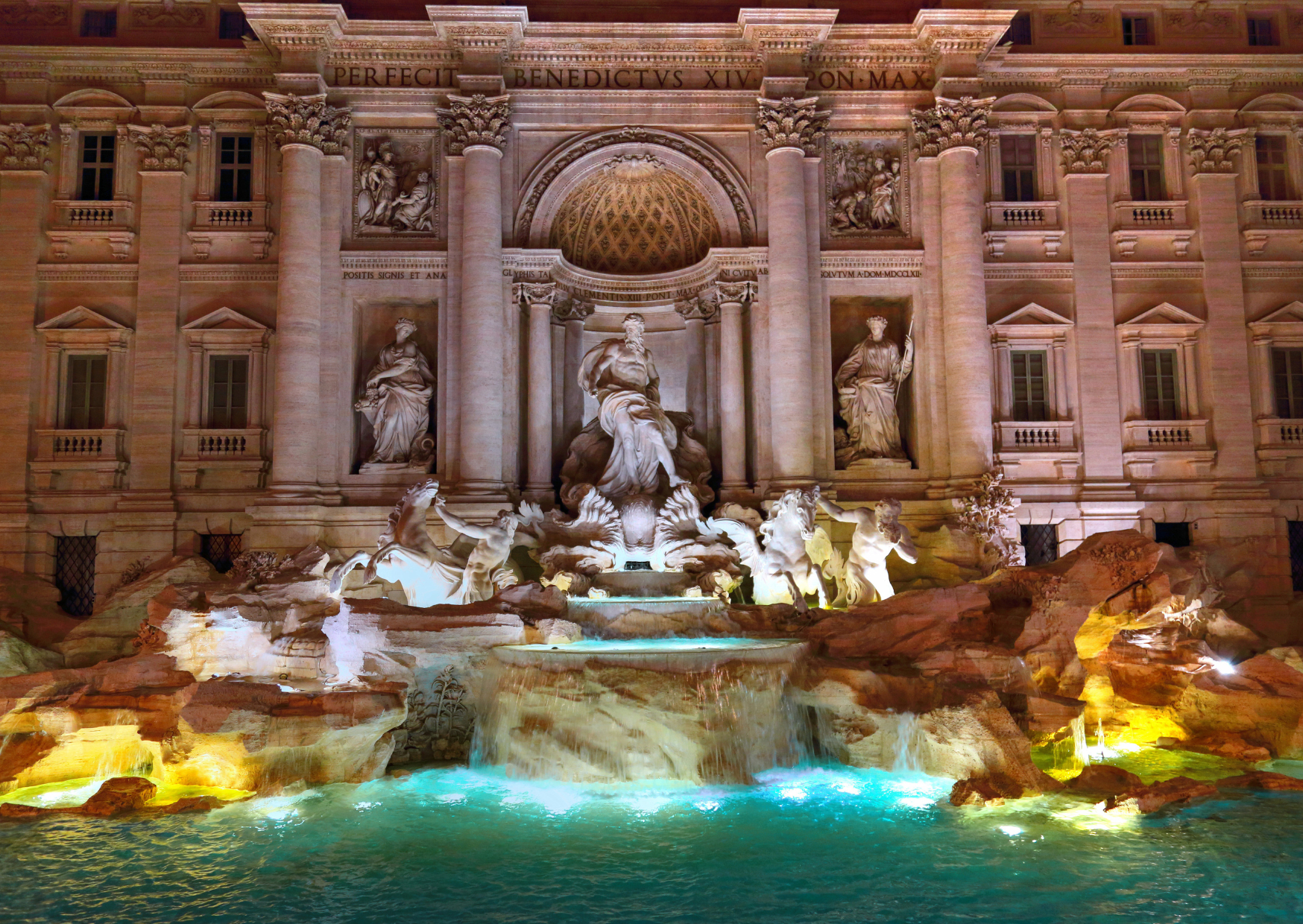
Take the Fontana di Trevi, one of the city’s most photographed landmarks. In the past, tourists stood close, stretched arms wide, and leaned slightly into the frame for their perfect shot. Now, that same lean—especially if it involves sitting, crouching, or touching the basin—can result in criminal charges and a fine of up to €5000, according to new municipal regulations.
Rome isn’t just trying to keep things tidy. It’s responding to something deeper: the erosion of space, meaning, and dignity caused by mass tourism.
Here’s why this new photo offense is more than a crackdown—and what it says about the evolving relationship between tourists and the places they seek to preserve.
Want More Deep Dives into Other Cultures?
– Why Europeans Walk Everywhere (And Americans Should Too)
– How Europeans Actually Afford Living in Cities Without Six-Figure Salaries
– 9 ‘Luxury’ Items in America That Europeans Consider Basic Necessities
1. The new law targets gesture, not just damage
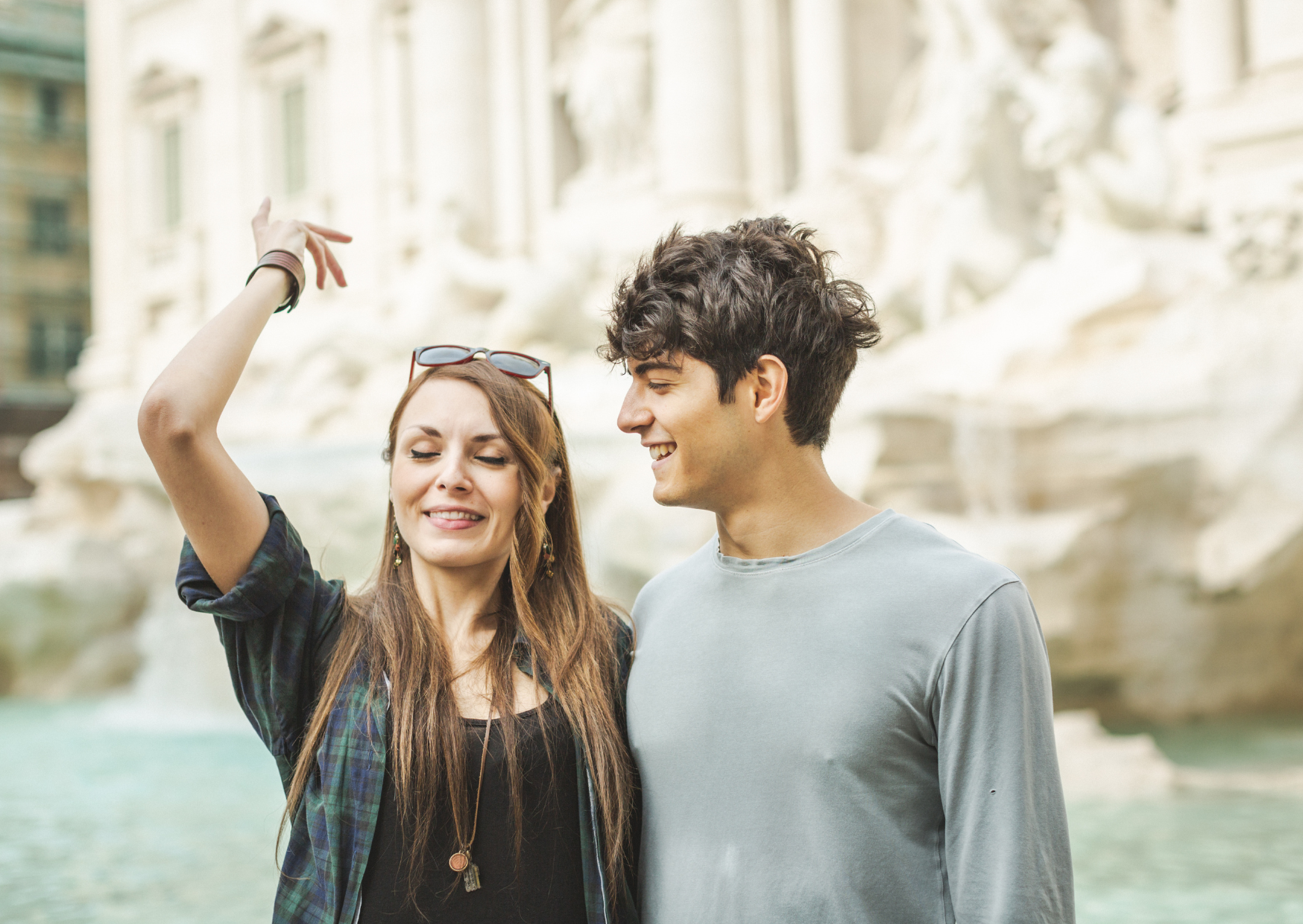
The fines aren’t reserved for vandalism. Rome has long punished graffiti, trash, or swimming in fountains. What’s new is the framing: simply positioning yourself for a “close-up” in the wrong way is now considered a threat to public order.
That includes sitting on the edge of the fountain, placing a tripod too close to the stone, or hoisting children up onto the ledge. Even crouching beside the water—especially if security barriers are crossed—can qualify as an “act of degradation.”
The fine can be immediate. If officers determine the posture was intentional, and that signs were ignored, the offense escalates. That means your photo—intended as a moment of memory—can become a legal incident.
Tourists often misunderstand this shift. They assume no harm was done. But Rome isn’t policing for harm—it’s policing for precedent.
2. The Fontana di Trevi is no longer neutral ground
The Trevi Fountain draws millions of visitors each year, often in waves so dense that local authorities install fencing, stewards, and directional arrows to control crowd flow. Despite these interventions, the pressure never stops.
And pressure changes meaning. What once was a civic monument becomes a stage. The water becomes background. The stone becomes a prop, not a heritage site. That shift—from sacred to scenic—has consequences.
By criminalizing certain photo angles, the city is reclaiming the fountain’s symbolic status. It’s no longer passive. It’s reactive. It’s guarded. It belongs again to the city, not to the feed.
Rome isn’t outlawing photography. It’s outlawing the posture of entitlement that photography often encourages.
3. Enforcement is visible, immediate, and escalating
Municipal police now patrol major fountains with specific instructions to watch for photo behaviors. These include crouching, climbing, leaning on marble, extending limbs over water, or entering cordoned areas.
First-time offenders may receive a verbal warning. But repeat behavior or refusal to comply leads to an administrative fine. If the act is deemed willful or obstructive, it triggers criminal charges under the city’s “decoro urbano” (urban decorum) law.
And if a tourist argues, delays, or refuses to show ID, the situation can escalate quickly—sometimes resulting in police accompaniment or urban exclusion (DASPO), which bars the offender from certain zones.
The offense isn’t just about where you stood. It’s about what the city thinks that act encourages.
4. The crackdown reflects a deeper frustration with visual culture
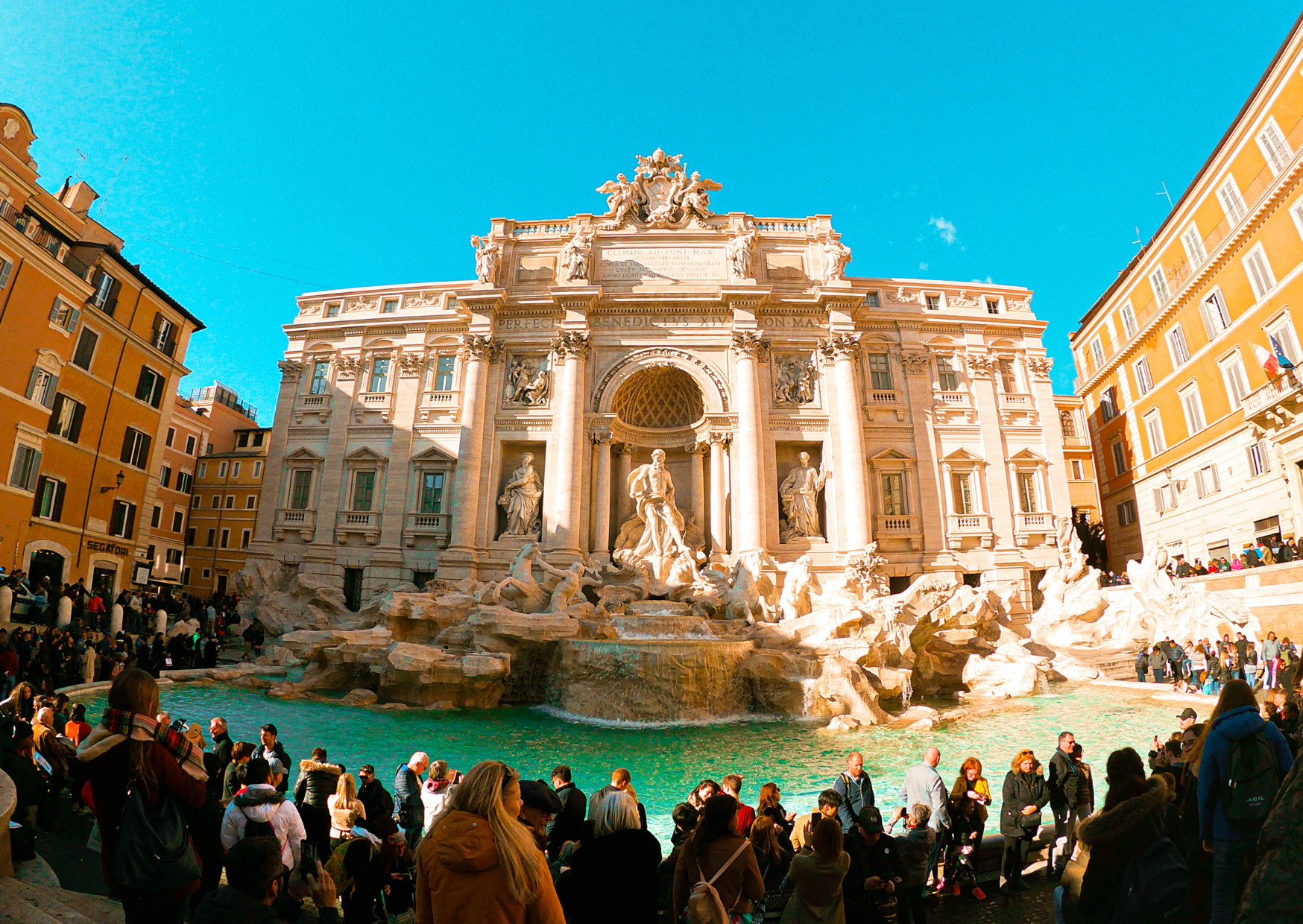
At its core, this isn’t about stone. It’s about presence. Roman officials argue that too many tourists view public monuments through the logic of performance, not participation.
The Trevi Fountain has become one of the most Instagrammed locations in Europe. Tourists don’t just take pictures—they act. They pose. They arrange outfits. They arrive before sunrise for lighting. And in doing so, they crowd out others and contribute to a rhythm of constant occupation.
The city sees this not as love—but as wear. And where photography used to document beauty, it now dominates it.
Rome’s new law attempts to reverse that imbalance. Not by banning cameras—but by regulating how bodies behave around space.
5. Tourists often misread intent as innocence
Many travelers are surprised to be confronted. After all, leaning over the edge or placing a foot near the basin feels harmless. But in Italy’s legal logic, it’s not the damage—it’s the signal.
Officials believe each transgression invites others. When one person sits, five more follow. When one photo becomes a crouch, the next becomes a hop over the rail. And then the beauty becomes burden.
Tourists expect leniency. But in Rome, expectation doesn’t excuse behavior. And assuming forgiveness often creates the very tension that leads to a fine.
What feels spontaneous is interpreted as strategy—one the city no longer tolerates.
6. The shift reflects how cities now defend public meaning
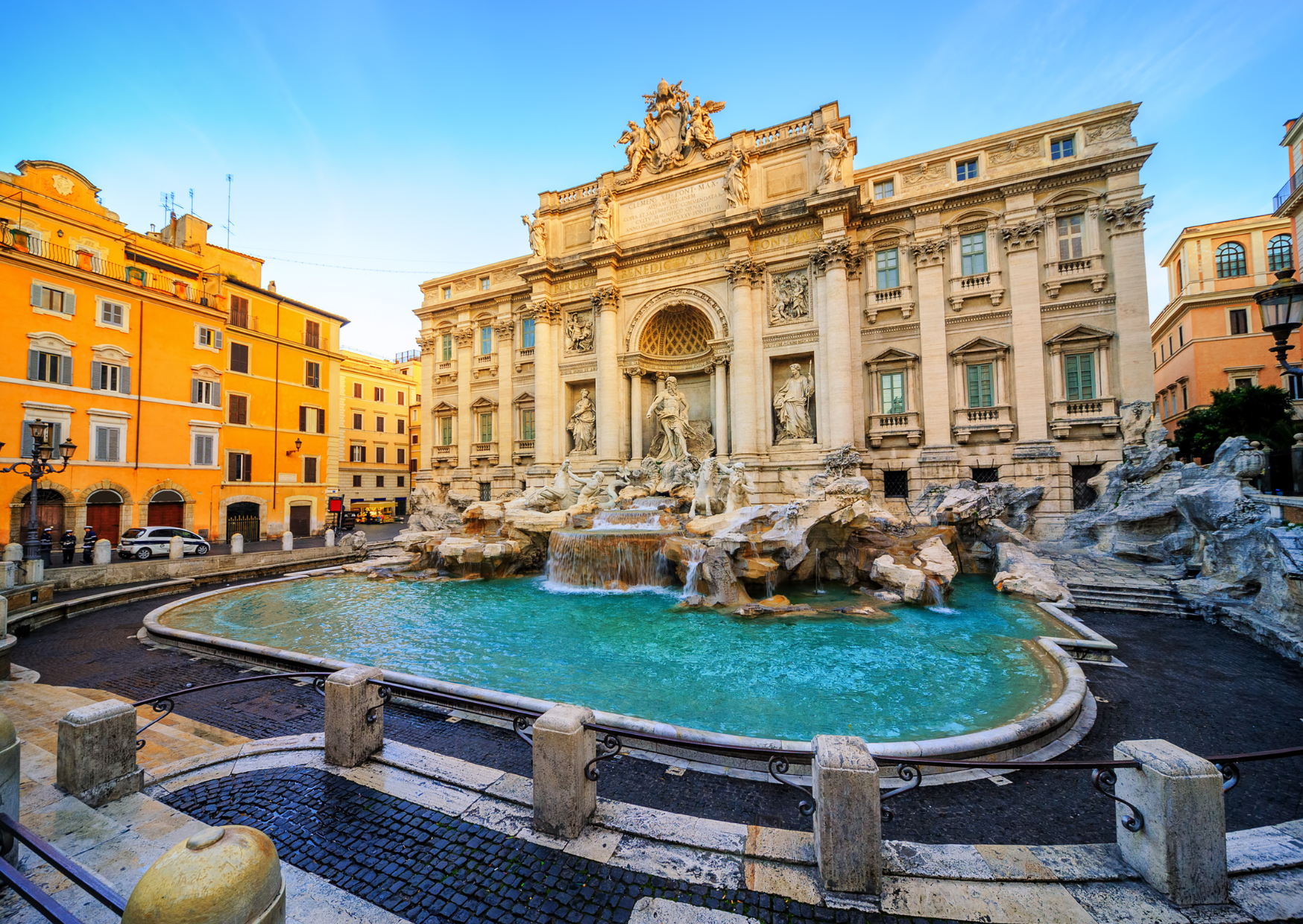
Rome isn’t the only place responding this way. Florence fines for sitting on steps. Venice restricts bridge photos. Barcelona cracks down on rooftop poses.
These cities share a pattern: tourist gestures reframe meaning. And when meaning collapses, enforcement replaces invitation.
In this context, the €5000 fine isn’t just deterrent—it’s declaration. A sign that some forms of visual consumption are now considered acts of disrespect.
The photo angle isn’t just wrong. It’s reclassified as civic disruption.
7. Social media turned pause into spectacle
The rise of travel influencers, destination bloggers, and casual creators has changed how people interact with monuments. No longer content with a snapshot, tourists now seek performance—twirls, dances, jumps, or perfect symmetry.
At the Trevi Fountain, these acts slow flow, draw attention, and disrupt other visitors. And because of their repetition, they’ve begun to feel like claims over public space.
Rome is pushing back against that claim. Not because it fears technology, but because it fears erasure. The more visitors stage beauty, the less room there is to feel it.
When photo angles become occupation, Rome defends its foreground.
8. Respect, not restriction, is the real message
Some critics argue the crackdown feels authoritarian. But for locals, it’s about reasserting cultural agency. Roman citizens don’t sit on the fountain. They don’t dangle feet in the basin. They treat it like a sacred corner of their city—visible, yes, but also protected.
By criminalizing posture, Rome is sending a message: presence is earned, not assumed. And beauty, while public, is still bounded by etiquette.
The €5000 fine isn’t just about law. It’s about resistance to being staged. Rome isn’t rejecting tourism. It’s rejecting entitlement.
When Stillness Becomes Sacred Again
The Trevi Fountain still glows. The coins still sparkle at the bottom. But now, the space around it speaks in a new register—one that expects pause without posture, presence without performance.
Tourists aren’t forbidden from looking. They’re simply asked not to claim.
In Rome, the new crime isn’t taking a photo. It’s behaving like the monument was made for your frame.
Stand. Witness. But stay on your side of the stone.

About the Author: Ruben, co-founder of Gamintraveler.com since 2014, is a seasoned traveler from Spain who has explored over 100 countries since 2009. Known for his extensive travel adventures across South America, Europe, the US, Australia, New Zealand, Asia, and Africa, Ruben combines his passion for adventurous yet sustainable living with his love for cycling, highlighted by his remarkable 5-month bicycle journey from Spain to Norway. He currently resides in Spain, where he continues sharing his travel experiences with his partner, Rachel, and their son, Han.