
The rise of digital nomadism has turned once-sleepy towns and tropical islands into buzzing hubs of remote workers. But not all destinations are created equal—especially when you’re trying to balance productivity with lifestyle. While Instagram might highlight laptop-friendly cafés on the beach and dreamy coworking spaces in the mountains, many so-called “digital nomad hotspots” fall flat in real life. From unreliable Wi-Fi and bureaucratic nightmares to high costs of living and poor infrastructure, some popular locations are simply not suited for remote work.
Digital nomads need more than palm trees and trendy hostels—they need stable internet, affordable housing, access to coworking spaces, good time zones for work, and a healthy lifestyle balance. Many destinations marketed toward digital nomads check only a few of those boxes. Places like Bali, Tulum, or even Lisbon might offer eye candy, but they come with drawbacks like overtourism, digital burnout, or price inflation that make day-to-day life harder than expected.
In this post, we’ll explore 10 of the worst destinations for digital nomads based on real-world challenges—not just postcard views. We’ll also highlight where you might want to go instead: places that offer a better cost-of-living-to-productivity ratio, stronger infrastructure, and a more balanced environment for long-term work and travel.
Read Here European Things that terrify Americans and American Habits that make Europeans Cringe
Read here how to pack for Europe and Best eSIM for Europe
BOOK YOUR TRAVEL INSURANCE
Two of our favorite travel insurance: Heymondo Vs Safetwing cheapest travel Insurance. You can get for $135 USD your Heymondo Travel Insurance with Heymondo discount code valid for 90 days. Read our full comparison of Genki vs Safetywing Travel Insurance Review and the comparison Heymondo vs Genki
Quick & Easy Tips for Choosing the Right Remote Work Destination
Check the Wi-Fi speed before you book—use apps like Speedtest or ask locals via Facebook expat groups.
Look at coworking reviews on Google Maps to see if they’re functional or just aesthetic.
Avoid trendy but unstable destinations—just because it’s hyped on TikTok doesn’t mean it works for work.
Think about time zones if you work for U.S. or European companies—some dreamy places can be logistical nightmares.
Prioritize safety and healthcare access—especially if you plan to stay a few months or more.
Consider digital nomad visas or long-term stay policies to avoid immigration headaches.
Beware of “influencer cities” where high rent and fake luxury lifestyles can drain your wallet quickly.
Controversial Understanding
Calling out the “worst” digital nomad destinations can ruffle feathers—especially among influencers or travel bloggers who have built entire brands around certain locales. But it’s time for some honest talk: just because a place photographs well doesn’t mean it supports remote work. Bali might be beautiful, but rolling blackouts, visa runs, and packed coworking spaces can kill productivity. Lisbon is charming, but good luck finding affordable rent or peace during peak season.
There’s also a problematic tendency in the digital nomad world to romanticize living cheaply in developing countries without acknowledging the impact on local communities. In places like Mexico City, Tbilisi, or Medellín, locals are being priced out while remote workers import gentrification and demand services that don’t match the local economy. It’s not about guilt-tripping travelers—it’s about encouraging thoughtful, responsible choices that support both nomads and residents alike.
The reality is that remote work isn’t a vacation—it’s work. And glamorizing difficult or unsustainable destinations only leads to burnout and disappointment. Being honest about the challenges of certain places doesn’t ruin their magic—it helps others prepare more realistically.
Worst Destinations for Digital Nomads
1. Dubai, UAE
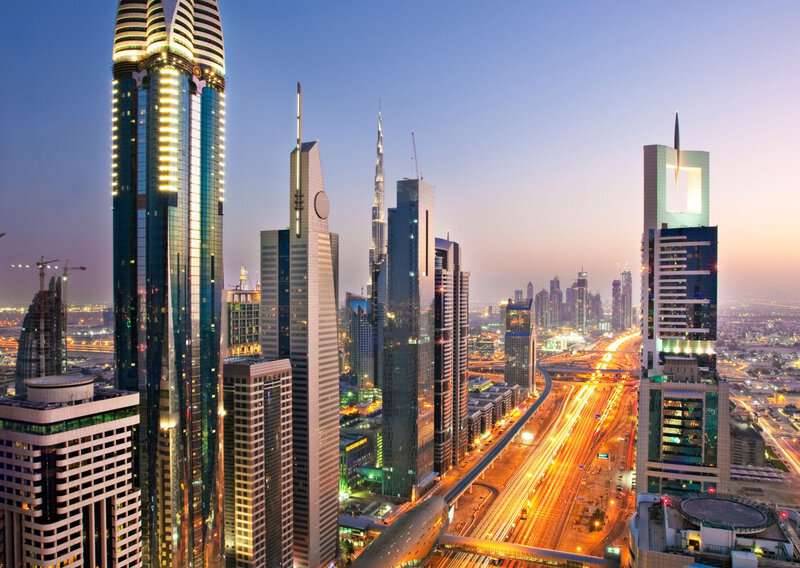
Why It’s a Bad Choice for Digital Nomads:
Expensive living costs—rent, food, and entertainment are all overpriced.
Strict internet regulations—VoIP services like WhatsApp and Skype are blocked.
Visa restrictions—tourist visas expire quickly, and digital nomad visas are limited.
Better Alternative: Tbilisi, Georgia
Affordable cost of living with great cafés and co-working spaces.
Fast, unrestricted internet and a welcoming nomad community.
Easy visa policies—Georgia offers a one-year stay for remote workers.
2. New York City, USA
Why It’s a Bad Choice for Digital Nomads:
Sky-high rent and food prices make it unaffordable for most nomads.
Noisy and overcrowded, making work-life balance difficult.
Strict work permits and visa issues for non-U.S. citizens.
Better Alternative: Mexico City, Mexico
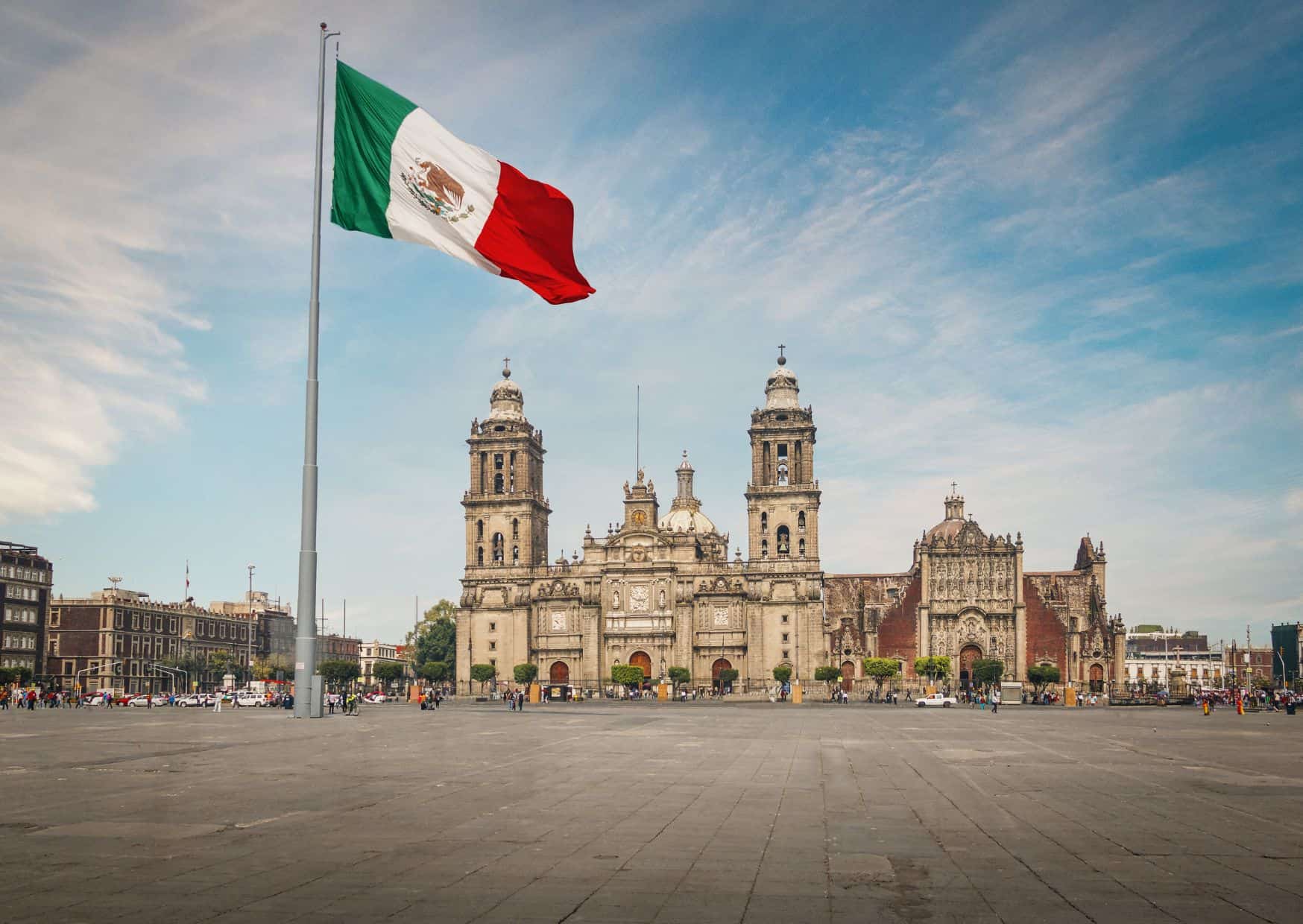
Low cost of living with amazing food and culture.
Reliable internet and great co-working spaces.
Six-month visa-free stay for many nationalities.
3. Bali, Indonesia (Overrated Nomad Spot)
Why It’s a Bad Choice for Digital Nomads:
Overcrowded and commercialized—losing its original nomad-friendly charm.
Traffic congestion and unreliable transportation.
Internet issues—WiFi is not great outside of co-working spaces.
Better Alternative: Chiang Mai, Thailand

Super affordable—$1,000/month can cover everything.
Great workspaces and fast internet.
Vibrant nomad community and laid-back lifestyle.
4. Paris, France
Why It’s a Bad Choice for Digital Nomads:
High living costs, especially for rent and food.
Unfriendly to English speakers, making everyday life harder.
Limited co-working spaces compared to other European cities.
Better Alternative: Lisbon, Portugal
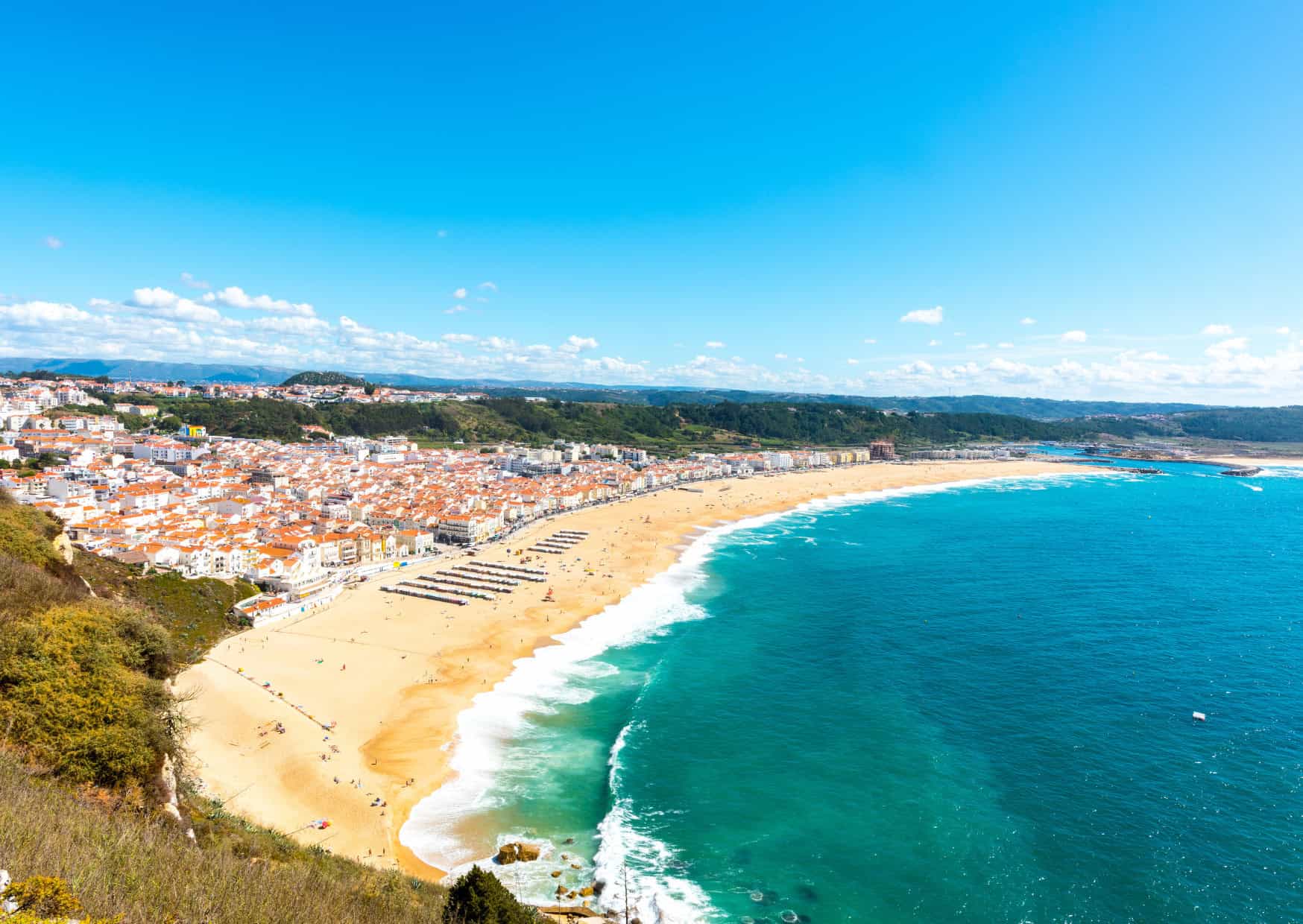
Cheaper than Paris, with great food and weather.
Strong digital nomad scene in neighborhoods like Bairro Alto.
Visa-friendly options like Portugal’s Digital Nomad Visa.
5. Hong Kong, China
Why It’s a Bad Choice for Digital Nomads:
Expensive apartments—even a small studio can cost over $2,000/month.
Strict internet regulations—some content is censored.
High-pressure work culture isn’t ideal for work-life balance.
Better Alternative: Taipei, Taiwan
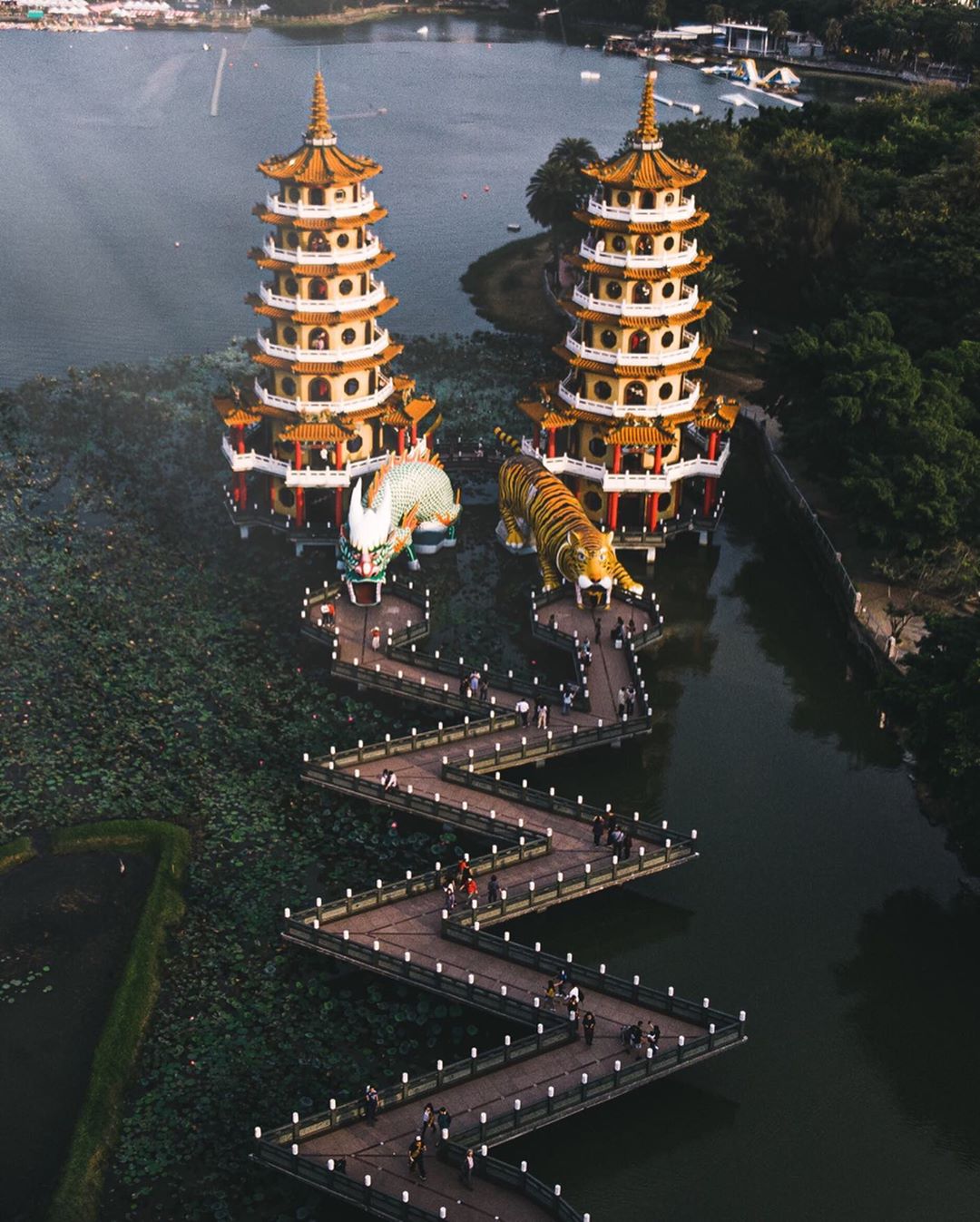
Affordable living costs and excellent street food.
Fastest internet in Asia and reliable infrastructure.
Friendly visa policies for long-term stays.
6. Rio de Janeiro, Brazil
Why It’s a Bad Choice for Digital Nomads:
Safety concerns—high rates of theft and crime.
Unstable internet outside major co-working spaces.
Expensive rent in safer neighborhoods.
Better Alternative: Medellín, Colombia
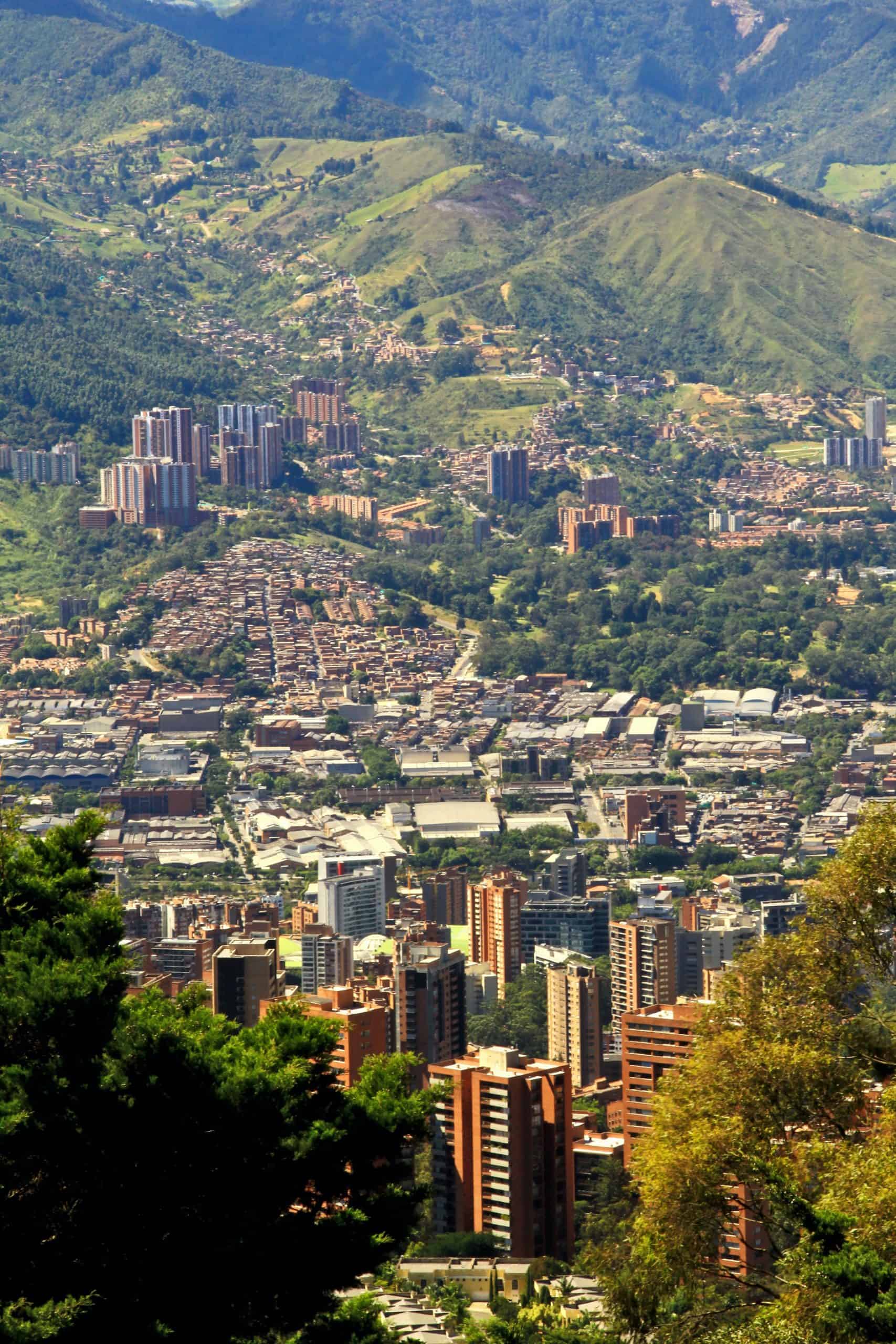
Affordable rent and co-working spaces.
Safe and modern infrastructure in areas like El Poblado.
Great climate (Eternal Spring) for outdoor work and relaxation.
7. Maldives
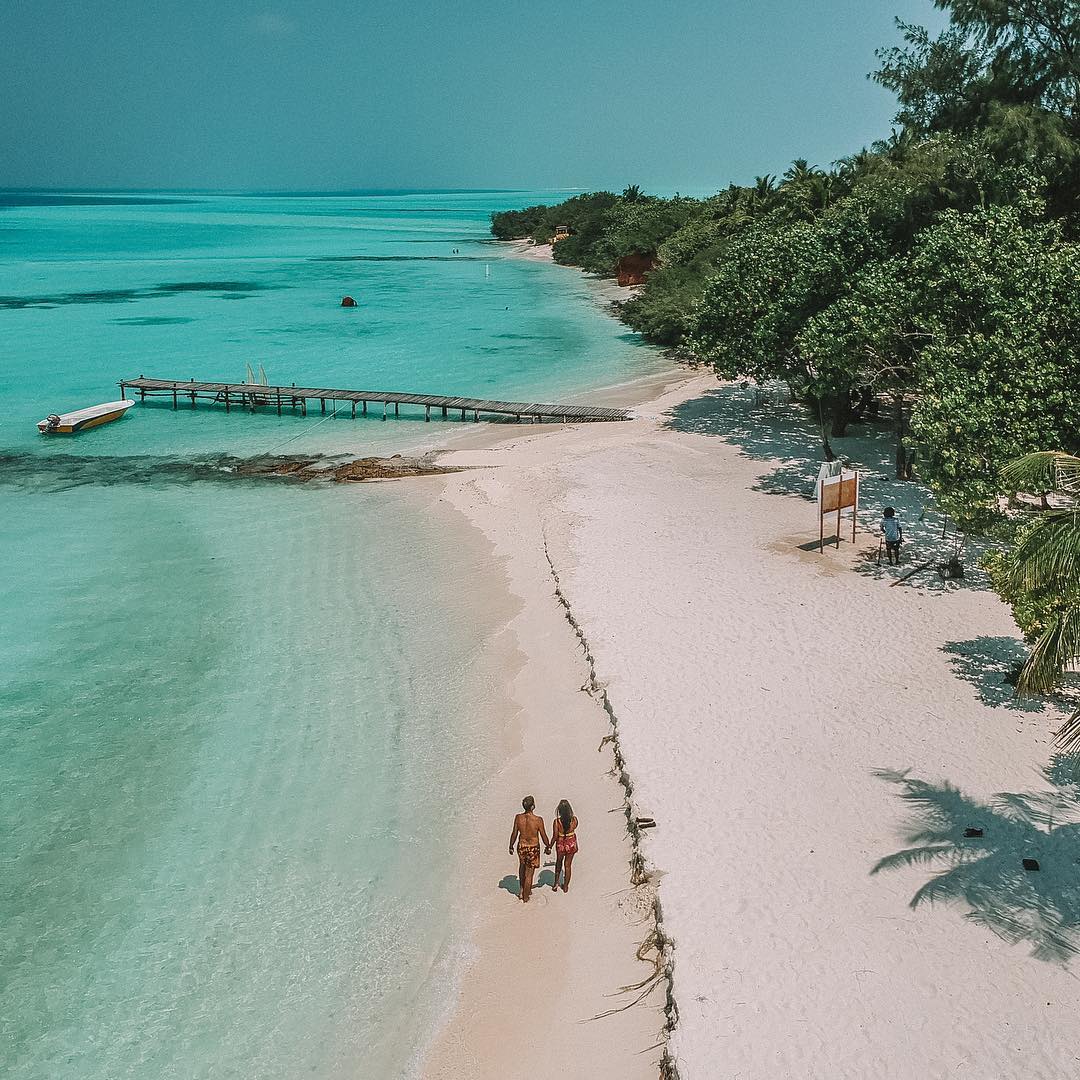
Why It’s a Bad Choice for Digital Nomads:
Luxury resort-focused, not built for remote work.
Expensive food, accommodation, and internet.
Limited long-term visas and strict regulations for foreigners.
Better Alternative: Canggu, Indonesia
Much more affordable while still offering beachside living.
Fast-growing digital nomad community with plenty of co-working spaces.
Long-term visa options make it easier to stay.
8. Cairo, Egypt
Why It’s a Bad Choice for Digital Nomads:
Slow and unreliable internet, especially outside major hotels.
Lack of remote work-friendly spaces and few co-working hubs.
Safety concerns and frequent protests can make daily life difficult.
Better Alternative: Marrakech, Morocco
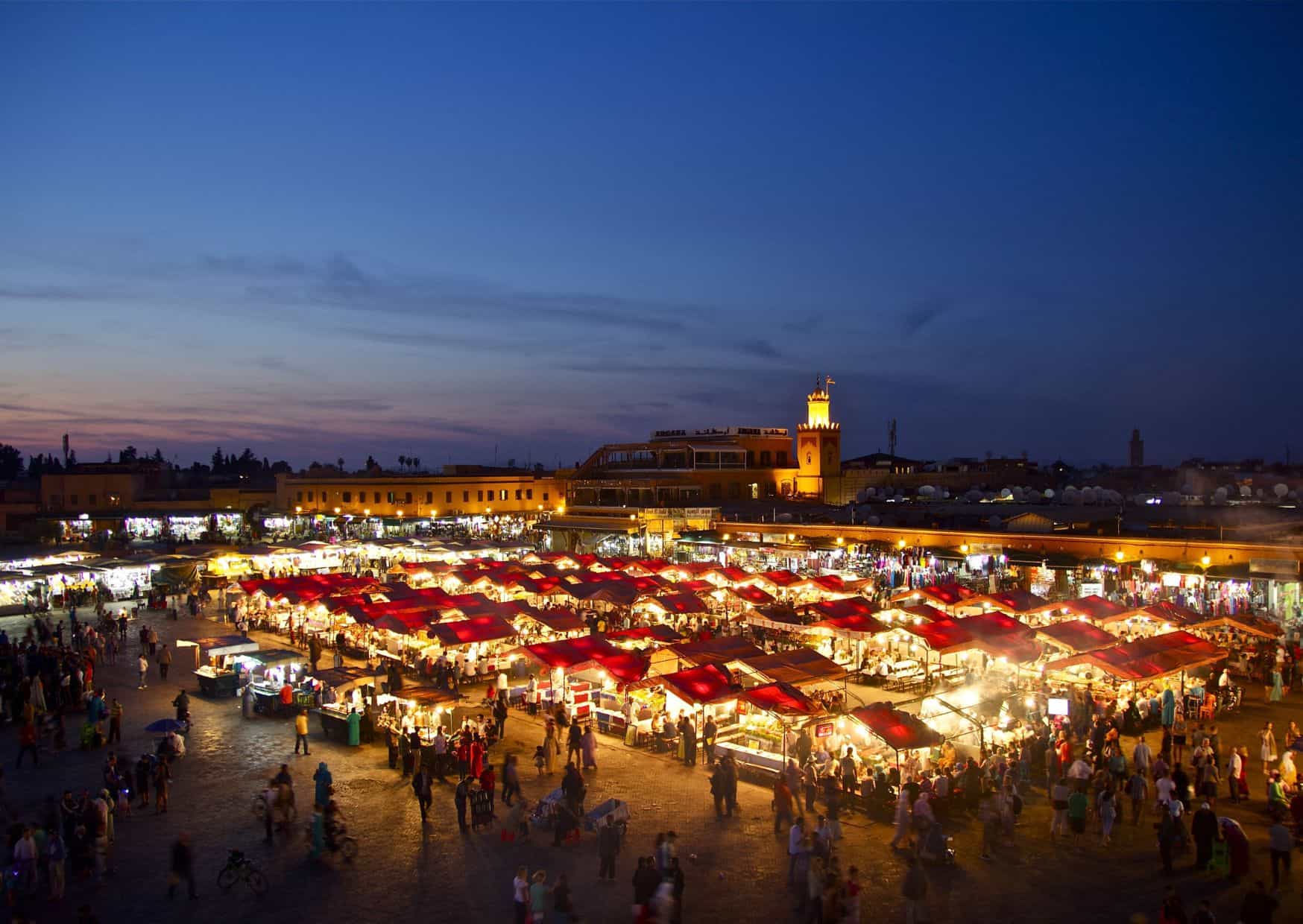
Cheaper and more organized for digital nomads.
Strong WiFi in co-working spaces and cafés.
Vibrant mix of culture, food, and affordability.
9. Johannesburg, South Africa
Why It’s a Bad Choice for Digital Nomads:
High crime rates make safety a concern.
Unstable electricity supply with frequent power cuts.
Few co-working spaces compared to Cape Town.
Better Alternative: Cape Town, South Africa
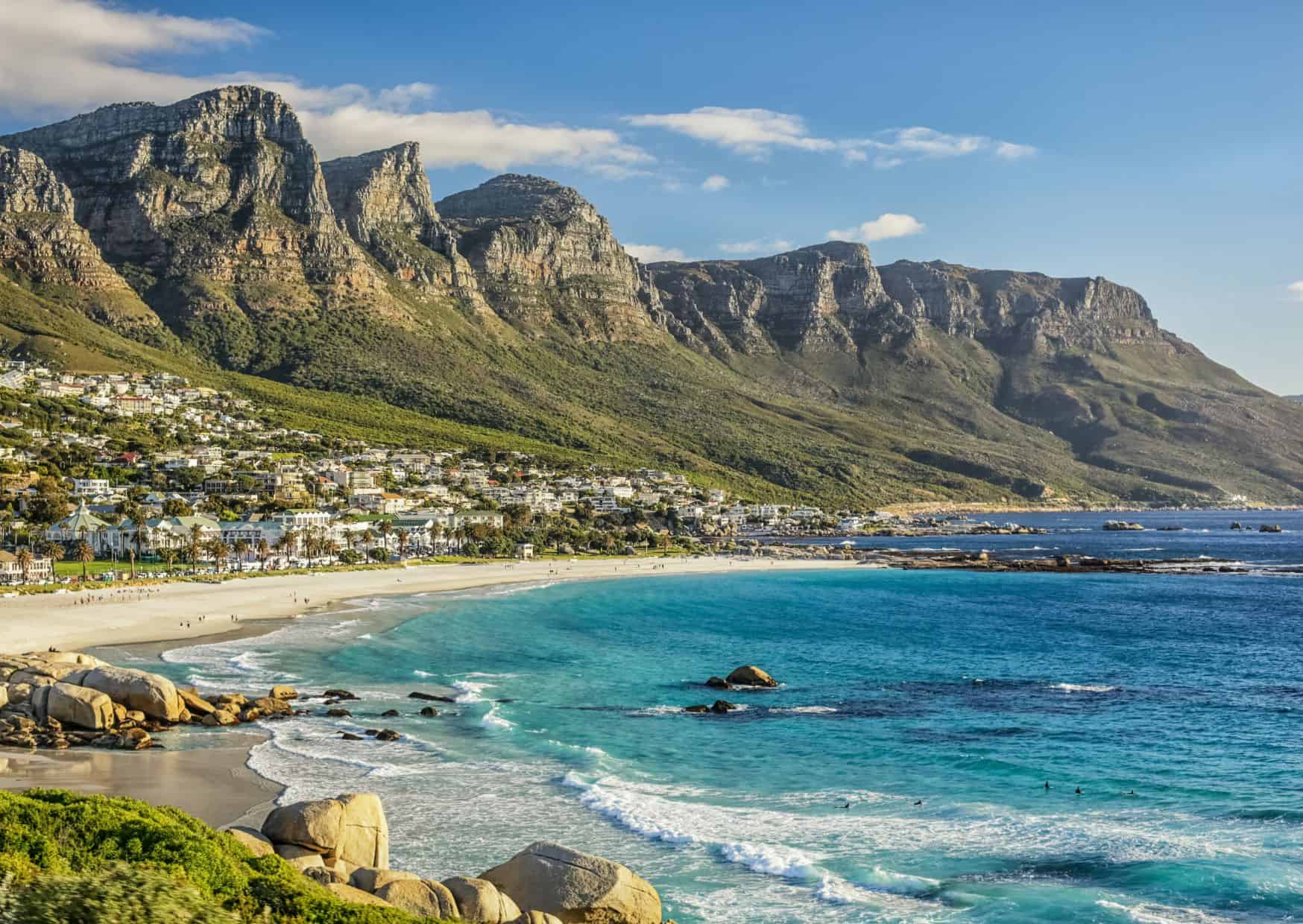
Stunning scenery, great food, and active outdoor lifestyle.
Growing nomad scene and more reliable internet.
More walkable and safer than Johannesburg.
10. Moscow, Russia
Why It’s a Bad Choice for Digital Nomads:
Political instability and sanctions affect long-term stays.
Language barrier—few locals speak English.
Strict visa policies make it difficult for foreigners to work remotely.
Better Alternative: Belgrade, Serbia
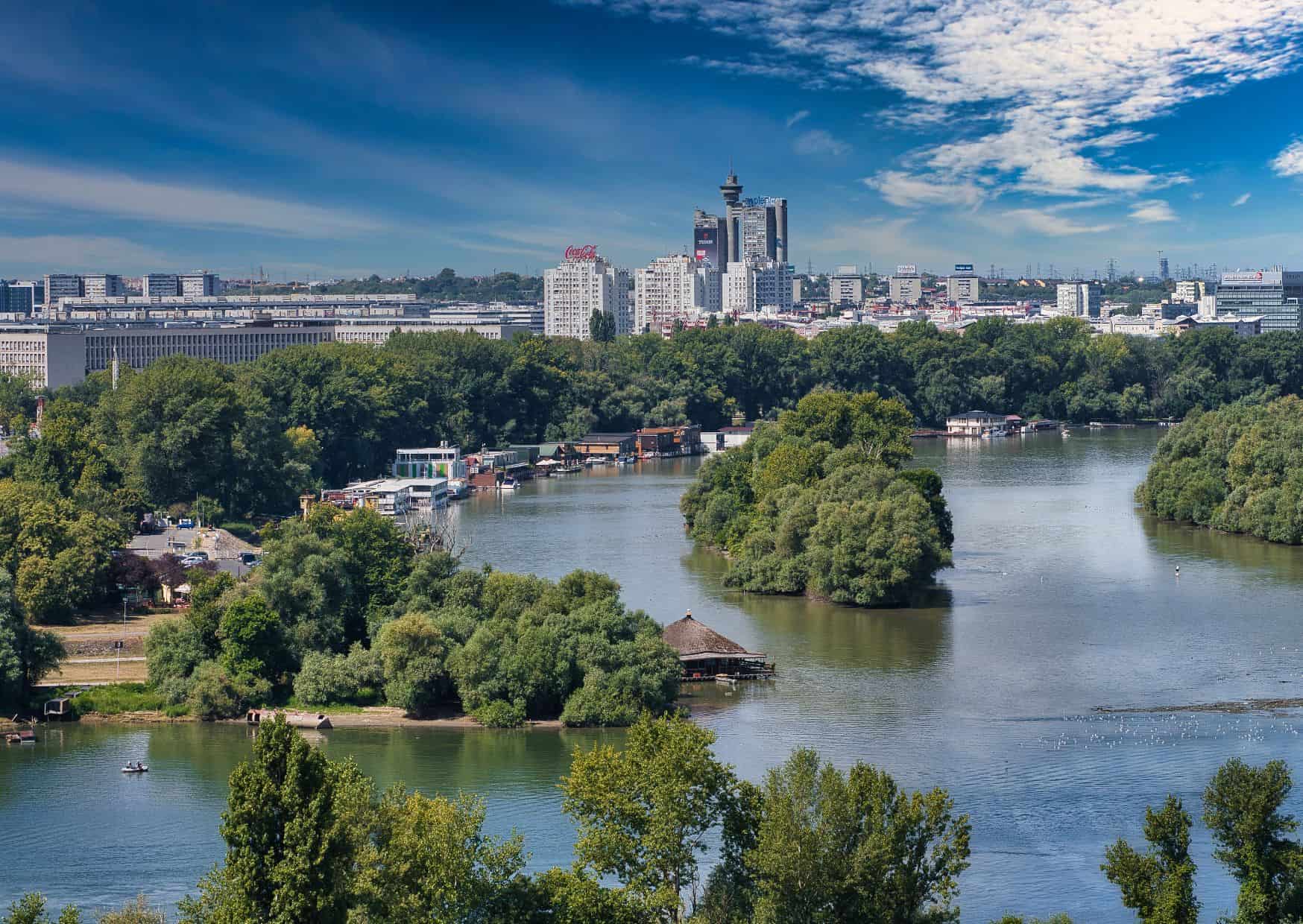
Low cost of living with great cafés and co-working spaces.
Easy long-term visa options for digital nomads.
Great nightlife and social scene.
Final Thoughts
Not every picturesque destination is built for digital nomad life. When choosing where to base yourself, go beyond the influencer aesthetic and dig into the logistics: Can you get reliable internet? Will your budget hold up for three months? Are locals welcoming—or overwhelmed? These factors matter more than how good your Zoom background looks.
Fortunately, the world is full of under-the-radar cities and towns that offer all the essentials for remote work without the chaos or high price tags. Think Porto over Lisbon, Cuenca over Tulum, or Da Nang over Bali. These alternatives might not be as flashy, but they deliver what truly matters: balance, productivity, and sustainability.
If you’re serious about living and working remotely, the goal isn’t to chase trends—it’s to build a life that works for you. Choose destinations that support your mental health, income, and connection to local culture. That’s the real secret to thriving as a digital nomad.

About the Author: Ruben, co-founder of Gamintraveler.com since 2014, is a seasoned traveler from Spain who has explored over 100 countries since 2009. Known for his extensive travel adventures across South America, Europe, the US, Australia, New Zealand, Asia, and Africa, Ruben combines his passion for adventurous yet sustainable living with his love for cycling, highlighted by his remarkable 5-month bicycle journey from Spain to Norway. He currently resides in Spain, where he continues sharing his travel experiences with his partner, Rachel, and their son, Han.