
(It’s Not Just the Sunshine—It’s the Way the Cities Are Built)
If you’ve ever walked through the winding alleys of Chania in Crete, strolled a sleepy square in southern Italy, or wandered down a palm-lined promenade in Valencia just before sunset, you’ve probably felt it.
That something.
The sense that life moves differently here. Slower. Softer. More connected. More human.
It’s easy to assume it’s the sunshine. Or the sea breeze. Or the food. But researchers and urban planners have come to a surprising conclusion:
It’s the streets.
Yes—Mediterranean cities are literally built to make people happier.
And not just in the poetic, “find yourself while drinking espresso” kind of way.
In a science-backed, public health-improving, mental well-being-boosting kind of way.
Here’s what makes Mediterranean streets so different from American ones—and why those differences lead to more joyful, connected, and mentally healthier lives.
Want More Deep Dives into Everyday European Culture?
– Why Europeans Walk Everywhere (And Americans Should Too)
– How Europeans Actually Afford Living in Cities Without Six-Figure Salaries
– 9 ‘Luxury’ Items in America That Europeans Consider Basic Necessities
Quick Easy Tips
Ditch the car when exploring: Mediterranean cities are designed for walking. Stroll slowly, take in the details, and stop at cafés often.
Seek out piazzas and pedestrian zones: These vibrant public spaces are key to social connection and happiness.
Eat outdoors when possible. Terraces and sidewalk seating aren’t just for aesthetics—they build community.
Walk your errands if you’re staying in a local neighborhood—it’s the default mode of life in these regions and helps you engage with the local rhythm.
Choose lodging in city centers, not outskirts—life happens in the streets, not behind closed doors.
Mediterranean cities—whether in Italy, Spain, or Greece—aren’t just beautiful; they’re scientifically structured to improve mental health. Narrow streets, human-scale architecture, and frequent public squares are not urban accidents—they’re designed for interaction, not isolation.
Compare this with the sprawling, car-centric design of many American cities, where community spaces are hidden behind strip malls or confined to planned parks. In the Mediterranean, joy and connection are built into the very layout of the streets. The cities themselves invite people to slow down, gather, and share space organically. That’s something urban planners in the U.S. often overlook.
The controversial truth? Happiness in Mediterranean countries isn’t just cultural—it’s urban. These cities force you to walk, greet neighbors, and bump into old friends. Meanwhile, in many American suburbs, you could live for years without knowing the person two doors down. The happiness gap may have more to do with pavement than philosophy.
1. Walkability Isn’t a Bonus—It’s the Default
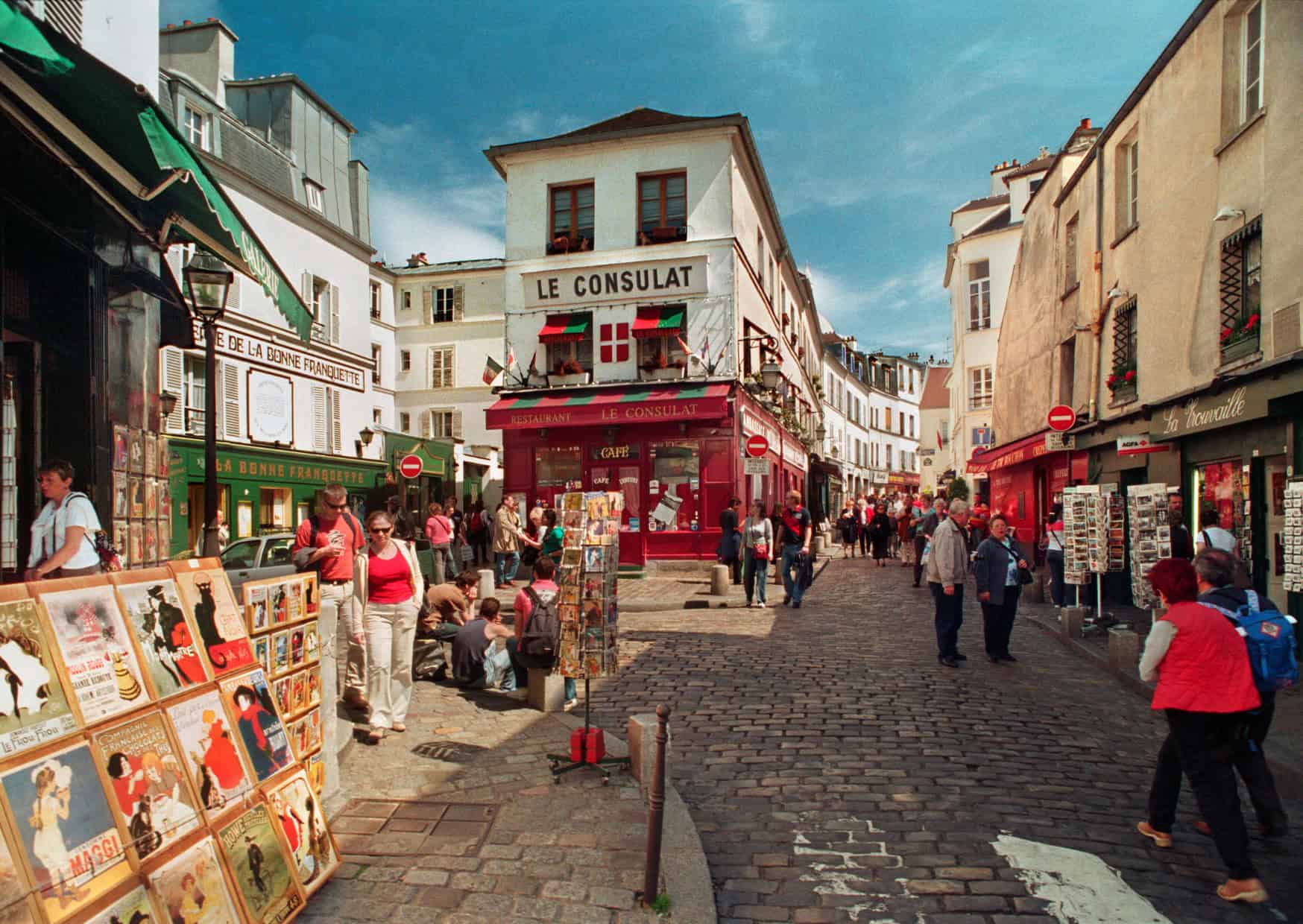
In the U.S., walking often feels like a chore—or even unsafe. You walk because your car broke down. Or because you want to “get your steps in.”
In Mediterranean towns, walking is how life happens. You walk to buy bread. To visit a friend. To get coffee. To meet your cousin in the plaza.
According to a 2022 study published in Urban Studies Journal, people living in highly walkable neighborhoods report higher satisfaction with life, better sleep, and lower levels of stress. Why?
Because walking:
- Increases natural movement throughout the day
- Promotes spontaneous social interaction
- Boosts cardiovascular health and lowers cortisol
- Enhances a sense of belonging
In cities like Seville, Palermo, Split, and Thessaloniki, you walk not because you have to—but because it’s pleasant, beautiful, and socially embedded.
2. The Streets Are Made for People—Not Just Cars
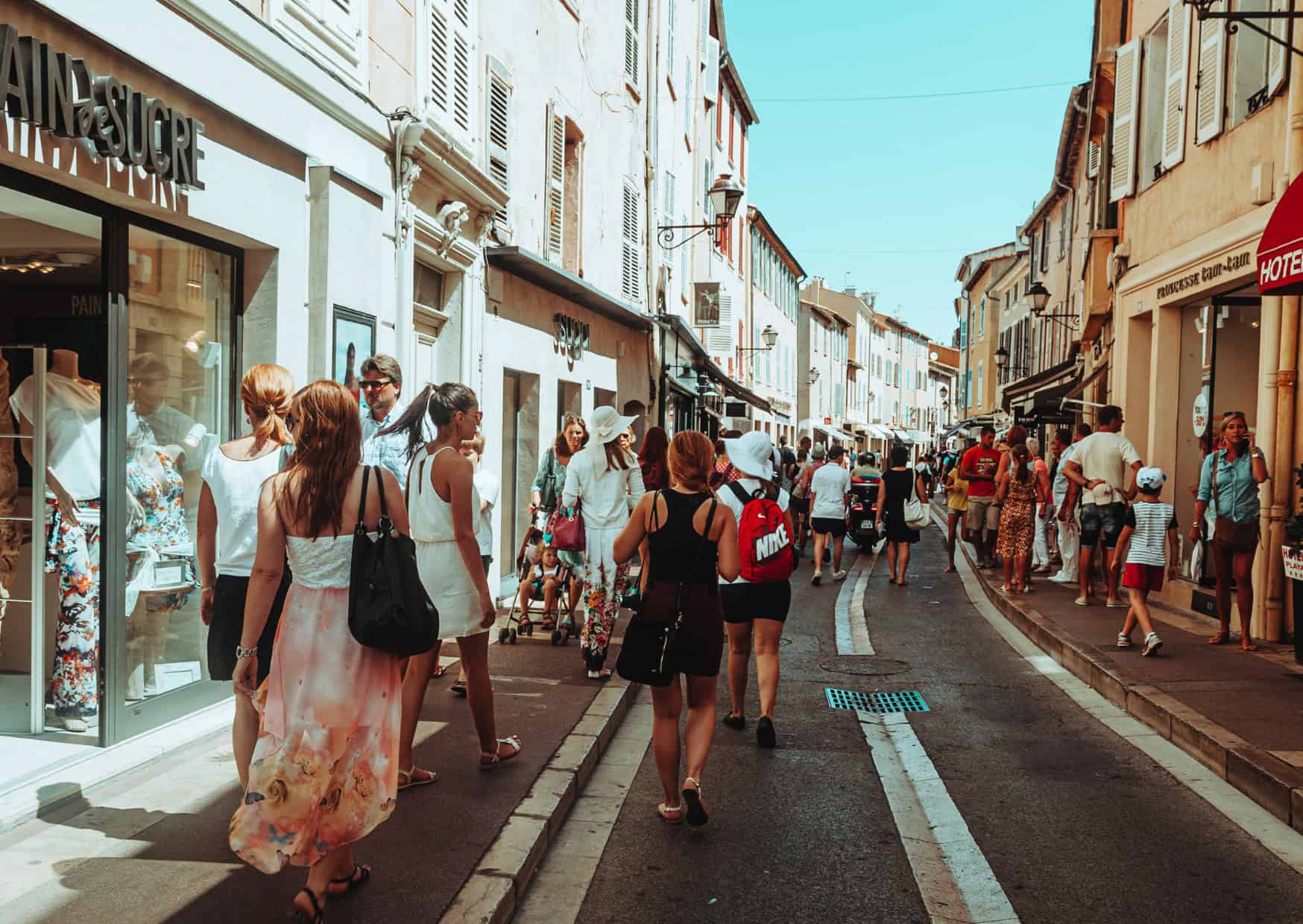
In much of America, public space is dominated by parking lots, traffic flow, and zoning laws that push life behind windshields.
But in the Mediterranean?
The streets are scaled for humans.
- Narrow alleys
- Shared pedestrian zones
- Low car traffic (especially in historic centers)
- Cafés that spill into the street
- Kids playing soccer in a plaza
- Grandparents chatting on benches
Urban designers refer to this as “human-scaled infrastructure”—spaces built not for speed, but for social life.
And research confirms what locals have always known: when streets feel like extensions of home, people are happier.
One 2023 study from the European Commission found that urban dwellers in Southern Europe report higher levels of community satisfaction when their neighborhoods include car-free or car-light areas.
3. There’s Always Somewhere to Sit
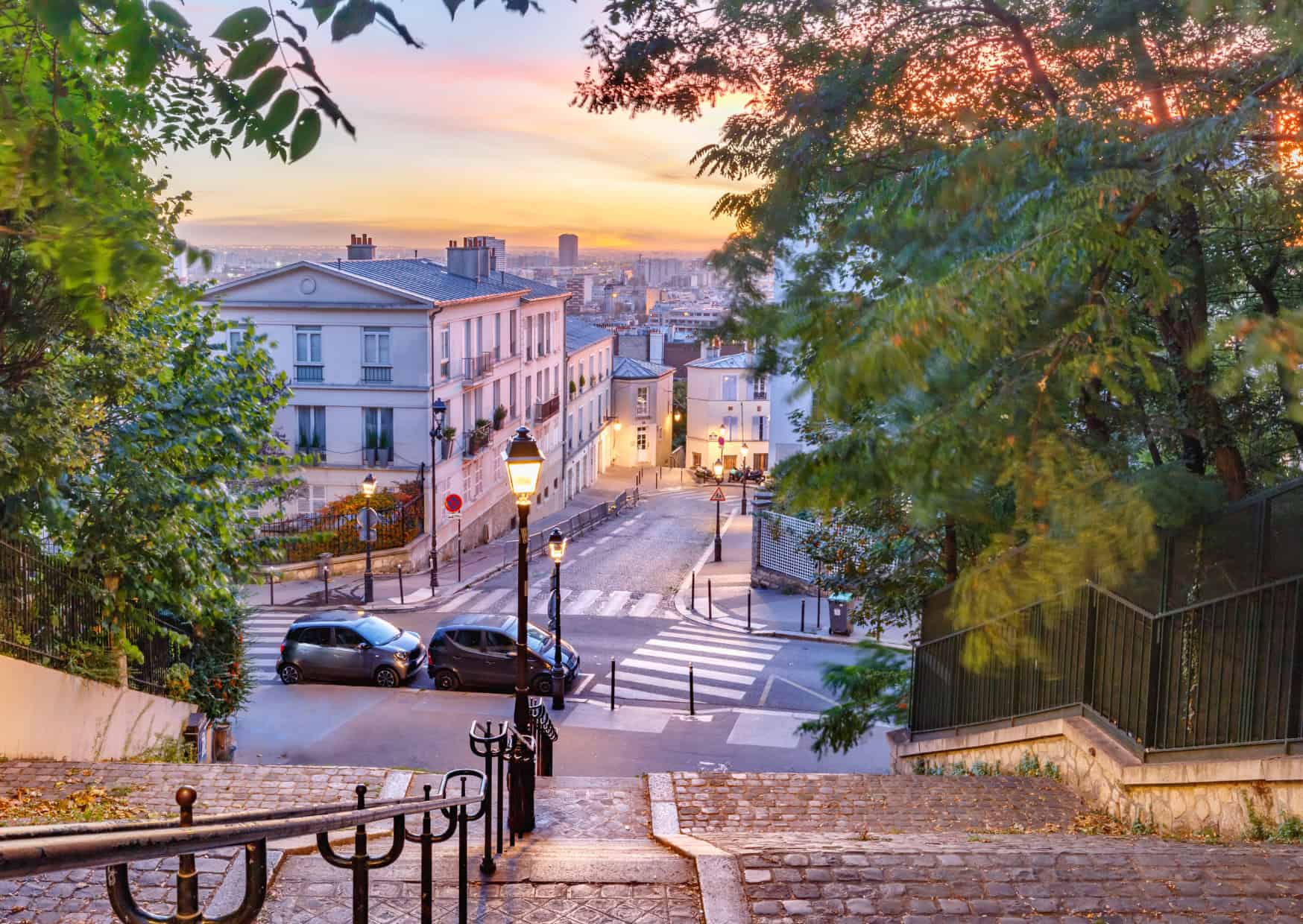
This might sound small—but it’s huge.
American cities rarely offer places to sit unless you’re paying to be there. No seat? Keep moving.
Mediterranean towns, on the other hand, are full of benches. Stoops. Edges. Squares. Ledges. Low walls. Fountains. Steps. Cafés.
You can stop. You can rest. You can watch life unfold without consuming anything.
And that freedom to pause contributes to:
- Lower anxiety
- More social connection
- Stronger feelings of safety and rootedness
Public health researchers call these “third places”—spaces that are neither home nor work but encourage community and downtime.
Mediterranean towns have thousands of them.
4. Street Design Encourages Social Encounters
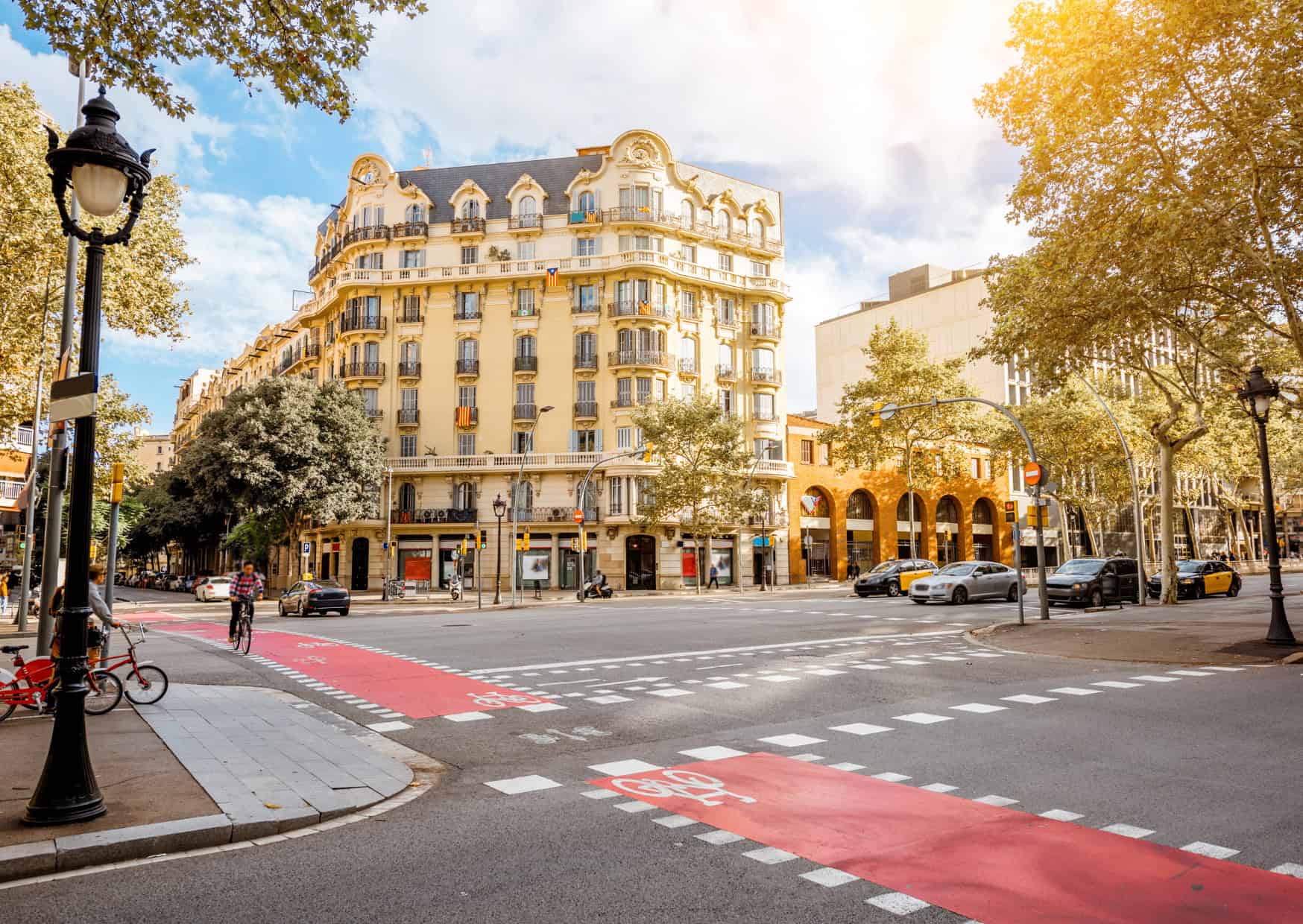
In the U.S., cities are often built to separate functions—residential zones here, business districts there. If you want to bump into someone, you need to make plans.
In Mediterranean cities? You just walk out the door.
The layout of Mediterranean streets:
- Mixes shops, homes, and schools
- Places grocery stores and markets in walking distance
- Encourages spontaneous run-ins
- Facilitates multi-generational interaction
Psychologist Charles Montgomery, author of Happy City, writes:
“The happiest cities are social cities.”
And that’s exactly what the Mediterranean layout creates: constant low-stakes interaction that boosts oxytocin and reduces loneliness—without needing a party invite or a phone screen.
5. Everything Is Closer—So You Don’t Have to Plan Your Joy
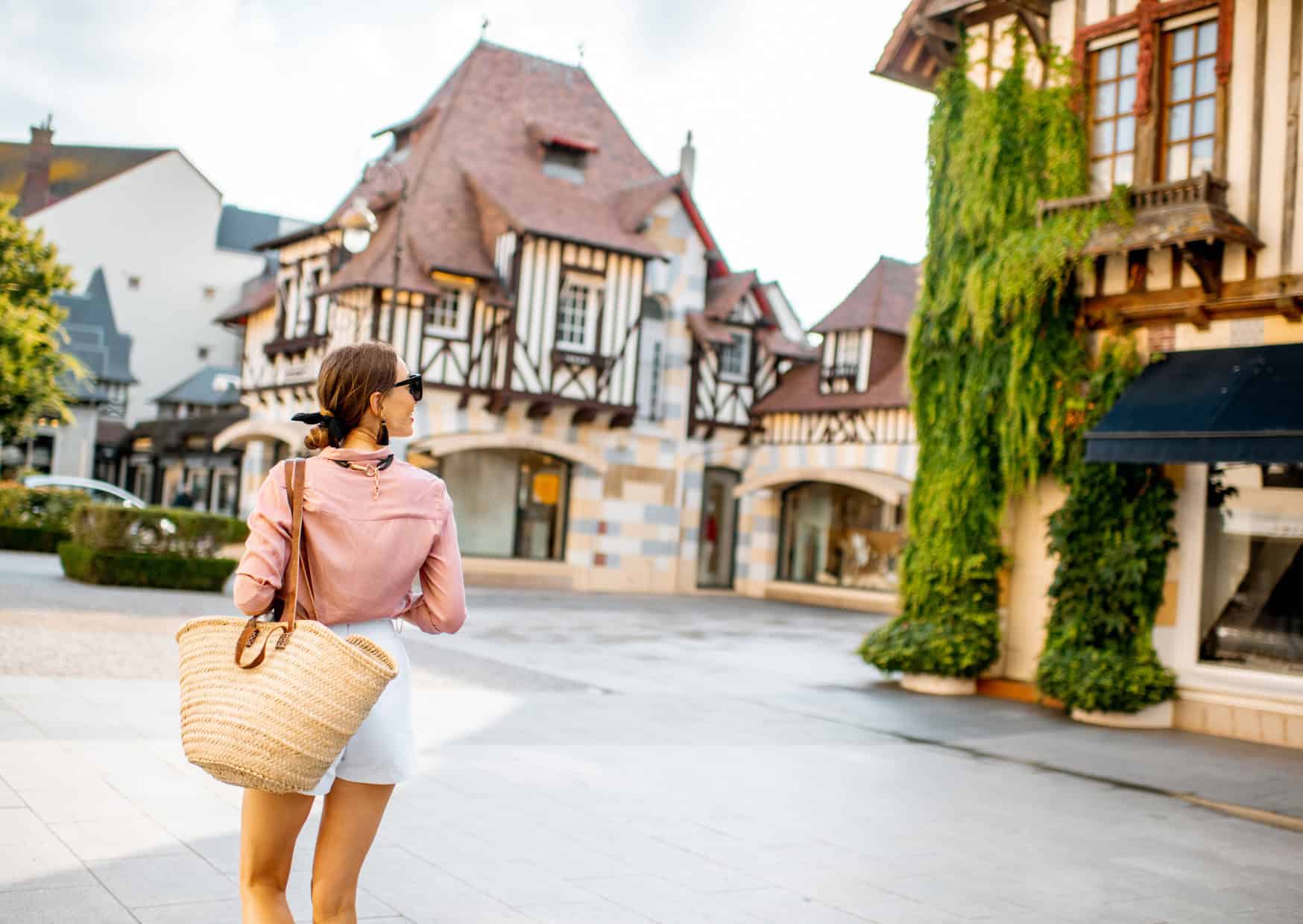
How often in the U.S. do you plan your week around traffic, parking, and driving 20 minutes to buy garlic?
In Mediterranean cities, life is close. The bakery is downstairs. The pharmacy is next door. Your aunt lives two streets over.
And this proximity reduces:
- Stress
- Time spent commuting
- Decision fatigue
It increases:
- Last-minute invitations
- Quick meet-ups
- Ease of errand-running
According to a 2021 study by the OECD, shorter daily travel distances are strongly correlated with higher life satisfaction.
In the Mediterranean, the joy isn’t scheduled—it’s incidental.
6. There’s Beauty Everywhere—Even in the Cracks

Mediterranean streets aren’t sterile. They’re not freshly paved with sharp right angles and matching signage.
They’re a little cracked. A little crooked. Utterly charming.
You’ll see:
- Bougainvillea spilling down balconies
- Stone walls stained by time
- Painted tiles, wrought iron railings, crooked steps
- Statues tucked into corners, mosaics in the pavement
And research shows that beauty—even in tiny doses—boosts happiness.
A 2020 study published in Frontiers in Psychology confirmed that urban residents who encounter “visual delight” in their streetscapes report higher mood and lower signs of depression.
In the Mediterranean, beauty isn’t a luxury.
It’s part of the architecture of daily life.
7. Noise Isn’t Just Tolerated—It’s Life
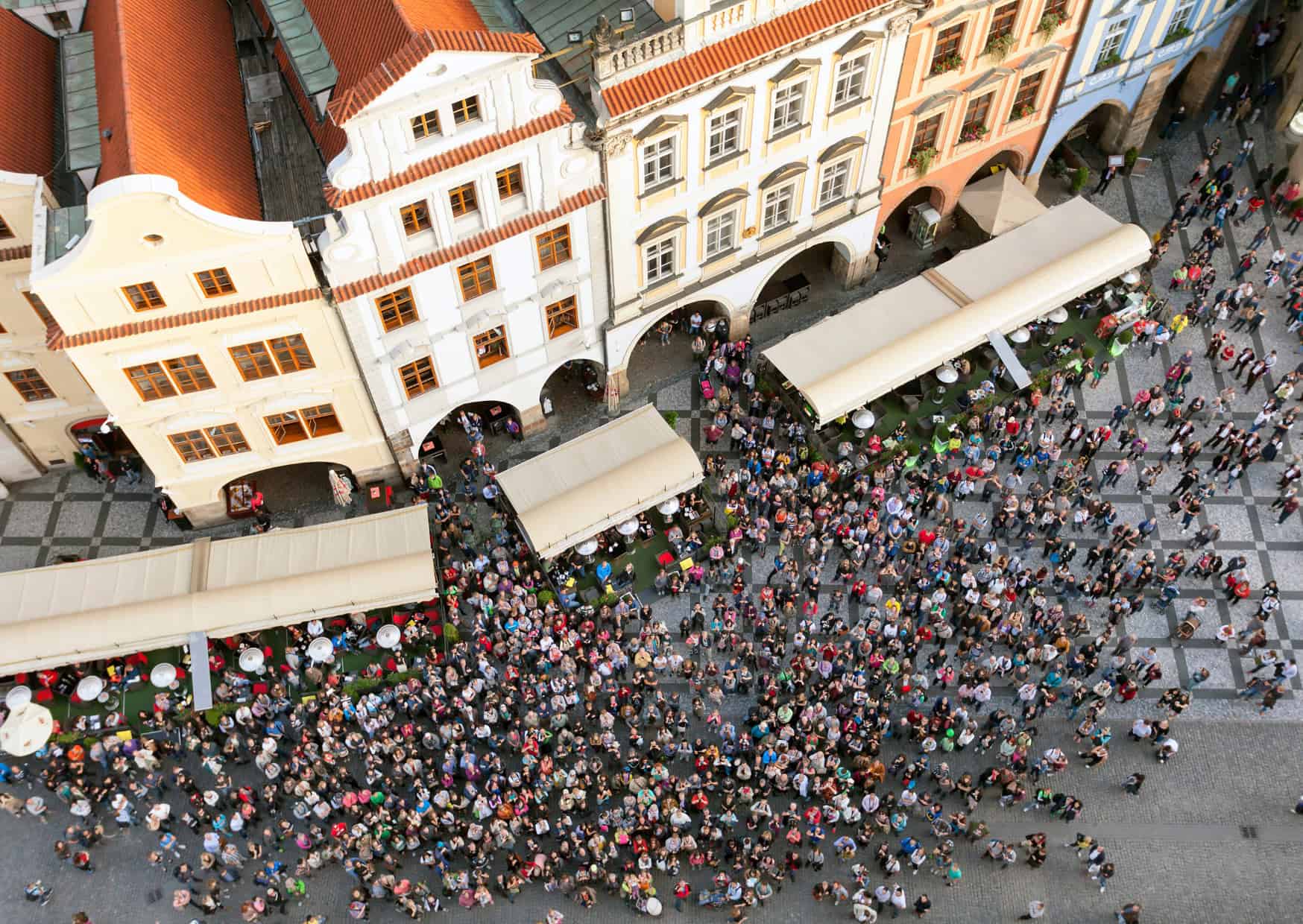
American suburbs prize silence. Mediterranean towns prize liveliness.
Kids yelling. Church bells ringing. Dishes clinking. People laughing. A scooter zipping past. Someone calling from a window. It’s all part of the rhythm.
And believe it or not, the presence of familiar background sound can boost feelings of connection and reduce stress, according to a 2022 study by the World Health Organization (as long as it’s not industrial noise or traffic chaos).
Mediterranean noise is social, not mechanical. It reminds you:
You’re not alone.
That simple reminder—through sound—builds resilience and happiness over time.
8. The Streets Belong to All Ages

In many places, cities cater to working adults or tourists—but leave out children and the elderly.
Mediterranean cities? They belong to everyone.
You’ll see:
- Toddlers wobbling across squares
- Teens hanging out on low walls
- Retirees walking arm in arm
- Whole families out late, strolling with gelato
And this age integration is key to social trust and well-being.
When people of all ages share the same space, there’s more:
- Empathy
- Cultural continuity
- Intergenerational bonding
It’s hard to feel isolated when your city constantly reminds you that you’re part of a long, shared human story.
9. Nighttime Doesn’t Mean Isolation
In many U.S. cities, streets empty out after 9 p.m. and public spaces go quiet—unless they’re bars or clubs.
In the Mediterranean? Evenings are for being outside.
From 8 p.m. onward, towns come alive:
- Families strolling
- Elderly couples on benches
- Teens gathering in plazas
- Restaurants and cafés buzzing with life
This nightly ritual, often referred to as the “passeggiata” (in Italy) or “paseo” (in Spain), promotes:
- Mental decompression
- Lower social anxiety
- Deeper family connection
According to a long-term study in southern Italy, daily social evening walks were one of the strongest predictors of subjective well-being in seniors and parents.
It’s not just a walk. It’s a lifestyle that says, “We end the day together.”
Final Thoughts: Your Street Is Shaping Your Soul
We like to think that happiness is an inside job.
But what if the street outside your door has more influence than you realize?
Mediterranean cities don’t just look nice in travel photos.
They’re designed, at every level, to:
- Encourage movement
- Invite connection
- Celebrate beauty
- Center human needs—not just economic ones
And that design doesn’t just create cities. It creates happier, healthier, more grounded people.
Pro Tip: Can’t move to the Mediterranean? Start small: walk more. Sit in a plaza. Plant flowers near your doorway. Say hi to a neighbor. Design your life like the street was built for you—not your car.

About the Author: Ruben, co-founder of Gamintraveler.com since 2014, is a seasoned traveler from Spain who has explored over 100 countries since 2009. Known for his extensive travel adventures across South America, Europe, the US, Australia, New Zealand, Asia, and Africa, Ruben combines his passion for adventurous yet sustainable living with his love for cycling, highlighted by his remarkable 5-month bicycle journey from Spain to Norway. He currently resides in Spain, where he continues sharing his travel experiences with his partner, Rachel, and their son, Han.