
And what it reveals about crowd control, civic dignity, and why Venice punishes pause where movement matters most
In most cities, a traveler sitting on a bridge step is treated with indifference. They’re resting, maybe watching the water, maybe sipping from a bottle of water before continuing on. But in Venice, this pause has become a crime.
Not everywhere. But on certain bridges—particularly in high-tourist traffic zones like the Ponte di Rialto and the Ponte della Paglia—the simple act of sitting can bring municipal police within minutes. No warnings, no hand signals. Just a fine, often in the hundreds of euros. In some cases, travelers are escorted off the bridge or banned from returning to the area.
To an outsider, this might seem excessive. But in Venice, where space is sacred and pedestrian flow is lifeblood, the rules are not just about law. They’re about survival.
Want More Deep Dives into Other Cultures?
– Why Europeans Walk Everywhere (And Americans Should Too)
– How Europeans Actually Afford Living in Cities Without Six-Figure Salaries
– 9 ‘Luxury’ Items in America That Europeans Consider Basic Necessities
1. The bridges are narrow and always moving
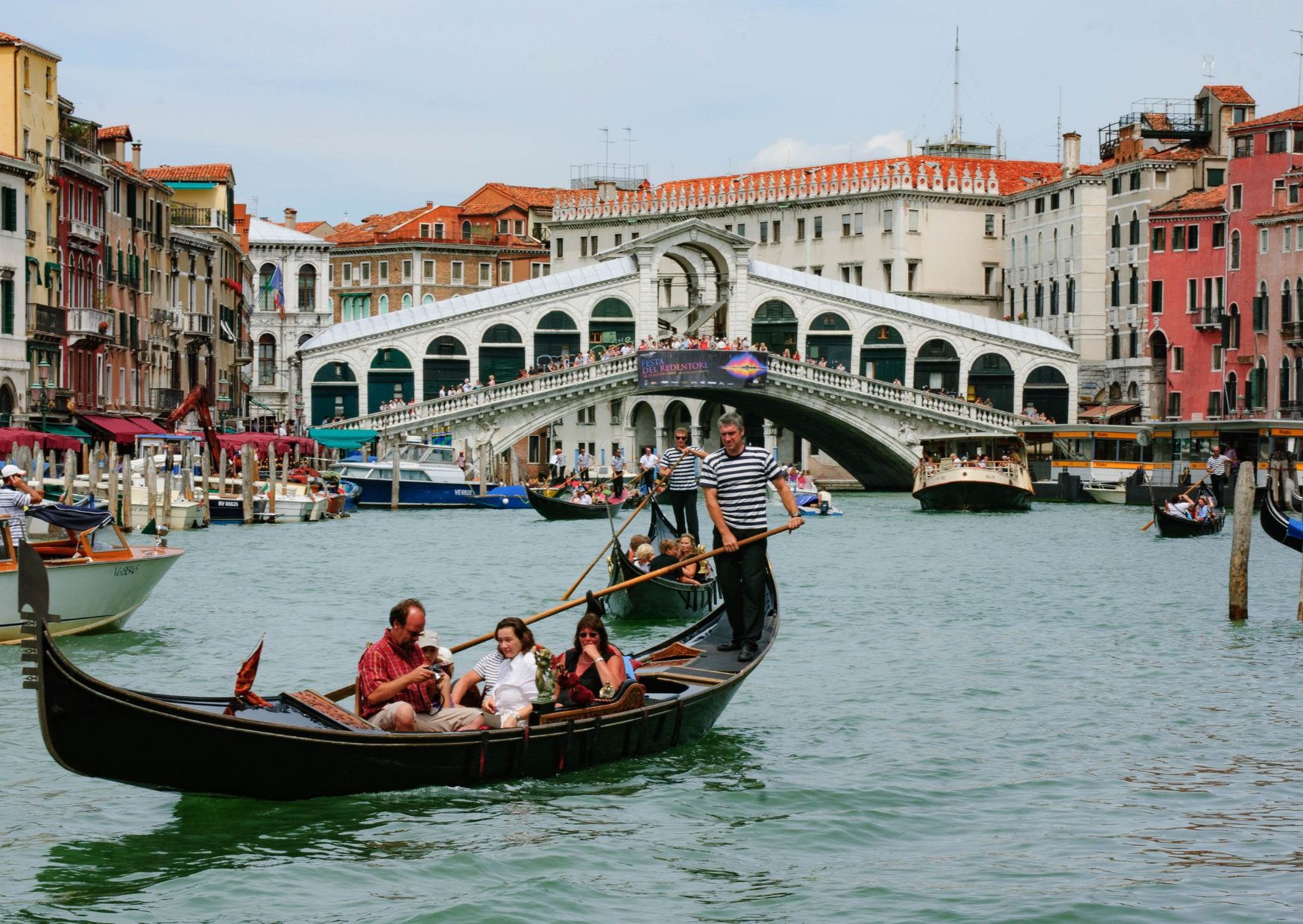
Venice isn’t built like modern cities. Its bridges weren’t designed to accommodate thousands of daily tourists with backpacks, tripods, strollers, and rolling luggage. They were designed for continuous foot traffic, often by locals carrying goods or children between canals.
When someone sits on a step or lingers too long at the top of a bridge, even for a photo, it disrupts that movement. Crowds build. Lines stretch. Movement slows. And in a city with no cars and limited access routes, that’s not an inconvenience. It’s a public hazard.
Tourists often misread this. They assume that beautiful spaces invite pause. In Venice, they do—but only in designated spaces. On bridges, stillness becomes obstruction.
2. The fines are real, immediate, and escalating
Venice has implemented and now aggressively enforces urban decorum rules—regulations that target specific tourist behaviors: sitting on monuments, eating on steps, bathing in fountains, or blocking bridges.
In these zones, municipal police don’t give warnings. They issue fines ranging from €100 to €500, depending on the location and the crowd conditions at the time. Repeat offenders or defiant behavior can lead to urban bans (DASPO), barring the traveler from reentering the area.
Visitors often say they “didn’t know,” but ignorance isn’t a defense. The city posts multilingual signage near trouble zones, and plainclothes stewards patrol bridges even before police intervene.
What feels like a harmless sit to a tourist is treated as deliberate non-compliance in a system struggling to maintain public flow.
3. The bridge isn’t just a path it’s a bottleneck
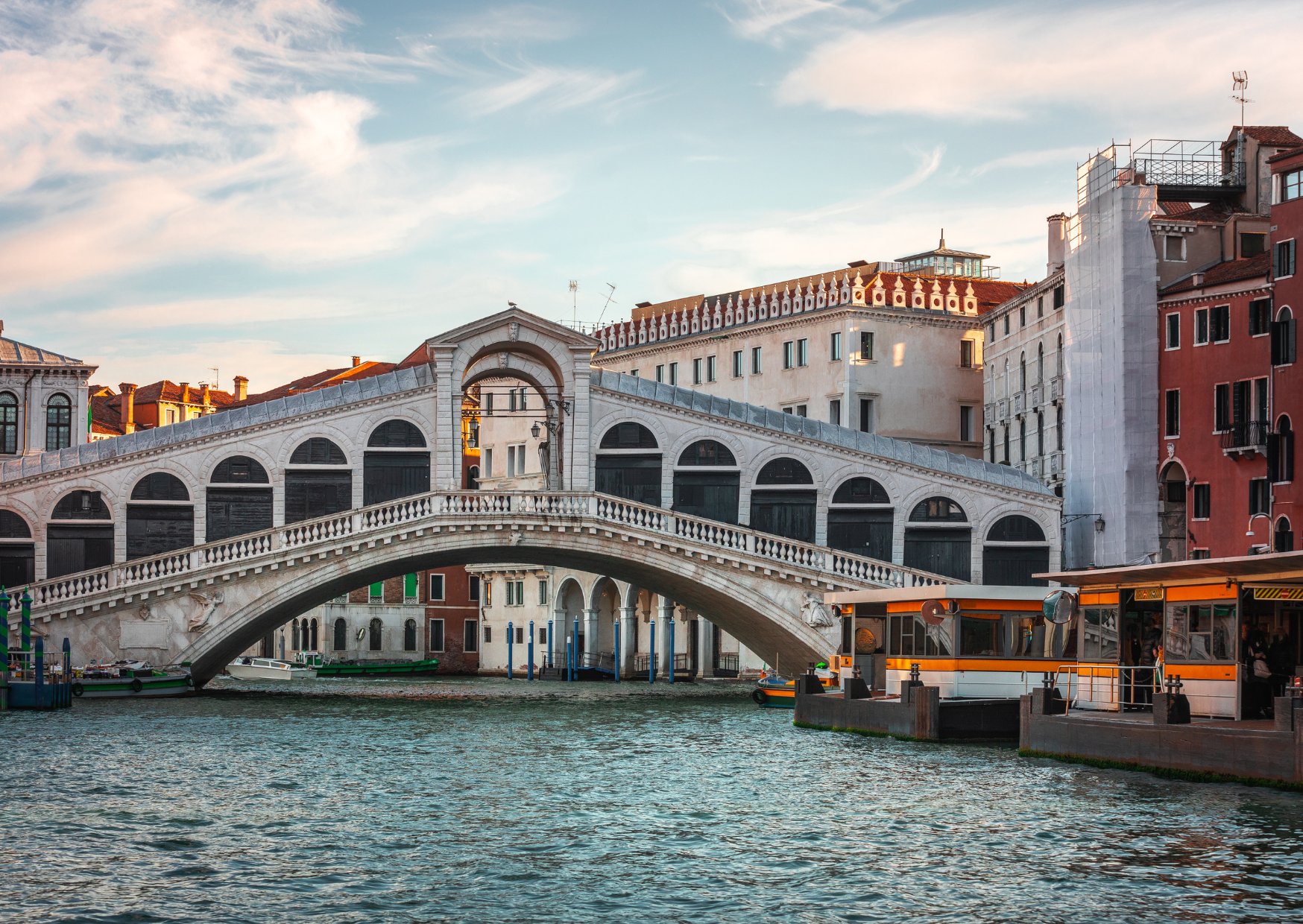
Venice’s geography forces compression. People walk along narrow paths, hit a bridge, cross, and disperse again. But that brief moment—at the peak of a stone crossing—is always congested.
If a few tourists decide to sit, snack, or rest on the bridge stairs, dozens of others are forced to navigate around them, often precariously. Locals carrying groceries. Elderly residents trying to descend. Schoolchildren moving in groups. It’s not just an annoyance—it’s a daily friction.
City officials argue that when tourism becomes unmanageable, even brief acts of stillness must be regulated. Not to punish leisure, but to preserve liveability.
4. The sitting ban reflects deeper tensions
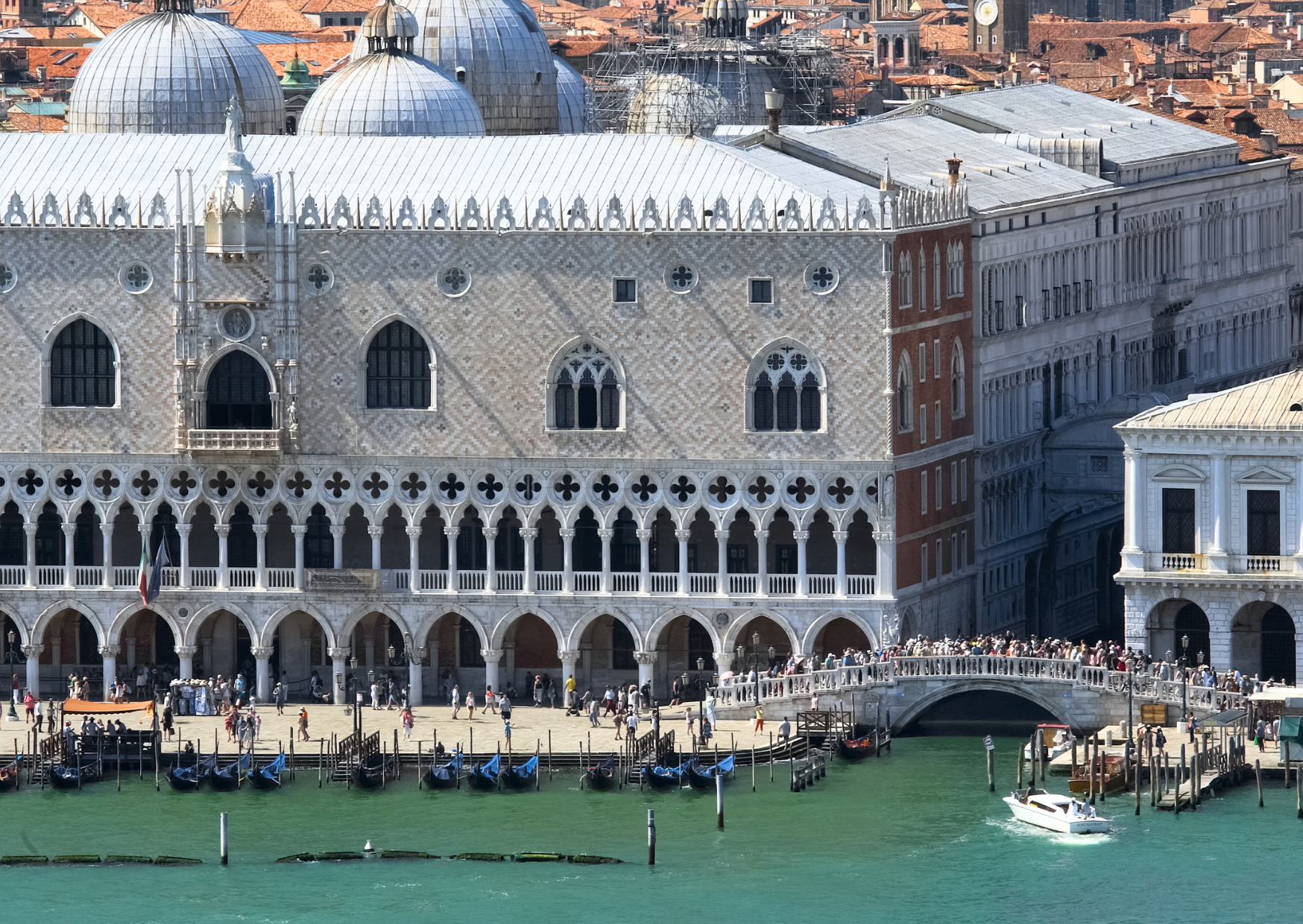
For Venetians, the act of sitting on a bridge symbolizes something bigger: the entitlement of visitors to treat the city like a backdrop, not a functioning home.
This isn’t about anger—it’s about exhaustion. Residents live with blocked alleys, flooded corners, and delayed transit. When someone drops onto a bridge step for a quick break, they’re unintentionally declaring: My comfort matters more than your movement.
That message lands heavily in a city already under pressure. Enforcing the sitting ban isn’t about aesthetic—it’s about reclaiming dignity in civic space.
5. Designated rest spaces exist use them
Venice doesn’t forbid sitting entirely. It encourages pause—just not in places where people need to move. Public squares, canal-side benches, and shaded parks offer better views and safer settings.
The city is trying to funnel tourist behavior into areas that can handle the pause. It’s an architectural nudge—sit, but sit here. Not on the bridges where your stillness costs others their ease of passage.
That choice is available. The culture of enforcement exists only when those choices are ignored.
6. Photography creates friction
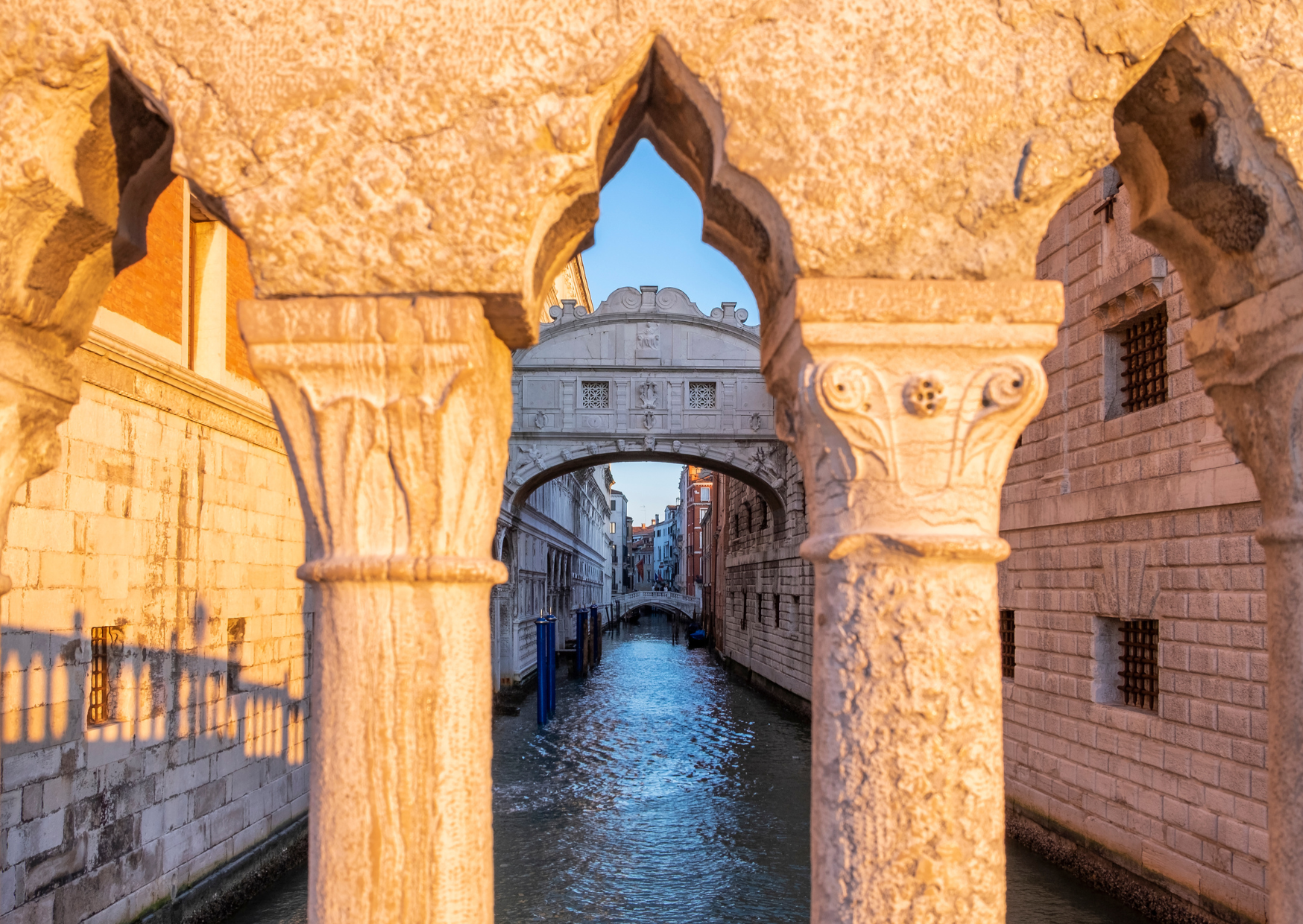
Much of the bridge sitting in Venice is triggered by photography—couples posing, influencers arranging props, or families staging group shots. This adds time, equipment, and body sprawl to already fragile footpaths.
The problem isn’t photos. It’s transformation. The bridge becomes a set, and everyone else is an obstacle. The city resists this—not to ruin the shot, but to protect shared space from becoming private staging.
In a place where streets are already narrow, the urge to frame beauty must be balanced with the right of others to pass through it.
7. Police response isn’t random it’s rhythmic
Municipal police don’t patrol bridges 24/7. But they move in waves, especially during midday hours and on weekends. Officers target key bridges: Ponte di Rialto, Ponte della Paglia, and the footbridges near Campo San Barnaba.
Stewards often precede them—lightly warning or nudging people along. If those early signals are ignored, police arrive quickly.
This rhythm isn’t aggressive—it’s logistical. The city simply cannot afford blockages during peak hours.
8. Tourist culture will adjust if clearly guided
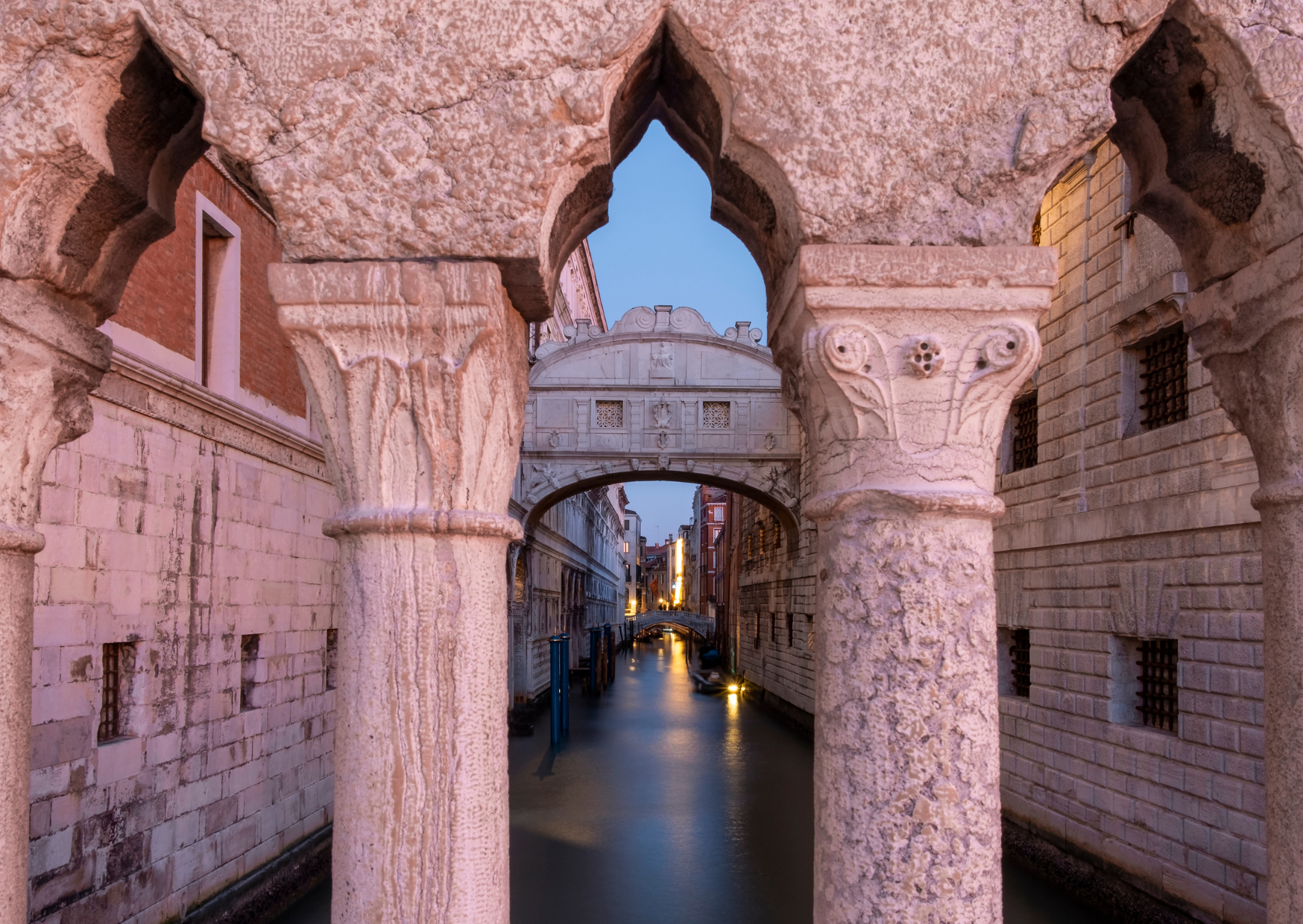
Most tourists don’t want to break rules. But Venice hasn’t always made those rules visible. Now, with signage, steward patrols, and press coverage, the culture is shifting.
More visitors understand that pausing in the wrong spot isn’t romantic—it’s disruptive. And once that mindset changes, behavior tends to follow.
Venice isn’t banning joy. It’s redirecting it—toward places where joy doesn’t compromise someone else’s daily rhythm.
When Stillness Interrupts Flow
To sit on a Venetian bridge is to forget what that bridge does. It moves people. It threads a city together. And when it’s blocked—by comfort, by indifference, by someone lost in their view—the system cracks.
That’s why police respond fast. Not because the act is hostile—but because the space can’t afford the pause.
If you want to stop, there’s room. Venice allows that. But not at the top of a stone span where a hundred others must pass behind you.
Sit with care. Move with awareness. And remember: even beauty needs room to breathe.

About the Author: Ruben, co-founder of Gamintraveler.com since 2014, is a seasoned traveler from Spain who has explored over 100 countries since 2009. Known for his extensive travel adventures across South America, Europe, the US, Australia, New Zealand, Asia, and Africa, Ruben combines his passion for adventurous yet sustainable living with his love for cycling, highlighted by his remarkable 5-month bicycle journey from Spain to Norway. He currently resides in Spain, where he continues sharing his travel experiences with his partner, Rachel, and their son, Han.