
And what it reveals about quality of life, state trust, and why one culture lets go while the other holds on forever
In Spain, retirement isn’t treated like a finish line you crawl toward. It’s treated like an expected transition—one that arrives not only with dignity, but with public support, community rhythm, and a clear break from the grind.
By the time most Spanish workers reach 63 or 64, they’ve already begun planning their exit. Some retire early with partial benefits. Others take advantage of phased retirement programs or work reduced schedules until full eligibility kicks in. Either way, the shift is natural.
In the United States, the image looks different. Americans routinely work into their late 60s—or 70s—not because they want to, but because they have to. Full Social Security benefits only kick in at 67 for younger generations. And even then, the payout rarely covers the cost of living.
Here’s why Spanish workers retire earlier—and why Americans often can’t.
Want More Deep Dives into Other Cultures?
– Why Europeans Walk Everywhere (And Americans Should Too)
– How Europeans Actually Afford Living in Cities Without Six-Figure Salaries
– 9 ‘Luxury’ Items in America That Europeans Consider Basic Necessities
1. Retirement in Spain is tied to trust in the system

Spanish workers expect to retire. That expectation is cultural and institutional. From a young age, employment includes mandatory contributions to Spain’s social security system. These contributions—called “cotizaciones”—build toward public pension eligibility.
People trust the payout will come. They plan their lives accordingly. There’s no need for five IRAs, two back-up jobs, or a 10-point investment strategy. The state provides a foundation.
In the U.S., workers are taught not to trust the system. Social Security is often framed as unstable. Pensions have disappeared. The result is a fragmented, self-managed retirement maze—one that shifts the burden of planning entirely to the individual.
Without trust in public provision, retirement becomes a gamble.
2. The retirement age isn’t just legal—it’s cultural

In Spain, most workers retire between 63 and 65. The official retirement age in 2025 is 66 years and 6 months, increasing gradually to 67. But early retirement—with reduced benefits—is common and widely used.
There’s no shame in retiring early. In fact, it’s expected. It signals that you’ve contributed enough—and now life belongs to you.
In the U.S., early retirement is viewed as a privilege, or worse, a myth. Most Americans can’t afford to leave work before 65. And even then, private insurance costs, delayed Social Security, and financial pressure make early exit difficult.
Where Spain sees retirement as earned, America often frames it as escape.
3. Healthcare isn’t a factor in delaying retirement
One of the main reasons Americans delay retirement is access to healthcare. Until age 65, when Medicare kicks in, retirees must navigate private insurance—often expensive and unpredictable.
In Spain, healthcare is universal and not tied to employment. Retirees maintain access to public health services without needing private plans. This reduces stress, eliminates decision fatigue, and removes a major cost barrier.
In the U.S., many workers keep jobs solely for the health insurance. It’s not about fulfillment—it’s about coverage.
Retirement shouldn’t be hostage to healthcare—but in America, it often is.
4. Spanish pensions cover basic life without anxiety

While not luxurious, Spanish pensions allow most retirees to cover daily expenses—housing, food, transportation—without major insecurity. Many retirees supplement their pensions with savings or part-time work, but not out of desperation.
In the U.S., Social Security alone is rarely enough. The average monthly benefit in 2025 is about $1,800. That barely covers rent in many cities. Without significant savings, older Americans are pushed back into work—or into poverty.
Spain’s system isn’t perfect, but it offers a floor, not just a warning.
5. Work isn’t the only source of purpose

Spanish retirees often stay active—through volunteering, caring for grandchildren, travel, or community engagement. Retirement is seen as a new phase, not an empty one.
In the U.S., where work defines identity, retirement can feel like social exile. Without a job title, many older Americans feel invisible. This loss of purpose becomes a reason to delay retirement—even when it’s financially viable.
Spanish culture offers more non-work identities. American culture often doesn’t.
6. Precarious work has different consequences

In Spain, even workers in less stable sectors contribute to the pension system. Their benefits may be lower, but the state still plays a role in smoothing out long-term insecurity.
In the U.S., gig workers, freelancers, and contract employees often fall through the cracks. Retirement contributions are optional. Financial literacy is assumed. The result? Millions reach retirement age with nothing saved.
Precarity exists in both countries—but in the U.S., the consequences are sharper.
7. Retirement isn’t framed as defeat
In Spain, stepping back from work is seen as a sign of balance. People look forward to it. They plan for it. They talk about it without shame.
In the U.S., retirement is often tied to decline. There’s a lingering narrative that those who stop working are giving up, losing value, or becoming dependent.
This stigma makes retirement feel like failure instead of a natural part of life.
8. Family systems fill the gaps—not just money
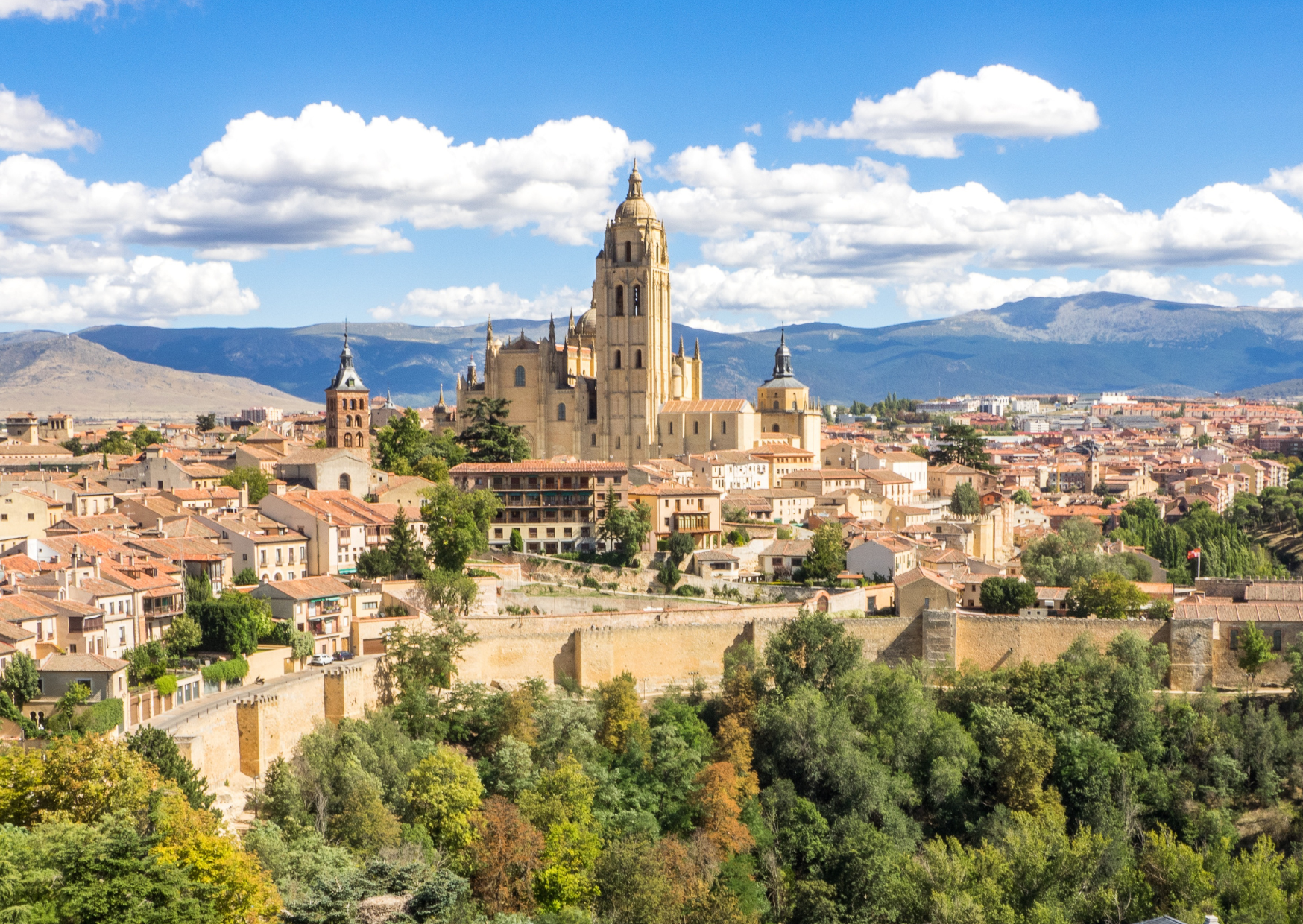
Spanish retirees often live near extended family. Multi-generational households are common. There’s more social infrastructure for aging—less loneliness, less isolation.
In the U.S., aging is more privatized. Seniors often live alone, move into retirement communities, or rely on paid care. This independence sounds noble, but it often leads to expensive isolation.
Retirement isn’t just about income—it’s about structure. Spain’s structure supports the person. America’s often supports only the numbers.
Choosing Rest Before Collapse
Spanish retirement isn’t early because people are lazy. It’s early because the system makes it possible—and the culture makes it acceptable.
In America, retirement is often delayed until it’s too late. Not because people love their jobs, but because the cost of leaving feels higher than the cost of staying.
The difference isn’t about age. It’s about what aging means in each place. In Spain, it’s a reward. In the U.S., it’s a risk.

About the Author: Ruben, co-founder of Gamintraveler.com since 2014, is a seasoned traveler from Spain who has explored over 100 countries since 2009. Known for his extensive travel adventures across South America, Europe, the US, Australia, New Zealand, Asia, and Africa, Ruben combines his passion for adventurous yet sustainable living with his love for cycling, highlighted by his remarkable 5-month bicycle journey from Spain to Norway. He currently resides in Spain, where he continues sharing his travel experiences with his partner, Rachel, and their son, Han.