
And what it reveals about tradition, routine, and why ancient beauty rituals still outlast high-end treatments
In modern Rome, tucked between espresso bars and corner pharmacies, women walk with unapologetic hair—thick, soft, and full of life. It’s not styled within an inch of its life. It isn’t shellacked with product. It moves. It breathes. And it often carries the kind of volume that stylists in Los Angeles charge hundreds of dollars to fake.
Ask a Roman woman about it, and she won’t credit a luxury brand or a salon package. She’ll mention olive oil. Maybe egg. A touch of rosemary. Or something her grandmother told her to do once a week since she was nine.
Here’s how Roman women still achieve thick, healthy hair using habits American beauty culture often ignores—and why the $500 blowout can’t compete with what’s already in the pantry.
Want More Deep Dives into Other Cultures?
– Why Europeans Walk Everywhere (And Americans Should Too)
– How Europeans Actually Afford Living in Cities Without Six-Figure Salaries
– 9 ‘Luxury’ Items in America That Europeans Consider Basic Necessities
1. Olive oil isn’t a trend it’s a ritual
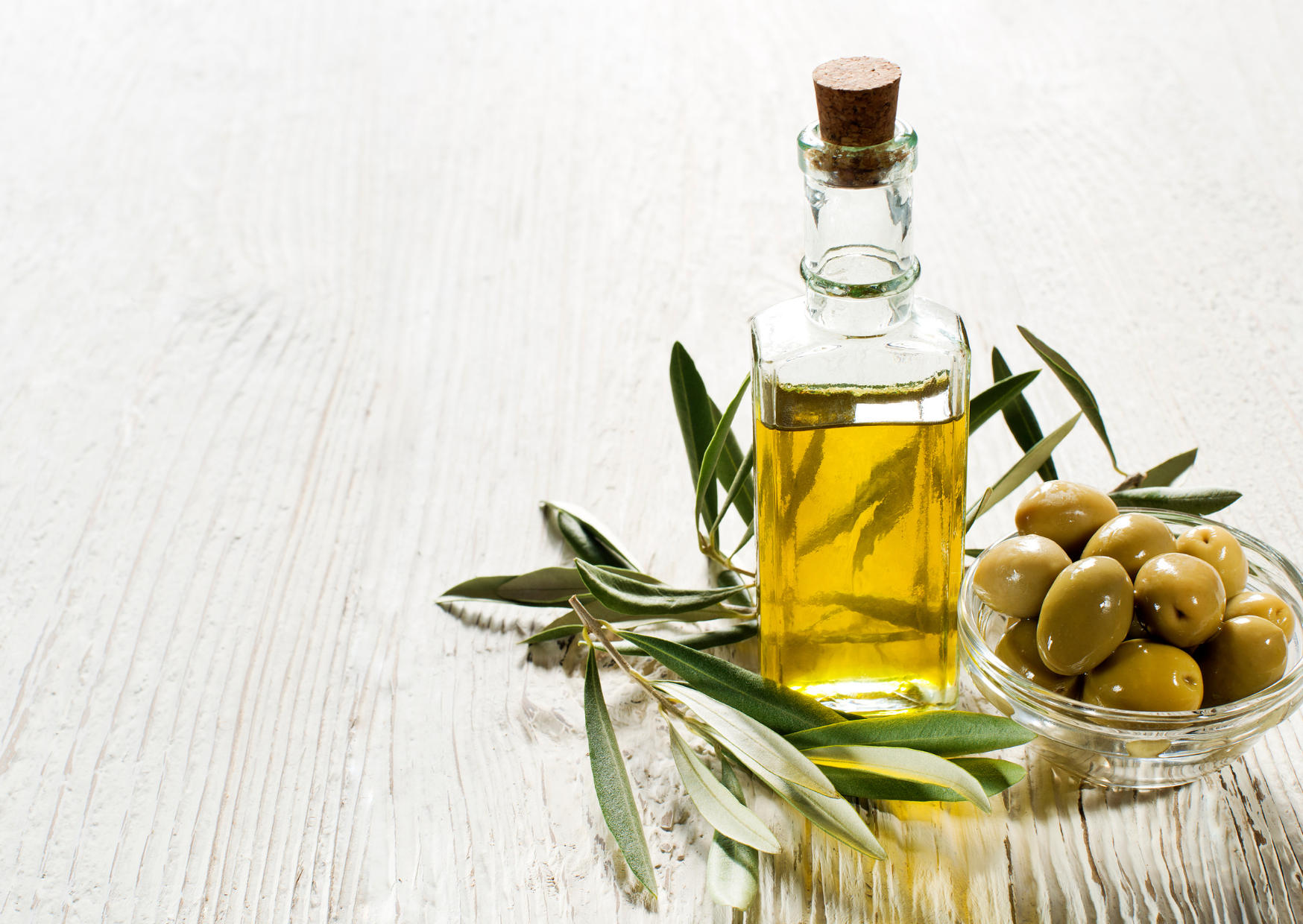
In American haircare, oil is having a moment. There are oil serums, oil masks, oil mists—each repackaged into $80 bottles with a French-sounding label. But in Italy, olive oil has always been there.
Many Roman women apply warm olive oil directly to their scalp once a week. They leave it in for an hour, sometimes overnight. It nourishes the roots, softens ends, and restores moisture without buildup.
This isn’t branded wellness. It’s passed-down habit. Mothers teach daughters. Grandmothers swear by it. There’s no product pitch—just results.
In the U.S., these same treatments are sold as luxury detoxes. In Rome, they come from the kitchen.
2. Less washing means more strength

Roman women don’t wash their hair daily. They don’t need to. The climate, the lifestyle, and their routine all support slower cycles. Most shampoo just twice a week, using mild formulas with minimal fragrance.
American routines often push for daily washing—especially in humid cities or active households. But frequent shampooing strips natural oils and weakens strands. Over time, it leads to thinner, more fragile hair.
In Italy, the rhythm is slower. The scalp is allowed to balance itself. And in that stillness, hair rebuilds its own thickness.
3. Rosemary isn’t just culinary it’s circulatory
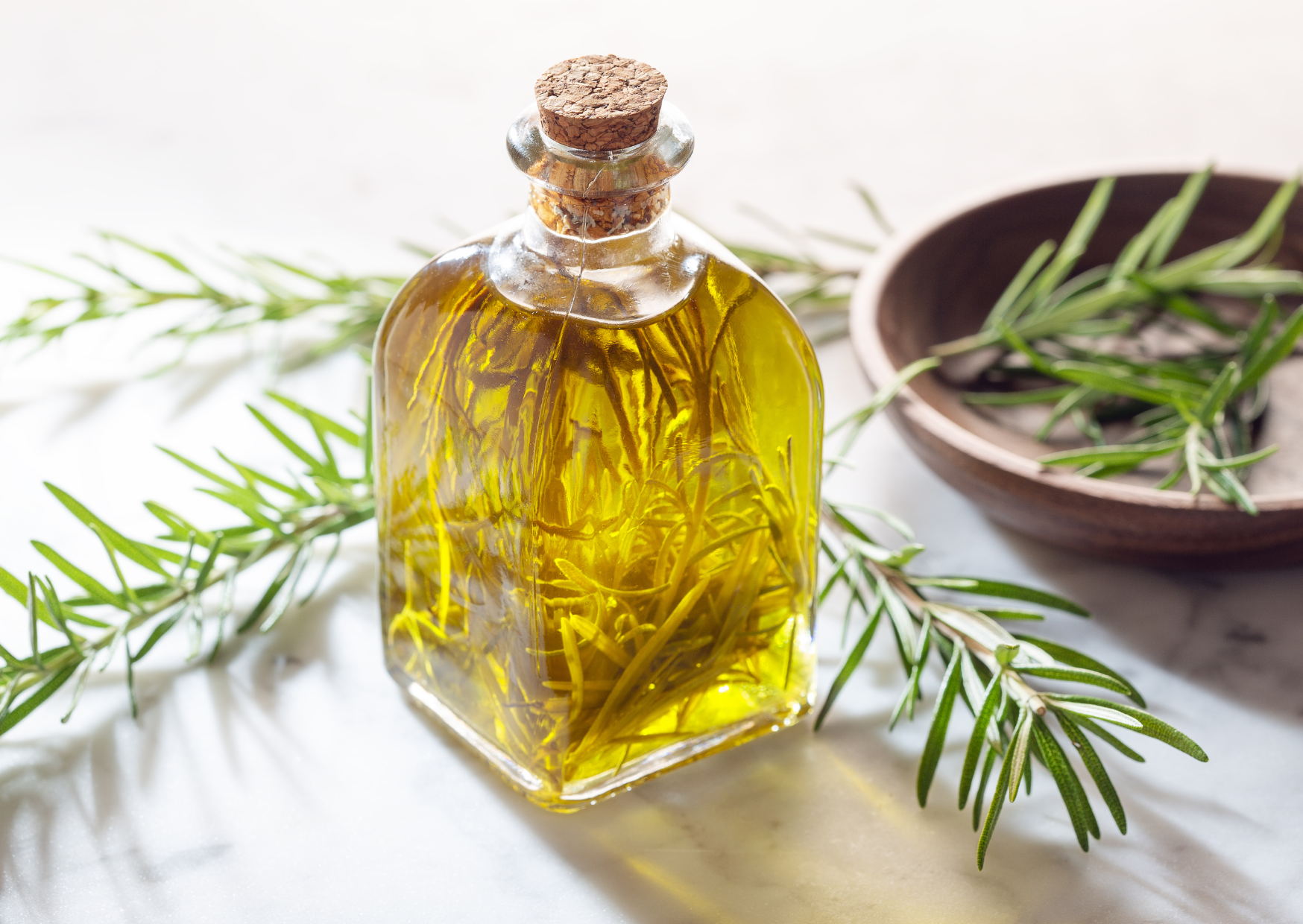
Many Roman women use rosemary water as a post-wash rinse or scalp tonic. They boil fresh rosemary in water, let it cool, and pour it through their hair. Some leave it in. Others massage it at the roots.
Rosemary improves circulation in the scalp, which stimulates growth. It also has anti-inflammatory properties and a light natural scent. No chemicals. No side effects.
In the U.S., rosemary extract is sold in tiny vials for $60 a bottle. In Rome, it’s bought with your produce—and boiled like tea.
4. Egg and honey aren’t weird they’re normal

Protein-rich masks aren’t new. But while American salons mix protein into pricey keratin cocktails, Roman kitchens use raw egg yolks and honey. The combination strengthens strands, adds shine, and seals moisture.
Applied once or twice a month, the mixture acts like a deep-conditioning treatment—but without the synthetic buildup. Rinsed properly with cool water, it leaves no scent, only softness.
What American stylists treat as novelty, Roman women see as common sense.
5. Heat tools are the exception not the rule
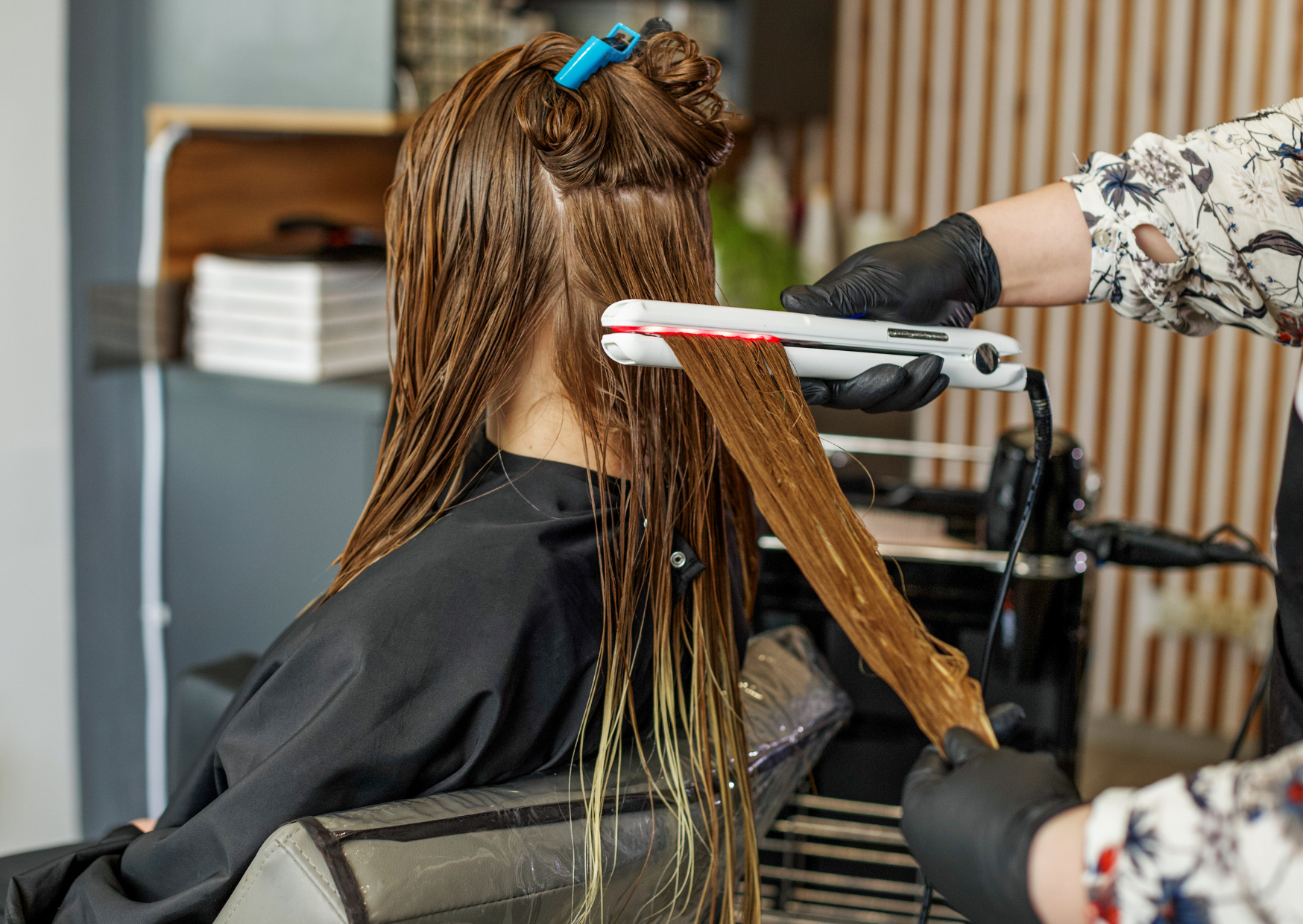
In Rome, you won’t see teens walking around with flat-ironed strands or freshly curled ringlets. Hair is often worn air-dried, loosely styled, and volume-friendly. Straightening is reserved for occasions—not daily wear.
By minimizing heat, Roman women avoid the cuticle damage that leads to breakage. Their ends stay thick. Their roots stay strong. And their texture, whatever it is, remains intact.
In contrast, American routines often involve blow-drying, curling, and straightening as daily maintenance. It looks polished—but over time, it thins.
6. Trimmed, not reshaped
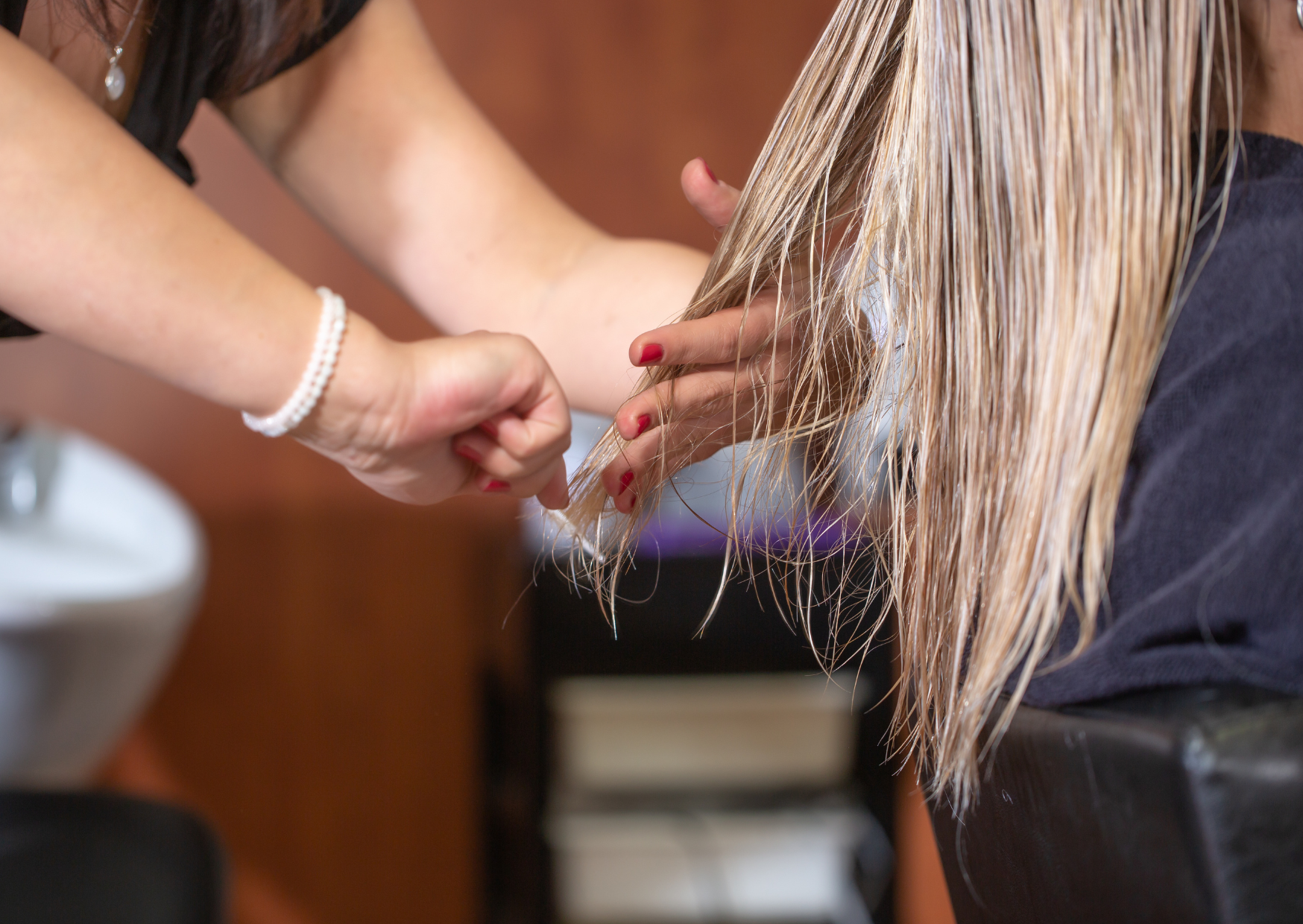
Haircuts in Rome are subtle. Women don’t chop their hair to reinvent themselves every six weeks. They trim the ends to keep things healthy. Layers are gentle, face-framing, designed to grow out well.
This approach supports thickness. Hair isn’t over-thinned, over-layered, or made brittle by too much styling. Volume builds because it’s not being styled out.
In the U.S., a visit to the salon often includes reshaping, product layering, and heat-based finishing. It looks good—but sometimes sacrifices the foundation of fullness.
7. Diet still matters and so does sun
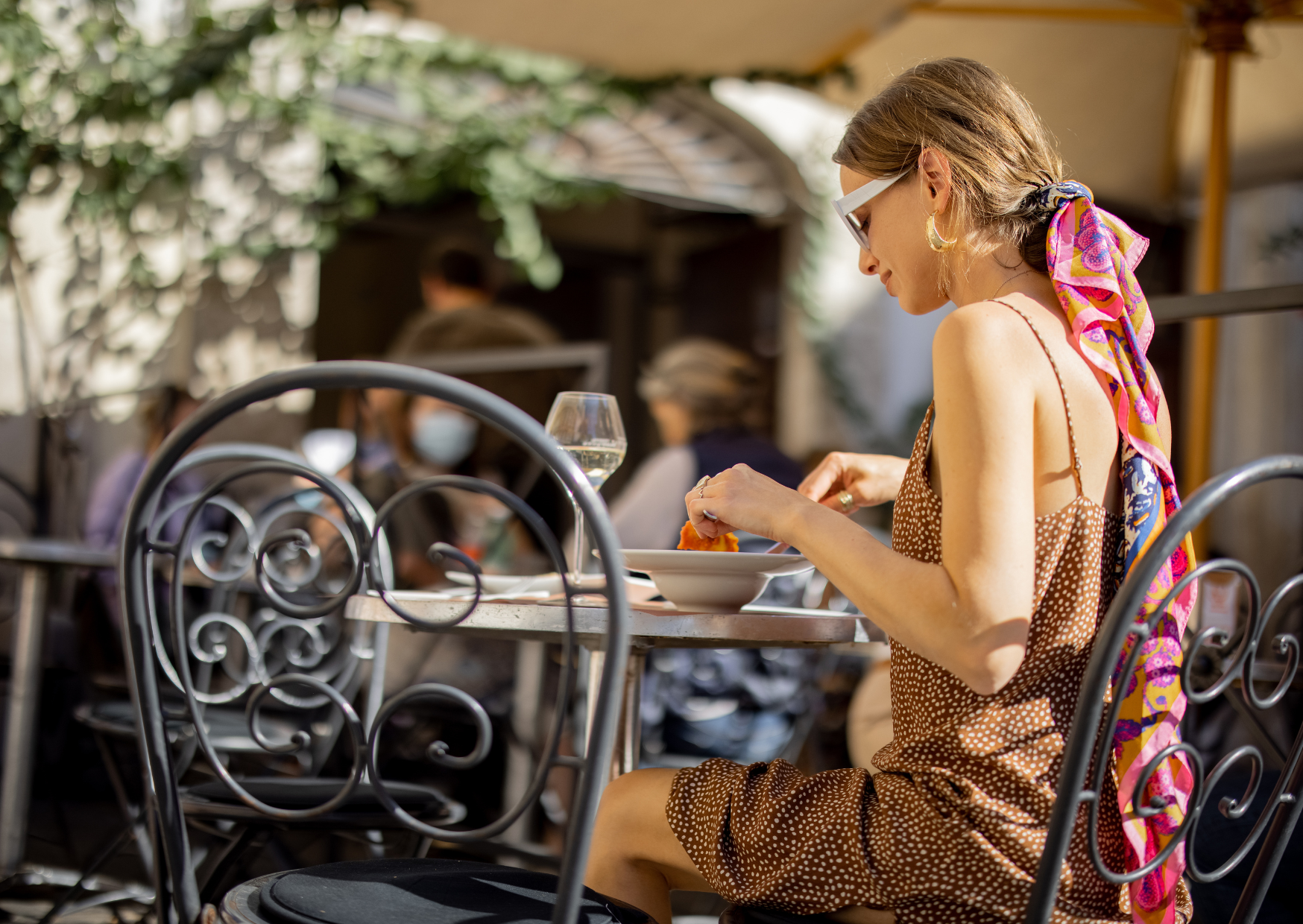
Hair health starts from within. In Rome, meals are rich in olive oil, fresh vegetables, protein, and natural fats. Hydration is regular. Sunlight is gentle but consistent.
All of this contributes to stronger follicles and better scalp health. Vitamins aren’t a substitute—they’re embedded in the lifestyle.
While many Americans rely on supplements to fill nutritional gaps, Roman women often receive those nutrients naturally through seasonal, local food.
8. Hair isn’t a project it’s a relationship
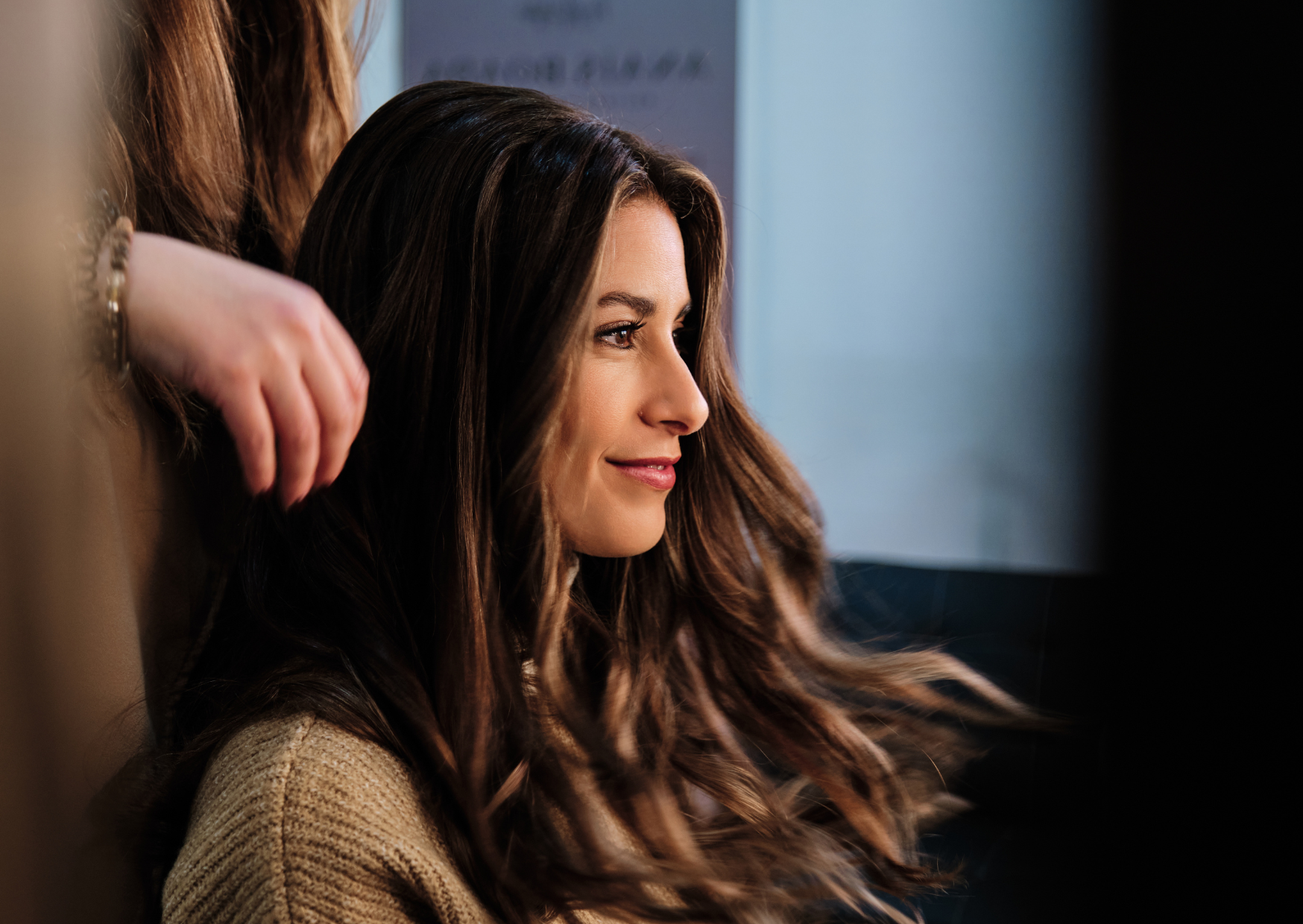
Perhaps the biggest difference is mindset. Roman women don’t obsess over their hair. They don’t follow a 12-step regimen. They don’t fall for every trend. They observe, respond, and maintain.
The result? Hair that’s thick not because it’s styled that way—but because it’s allowed to be thick.
This quiet confidence—of knowing what works, and not needing more—is why what looks effortless is actually intentional.
When Thickness Isn’t Sold. It’s Inherited
The $500 blowout, the boutique serum, the salon-grade protein treatment—all promise thickness, shine, and bounce. But they often chase what’s already available through care, routine, and ingredients that come without a label.
Roman women still live in a culture where beauty starts at home. Where hair is treated as part of life—not as a problem to solve. And in that simplicity lies the secret.
The answer isn’t more product. It’s more attention. Not to trends, but to tradition.

About the Author: Ruben, co-founder of Gamintraveler.com since 2014, is a seasoned traveler from Spain who has explored over 100 countries since 2009. Known for his extensive travel adventures across South America, Europe, the US, Australia, New Zealand, Asia, and Africa, Ruben combines his passion for adventurous yet sustainable living with his love for cycling, highlighted by his remarkable 5-month bicycle journey from Spain to Norway. He currently resides in Spain, where he continues sharing his travel experiences with his partner, Rachel, and their son, Han.