
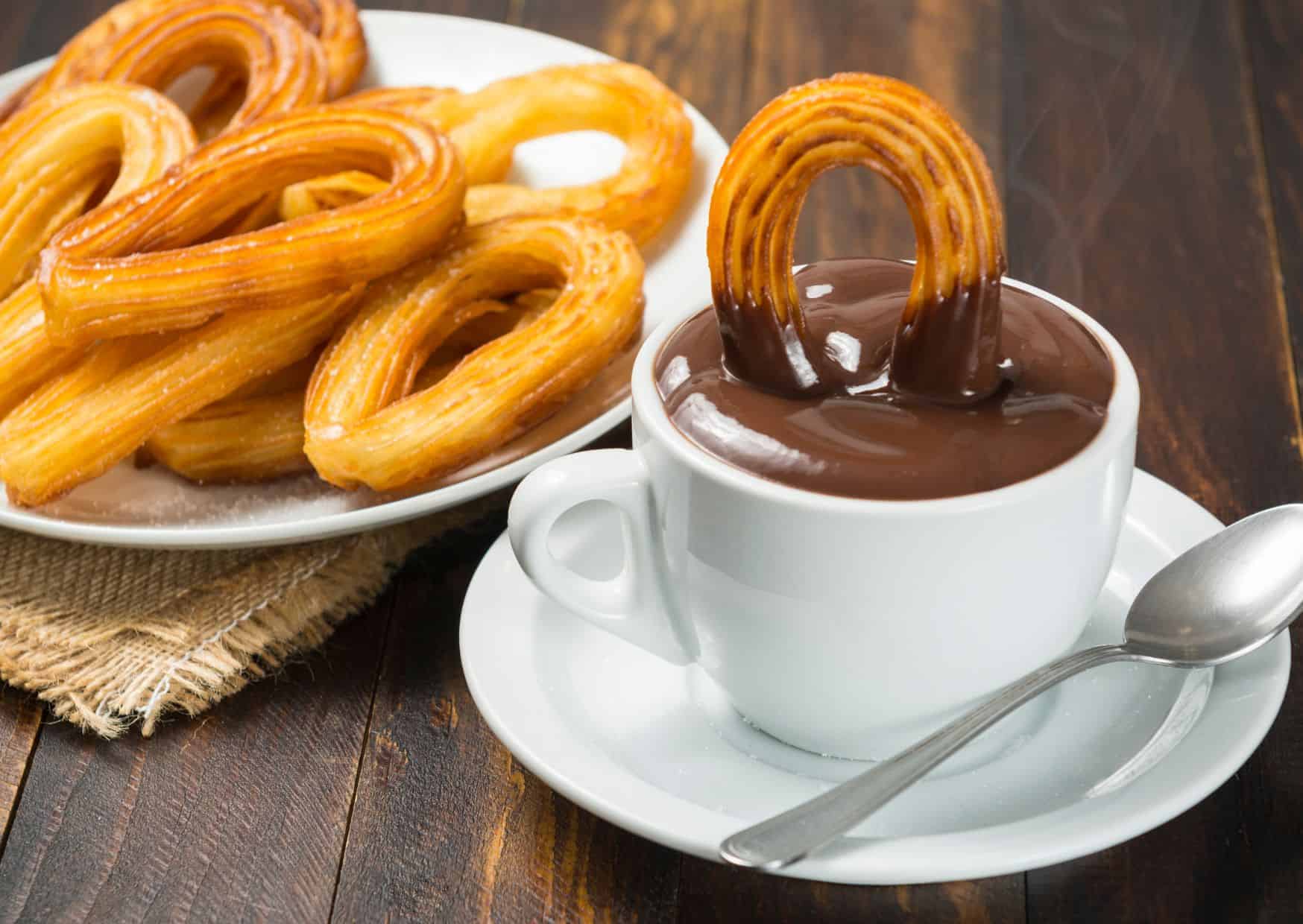
Spanish cuisine is one of the most celebrated in the world, but if you’re a first-time visitor, don’t be surprised if the dining customs leave you scratching your head. From late-night dinners to tapas that aren’t free everywhere, Spain’s food culture is rich, flavorful, and full of nuance that often gets lost in translation.
What foreigners often see as quirky or inefficient is actually deeply rooted in tradition. Spanish food is not just about eating; it’s about the how, when, and with whom. A meal in Spain can stretch for hours and may come with multiple courses that don’t follow the structure many travelers are used to. If you show up at a restaurant at 6 p.m. hoping for dinner, you’ll likely be disappointed.
In this post, we’ll break down 10 details about Spanish food that consistently confuse outsiders—from olive oil obsession to why you’ll never see butter on toast. Once you understand the why behind these habits, it’s easier to appreciate the rhythm of Spanish dining—and maybe even adopt a few of these traditions yourself.
The best Spanish food to try, Breakfast in Spain, and vegetarian food in Spain
BOOK YOUR TRAVEL INSURANCE
Two of our favorite travel insurance: Heymondo Vs Safetwing cheapest travel Insurance. You can get for $135 USD your Heymondo Travel Insurance with Heymondo discount code valid for 90 days. Read our full comparison of Genki vs Safetywing Travel Insurance Review and the comparison Heymondo vs Genki
Quick Easy Tips
Don’t expect dinner before 9 p.m.—late dining is standard.
Tapas aren’t free everywhere—know the local customs before ordering.
Say “no ice” if you don’t want a watered-down drink—ice isn’t as common in Spain.
Don’t rush your meal—eating slowly and socially is part of the culture.
Ask for the check—in Spain, it’s considered rude for the waiter to bring it uninvited.
To many foreigners, especially Americans, Spain’s food culture can seem inefficient or even “lazy.” Long meals, late dining hours, and small dishes served over time go against the grain of fast service and instant gratification. But to Spaniards, this slower pace is a feature, not a flaw. Meals are a social ritual, not a transaction.
Another misunderstood element is the heavy reliance on olive oil and seafood, sometimes seen as “unhealthy” by visitors used to counting calories. However, the Mediterranean diet is one of the healthiest in the world, and Spaniards view food as a source of pleasure and community—not guilt. This perspective clashes with many Western wellness trends and restrictive diets.
Finally, the lack of spicy food in Spain surprises many who assume all Latin countries embrace heat. Spaniards prefer bold flavors from garlic, paprika, and saffron, not chili. This challenges assumptions and shows how diverse culinary identities can be, even within similar-sounding regions. What tourists label “bland” is, for locals, perfectly balanced.
Details About Spanish Fod That Foreigners Can’t Understand
1. Late Mealtimes
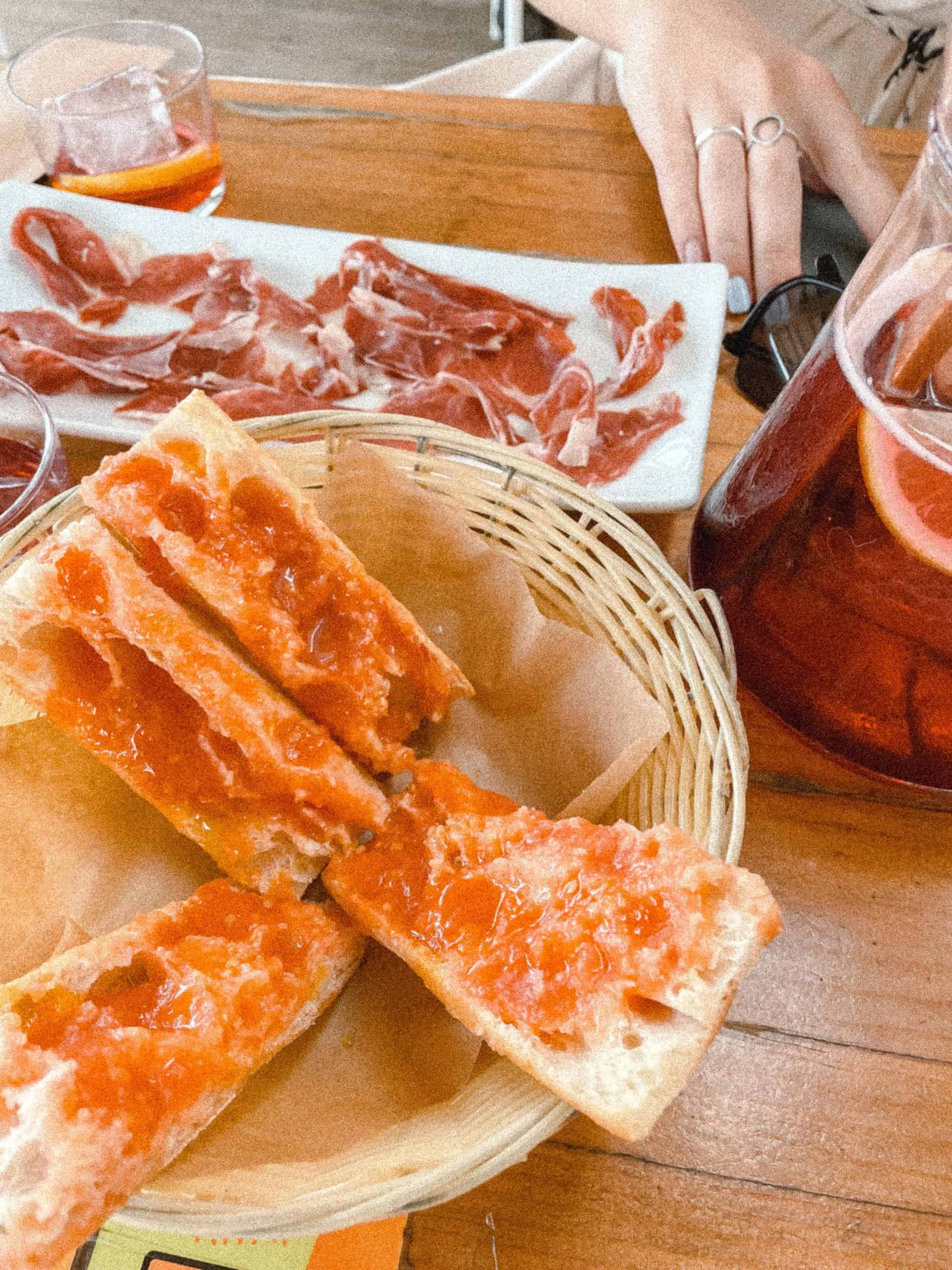
What’s Unfamiliar: In Spain, lunch (known as la comida) and dinner (la cena) are served much later than in many other countries. Lunch is typically the largest meal of the day and is often served between 2:00 PM and 4:00 PM, while dinner is not until 9:00 PM or even 10:00 PM.
Why It’s Confusing: Many foreigners are used to eating lunch around noon and dinner in the early evening, so adjusting to Spain’s late mealtimes can be challenging.
Tip: If you’re hungry before dinner, embrace the Spanish tradition of merienda, a light snack enjoyed in the late afternoon, or tapas in the early evening.
2. Tapas Are Not Always Free
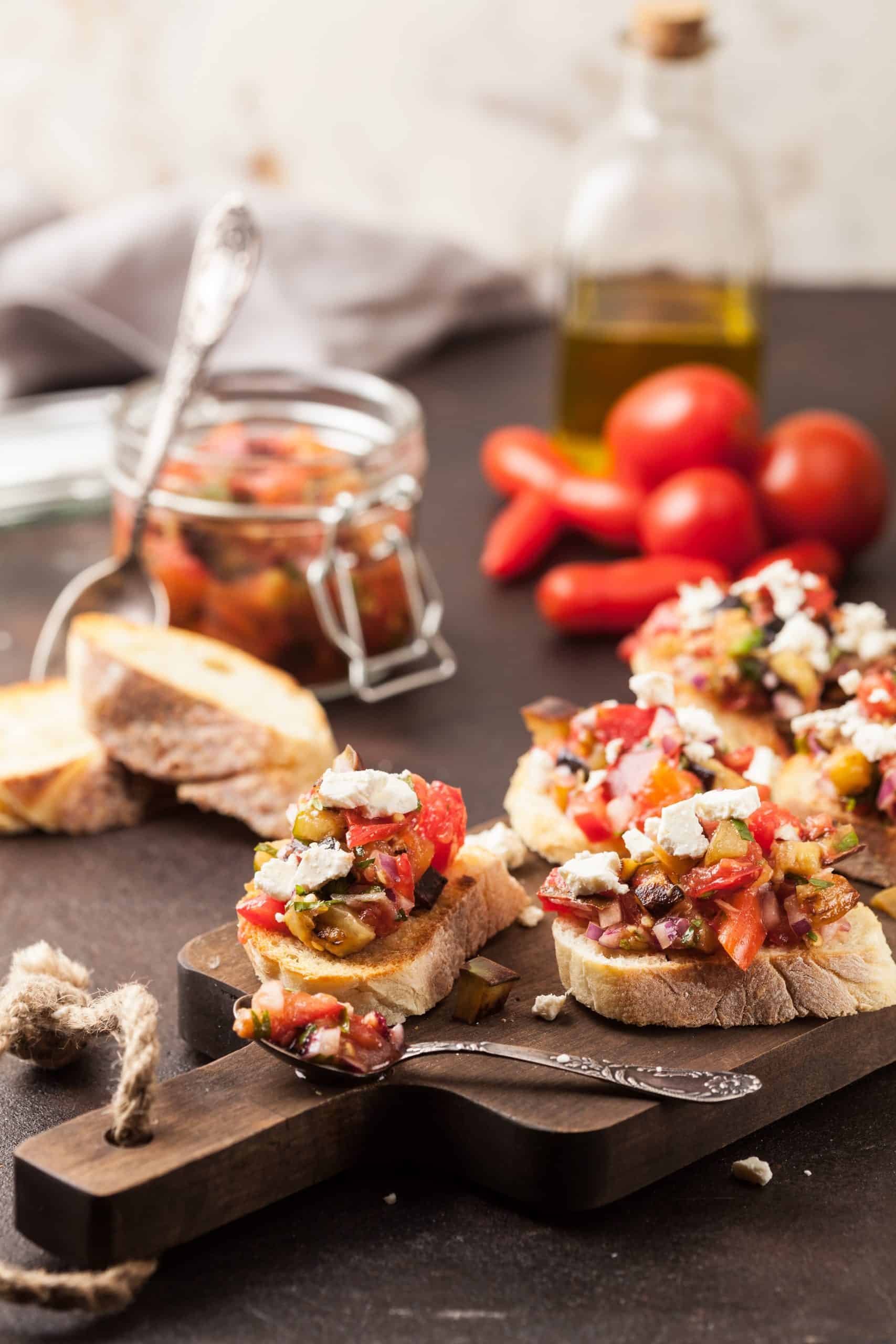
What’s Unfamiliar: While in some regions of Spain (like Granada or parts of Madrid), tapas are often complimentary with a drink, this is not the case throughout the entire country. In many cities, tapas are ordered à la carte and paid for.
Why It’s Confusing: Many visitors expect free tapas with every drink due to the widespread belief that it’s a universal practice in Spain.
Tip: Don’t assume that tapas will be free everywhere. In cities like Seville or Barcelona, tapas are typically ordered and paid for separately.
3. Cold Soup: Gazpacho and Salmorejo
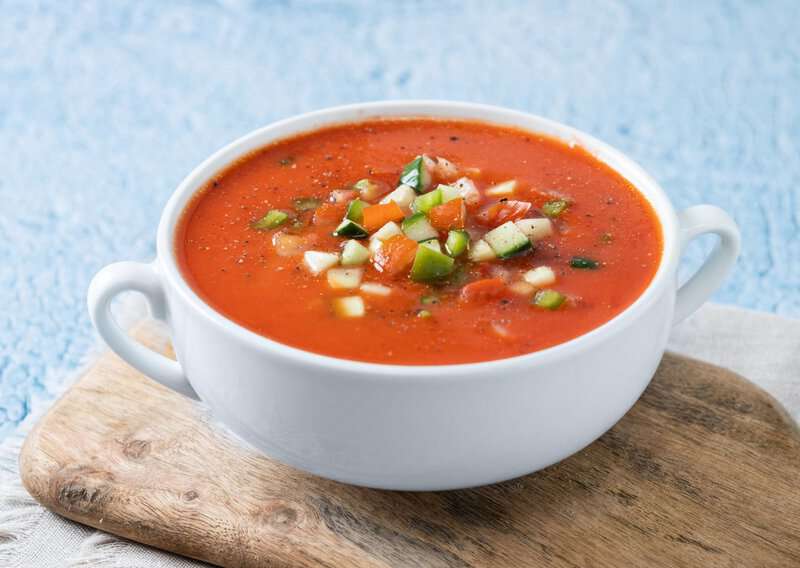
What’s Unfamiliar: Cold soups like gazpacho and salmorejo are popular in Spain, especially during the hot summer months. These refreshing, tomato-based soups are served chilled, which can be surprising to those who expect soup to be hot.
Why It’s Confusing: The idea of cold soup is unusual in many cultures, where soup is generally associated with warmth and comfort.
Tip: Try these cold soups with an open mind—gazpacho is light and refreshing, while salmorejo is thicker and creamier. Both are delicious, especially on a hot day.
4. Ham Obsession: Jamón
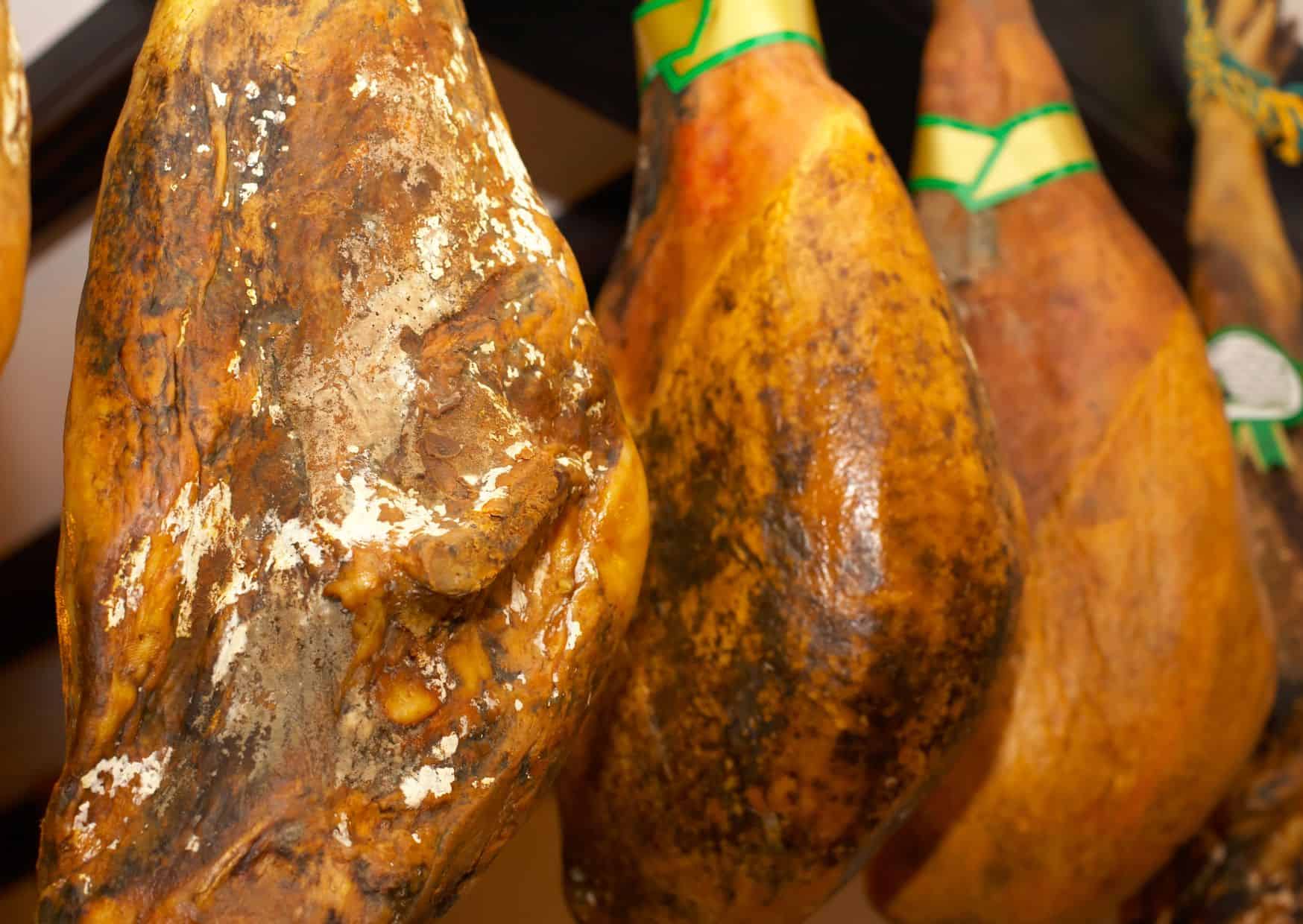
What’s Unfamiliar: Spain’s obsession with jamón (cured ham) is legendary. Jamón Ibérico, in particular, is considered a national treasure and is often served in thin, delicate slices. You’ll see legs of cured ham hanging in bars and markets all over the country.
Why It’s Confusing: The sheer variety and reverence for ham can be overwhelming for visitors. In some cases, the price of high-quality jamón can also seem surprising.
Tip: Embrace the ham culture by trying jamón ibérico de bellota, the finest variety made from acorn-fed pigs. It’s a culinary experience not to be missed.
5. Seafood Galore, Including “Unusual” Varieties
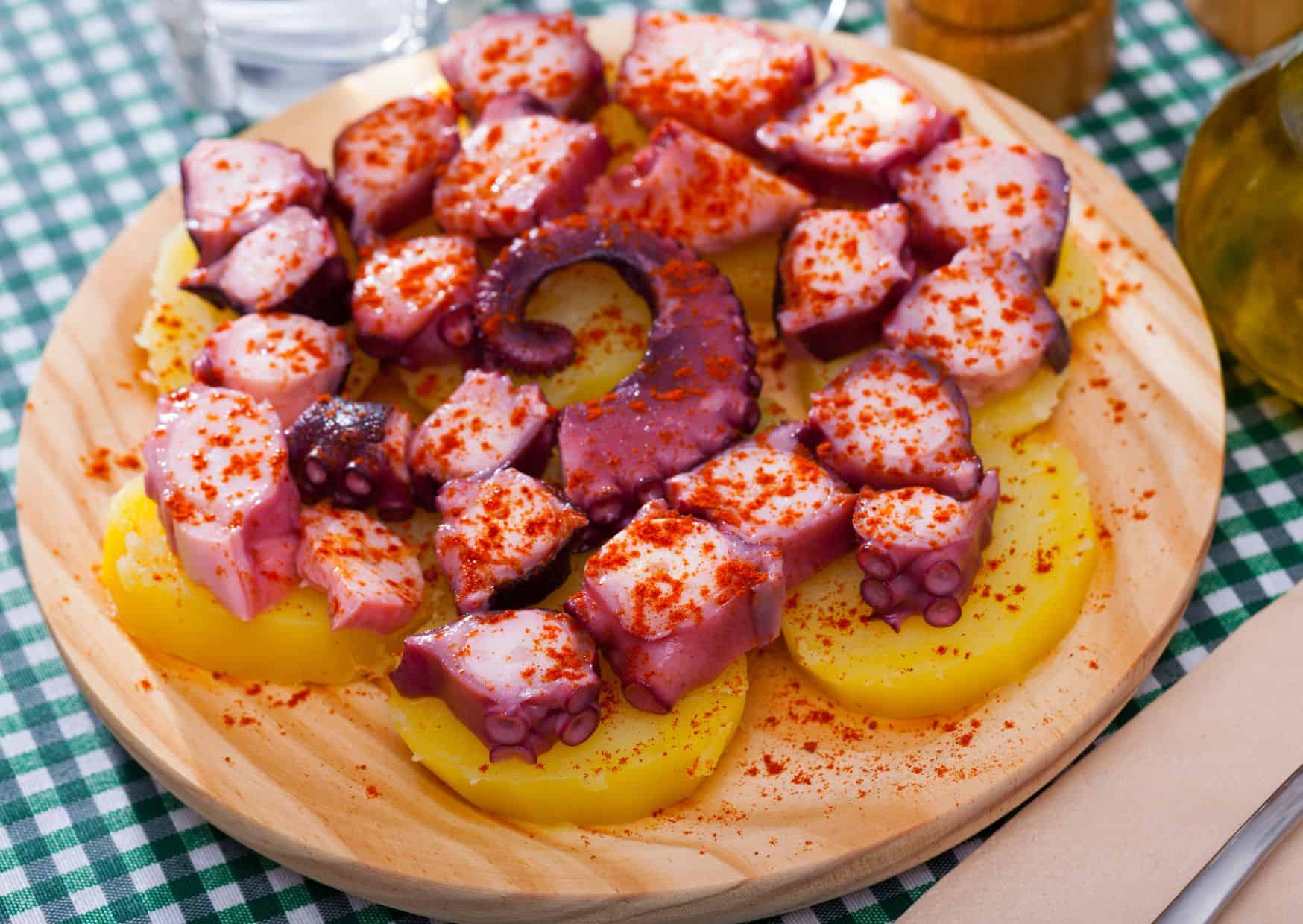
What’s Unfamiliar: Spain, especially in coastal regions, is famous for its seafood, but some of the varieties consumed are unusual or even off-putting to foreigners. Dishes like percebes (gooseneck barnacles), angulas (baby eels), and pulpo a la gallega (octopus) might be surprising.
Why It’s Confusing: These types of seafood are rarely eaten in other parts of the world, and their appearance can be off-putting to those unfamiliar with them.
Tip: Don’t be afraid to try these dishes! Spain is known for its high-quality seafood, and while they may look strange, they are often delicious and unique to the Spanish culinary tradition.
6. The Concept of Raciones vs. Tapas
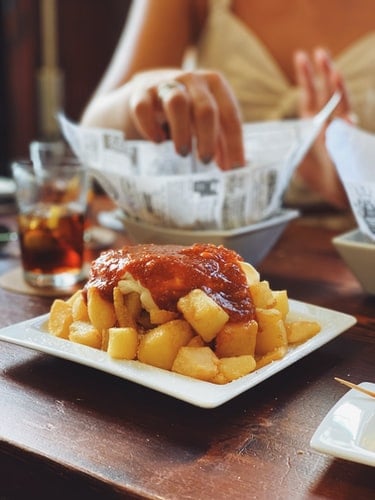
What’s Unfamiliar: Many foreigners are familiar with tapas, small plates meant to be shared. However, they might not be aware of raciones, which are larger portions of the same dishes.
Why It’s Confusing: Visitors often expect only small dishes, but in Spain, you can order either small tapas or larger raciones, depending on the meal.
Tip: If you’re with a group and want more substantial food, ordering raciones is a great option. They’re meant for sharing and give everyone at the table a taste of the dish.
7. Eating “Unconventional” Cuts of Meat
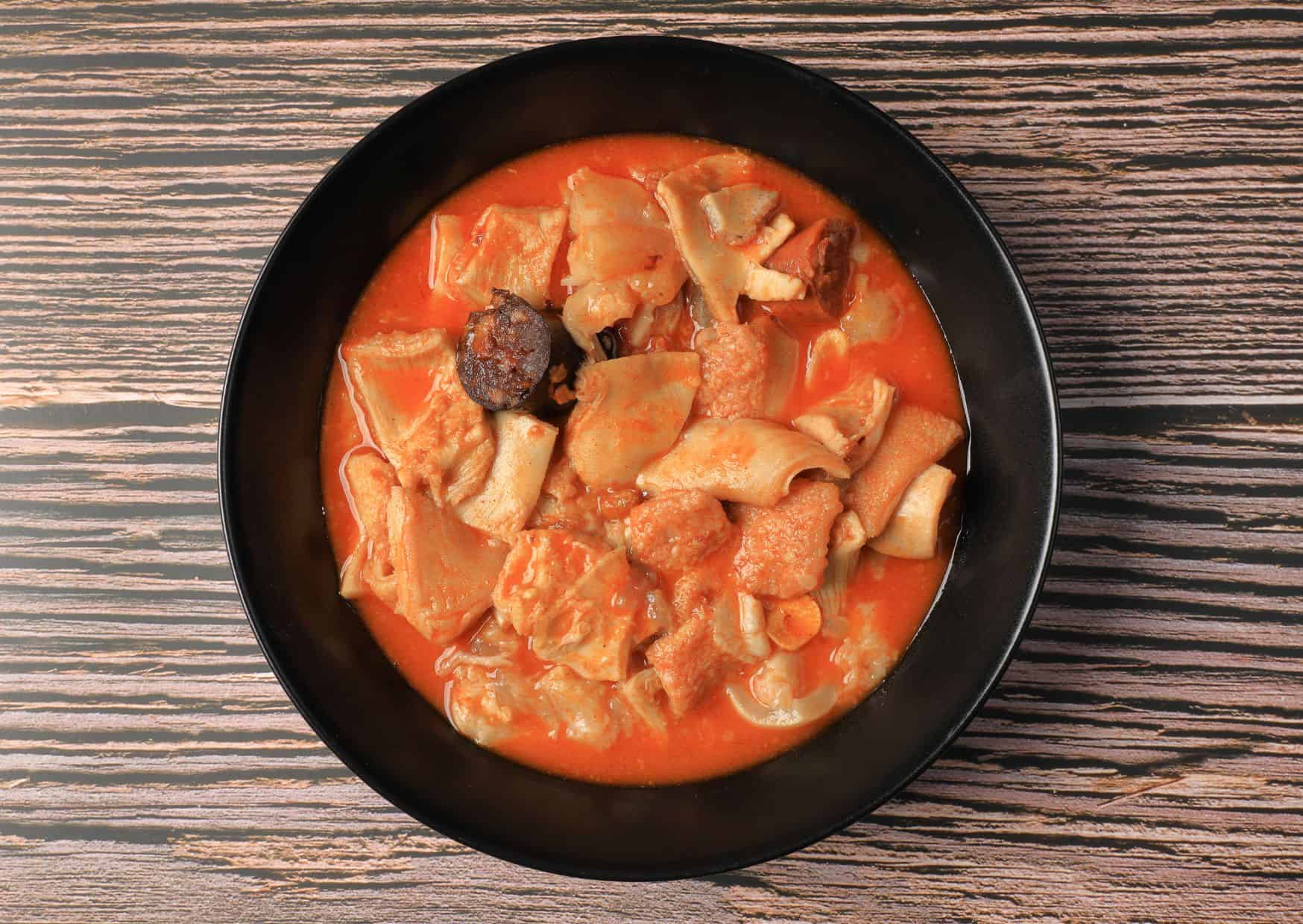
What’s Unfamiliar: Spaniards are known for their love of using every part of the animal. Dishes like callos (tripe stew), morcilla (blood sausage), and manitas de cerdo (pig’s feet) are traditional delicacies that might seem odd to foreigners.
Why It’s Confusing: These cuts of meat are not commonly consumed in many countries, and the idea of eating organs or feet can be off-putting.
Tip: These dishes are considered delicacies in Spain, and trying them can be a great way to explore traditional Spanish cuisine. Start with morcilla or a simple stew to ease into these less familiar foods.
Read here the worst food to try in Spain
8. “Tortilla” Doesn’t Mean What You Think
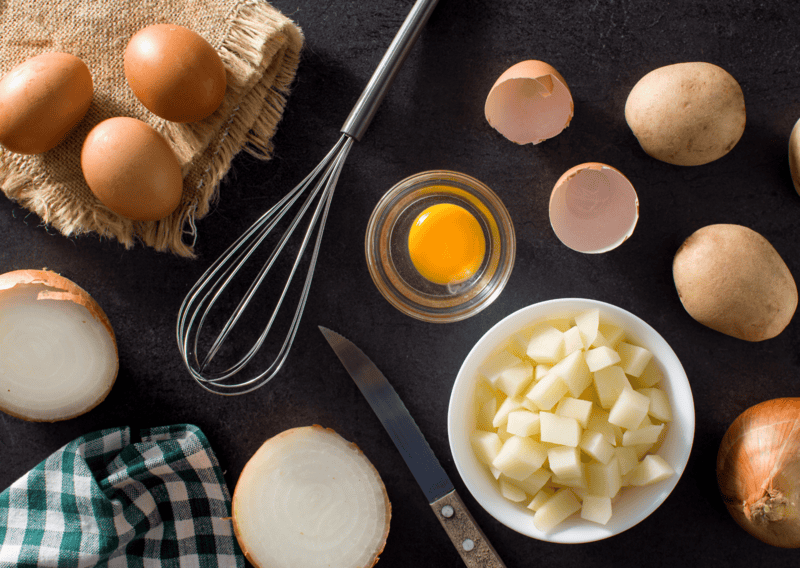
What’s Unfamiliar: In Spain, a tortilla is not the flatbread used for Mexican food but rather a thick, hearty omelet made with eggs and potatoes, called tortilla española or tortilla de patatas.
Why It’s Confusing: Many people associate the word “tortilla” with the Mexican variety, so it can be surprising to be served an omelet when ordering one in Spain.
Tip: Tortilla española is a must-try dish in Spain. It’s simple yet incredibly delicious, especially when made with onions (tortilla de patatas con cebolla). It’s commonly eaten at any time of day.
9. Paella Is Not Just Seafood
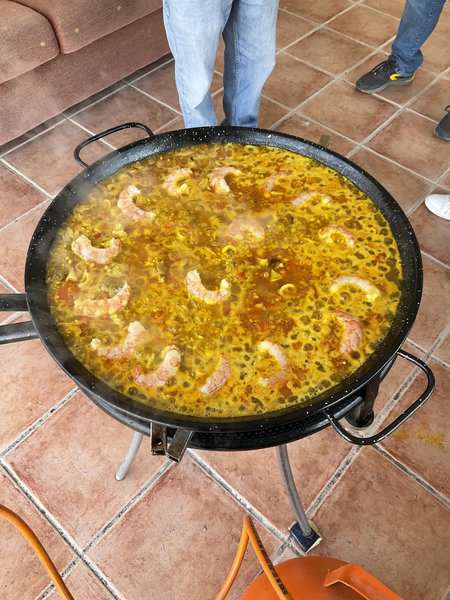
What’s Unfamiliar: Many tourists expect all paella to contain seafood, but in fact, paella comes in many varieties. The original paella Valenciana is made with rabbit, chicken, and sometimes snails. There’s also paella mixta (a combination of meats and seafood) and arroz negro (black rice made with squid ink).
Why It’s Confusing: Visitors often associate paella only with seafood, so seeing meat or other ingredients in it can be unexpected.
Tip: Try the traditional paella Valenciana in its original form. If you’re a seafood lover, opt for paella de mariscos, but don’t miss the opportunity to explore other varieties.
10. Sweet and Savory Combinations
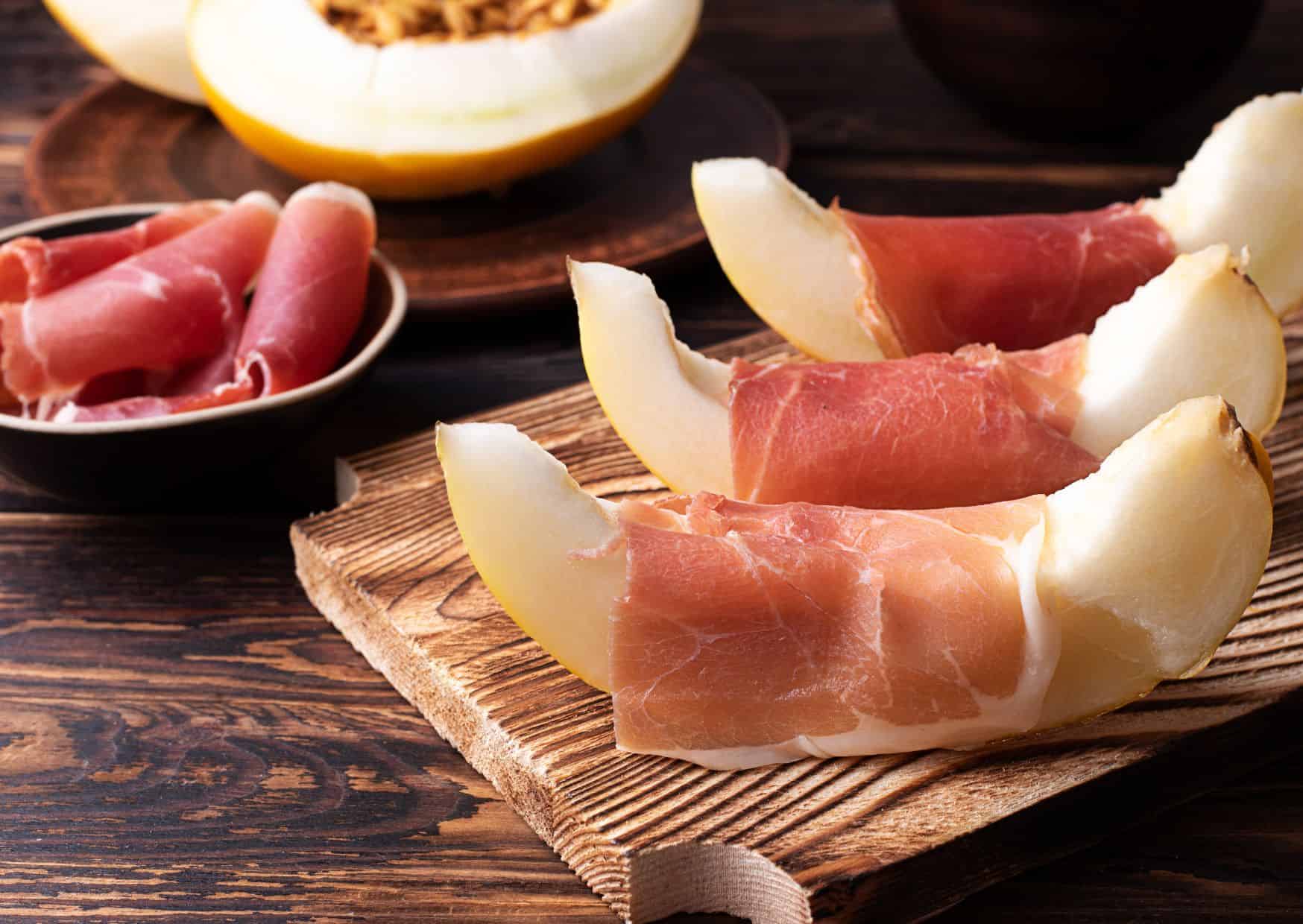
What’s Unfamiliar: Spaniards love combining sweet and savory flavors in unexpected ways. A common example is melón con jamón (melon with ham), which combines the sweetness of ripe melon with the salty savoriness of cured ham.
Why It’s Confusing: These flavor pairings can seem strange to those who are not used to mixing sweet and savory foods.
Tip: Be adventurous and try these combinations! The contrast of flavors is surprisingly balanced and delightful, and you’ll find many more examples of this in Spanish cuisine.
Final Thoughts
Spain’s food traditions may seem unfamiliar or even strange at first, but they offer an opportunity to slow down, savor, and rethink your relationship with meals. By understanding the intent behind these habits, you begin to appreciate that food in Spain isn’t just sustenance—it’s a celebration of daily life.
Instead of trying to force your own customs into Spanish dining culture, try adapting. Wait a little longer for dinner, enjoy a long sobremesa (post-meal chat), and take joy in the variety of small plates. These are not inconveniences—they’re invitations to connect more deeply with the people and the culture.
In the end, the confusion is part of the charm. Spanish food isn’t meant to be fast or flashy—it’s meant to be felt. And once you embrace that, you’ll discover a richer, more fulfilling way to experience travel through flavor.

About the Author: Ruben, co-founder of Gamintraveler.com since 2014, is a seasoned traveler from Spain who has explored over 100 countries since 2009. Known for his extensive travel adventures across South America, Europe, the US, Australia, New Zealand, Asia, and Africa, Ruben combines his passion for adventurous yet sustainable living with his love for cycling, highlighted by his remarkable 5-month bicycle journey from Spain to Norway. He currently resides in Spain, where he continues sharing his travel experiences with his partner, Rachel, and their son, Han.