
And what it reveals about pricing psychology, cultural assumptions, and why one country expects value while the other expects a view
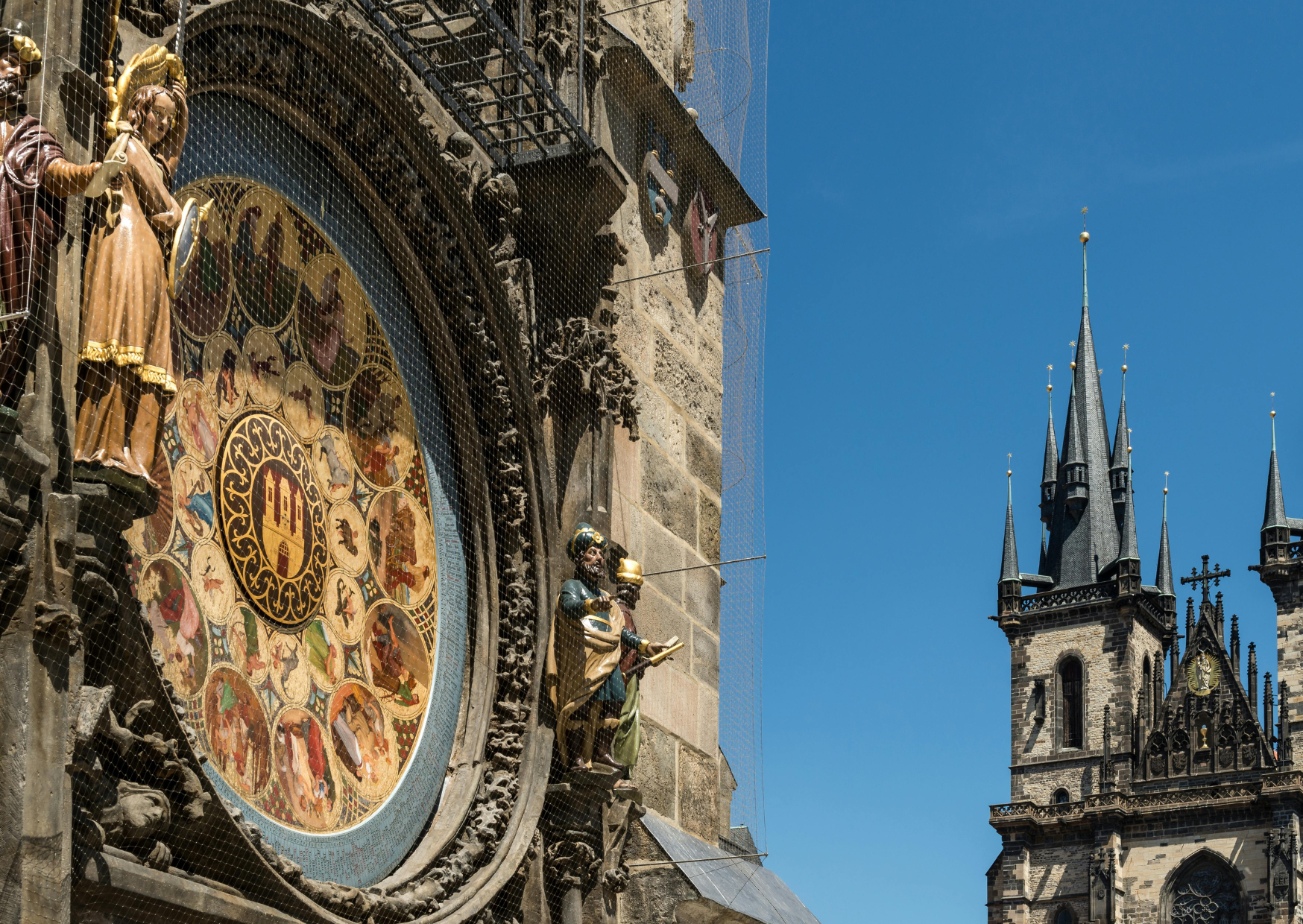
In the center of Prague’s Old Town, beneath the medieval Astronomical Clock, crowds gather every hour. Cameras tilt upward. People press against café rails. And while they sip overpriced beer and order “authentic Czech” goulash, locals walk briskly past—knowing better.
For many Americans, the experience is unforgettable. It’s charming, picturesque, and soaked in history. But the bill at the end? Often four times what a Czech would pay just three blocks away. There’s no “tourist menu.” No sign that reads “foreigner surcharge.” But it happens.
Here’s why Americans so often pay dramatically more at this iconic site—and how those costs are silently built into the experience.
Want More Deep Dives into Other Cultures?
– Why Europeans Walk Everywhere (And Americans Should Too)
– How Europeans Actually Afford Living in Cities Without Six-Figure Salaries
– 9 ‘Luxury’ Items in America That Europeans Consider Basic Necessities
1. Prime location pricing is expected—just not admitted
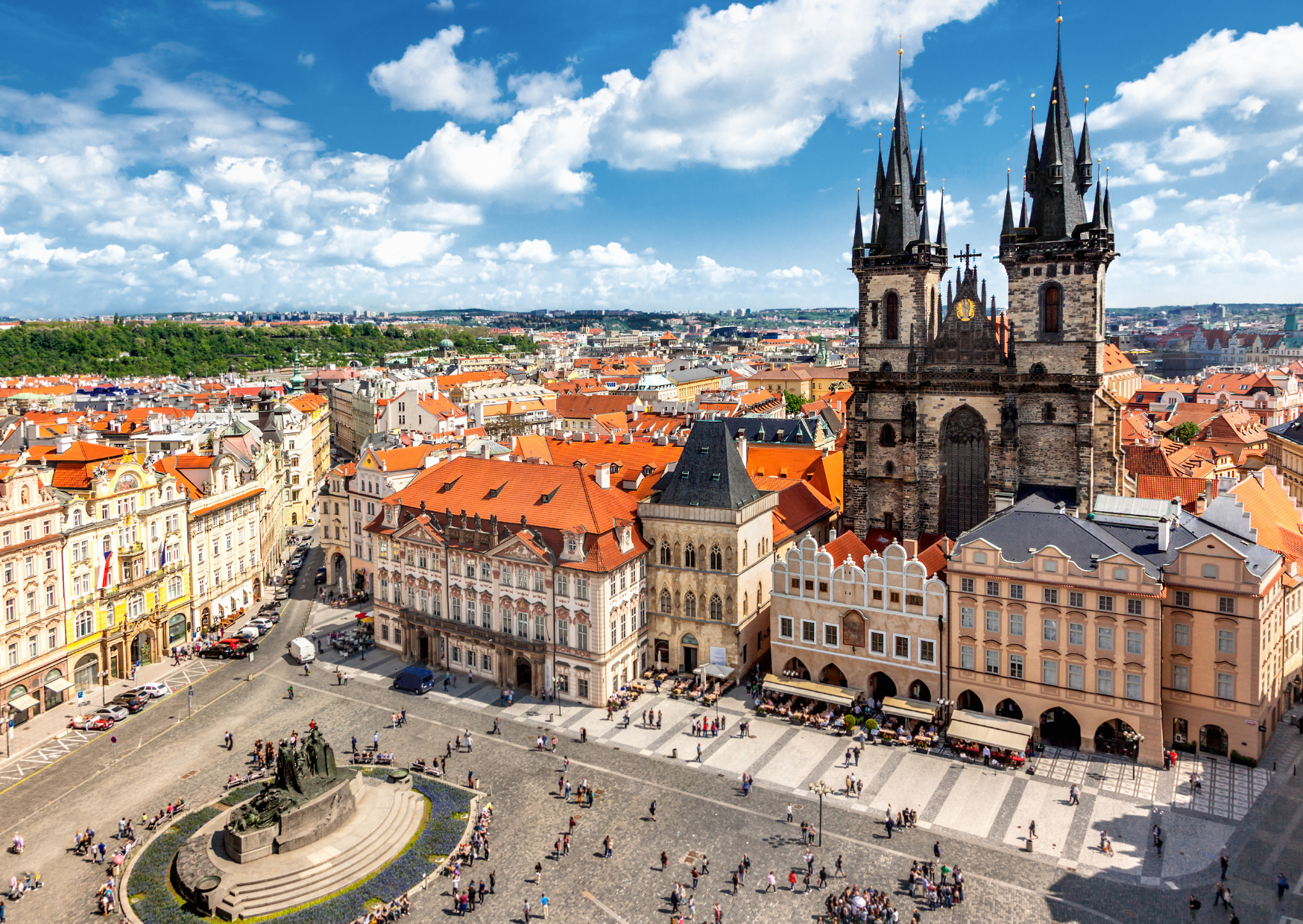
In Prague’s Old Town Square, location is everything. Cafés facing the Astronomical Clock charge more not for better food, but for uninterrupted views. Americans unfamiliar with the geography of European pricing expect consistency across a city. But in Prague, proximity to a landmark means prices jump—sometimes without logic.
Locals don’t eat in Old Town unless they’re meeting someone from out of town. They know where the real meals are: ten minutes out, two tram stops away. They pay a quarter of the price. The food is often better. The service more relaxed.
But tourists often land directly in the square. They’re tired. They’re hungry. They trust the menu. And without local pricing context, they order without hesitation.
2. Menus rarely post all the fees
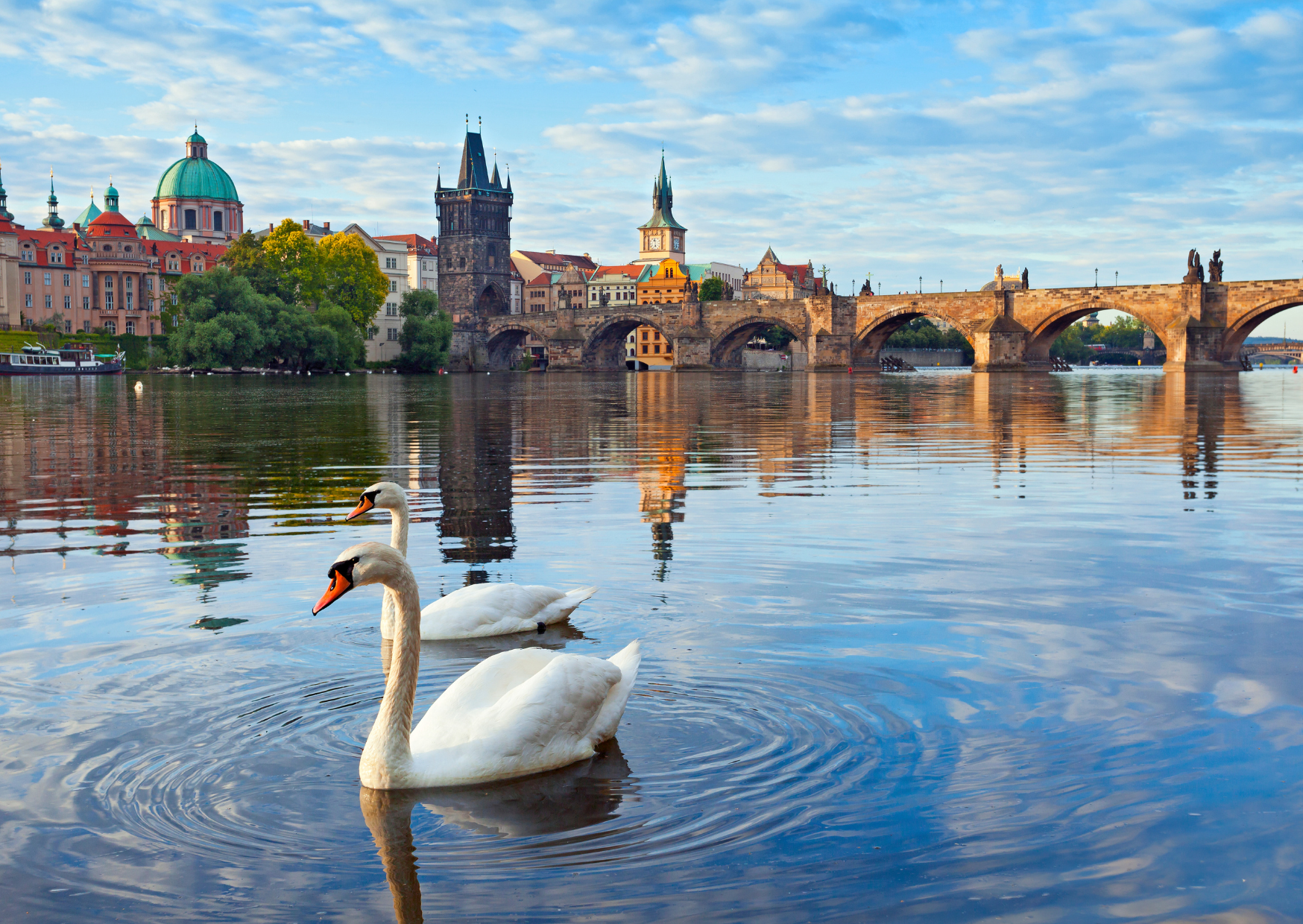
At many restaurants around the Astronomical Clock, menus list prices—but skip critical add-ons. That breadbasket you didn’t order? It’ll show up on your bill. A “service fee” of 10–15%? Also standard.
Americans are used to tipping, but they expect clarity. In Prague, gratuity is often built in for tourists—but rarely explained. Locals ask to have charges removed. Tourists don’t. And the system counts on that.
What feels like a full meal becomes a padded transaction. And without currency familiarity, few notice until the receipt.
3. English menus mean different pricing tiers
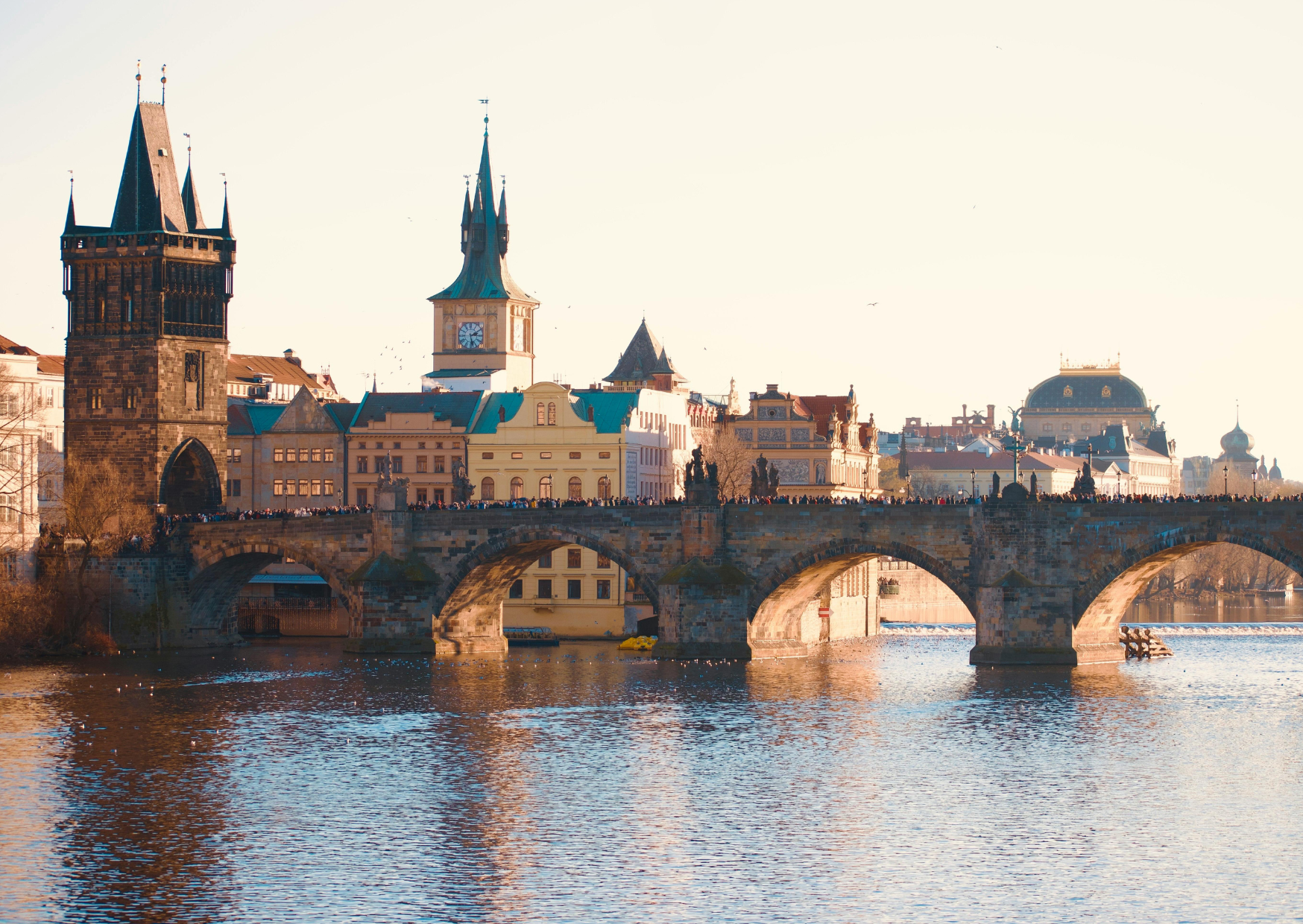
Many establishments offer two menus: one in Czech, one in English. They’re not always identical. Portions change. Pricing creeps. Dishes are “specials” that happen to cost more.
It’s not universal. But it happens often enough to be a pattern. Tourists receive menus tailored for their expectations. They won’t know what a local beer should cost. They’ll pay more for the same pour.
Some cafés offer QR menus that redirect visitors to different pricing structures based on language preference. The price difference might be modest—20 or 30 crowns—but it adds up.
4. Euro payments come with quiet penalties
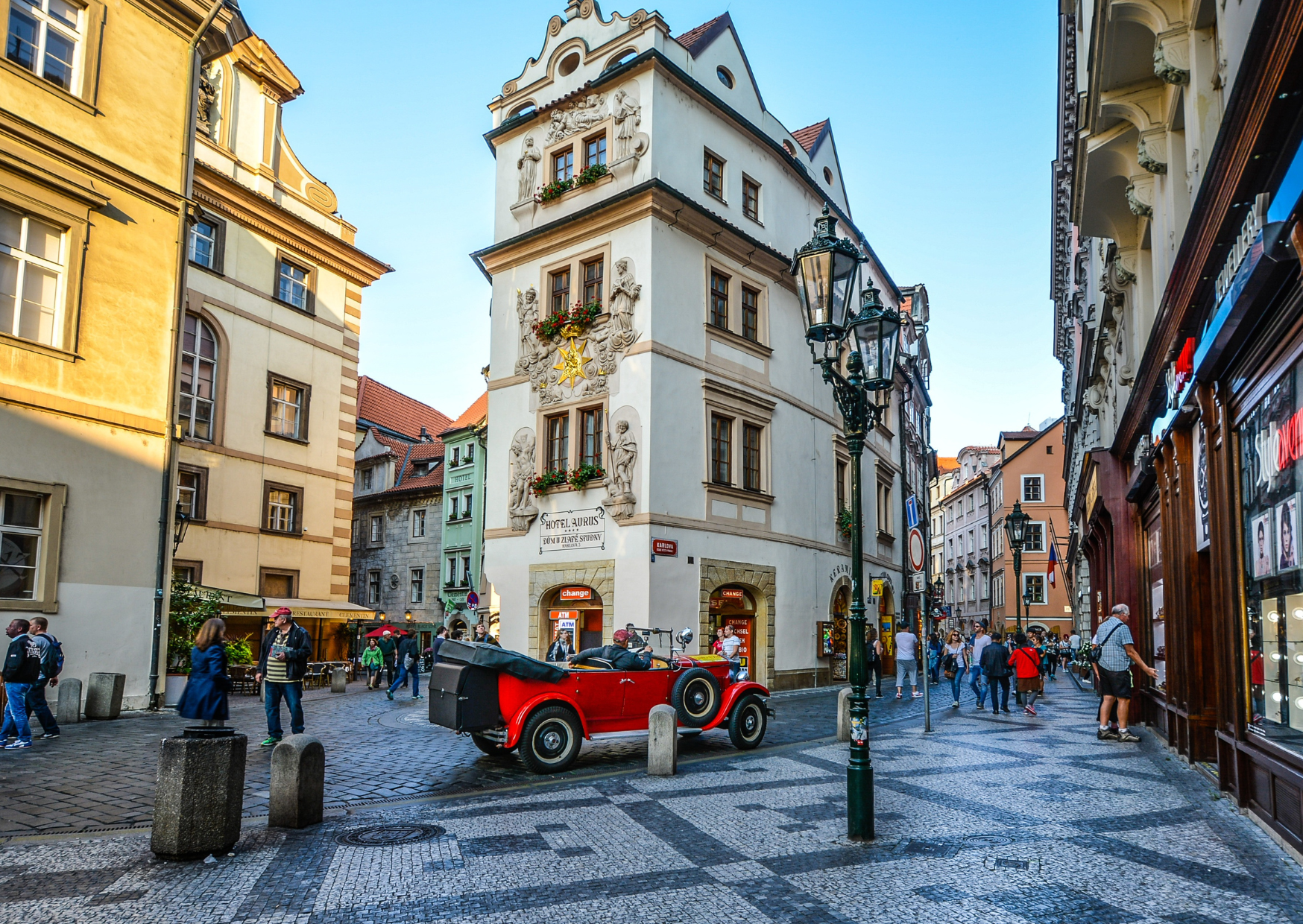
Despite the Czech Republic using the koruna, many Old Town vendors accept euros—and use poor exchange rates. Tourists appreciate the convenience. But they don’t calculate the loss.
Paying in euros means rounding. It means defaulting to whole amounts. It means receiving change in a currency you can’t use elsewhere. Americans, especially those who don’t check conversion rates, end up paying extra simply for using the wrong cash.
Locals pay in koruna. They know the value. They question rounding. They ask about exchange rates. Tourists don’t.
5. Experience sells more than authenticity
The cafés and restaurants ringing the square aren’t selling Czech cuisine. They’re selling a moment: the view of the clock, the hum of the crowd, the medieval façade.
That’s the product. The food is background. Americans used to paying for ambiance—rooftop bars, skyline dining—understand this intuitively. But they often expect quality to match price.
In Old Town, that’s a mistake. You’re paying for the seat. For the server who knows four languages. For the comfort of not walking another block. Locals laugh. Tourists post a photo and tip 15%.
6. Walking ten minutes changes the entire economy
Within 800 meters of the Astronomical Clock, prices drop dramatically. Walk to Žižkov, Vinohrady, or even just off Karlova Street, and you’ll find local cafés where lunch is half the price, and beer is back to 40 crowns.
Tourists who stay within the clock’s shadow don’t see this. They believe Prague is expensive. Locals see it differently: Old Town is expensive. The rest of the city isn’t.
This pricing density isn’t deceitful—it’s deliberate. Foot traffic and postcard views create micro-economies. And Americans who won’t wander miss out on the real price of the city.
7. Tipping culture creates false comparisons
In the U.S., tipping is a system. In Prague, it’s more fluid. Locals round up or leave small cash gratuities. But American visitors often tip American-style—15%, 20%, even 25%.
Some servers expect this. Some don’t. But either way, the final total rises fast. What looks like a reasonable main dish turns into a $40 lunch with add-ons and tipping norms exported from home.
Americans rarely realize their tip is duplicating a built-in service fee. And most won’t ask. That cultural expectation alone inflates every bill.
8. Locals know what things should cost
A Czech sees beer listed at 150 CZK and walks away. An American sees $6 and thinks it’s fair. A Czech expects bread to be free. An American doesn’t question the charge.
This asymmetry is subtle, but consistent. Locals have price memory. Tourists don’t. Vendors use that gap to test thresholds. The result? Two people at neighboring tables—one pays 180 CZK for lunch. The other pays 700.
It’s not illegal. It’s not even hidden. But it’s only visible if you know what to look for.
9. You’re paying for predictability
Tourist pricing isn’t just about extraction. It’s about risk management. Old Town businesses deal with hundreds of languages, diets, service expectations, and last-minute changes. They price for speed and simplicity.
You’re paying to be understood. To have an English-speaking server. To get a menu that makes sense. To be seated in a place everyone else already Googled.
Locals don’t need those things. So they don’t pay for them.
When Value Becomes a View
For Americans, the price of Old Town Prague isn’t always unfair—it’s unfamiliar. It blends nostalgia with markup. Convenience with cost. And it tells a quiet truth: you’re not paying for food. You’re paying to belong, briefly, to the photo.
Whether it’s worth it depends on your expectations. But once you know how to spot the layers—rounding, tipping, location-based fees—you stop feeling tricked. You start seeing the city for what it is: two economies layered across the same stone square.
Next time, walk five minutes out. Pay less. Order more. And watch the Astronomical Clock from the edge of the crowd—where the view still holds, and the price doesn’t bite.

About the Author: Ruben, co-founder of Gamintraveler.com since 2014, is a seasoned traveler from Spain who has explored over 100 countries since 2009. Known for his extensive travel adventures across South America, Europe, the US, Australia, New Zealand, Asia, and Africa, Ruben combines his passion for adventurous yet sustainable living with his love for cycling, highlighted by his remarkable 5-month bicycle journey from Spain to Norway. He currently resides in Spain, where he continues sharing his travel experiences with his partner, Rachel, and their son, Han.