
And what it reveals about daily noise, mutual intrusion, and why one culture sees neighbors as family while the other sees them as boundary violations
In Spain, the concept of personal space stretches differently. Your neighbor knocks on your door at 10 p.m. to ask about your lights. Your landlord stops by unannounced to “see how things are.” A cousin calls to ask for a favor that will take all weekend. And you say yes.
You complain, but you say yes.
To Americans, this level of social obligation feels invasive. The expectation that you’ll help, show up, host, lend, watch someone’s child, tolerate someone’s music, or keep your door open when you want it closed is enough to make you search for a rental with better soundproofing—or move states.
But in Spain, these behaviors aren’t considered violations. They’re part of belonging. You live in a community, not just in a unit. You share your presence, not just your walls. And when someone needs something, it’s not seen as an imposition—it’s assumed you’re part of the solution.
Here’s why Spanish community life feels like overreach to Americans—and why many Spaniards wouldn’t live any other way.
Want More Deep Dives into Other Cultures?
– Why Europeans Walk Everywhere (And Americans Should Too)
– How Europeans Actually Afford Living in Cities Without Six-Figure Salaries
– 9 ‘Luxury’ Items in America That Europeans Consider Basic Necessities
1. Privacy exists, but isn’t sacred

In American culture, privacy is a baseline. It’s part of dignity, safety, and respect. You don’t call late. You don’t show up uninvited. You don’t ask too many personal questions unless invited.
In Spain, privacy is real—but it’s not untouchable. If someone rings your bell, you answer. If a neighbor sees you struggling with groceries, they take your bag—without asking. If your mother calls three times in one day, you answer, each time. The idea isn’t to retreat. It’s to stay available.
Americans often interpret this as boundary-crossing. But in Spain, it’s a sign that people care. Your life is visible. Your moods are noticed. You’re known. And being known, even inconveniently, is considered safer than being left alone.
2. Noise is not considered disrespectful
Spanish cities and villages are loud. Not just from traffic, but from life. Children play outside at midnight in summer. Neighbors drag chairs across tile floors. Conversations echo in stairwells. Music leaks from open windows.
In the U.S., this would prompt complaints. In Spain, it’s tolerated—sometimes even celebrated. Noise is proof that people are around. That someone is cooking, arguing, living. You don’t demand silence. You work around the sound.
That doesn’t mean Spaniards never get annoyed. But they rarely escalate noise to formal conflict. To complain officially is seen as a failure of relationship, not just inconvenience. The expectation is to talk—to knock on the door, ask directly, or put up with it. Because tomorrow, you might be the loud one.
3. Favors are ongoing, not one-time gestures
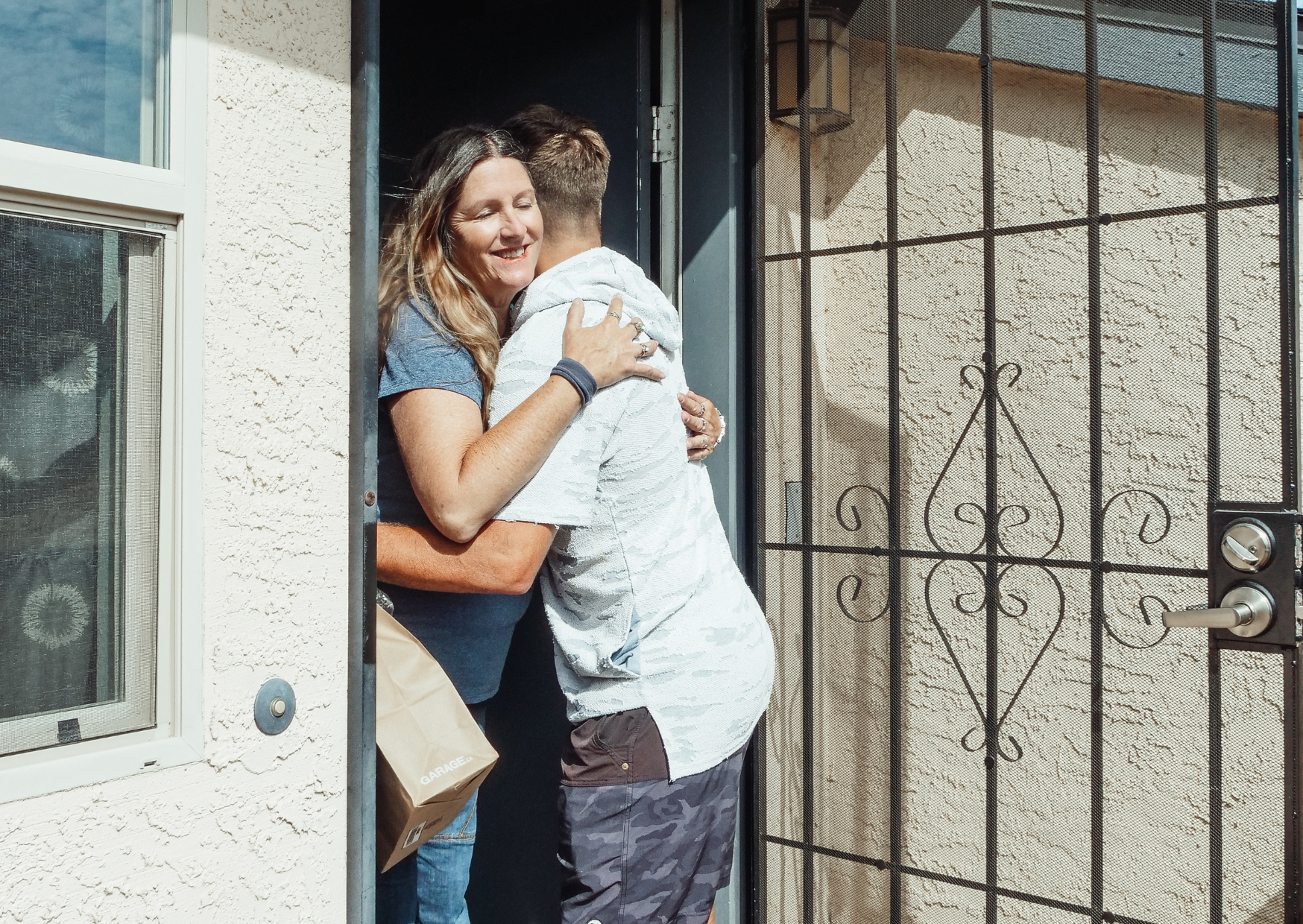
In the U.S., asking for a favor can feel like a big deal. You weigh whether it’s fair. You apologize. You minimize the ask. And the recipient sees it as an exception.
In Spain, favors are a rolling system of mutual support. You watch my kids on Thursday, I help your uncle paint his flat on Saturday. You borrow my car, I borrow your brother’s drill. No one keeps score exactly. But there is a long memory.
This dynamic is what keeps neighborhoods running. It creates a net that people fall into—sometimes reluctantly, but reliably. For Americans who value autonomy, this can feel like over-involvement. But in Spain, it’s the price—and privilege—of being woven into the group.
4. Family duties override personal plans
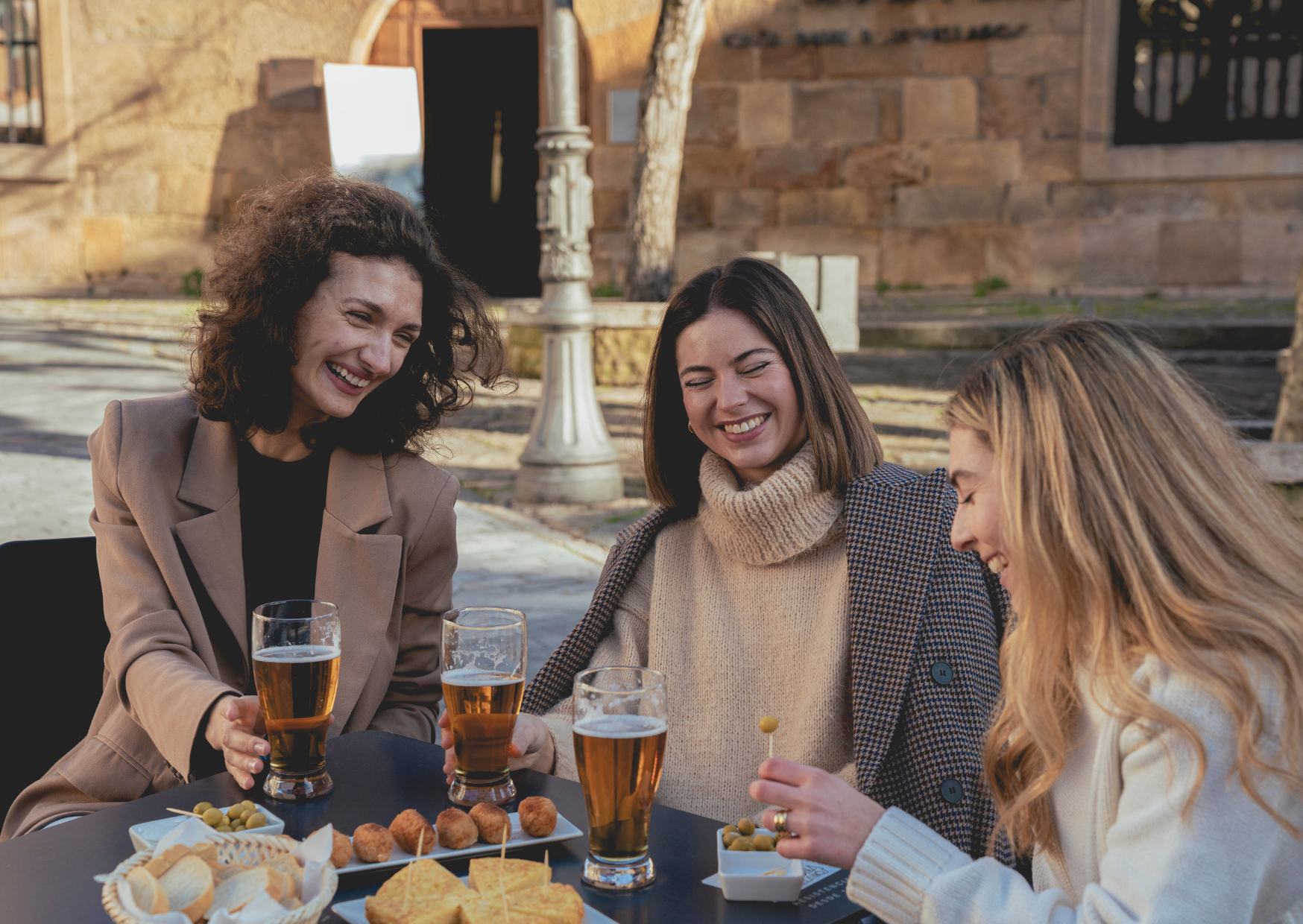
Many Americans see extended family as optional—important, but balanced with personal needs. If your cousin needs a ride to the airport, you check your calendar. If your grandmother calls during dinner, you might call back later.
In Spain, these calculations are different. If a family member asks, you go. You adjust. Refusing is not framed as independence—it’s seen as rejection.
Family obligations are immediate. Help is expected. Absence is noticed. Even minor events (a child’s school performance, a neighbor’s birthday) take priority over private routines. The result is both comforting and intense.
For Americans, it can feel like guilt. For Spaniards, it feels like love—even when it’s exhausting.
5. Community includes unsolicited opinions
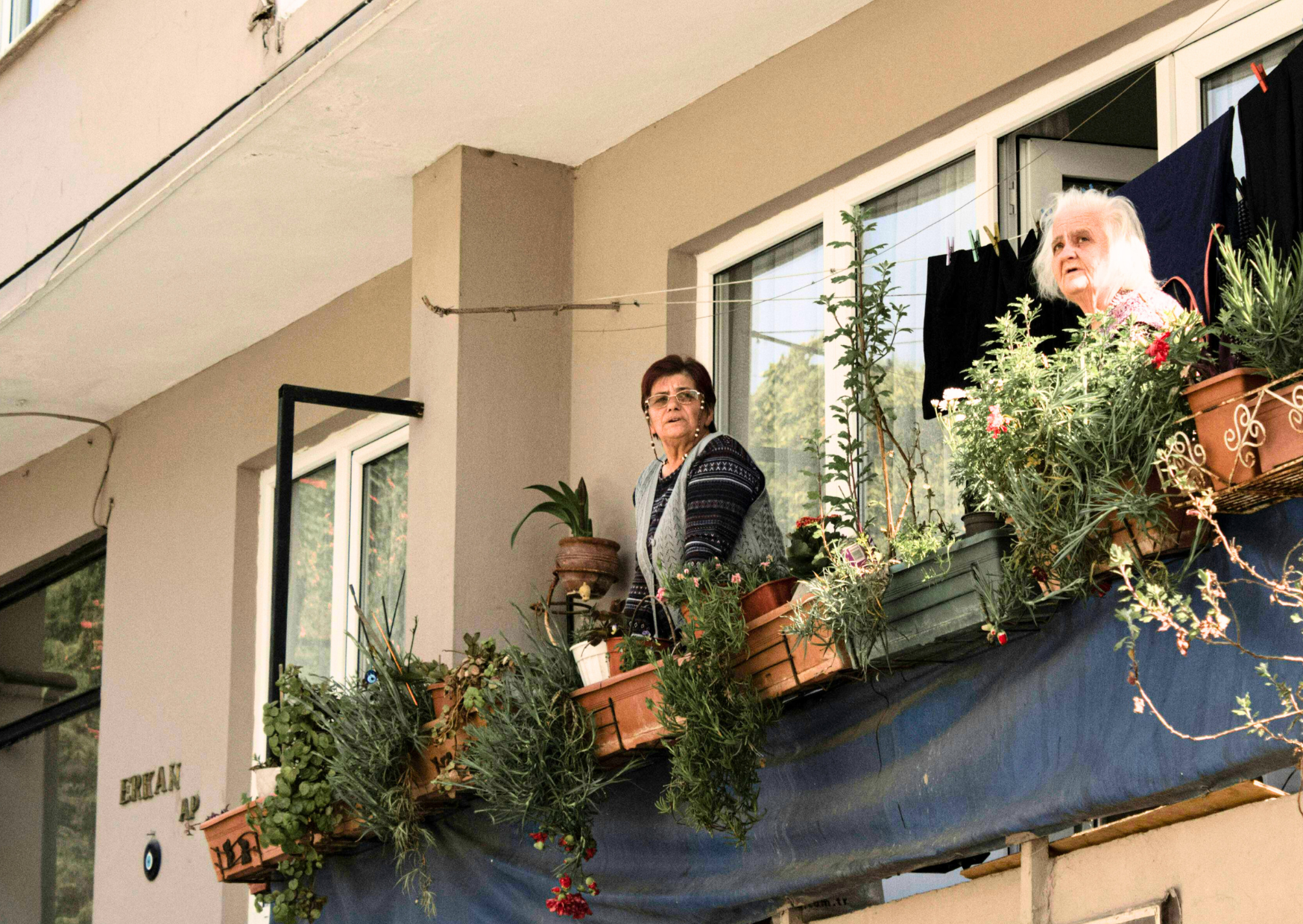
Spanish social life includes commentary. A neighbor might tell you to wear a jacket. A shopkeeper might note that you look tired. A relative might ask, with no preamble, why you haven’t had children yet.
In the U.S., this kind of comment would be seen as overstepping. But in Spain, it’s read as interest, not intrusion. If someone says nothing, that’s when you worry.
This extends to parenting, politics, appearance—nothing is entirely private. Conversations are open-source. You can respond with annoyance, humor, or deflection. But ignoring someone isn’t the norm.
Americans value boundaries as protection. Spaniards value contact as connection. Even when it stings.
6. You’re expected to show up for others, not just yourself
In Spanish towns and neighborhoods, presence matters. You attend gatherings even if you don’t feel like it. You visit relatives even when it’s inconvenient. You walk with someone who needs company, even if you have other plans.
The goal isn’t to be efficient. It’s to be available. Being there proves care. Cancelling too often breaks trust. Showing up physically holds more weight than saying something nice later.
Americans often calculate value based on how much time they “have to give.” Spaniards give the time—and expect you to give it too.
7. Conflict is direct—but usually short
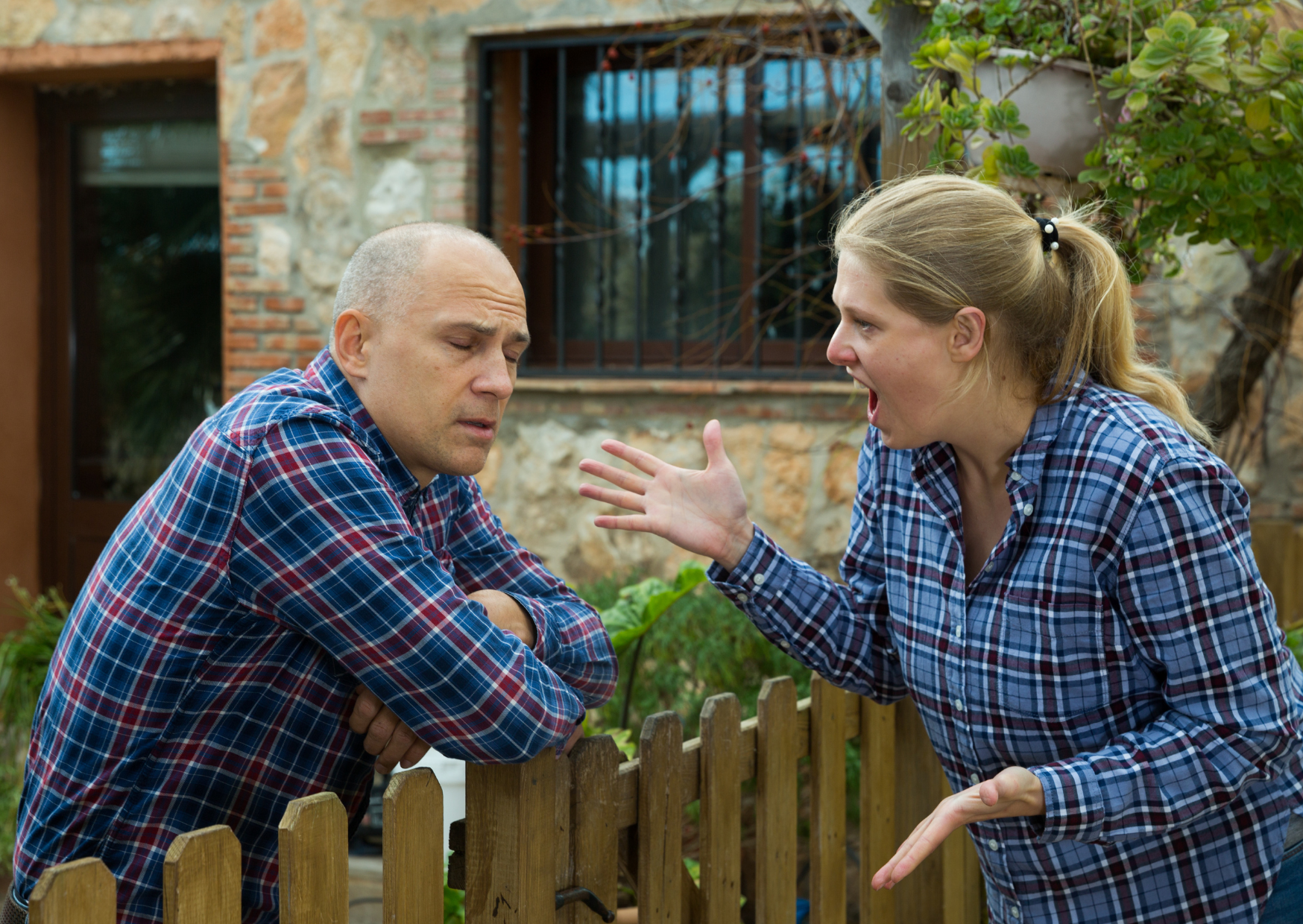
In the U.S., conflict is often delayed, softened, or redirected. In Spain, if someone’s angry, they say it. If you forgot something, they bring it up. If you were rude, they name it.
This can feel intense. But it’s also fast. Explosions are followed by resets. The conflict is real—but so is the resolution. Grudges are rarer than outbursts.
Americans might feel attacked. Spaniards feel clarified. After an argument, people still have dinner together. Still show up the next day. Still help when asked.
The relationship is more important than the temporary discomfort.
8. Independence is not an admired virtue
In Spain, independence is not the highest value. Connection is. The goal isn’t to stand alone—it’s to be embedded. People live at home longer. They ask for help. They call often. They lean in.
This doesn’t mean people are helpless. It means they don’t fear dependency. They see life as interdependent by default.
Americans admire self-reliance. Spaniards admire reliability. Being the one who others can count on—and who can count on others—is the mark of maturity.
9. You live in shared time
In Spanish culture, your time is not entirely your own. Plans are flexible. Meals stretch. Conversations expand. If a neighbor needs to talk, your clock pauses.
You don’t “fit people in.” You give them the moment. This isn’t about being late. It’s about being present.
Americans often schedule their days to the minute. Spaniards let the day grow through contact. Time is elastic. Relationships are not.
When the Net Feels Too Tight
For Americans, Spanish social life can feel like entanglement. Too many demands. Too much noise. Too little space. But for Spaniards, it’s what makes life full—even when it’s inconvenient.
Living in a community means absorbing the friction. It means you’re part of a net that pulls you in when you’d rather pull away. And in that pull, you feel that you exist—not just privately, but publicly.
It’s not always comfortable. But it’s human. And for many, that’s worth the cost of never being fully alone.

About the Author: Ruben, co-founder of Gamintraveler.com since 2014, is a seasoned traveler from Spain who has explored over 100 countries since 2009. Known for his extensive travel adventures across South America, Europe, the US, Australia, New Zealand, Asia, and Africa, Ruben combines his passion for adventurous yet sustainable living with his love for cycling, highlighted by his remarkable 5-month bicycle journey from Spain to Norway. He currently resides in Spain, where he continues sharing his travel experiences with his partner, Rachel, and their son, Han.