
(And Why It Might Be the Reason They Sleep Better, Stress Less, and Live Slower)
In the United States, bedtime tends to be practical. You brush your teeth, scroll your phone, maybe watch a show, and collapse into bed with half a to-do list still bouncing around in your head.
In much of Europe, bedtime is different. It is not rushed, not sterile, not just a way to end the day. It is a ritual—a habit that seems small on the surface but reveals a lot about how Europeans treat time, home, and rest.
This one habit is so woven into everyday life that most Europeans don’t even realize it’s unusual until an American points it out.
Here’s the bedtime behavior that’s completely normal across much of Europe—but often shocking to Americans.
Want More Deep Dives into Everyday European Culture?
– Why Europeans Walk Everywhere (And Americans Should Too)
– How Europeans Actually Afford Living in Cities Without Six-Figure Salaries
– 9 ‘Luxury’ Items in America That Europeans Consider Basic Necessities
Quick & Easy Tips
Shower at Night, Not Morning: Europeans often wind down with a warm shower before bed for hygiene and better sleep.
Ditch Pajamas for Minimalist Sleepwear: Many Europeans prefer minimal or no clothing for improved comfort and temperature regulation.
Use Separate Bedding: Consider individual duvets or blankets for fewer sleep disruptions.
Keep It Cool: Europeans typically sleep in rooms as cool as 60–65°F, which promotes deeper rest.
Skip Screens: Reading or talking before sleep is more common than scrolling phones or watching TV in bed.
What feels normal in one country can be a cultural curveball in another. In much of Europe, showering at night is not just a hygiene preference — it’s a non-negotiable ritual. For many Americans who were raised on the “morning shower equals productivity” mindset, this flip in routine can be surprising or even unsettling. But Europeans argue: why carry the dirt of the day into bed? To them, crawling into clean sheets unwashed is borderline rude — to yourself and your partner.
Another bedtime norm that throws off Americans is what Europeans don’t wear. While Americans often sleep fully clothed in matching pajama sets, many Europeans opt for minimal sleepwear — or none at all. This isn’t about being provocative; it’s rooted in comfort, temperature control, and even better skin health. In cultures that value practicality and body neutrality, sleeping nude isn’t rebellious — it’s just efficient.
Finally, the idea of separate duvets for couples — widely practiced in countries like Germany, Denmark, and Sweden — can seem like a threat to intimacy for Americans. But in Europe, it’s seen as a smart way to share a bed without sacrificing sleep quality. Americans tend to associate shared covers with romantic closeness, while Europeans argue that better rest equals a better relationship. It’s not about division — it’s about respecting each other’s space within closeness.
1. They Get Ready for Bed Long Before They Go to Sleep

In the U.S., most people change into pajamas, turn off the lights, and lie down when they’re ready to actually sleep. There is little gap between “preparing for bed” and sleep itself.
In Europe, these things happen earlier—and more gradually.
- People often change into sleepwear well before they intend to sleep.
- Many dim the lights, lower the volume of music or TV, and begin to wind down hours before bed.
- Some even treat bedtime like a second evening, rather than a countdown to unconsciousness.
The shock for many Americans is not the act of changing clothes or washing up. It is how early it happens, how long the wind-down period lasts, and how intentional the atmosphere becomes.
2. Evenings Stretch Out After Dinner—Not Toward a Screen

In American culture, post-dinner time is often absorbed by screens. Streaming, phone scrolling, or email catch-up dominate the hours before bed.
European households tend to treat this window differently.
- It is a time for conversation, reading, music, or quiet hobbies.
- Television might be on, but it is usually part of a shared activity—not background noise for multitasking.
- Screen use tends to taper off naturally, not abruptly or guiltily.
This leads to a slower decline into rest, instead of a jarring stop. For many Europeans, there is no harsh transition from stimulation to silence.
3. The Bedroom Is Treated Like a Sanctuary

Americans often treat the bedroom as a practical space. It may double as an office, a laundry area, or a storage zone. Beds are for collapsing into, not lingering in.
Europeans take a more curated approach.
- Beds are often made daily and sheets changed more frequently.
- Lighting is soft, not fluorescent.
- Rooms are tidy, with fewer electronics, and often smell subtly of soap, herbs, or fresh air.
There is a quiet reverence for the bedroom, even in modest homes. It is a space for calm, not productivity. This can be surprising to Americans who treat the bed as a place to multitask until sleep forces them to stop.
4. Sleepwear Is Still Treated With Dignity

In many parts of Europe, sleepwear is not a random old t-shirt or whatever is comfortable.
- Pajamas are clean, often coordinated, and intentionally chosen.
- They may be cotton in summer, flannel in winter, or silk for special occasions.
- People take pride in looking neat, even when no one sees them.
This habit reflects a deeper cultural belief: you should take care of yourself at all times—not only when you’re dressed for the public.
Americans often think of pajamas as private and irrelevant. Europeans often treat them as part of maintaining order and self-respect.
5. Sleep Is Not a Reward—It’s a Right
Americans often treat sleep like something that must be earned. After a long day of productivity, hustle, and multitasking, rest is allowed.
In Europe, sleep is considered non-negotiable.
- It is not a guilty pleasure or something to minimize.
- It is structured into the day with intention, not shoved to the margins.
- Even young children are taught that sleep matters—not as a rule, but as care.
This cultural baseline means there is less shame around winding down early, turning off your phone, or saying no to one more activity.
6. They Talk About Sleep Openly—And Plan For It
In the U.S., admitting you want to go to bed early can be seen as boring, antisocial, or even lazy. Europeans are more open about it.
- Saying “I need an early night” is completely normal.
- Friends understand if you decline an invitation to preserve your sleep rhythm.
- Parents actively protect sleep time—not just for kids, but for themselves.
Planning for sleep is a form of self-respect, not a sign of weakness. It is not uncommon for someone to announce they’re going to start “getting ready for bed” long before they’re tired.
7. They Ventilate the Bedroom Every Night
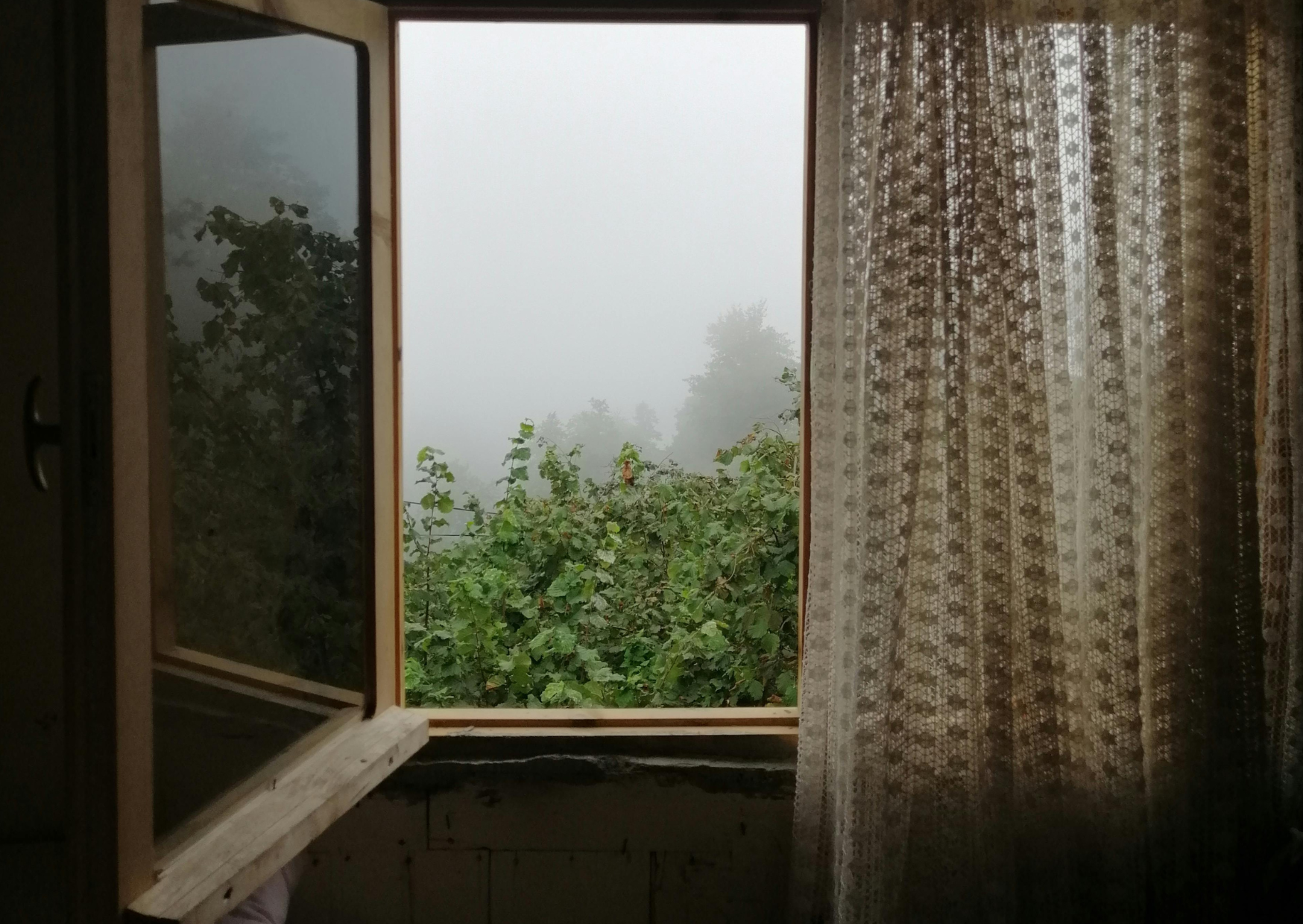
This habit surprises almost every American who visits Europe.
- Before bedtime, windows are opened—even in winter—to let fresh air circulate.
- Some people keep a small window cracked open all night.
- The idea is to clear the stale air and cool the room, which improves sleep.
Italians call it “cambiare l’aria.” Germans insist on fresh air for “gesundheit.” Scandinavians wouldn’t sleep in a sealed room if you paid them.
This small gesture transforms the space. It makes the air feel lighter and the body calmer. Americans, used to climate-controlled homes, often miss out on this simple nightly refresh.
8. They Use Bedtime as a Moment of Care
For many Americans, the bedtime routine is about efficiency. Brush your teeth, turn off the light, and try to sleep. For Europeans, it is more ritualistic.
- A cup of herbal tea
- A few pages of a novel
- Moisturizing hands or feet
- A short chat with a partner or child
These are not indulgent add-ons. They are daily rhythms that help the body and mind prepare for rest. There is no rush to shut down. The winding down is part of the pleasure.
9. They End the Day With Softness, Not Stimulation
This is perhaps the deepest cultural divide.
American evenings often carry the same urgency as the day. There are shows to watch, texts to answer, lists to complete. The momentum does not slow—it simply runs out.
European evenings are structured to decline gently.
- Lights are dimmed earlier.
- Music replaces noise.
- The home becomes quiet—not because the day is over, but because the body needs stillness.
This softness may seem excessive to those used to squeezing every drop out of a day. But it is part of why many Europeans sleep more deeply and wake with fewer regrets.
It’s Not About Luxury. It’s About Rhythm.
To outsiders, these habits may sound elaborate or even unnecessary. But they are not luxuries. They are daily rhythms that reflect a different relationship with time.
European bedtime routines are not about doing more or optimizing sleep. They are about respecting rest. Protecting it. Honoring the small acts that make us feel human.
If your evenings feel like they run you over, it may be time to borrow a little from the other side of the Atlantic. Open a window. Put on real pajamas. Dim the lights. And remind yourself that bedtime is not the end of the day—it is the beginning of your return to yourself.

About the Author: Ruben, co-founder of Gamintraveler.com since 2014, is a seasoned traveler from Spain who has explored over 100 countries since 2009. Known for his extensive travel adventures across South America, Europe, the US, Australia, New Zealand, Asia, and Africa, Ruben combines his passion for adventurous yet sustainable living with his love for cycling, highlighted by his remarkable 5-month bicycle journey from Spain to Norway. He currently resides in Spain, where he continues sharing his travel experiences with his partner, Rachel, and their son, Han.
KF
Saturday 19th of April 2025
Gesundheit = wish good health to someone who has just sneezed.
Lüften = ventilate