
And what it reveals about daily rhythm, cultural assumptions, and how one society runs on emptiness while the other runs on preparation
In the United States, mornings are built on foundations: a full breakfast, a to-do list, gym clothes, a motivational podcast, a 32-ounce water bottle. The American start to the day is structured, caffeinated, and often optimized. You prepare the night before. You hydrate immediately. You fuel up.
In Italy, mornings start with less. A small coffee. A brief wash. Maybe a single biscuit or a corner of cake. Sometimes nothing. You sit at the café in the same clothes as the day before. You greet the barista. You sip. You don’t sprint.
This contrast isn’t accidental—it’s cultural. The Italian morning isn’t built for momentum. It’s built for orientation. You’re not launching. You’re aligning. And in that rhythm, the absence of American essentials isn’t a lack. It’s the point.
Here’s why Italians skip the things Americans swear by—and why they don’t feel like anything’s missing.
Want More Deep Dives into Other Cultures?
– Why Europeans Walk Everywhere (And Americans Should Too)
– How Europeans Actually Afford Living in Cities Without Six-Figure Salaries
– 9 ‘Luxury’ Items in America That Europeans Consider Basic Necessities
1. There’s no breakfast-as-protein-delivery-system
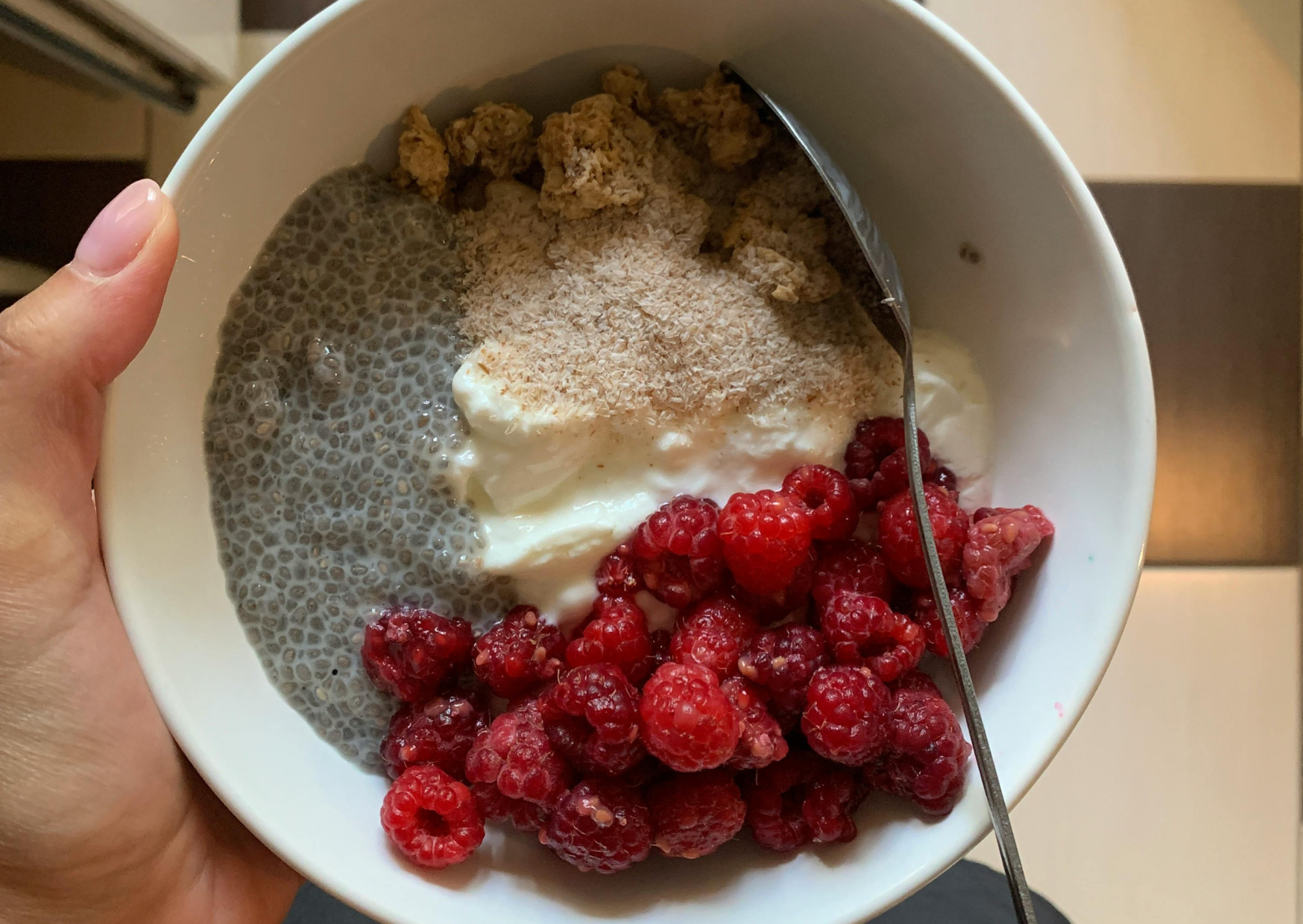
In the U.S., breakfast is often marketed as the most important meal of the day. It’s full of eggs, protein shakes, avocado, vitamins, or cereal fortified with ten nutrients. You eat to energize, build, stabilize, and perform.
In Italy, breakfast is light—almost symbolic. A cappuccino. A cornetto. A piece of stale cake dipped into milk. There’s no protein agenda. No macros. No message. Just something light to greet the stomach.
This doesn’t mean Italians aren’t hungry. It means they expect to eat later. Lunch is the center of the food day. Breakfast is a whisper. Starting light gives the body time to wake up without effort.
To Americans, this seems reckless. To Italians, the heavy breakfast feels overbearing and strange—like asking your digestion to run before it walks.
2. No one drinks giant water bottles first thing

In many American routines, water comes first. Big bottles, electrolyte powders, hydration reminders. The idea is to rehydrate after sleep and start the system strong.
In Italy, this is not a concern. People sip water when they want it. Not before coffee. Not on the bedside table. The concept of “hydration as performance prep” doesn’t exist.
Part of this is cultural—water isn’t measured. It’s drunk socially, with meals, or in passing. But it’s also sensory. Italians don’t like cold liquids in the morning. The idea of drinking 500ml before coffee feels jarring.
They’ll hydrate later—often with still water over lunch. But the ritual of gulping water to signal productivity is simply not how mornings begin.
3. The gym isn’t a morning identity

In the U.S., many people start their day with exercise. Running before work. Yoga before emails. The gym at 6 a.m. is common, even aspirational.
In Italy, early morning workouts are rare. Gyms exist, but they open later. Few people exercise before breakfast. Movement happens in the day: a walk, a bike ride, errands on foot.
This isn’t about laziness. It’s about pace. The idea of pushing your heart rate before eating, before sunlight, before social context feels abrupt. Italians prefer motion embedded in life—not separated from it.
Even athletes or fitness enthusiasts tend to work out in the evening. The morning isn’t for transformation. It’s for easing into awareness.
4. No one “makes their bed to feel accomplished”

The American morning checklist often includes small wins. Make the bed. Open the curtains. Set the tone. You prepare the space to prepare the self.
In Italy, beds are often left unmade until late morning. You don’t rush. You open windows for air. The room resets on its own time.
There’s no urgency to finish the space. The idea that bed-making is a discipline that teaches structure doesn’t translate. For many Italians, especially older generations, it’s just a task. Not a reflection of mindset.
That doesn’t mean the home is messy. It just means that order is functional, not symbolic.
5. No motivational audio tracks

American mornings often include noise: podcasts, affirmations, “get after it” playlists, or even silent gratitude recitations. The mind is nudged toward progress.
In Italy, the mornings are quieter. The soundtrack is coffee boiling, birds outside, a neighbor’s voice in the stairwell. There’s no performance pressure.
You read the paper. Scroll the headlines. Maybe comment on the weather. But there’s no expectation to “set your intention” before 8 a.m. You’re already a person. You don’t have to declare it before toast.
This doesn’t mean Italians aren’t ambitious. But ambition doesn’t start with mantras. It starts with movement—and conversation.
6. No supplements on the counter

In American kitchens, the morning includes pills, powders, probiotics, vitamins, and energy drinks. The countertop is part pharmacy, part lab. It’s routine.
In Italy, you won’t find that. Some people take medications. But the idea of morning as biochemical optimization is absent.
Food is still viewed as nourishment. Not fuel. If you need something, it’s in your cooking—not a capsule. Grandparents may take tonics or herbal elixirs, but the daily wellness routine isn’t clinical.
There’s no rush to “start clean.” The body isn’t broken. It’s just waking up. It doesn’t need repair—it needs gentleness.
7. Coffee is coffee—not a health formula

An Italian coffee is short, dark, and fast. Maybe with a splash of milk. No MCT oil. No oat collagen protein adaptogen dust.
The coffee isn’t blended. It isn’t stirred in a jar. It doesn’t have macros. It’s just coffee, taken standing up.
You don’t hold it in a travel mug. You don’t sip it over an hour. You drink it at the bar, with other people. In under two minutes. Then you go.
To Americans, this seems rushed. But to Italians, it’s exactly right. The coffee doesn’t start your productivity. It signals your presence. You’ve arrived.
8. The morning is not a time to prove things

In American culture, mornings are performative. You post your run. You share your breakfast. You outline your priorities. There’s pride in being ahead.
In Italy, no one expects to be ahead at 7 a.m. The morning is for small things. A slow wake. A glance at the sky. A walk to the corner bar. Progress starts later.
This isn’t laziness. It’s social rhythm. You don’t earn the day before the day begins. You grow into it.
What matters is not how much you’ve done by breakfast—but how fully you’ve entered your own skin.
What Feels Empty Might Actually Be Full

To Americans, an Italian morning can look incomplete. Where’s the protein? The bottle? The affirmation? The grind?
But in Italy, the absence is the richness. Less is not failure—it’s peace. You don’t have to build the day before living it. You just have to arrive.
And maybe, with one small coffee and someone nearby to say “buongiorno,” that’s already more than enough.

About the Author: Ruben, co-founder of Gamintraveler.com since 2014, is a seasoned traveler from Spain who has explored over 100 countries since 2009. Known for his extensive travel adventures across South America, Europe, the US, Australia, New Zealand, Asia, and Africa, Ruben combines his passion for adventurous yet sustainable living with his love for cycling, highlighted by his remarkable 5-month bicycle journey from Spain to Norway. He currently resides in Spain, where he continues sharing his travel experiences with his partner, Rachel, and their son, Han.