
And what it reveals about slowness, self-trust, and why one culture wakes up ready while the other wakes up already behind
In the U.S., mornings are a performance. You win them or lose them. You get ahead or fall behind. There’s a product for every minute: protein powders, time-blocking apps, smart alarm clocks, gratitude journals, gut supplements, cold plunges. The first hour of the day is a mirror of your discipline.
In Europe, mornings are quieter. Not slower, exactly—but softer. People move through routines without branding them. They don’t “own the day.” They wake up, check in, and begin.
That doesn’t mean Europeans are lazy or unstructured. It means they don’t treat the morning as a race. They don’t turn rituals into identity. And they don’t expect to solve their personality before 9 a.m.
Here are nine morning habits across Europe that break the American obsession with optimization and why they work.
Want More Deep Dives into Other Cultures?
– Why Europeans Walk Everywhere (And Americans Should Too)
– How Europeans Actually Afford Living in Cities Without Six-Figure Salaries
– 9 ‘Luxury’ Items in America That Europeans Consider Basic Necessities
1. Waking up without a plan

In many European households, mornings don’t start with a checklist. People get up, get dressed, and make coffee. That’s it. There’s no hyper-scheduled bullet journal or mental rehearsal.
The idea is to see what the day needs, not dictate it in advance. If you feel tired, you move slower. If you slept well, you speed up. The routine isn’t fixed—it’s responsive.
In the U.S., deviation from plan often feels like failure. But in Europe, flexibility isn’t seen as weakness. It’s seen as rhythm.
2. Skipping breakfast without guilt

Plenty of Europeans skip breakfast entirely—or just have coffee and maybe a biscuit. There’s no cultural pressure to eat a full meal first thing. No shame in eating light or late.
In the U.S., breakfast is moralized. If you skip it, you’re “slowing your metabolism” or “neglecting your fuel.” But in Europe, appetite is trusted. If you’re not hungry, you don’t eat. If you are, you’ll eat when you want.
That freedom reshapes the morning from a nutritional chore into a bodily check-in.
3. Moving naturally not scheduling workouts
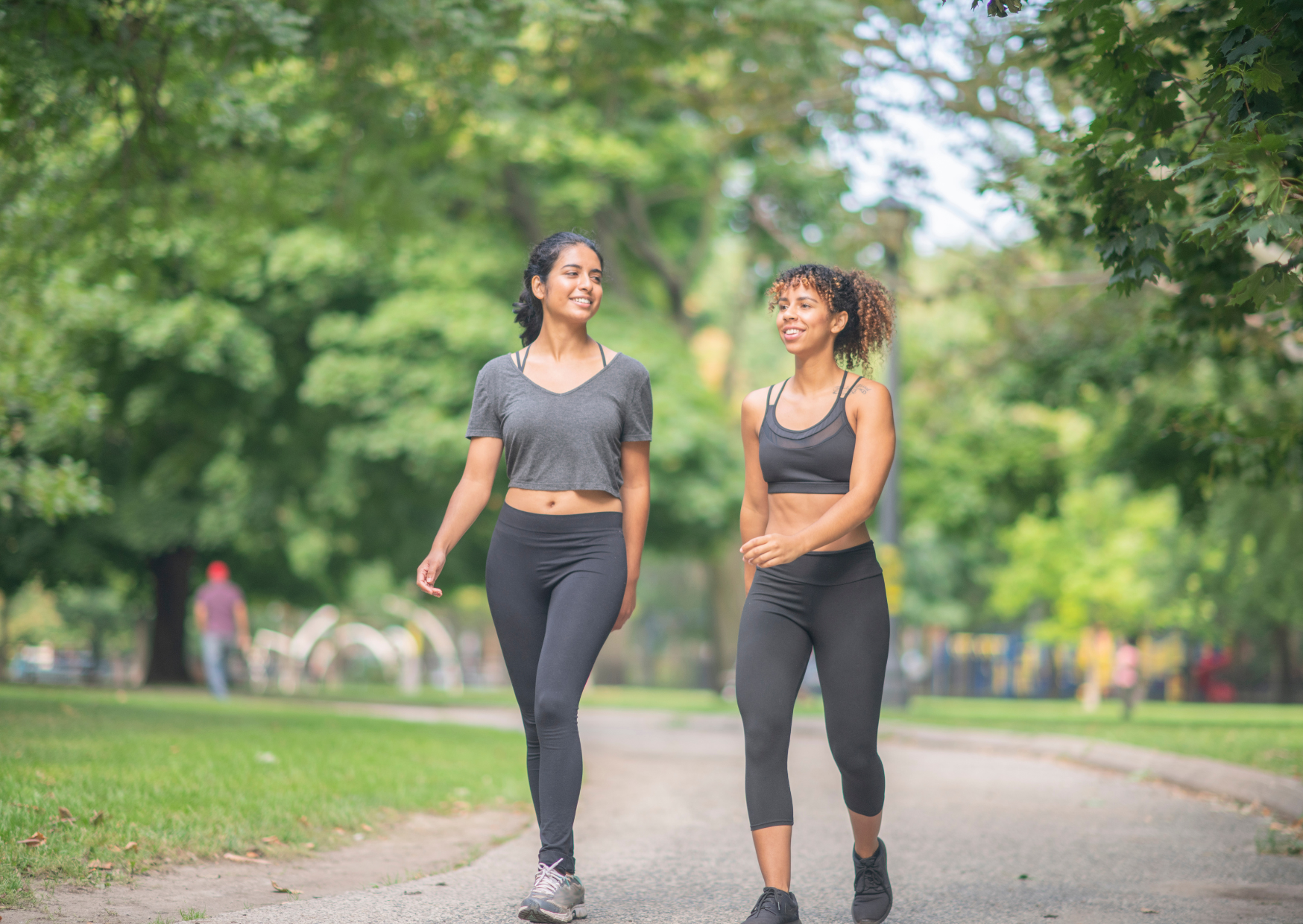
In American routines, exercise is often slotted like a meeting. You schedule a run. You do a class. You optimize your heart rate zone.
In Europe, especially in walkable cities, movement is already built in. You walk to the bakery. You carry groceries. You climb stairs. You stretch. But you don’t log it as performance.
Some Europeans do formal workouts, of course. But movement isn’t always engineered. It happens as part of living—and that makes mornings feel less mechanical.
4. Getting dressed without athleisure or statements

You won’t see most Europeans in full gym wear at 8 a.m. unless they’re actually going to a gym. The morning wardrobe is casual, but it’s still clothing—not spandex messaging identity.
There’s no need to declare your goals with a shirt that says “hustle” or “breathe.” You put on clothes that fit the day. Then you go live it.
This doesn’t mean fashion isn’t intentional. But the morning outfit doesn’t have to be the first proof of who you are.
5. Using paper over apps
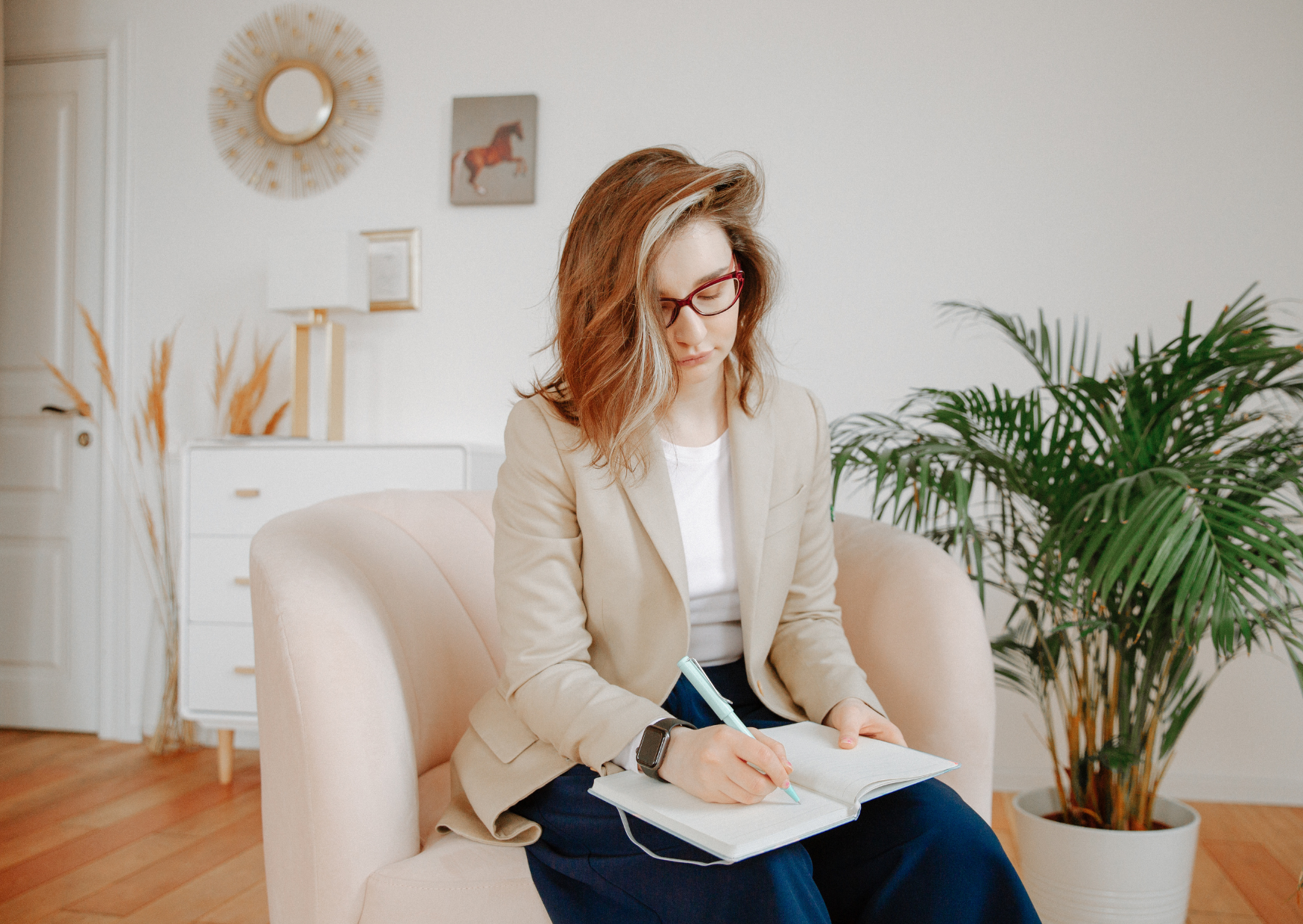
In parts of France, Germany, and Italy, people still jot notes on paper. They read the news in print. They scribble reminders on napkins or notebooks. Morning planning happens in ink, not notifications.
There’s no optimization software. No timer-blocking. No app that pings when your “focus block” begins. Just pen, paper, and time.
This habit builds privacy and presence. No algorithm tracks your wake-up mood. No cloud tells you how your morning went. You just move through it.
6. Drinking coffee for taste not timing

In the U.S., coffee is a launch button. It’s consumed early, fast, and in high volume. It signals start. It’s functional.
In Europe, coffee is an experience, not a trigger. It’s taken slowly—standing at a bar in Italy, sitting at a terrace in Spain, with conversation in France. Even when it’s small and quick, it’s savored.
No one talks about “caffeine hacks.” No one adds protein powder to espresso. You drink the coffee because it tastes good and centers you. That’s enough.
7. Reading news that’s not filtered by algorithm
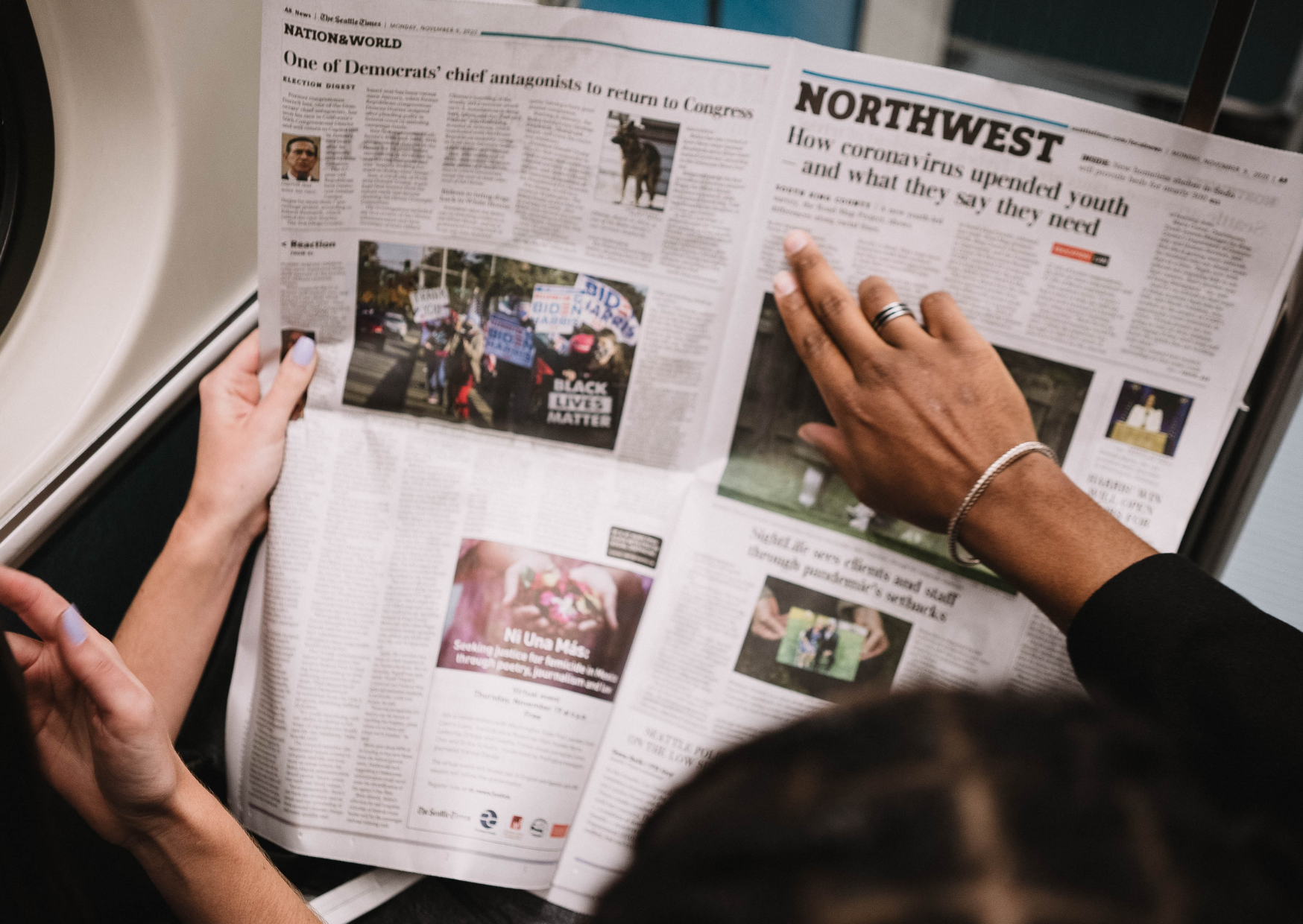
European mornings often begin with a newspaper. Not a feed. Not a curation. Not a swipe.
Even digital readers open the homepage of a local outlet. They don’t expect the algorithm to guess what matters. They want a fuller view—not just their interests fed back to them.
This shapes how the morning unfolds: not as reinforcement, but as orientation. You meet the world instead of scrolling into your own bubble.
8. Talking to someone instead of listening to content
In the U.S., mornings are full of podcasts, motivation clips, or wellness playlists. Audio fills silence. Every minute gets packed.
In Europe, silence is allowed. But when it’s broken, it’s usually by conversation, not content. You greet the grocer. You chat with a neighbor. You talk across the table.
There’s no pressure to be learning, improving, or conquering your mindset before 9 a.m. You’re allowed to just say good morning.
9. Letting the day start instead of getting ahead of it
Perhaps the biggest shift is this: Americans often start the day trying to get ahead of it. Europeans start the day by being in it.
There’s less urgency to control the outcome. Less fear of falling behind. The goal isn’t dominance—it’s presence.
You wake up. You see what’s ahead. And you respond—not because it’s optimal, but because it’s real.
How the Day Begins Shapes the Day That Follows
The way you start your morning teaches you what to expect from life. In the U.S., mornings teach discipline, speed, and competition. In Europe, they teach rhythm, connection, and trust.
That doesn’t mean one is better. But it does mean that a day started in presence—without tracking, branding, or optimizing—often unfolds with more softness.
And in a world full of noise, maybe the quietest mornings are the ones that actually carry us the farthest.

About the Author: Ruben, co-founder of Gamintraveler.com since 2014, is a seasoned traveler from Spain who has explored over 100 countries since 2009. Known for his extensive travel adventures across South America, Europe, the US, Australia, New Zealand, Asia, and Africa, Ruben combines his passion for adventurous yet sustainable living with his love for cycling, highlighted by his remarkable 5-month bicycle journey from Spain to Norway. He currently resides in Spain, where he continues sharing his travel experiences with his partner, Rachel, and their son, Han.