
(And How It Affects Hair Health More Than You Think)
If you have ever admired the thick, shiny, effortlessly healthy hair of people from the Mediterranean, you are not alone. From the glossy dark waves of southern Italy to the soft, sun-kissed curls of coastal Greece, there is something unmistakably vibrant about Mediterranean hair.
It is not just genetics or climate that makes the difference. It is also how Mediterranean people care for their hair—starting with how they wash it.
One major habit separates Mediterranean hair routines from American ones: they never wash their hair the way Americans often do. And this small difference impacts texture, strength, and long-term hair health far more than most people realize.
Here are nine key ways Mediterranean hair washing habits differ from American ones—and why it might be time to rethink what happens in your own shower.
Want More Deep Dives into Other Cultures?
– Why Europeans Walk Everywhere (And Americans Should Too)
– How Europeans Actually Afford Living in Cities Without Six-Figure Salaries
– 9 ‘Luxury’ Items in America That Europeans Consider Basic Necessities
Quick Easy Tips
Skip daily shampooing – 2–3 times per week is the Mediterranean norm.
Use lukewarm or cold water – It preserves natural oils and prevents frizz.
Choose oil-based pre-treatments – Olive oil or argan oil helps protect and nourish.
Avoid over-conditioning the roots – Focus on mid-lengths and ends.
Let it air-dry naturally – Heat-free styling keeps hair healthier long-term.
In much of the Mediterranean, hair care is deeply rooted in tradition, not marketing. Women from Italy, Greece, and Spain often grow up learning that over-washing strips natural oils and actually makes hair dirtier faster. Contrast this with the American standard of washing hair daily with commercial shampoos filled with sulfates and synthetic fragrance. The result? Drier scalps, more breakage, and a dependence on styling products to “fix” problems caused by overwashing.
The idea that clean equals daily shampooing is a cultural construct heavily influenced by the U.S. beauty industry. Mediterranean women embrace the natural cycle of scalp oils, treating them as nourishment rather than something to scrub away. They often use oil treatments before washing and focus on long-term scalp health, not just short-term shine. Many American routines—like blow-drying daily or using dry shampoo excessively—are seen as damaging and unnatural.
Even more striking is how Mediterranean women prioritize hair care as part of overall wellness. They believe that diet, sun, sea air, and stress management influence the beauty of hair more than products ever could. Americans, on the other hand, are often sold the idea that more products mean better results. In reality, that can lead to product overload and scalp imbalance. The Mediterranean method is not just simpler—it’s biologically smarter.
1. They Do Not Wash Daily
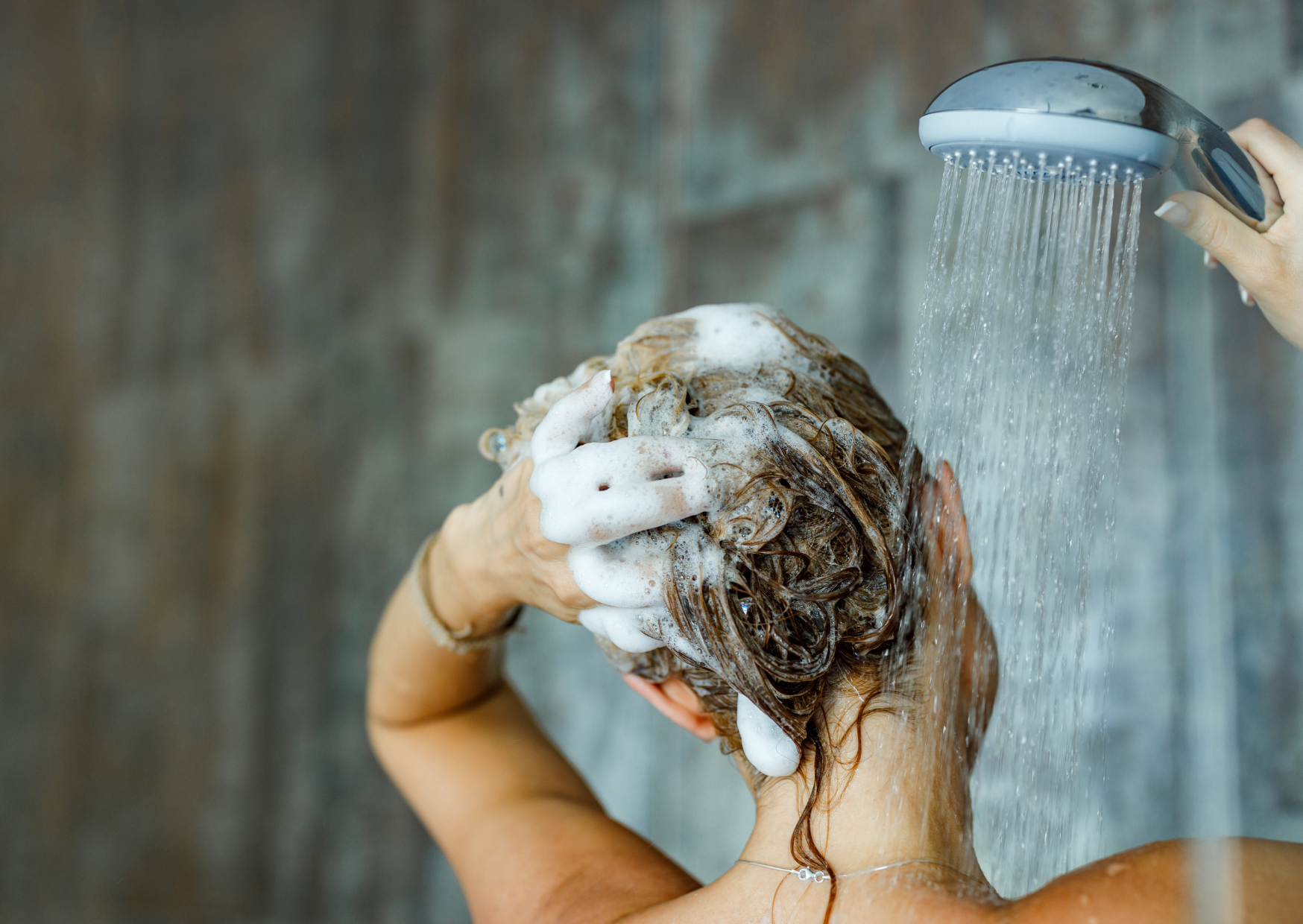
In most Mediterranean cultures, daily hair washing is rare.
- Many people wash their hair two to three times per week at most.
- Some wash even less often in cooler months, relying on natural oils to nourish the scalp.
- Hair is brushed and styled between washes, but not constantly stripped clean.
American culture often emphasizes freshness and fragrance. Daily washing feels normal—even necessary—to many. But Mediterranean people know that over-washing strips hair of protective oils, leading to dryness, frizz, and breakage over time.
By washing less often, they preserve the scalp’s natural ecosystem, which supports stronger, healthier hair.
2. They Emphasize Scalp Health, Not Just Hair Cleanliness
When Mediterranean people wash their hair, the focus is on cleaning the scalp gently, not scrubbing the hair harshly.
- Fingertips massage the scalp with light, circular motions.
- Shampoo is often diluted with a little water to soften its strength.
- The hair shaft is handled as little as possible during washing.
American habits often involve vigorous scrubbing, pile-lathering hair on top of the head, and heavy shampoo use. These actions can rough up the hair cuticle and weaken strands.
In Mediterranean tradition, the scalp is cared for like sensitive skin—which helps maintain hair’s natural shine and strength.
3. They Use Lukewarm or Cool Water, Not Hot
Hot showers are beloved in the U.S., but Mediterranean hair washing often happens with lukewarm or even cool water.
- Warm water opens the cuticle gently without dehydrating it.
- A final rinse with cool water helps close the cuticle, trapping moisture and creating shine.
- The cooler temperatures protect both hair and scalp health.
Blasting hair with hot water, as many Americans do, can dehydrate the hair shaft and scalp, leaving hair dull and brittle.
Mediterranean people treat hair washing like a beauty ritual, not just another hurried step in hygiene.
4. They Prioritize Pre-Wash Oil Treatments
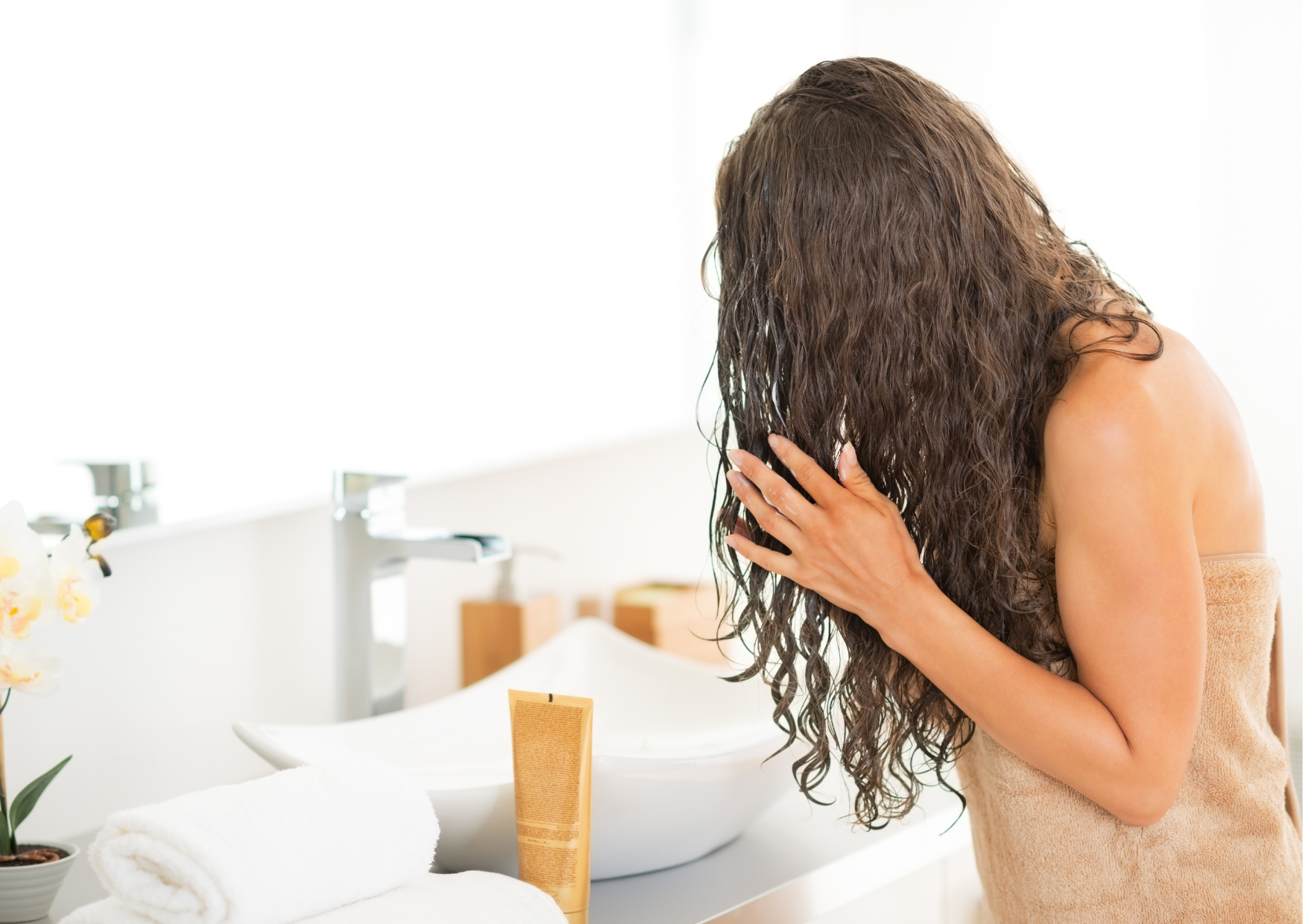
In many Mediterranean households, olive oil or argan oil treatments before washing are common.
- Oil is massaged into the scalp and hair lengths before showering.
- It is left to penetrate for 20 to 60 minutes.
- Washing then removes dirt without completely stripping the natural oils.
Pre-wash oiling is practically unknown to many Americans, who typically apply products after washing. But Mediterranean tradition emphasizes prevention over correction: protecting moisture before exposing hair to cleansing agents.
This practice keeps hair more elastic, shinier, and less prone to split ends.
5. They Choose Gentle, Natural Shampoos
Many Mediterranean people avoid strong, chemical-laden shampoos.
- Sulfate-free and paraben-free options are common, even in conventional stores.
- Traditional soaps like Aleppo soap (olive oil and laurel oil) or Marseille soap are sometimes used for hair as well as skin.
- Harsh foaming and deep-stripping cleansers are rarely part of the routine.
In the U.S., many popular shampoos are filled with sulfates, fragrances, and synthetic conditioners. These create immediate softness but weaken the hair structure over time.
Mediterranean hair care favors simplicity, balance, and products close to nature.
6. They Comb, Not Tug
Detangling is done differently, too.
- Hair is gently finger-combed when wet or very carefully brushed with a wide-tooth comb.
- No aggressive brushing or pulling through tangles while the hair is most fragile.
- Many people use a small amount of conditioner before combing to ease knots.
American habits often involve vigorous towel-drying and brushing immediately after washing, which causes breakage and stress at the root.
Mediterranean routines understand that wet hair is vulnerable, and treat it accordingly—with patience and gentleness.
7. They Limit Blow-Drying and Heat Styling
In many Mediterranean countries, air drying is the norm whenever possible.
- Hair is gently squeezed in a towel (never rubbed) and left to dry naturally.
- When a blow-dryer is used, it is kept at a lower temperature and moved constantly to avoid concentrated heat.
- Straighteners and curling irons are used sparingly, if at all.
In American beauty culture, blow-drying and heat-styling are often daily habits. Mediterranean women tend to embrace natural textures, allowing waves, curls, or soft volume to define their look.
This minimal heat exposure preserves the natural strength and flexibility of the hair.
8. They Protect Hair From the Sun Naturally
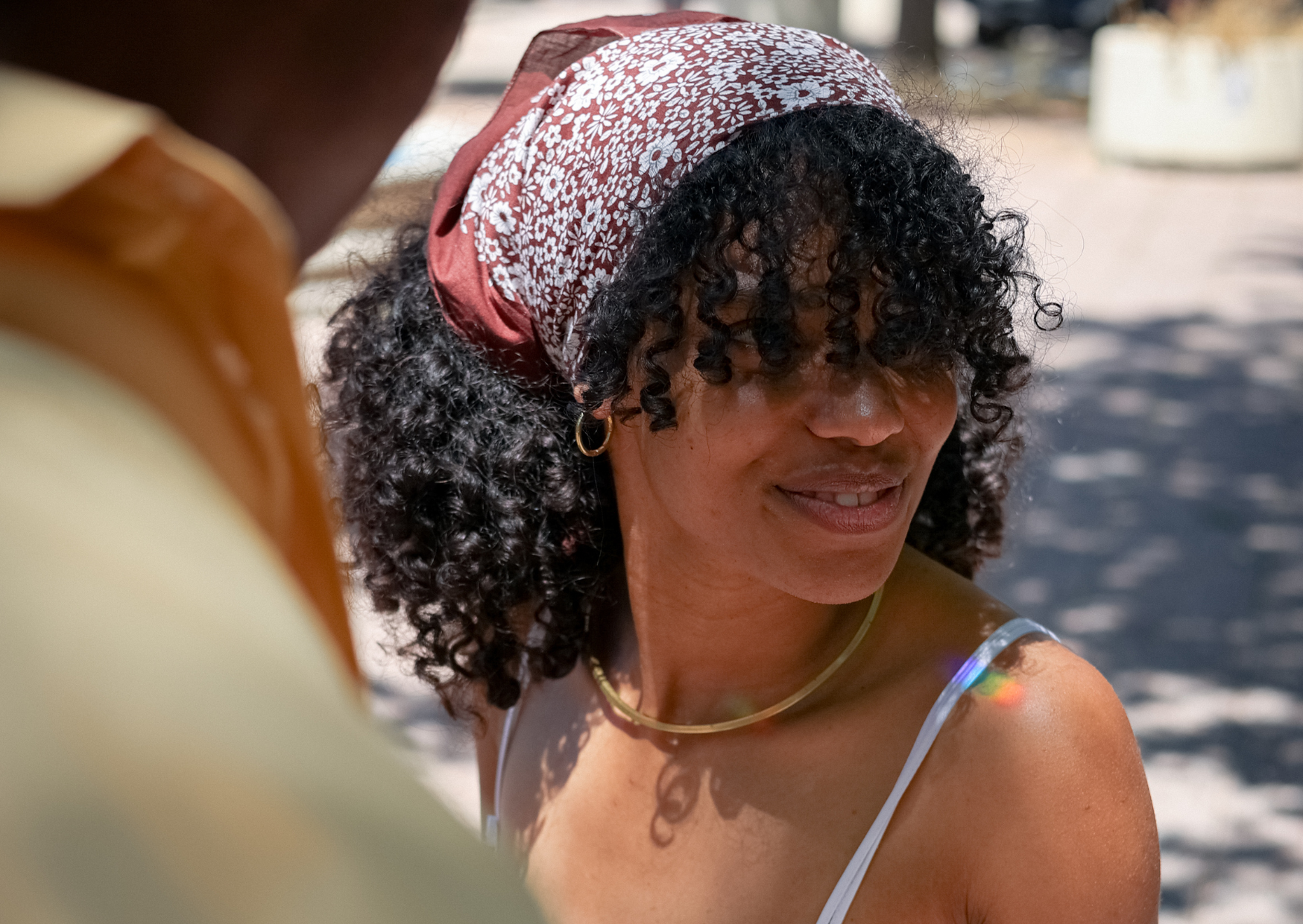
Sun care is another place Mediterranean people subtly protect their hair.
- Light scarves, hats, or even simple updos shield hair from direct sun.
- Olive oil or leave-in conditioners provide a physical barrier against UV damage.
- Hair is often tied loosely during peak sun hours to avoid overexposure.
In American beach culture, hair is often left fully exposed and untreated in strong sun, leading to dehydration and split ends.
Mediterranean tradition integrates protective habits into daily life, not just occasional treatments.
9. They View Hair as Part of Overall Health, Not Just Appearance
Finally, Mediterranean attitudes toward hair are deeply connected to overall health.
- Hair reflects diet, sleep, hydration, and stress levels.
- Olive oil, fish, leafy greens, nuts, and plenty of water are regular parts of the diet.
- A shiny head of hair is seen as a sign of internal balance, not just good products.
American beauty culture often treats hair problems reactively, chasing after split ends or thinning with treatments after the fact.
Mediterranean cultures treat hair wellness as part of a life lived in balance—starting from within and reflected outward.
How Do You Wash Your Hair
When Mediterranean people wash their hair, they are not just performing a chore. They are practicing a slow, cumulative ritual of respect for the body.
Washing is less frequent but more intentional. Products are simpler, but choices are more mindful. Effort is placed on protection, not repair.
If Americans borrowed even a few habits from Mediterranean hair care—washing less often, handling hair more gently, protecting from heat and sun—they might find that healthy, resilient hair is less about constant management and more about stepping out of the way and letting nature do its work.

About the Author: Ruben, co-founder of Gamintraveler.com since 2014, is a seasoned traveler from Spain who has explored over 100 countries since 2009. Known for his extensive travel adventures across South America, Europe, the US, Australia, New Zealand, Asia, and Africa, Ruben combines his passion for adventurous yet sustainable living with his love for cycling, highlighted by his remarkable 5-month bicycle journey from Spain to Norway. He currently resides in Spain, where he continues sharing his travel experiences with his partner, Rachel, and their son, Han.