
(And How It Completely Changes Daily Life)
For most Americans, the bathroom is a purely functional space: a place to shower, brush your teeth, and move on. It is built for efficiency, not experience. Privacy is valued, but beyond that, there is little ceremony.
In Japan, bathrooms are treated entirely differently. They are spaces of care, separation, ritual, and even artistry. And there is one key feature that almost no American bathrooms have, but that transforms daily life in Japanese homes: complete separation of the bath, toilet, and sink areas into distinct spaces.
This small architectural difference speaks volumes about how Japanese culture thinks about cleanliness, relaxation, and respect for the body. It is not just about having multiple rooms. It is about creating a sequence, a mindset, and a deeper connection to daily routines.
Here is why Japanese bathrooms are designed this way, and why Americans have never fully considered its impact.
Want More Deep Dives into Other Cultures?
– Why Europeans Walk Everywhere (And Americans Should Too)
– How Europeans Actually Afford Living in Cities Without Six-Figure Salaries
– 9 ‘Luxury’ Items in America That Europeans Consider Basic Necessities
Quick Easy Tips
Embrace Multifunctionality – Japanese bathrooms often separate the toilet, sink, and shower areas. Consider creating zones in your own space to improve efficiency.
Install a Bidet or Washlet – These high-tech toilet features are standard in Japan and promote hygiene, comfort, and eco-friendliness.
Separate Wet & Dry Zones – A dry changing area next to a waterproof bathing space prevents slipping and creates a spa-like home experience.
Use a Soaking Tub – Japanese “ofuro” tubs are deep, compact, and designed for relaxation—perfect for self-care rituals.
Prioritize Cleanliness and Simplicity – Japanese bathrooms are easy to clean due to thoughtful layout and materials. Go minimalist and functional.
The core feature most Americans have never considered? The complete separation of toilet and bathing areas—a norm in Japan that drastically improves hygiene, privacy, and usability. In Japanese homes, it’s not uncommon to have three distinct spaces: one for the toilet, one for washing hands, and one for bathing. While many Americans may find this excessive or space-consuming, in Japan, it’s seen as common sense. It respects the body, schedules, and health of multiple people living under one roof.
Western bathrooms, especially in the U.S., prioritize convenience over cleanliness. Combining all functions into a single room saves space but sacrifices hygiene and comfort. For example, using a toilet in the same room where someone showers may seem normal to Americans—but to many Japanese, it’s unthinkable. This setup is seen as unsanitary and inconsiderate of shared routines. Critics say Americans confuse practicality with efficiency, ignoring how layout affects cleanliness, mental clarity, and daily flow.
There’s also a deeper cultural divide at play. Japanese design centers on respect for space and ritual, even in the bathroom. Bathing is not just for cleaning—it’s a time to unwind, reflect, and reset. The U.S. bathroom, by contrast, is a get-in, get-out operation. The Japanese model encourages mindfulness, even in the most mundane tasks. That difference explains why many travelers come home wanting a Toto washlet—and why some Americans still scoff at the idea of a “smart toilet.”
1. The Toilet is Completely Separated from the Bathing Area
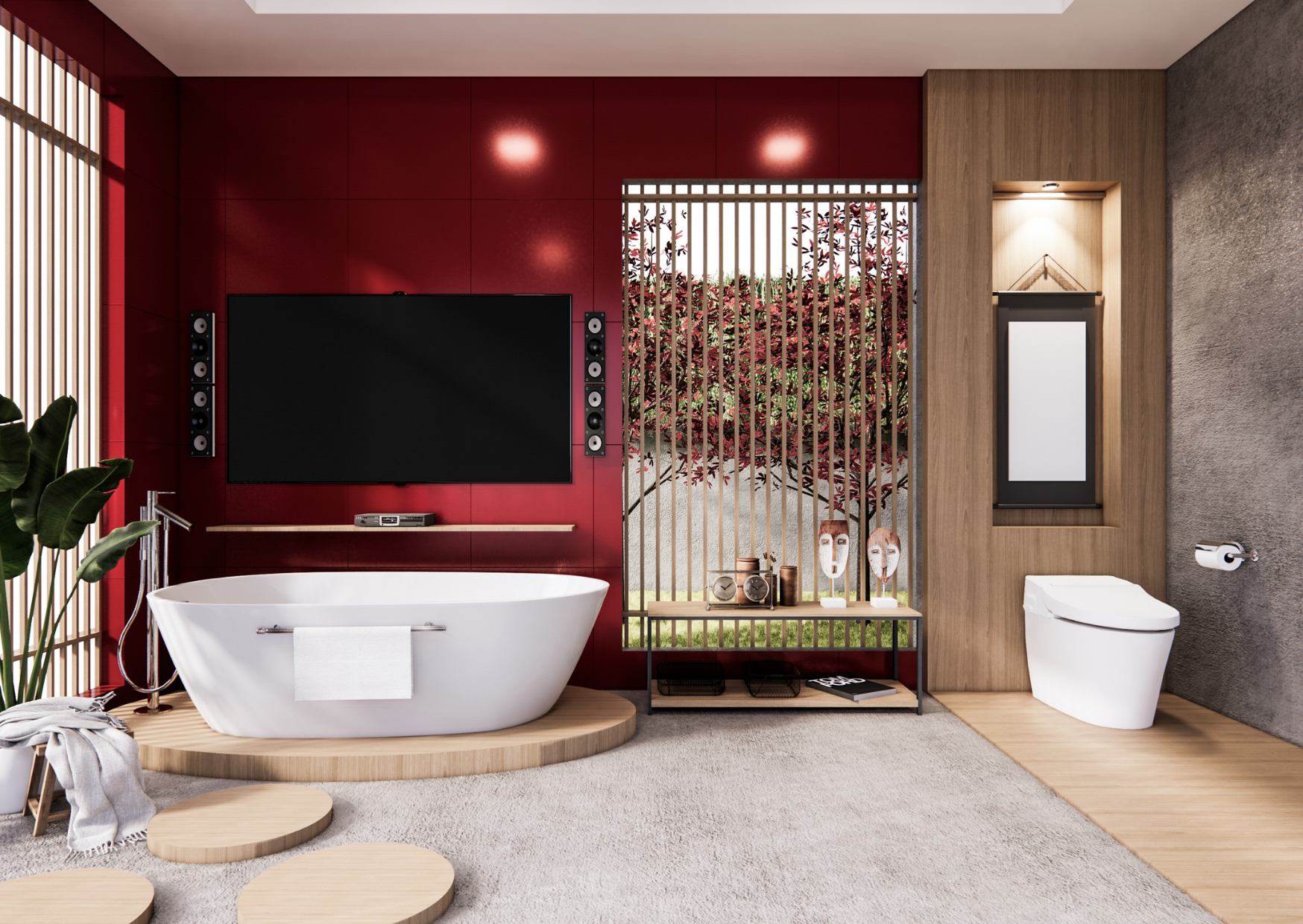
In Japanese homes, apartments, and even many hotels, the toilet is placed in its own separate room, away from the sink and bathing area.
- No shared air between the place where you clean your body and the place where waste is eliminated.
- Toilets often have their own ventilation systems and are meticulously cleaned.
- The small toilet room may also include a sink directly above the toilet tank, where you wash your hands before exiting.
This physical separation mirrors the Japanese emphasis on clean and dirty zones, a concept deeply rooted in their culture. It is not about germophobia. It is about maintaining purity and ritual space.
In American homes, toilets are typically inside the main bathroom, inches from the sink or shower, which would feel unclean and disorganized from a Japanese perspective.
2. The Bath Area is Designed Entirely for Relaxation
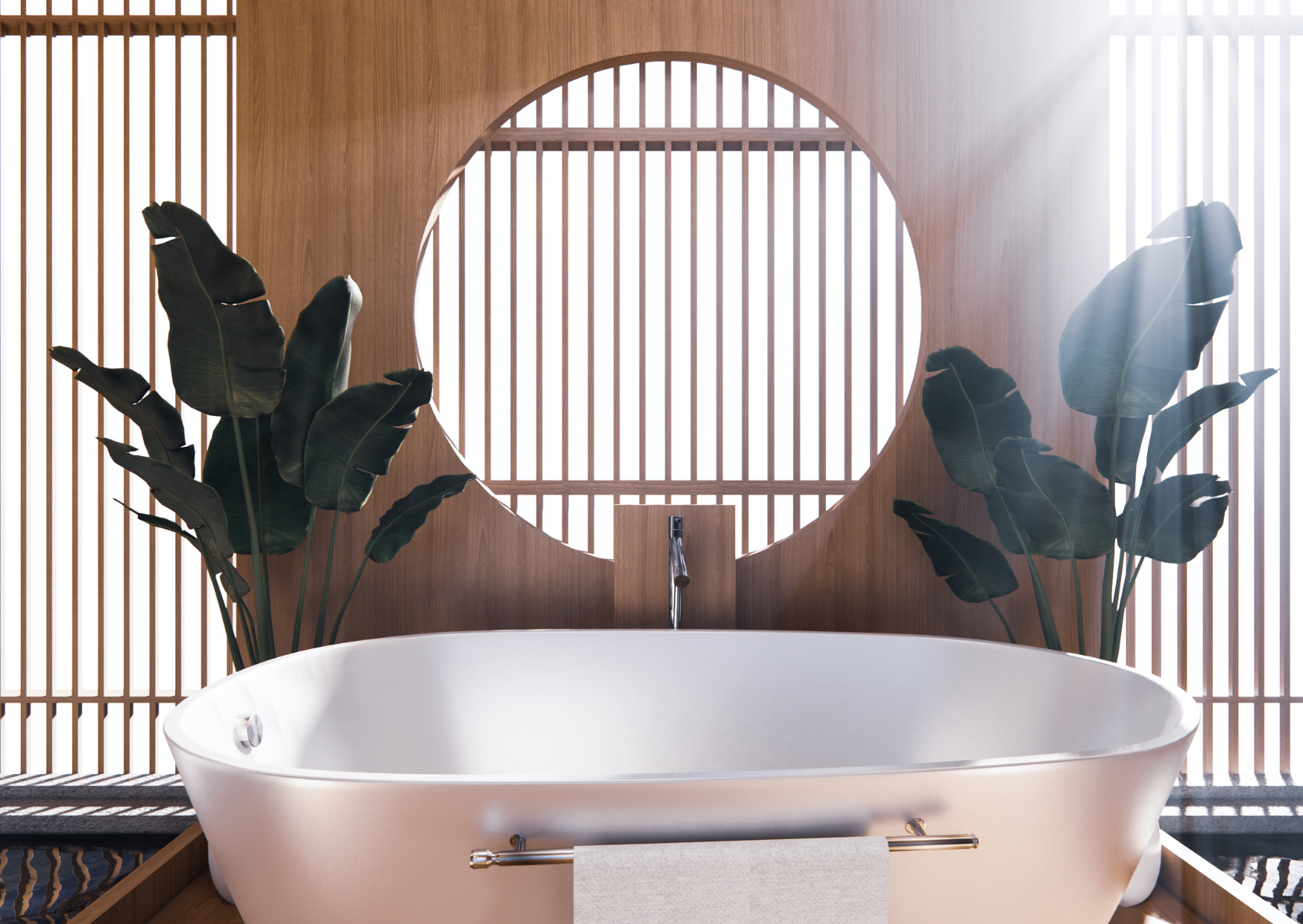
The Japanese bath (ofuro) is not primarily for washing. It is for soaking, resting, and healing.
- Before entering the tub, you are expected to fully wash and rinse your body at a separate shower station.
- The bathtub water is kept clean, because you are already clean when you step into it.
- Bathwater may be reused by other family members, maintaining a sequence of cleansing and then relaxing.
American bathtubs often double as showers and are used more sporadically for relaxation. In Japan, bathing is a daily, sacred practice, and the physical environment is built to protect that experience.
3. Washing Happens Outside the Tub, Not In It
Japanese bathrooms often include a full wet room: a waterproof space with a drain in the floor, a handheld shower, and a stool for seated washing.
- You sit and wash your body carefully before ever touching the tub.
- Soap and shampoo are rinsed thoroughly before stepping into the bath.
- Water splashes are expected and welcomed, not contained.
This method separates cleansing from soaking, respecting both processes. It also creates a calming mental transition from cleaning to resting—something missing in the American concept of the rushed, standing shower.
4. Waterproof Bathroom Design Creates Freedom
Since the entire bath area is waterproof, there is no need to tiptoe around puddles, worry about water spraying out of a shower curtain, or protect cabinetry.
- Children can splash.
- Adults can wash in comfort without aiming perfectly into a tub.
- Elderly family members can bathe safely with minimal slipping hazards.
The freedom and safety of this design make bathing accessible across generations, from toddlers to great-grandparents. In American bathrooms, where floors are easily damaged by water, bathing is often constrained and anxiety-inducing.
5. Temperature and Comfort are Prioritized
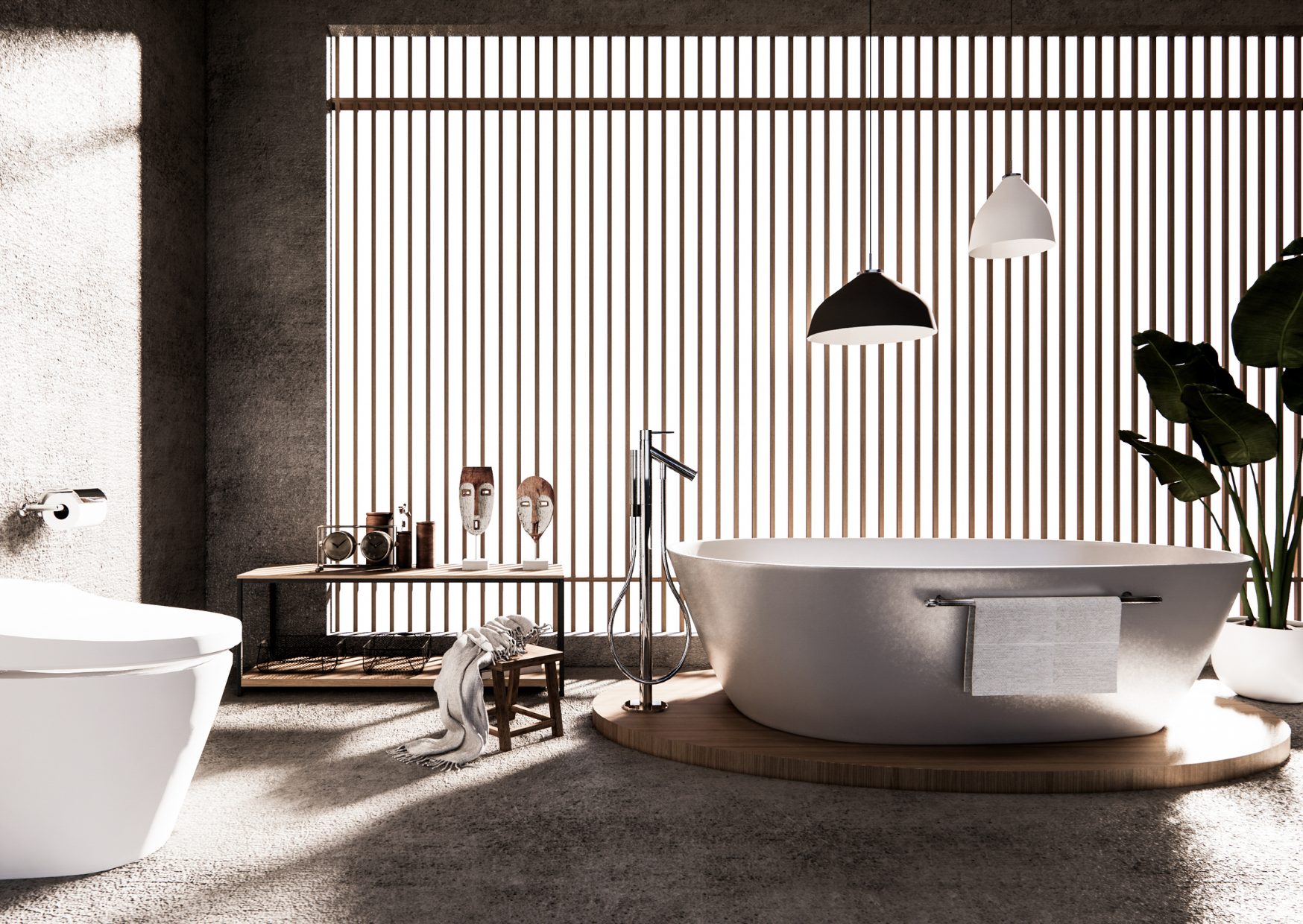
In Japan, bath areas are often carefully heated and insulated, even in modest homes.
- Bathroom heating panels prevent the shock of cold tiles in winter.
- Deep soaking tubs retain heat for long periods.
- The atmosphere is designed to invite lingering, not rushing.
Compare this to the American winter experience of sprinting from a hot shower into a cold bathroom. Japanese bathrooms think ahead to comfort at every step, reinforcing relaxation as a daily right, not a luxury.
6. Technology Elevates Hygiene and Experience
Japanese bathrooms are famous for their technology—and it starts with the toilet.
- Heated seats, bidet functions, and air dryers are standard even in many public restrooms.
- Touchless flushing and deodorizing systems reduce contamination.
- Some bathrooms include music or white noise to preserve privacy.
This emphasis on hygiene and user experience extends to the entire bathroom environment, creating spaces that are not only cleaner but more emotionally comfortable.
While Americans have begun embracing bidet attachments and heated seats recently, the full Japanese integration of technology into the bathroom experience is still far ahead.
7. The Bathroom is an Extension of Hospitality
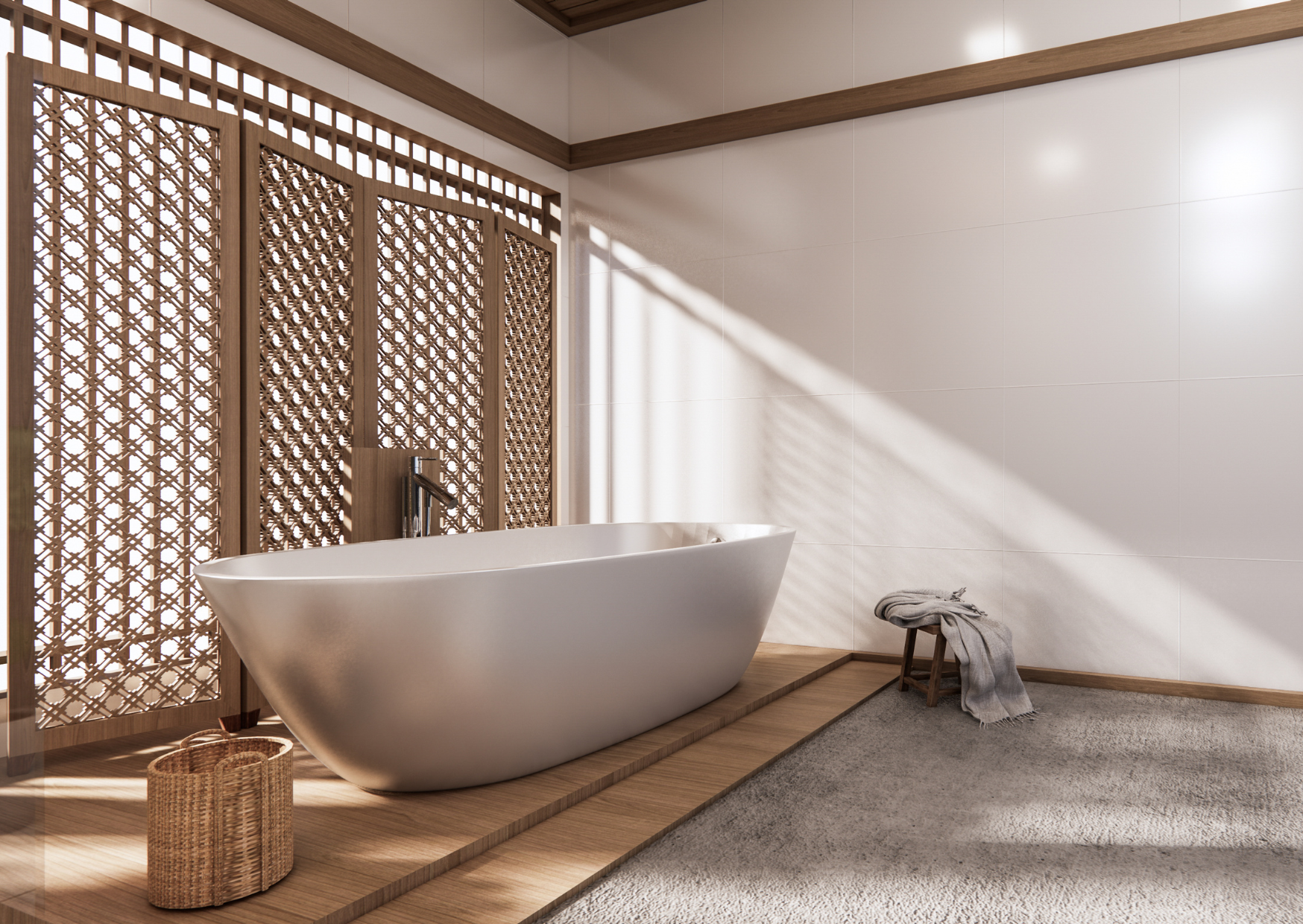
In Japan, how a bathroom is prepared says a lot about how a host treats their guests.
- Towels are often individually folded and presented.
- A spotless, well-aired bathroom is seen as basic courtesy.
- Even in restaurants, beautifully designed bathrooms signal pride and attention to detail.
This contrasts with American hospitality, which focuses heavily on the living room or kitchen but often treats the bathroom as an afterthought.
In Japan, the bathroom is part of the welcome—a place where care is expressed through design, cleanliness, and ease.
8. Cleansing is a Multi-Sensory Ritual
The Japanese bathroom ritual engages all the senses:
- Warmth from the heated bath and room
- Sound of running water
- Scent of hinoki (Japanese cypress) wood or essential oils
- Touch of smooth tiles and natural textures
- Sight of simple, calming design elements
This ritual is not rushed or functional. It is a daily return to the body and senses, a personal reset that keeps stress manageable.
In American life, where self-care is often scheduled and squeezed into a packed day, this kind of built-in sensory ritual offers a powerful model for sustained emotional health.
9. Aging and Family Needs Are Designed Into the Space
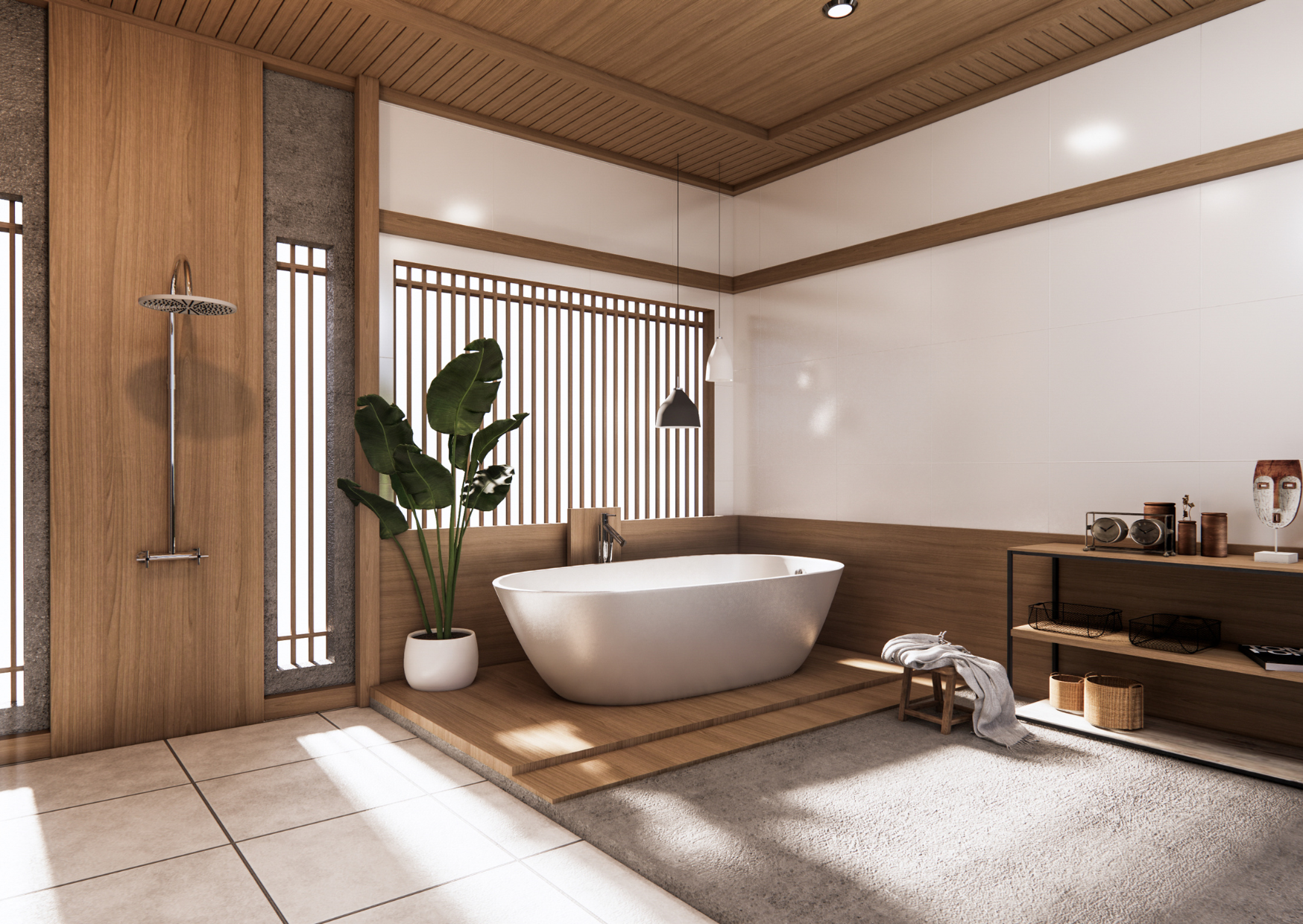
Many Japanese bathrooms are built with universal design principles.
- Grab bars are standard features.
- Wide, step-free entrances accommodate aging family members.
- Separate toilet rooms allow caregivers to assist privately and comfortably.
Rather than retrofitting spaces for the elderly or disabled later, Japanese homes often anticipate changing needs from the start. The bathroom is seen as a place that serves life at every stage—not just youth and independence.
More Than Cleanliness, A Philosophy of Care
When Americans think about bathroom upgrades, they often focus on luxury materials or trendy fixtures. But the Japanese bathroom teaches something deeper: how you treat the space where you cleanse yourself reflects how you value your own body and spirit.
Separation of spaces, daily ritual, attention to temperature, multi-sensory care—these are not indulgences. They are small, steady affirmations that the body matters, comfort matters, and daily life can be beautiful, even in its most private moments.

About the Author: Ruben, co-founder of Gamintraveler.com since 2014, is a seasoned traveler from Spain who has explored over 100 countries since 2009. Known for his extensive travel adventures across South America, Europe, the US, Australia, New Zealand, Asia, and Africa, Ruben combines his passion for adventurous yet sustainable living with his love for cycling, highlighted by his remarkable 5-month bicycle journey from Spain to Norway. He currently resides in Spain, where he continues sharing his travel experiences with his partner, Rachel, and their son, Han.