
And what it reveals about discipline, cultural thresholds, and why one society calls it structure while another calls it trauma
In Italy, discipline is not a private matter. Children are corrected loudly, often in public, and without apology. A raised voice in the supermarket, a sharp slap on the wrist, a lecture mid-street—these are not rare. They’re part of the rhythm of parenting. It doesn’t mean the child is in danger. It means they crossed a line. And the line is clear.
To many Americans, especially those shaped by gentle parenting movements, these moments feel jarring. Shaming a child in front of strangers? Calling them “stupido” or “maleducato” out loud? Pulling them by the arm to make a point? In the U.S., this would trigger stares—or reports.
But in Italy, it’s not abuse. It’s correction. And it’s understood as a necessary part of raising a child to be part of public life. The expectations are high. The tolerance for disruption is low. And the message is this: you are part of a social fabric, and that fabric will not bend for you.
Here’s why Italian discipline looks harsh through an American lens—and why many Italian parents would argue it’s the reason their kids grow up knowing where the boundary is.
1. Public correction is expected, not shameful
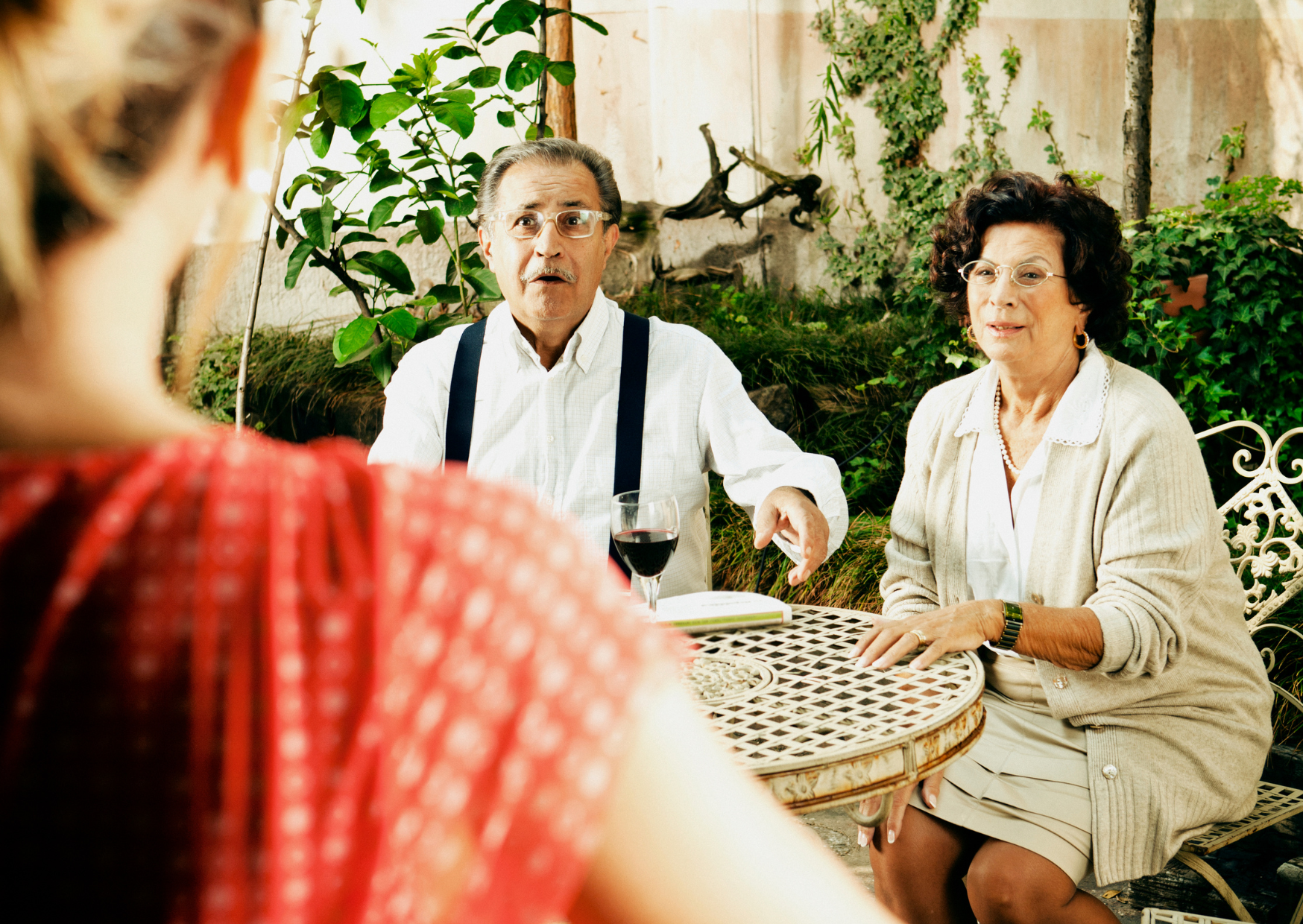
In Italy, if a child misbehaves in public, they are corrected in public. There’s no waiting until the car ride home. There’s no pulling them aside with a soft tone. A parent might snap at a child in the middle of a piazza. A grandmother might slap a hand away from the table. A teacher might raise her voice in front of the class.
This is not done to embarrass. It’s done to correct. The correction is immediate and visible. It sends a message to the child, and to everyone else: this behavior is not acceptable here. That act of social boundary-setting is considered normal, even responsible.
American parenting, by contrast, often leans toward private correction. Parents worry about emotional impact, tone, and perceived humiliation. Many believe discipline should happen quietly. But in Italy, silence is permissiveness. A child left uncorrected in public isn’t being spared—it’s seen as being left to drift.
The point isn’t cruelty. It’s clarity. And clarity, in Italian parenting, arrives fast and without sugar.
2. Words that Americans see as harmful are common
Italian parents frequently use strong language with their kids. Words like “scemo” (idiot), “testa dura” (hardhead), or “rompipalle” (pain in the ass) are thrown around with exasperation but also rhythm. It’s not a sign of hatred—it’s tone, frustration, and sometimes even humor.
To an American ear, this sounds abusive. Why call your child names? Why attack their character? But to many Italians, these words are momentary. They don’t linger. They’re emotional punctuation, not personal condemnation.
The culture distinguishes sharply between temporary irritation and lasting damage. An angry outburst doesn’t mean a damaged relationship. It means someone crossed a line. Once the line is back in place, the warmth returns.
American parenting often treats language as a long-term emotional imprint. In Italy, it’s part of the texture of life—sharp one minute, affectionate the next. Children grow up understanding that words sting, but they also pass.
3. Physical reprimands still happen
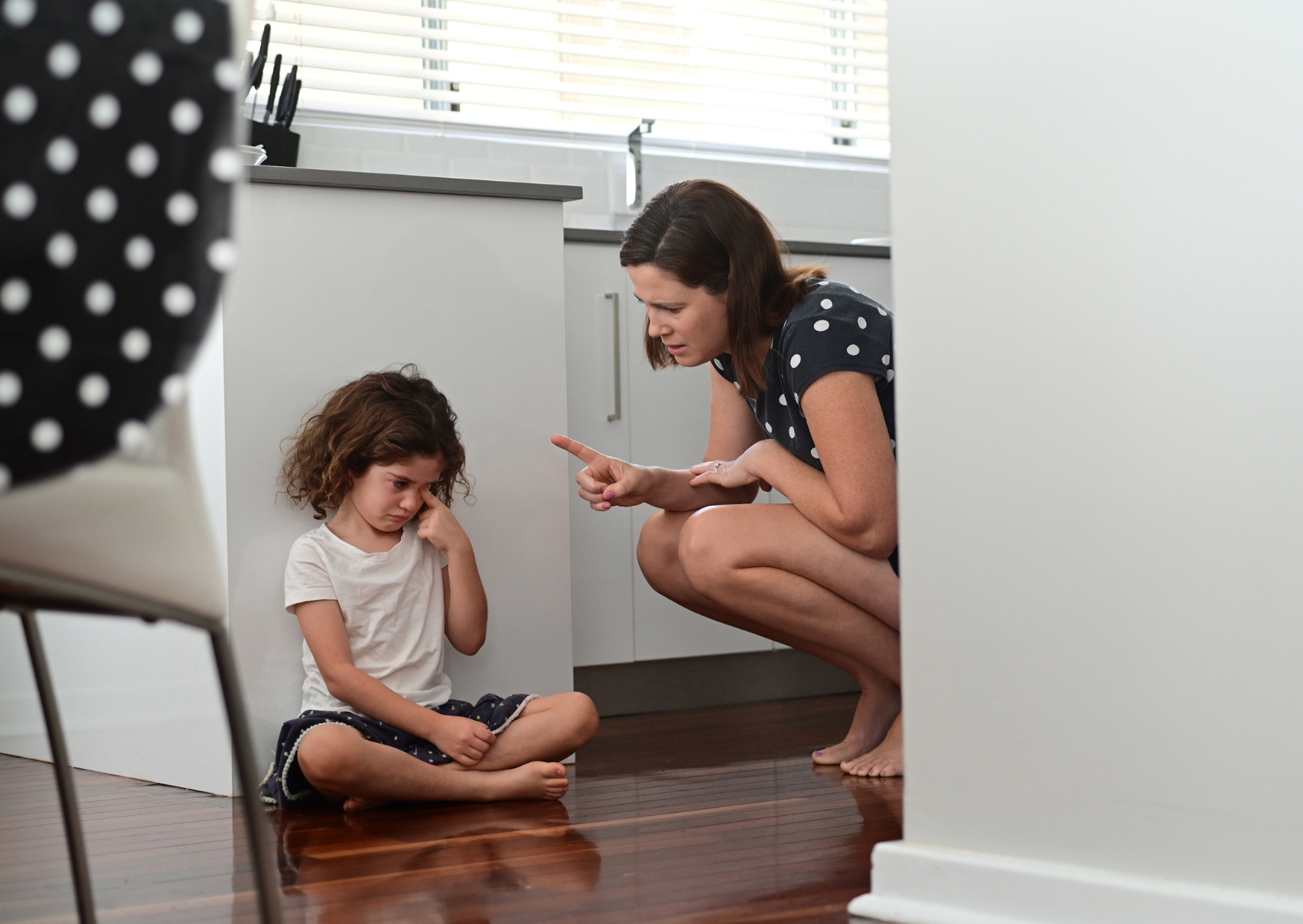
While corporal punishment has declined across Europe, a small slap on the hand or leg is still within bounds in many Italian homes. It’s not systemic. It’s not severe. But it’s not taboo either.
Parents, especially older generations, may deliver a quick smack to emphasize a boundary. It’s not framed as violence. It’s framed as reaction. Something unacceptable happened, and the response is clear, fast, and physical.
In the U.S., any physical contact is now heavily scrutinized. Teachers, caregivers, and even parents risk serious consequences for what might be considered mild discipline in Italy. There, the idea is different: the child must feel the consequence immediately, not just hear about it later.
It’s not without debate. Younger Italian parents are questioning these norms. But the tolerance for what Americans might call “abuse” is still broader—because the definition of harm is not just physical. It’s cultural. And in Italy, neglecting to correct is often seen as the greater failure.
4. Italian discipline is about belonging, not control

At its core, Italian punishment is not about exerting power. It’s about integration. A child who yells in a church, pushes in line, or touches something in a shop is breaking a social code. The punishment reinforces the code.
Italian life is communal. Tables are shared, streets are tight, voices carry. A misbehaving child disrupts everyone. And everyone feels entitled to correct them. It’s not uncommon for strangers to scold a child—or even a parent. The child belongs to the family, yes—but also to the square, the train, the restaurant.
This public ownership creates pressure, but also a shared understanding of discipline. Children know they are being watched. They learn quickly how to behave in shared space.
To Americans, this can seem oppressive. Where is the child’s freedom? But in Italy, freedom is earned through behavior. A child who learns to behave is given independence. The ones who aren’t corrected are the ones who are excluded.
5. Why Americans misunderstand it

American parenting is shaped by trauma-awareness, psychology, and individualism. The goal is often to protect the child’s inner world. To shield them from words or actions that might echo later.
Italian parenting is shaped by pragmatism, rhythm, and community. The goal is to prepare the child for social life. To embed them in expectations so they can function in shared space.
What Americans see as abuse, Italians may see as commitment. The parent who raises their voice is not careless—they’re invested. They’re making sure the child doesn’t grow up unaware of how the world responds to behavior.
That doesn’t mean the methods are always right. But it does mean they come from a place that isn’t indifferent. And that distinction matters more than the tone.

About the Author: Ruben, co-founder of Gamintraveler.com since 2014, is a seasoned traveler from Spain who has explored over 100 countries since 2009. Known for his extensive travel adventures across South America, Europe, the US, Australia, New Zealand, Asia, and Africa, Ruben combines his passion for adventurous yet sustainable living with his love for cycling, highlighted by his remarkable 5-month bicycle journey from Spain to Norway. He currently resides in Spain, where he continues sharing his travel experiences with his partner, Rachel, and their son, Han.