
And what it reveals about daily cost, value culture, and why one society stretches euros into lifestyle while the other dissolves dollars into habit
In the United States, small daily expenses often go unnoticed. A morning coffee run, a midweek takeout order, a streaming subscription, a few forgotten fees. None of it feels indulgent. It feels normal. Yet by the end of the month, these routine purchases can easily total $400 or more, without touching rent or utilities. In some cities, that’s just the cost of convenience.
In much of Italy, that same €400 covers a month of food, transportation, coffee, mobile service, and social life for a single person. The basics are met. The rhythm of daily life continues. The espresso is still sipped, the bread still warm. But the habits around money are slower, more deliberate, and rooted in something American culture has drifted away from: scale.
Italians live smaller but not less. They walk more. Cook more. Own fewer things. And as a result, they spend less, not because of sacrifice, but because the system around them asks for less. The infrastructure is old but functional. The expectations are local. The value is felt in time, not in quantity.
This contrast isn’t about national income. It’s about the architecture of everyday spending. In Italy, the average person learns early that a good life doesn’t require excess. In America, even the frugal feel the creep of inflation and the pressure to consume.
Here’s why the amount Americans spend on coffee each month covers a whole lifestyle in Italy, and what that difference says about two cultures that measure money, time, and quality in very different ways.
Want More Deep Dives into Everyday European Culture?
– Why Europeans Walk Everywhere (And Americans Should Too)
– How Europeans Actually Afford Living in Cities Without Six-Figure Salaries
– 9 ‘Luxury’ Items in America That Europeans Consider Basic Necessities
1. Coffee is a habit in the U.S., but a ritual in Italy
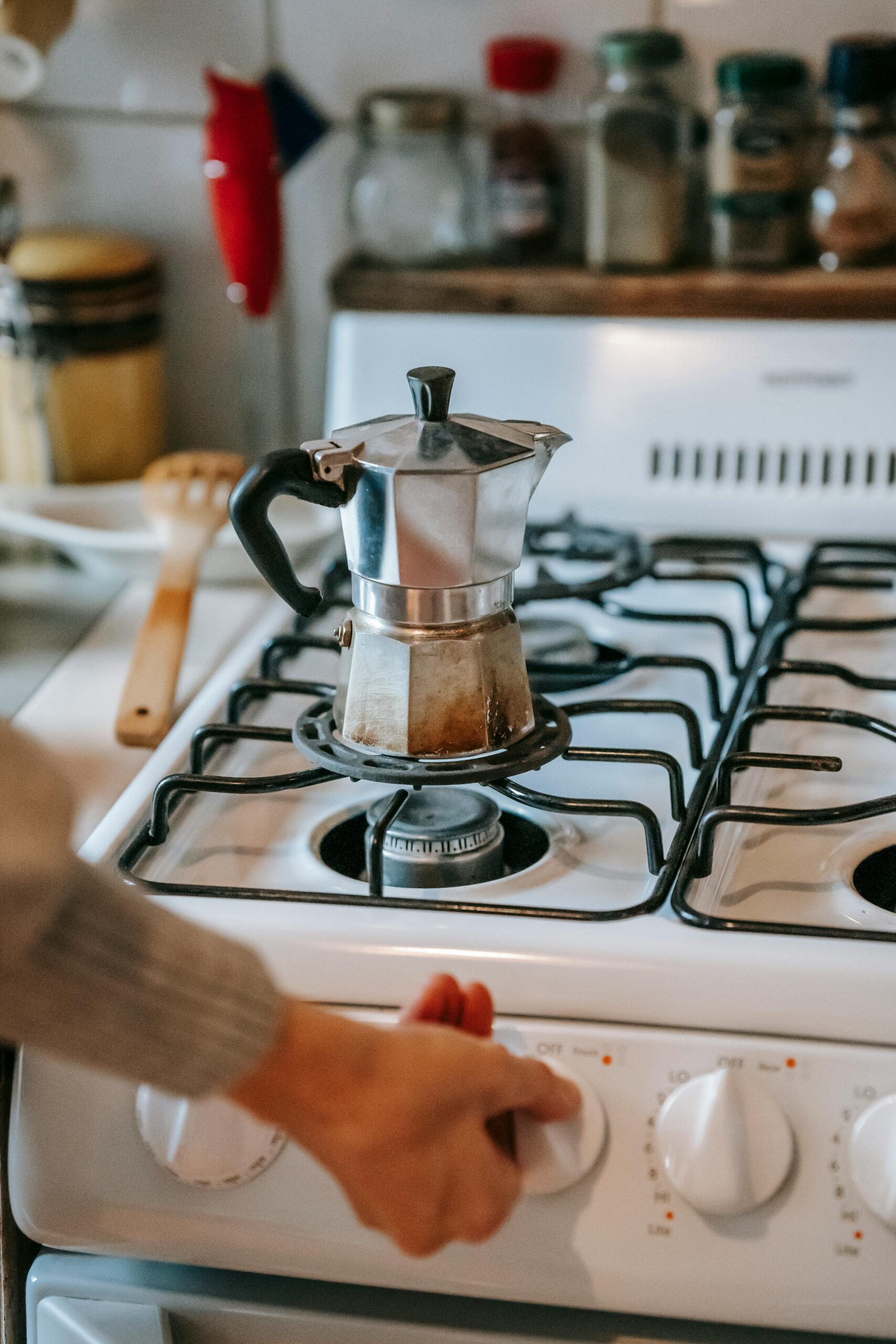
In the U.S., coffee is often purchased in transit. You grab it on the way to work. It comes in paper cups. You sip it while checking emails. For many, it’s a daily routine tied to convenience and speed. The average American coffee drinker spends over $90 per month on coffee outside the home, with prices often exceeding $4 per cup in major cities.
In Italy, coffee is consumed differently. You walk to the bar. You stand. You drink it in one or two sips. A typical espresso costs €1 to €1.30, depending on the city. Cappuccinos are usually reserved for the morning, and they rarely top €1.80. There’s no upcharge for milk alternatives or custom foam. The prices are regulated socially, if not officially, and they rarely budge.
This difference isn’t about caffeine. It’s about context. Italian coffee culture is anchored in social rhythm, not financial elasticity. You go to the bar for a pause, not a lifestyle statement. There are no sugary syrups, no branded seasonal cups. You’re not meant to carry it around.
That simplicity keeps the cost low. And when you multiply it across a month, Italians spend less than €30 total, without ever feeling deprived. The ritual holds its value, even though the receipt doesn’t rise.
2. Grocery spending reflects rhythm, not bulk

American supermarkets encourage bulk purchases. Warehouse stores offer savings only in large quantities. BOGO deals push more than you need. Many families end up buying for the month, not the day. And that volume often leads to waste. A weekly grocery bill for one person in the U.S. can easily reach $100 or more, especially in cities or without access to discount stores.
In Italy, food shopping is smaller and more frequent. You buy what you need for the next couple of days. Bread is bought fresh, not frozen. Produce is local and seasonal. Packaged food is used sparingly. And prices reflect this restraint. Many Italians spend €40–60 per week on groceries, and they don’t feel like they’re budgeting. The ingredients are simple, but the meals are full.
Markets play a central role. Prices are handwritten. Selection is shaped by what’s available, not what’s flown in. The average meal includes pasta, vegetables, maybe fish or cheese. It’s not built around meat, snacks, or processed foods. That keeps cost low without reducing quality.
Food remains central to Italian life. But it’s not tied to spending. You don’t need six sauces and three frozen pizzas to make dinner. You just need a tomato, some olive oil, and tim
3. Housing expenses are structured around stability
In the U.S., housing is a pressure point. Rent prices in urban areas rise unpredictably. Many Americans spend more than 35% of their income on rent, and in cities like New York or San Francisco, that number can exceed 50%. Lease terms are short. Turnover is high. The system favors landlords, not tenants.
In Italy, renting is more stable. Leases are typically four years, renewable for another four, offering long-term security. Rent hikes are modest, and eviction requires legitimate legal cause. In smaller towns and cities, a one-bedroom apartment can cost €300 to €500 per month, including utilities.
This security reshapes how people live. You’re not constantly worried about moving. You’re not battling rising costs each year. Your rent stays predictable, and that means you can spend on other parts of life. Or save.
Homeownership rates are high in Italy—over 70%—and many young people live with family longer, contributing to lower rent burdens. But even renters are treated as residents, not customers. That cultural posture keeps housing connected to human needs, not just investment portfolios.
4. Transportation costs are low because movement is scaled
In the U.S., cars are necessary. Most cities are designed around driving. That means gas, maintenance, insurance, registration, and parking. Even modest car owners can spend $400–600 per month when all costs are included. Public transit, when it exists, is often unreliable or limited.
In Italy, walking is normal. Cities are dense, and small towns are even more so. Public transportation is integrated into daily life. Trains are frequent. Buses arrive on time. And seniors ride at a discount. A monthly transit pass in many cities costs €35–45, covering metro, tram, and bus access.
For those who drive, cars are smaller. Fuel-efficient. Often used less. Insurance is simpler. And many couples or families share a single vehicle. That reduces the personal cost of mobility by a wide margin.
The structure matters. Italians don’t spend less on transportation because they love buses. They spend less because the city makes alternatives viable. And that affordability trickles into every corner of the budget.
5. Mobile, internet, and subscriptions are priced differently

In the U.S., mobile plans often start at $60–80 per month per person. Internet plans average another $70. Streaming subscriptions add $15 here, $10 there. And many households carry services they barely use, out of habit or bundling.
In Italy, mobile data plans are often €10–15, with generous data and unlimited calls. Internet packages for homes hover around €25–30. There’s less upselling, fewer junk fees, and minimal bundling. Services work, and you pay only for what you need.
It’s not just cost. It’s psychological relief. Italians rarely spend hours parsing fine print or canceling subscriptions. They don’t lose money in digital crevices. The monthly bills arrive, they’re reasonable, and they get paid.
And that consistency allows people to budget without anxiety.
6. Going out doesn’t break the budget

In many U.S. cities, a simple meal out can cost $25–40 per person, with tip and tax. Drinks add another $10–15. A casual night out often costs more than a day’s wages for someone on a fixed income. Socializing becomes a financial decision.
In Italy, eating out is more affordable. A pizza and beer at a neighborhood spot might cost €12–15 total. Aperitivo culture offers snacks and a drink for under €10. There’s no tipping culture. And there’s no shame in ordering modestly or staying long.
The difference is in the expectation. Italian restaurants aren’t designed to upsell. They’re designed to feed locals. You’re not viewed as a revenue stream. You’re a guest.
And that approach keeps social life alive, even for those on a tight budget.
7. Scale matters more than quantity

Americans often measure affordability by quantity. A 30-pack of soda for $12. A mega roll of paper towels. A two-for-one deal. Value is framed around how much you get, not how long it lasts or how well it’s used.
In Italy, scale is cultural. One bottle of good olive oil. A loaf of bread for today, not the week. Three tomatoes instead of a full bag. It’s not just about shopping. It’s about how people live. Homes are smaller. Fridges are compact. Storage isn’t endless.
That scale encourages people to spend less without feeling deprived. You buy what you use. You don’t store what you won’t. And the money you don’t spend doesn’t disappear—it stays in your pocket.
It’s not frugality. It’s design.
8. Budgeting isn’t constant because costs don’t fluctuate
In the U.S., budgeting feels like guesswork. Gas prices shift. Rent rises. Healthcare costs jump. A single flat tire or medical visit can undo a month of planning. People create budgets not as a tool, but as a defensive shield.
In Italy, fixed costs stay fixed. Rent is stable. Groceries fluctuate seasonally, but not wildly. Public systems cushion shocks. That predictability reduces emotional strain.
When people know what they’ll spend, they don’t waste energy adjusting. And when costs stay low, people don’t build elaborate defenses—they live.
That mental shift may be the biggest savings of all.
Italians Don’t Spend Less Because They’re Frugal. They Spend Less Because the System Doesn’t Overcharge
A small American budget dissolves quickly because it was never designed to stretch. The system around it assumes churn, debt, and scale. Every part of daily life invites you to spend more, just to stay level.
In Italy, the system slows that churn. Costs are scaled. Movement is local. Meals are built from what’s nearby. Services are modest, consistent, and priced for humans—not margins.
A $400 coffee budget in the U.S. becomes a lifestyle budget in southern Europe. Not because Italians are better at saving. But because the world around them doesn’t rush to take what little they have.

About the Author: Ruben, co-founder of Gamintraveler.com since 2014, is a seasoned traveler from Spain who has explored over 100 countries since 2009. Known for his extensive travel adventures across South America, Europe, the US, Australia, New Zealand, Asia, and Africa, Ruben combines his passion for adventurous yet sustainable living with his love for cycling, highlighted by his remarkable 5-month bicycle journey from Spain to Norway. He currently resides in Spain, where he continues sharing his travel experiences with his partner, Rachel, and their son, Han.