
Traveling to Europe may seem as easy as booking a flight and packing a passport, but the cultural differences between the U.S. and Europe can leave American tourists confused, frustrated, or unintentionally offensive. While guidebooks cover sightseeing and language basics, few explain the subtle habits, social rules, and travel logistics that actually shape your experience abroad.
From tipping expectations and dining etiquette to transportation quirks and quiet social customs, European travel is filled with “unwritten rules.” What’s polite in New York may come across as loud or rude in Paris. What feels like casual conversation in the States could be seen as invasive in Scandinavia. These differences aren’t just interesting—they can directly affect how you’re treated as a traveler.
This guide unpacks 15 things Americans should absolutely understand before stepping foot in Europe. Knowing them can mean the difference between being welcomed like a local or marked as a clueless tourist. Because while Europe is friendly, it expects you to meet it halfway—with awareness, humility, and just a little homework.
Read Here European Things that terrify Americans and American Habits that make Europeans Cringe
Read here how to pack for Europe and Best eSIM for Europe
BOOK YOUR TRAVEL INSURANCE
Two of our favorite travel insurance: Heymondo Vs Safetwing cheapest travel Insurance. You can get for $135 USD your Heymondo Travel Insurance with Heymondo discount code valid for 90 days. Read our full comparison of Genki vs Safetywing Travel Insurance Review and the comparison Heymondo vs Genki
Quick Easy Tips
Lower your volume: Speak quietly in public spaces—especially on public transport and restaurants.
Skip the oversized luggage: Many budget airlines and trains have strict size limits.
Greet properly: A quick “hello” or “bonjour” goes a long way—even if it’s your only word in the language.
Don’t overtip: In most European countries, tipping is optional or included—10% is generous.
Validate tickets: Whether it’s a train or tram, stamping your ticket before boarding is often mandatory.
Many Americans assume Europe is “just like home but older,” and that attitude creates tension. The truth is, Europeans often view American tourists as loud, entitled, or culturally oblivious—not because they’re mean, but because Americans tend to approach travel like consumers, not guests. This misalignment of expectations creates friction on both sides.
There’s also a deeply rooted American belief in convenience and personalization—values that don’t translate well in a continent built on tradition, slower service, and collective social order. From expecting ice in drinks to requesting menu substitutions, Americans often unknowingly violate small cultural norms that locals find baffling or disrespectful.
Perhaps most controversial is the idea that “freedom of expression” looks different abroad. In Europe, public spaces are more regulated, and privacy is highly valued. Loud debates, overt patriotism, or even too many personal questions can come across as inappropriate. Understanding this isn’t about changing your identity—it’s about respecting the context you’re in.
1. You’re Not in One Country—You’re in Many

Europe isn’t one monolithic place. It’s dozens of countries, cultures, and languages—each with its own customs, cuisine, and expectations. What’s normal in Italy might be rude in Germany.
Research each country individually—it’s worth it.
2. Everything’s Smaller (Rooms, Cars, Portions)
From elevators to coffee cups, Europe does compact and efficient, not super-sized. Don’t be surprised if your hotel room feels more like a cozy closet.
Pack light, and leave your “go big or go home” mindset at home.
3. Dining Is Slower—and That’s a Good Thing

Meals are an experience, not a transaction. You’re expected to take your time, and waitstaff won’t rush you or automatically bring the check.
Ask for the bill when you’re ready: “Can we get the check, please?” (or learn the local phrase).
4. Learn a Few Local Phrases
Even just “hello,” “please,” and “thank you” in the local language can go a long way. Europeans don’t expect fluency, but effort is appreciated.
Google Translate is your friend—but locals are even better.
5. You Don’t Need to Overpack

You’ll walk more, drag your luggage on cobblestone streets, and deal with tighter trains and hotel rooms. Less is more.
Prioritize comfortable shoes, light layers, and versatile outfits.
6. Quiet Is the Norm in Public Spaces
Americans tend to talk loudly without realizing it. In Europe, quiet is appreciated, especially in restaurants, trains, and museums.
Keep your volume low—you’ll blend in better and be more respected.
7. Not Every Country Uses the Euro
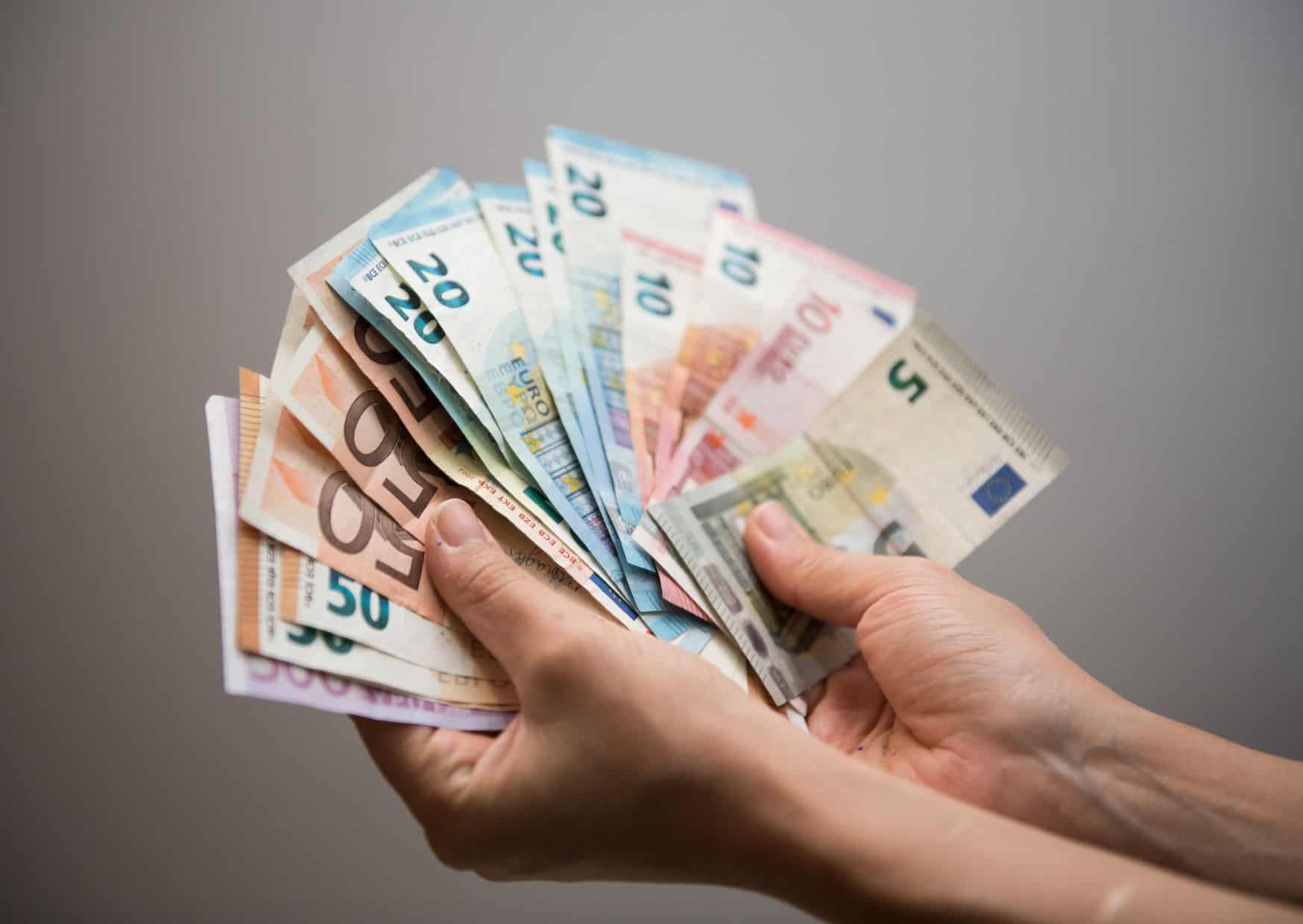
While many EU countries use the euro, others (like Switzerland, Hungary, and the UK) have their own currency.
Check in advance, and carry some cash—especially for small shops, markets, or remote areas.
8. Tipping Is Optional or Modest
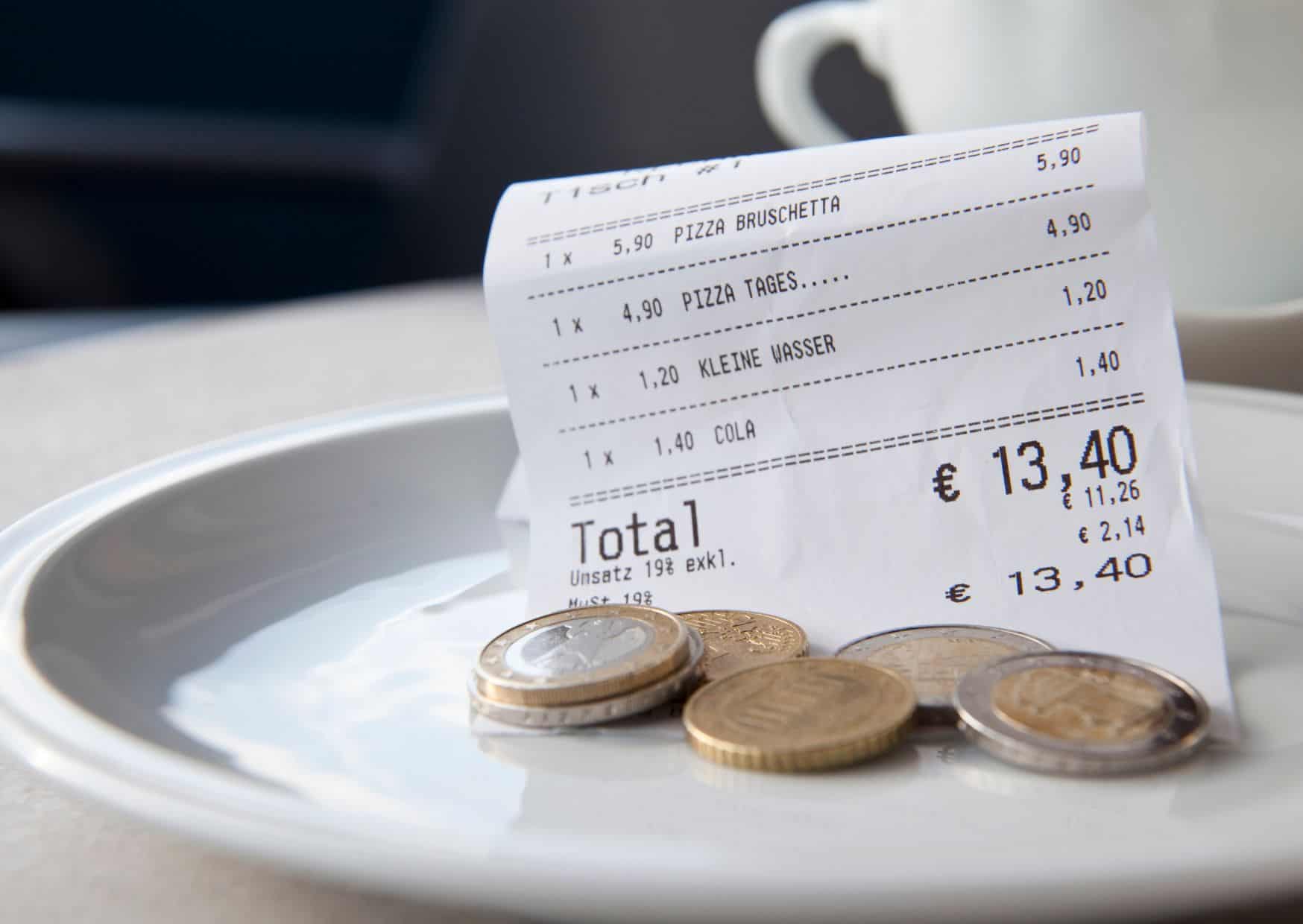
In much of Europe, tipping isn’t mandatory and service charges are often included. If you tip, 5–10% is more than enough.
In cafés or casual spots, rounding up the bill is polite but not expected.
9. Trains Are King

Trains in Europe are fast, scenic, and widely used. Skip the car rental when city-hopping and learn how to use local rail systems or apps like Omio and Rail Europe.
Book in advance for long-distance travel to save big.
10. Public Bathrooms May Cost Money
Yep, even in train stations and shopping centers. Have small coins on hand—usually around €0.50.
Don’t wait until the last minute—you’ll thank yourself.
11. Bring a Universal Adapter (and Check the Voltage)

Europe uses different plugs and 220V electricity. U.S. appliances can short-circuit without the right adapter or converter.
A universal travel adapter with USB ports = game changer.
12. Walking Is a Way of Life

You’ll walk a lot—so plan your footwear accordingly. Many cities are pedestrian-friendly and have old streets inaccessible by car.
Break in your shoes before you go. Blisters in Paris = bad memories.
13. Things Close Earlier (and Sundays Are Quiet)
Many stores, pharmacies, and even restaurants close early—and Sundays can feel like a ghost town in smaller cities.
Always check opening hours, and don’t expect 24/7 convenience.
14. Wi-Fi Isn’t Everywhere—and It’s Not Always Free
Don’t assume every café or train will have Wi-Fi. Have a roaming plan, local SIM, or eSIM for smooth travel.
Download offline maps and translations ahead of time, just in case.
15. You’re a Guest—Not the Center of Attention
Many Americans are used to being the cultural default. Abroad, you’re the outsider—and that’s part of the beauty of travel.
Approach with curiosity, not comparison. Say yes more. Observe. Adapt. Respect.
Final Thoughts
European travel offers unforgettable art, history, landscapes, and cultures—but only if you’re open to doing things differently. Embracing local norms isn’t a burden; it’s a gateway to more meaningful connections, smoother experiences, and genuine respect from the people hosting you.
Rather than approaching your trip with a tourist checklist, think of it as temporary citizenship. Observe more, ask thoughtful questions, and adapt where you can. You’ll find that people are more welcoming, service is better, and you’re invited into experiences money can’t buy—like a spontaneous local conversation or an unlisted neighborhood gem.
In the end, travel isn’t just about seeing new places. It’s about seeing yourself in new ways. If you’re willing to check your assumptions at customs, Europe won’t just surprise you—it will change you. And that’s the real passport to unforgettable travel.

About the Author: Ruben, co-founder of Gamintraveler.com since 2014, is a seasoned traveler from Spain who has explored over 100 countries since 2009. Known for his extensive travel adventures across South America, Europe, the US, Australia, New Zealand, Asia, and Africa, Ruben combines his passion for adventurous yet sustainable living with his love for cycling, highlighted by his remarkable 5-month bicycle journey from Spain to Norway. He currently resides in Spain, where he continues sharing his travel experiences with his partner, Rachel, and their son, Han.