
And what it reveals about lifestyle value, social rhythm, and why one region turns modest income into dignity while the other treats it like barely enough
In the United States, a $2,000 retirement check can feel like a limitation. It might cover rent in a small town, groceries from chain stores, and the barest of healthcare. It won’t support travel. It won’t cover emergencies. And in major cities, it doesn’t even keep pace with inflation. For millions of Americans, retirement isn’t rest—it’s financial anxiety, patched together with part-time work or a downsized life.
In parts of the Mediterranean—coastal Spain, southern Italy, small-town Portugal—that same $2,000 becomes something else. Rent costs a fraction. Food is fresh and local. Healthcare is public, reliable, and low-cost. The rhythm of life slows, and dignity returns. Retirees report feeling richer, not because they have more, but because they’re spending it in a system built to stretch value.
This isn’t fantasy. It’s a growing trend. Thousands of Americans now live in small Mediterranean towns where their fixed incomes give them freedoms they never had in the U.S.—a sunny apartment, a glass of wine on a weekday, access to care without panic. The money hasn’t changed. But the context has.
Here’s why American retirement checks go five times further in the Mediterranean—and what this contrast reveals about how two regions value aging, money, and the meaning of “enough.”
Want More Deep Dives into Everyday European Culture?
– Why Europeans Walk Everywhere (And Americans Should Too)
– How Europeans Actually Afford Living in Cities Without Six-Figure Salaries
– 9 ‘Luxury’ Items in America That Europeans Consider Basic Necessities
1. Rent is a fraction of U.S. prices and doesn’t swallow your life
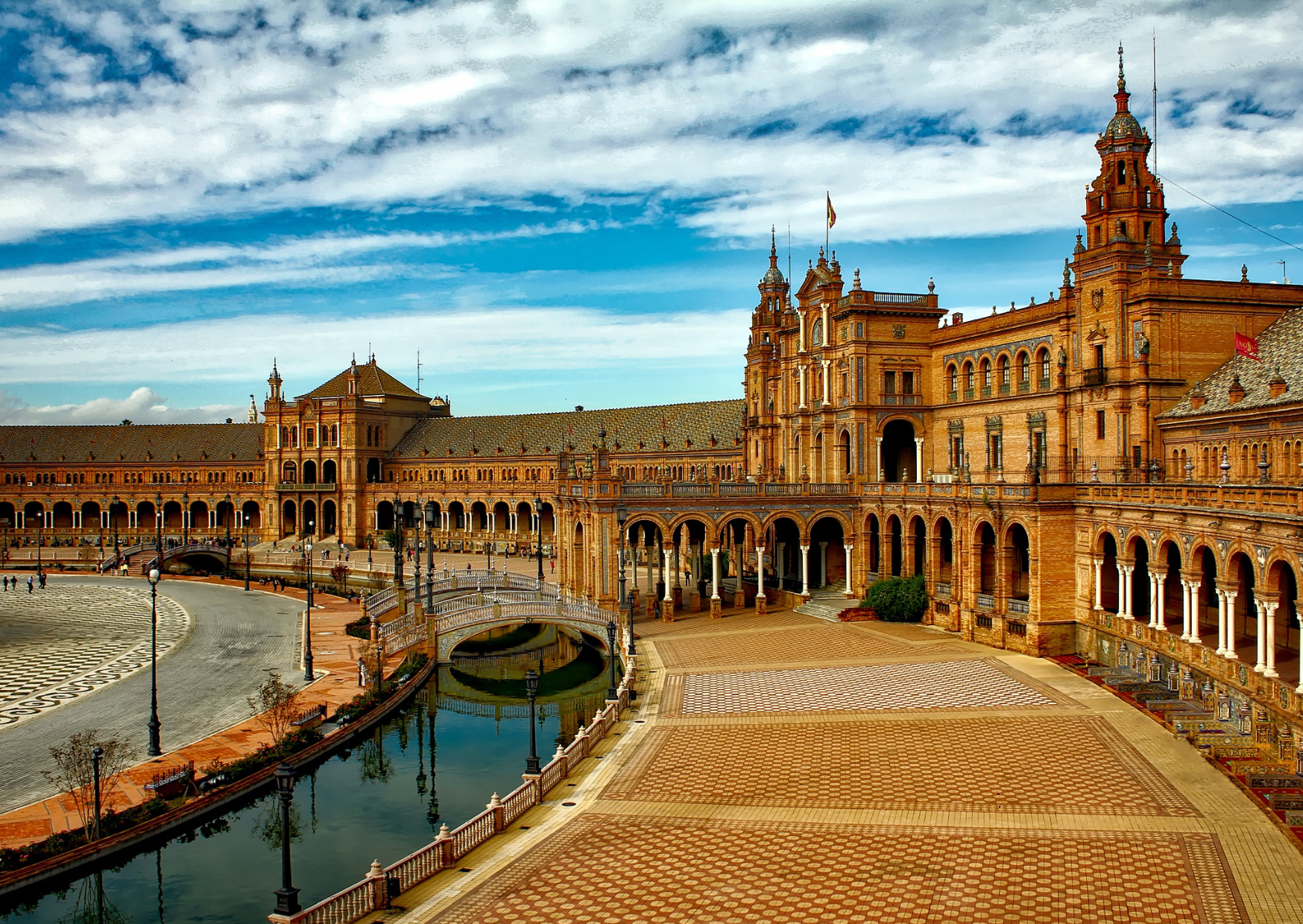
In cities like Lecce, Spain’s Almuñécar, or coastal villages in southern Portugal, one-bedroom apartments regularly rent for €400–600 a month. These are not luxury units—but they are private, clean, and central. No roommates. No converted garages. No trade-off between location and safety.
In the U.S., even small towns routinely charge $1,200 or more for modest apartments. And in coastal areas, prices often soar past $2,000. Rent consumes 60–70% of fixed income for many seniors—leaving little for anything else. One of the greatest shifts for Americans in the Mediterranean is the return of discretionary money. When rent is €450, you can breathe.
This isn’t a temporary market quirk. It’s a reflection of different housing priorities. In Mediterranean towns, landlords still rent at livable prices. Renters are seen as neighbors, not financial assets. Evictions are rare. Housing is shelter—not leverage.
And for retirees, that shift is everything. It means their monthly check doesn’t vanish on day one. It means they can live, not just survive.
2. Food is not just cheaper. It’s simpler, fresher, and unbranded

American grocery stores are overwhelming: giant aisles, dozens of brands per item, and prices that vary week to week. A retiree on a budget spends time doing math. Buying fruit becomes a question of coupons and shelf labels. Prepared food is expensive. Healthier options often cost more.
In small-town Spain or Italy, markets work differently. You buy what’s in season. Prices are written on cardboard signs. There is no brand loyalty, because there are fewer brands. Tomatoes are just tomatoes. Cheese is sold in wedges, not wrapped in plastic. And food isn’t filled with preservatives for long-haul shipping.
An average food budget for a single person in a Mediterranean town is often €180–250 per month, and that includes meat, fish, produce, and occasional dinners out. That same amount in the U.S. might barely cover processed staples or a few restaurant meals.
The cultural difference isn’t just price—it’s trust. Food is sold to be eaten, not preserved, marketed, or branded. That strips out layers of cost, and retirees feel it immediately.
3. Healthcare isn’t just cheaper it’s built for aging bodies
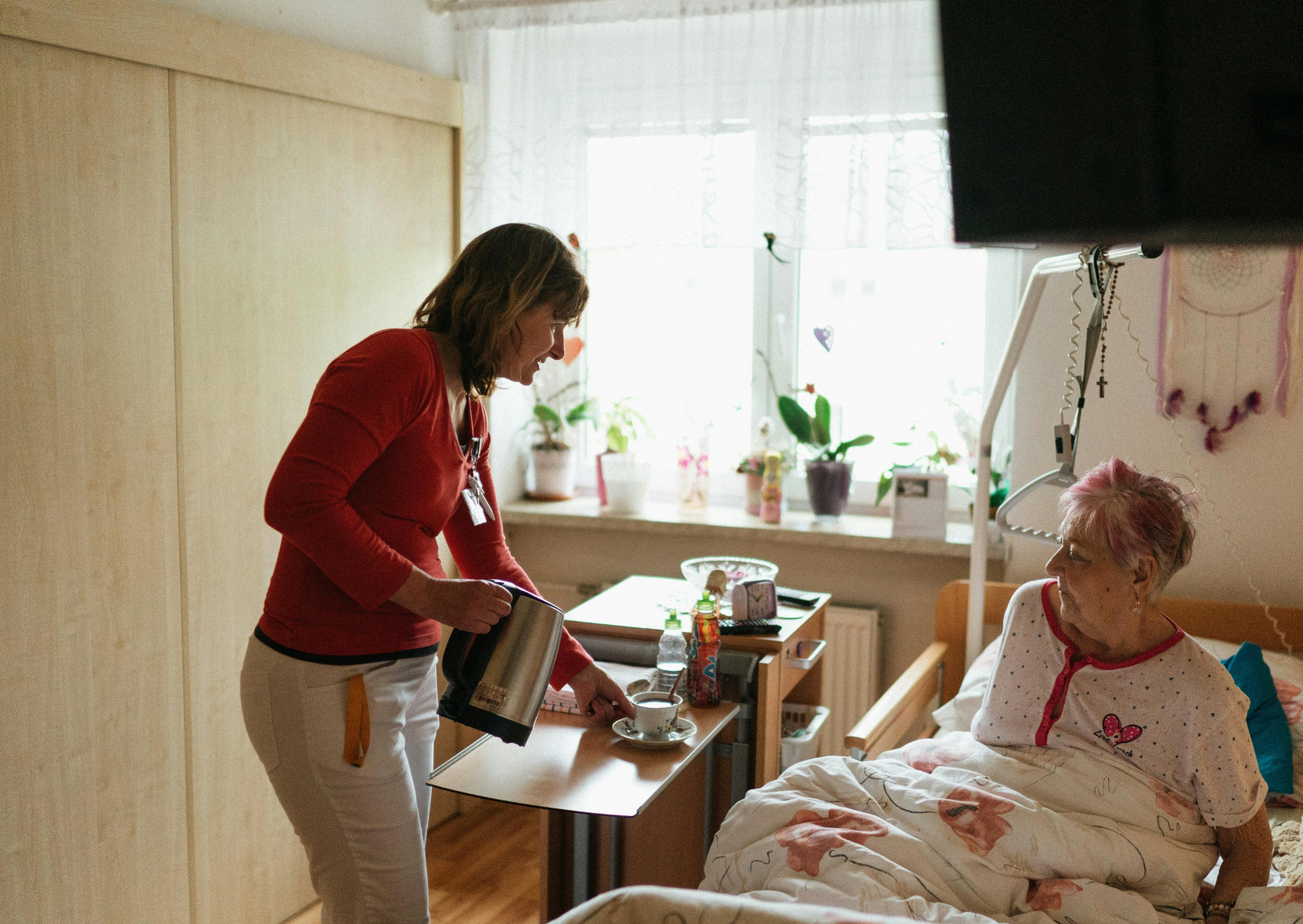
The most profound difference many retirees experience in the Mediterranean is what healthcare feels like. In the U.S., a single blood test can cost $100. A scan might be $800. Even with Medicare, the system is fragmented. You pay monthly premiums, copays, deductibles—and still brace for surprise bills.
In Spain, Italy, and Portugal, public healthcare is either free or dramatically subsidized. A visit to a GP might cost €5–10. Most prescriptions are covered. Emergency care doesn’t bankrupt anyone. And routine procedures don’t require begging for preauthorization.
For retirees, this means something deeper than savings. It means access without fear. Doctors aren’t rushed. Clinics are local. You don’t skip appointments because of cost. You don’t put off treatment. The system treats you like a human—older, yes, but still whole.
And when healthcare stops being a financial threat, it becomes a real form of support. That’s worth more than money.
4. Utilities, transportation, and services are modest and steady

In the U.S., monthly bills stretch a fixed income thin. Utilities fluctuate wildly. Cell phone plans come with fees. Transportation is often car-dependent—meaning insurance, gas, and maintenance stack up.
In Mediterranean towns, services are scaled to life, not profit. Utilities in a small apartment might total €70–100 per month, including electricity, water, and gas. Internet costs €25. A basic cell plan is €10–15. Public buses run on time, and pensioners ride for free or reduced rates.
Cars are optional. Many retirees walk. Shops are close. Health centers are nearby. That density—common in European urban planning—shrinks monthly costs without sacrificing quality of life.
Retirees don’t just stretch their budgets—they live inside smaller systems where less is needed, and more is provided by design.
5. Social life doesn’t require spending
In the U.S., being social costs money. You meet at restaurants, go to shows, buy tickets. Even hobbies come with dues, fees, or equipment. Retirement can feel isolating not because people lack time—but because they can’t afford to be social.
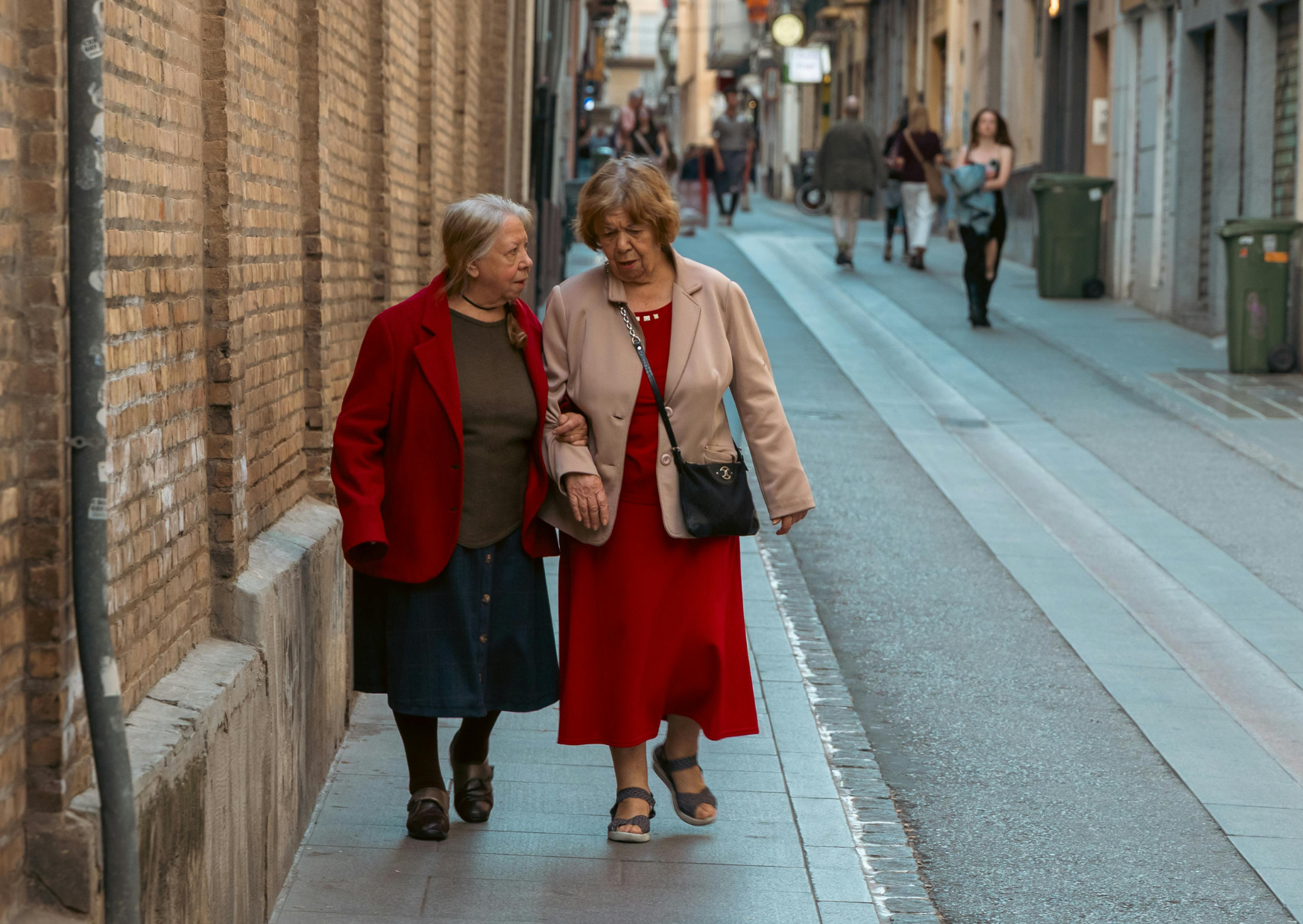
In Mediterranean towns, social life is built into the rhythm of the day. People gather in plazas, walk together, sit on benches. A €1 espresso buys you a table for an hour. Music fills streets during festivals. Libraries host public events. No one expects you to spend just to belong.
This return to unmonetized social interaction is deeply healing. Retirees find community again—not as consumers, but as participants. They are seen. Spoken to. Not ignored because they’re not “spending.”
And that makes their lives feel full again.
6. Local government supports aging, not just “active seniors”

Many American retirement programs cater to a specific type of retiree—healthy, active, still-consuming. Once you stop fitting that mold, support thins out. Aging becomes medicalized. You’re shuffled toward specialists, not supported in daily life.
In many Mediterranean towns, aging is normalized. Pharmacies are everywhere. Nurses visit homes. Local governments provide discounts, health screenings, and help with errands. You don’t need to prove disability to get help. You just need to be old.
This soft infrastructure may not be flashy, but it creates a safety net you can feel. You’re not on your own. You’re in a community that expected you to age—and made space for it.
7. Time moves differently and pressure fades
In the U.S., even retirees report stress. Time feels compressed. Errands take hours. Everything moves fast. You’re expected to keep up—to be “independent,” efficient, on-schedule. Aging becomes a race against obsolescence.
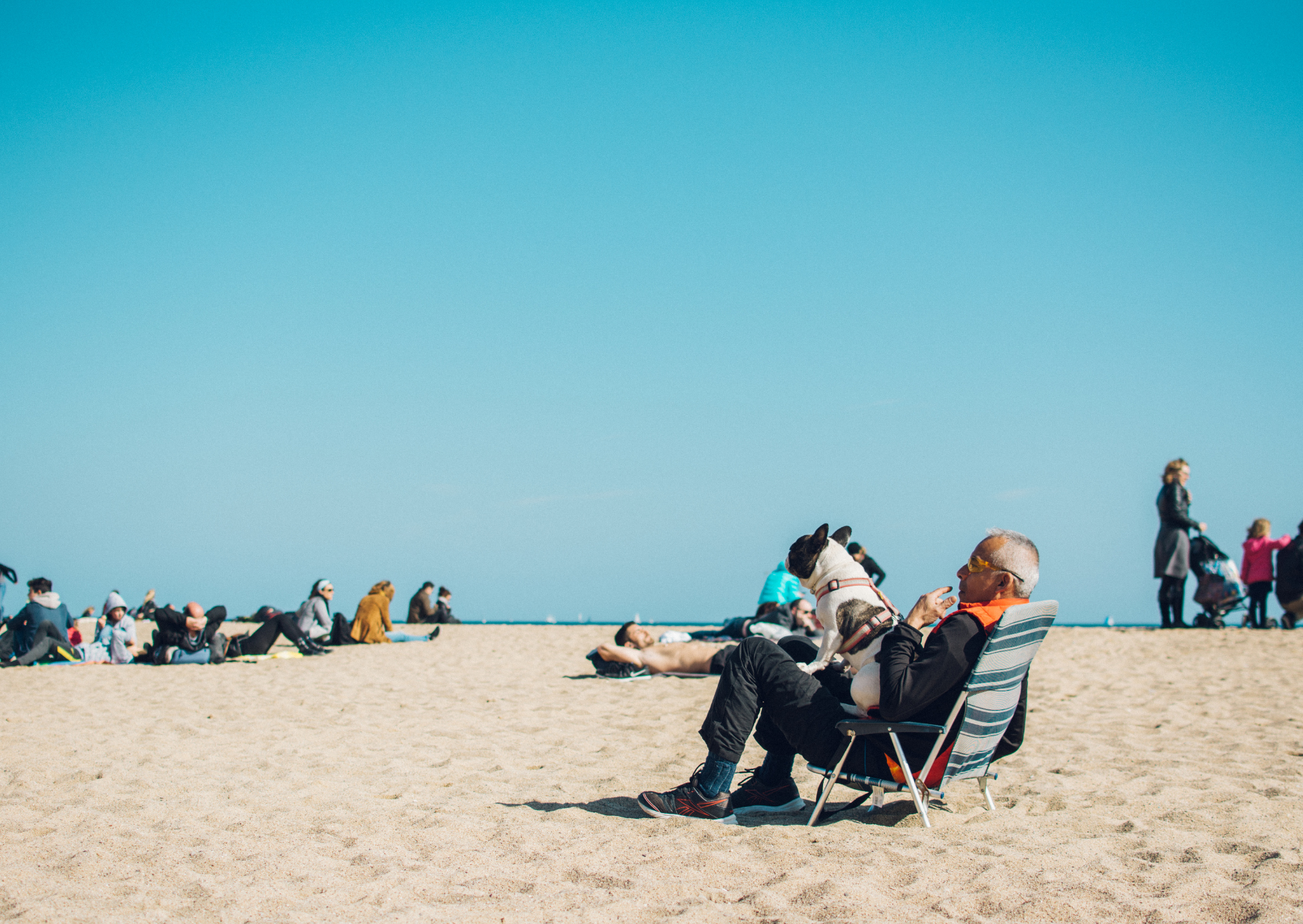
In Mediterranean towns, time expands. You wait for buses. You talk to neighbors. Lunch might last two hours. Things close mid-day. You slow down—not because you gave up, but because the culture invites you to.
This doesn’t mean people are idle. It means they aren’t measured by productivity. And for American retirees used to “earning their rest,” this shift feels strange—and then, liberating.
Suddenly, you don’t have to justify each day. You can just live it.
8. Retirement isn’t shameful—it’s honored
In the U.S., retirement is often treated as a quiet exit. You’re no longer central. You disappear from the workforce, then from public life. Respect dwindles. Visibility fades.
In Mediterranean towns, older people are visible. They walk. They argue politics. They drink coffee in groups. They sit near playgrounds, talk to strangers, remain part of the city’s rhythm.
There’s no need to “stay young” to be respected. Aging doesn’t need rebranding. It’s part of life—and retirement is not shameful. It’s deserved.
That cultural framing makes all the difference. Retirees feel seen, not discarded.
9. The systems are imperfect but they work at human scale
Mediterranean countries aren’t utopias. Bureaucracy can be slow. Healthcare has wait times. Apartments can be drafty. But these issues exist at human scale. You can speak to someone. You can walk to the office. You’re not trapped in an algorithm.
Americans used to battling megasystems are often relieved by how approachable daily life feels. Systems are built for humans—not for efficiency metrics or quarterly earnings.
And when you live in a world scaled for humans, your modest income stretches further—because fewer people are trying to take it from you.
10. Retirees regain what they lost: dignity

This is the quiet truth beneath every budget: it’s not just about money. It’s about how you feel when you spend it. In the U.S., spending often brings stress. “Can I afford this?” “What will this cost later?” Every purchase is a calculation.
In Mediterranean towns, modest spending often brings ease. A meal isn’t followed by guilt. A haircut doesn’t mean skipping groceries. You regain the feeling that your money has weight—not just numerically, but culturally.
You feel like you belong. Like you can keep up. Like you’re not failing because your income is fixed.
And that feeling is priceless.
It’s Not That Retirees Have More. It’s That They Live in a Place That Asks Less
A retirement check doesn’t change when you move abroad. But what it buys—and how you’re treated for having it—changes completely.
In the U.S., $2,000 a month feels like scraping by. In the Mediterranean, it feels like breathing room. The difference is not in the math. It’s in the systems, the expectations, and the cultural respect for aging that stretches value without demanding more.

About the Author: Ruben, co-founder of Gamintraveler.com since 2014, is a seasoned traveler from Spain who has explored over 100 countries since 2009. Known for his extensive travel adventures across South America, Europe, the US, Australia, New Zealand, Asia, and Africa, Ruben combines his passion for adventurous yet sustainable living with his love for cycling, highlighted by his remarkable 5-month bicycle journey from Spain to Norway. He currently resides in Spain, where he continues sharing his travel experiences with his partner, Rachel, and their son, Han.