
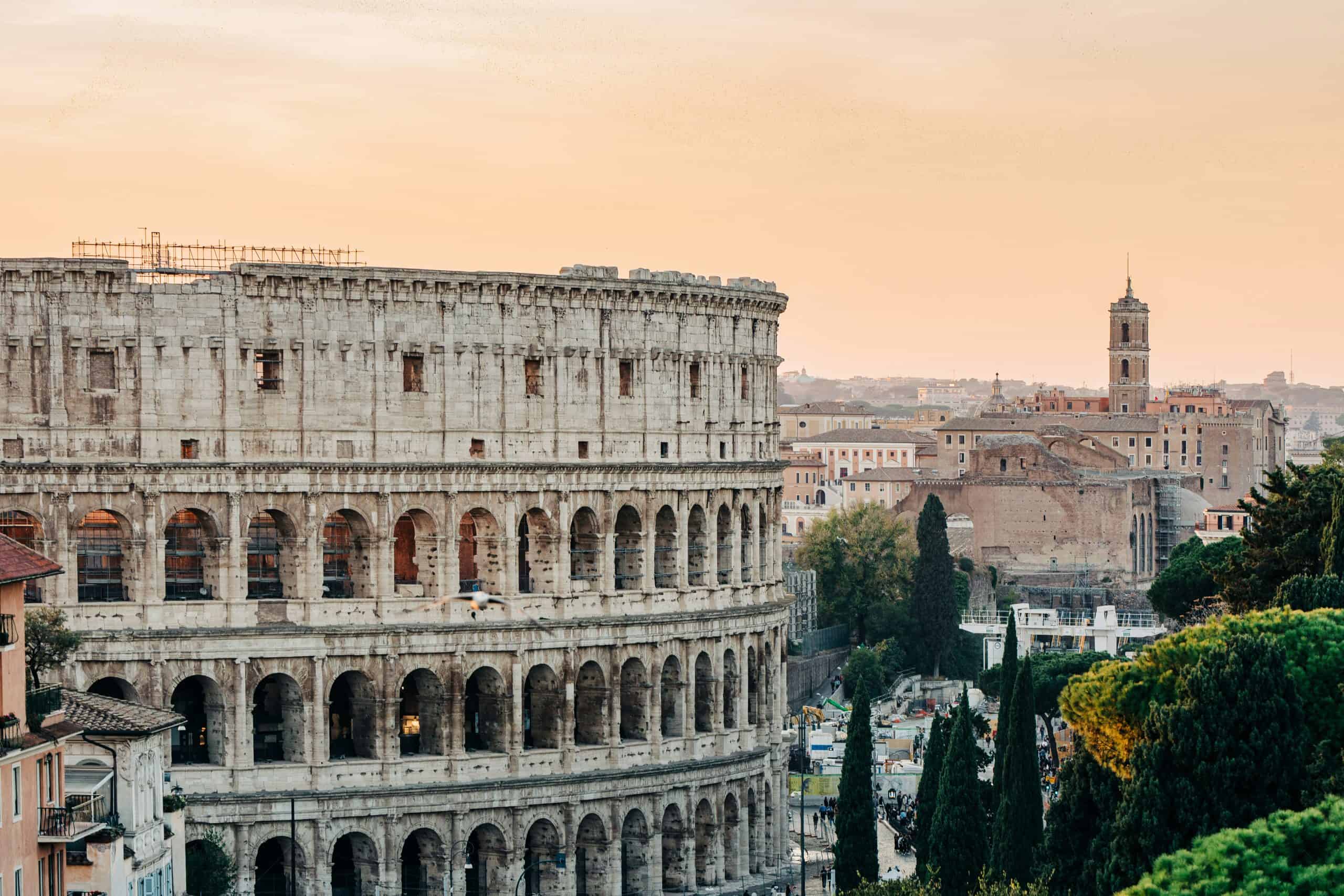
Ciao, friend! So, you’re dreaming of living in the Eternal City on a 2,000 euro budget? Well, grab a cappuccino, and let’s chat about how you can make Rome your home without emptying your wallet.
From finding that perfect apartment to savoring authentic Italian gelato, I’ve got the insider tips to help you live la dolce vita on a budget.
Rome is a city that draws millions of visitors every year with its ancient ruins, charming cobbled streets, and effortlessly stylish locals sipping espresso at every corner café. But what happens when you move beyond the tourist sights and decide to actually live here? For many aspiring expats and digital nomads, the dream quickly turns into the question: is it even possible to live comfortably in Rome on a €2,000 monthly budget?
From high rents in the city center to daily cappuccino and aperitivo temptations, Rome can appear intimidatingly expensive. However, with smart choices, realistic expectations, and a willingness to embrace local living rather than tourist habits, €2,000 can go further than many assume. It’s about understanding the difference between living like a Roman and vacationing like a visitor.
This blog post will break down whether living in Rome on €2,000 a month is realistic, what sacrifices or lifestyle shifts might be required, and practical tips for making the Eternal City your home without breaking the bank. If you’re dreaming of living under the Roman sun, read on to see what’s truly possible.
Additional Reads:
– Best Months to Visit Rome: What to Do and What to Eat
– 10 Silly Mistakes to Avoid in Rome: What Tourists Might Be Doing Wrong in Rome
– How To Get From Rome Airport To Colosseum Best Way
– Getting an Italy SIM Card in 2024: Prepaid SIM Card in Italy
– Travel Insurance for Short Stays and Long Stays in Italy
Quick Easy Tips
Choose outer neighborhoods like San Giovanni, Pigneto, or Monteverde for cheaper rent with local charm.
Shop at neighborhood markets instead of supermarkets for fresh produce at lower prices.
Use monthly public transport passes instead of taxis or Ubers to get around affordably.
Limit aperitivo outings to once or twice a week and make dinner at home most nights.
Consider shared housing or coliving options to reduce rent and build community quickly.
One controversial truth is that many foreigners move to Rome expecting to live in the historical center on a modest budget. The reality is that central Rome rents are among the highest in Italy, and unless you’re sharing a small apartment, your entire budget could disappear on rent alone. Living like a local often means living outside the postcard neighborhoods and embracing a more residential, authentic Roman lifestyle.
Another misunderstood aspect is food costs. While eating out daily at trattorias and cafes feels like living your Italian fantasy, locals do not dine out this frequently. They cook at home, shop at markets, and reserve restaurant meals for special occasions or weekends. Adopting this mindset is crucial if you want your €2,000 to stretch each month.
Finally, while many envision working remotely from trendy cafés, Rome’s café culture does not favor laptop workers lingering for hours. Most Italians drink their coffee standing at the bar and leave within minutes. For remote workers, this requires adapting to coworking spaces or working from home, which can change the social aspect of their idealized Italian lifestyle.
1. Finding Your Roman Abode
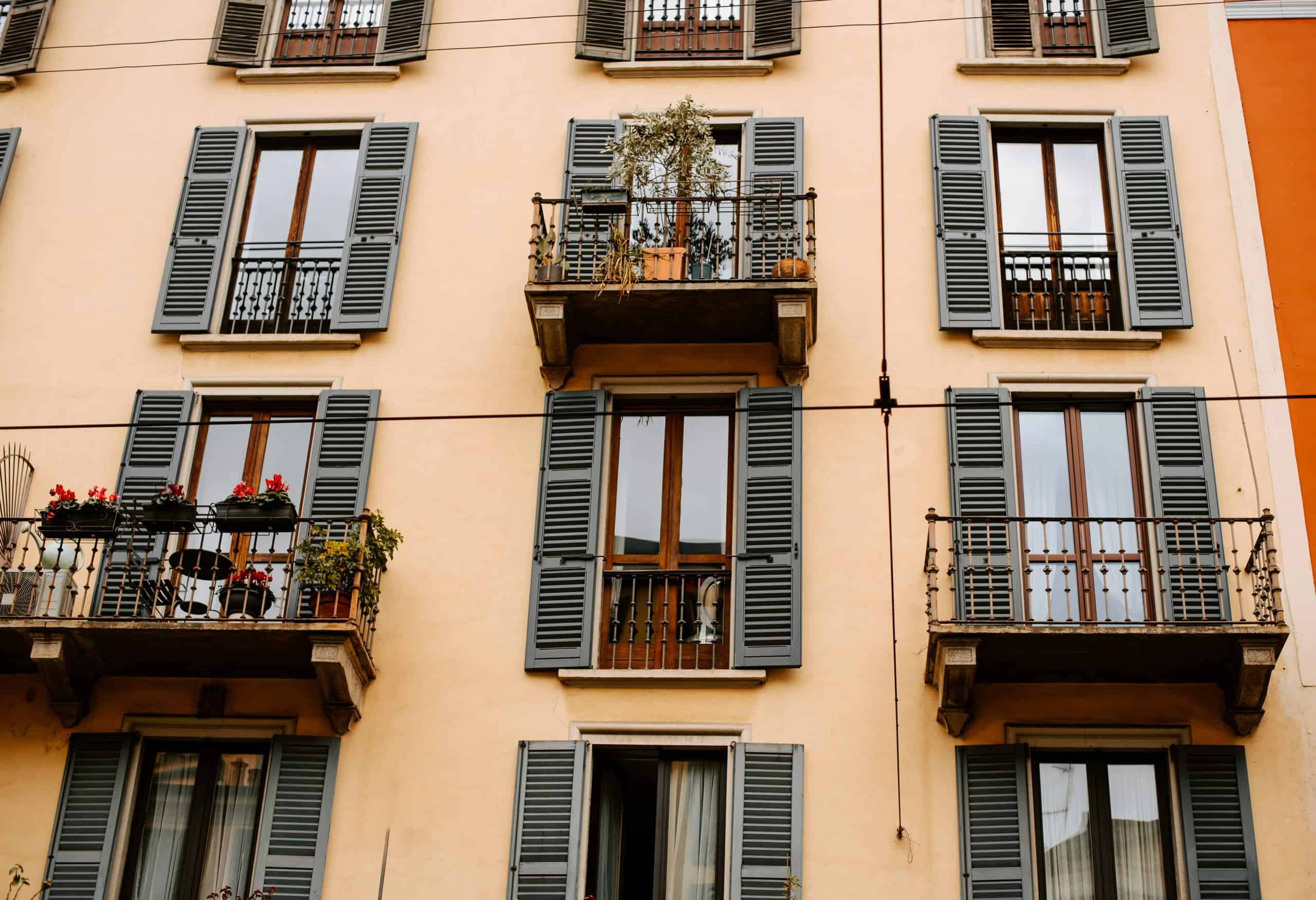
Let’s start with the big one—housing.
- Shared Apartments (Appartamenti Condivisi): Sharing is caring—and budget-friendly! Renting a room in a shared flat can cost between 400 to 600 euros per month in central neighborhoods like Trastevere or San Lorenzo.
- Studios and One-Bedroom Flats: Prefer your own space? Look into areas slightly outside the tourist zones, such as Monteverde or Pigneto, where rents can be around 700 to 900 euros per month.
- Tips:
- Use Local Websites: Check out sites like Idealista, Immobiliare.it, or Facebook groups for listings.
- Avoid Agency Fees: Renting directly from owners can save you up to a month’s rent.
- Visit in Person: Pictures can be deceiving—always visit before signing anything.
2. Navigating the City
Rome’s public transport is your friend.
- Monthly Pass: For just 35 euros, you get unlimited rides on buses, trams, and the metro.
- Walking and Biking: The city is incredibly walkable. Plus, biking is becoming more popular, with bike-sharing services like oBike.
- Scooters and Mopeds: Feeling adventurous? Renting a scooter costs about 100 euros per month, and it’s a quintessential Roman experience.

3. Eating Like a Local
Food is love, especially in Italy!
- Groceries:
- Local Markets: Shopping at markets like Campo de’ Fiori or Mercato Testaccio can save you money and offer the freshest produce.
- Supermarkets: Chains like Coop or Conad offer weekly deals. Expect to spend around 150 to 200 euros per month on groceries.
- Eating Out:
- Pizza al Taglio: Grab a slice for 3 euros—perfect for lunch on the go.
- Trattorias and Osterias: Enjoy a sit-down meal for 10 to 15 euros. Try the cacio e pepe—you won’t regret it.
- Aperitivo Time: For 8 to 12 euros, enjoy a drink plus a buffet of snacks. It’s a social staple!
- Coffee Culture:
- Espresso at the Bar: Just 1 euro for a quick caffeine fix. Remember, sitting down may cost extra!
4. Immersing in Roman Life
Experience the city without spending a fortune.
- Free Attractions:
- Historical Sites: Wander around the Pantheon, Trevi Fountain, or Spanish Steps—all free!
- Parks: Relax in Villa Borghese or Villa Ada.
- Cultural Events:
- Museums: Many offer free entry on the first Sunday of the month.
- Festivals: Keep an eye out for local events, especially during summer.
- Language Exchanges: Join groups to practice Italian and meet new people—usually free and held in local bars.
5. Managing Monthly Expenses
Let’s crunch some numbers.
- Utilities (Utilities):
- Electricity, Gas, Water: Typically around 100 euros per month, often split if you’re sharing.
- Internet and Phone:
- Mobile Plans: Companies like TIM, Vodafone, or WindTre offer deals around 10 to 20 euros per month.
- Home Internet: Costs about 25 to 30 euros per month.
- Health Insurance:
- European Health Insurance Card (EHIC): If you’re from the EU, this card covers basic medical needs.
- Private Insurance: For non-EU residents, budget around 50 euros per month.
- Miscellaneous:
- Gym Memberships: Approximately 40 to 60 euros per month.
- Streaming Services: Netflix, Spotify, etc., add up to about 20 euros.
6. Learning the Lingo
Italian is music to the ears—and handy for daily life.
- Language Schools: Group classes can cost 150 euros per month.
- Apps and Online Resources: Duolingo, Babbel, and YouTube are great free options.
- Practice Makes Perfect: Use your Italian at markets, cafes, and with neighbors.
7. Sample Monthly Budget Breakdown
| Expense | Cost (Euros) |
|---|---|
| Rent (Shared Apartment) | 500 |
| Utilities | 100 |
| Groceries | 180 |
| Eating Out | 150 |
| Transportation | 35 |
| Phone & Internet | 40 |
| Leisure & Entertainment | 150 |
| Miscellaneous | 100 |
| Total | 1,255 |
Wow! That leaves you with around 745 euros from your 2,000 euro budget. Plenty of room for savings, travel, or the occasional splurge.
8. Tips to Maximize Your Budget
- Cook at Home: It’s cheaper and a fun way to explore Italian cuisine.
- Discount Cards: Consider the Roma Pass for museum discounts and free transport.
- Second-Hand Shopping: Markets like Porta Portese offer everything from clothes to furniture at bargain prices.
- Avoid Tourist Traps: Venture beyond the city center for better prices and authentic experiences.
9. Navigating Italian Bureaucracy
It’s not the most thrilling part, but it’s essential.
- Codice Fiscale: This tax code is necessary for renting, working, and more. Obtain it at the local tax office (Agenzia delle Entrate)—it’s free!
- Residence Permit (Permesso di Soggiorno): Non-EU citizens need this permit. It costs about 80 euros, and the process can take several weeks.
- Bank Account: Opening an account might require patience. Online banks like N26 or Revolut are alternatives.
10. Healthcare and Safety
Stay healthy and safe in your new city.
- Pharmacies: Marked with a green cross, they’re your go-to for medicines and health advice.
- Emergency Numbers:
- Medical Emergencies: 118
- Police: 112
- Stay Aware: Rome is generally safe, but be mindful of pickpockets in crowded areas.
11. Making Friends and Building a Community
Because home is where your friends are.
- Expat Groups: Join communities on Facebook or Meetup to connect with fellow expats.
- Hobbies and Clubs: Whether it’s a cooking class or a soccer team, shared interests are a great way to meet locals.
- Volunteer: Organizations like Retake Roma offer opportunities to give back and meet people.
12. Embracing the Culture
Dive deep into what makes Rome unique.
- Festivals: Don’t miss La Notte Bianca or Estate Romana—the city comes alive with music, art, and performances.
- Sports: Catch a football match at Stadio Olimpico—the energy is electric!
- Art and History: Take advantage of living in a city rich with museums, galleries, and historical sites.
Final Thoughts
Living in Rome on a €2,000 monthly budget is not impossible, but it requires strategic choices, local insight, and an honest assessment of what “comfortable” means for you. If your idea of living in Rome includes frequent fine dining, a private apartment in Trastevere, and daily shopping along Via del Corso, you will quickly surpass your budget. However, if you focus on local experiences, public transport, and neighborhood life, Rome becomes far more affordable.
The trade-off is worth it for many expats. You may sacrifice square footage, luxury gym memberships, or daily café brunches, but you gain long evening walks past illuminated ruins, access to local markets bursting with seasonal produce, and a cultural immersion that no short vacation can ever replicate.
At the end of the day, life in Rome is about embracing beauty in simplicity. With the right mindset and preparation, €2,000 can open the door to a deeply meaningful Italian life, one espresso, cobblestone stroll, and sunset aperitivo at a time.
So, are you ready to stroll through cobblestone streets, savor authentic Italian cuisine, and immerse yourself in a culture that’s captivated hearts for millennia? Rome is ready to welcome you with open arms and a hearty “Benvenuto!”
Remember, it’s not just about living cheaply; it’s about living fully. Here’s to your Roman adventure—salute!

About the Author: Ruben, co-founder of Gamintraveler.com since 2014, is a seasoned traveler from Spain who has explored over 100 countries since 2009. Known for his extensive travel adventures across South America, Europe, the US, Australia, New Zealand, Asia, and Africa, Ruben combines his passion for adventurous yet sustainable living with his love for cycling, highlighted by his remarkable 5-month bicycle journey from Spain to Norway. He currently resides in Spain, where he continues sharing his travel experiences with his partner, Rachel, and their son, Han.