
(And Why They’re Not as Uptight as You Think—Just More Observant)
Let’s set the scene.
You’re traveling through Europe. You’ve landed a spot at a beautiful outdoor café. The bread arrives. You’re sipping wine, soaking in the atmosphere. And then you unknowingly commit a major dining faux pas that instantly outs you as a foreigner.
No one says anything. But the locals definitely notice.
In much of Europe, meals are more than meals—they’re rituals. Time slows down. Conversation flows. And dining comes with a set of subtle expectations that aren’t written anywhere, but are understood by everyone at the table.
And while Americans might think of table manners as either outdated or overly formal, in Europe, they’re still alive, unspoken, and quietly enforced—especially when guests are watching.
Here are 9 table manners Americans often break in Europe, and what those little details say about very different dining cultures.
Want More Everyday Culture Shock Deep Dives?
– The European Shower Habit That Americans Find Completely Backwards
– The Hidden Meaning Behind 8 Common European Household Items Americans Don’t Understand
– 9 Home Features Europeans Consider Essential (That American Homes Lack)
Quick Easy Tips
Keep both hands visible – In many European countries, especially France and Germany, it’s rude to keep your hands under the table.
Use the fork and knife “European style” – That means fork in the left hand, knife in the right, no switching.
Don’t cut your salad – It’s seen as a lack of refinement. Fold it with your fork instead.
Wait for a toast before drinking – Especially in Central and Eastern Europe, drinking before the toast is bad form.
Don’t ask for substitutions – European dining is less “have it your way” and more “enjoy it as it’s meant to be.”
Bread isn’t an appetizer – It’s often used to help push food onto your fork or eaten with the meal, not before it.
No tipping overload – Leaving a 20% tip in Europe can be seen as flashy or uninformed. 5-10% or rounding up is usually enough.
Don’t ask for to-go boxes – In many places, that’s considered inappropriate or signals disrespect for the meal.
Use cutlery for everything – Even pizza or burgers in some countries are eaten with knife and fork.
One of the biggest points of confusion is the European distaste for American-style informality at the table. In the U.S., eating is often fast, casual, and flexible. But in Europe, meals are a ritual of etiquette and respect—especially in countries like France, Italy, and Austria. Americans who cut all their food first or switch fork hands mid-bite are quickly pegged as outsiders lacking table grace.
Asking for substitutions or modifying dishes is another faux pas. In Europe, chefs are seen as artisans, and changing a dish is considered disrespectful to their craft. In the U.S., the customer is always right; in much of Europe, the chef is. Americans who casually request “no cheese,” “extra sauce,” or “gluten-free, but not really” can come off as entitled or culturally tone-deaf.
Even tipping can become a cultural flashpoint. In the U.S., tipping generously is expected and often compensates for low wages. But in Europe, tipping is modest, and wages are usually included in the price. Americans tipping too much are seen not as generous, but unaware—or worse, flaunting wealth. For locals, it’s less about money and more about understanding the social rhythm of the dining table.
1. Cutting Food, Then Switching Hands
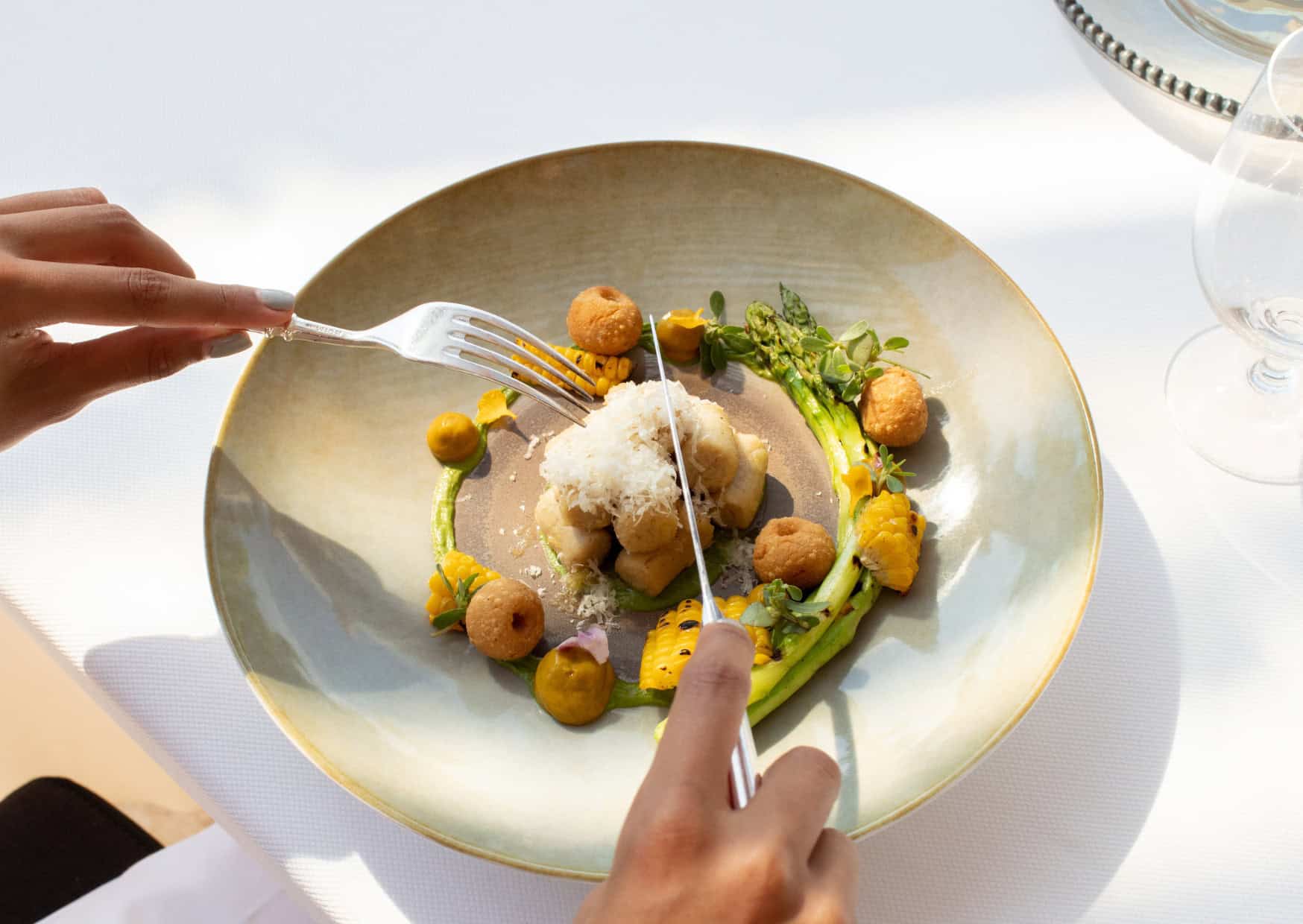
This is the big one. The move where you:
- Cut your food with fork in left hand, knife in right
- Then switch your fork to your right hand to eat
This is known as the “zigzag” method, and it’s standard in the U.S. But in Europe? It’s seen as fussy, inefficient, and a bit childish.
The European method:
- Fork stays in the left hand, knife in the right
- You cut and eat simultaneously, with no switching
It’s faster, smoother, and shows that you grew up with formal dining. Americans often get judged for “playing with their cutlery.”
2. Putting Bread on the Plate
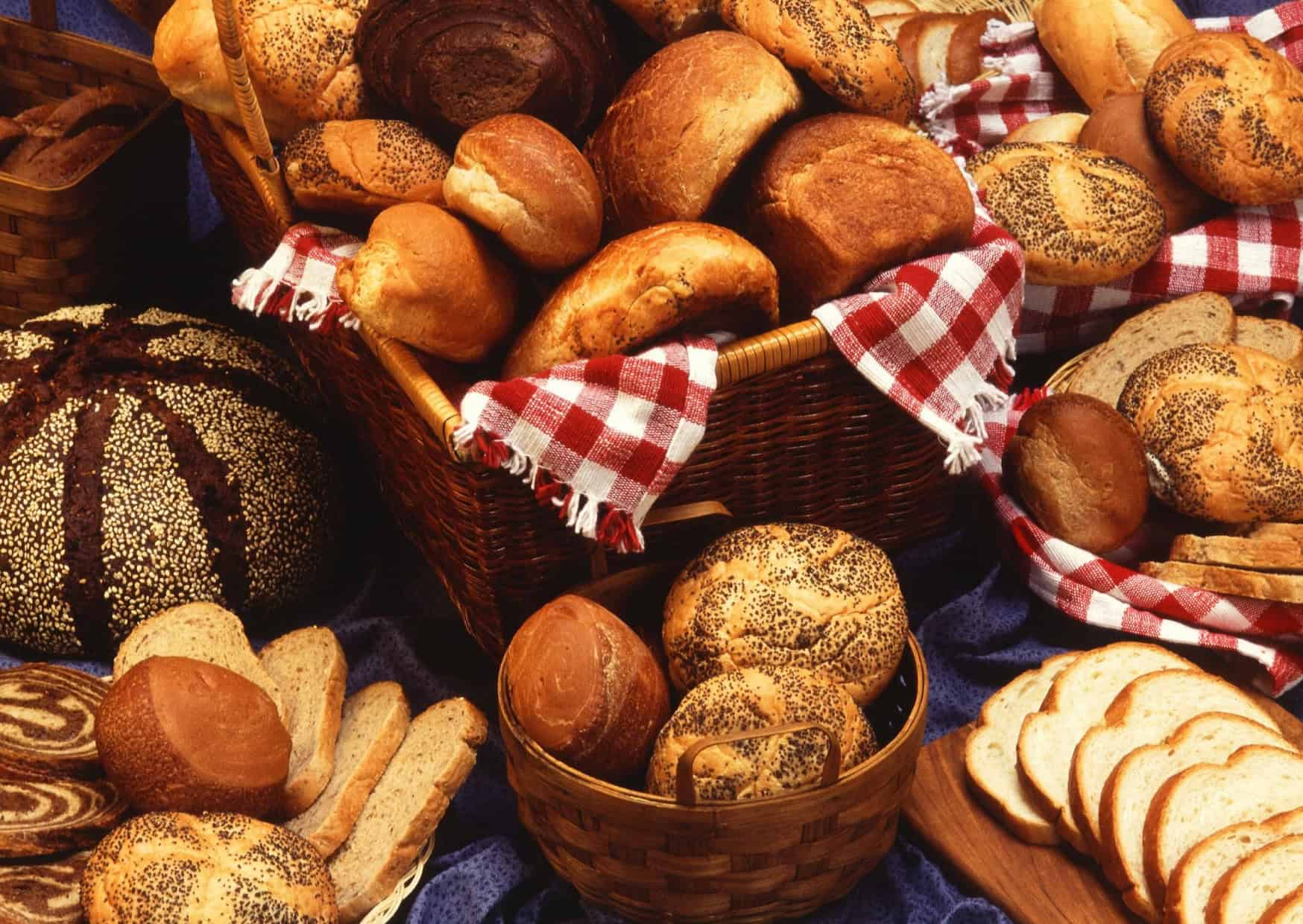
At most American restaurants, the bread goes right on your main plate or in the bread basket. But in many European countries—especially France, Italy, and Spain—bread has its own place: directly on the table or tablecloth.
No side plate needed.
This might seem strange, even unhygienic, to Americans. But in Europe, it’s normal—and often preferred. The bread is seen as a communal item, used to mop up sauces, not a plated component of the meal.
If you reach for the butter dish and try to slice and butter a roll like you’re at a corporate lunch? Yep, they’ll notice.
3. Diving In Before Everyone Is Served

In the U.S., if the food’s hot and ready, most people say “go ahead and eat!”—no need to wait for the whole table.
But in Europe? You wait. Always.
It’s considered impolite—even rude—to start eating before:
- Everyone at the table has been served
- The host says “Bon appétit” / “Buon appetito” / “Guten Appetit”
Even casual meals hold this rule. Eating before others signals impatience, self-centeredness, or a lack of basic etiquette.
Don’t be the one chomping away while your neighbor’s plate is still empty.
4. Asking for Customizations or Substitutions
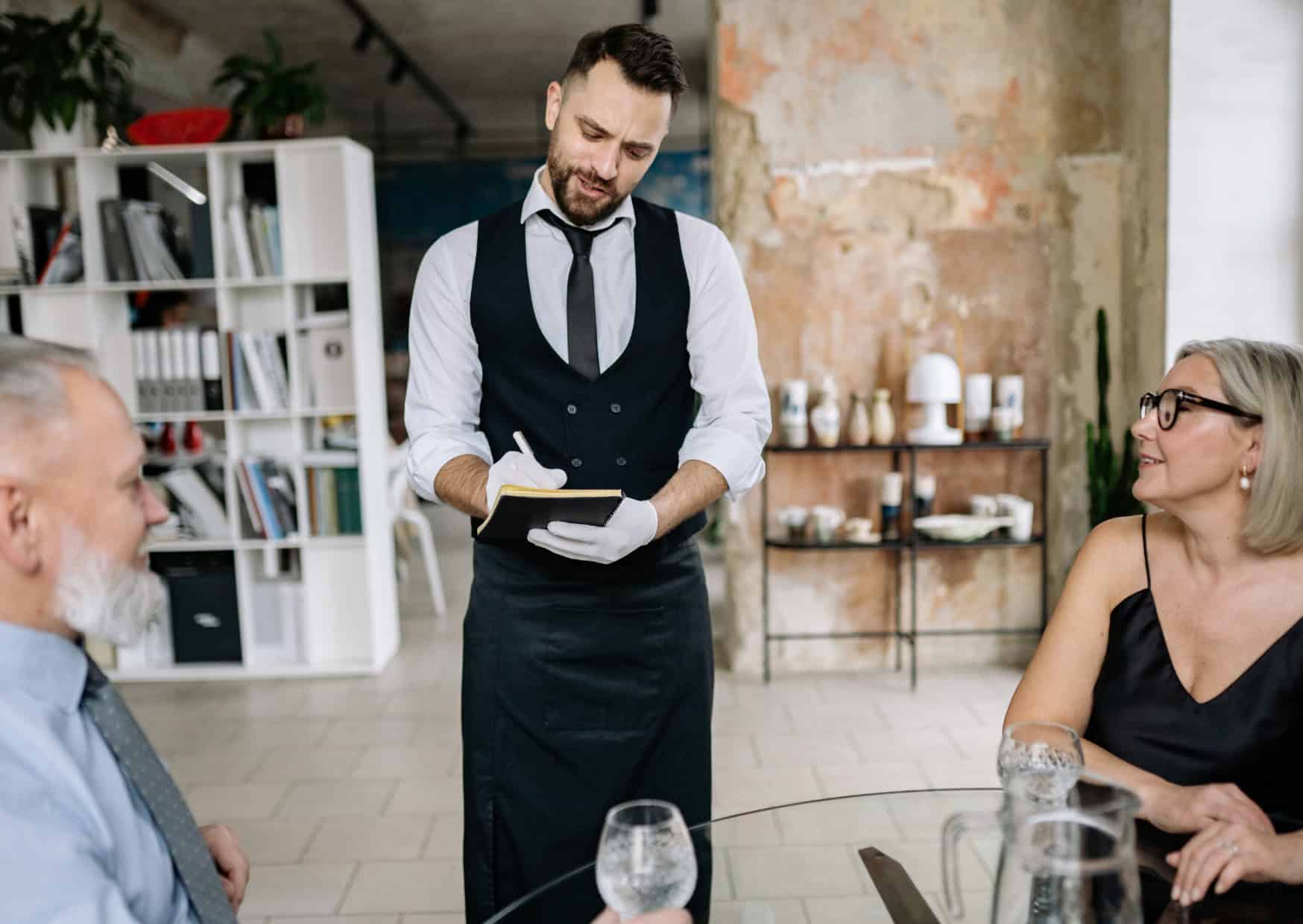
In America, modifying your order is expected—gluten-free, sauce on the side, dressing swapped, no onions.
In Europe? That kind of menu negotiation is seen as excessive at best, disrespectful at worst.
You’re essentially telling the chef: “I don’t trust your judgment.”
Most Europeans trust that a dish is crafted to taste a certain way. Unless you have an allergy, they order what’s on the menu, eat what’s served, and appreciate the dish as it was intended.
Americans who ask for “no cheese, but double avocado” often stick out instantly—and not in a good way.
5. Adding Salt or Pepper Before Tasting

Here’s a subtle move that Europeans notice immediately: grabbing the salt or pepper shakers before tasting your food.
In many European countries—especially France and Italy—this is considered a silent insult to the chef.
The assumption is that food is already seasoned properly. If you add salt before trying it, it signals distrust or a lack of refinement.
It doesn’t mean you can’t season your food—but wait until you’ve tasted it, and then do so with discretion.
6. Over-Tipping or Tipping the Wrong Way
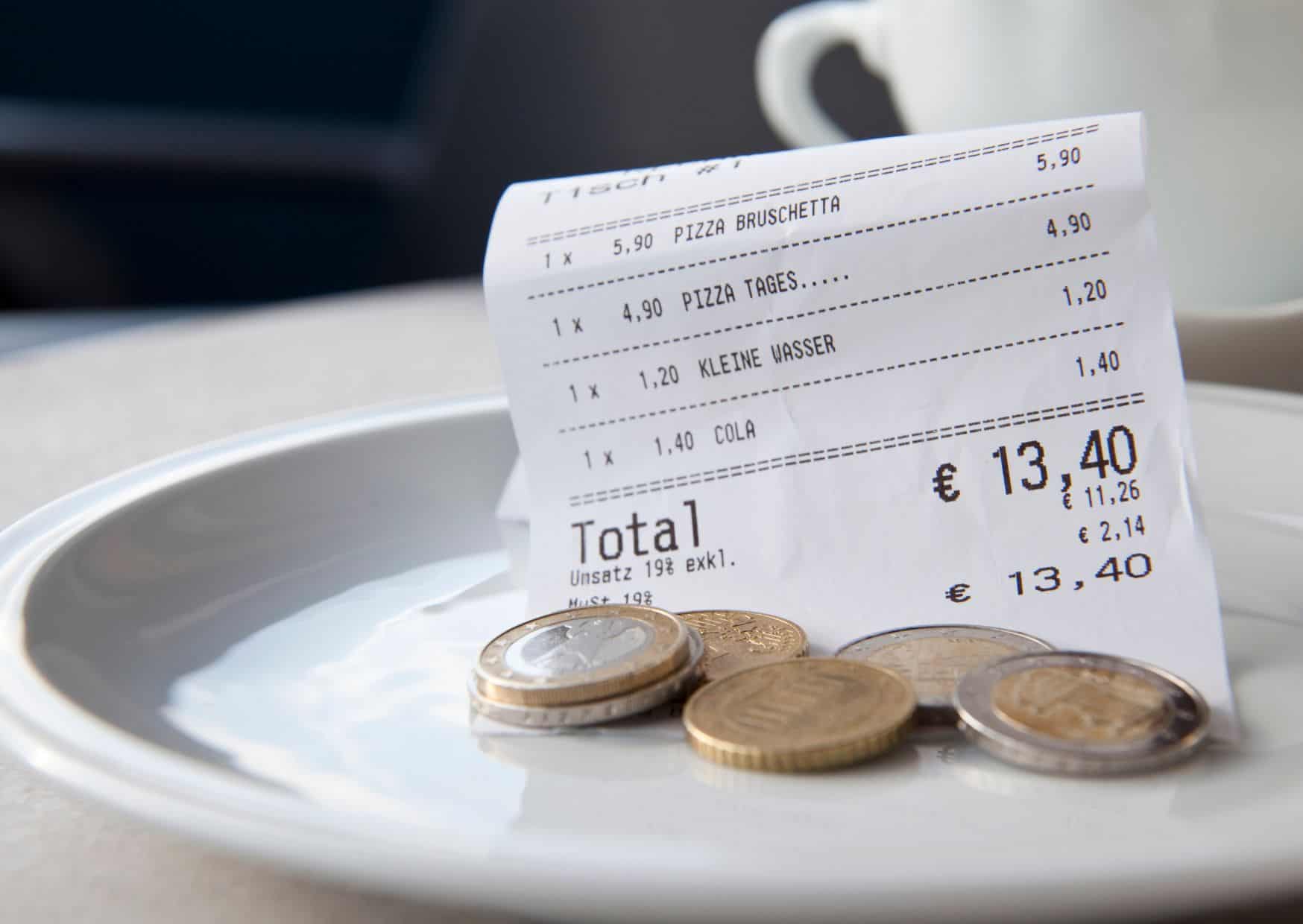
Americans often tip out of habit—20%, sometimes more. It’s automatic.
But in Europe, tipping is modest and context-based:
- In many countries, service is already included in the bill
- Rounding up or leaving a few euros is standard
- Over-tipping can come off as showy or unaware of local norms
In countries like Spain, France, or Germany, leaving a huge tip might confuse the staff—or even make them uncomfortable. It’s not generosity they’re judging—it’s the assumption that money equals appreciation.
Tip, yes—but tip like a local.
7. Slouching, Elbows, and Napkin Mishaps
Yes, posture still matters at the European table. And yes, they’re watching.
Here are a few habits Americans are known for:
- Elbows on the table (especially during eating—not just resting)
- Slouching or sprawling in the chair
- Napkin in the lap forgotten entirely or used to wipe your mouth excessively
In most of Europe:
- Napkin goes on your lap as soon as you sit down
- You sit upright, not rigid, but attentive
- Elbows off the table while eating (resting on forearms between courses is more acceptable)
You don’t have to act like royalty—but posture is read as respect.
8. Rushing the Meal (or Asking for the Check Too Early)

In the U.S., dining out is often fast and transactional. You’re seated, served, and given the check before dessert is cleared.
In Europe? The table is yours for the night.
- Meals are meant to be enjoyed slowly
- Courses arrive with breathing room
- You’ll never be brought the check unless you ask for it
And if you flag down the waiter mid-meal asking to “speed things up”? That can come off as impatient—or worse, rude.
Dining in Europe isn’t about “getting through the meal.” It’s about being present for it.
9. Treating Dinner Like a Performance
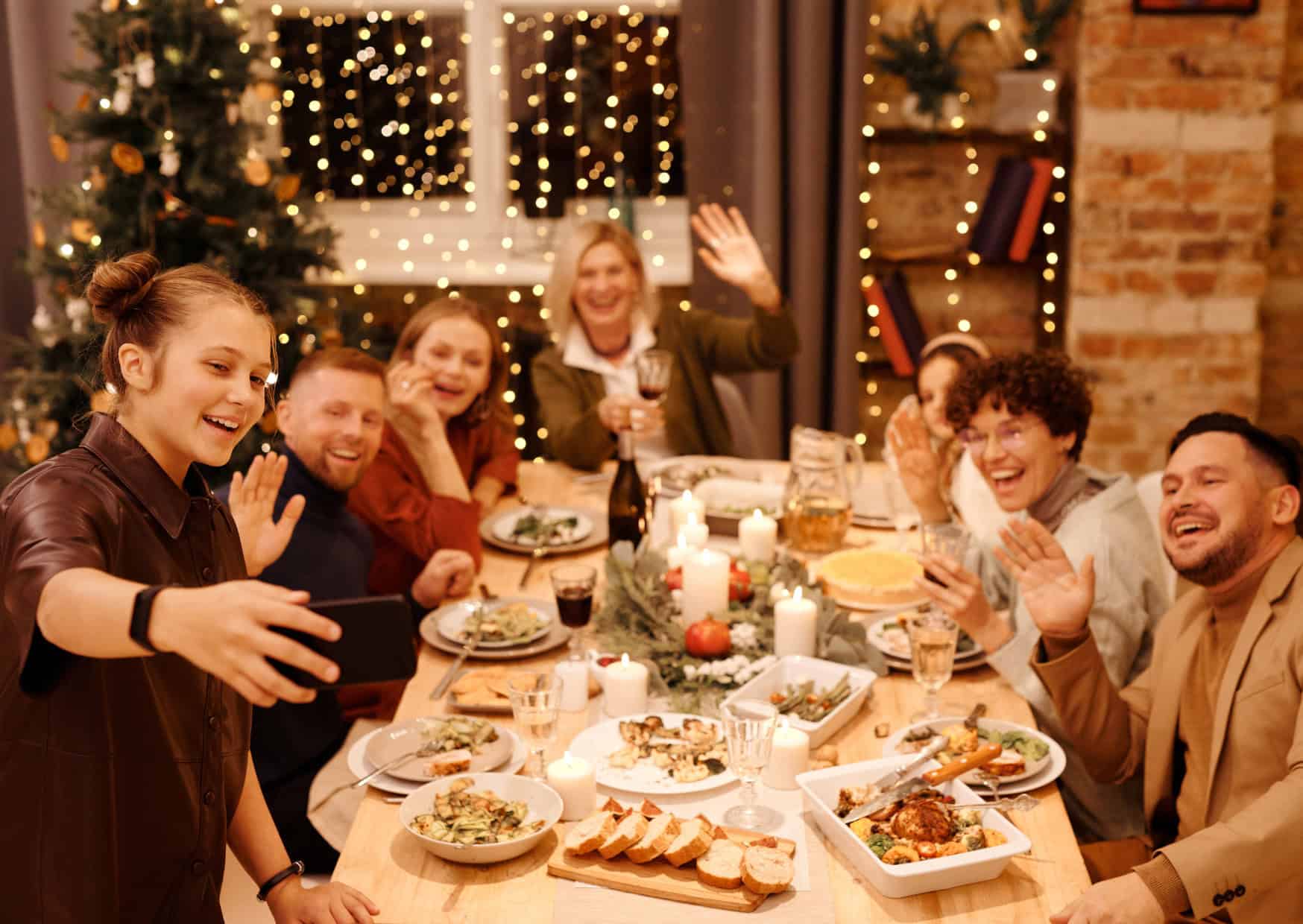
This one’s subtle, but telling.
Americans, especially in groups, are known for:
- Loud laughter and storytelling
- Pulling out phones for food photos and selfies
- Commenting on the food like food critics: “This needs more acid,” “What’s your rating out of 10?”
In Europe, meals—especially dinners—are communal, not performative. They’re meant for connection, conversation, and pleasure—not content.
You can enjoy yourself. You can laugh. But try not to turn the meal into a spectacle. The food is already the main event. You don’t need to add a show.
Final Thoughts: It’s Not About Being Formal—It’s About Being Present
To an American, some of these European table customs might sound uptight or overly traditional. But to a European, they’re not about rules for rules’ sake—they’re about respect, attention, and slowing down.
Meals are social rituals. They’re how you show care for others. And the small things—how you cut your food, when you speak, when you eat—signal how tuned-in you are to the people around you.
You don’t need to be perfect. You don’t need to memorize every rule. But if you want to blend in—and be welcomed like a local—just watch the table. You’ll learn quickly.
And trust us: once you get used to long, relaxed meals without interruption or performance, you’ll never want to rush a dinner again.
Pro Tip: When in doubt at the table, do what the locals do. Eat slowly. Listen more than you speak. And remember—manners aren’t about being fancy. They’re about making everyone else feel comfortable.

About the Author: Ruben, co-founder of Gamintraveler.com since 2014, is a seasoned traveler from Spain who has explored over 100 countries since 2009. Known for his extensive travel adventures across South America, Europe, the US, Australia, New Zealand, Asia, and Africa, Ruben combines his passion for adventurous yet sustainable living with his love for cycling, highlighted by his remarkable 5-month bicycle journey from Spain to Norway. He currently resides in Spain, where he continues sharing his travel experiences with his partner, Rachel, and their son, Han.