
Heading to Europe for a conference, client meeting, or company event? Between the allure of historic architecture and that tempting local cuisine, it’s easy to forget you’re there to get work done.
Even seasoned travelers stumble on cultural quirks, logistics snags, and social missteps that can derail productivity (and your reputation). Below are the 11 most common mistakes people make on European work trips—and how to steer clear of them.
Want More Travel & Culture Tips?
– Why Europeans Never Order These 13 Menu Items (And What to Do Instead)
– 10 Secrets to Understanding European Politeness (And Why You’re Doing It Wrong)
– 13 Things Europeans Notice in Your Kitchen (That You Never Realize)
Quick Easy Tips
Double-check visa requirements; some European countries require work permits even for short business meetings.
Learn basic greetings in the local language to build rapport quickly.
Confirm WiFi reliability in hotels before booking if you need stable calls.
Dress more formally than you would for similar meetings in the US; European business attire is generally sharper.
Arrive early for meetings; punctuality is a sign of respect across Europe.
Bring printed presentation backups in case technology fails.
Clarify payment methods for taxis or public transport; some cities don’t accept cards.
Schedule meal meetings later; Europeans often eat lunch after 1 pm and dinner after 8 pm.
Avoid scheduling meetings on Friday afternoons, especially in Southern Europe where workweeks end earlier.
Prepare for fewer business amenities on budget airlines if flying between countries.
Always carry a universal adapter; outlets vary even within Europe.
One controversial truth is that many Americans treat European business trips like domestic travel, underestimating cultural nuances. For example, casual jokes or overfriendly approaches can come off as unprofessional or disrespectful, especially in countries like Germany or Switzerland where business interactions remain formal for longer.
Another misunderstood aspect is work-life balance. Europeans fiercely protect their personal time, and scheduling late evening calls or expecting weekend email replies can be viewed as invasive rather than dedicated. In some countries, employers are legally banned from contacting employees outside work hours, a concept that surprises US-based professionals used to constant availability.
Finally, while many travelers believe business trips are quick in-and-out affairs, European relationship-based business culture often requires multiple meetings, long lunches, and in-person trust-building before deals are finalized. Ignoring this and pushing for fast decisions may achieve short-term results but damages long-term partnerships, which are at the heart of European business success.
1. Treating All of Europe as One Big Country

Why It’s a Mistake
- Europe may share an interconnected travel zone (Schengen), but each nation has its own language, customs, business hours—even plugs and voltage differences. Assuming uniformity across Germany, Italy, and Spain can lead to scheduling blunders or etiquette slip-ups.
How to Avoid It
- Research the specific country and city you’re visiting. Check local holidays (some regions have unique fest days that close offices), language preferences (especially outside big cities), and regional dialects.
- Pack the right power adapters—if you’re hopping between the UK and France, for example, you’ll need multiple plug types.
2. Ignoring Weekend or After-Hours Quiet Rules

Why It’s a Mistake
- Many European countries (Germany, Switzerland, Austria, parts of Scandinavia) enforce “quiet hours” on Sundays or late nights. Loud phone calls, laundry machines, or boisterous gatherings can get complaints—or even fines.
How to Avoid It
- Learn your hotel or rental’s rules, plus local noise ordinances. If you’ve got a Zoom call with North American colleagues late at night, see if your lodging has a soundproof workspace or if you can use the hotel business center.
- Keep social gatherings low-volume, especially if in a residential area. Neighbors appreciate the respect.
3. Arriving Late to Formal Meetings

Why It’s a Mistake
- While certain Southern European regions accept a casual approach to social gatherings, formal business appointments in much of Europe (especially Germany, Scandinavia, and the UK) expect punctuality—or even a few minutes early.
How to Avoid It
- Aim to be there 5–10 minutes before the scheduled time. Factor in potential traffic or public transport delays—some cities have frequent strikes (Paris, for example) or limited Sunday schedules (Rome, Berlin).
- Use transit apps to plan route times. Confirm addresses carefully: many European cities have winding streets, which can confuse first-time visitors.
4. Overlooking “Off-Peak” Business Hours
Why It’s a Mistake
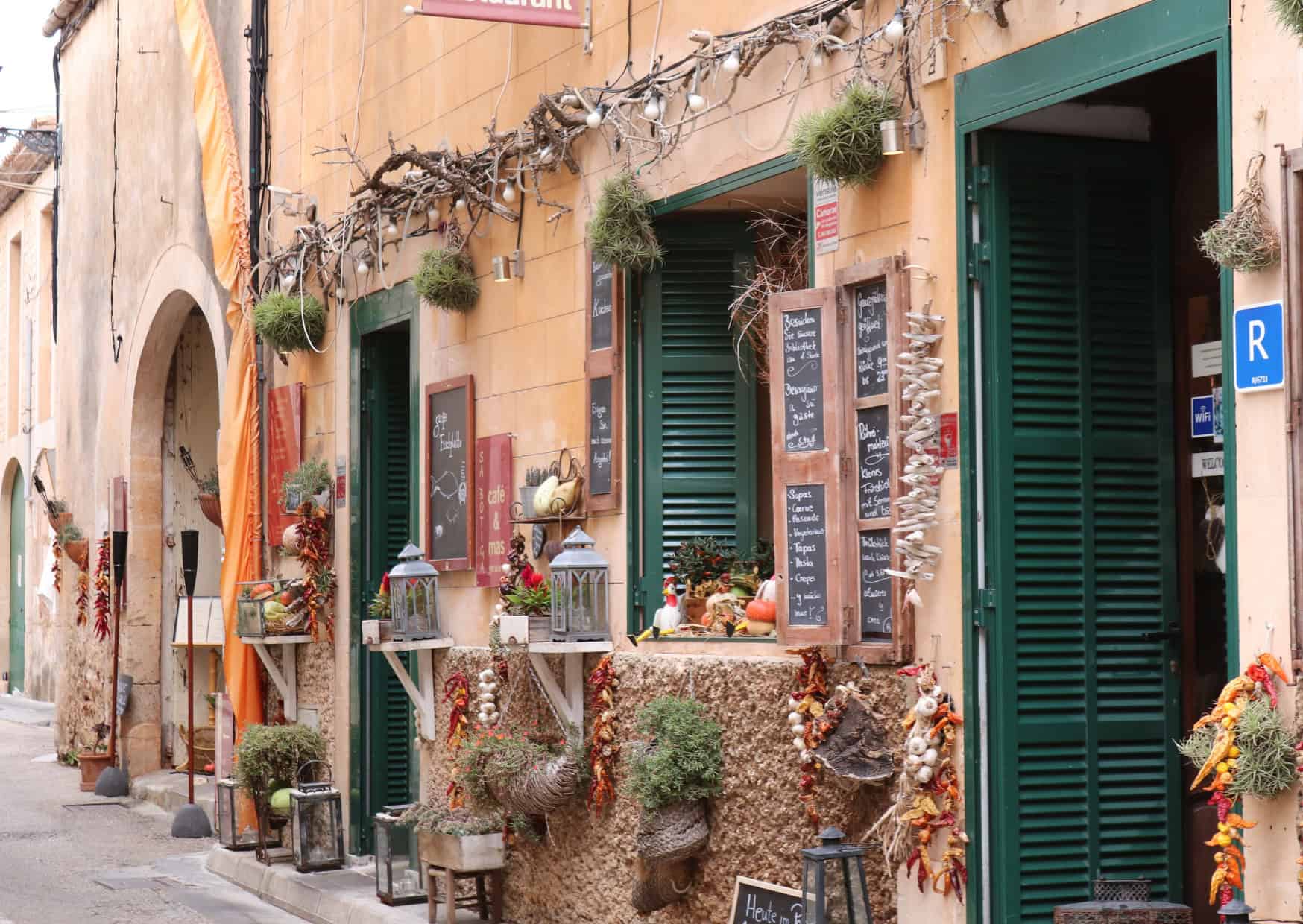
- Some countries adopt mid-afternoon breaks (Spain’s “siesta,” or Italy’s “riposo”)—smaller offices might partially close, and certain restaurants only reopen after 7 PM. Attempting to schedule calls or lunches at 3 PM could be fruitless.
How to Avoid It
- Verify your host’s local business hours. For example, in Spain, many non-tourist offices break around 2–4 PM. Plan calls in the morning or late afternoon.
- If you’re meeting after normal hours, confirm if colleagues prefer an after-dinner chat—some Spaniards might happily do business talk post-8 PM dinner.
5. Failing to Account for Jet Lag in Your Schedule

Why It’s a Mistake
- Transatlantic flights can leave you nodding off mid-meeting if you’ve not factored in jet lag. Overpacked schedules on Day 1 often end in exhaustion or half-focused presentations.
How to Avoid It
- Arrive at least a day early, if possible, to reset your internal clock. Hydrate on the flight, and sync your meal times with the local time zone.
- Plan your first day lightly—perhaps only internal briefings or a relaxed dinner with colleagues—before tackling major presentations on Day 2 or 3.
6. Underestimating Cultural Etiquette in Networking

Why It’s a Mistake
- “Hi, I’m Bob, let’s be casual!” might not fly in more formal cultures like France or Austria. Conversely, in places like the Netherlands or Scandinavian countries, they might prefer direct communication without excessive small talk.
How to Avoid It
- Mirror local norms: if they address you by title and last name, do the same. If they switch to first names quickly (common in the UK or Nordic regions), follow suit.
- Offer a handshake or polite greeting—hugging or cheek-kissing your new business partner from Norway might catch them off guard. Pay attention to body language cues as you go.
7. Not Having the Right Payment Methods
Why It’s a Mistake
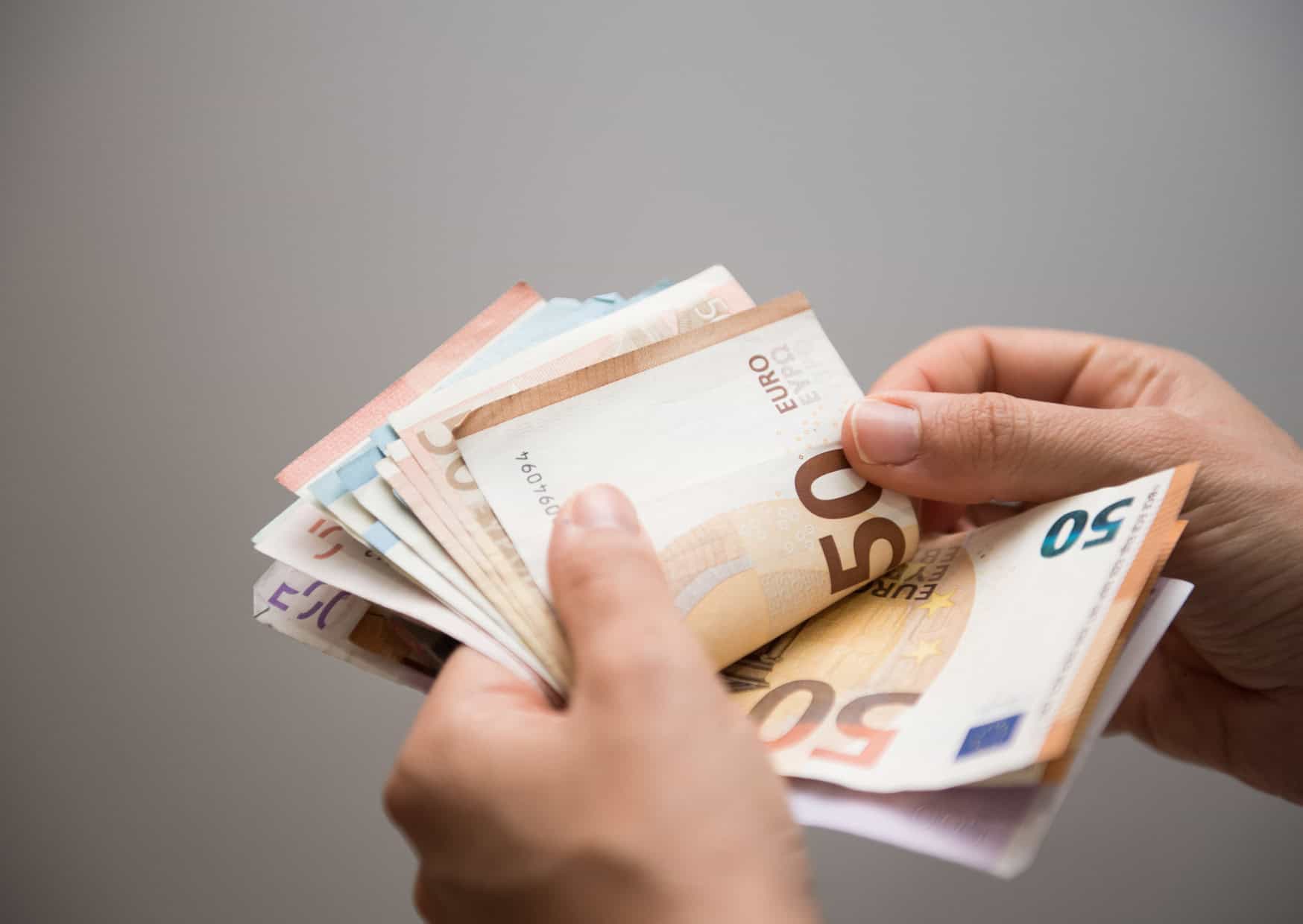
- In some parts of Europe (like Germany or parts of Italy), cash is still king for small transactions. Meanwhile, other areas rely heavily on contactless card payments. Arriving with just a credit card and no euros can land you in awkward situations—like a small café that doesn’t accept plastic.
How to Avoid It
- Always carry a bit of local currency—€50–100 can cover small shops or taxis that are cash-only.
- Check your work credit card’s chip-and-PIN compatibility—many European terminals require a PIN code, and some older US magnetic-strip cards can cause trouble.
8. Relying Only on English Menus and Signage

Why It’s a Mistake
- Not all restaurants, especially off the tourist track, offer English translations. You might end up ordering something unexpected or missing out on local specialties.
How to Avoid It
- Use translation apps or a quick phrasebook. If you have local colleagues, ask them for recommendations and advice.
- A little language effort—like greeting staff with “Buongiorno” in Italy or “Bonjour” in France—goes a long way in building rapport. Don’t be the visitor who only says “Do you speak English?”
9. Overpacking or Ignoring Luggage Constraints

Why It’s a Mistake
- Many European train stations have stairs galore and limited elevators. If your suitcase is too large or heavy, lugging it across cobblestones and up hotel steps becomes a sweaty nightmare.
How to Avoid It
- Pack light—carry-on if you can. Use smaller, durable luggage that can handle uneven streets. If you’re traveling between multiple cities, this is a lifesaver.
- Plan your wardrobe around mix-and-match outfits instead of bringing every pair of shoes. Local laundry services or self-serve laundromats are readily available if your trip extends beyond a week.
10. Disregarding Sunday and Holiday Closures
Why It’s a Mistake
- Arranging your final day to shop or gather supplies on a Sunday might backfire—some countries (like Germany or France outside big tourist zones) shut down non-essential stores. Even restaurants might reduce hours or close entirely.
How to Avoid It
- Check local Sunday laws or public holiday dates. Stock up on essentials (office supplies, personal items) beforehand.
- If you have a critical Monday morning meeting, confirm shipping or printing deadlines that might be affected by weekend closures.
11. Being Too Tourist-Focused, Forgetting You’re on a Work Trip

Why It’s a Mistake
- It’s tempting to book tours of every museum in Paris or late-night tapas crawls in Barcelona. But if you overschedule your “fun” time, you risk being late to morning sessions or turning in subpar work due to exhaustion.
How to Avoid It
- Time-block your schedule: set clear slots for business prep, email catch-ups, and rest. Then sprinkle in measured leisure—maybe one cultural outing or an evening stroll near your conference venue.
- Save big weekend getaways for after you’ve wrapped the critical business tasks. Or tack on an extra day post-work trip to fully unwind.
The Bottom Line
A European work trip can be inspiring—meeting international colleagues, sampling local cuisines, and maybe squeezing in a little sightseeing. But a handful of common missteps can undermine the professional side of your journey. By familiarizing yourself with local norms, planning around cultural rhythms (like siestas or Sunday closures), and packing smart, you can avoid those classic pitfalls and make your business travel both productive and memorable.
Pro Tip
Before you depart, compile a quick cheat sheet: local emergency numbers, key phrases, and a rough timeline of meetings vs. personal outings. That way, you’ll gracefully balance the demands of your job with the joys of exploring new landscapes—without letting one overshadow the other. Safe travels, and “bonne chance,” “viel Erfolg,” or simply “good luck!” in your European ventures.

About the Author: Ruben, co-founder of Gamintraveler.com since 2014, is a seasoned traveler from Spain who has explored over 100 countries since 2009. Known for his extensive travel adventures across South America, Europe, the US, Australia, New Zealand, Asia, and Africa, Ruben combines his passion for adventurous yet sustainable living with his love for cycling, highlighted by his remarkable 5-month bicycle journey from Spain to Norway. He currently resides in Spain, where he continues sharing his travel experiences with his partner, Rachel, and their son, Han.