
For many Americans visiting the UK, the real culture shock doesn’t come from driving on the left or sipping tea—it comes from navigating the maze of British social etiquette. The British are famously polite, but what that politeness means is often layered in nuance, understatement, and social codes that aren’t immediately obvious. To the untrained American eye, British behavior can come off as cold, passive-aggressive, or just plain confusing.
Why do Brits say “sorry” when someone else bumps into them? Why is discussing money or politics at a dinner party seen as borderline scandalous? Why does “Let’s have lunch sometime” rarely mean it’s actually happening? These are not just quirky habits—they’re unwritten rules rooted in centuries of culture, class, and communication preferences. While Americans often prioritize openness and directness, British social interactions lean heavily on subtlety and maintaining social harmony.
Understanding these rules isn’t just about avoiding awkward moments; it’s about appreciating how another culture defines respect, friendliness, and emotional boundaries. So before you joke loudly in the Tube or take that “Not too bad” response as an actual answer to “How are you?”, here’s a crash course in decoding British behavior.
Read Here European Things that terrify Americans and American Habits that make Europeans Cringe
Read here how to pack for Europe and Best eSIM for Europe
BOOK YOUR TRAVEL INSURANCE
Two of our favorite travel insurance: Heymondo Vs Safetwing cheapest travel Insurance. You can get for $135 USD your Heymondo Travel Insurance with Heymondo discount code valid for 90 days. Read our full comparison of Genki vs Safetywing Travel Insurance Review and the comparison Heymondo vs Genki
Quick Easy Tips
Always understate, never overshare – Saying “not bad” usually means “good”; never gush.
Master the art of the queue – Skipping the line is a serious offense.
Say “sorry” even when it’s not your fault – It’s about politeness, not guilt.
Avoid controversial topics in casual chat – Small talk is the national sport.
“Let’s grab a pint” doesn’t always mean right now – Take social plans loosely.
Many Americans see British politeness as fake or repressed, while Brits may view American friendliness as intrusive. This cultural clash leads to mutual misunderstandings. A Brit saying “We must catch up soon” might just be offering social nicety, whereas an American might mark their calendar. Conversely, Americans asking personal questions like “What do you do?” or “How much did your house cost?” are trying to connect—Brits might consider it invasive.
There’s also tension between modern British culture and its old-school etiquette. Younger generations in the UK are shifting away from strict formality, but many traditions remain, especially in professional and rural circles. Americans who dismiss British reserve as outdated might miss the deep cultural pride behind it.
Then there’s class. British social behavior is often influenced by centuries of class structure, and accents or phrasing can subtly signal status. Americans tend to emphasize individualism and achievement, while British culture often leans into modesty and knowing your “place.” What Americans see as being confident, Brits might see as arrogant.
British Social Rules
1. Apologizing for Absolutely Everything

The British say “sorry” for things that aren’t their fault at all—getting bumped into, being slightly late, or even when you step on their foot.
Why it baffles Americans:
Americans use “sorry” more selectively, usually when guilt is involved. Brits, however, use it as a social lubricant—to soften interactions and avoid confrontation.
2. The Art of the Queue (And How Seriously It’s Taken)
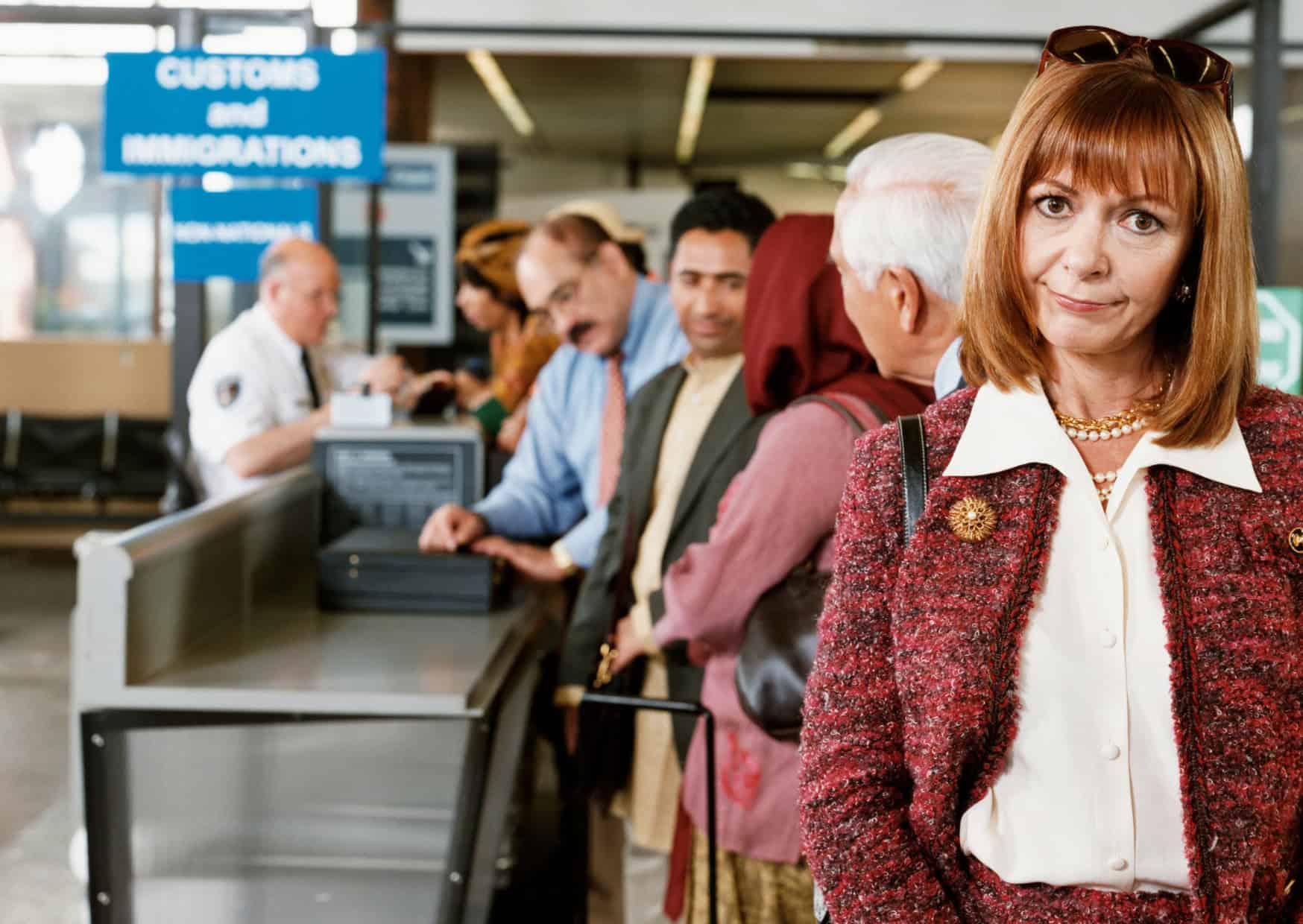
Queuing (lining up) is practically a sacred ritual in Britain. Jumping the queue, even unintentionally, is one of the worst social offenses.
Why it baffles Americans:
While Americans generally respect lines, the British take it to another level—even forming unspoken queues at bus stops, train platforms, and bars. You’re expected to notice and join quietly.
3. Understatement Is a National Sport
Brits are masters of downplaying emotions and events. If something is “not bad,” it likely means “pretty great.” If they say something is “a bit of a problem,” it might be a disaster.
Why it baffles Americans:
Americans often speak with enthusiasm and superlatives. In contrast, British understatement can be so subtle, you might miss the message entirely.
4. Complaining Is a Delicate Art
If a Brit is unhappy with their meal or service, they probably won’t complain directly—at least not in the way Americans might. They may mumble something vaguely negative or make a joke instead.
Why it baffles Americans:
In the U.S., being direct about dissatisfaction is normal. In Britain, confrontation is avoided in favor of subtle signals and polite suggestions.
5. Hugging Isn’t a Given

In Britain, greetings are often limited to a handshake, nod, or quick “hi”—unless you’re with close friends. Hugs can feel awkward unless the relationship is well established.
Why it baffles Americans:
In the U.S., hugs are common—even for acquaintances. In the UK, personal space and restraint are the default, not open affection.
6. Making a Fuss Is Frowned Upon
Whether you’re excited, upset, or need help, the British value stoicism and “keeping calm.” Making a scene or raising your voice is often seen as embarrassing or attention-seeking.
Why it baffles Americans:
American culture celebrates self-expression. In Britain, emotional restraint is considered classy and mature.
7. Talking About Money? Don’t.
Money, salaries, and personal finances are rarely discussed openly in British conversation. Asking someone how much they make, or even what something cost, is seen as vulgar.
Why it baffles Americans:
In the U.S., people are increasingly open about finances. Brits, however, consider money talk private and a bit tacky.
8. Sarcasm and Dry Humor Are Everywhere

British humor is often ironic, self-deprecating, and dry, with a strong use of understatement or sarcasm. If someone says, “Well that went brilliantly,” it might mean the opposite.
Why it baffles Americans:
American humor is usually more obvious. Without the context, British sarcasm can be mistaken for rudeness or literal truth.
9. The Obsession with Tea (and the Politics of Making It Right)
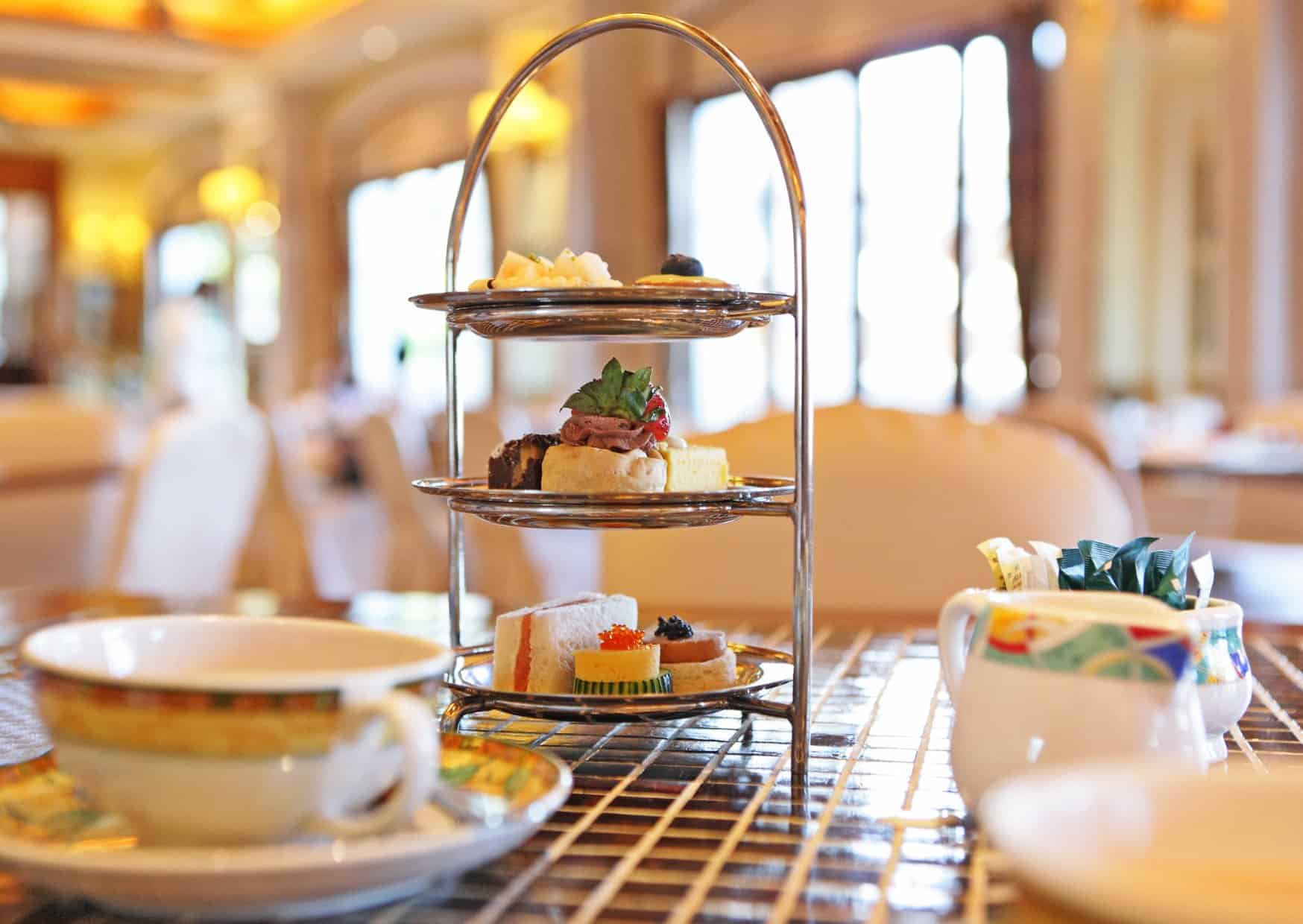
Tea isn’t just a drink—it’s a social ritual and comfort mechanism. Offering someone tea is how the British show hospitality, de-stress, and even navigate awkward moments.
Why it baffles Americans:
Americans love coffee. Brits love milk-in-first debates, exact steeping times, and teapots. Not having tea in your home? Practically uncivilized.
10. “How Are You?” Is Not an Actual Question
When someone says, “You alright?” or “How’s it going?”, it’s often just a greeting, not an invitation to share your feelings.
Why it baffles Americans:
In the U.S., that question can lead to a full conversation. In the UK, it’s more like saying “hi”—a quick nod of acknowledgment, not a therapy session.
11. Saying One Thing, Meaning Another
British communication can be layered with politeness and hidden meaning. For example:
“With all due respect…” = “I disagree completely.”
“That’s an interesting idea.” = “That’s a terrible idea.”
“I’ll bear it in mind.” = “I’ll probably forget that immediately.”
Why it baffles Americans:
Americans tend to be more direct. In Britain, decoding social nuance is practically a skillset.
12. Self-Deprecation Is Practically Mandatory
British people often downplay their achievements, make fun of themselves, or use humor to deflect compliments.
Why it baffles Americans:
Americans are used to owning their success and speaking proudly. In Britain, confidence is often disguised as humility.
Final Thoughts
Navigating British social customs as an American doesn’t require perfection—it requires awareness and humility. Once you grasp the indirect language, the obsession with queuing, and the quiet avoidance of conflict, you’ll find yourself fitting in more smoothly and, perhaps, even appreciating the charm behind the reserve.
Adapting to these unspoken rules can also deepen your travel experience. You’ll start to recognize that a quiet nod on the bus or a “not too bad” reply are forms of connection—just delivered through a different lens. It’s not coldness; it’s code.
Ultimately, these differences are a reminder of how cultures shape our expectations and interactions. Whether you’re visiting London for a week or staying in the Cotswolds for a year, decoding British social behavior will not only save you from awkward faux pas—it may just teach you something new about communication, respect, and the beauty of cultural diversity.

About the Author: Ruben, co-founder of Gamintraveler.com since 2014, is a seasoned traveler from Spain who has explored over 100 countries since 2009. Known for his extensive travel adventures across South America, Europe, the US, Australia, New Zealand, Asia, and Africa, Ruben combines his passion for adventurous yet sustainable living with his love for cycling, highlighted by his remarkable 5-month bicycle journey from Spain to Norway. He currently resides in Spain, where he continues sharing his travel experiences with his partner, Rachel, and their son, Han.