
And what it reveals about freshness, culinary trust, and why one culture fears bacteria while the other respects the sea
In the U.S., seafood is treated cautiously. Menus feature disclaimers. Health codes are strict. Raw fish must be frozen first, mollusks must be certified, shellfish must come from tightly regulated waters. A single whiff of spoilage or a broken refrigeration seal is grounds for closure. Diners expect safety procedures they never see—and sue when they fail.
In Spain, the experience is different. Oysters are opened tableside, mussels arrive steaming but unadorned, and langoustines still twitch on their trays. Restaurants proudly serve “seafood of the day” that was swimming at dawn and grilled by noon. Some items are barely cooked. Others are raw. And few locals blink.
To an American visitor, it can feel risky. The shrimp are translucent. The clams aren’t sanitized. The anchovies are raw, acidic, and eaten by the handful. It looks like food that would never pass inspection back home.
But in Spain, seafood is treated with reverence, not suspicion. The body’s tolerance is respected. The sea is trusted. And the diner is considered smart enough to know what they’re ordering.
Here’s why Spanish restaurants serve seafood that would raise red flags in the U.S.—and what this contrast reveals about two very different ideas of food safety, risk, and trust.
Want More Deep Dives into Everyday European Culture?
– Why Europeans Walk Everywhere (And Americans Should Too)
– How Europeans Actually Afford Living in Cities Without Six-Figure Salaries
– 9 ‘Luxury’ Items in America That Europeans Consider Basic Necessities
1. Spain trusts freshness over regulation
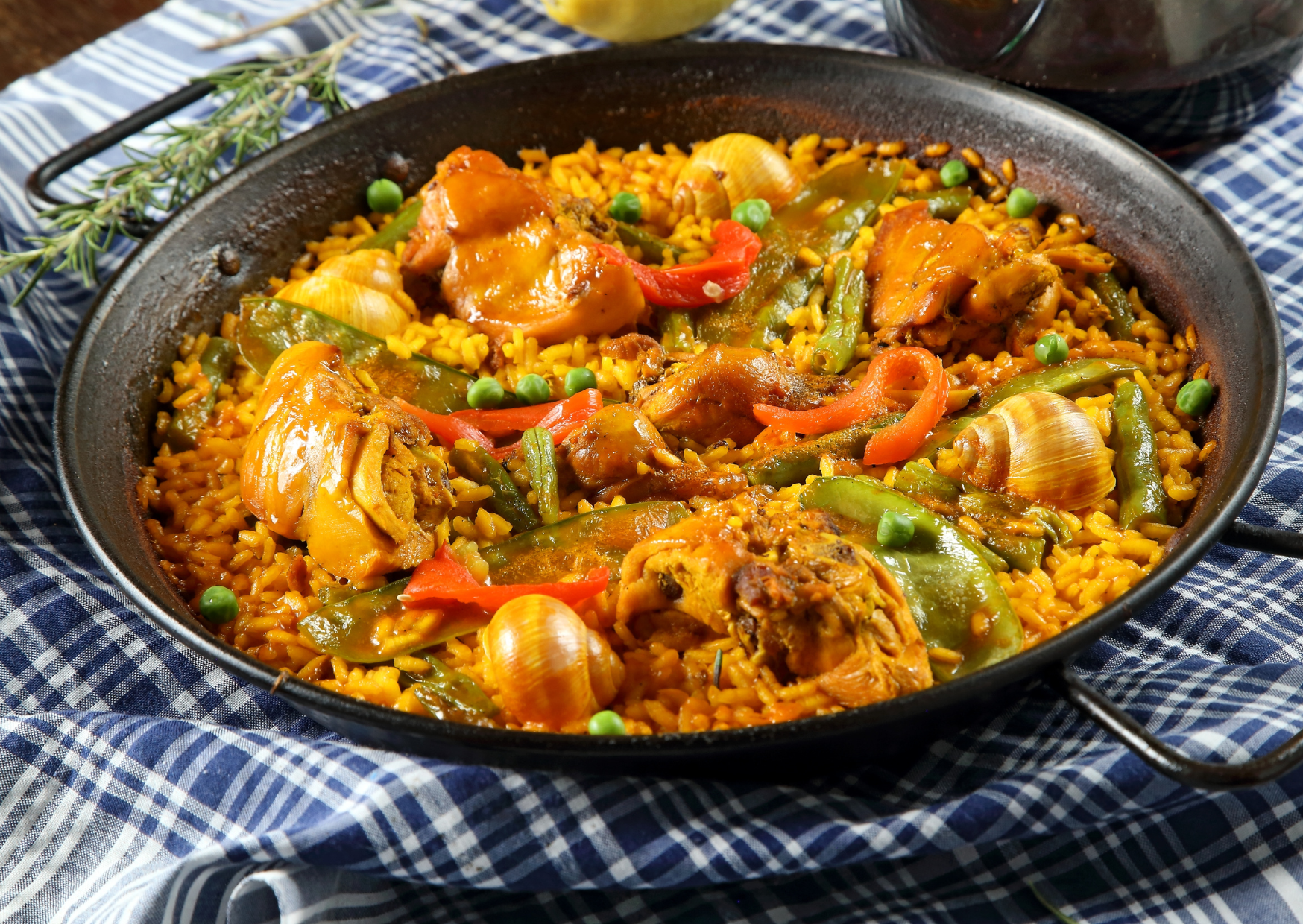
In Spain, seafood is expected to be fresh—often hours, not days, old. Coastal towns still hold early morning fish auctions. Restaurants send staff to select directly from boats. Labels are handwritten. Iced trays are refilled constantly. The proof isn’t paperwork. It’s flavor.
American seafood is often frozen, trucked, and rethawed under careful supervision. The emphasis is on regulation—temperature logs, delivery receipts, traceability. Freshness is secondary to chain-of-custody compliance.
This means U.S. diners may eat seafood that’s “safe” by inspection—but far from vibrant. Spaniards eat seafood that is sometimes less documented, but undeniably alive.
2. Many Spanish dishes use raw or nearly raw preparation
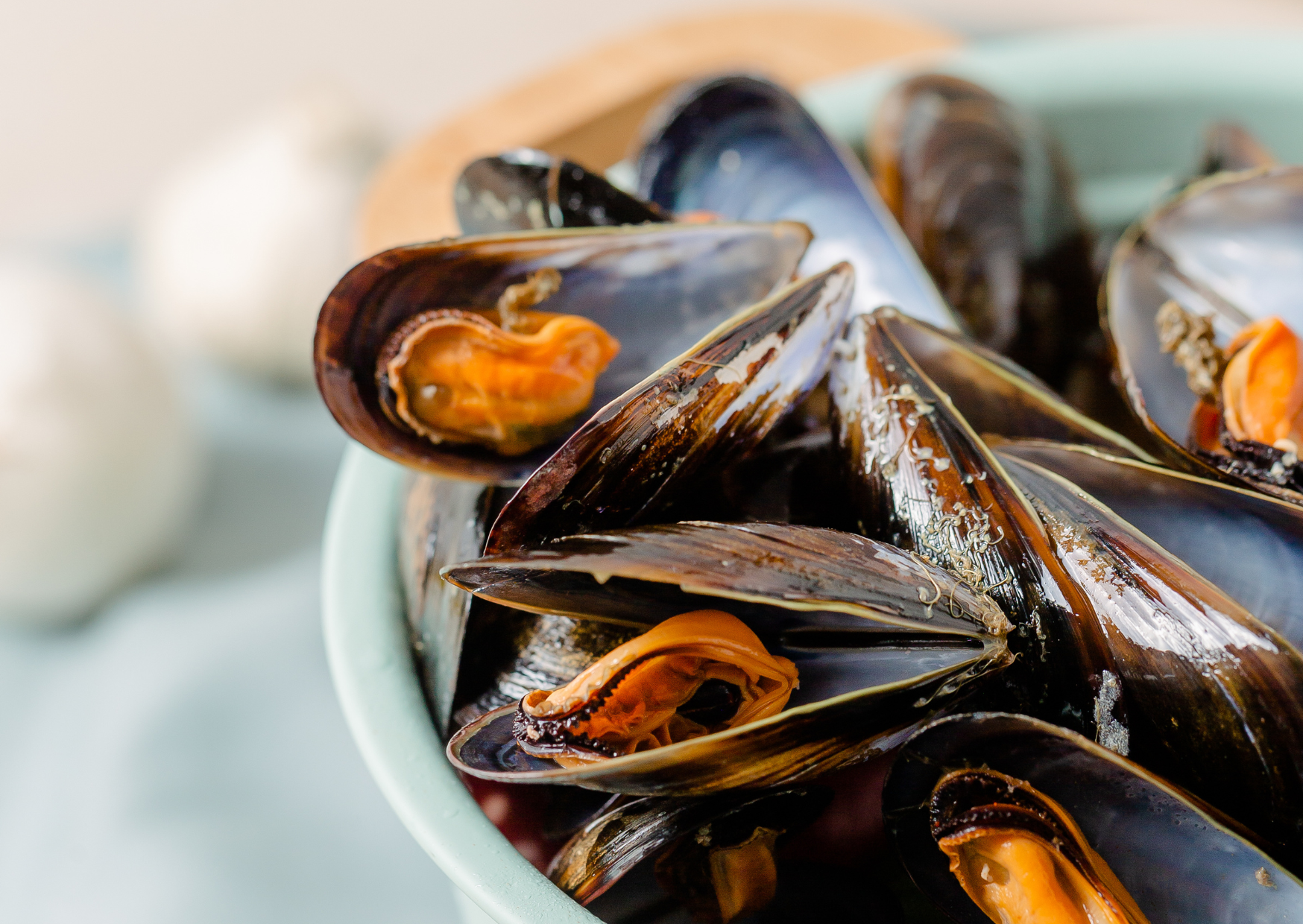
Boquerones, the beloved vinegar-marinated anchovies, are served cold, glistening, and unapologetically raw. Navajas (razor clams) are steamed for seconds. Red shrimp may arrive pink but unpeeled and wet, the heads sucked for brine.
This style of preparation would challenge American kitchens, where raw seafood must meet strict freezing protocols to kill parasites. In some states, even ceviche must follow frozen-first rules.
But in Spain, tradition trumps policy. Locals know what they’re eating. They don’t expect sterilization. They expect the taste of the ocean—salty, sharp, and alive.
3. Shellfish are served in ways that defy American guidance
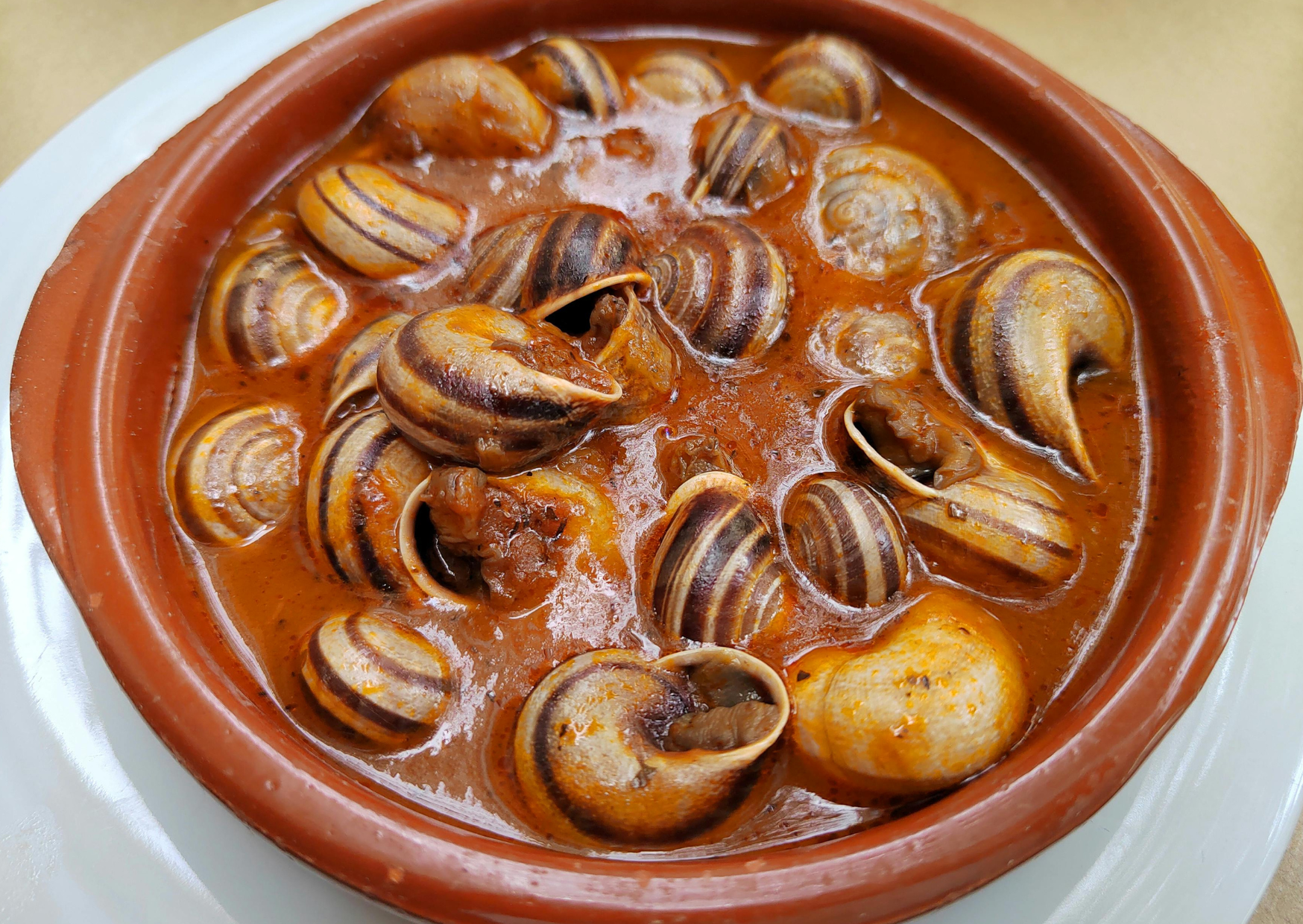
In Galicia, clams and mussels are served lightly steamed, their juice pooling in the shell. Raw oysters are offered without hesitation. Sometimes they’re wild, not farmed. Sometimes they’re harvested by divers the same morning. And yes, sometimes they contain grit or sand.
In the U.S., shellfish safety is governed by detailed zoning, depuration systems, and temperature control. Even minor violations can prompt an outbreak scare.
Spain takes a more measured risk. The belief is that clean water, daily handling, and short transport reduce danger better than freezing and regulation. That philosophy is rooted in experience, not policy.
4. Refrigeration rules are different—and flex more than Americans expect
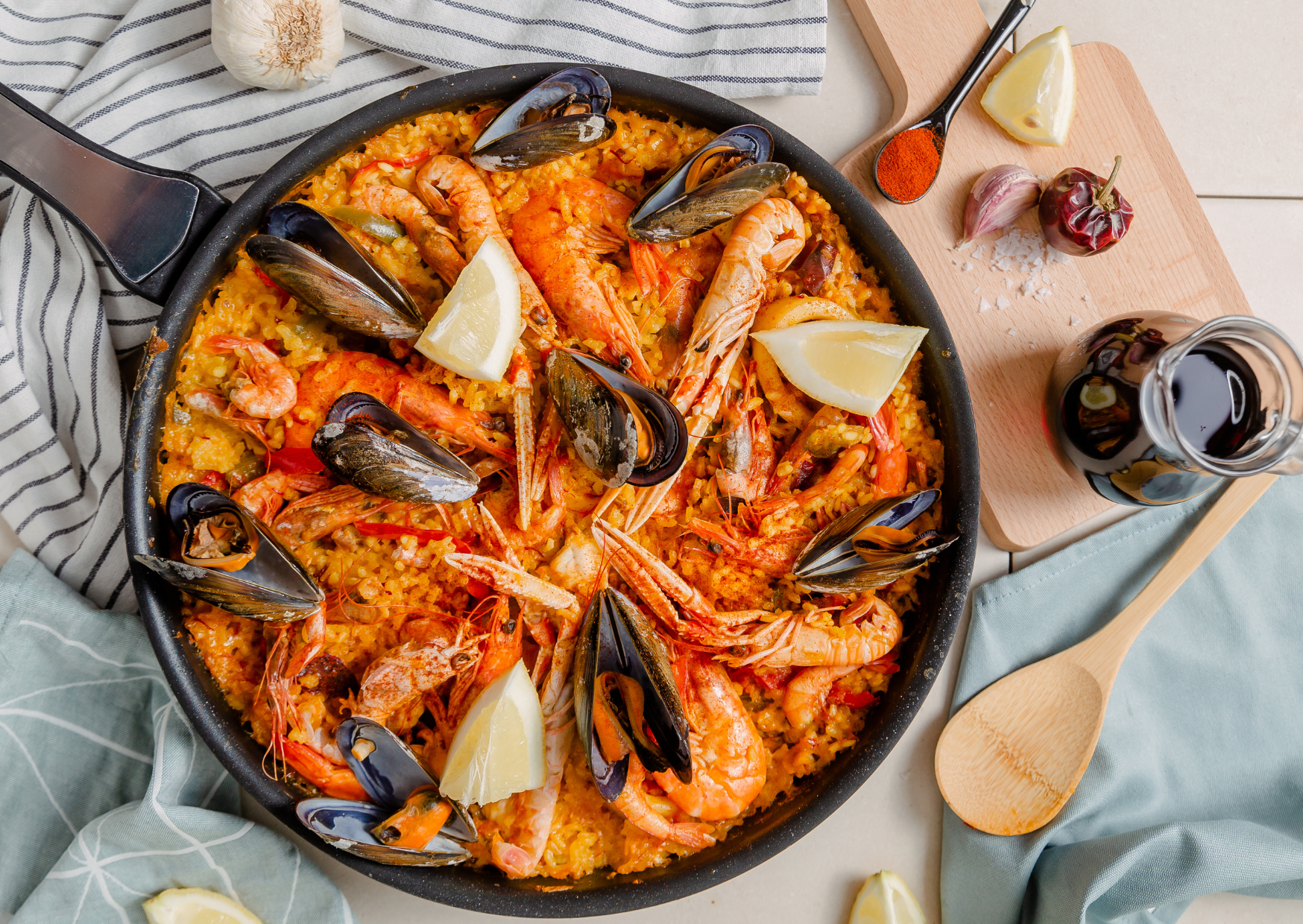
Walk into a traditional Spanish restaurant and you may see seafood on display without the kind of industrial chill that American health codes require. Fish lie on crushed ice, but are exposed to air. Shrimp may rest in ambient trays near a grill.
In the U.S., this would prompt immediate inspection. Food must remain under 41°F. Anything displayed must be protected by shields, cooled surfaces, and hourly temperature logs.
In Spain, visual freshness is king. Chefs judge by smell and eye. Staff monitor instinctively. If it doesn’t smell right, it’s not served. But there’s no obsession with sensors.
This isn’t negligence—it’s an old system, still working.
5. Cooking is about enhancement—not sterilization
American food safety culture is built around killing risk through heat. Cooking is often about bringing temperatures high enough to make things safe.
In Spain, cooking is about coaxing flavor. Prawns may be grilled lightly, the interior still soft. Clams are steamed only until they open. Octopus is boiled just enough to tenderize, then served warm, not hot.
This approach respects texture and taste more than bacterial fear. It assumes diners are eating with awareness, not being shielded from risk.
6. Menus don’t come with warnings—because diners are expected to know
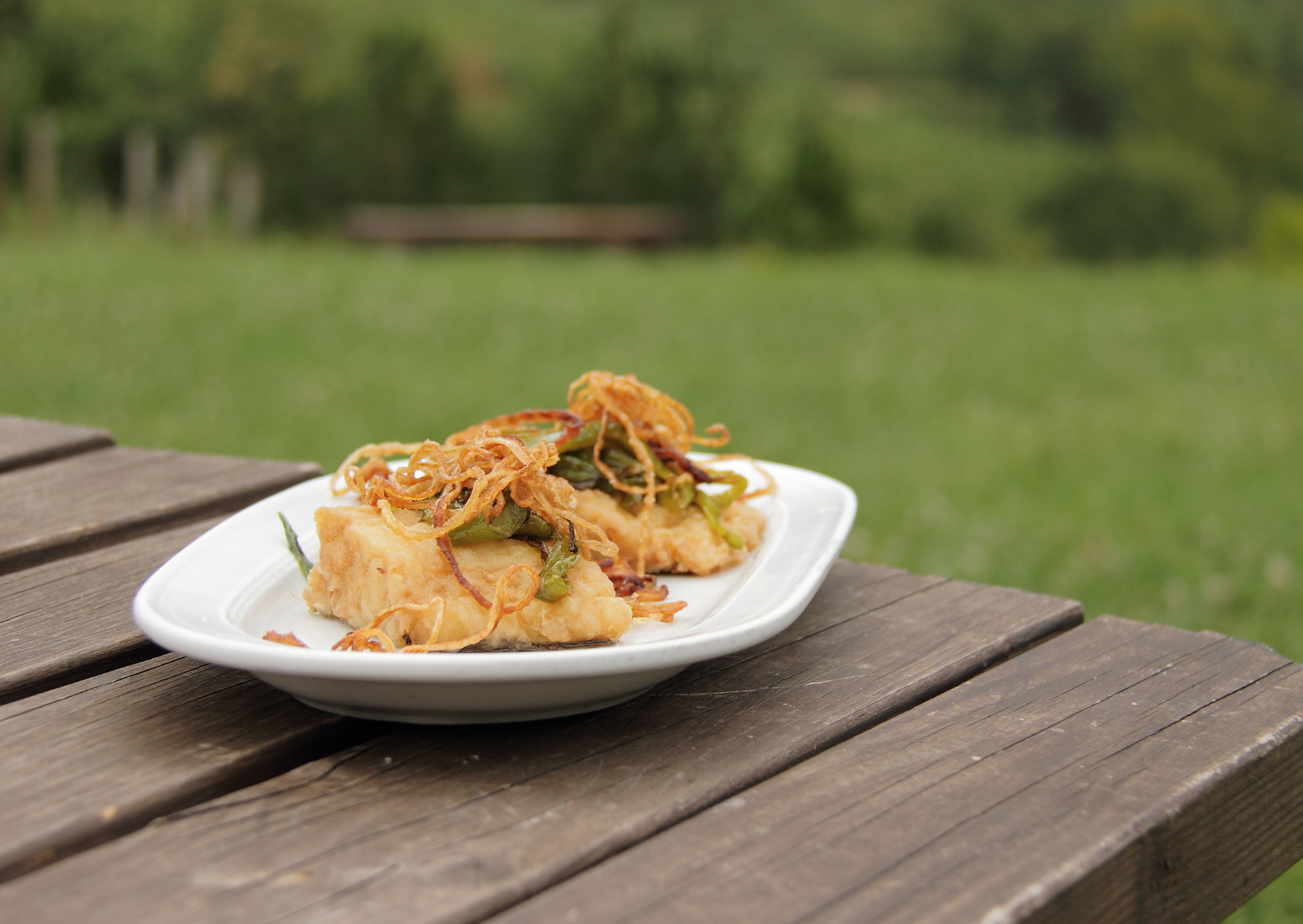
In many American restaurants, raw seafood triggers legal disclosures. Menus feature fine print. Staff are trained to mention risks. Guests are reassured that “all raw items were previously frozen.”
In Spain, you order boquerones or oysters because you know what they are. No server explains. No manager warns. The understanding is mutual.
That mutual trust means less liability—but more responsibility. Spanish diners are not infantilized. They’re assumed to be adults with taste and judgment.
7. The health inspection culture is quieter—but no less serious
Spain does have food safety laws. Inspections happen. Restaurants are fined. But the process is less performative. There are no letter grades posted. No Yelp reviews calling out failed visits. Violations are handled directly, not through public shaming.
American food culture is shaped by visible reassurance—cleanliness ratings, gloves, plastic barriers. Even the act of serving must look sanitary.
In Spain, safety is embedded in daily routines, not customer optics. The fish arrives, it’s eaten the same day, and it’s judged on smell, flavor, and tradition.
8. Diners know where their seafood comes from—and when it arrived
In coastal Spain, seafood is personal. People know the name of the fisherman. They know when the boat left. Markets post catch hours, not just species.
This short supply chain means chefs and consumers trust their source, not just their supplier. They don’t need frozen “previously caught” labels. They often watched the fish arrive.
Americans, especially inland, rarely see seafood until it hits a truck or a shelf. Their trust lies in inspection, not in the face behind the net.
9. Lawsuits shape American seafood culture
Behind many American health codes is one thing: litigation fear. A diner gets sick, files a claim, and the restaurant is blamed—even when personal responsibility could be argued.
This dynamic has pushed U.S. restaurants toward safer, duller seafood. It’s not worth the legal risk to serve a slightly soft scallop. If it’s not pasteurized, frozen, or flash-cooked, it’s not served.
Spain doesn’t carry that same weight of lawsuit culture. That doesn’t mean people don’t get sick. It means the legal framework treats illness as shared risk, not immediate blame.
10. Culinary education shapes expectation
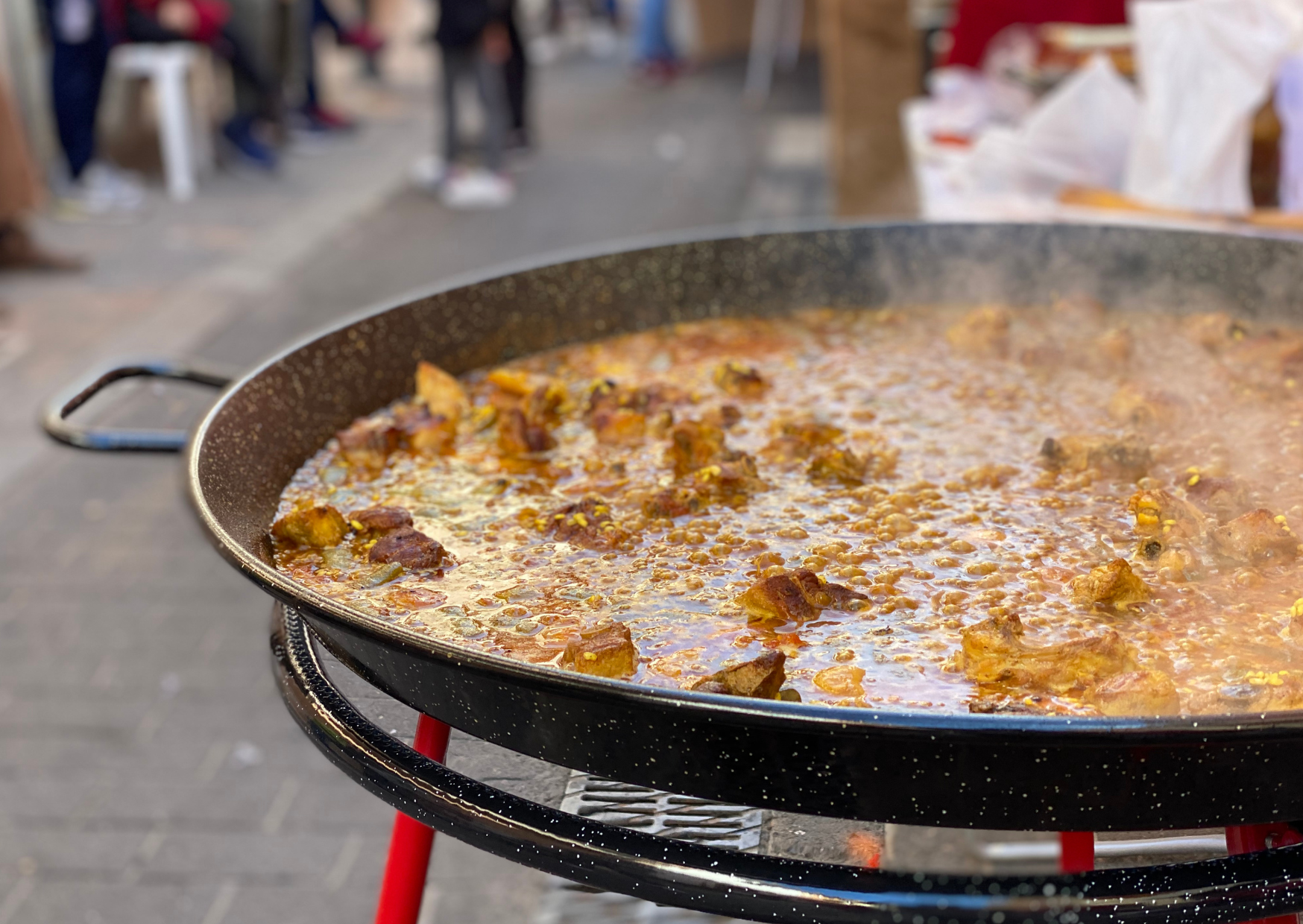
In Spain, children grow up eating seafood. Sardines, anchovies, squid, and mussels are introduced early. Teenagers know what shellfish looks like raw. They learn to smell freshness, taste salinity, identify off notes.
In the U.S., seafood is often introduced late, cautiously. Many adults have never opened a mollusk or eaten a raw oyster. That unfamiliarity increases fear. And fear fuels policy.
Spanish diners expect rawness, variation, texture. Americans expect control.
11. Preservation is respected—but never idealized
Spanish seafood culture values preservation—salting, vinegar-curing, canning—but never treats it as superior to fresh. Anchovies in olive oil are beloved. But grilled squid from the dock that morning is better.
American seafood often reverses that relationship. Vacuum-sealed, flash-frozen products are considered “safer.” Time becomes the enemy. The longer something stays “fresh,” the more anxiety builds.
In Spain, time is a mark of trust, not risk. You eat what came in that morning—or not at all.
They Don’t Fear the Fish Because They Still Know the Sea
Spanish seafood isn’t dangerous. It’s delicate. But Americans see it through a lens of suspicion—because their seafood is far from the ocean, and their relationship with food is shaped by liability.
In Spain, seafood is eaten quickly, chosen carefully, and respected completely. It’s not filtered through health code rituals. It’s trusted through cultural memory, sensory skill, and freshness that doesn’t wait.
The U.S. system isn’t wrong. It’s just disconnected.
Because when you don’t know what the sea smells like anymore, you stop trusting what comes from it. Spain never stopped. So their fish is still alive. And so is the meal.

About the Author: Ruben, co-founder of Gamintraveler.com since 2014, is a seasoned traveler from Spain who has explored over 100 countries since 2009. Known for his extensive travel adventures across South America, Europe, the US, Australia, New Zealand, Asia, and Africa, Ruben combines his passion for adventurous yet sustainable living with his love for cycling, highlighted by his remarkable 5-month bicycle journey from Spain to Norway. He currently resides in Spain, where he continues sharing his travel experiences with his partner, Rachel, and their son, Han.