
And what it reveals about digestive awareness, health rhythm, and why one culture treats the gut as a messenger—not a subject to erase
In the U.S., the typical restroom visit ends with a flush and an exit. You wipe, you flush, you wash, and you move on. Conversation about digestion is nearly taboo. Most people avoid the subject unless there’s pain, and then the approach is clinical: call a doctor, take a pill, get tested. The body’s signals are dismissed, silenced, often hidden.
In parts of Europe—especially Italy, France, and Germany—a very different attitude exists. It’s normal to pause after eliminating, glance into the bowl, consider what came out. People consciously observe shape, color, consistency—knowing gut health is part of overall wellbeing. Elders may comment softly to family members. Doctors ask routine questions about regularity and texture, not just pain.
That doesn’t mean European toilets are chatty or gross. Rather the body is treated as an informant—a daily messenger. Digestion is not private noise. It’s data. Ignored, it’s a flutter. Observed, it’s insight.
Here’s why Europeans often inspect their bowel movements—and why Americans flush immediately—revealing two radically different attitudes toward the body, health, and information we refuse to swallow.
Want More Deep Dives into Everyday European Culture?
– Why Europeans Walk Everywhere (And Americans Should Too)
– How Europeans Actually Afford Living in Cities Without Six-Figure Salaries
– 9 ‘Luxury’ Items in America That Europeans Consider Basic Necessities
1. Digestion is seen as a daily report, not a medical anomaly

In many European homes, grandparents encourage grandchildren—“Com’è andato?” (“How did it go?”)—once in the bathroom. Not out of nosiness, but out of care. Stool is the body’s daily report card. What’s off deserves attention.
In the U.S., monitoring such signals is reserved for emergencies: cramping, blood, or constipation severe enough to disrupt life. Until then, bowel silence is the rule. We let things disappear with a flush—and lose an opportunity to understand what our body is telling us every morning.
Europeans treat digestion like caravansaries of communication—not threats to bury.
2. Constipation and diarrhea aren’t dealt with after they occur—they’re prevented

Because stools are observed daily, patterns are clear. A sudden change—diarrhea, pellets, lack of output—triggers small lifestyle tweaks immediately: more water, fiber-rich foods, a walk, herbal tea. No pill, no panic.
America’s culture around gut health is reactive. Medication or suppression comes first. Fiber supplements or antidiarrheals are ordered over-the-counter. For many, only when pain or alarm sets in do they consult a specialist or rethink diet.
Europeans believe guts speak in rhythms. Miss the message, and disruption escalates.
3. Bathroom observation is integrated into family health rituals

At European meals, conversations often include digestion. “I ate too quickly.” “Am I full?” “Let’s walk after this.” It’s part of dinner’s rhythm—not coded or sexual, just natural.
Post-meal walks, light aperitifs like mint tea, and gentle conversation about digestion are common. Often families check in after meals: “Va tutto bene?” (“Is everything okay?”). This isn’t medical; it’s social health.
In American homes, digestion remains hidden. Few people pause over a meal to ask how the gut feels. And conversations about elimination are awkward, private, avoided.
4. European doctors view stool as a trusted diagnostic tool
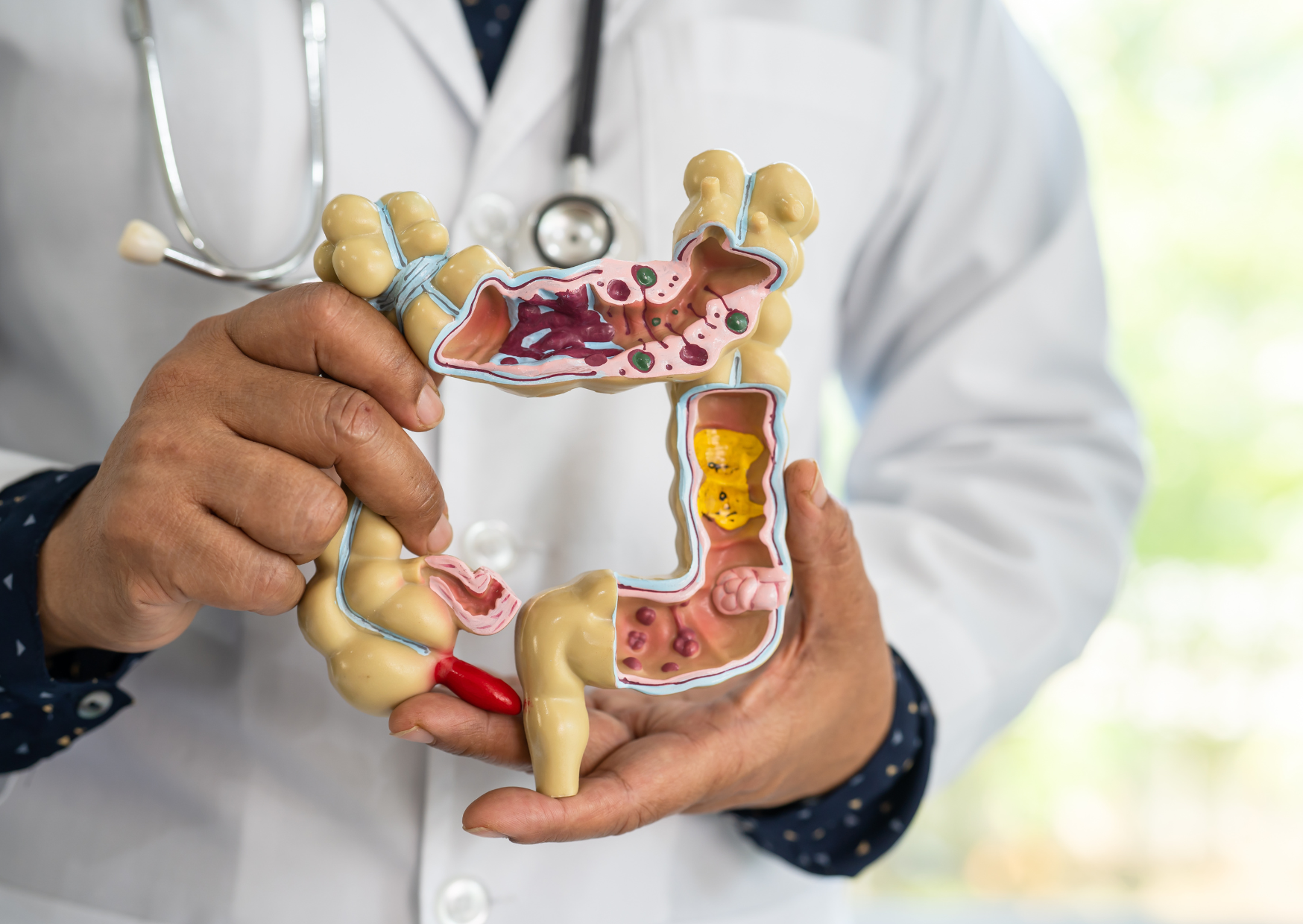
In much of Europe, physicians routinely ask about stool frequency, appearance, even smell—not in the context of disease alone, but of wellbeing. GPs consider regularity a health barometer. When a patient appears tired or bloated, stool shifts are often the first thing discussed.
In the U.S., stool seldom comes up unless glaring symptoms exist. Doctors rely more on scans, labs, blood panels. Direct questions about bowel habits are rare in general medicine.
Europeans trust the gut’s signals more than defaulting to tech.
5. It’s not about embarrassment—it’s about body literacy

Body literacy is the ability to understand what your body expresses, and to act on it. In Europe, digestive signals are part of literacy—learned in childhood. Mothers remind children to watch their stools. Teachers don’t shame bathroom talk. Public messaging includes gut health.
In America, body literacy is narrowed to weight, heart, and muscle. The gut falls outside the wellness narrative until menopause or chronic disease. That silence costs us lifelong understanding of what our digestion actually says.
6. Food culture supports digestive awareness

European diets emphasize whole foods, fiber, fermented vegetables, and fresh fruit—all promoting gut function. But equally, they encourage mindful chewing, drinking water throughout the day, and post-meal promenades—all helping digestion.
Here, digestion isn’t outsourced to enzymes or supplements—it’s baked into how food is prepared, chewed, shared, and cleansed.
In the U.S., processed convenience is common: pods, powders, pills. Shortcuts dominate. Sip, swallow, dash—gut awareness doesn’t factor in.
7. Health is viewed as continuum, not crisis
In Europe, bowel care is lifelong—not crisis care. Stool variations aren’t emergencies but signals to tweak. That mindset stems from acceptance that daily life is part medical, part social, not segmented into washroom/noise.
American culture separates health events from daily living. Distress is disease. And until it hurts enough, digestion remains private and unquestioned.
8. Silence and empathy—not shame or fear
Because digestion is common talk, no one shames a kid who needs help, or a grandparent whose habits change. Empathy happens. Lunch is adjusted. Walks suggested. Long-term care isn’t suddenly triggered.
In American silence, children hide problems. Grandparents suffer quietly. By the time words are said, damage mounted.
9. They study their stools because they believe it matters

Italians, Germans, and the French don’t study stool for speed thrills. They do it because the gut is seen as central to energy, mood, sleep, immunity.
Taking a moment in the bathroom is not indulgence—it’s attention. A self-check that says: “I matter too.”
The bathroom is a mirror, not a destination to escape
Americans seldom observe, question, or honor what the gut experiences. Toilets are exit points to professionalism and hurry.
Europeans treat elimination as part of life’s flow, an essential signal to listen to—privately, effortlessly, habitually.
Digestive awareness isn’t glamorous. It isn’t performance. It’s routine care.
And maybe it’s why some of Europe’s most enduring health stories begin where America’s stories end.

About the Author: Ruben, co-founder of Gamintraveler.com since 2014, is a seasoned traveler from Spain who has explored over 100 countries since 2009. Known for his extensive travel adventures across South America, Europe, the US, Australia, New Zealand, Asia, and Africa, Ruben combines his passion for adventurous yet sustainable living with his love for cycling, highlighted by his remarkable 5-month bicycle journey from Spain to Norway. He currently resides in Spain, where he continues sharing his travel experiences with his partner, Rachel, and their son, Han.