
Packing for a trip can be both exciting and overwhelming. Whether you’re heading to a bustling city in Europe, a beach retreat in Southeast Asia, or a hiking adventure in South America, knowing what not to pack is just as important as knowing what to bring. Overpacking, bringing the wrong clothes, or traveling with unnecessary gadgets can turn your dream vacation into a hassle.
Many travelers fall into the same traps: packing items that seem essential at home but are impractical abroad, wearing outfits that scream “tourist,” or bringing expensive tech they never end up using. Even seasoned travelers have stories of regretting their wardrobe choices or dragging a heavy suitcase through cobblestone streets for no good reason.
In this blog post, we’ll break down the most common things you should leave out of your suitcase. From clothing that doesn’t match local culture or climate to toiletries you’ll easily find abroad, these mistakes are avoidable and your back, your wallet, and your sanity will thank you.
Read Here European Things that terrify Americans and American Habits that make Europeans Cringe
Read here how to pack for Europe and Best eSIM for Europe
BOOK YOUR TRAVEL INSURANCE
Two of our favorite travel insurance: Heymondo Vs Safetwing cheapest travel Insurance. You can get for $135 USD your Heymondo Travel Insurance with Heymondo discount code valid for 90 days. Read our full comparison of Genki vs Safetywing Travel Insurance Review and the comparison Heymondo vs Genki
Quick Easy Tips
Leave the heavy fabrics and heels at home: Lightweight, wrinkle-resistant clothes and comfortable walking shoes go a long way.
Don’t bring valuables you’re not willing to lose: Expensive jewelry and extra electronics invite unwanted attention.
Skip the ‘just in case’ items: Most destinations have stores if you forget something. Pack light and smart.
Check the weather and culture before you go: Avoid outfits that are impractical or disrespectful for your destination.
Carry multi-use items: A scarf can become a blanket, cover-up, or accessory.
Travel influencers may glamorize packing “statement outfits” or trendy gadgets, but the reality is that function almost always trumps fashion when you’re in transit. Tourists decked out in flashy or culturally insensitive attire often stand out and not in a good way. In many parts of the world, modest, neutral clothing is not just respectful but expected.
There’s also a common misconception that bringing everything from home will make your travels easier. But in most countries, everyday essentials like shampoo, sunscreen, or even phone chargers—are easy to find and often cheaper. Clinging to over-preparedness can make you a target for petty theft or weigh you down with luggage you’ll grow to resent.
Another touchy topic is cultural attire. Wearing shorts and tank tops in places where locals dress conservatively isn’t just uncomfortable it can be deeply disrespectful. Many travelers aren’t aware that something as simple as exposed shoulders in a temple or church could cause offense. Research goes a long way in avoiding these faux pas.
CLOTHING: What Not to Wear While Traveling
1. Bulky Clothes You’ll Only Wear Once
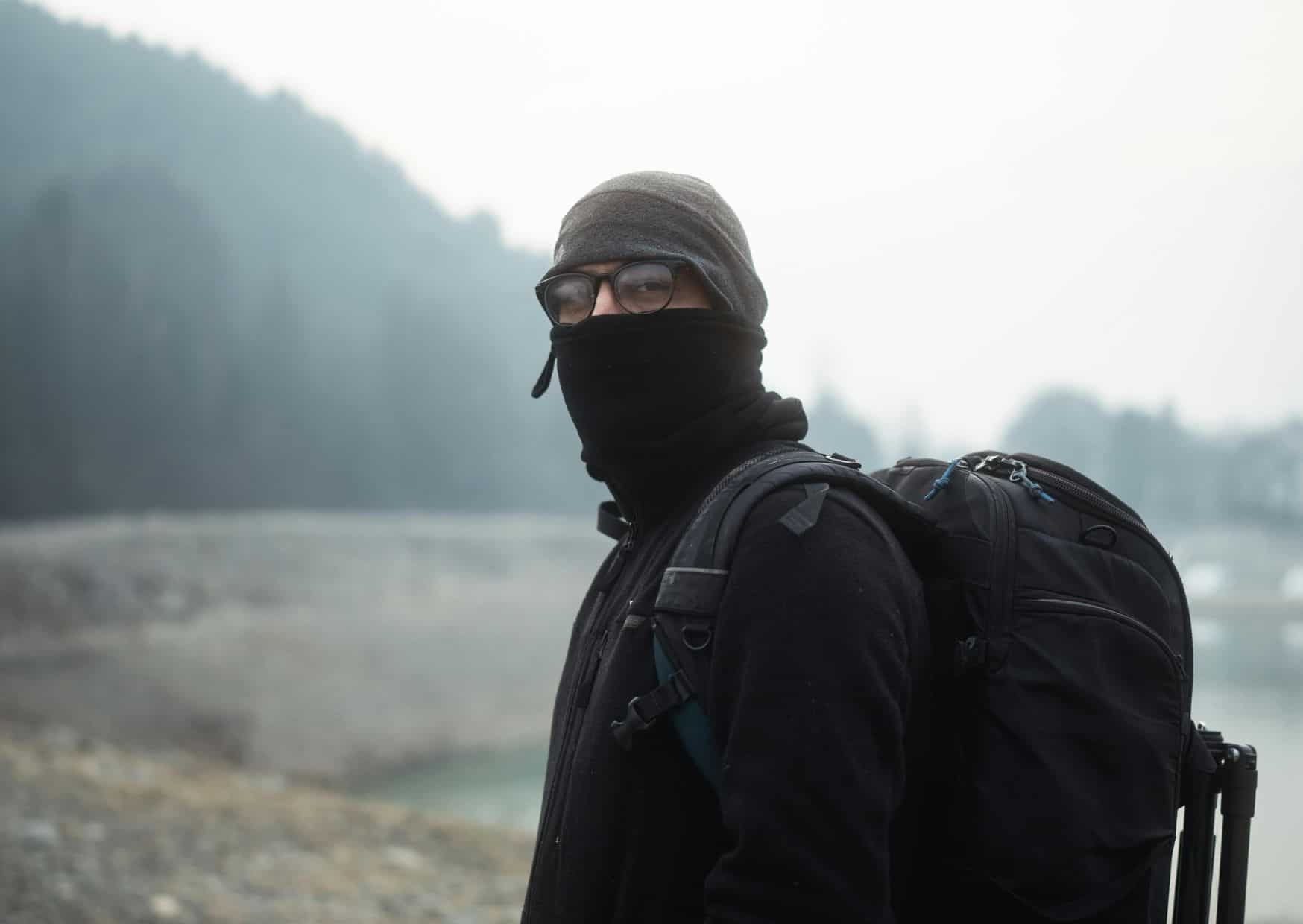
That one thick sweater or coat “just in case”? Unless you’re traveling in winter, it’s often unnecessary and takes up tons of space.
Better option: Pack layers—light sweaters, thin thermals, and a packable jacket are more versatile.
2. Uncomfortable Shoes
That stylish pair of new boots or dress shoes might look great—but if they’re not broken in or practical, they’ll be a nightmare after hours of walking.
Better option: Bring a comfortable, well-worn pair of walking shoes and one versatile pair for dinners or nights out.
3. High Heels or Fancy Footwear
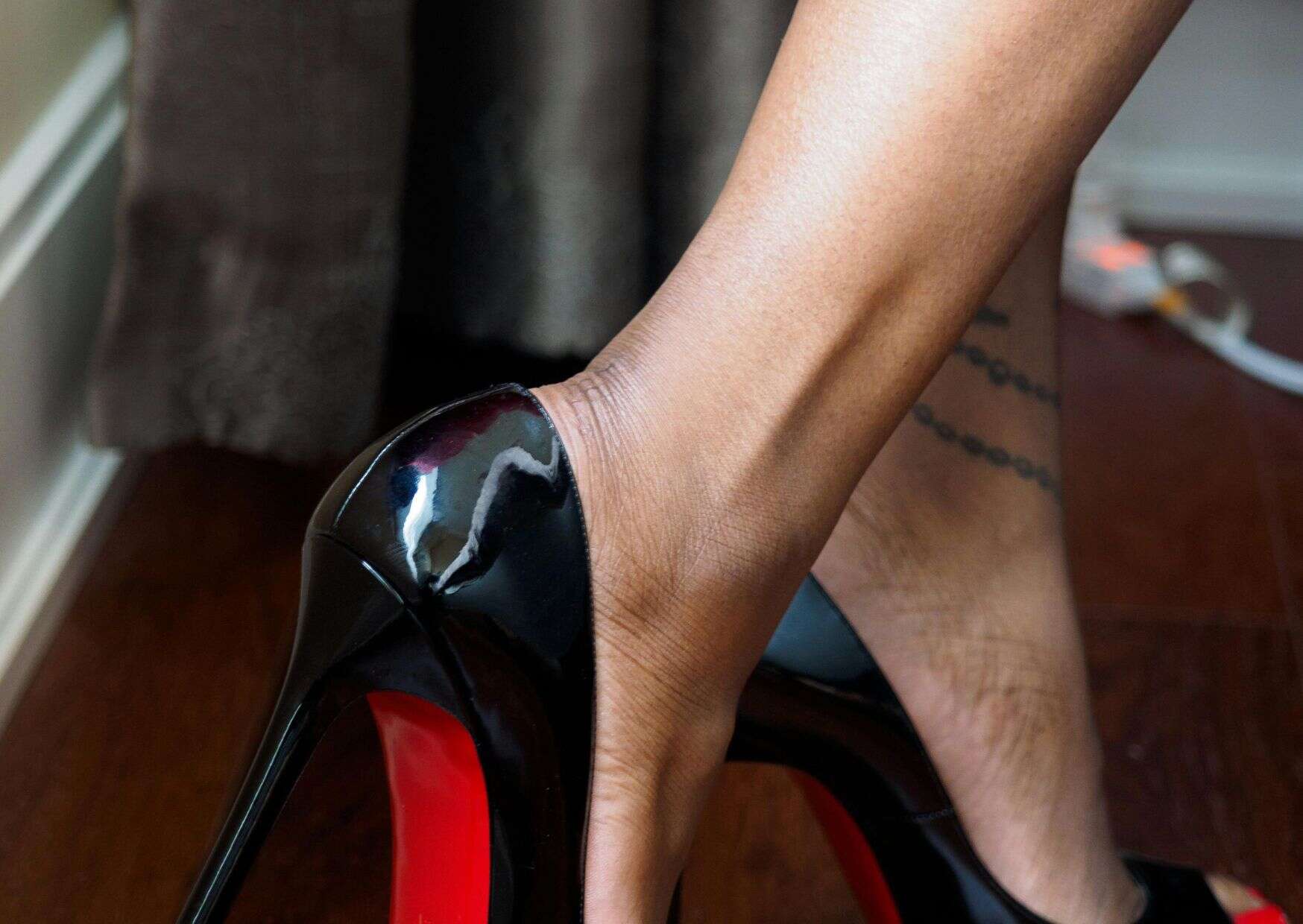
Cobbled streets, public transport, and lots of walking make high heels totally impractical for most trips—especially in Europe or older cities.
Better option: A pair of stylish flats, loafers, or sandals with support.
4. Overly Flashy or Designer Clothing
Wearing bold logos or luxury brands can make you a target for pickpockets or scam artists.
Better option: Neutral, simple clothing that blends in and is easy to mix and match.
5. Too Many Outfits “Just in Case”
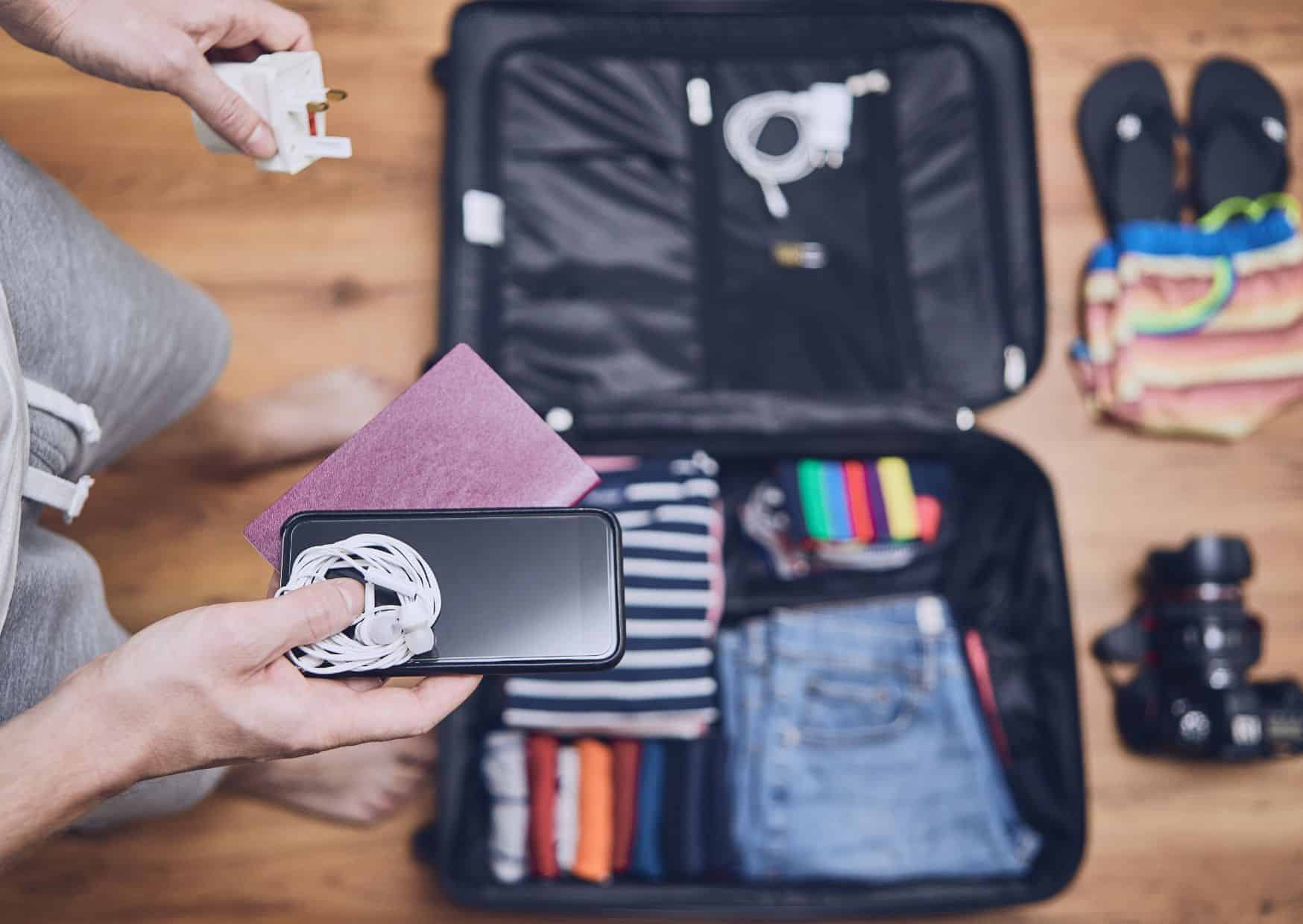
Overpacking outfits for every possible scenario leads to cluttered bags and decision fatigue.
Better option: Stick to a basic travel wardrobe using the mix-and-match rule: 3 tops + 3 bottoms = 9 outfits.
6. Culturally Inappropriate Clothing
Tank tops, short shorts, or revealing outfits might be fine at the beach—but not in temples, churches, or conservative countries.
Better option: Always research local dress codes. Bring a lightweight scarf or shawl to cover up when needed.
7. Heavy Accessories and Jewelry
Big jewelry is unnecessary, a hassle through airport security, and an easy target for theft.
Better option: Keep it minimal—one pair of earrings, a simple necklace, or no jewelry at all.
ITEMS: What Not to Bring on Your Trip
8. Too Many Toiletries

Full-sized bottles, fancy skincare, and “emergency” products add unnecessary bulk and may leak in your bag.
Better option: Bring travel-sized versions or solid toiletries like shampoo bars. Most hotels and Airbnbs provide basics.
9. Hair Dryers or Styling Tools
Most hotels already have hair dryers, and voltage differences can fry your devices if not compatible.
Better option: Check ahead or invest in a dual-voltage travel hair tool if essential.
10. Multiple Gadgets

Laptops, tablets, e-readers, GoPros, phones, smartwatches—do you really need all of them?
Better option: Limit to 1–2 essential devices. A phone + Kindle or tablet is usually more than enough.
11. Too Many “What If” Items
A portable sewing kit, multiple books, an umbrella, full first-aid kit… these items are common overpack traps.
Better option: Pack only what you’ll realistically use. Remember, most things can be bought at your destination if needed.
12. Hard-Shell Suitcases for Off-the-Beaten-Path Trips
Rolling a heavy hard-shell suitcase through cobblestones or sandy paths is the opposite of fun.
Better option: Consider a backpack or soft-sided suitcase if you’ll be hopping cities, using public transit, or staying in walk-up accommodations.
13. Multiple Purses, Backpacks, or Bags

One for the beach, one for the city, one for evenings… and suddenly your bag is overflowing.
Better option: Choose one versatile day bag (ideally crossbody or anti-theft) and a small packable tote or clutch for optional use.
14. Your Entire Wallet
Bringing every credit card, your social security card, Costco membership, and library card is unnecessary and risky.
Better option: Bring one or two cards, a small amount of local currency, and a slim travel wallet or RFID pouch.
15. Physical Copies of Everything
Printed hotel confirmations, boarding passes, maps, and guidebooks take up space and are easy to lose.
Better option: Use offline mobile apps (like Google Maps, TripIt, or airline apps), and keep digital backups of important docs in cloud storage.
Final Thoughts
Packing smarter, not heavier, is the key to enjoying your trip without extra stress. A lighter bag means more mobility, easier airport transitions, and less physical strain plus, you’ll have room to bring back something meaningful from your journey. Packing mistakes are easy to make, but even easier to fix with a bit of planning.
Focus on versatility. Pack clothing you can mix and match, shoes that serve multiple purposes, and tech gear you’ll actually use. Think less about Instagram outfits and more about comfort, weather, and culture. This mindset shift can dramatically improve your travel experience.
Ultimately, what you don’t bring on a trip is just as impactful as what you do. Skip the baggage literally and figuratively and travel with intention, awareness, and simplicity. You’ll enjoy your destination more when you’re not buried in stuff that never leaves your suitcase.

About the Author: Ruben, co-founder of Gamintraveler.com since 2014, is a seasoned traveler from Spain who has explored over 100 countries since 2009. Known for his extensive travel adventures across South America, Europe, the US, Australia, New Zealand, Asia, and Africa, Ruben combines his passion for adventurous yet sustainable living with his love for cycling, highlighted by his remarkable 5-month bicycle journey from Spain to Norway. He currently resides in Spain, where he continues sharing his travel experiences with his partner, Rachel, and their son, Han.