
And what it reveals about bodily rhythm, privacy, and how one culture treats elimination as a ritual instead of an inconvenience
In the U.S., bathroom visits are rushed. You excuse yourself quickly, disappear for a minute or two, flush, wash, and return. There’s a performance to it — efficiency, politeness, and above all, silence. No one talks about it, and no one’s supposed to take too long.
In Italy, time stretches. A visit to the bathroom — whether in a home, a restaurant, or a workplace — is allowed to last. Ten, fifteen, even twenty minutes pass without commentary. There’s no knocking. No teasing. No performance. Just the unspoken understanding that the body takes the time it takes.
It’s not because Italians are slower. It’s because they never learned to treat bodily needs as interruptions. They were taught, quietly and early, that going to the bathroom isn’t something you squeeze in between tasks. It’s a pause, not a detour. A space for elimination, yes, but also recovery. Privacy. Breath.
Here’s why Italians take their time in the bathroom — and why Americans don’t — and what that difference says about two cultures with radically different attitudes toward the body, control, and the rhythms we no longer notice.
Want More Deep Dives into Everyday European Culture?
– Why Europeans Walk Everywhere (And Americans Should Too)
– How Europeans Actually Afford Living in Cities Without Six-Figure Salaries
– 9 ‘Luxury’ Items in America That Europeans Consider Basic Necessities
1. The body is not treated like a machine that has to perform on command

In American life, everything is scheduled. Workouts, meals, meetings — and yes, even bathroom visits. People go when they have a gap. They plan around it. And when it comes, the goal is speed. Get in, get out, no signs of struggle, no disruption.
Italian culture moves differently. It doesn’t ask the body to obey the clock. When the need arises, you go — but when you go, you take your time. There’s no pressure to return immediately. No guilt if you linger. You don’t explain. You don’t apologize.
Because the body isn’t treated like a worker trying to hit a productivity quota. It’s treated as something natural, fallible, and deserving of time.
2. Bathrooms in Italy are designed for pause, not urgency

Walk into an Italian bathroom and notice what’s there: a bidet, always. Tiled floors. A window, if possible. A shelf or ledge. Quiet lighting. Sometimes even a small chair or stool. It’s not sterile. It’s not rushed. It’s a room that asks you to slow down.
In the U.S., bathrooms are often brightly lit, cold, efficient. There’s nothing in the room that suggests lingering. You go, you wipe, you leave. If you stay longer than three minutes, you’re assumed to be sick — or wasting time.
In Italy, you’re expected to take the time you need to be clean, comfortable, and reset. The room is built for that. It doesn’t encourage haste. It supports deliberate care.
3. The bidet itself demands a slower, more embodied rhythm
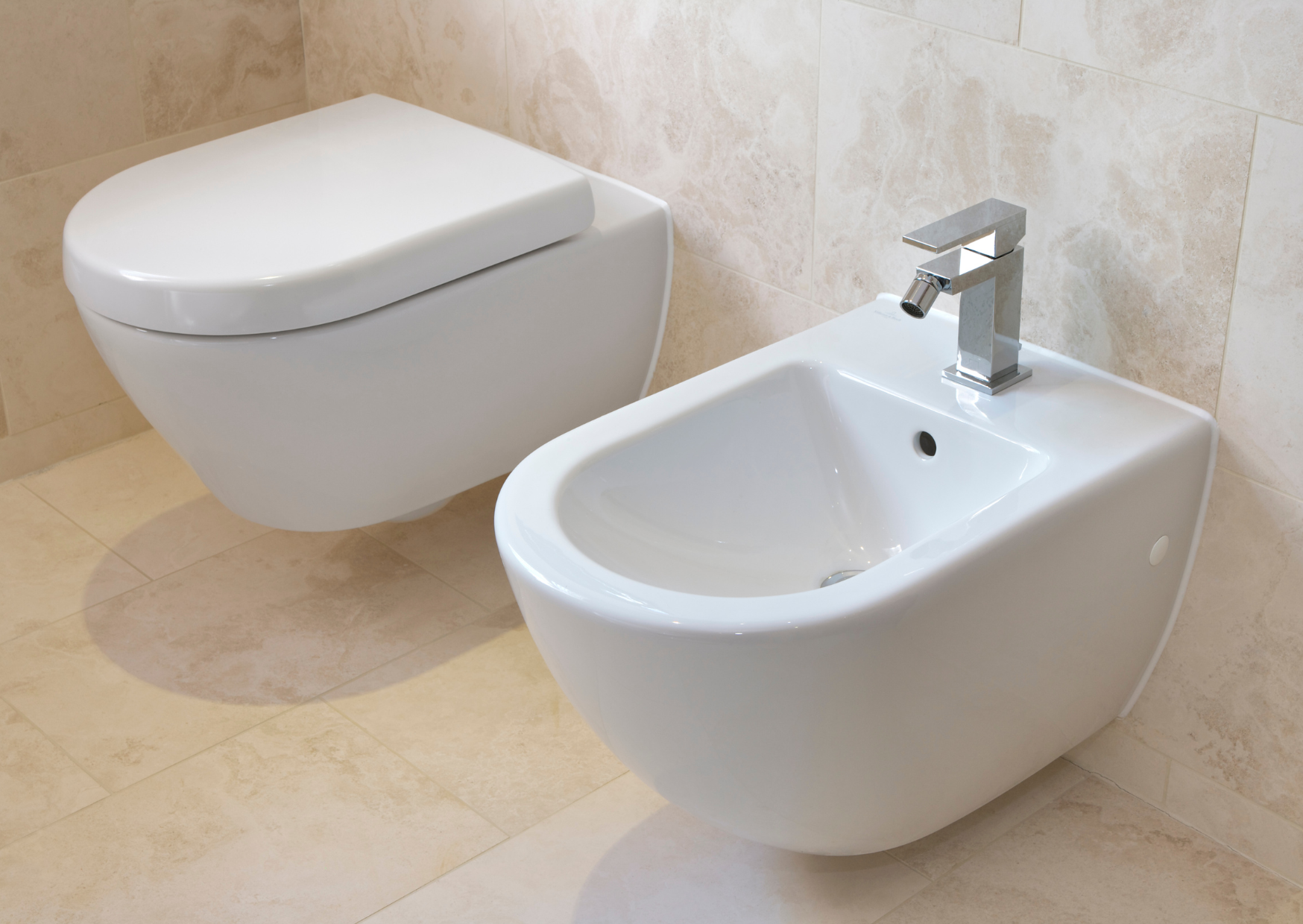
One of the main reasons Italians spend more time in the bathroom is because they use the bidet. That alone adds several minutes to the process. But it’s not just about hygiene. It’s about honoring the completion of the act. You finish. You clean. You pause.
There’s no reaching for wet wipes or jumping into clothes. You sit. You rinse. You dry. The process is unhurried because it’s meaningful. It’s not just about being clean — it’s about finishing properly, without rush or shame.
In the U.S., the lack of a bidet mirrors a broader discomfort with time spent in the bathroom. The goal is to eliminate quickly and erase all evidence. The bidet makes that impossible. It insists on your attention.
4. There’s no cultural pressure to pretend nothing happened
In American culture, bathroom use is something you don’t speak of. You say “excuse me” and move on. You flush before anyone hears anything. You might run the sink to mask sound. You emerge as if nothing occurred. The goal is invisibility.
In Italy, that pressure doesn’t exist. If someone takes fifteen minutes in the bathroom, no one says a word. No jokes. No glances. It’s understood that bodies have their own rhythms — and that what happens behind the door belongs to you.
There’s a dignity to that silence. Not a denial, but an allowance.

5. Digestion is taken seriously — and allowed to complete
One reason Italians take longer in the bathroom is because they’ve eaten differently. Meals are slow, structured, and often include fresh produce, legumes, olive oil, and enough fiber to support healthy elimination.
They sit for lunch. They don’t rush breakfast. Dinner happens late, but with intention. All of this supports regular, healthy digestion, and with that comes a longer, steadier rhythm in the bathroom.
Americans, by contrast, often eat erratically. Meals are rushed. Fiber is added artificially. Coffee is used to force movement. When the urge hits, it feels like a surprise — or a chore. Italians don’t rush digestion, so they don’t rush the results.
6. Being alone is not considered wasted time
For many Italians, the bathroom isn’t just a functional space — it’s a moment of solitude. A break from conversation, family, phone calls, work. In a culture that values connection, that small window of privacy is precious.
You breathe. You sit. You look out the small window. You rest your eyes on the tiles. You exist without being observed.
In the U.S., being alone is often treated as suspicious — especially when time is involved. If someone takes too long in the bathroom, they must be on their phone, avoiding something, or “doing nothing.”
But Italians understand that being alone without interruption is a form of health. Even if it happens on a toilet.
7. The body is treated with affection — not embarrassment

From an early age, Italians are taught to speak about their bodies without shame. They say what hurts. They talk about digestion, about how food “sits” in the stomach, about what time of day they move best.
They talk about poop. About bloating. About needing to go.
It’s not dramatized. It’s not joked about. It’s just life.
This comfort with the body extends to the bathroom. There’s no urgency to hide discomfort. No drive to minimize the experience. And because of that, there’s more patience — and often, better outcomes.
In the U.S., bodily functions are often hidden or turned into humor. Either way, they’re dismissed. And when something is dismissed, you rush it.
8. Medicine is not the first line of defense
When Americans have digestive trouble or bathroom discomfort, they often reach for medication: fiber pills, stool softeners, antacids, probiotics. Relief is something you buy.
In Italy, discomfort is often met with a change in behavior — eat more fruit, take a walk after dinner, drink a chamomile tea, adjust your pace.
There’s less pressure to fix it quickly. And when you do go to the bathroom, you don’t do it with urgency — you do it with awareness.
Italians don’t see the bathroom as a place to solve problems. It’s a place where problems finish solving themselves.
9. Privacy is allowed — and expected

In American households, bathroom use often happens under time pressure. A parent is waiting. A child knocks. The dog scratches. Someone needs the mirror. The room is multi-purpose and multi-user.
In Italy, the bathroom belongs to one person at a time. And while others may be waiting, they wait in silence. There’s no teasing. No, “What are you doing in there?”
Because the bathroom is a sealed moment — not just physically, but socially. You’re entitled to it.
No one asks you to share it, speed it up, or justify it.
The Bathroom Isn’t Where They Rush — It’s Where They Return
Italians take longer in the bathroom because they were never told it had to be short. Their bodies weren’t trained to perform on demand. Their culture didn’t shame them into hiding their needs. And their homes still make space for privacy, stillness, and care.
For Americans, the bathroom is often the only place where a body is allowed to be real — and even then, it’s expected to be fast.
But in Italy, the body is never an interruption. And that includes the quiet, unglamorous moments behind a door. Not because they romanticize them — but because they never learned to rush what keeps them human.

About the Author: Ruben, co-founder of Gamintraveler.com since 2014, is a seasoned traveler from Spain who has explored over 100 countries since 2009. Known for his extensive travel adventures across South America, Europe, the US, Australia, New Zealand, Asia, and Africa, Ruben combines his passion for adventurous yet sustainable living with his love for cycling, highlighted by his remarkable 5-month bicycle journey from Spain to Norway. He currently resides in Spain, where he continues sharing his travel experiences with his partner, Rachel, and their son, Han.