
And What It Reveals About Rhythm, Resilience, and a Culture That Doesn’t Need to Control the Thermostat to Be Comfortable
In the United States, summer heat is something to conquer.
The moment temperatures rise, so do energy bills. Air conditioners hum 24 hours a day. Ice machines work overtime. Blackout curtains close, smart thermostats adjust, and entire architectural systems spring into action — just to create the illusion that summer hasn’t arrived.
In Italy, the mindset is entirely different.
Summer isn’t resisted. It’s respected.
And one of the most overlooked but defining differences between American and Italian summer life comes down to this:
Italians adapt to the heat. Americans fight it.
Here’s the summer adaptation most Italians make without hesitation — and why many Americans spend thousands trying to avoid it entirely.
Looking for More Travel & Culture Reads?
– They Don’t Work 24/7: 5 Vacation Customs in Europe That Drive Americans Crazy
– 7 Dress Code Shocks Americans Face in Italy
– 9 European Beach Habits That Shock First-Time Tourists
1. They Simply Don’t Use Air Conditioning the Same Way
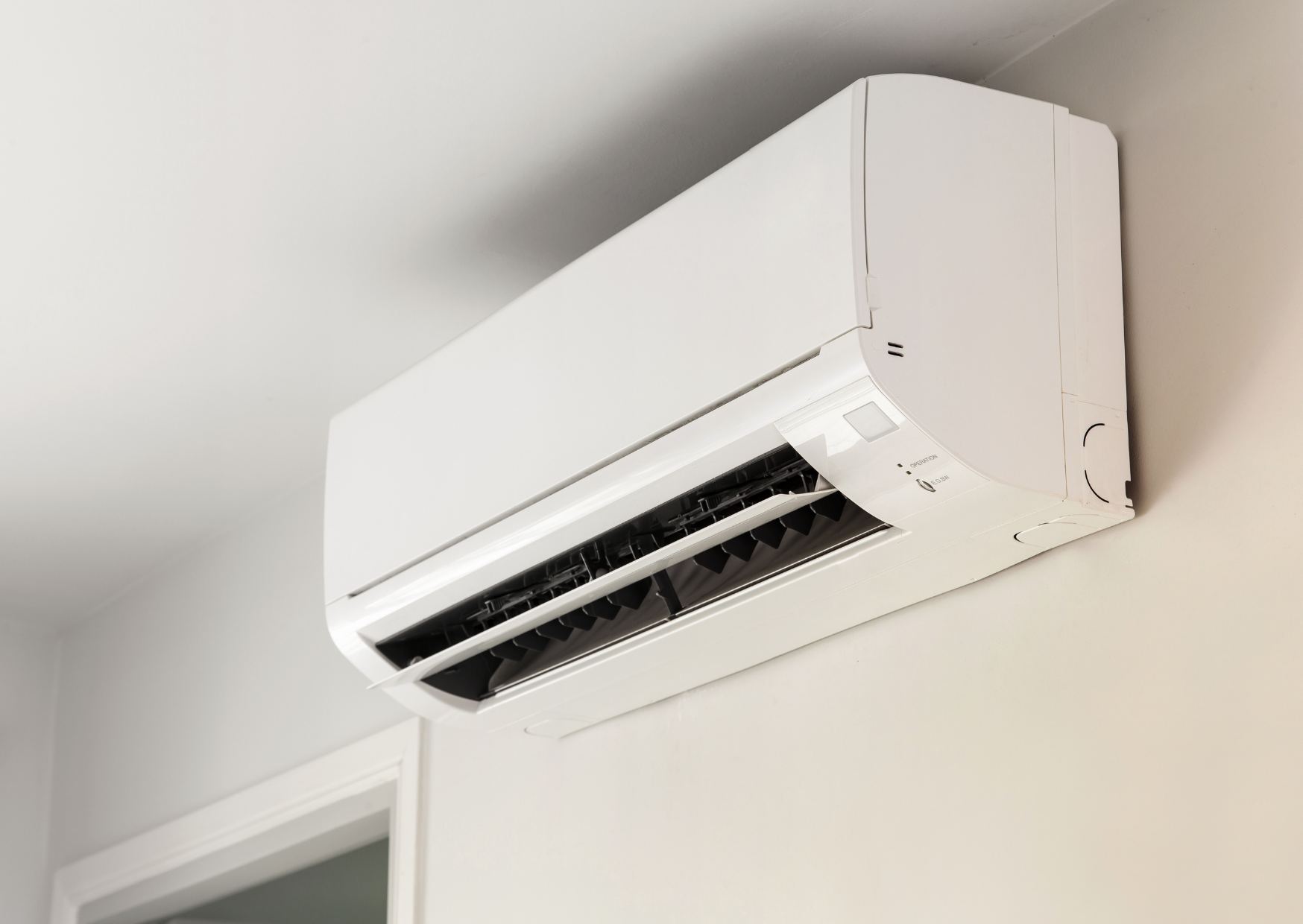
If you’ve ever stayed in an Italian home or hotel in July, you may have noticed something:
The air conditioning is there — but it’s rarely blasting. Often, it’s not on at all.
That’s because most Italians:
- Only use AC at night, if at all
- Run it at moderate temperatures (26–28°C / 78–82°F)
- Prefer cross-breezes from windows and shutters
- Use ceiling or standing fans instead of full HVAC systems
This isn’t about suffering. It’s about living in harmony with the season, not pretending it’s 68 degrees year-round.
2. They Design Their Homes to Work With the Heat — Not Against It
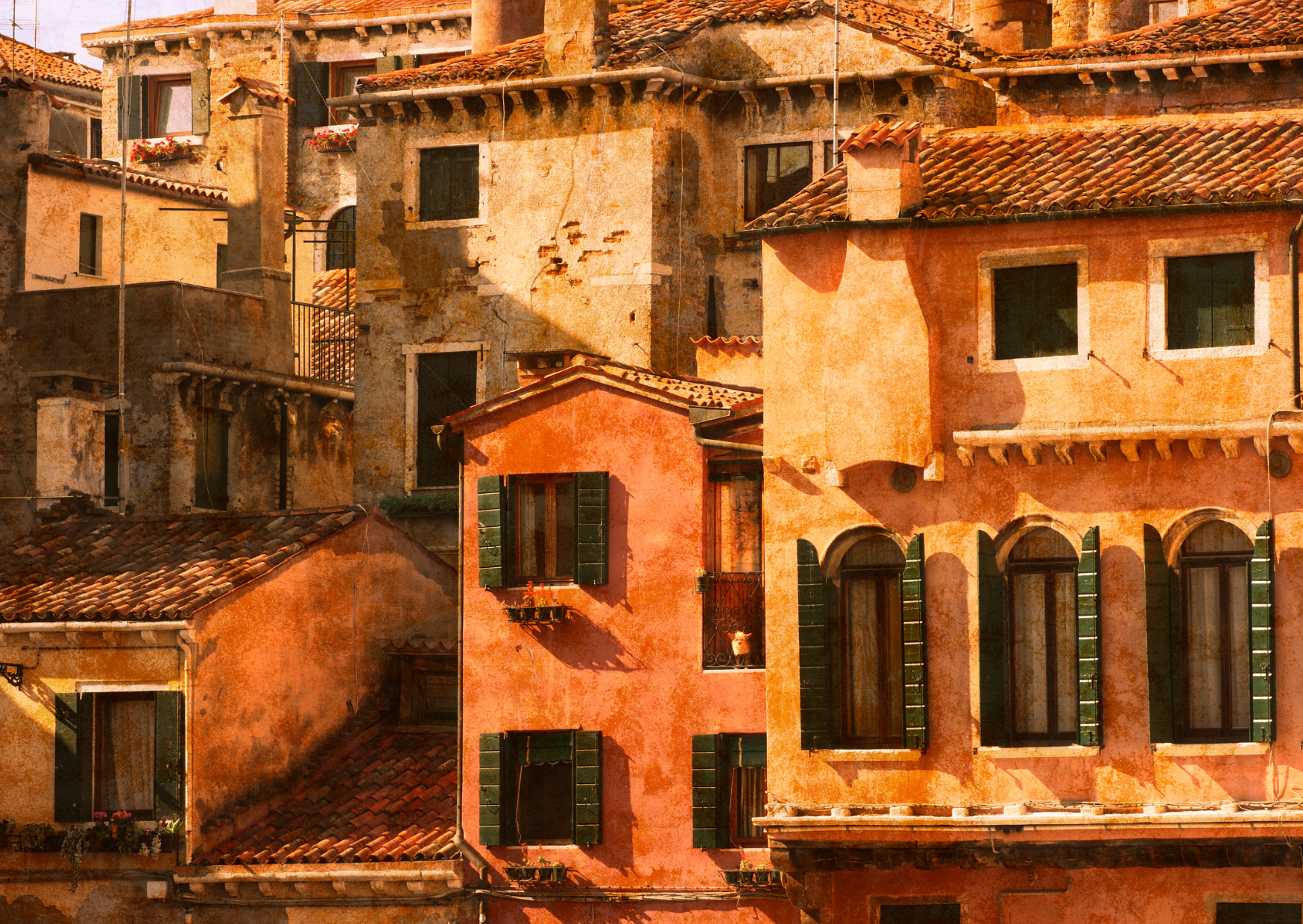
Italian homes are built with heat in mind. Long before air conditioning was common, architecture had to manage summer.
You’ll find:
- Thick stone walls that keep interiors cool
- Shutters (persiane) that block sun while letting in air
- Narrow alleys that stay shaded
- High ceilings that allow heat to rise
Instead of relying on technology, the building itself creates a buffer.
And for Italians, these passive systems aren’t nostalgic — they still work.
3. They Close the House During the Hottest Hours
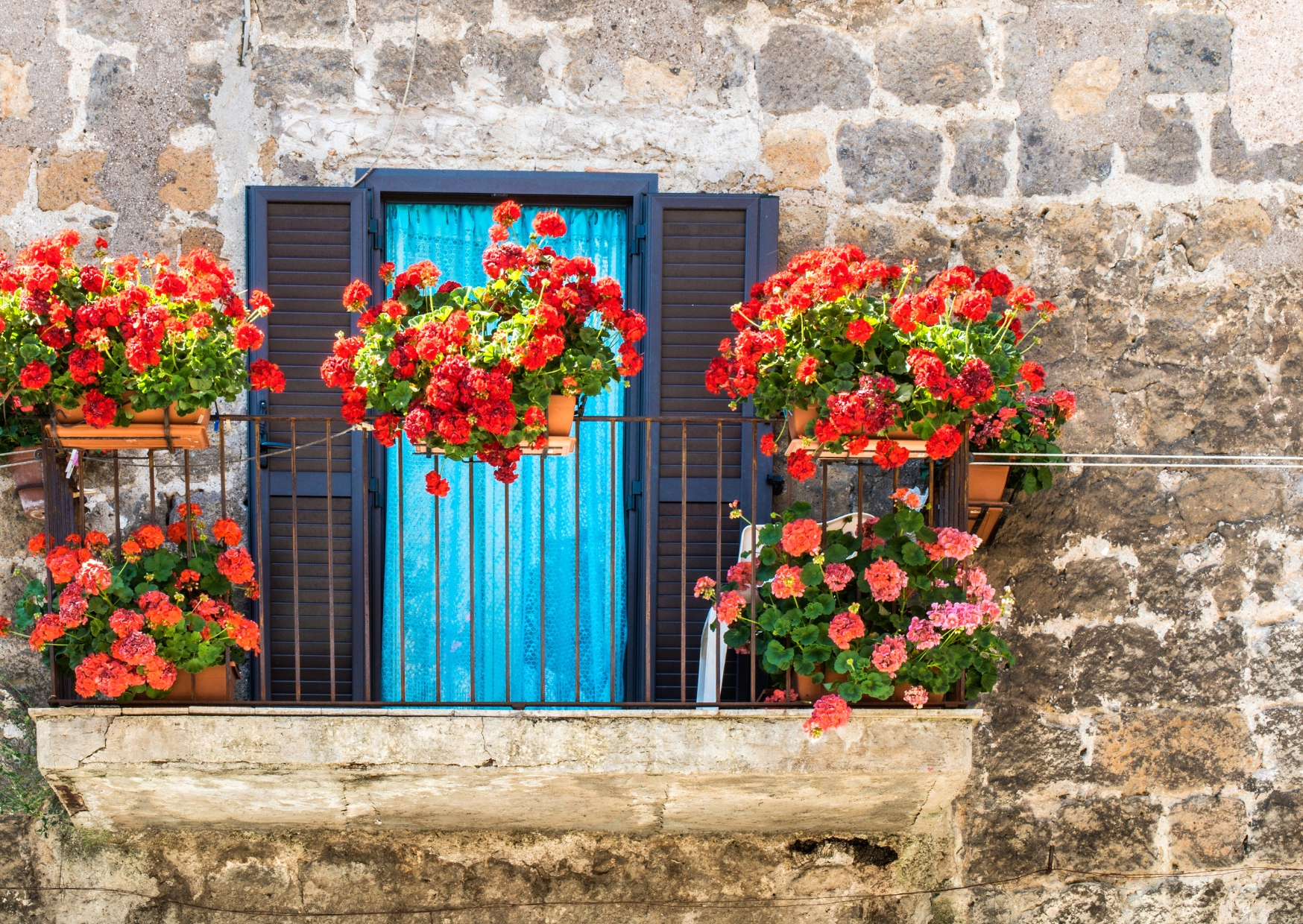
One of the most consistent habits across Italy — from rural villages to urban apartments — is shutting everything down around midday.
From about noon to 5 PM:
- Shutters are closed
- Windows stay sealed
- Lights are off
- Movement slows or stops entirely
This isn’t laziness. It’s strategy.
Italians “trap” the cool air from the morning and wait out the worst heat in calm, darkened interiors.
Then, in the evening, windows reopen. Life resumes. The house breathes again.
4. They Dress for the Heat, Not the Air Conditioning

In the U.S., summer outfits are often designed for air-conditioned environments — not actual heat.
Sleeveless tops are paired with sweaters for freezing offices. Linen pants are replaced by synthetic leggings because the building is cold.
Italians dress for the real temperature:
- Loose cotton or linen
- Light layers, never clingy
- Dresses that move
- Sandals that let feet breathe
They don’t prepare for chilled rooms. They prepare for the sun outside — and the slow shade inside.
5. They Eat to Cool the Body, Not Shock It

Cold smoothies, iced coffee, protein bars straight from the fridge — these are staples of the American heat survival plan.
In Italy, summer eating follows different logic:
- Warm pasta with zucchini and olive oil
- Room-temperature salads with beans and tuna
- Herbal teas served lukewarm
- Cold water, but rarely with ice
Why? Because flooding the stomach with ice water or heavy food doesn’t actually cool the body. It shocks it.
Italians eat and drink in a way that matches the heat — not battles it.
6. They Take Strategic Showers — Not Constant Ones

In the U.S., many people shower multiple times a day in summer — often cold ones, used as a temporary fix for discomfort.
Italians take showers too, but with more strategy:
- A light rinse in the late afternoon
- A cooler shower before bed
- Washing off salt or sweat — not trying to reset body temperature
They don’t treat the shower as a cure for heat.
They treat it as a refresh before the next calm phase.
7. They Leave Cities When the Heat Peaks
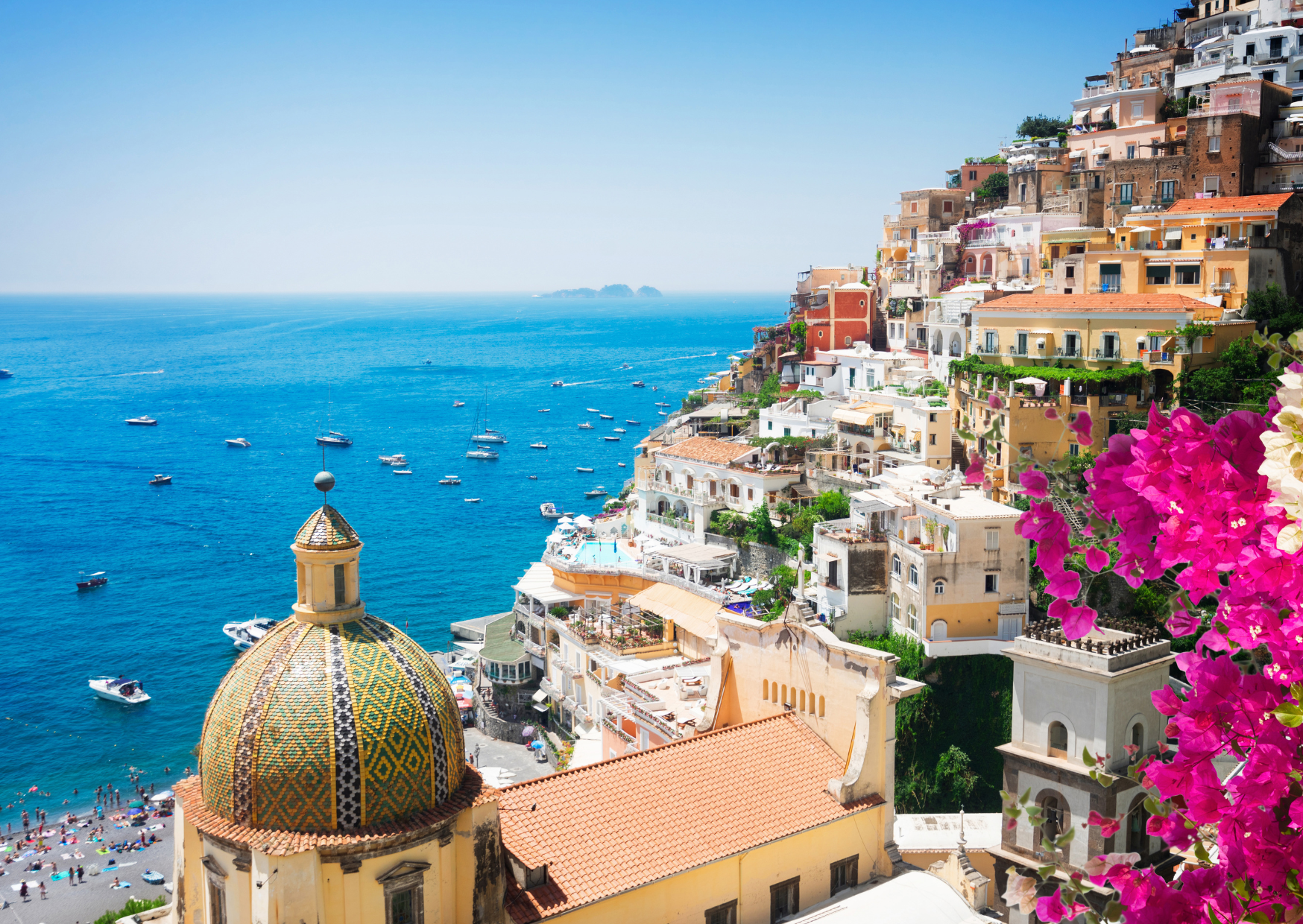
In America, summer travel is about vacations — planned, scheduled, squeezed in.
In Italy, summer travel — especially in August — is a full migration.
Most Italians:
- Leave cities for the coast or mountains
- Stay with extended family or rent modest homes
- Vacate cities during the very weeks they are hottest and most uncomfortable
That’s why you’ll see cities like Rome or Milan feel empty in mid-August.
The people who live there aren’t trying to survive the heat. They’re gone.
8. They Nap — Yes, Even Adults

While American adults are told to push through the heat with caffeine or air conditioning, many Italians rest in the early afternoon.
This doesn’t mean they’re lazy. It means:
- Their schedule starts earlier and ends later
- They follow a circadian rhythm that includes a midday pause
- The hottest hours are met with stillness, not resistance
Shops close. Streets go quiet. Fans hum gently in darkened rooms.
The nap is part of the national energy plan.
9. They Accept a Bit of Discomfort Without Complaint
Most of all, Italians don’t expect summer to feel like spring.
They accept:
- A bit of sweat
- Sleep that’s light
- Clothes that cling slightly
- Meals that don’t require an oven
They don’t chase an artificial state of coolness.
They adapt — physically, mentally, socially.
Where Americans spend money to eliminate every trace of heat, Italians spend centuries learning how to live with it.
One Summer, Two Mindsets
To Americans, summer heat is a problem to solve.
To Italians, it’s a season to move through — wisely, slowly, and with as little resistance as possible.
One culture says: Crank the air, buy better fans, upgrade the AC unit.
The other says: Close the shutters, change your clothes, lower your pace.
And in that difference lies a powerful lesson:
Comfort isn’t always about changing your environment.
Sometimes, it’s about letting the body — and the day — unfold naturally.

About the Author: Ruben, co-founder of Gamintraveler.com since 2014, is a seasoned traveler from Spain who has explored over 100 countries since 2009. Known for his extensive travel adventures across South America, Europe, the US, Australia, New Zealand, Asia, and Africa, Ruben combines his passion for adventurous yet sustainable living with his love for cycling, highlighted by his remarkable 5-month bicycle journey from Spain to Norway. He currently resides in Spain, where he continues sharing his travel experiences with his partner, Rachel, and their son, Han.