
And what it reveals about confidence, competition, and the cultural gap between being admired and being reduced
Spend enough time with Spanish women — at a dinner party in Madrid, on a beach in Valencia, or just lingering over café con leche — and you’ll notice something subtle but striking. Compliments, when they happen, are delivered with restraint, specificity, and often humor.
But there’s one kind of praise that’s common among American women — meant with kindness, even solidarity — that often lands poorly in Spain. It’s a compliment that feels harmless in the U.S., even essential. But in Spain, it can be read as backhanded, insincere, or just plain offensive.
The phrase?
“You look so good! Have you lost weight?”
Or:
“You’re so brave to wear that.”
Or:
“You’re beautiful — I could never pull that off.”
In American circles, these are seen as compliments. Social glue. A way to acknowledge effort, to uplift, to bond.
In Spain, they often feel loaded, invasive, and patronizing — even when they’re meant to flatter.
Here’s why certain compliments American women give are quietly offensive to Spanish women — and what these differences say about the cultures that shape female identity, confidence, and conversation.
Want More Deep Dives into Everyday European Culture?
– Why Europeans Walk Everywhere (And Americans Should Too)
– How Europeans Actually Afford Living in Cities Without Six-Figure Salaries
– 9 ‘Luxury’ Items in America That Europeans Consider Basic Necessities
1. Compliments on Weight Loss Are Considered Judgmental, Not Kind
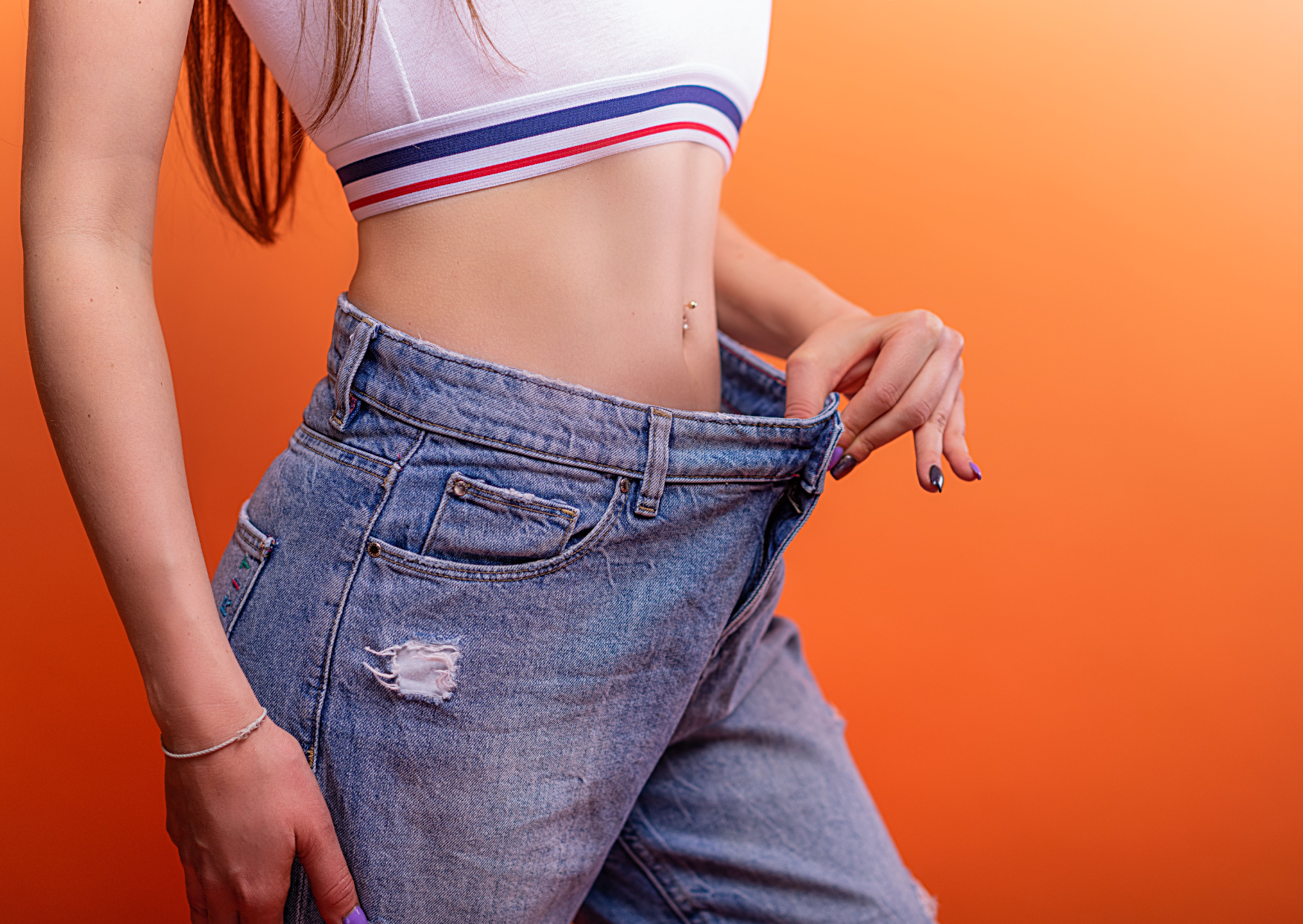
In American culture, commenting on someone’s weight — especially if they’ve lost it — is usually framed as support. “You look amazing! You’ve clearly been working hard.” It’s meant to acknowledge transformation.
In Spain, this kind of compliment can be deeply uncomfortable.
Why? Because it assumes the previous body was a problem. It draws attention to appearance over presence, and implies that praise is conditional.
Spanish women are proud, stylish, and body-aware. But weight isn’t often discussed openly — especially as a marker of personal value.
If someone loses weight in Spain, the preferred compliment is far more general: “Estás guapa” — you look good. No qualifiers. No comparisons. No assumptions about intent.
2. “You’re So Brave to Wear That” Sounds Like an Insult in Disguise
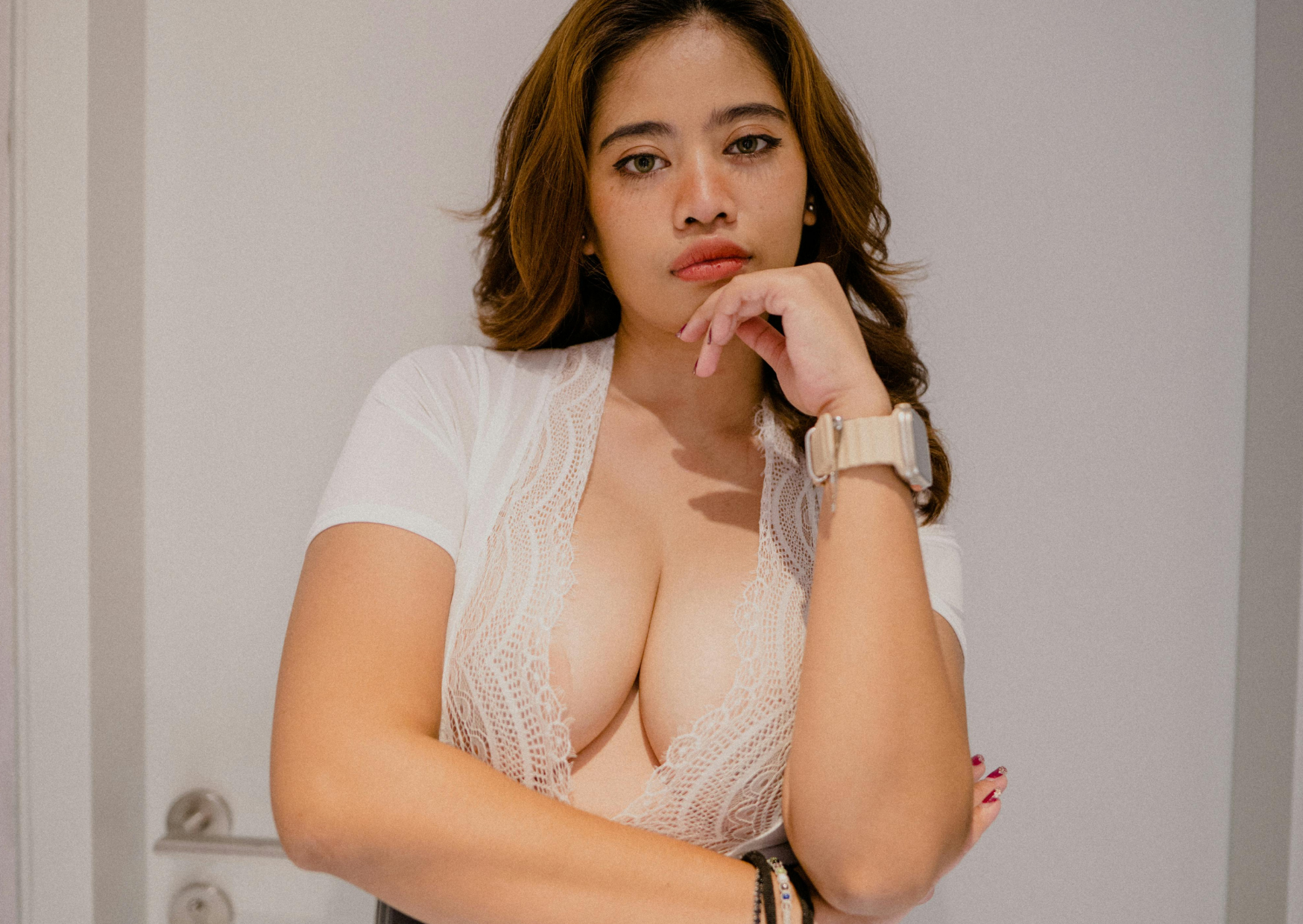
In the U.S., this phrase is often used to celebrate someone who wears bold fashion, shows skin confidently, or steps outside traditional beauty norms. “I wish I had your courage” is meant to say “I admire your style.”
But in Spain, this kind of compliment can feel passive-aggressive.
Spanish women don’t frame personal style as bravery. They dress for themselves, not to challenge norms. If a woman wears a crop top or sheer dress, no one treats it like a heroic act.
Telling someone they’re “brave” for wearing something implies that it’s inappropriate — or that you wouldn’t dare, which makes the compliment feel more like judgment wrapped in flattery.
3. “You’re Beautiful — I Could Never Pull That Off” Makes It About You

This phrase, common in American female friendships, is often said with admiration. “I love that dress — I’d look ridiculous in it, but it’s perfect on you.”
It sounds complimentary, but in Spain, it comes across as self-referencing and unnecessary.
Spanish women don’t feel the need to center themselves in a compliment. They’ll say “Estás guapísima” — you look gorgeous — and leave it at that.
Adding “I couldn’t do that” shifts the focus. It introduces hierarchy. It’s no longer about her — it’s about how different or strange the choice is, and how unattainable her look might be.
In Spain, this reads less as support, more as division.
4. Over-Complimenting Feels Disingenuous
In American culture, especially among women, it’s common to greet friends with a rapid-fire string of compliments. “I love your shoes! Your hair looks amazing! That lipstick is perfect!”
It’s enthusiastic. Friendly. Immediate.
In Spain, this level of excitement about appearance can feel overdone.
Spanish women appreciate compliments — but they value understatement. A quiet “Qué bien estás” (You’re looking great) carries more weight than a list of flattery.
Why? Because in Spain, authenticity matters. And a flood of compliments can feel like performance, not genuine admiration.
5. Appearance-Based Praise Feels Shallow Without Context
In the U.S., it’s common to compliment appearance without needing a reason. You walk into a room and get, “You look incredible!”
In Spain, appearance compliments are often tied to context — an event, a new outfit, a special day. “Qué guapa estás hoy” (You look so beautiful today) means something because it’s specific.
Blanket praise, without detail or occasion, can feel empty. Or worse, like it’s being used to mask awkwardness or fill space.
Spanish women often prefer conversation to compliments. They connect through depth — not decoration.
6. Compliments on Makeup or Hair Can Feel Reductive
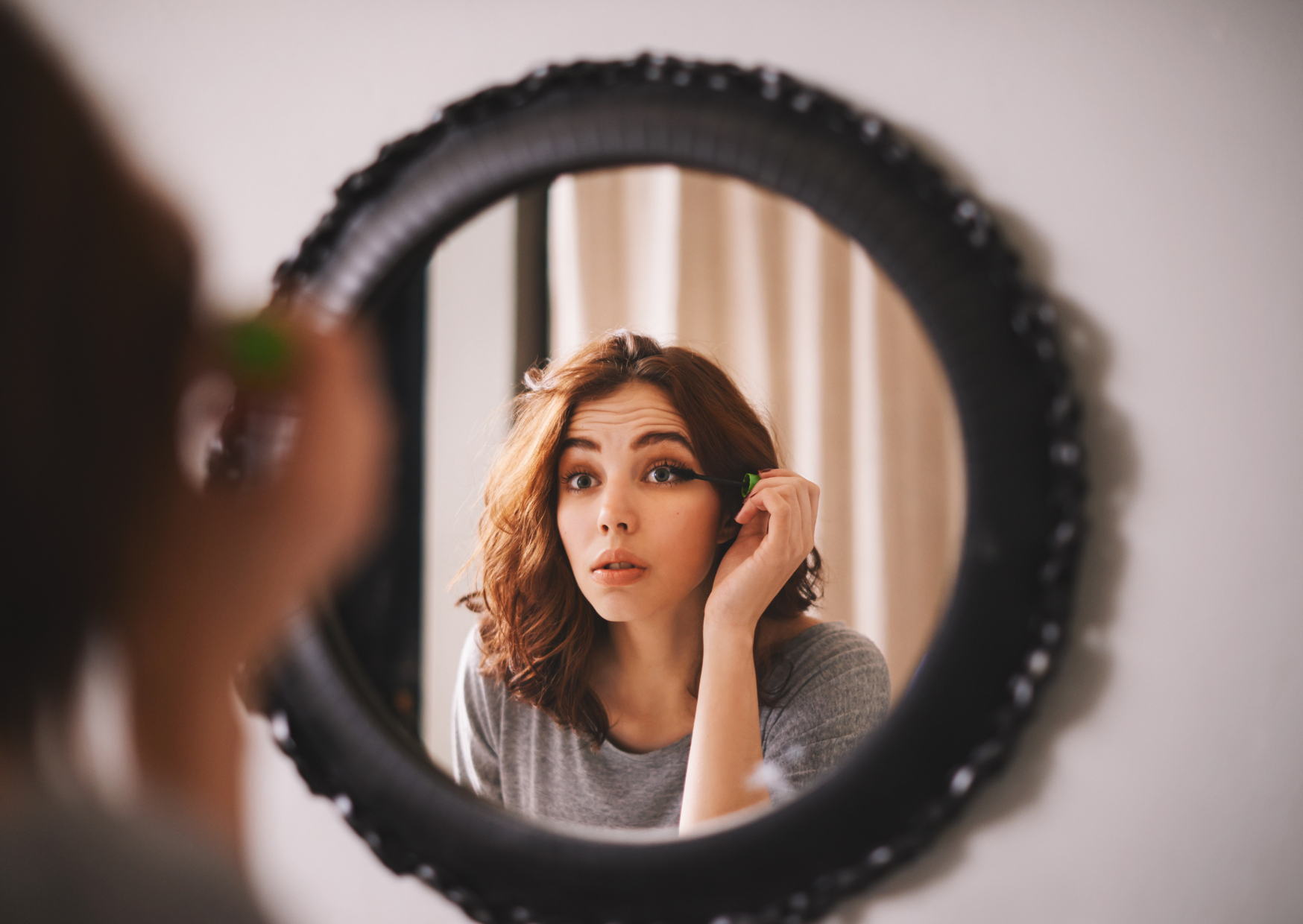
American women often bond through beauty talk. “Your contour is perfect.” “Your curls are amazing.” “What product are you using?”
In Spain, while women enjoy makeup and beauty, they don’t always want to be reduced to it.
Telling someone they look amazing because of their lashes, or hair color, or highlighter can land as overly focused on detail — and detached from the person wearing it.
In Spain, beauty is holistic. It’s how you carry yourself, not just what you applied.
7. Comparing Women to Each Other Is Off-Limits
“You’re way prettier than her.”
“You totally outshone everyone tonight.”
“You were the best-dressed at that party.”
In American culture, these comments are often intended to boost someone — to make them feel exceptional.
In Spain, this kind of competitive compliment is avoided. It’s seen as divisive, even mean-spirited.
You don’t lift one woman up by putting another down. Doing so turns beauty into hierarchy — and friendship into subtle warfare.
Instead, compliments are individualized. You praise her — not her in relation to others.
8. Emotional Compliments Are More Valued Than Visual Ones

In the U.S., appearance often comes first. “You’re so pretty.” “You’re glowing.” “You look amazing.”
In Spain, the most meaningful compliments are often emotional or behavioral.
“You have such a calming energy.”
“You’re always so generous with your time.”
“You tell the best stories.”
“You make people feel comfortable.”
These compliments reflect who the woman is, not how she looks. And because they’re less common — and more sincere — they stick.
Spanish women don’t need flattery. They appreciate recognition — especially when it goes deeper.
9. Real Compliments Don’t Require an Excuse
One of the most common habits in American female circles is qualifying compliments to avoid awkwardness.
“I know this sounds weird, but…”
“This is going to be cheesy, but…”
“Don’t take this the wrong way, but…”
In Spain, compliments are often direct. Sincere. And offered without apology.
You say what you mean, and you mean what you say. No disclaimers. No laughter to soften it.
This clarity allows compliments to be received with ease, not suspicion.
One Compliment, Two Cultures
To an American woman, saying “You’re brave to wear that” is a gift.
To a Spanish woman, it’s a subtle warning — that maybe she shouldn’t have.
To an American, “Have you lost weight?” means encouragement.
To a Spaniard, it feels like a judgment dressed up as praise.
In American culture, compliments are casual, fast, and often exaggerated.
In Spain, they’re quiet, pointed, and earned — not sprayed.
So if you’re spending time in Spain, and you want to express admiration, don’t overthink it.
Just say:
“Estás guapa.”
Or, better yet:
“Qué bien se te ve.”
You look well.
Then move on — and let your sincerity do the rest.

About the Author: Ruben, co-founder of Gamintraveler.com since 2014, is a seasoned traveler from Spain who has explored over 100 countries since 2009. Known for his extensive travel adventures across South America, Europe, the US, Australia, New Zealand, Asia, and Africa, Ruben combines his passion for adventurous yet sustainable living with his love for cycling, highlighted by his remarkable 5-month bicycle journey from Spain to Norway. He currently resides in Spain, where he continues sharing his travel experiences with his partner, Rachel, and their son, Han.