
Traveling the world is one of the most enriching experiences a person can have. But between the adventure and awe, safety should never be an afterthought. Whether you’re backpacking through Southeast Asia or exploring European cities, staying safe while protecting your valuables can make the difference between a dream trip and a travel nightmare.
Too many travelers learn hard lessons after losing a passport, having a phone stolen, or falling for a scam. The good news is that most travel safety issues are preventable with a little preparation and the right habits. From simple gear tweaks to behavior adjustments, there are easy ways to stay a step ahead without becoming paranoid.
In this post, we’ll explore 15 practical travel safety hacks that go beyond locking your luggage or using a money belt. These are the kind of tips seasoned travelers use instinctively—and they just might save your trip (or even your life).
Read Here European Things that terrify Americans and American Habits that make Europeans Cringe
Read here how to pack for Europe and Best eSIM for Europe
BOOK YOUR TRAVEL INSURANCE
Two of our favorite travel insurance: Heymondo Vs Safetwing cheapest travel Insurance. You can get for $135 USD your Heymondo Travel Insurance with Heymondo discount code valid for 90 days. Read our full comparison of Genki vs Safetywing Travel Insurance Review and the comparison Heymondo vs Genki
Quick Easy Tips
Use a decoy wallet: Keep small cash and expired cards in a dummy wallet to hand over in a worst-case scenario.
Back up documents digitally: Scan your passport, ID, travel insurance, and itinerary to store in the cloud.
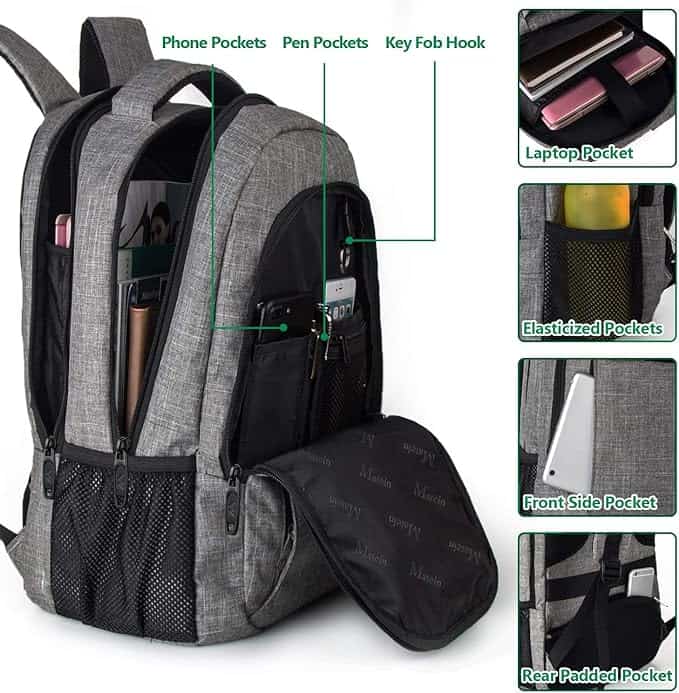
Buy a slash-proof day bag: Regular backpacks are easy targets. Use anti-theft bags with hidden zippers.
Avoid public Wi-Fi for sensitive info: Use a VPN or stick to mobile data when accessing banking apps or emails.
Secure your hotel room: Carry a simple doorstop or portable lock for added peace of mind at night.
Blend in with locals: Don’t flash jewelry, branded gear, or touristy behavior that screams “target.”
One controversial issue among travelers is how much safety prep is “too much.” Some argue that being overly cautious can rob you of spontaneity, while others say no level of paranoia is too much in unfamiliar territory. The reality? The sweet spot lies somewhere in the middle—alert but not anxious, informed but not fearful.
Another debated topic is whether safety advice reinforces stereotypes. Warnings about specific countries or neighborhoods can sometimes border on xenophobia if not grounded in fact. It’s essential to get information from updated, unbiased sources rather than repeating outdated fears or viral horror stories that don’t reflect current realities.
Finally, there’s the growing discussion around how digital safety is now as important as physical safety. Many travelers still underestimate cyber threats while abroad—public Wi-Fi can be more dangerous than pickpockets. Password theft, bank fraud, and location tracking can happen in seconds if you’re not taking digital hygiene seriously. Today’s traveler needs to protect their devices as much as their passport.
Travel Safety Hacks
1. Use Anti-Theft Travel Gear
Why It Matters:
Thieves often target travelers for their cash, electronics, and passports. Anti-theft devices can help you outsmart pickpockets and protect your valuables.
What to Use:
Anti-Theft Backpacks: Look for lockable zippers, RFID-blocking compartments, and slash-resistant material. Brands like Pacsafe and Nomatic are highly rated.
Money Belts or Hidden Pouches: Wear them under your clothes to store cash, credit cards, and a copy of your passport.
Cable Locks: Secure your luggage to stationary objects in airports or train stations.
Portable Safe Bags: For hotel rooms or beach trips, use lockable bags like the Pacsafe Travelsafe to protect valuables.
2. Keep Copies of Important Documents
Why It Matters:
Losing your passport or travel documents abroad can be a nightmare. Having backups makes the recovery process smoother.
What to Do:
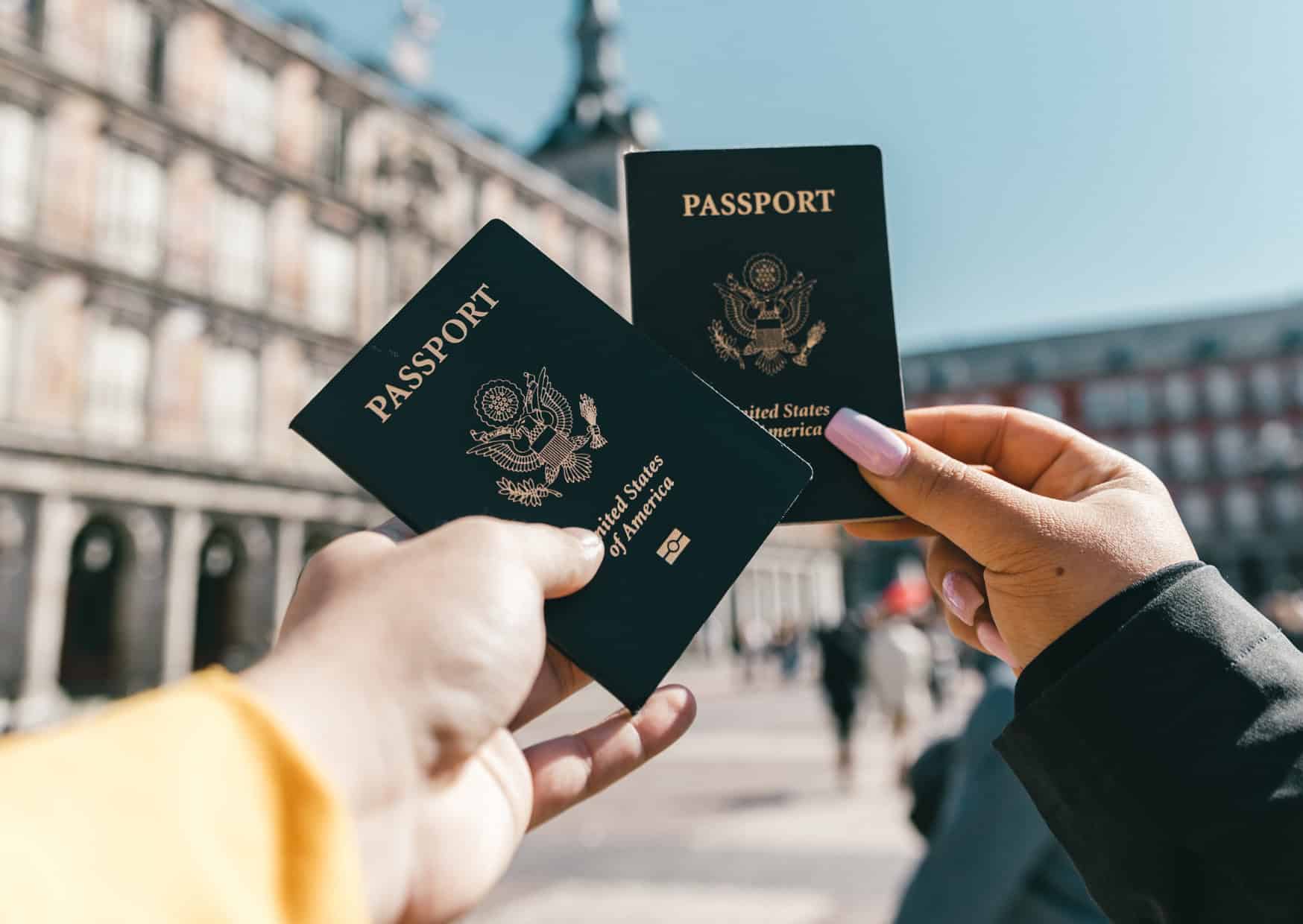
Make digital copies of your passport, visa, travel insurance, and itinerary. Email them to yourself or save them in secure cloud storage like Google Drive.
Carry physical photocopies of your passport and ID in a separate bag from the originals.
3. Avoid Overloading Your Wallet
Why It Matters:
Carrying too many cards or large amounts of cash increases your risk if something gets stolen.
What to Do:
Carry only the essentials: one credit card, one debit card, and a small amount of cash.
Use a dummy wallet with small bills to distract pickpockets while keeping your real wallet hidden.
Split your valuables: Keep cash in multiple places (e.g., some in your bag, some in your money belt).
4. Invest in Travel Insurance
Why It Matters:
Unexpected events like theft, injury, or trip cancellations can happen. Travel insurance offers peace of mind and financial protection.
What to Look For:
Coverage for medical emergencies, lost or stolen luggage, and trip cancellations.
Providers like World Nomads, Allianz, or SafetyWing offer customizable plans.
Check if your credit card includes travel insurance as a benefit before purchasing a separate policy.
5. Use RFID Protection for Cards
Why It Matters:
RFID (Radio Frequency Identification) skimming can allow thieves to steal your credit card details without even touching your wallet.
What to Use:
RFID-blocking wallets or passport holders.
Use tap-to-pay settings sparingly in crowded areas to minimize exposure to unauthorized scans.
6. Stay Aware of Your Surroundings
Why It Matters:
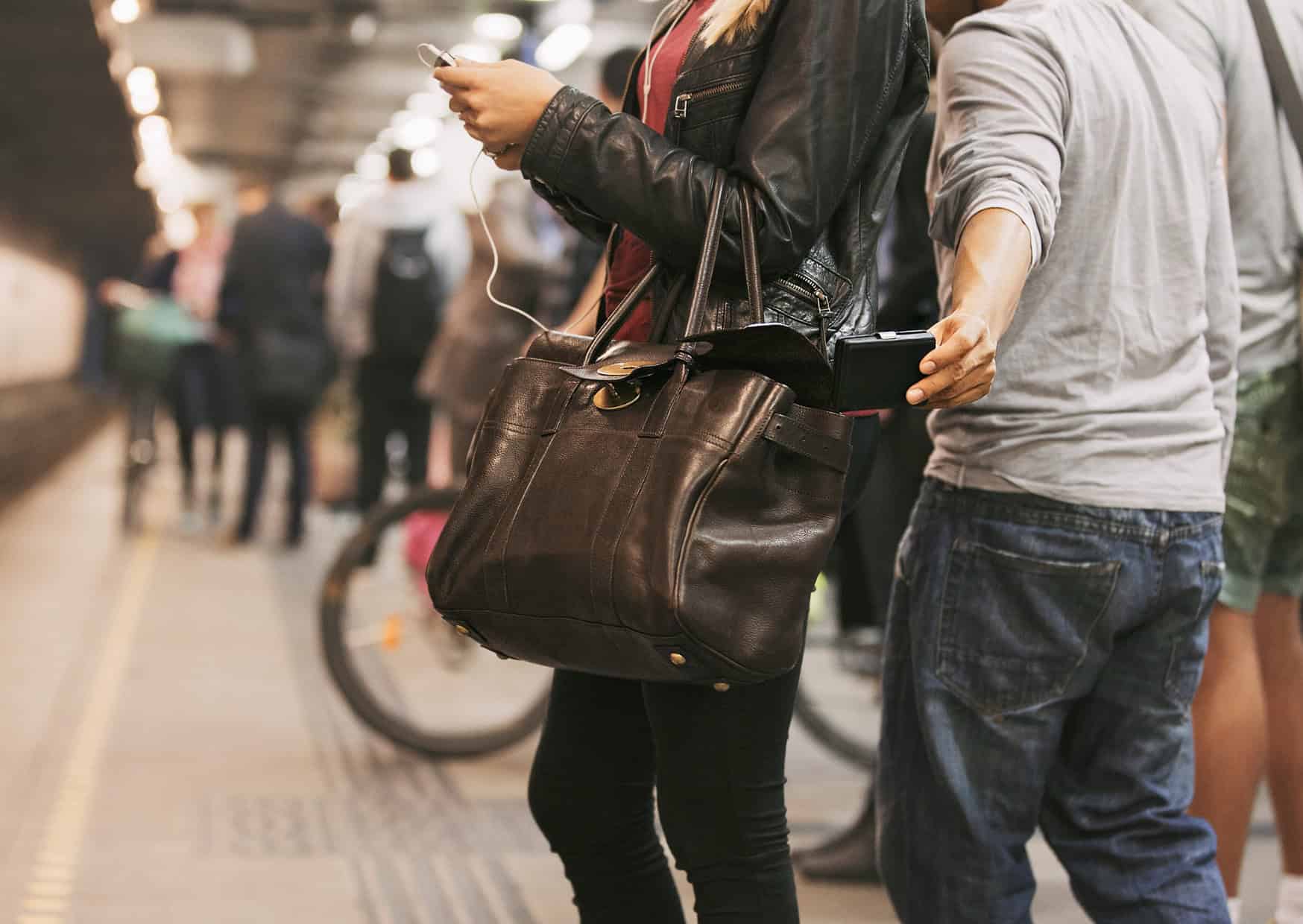
Tourists often stand out, making them easy targets for scams or theft. Staying alert can help you avoid risky situations.
What to Do:
Avoid looking lost: If you need directions, step into a shop or café rather than consulting a map on the street.
Be cautious in crowded areas, as they’re hotspots for pickpocketing (e.g., train stations, markets, and tourist attractions).
Blend in by dressing modestly and observing local customs.
7. Use Public Wi-Fi Securely
Why It Matters:
Hackers can target public Wi-Fi networks to steal sensitive information like passwords and credit card details.
What to Do:
Use a VPN (Virtual Private Network) to encrypt your internet connection. Options like NordVPN or ExpressVPN are reliable.
Avoid accessing sensitive accounts (e.g., online banking) on public networks.
If possible, use your phone’s hotspot instead of public Wi-Fi.
8. Be Smart About Hotel Safety
Why It Matters:
Hotels are common targets for theft, especially in rooms without safes or with easily accessible doors.
What to Do:
Use the hotel safe for passports, electronics, and jewelry.
Bring a portable door lock or doorstop alarm for extra security in your room.
Avoid leaving valuable items out in plain sight, even in your locked room.
9. Learn Common Scams in Your Destination
Why It Matters:
Every destination has unique scams targeting tourists, from fake taxi meters to distraction tactics.
What to Do:
Research common scams in your destination beforehand (e.g., fake petitions, “broken” taxi meters, or overly helpful strangers).
Be skeptical of offers that seem too good to be true, like overly cheap tours or “free” items.
Politely decline persistent vendors or strangers who approach you unsolicited.
10. Protect Your Phone and Data
Why It Matters:
Your smartphone contains sensitive personal and financial information, making it a prime target for theft.
What to Do:
Enable Find My Phone or Android Device Manager in case your device is lost or stolen.
Use a strong password or biometric lock on your phone.
Back up your photos and important files to the cloud before traveling.
11. Secure Your Bags on the Go
Why It Matters:
Unattended or unsecured bags are easy targets for thieves in crowded spaces.
What to Do:
Use a crossbody bag with zippers that can be locked or clipped shut.
Keep backpacks or purses in front of you when in crowded areas or on public transport.
Use a carabiner clip to attach your bag to your chair or table at restaurants.
12. Share Your Itinerary with Trusted Contacts
Why It Matters:
In case of an emergency, someone back home should know where you are and how to contact you.
What to Do:
Share your travel itinerary with family or friends, including flight details, hotel addresses, and contact numbers.
Check in regularly, especially if traveling solo.
13. Trust Your Instincts
Why It Matters:
Your intuition is one of your best tools for staying safe while traveling.
What to Do:
If a situation or place feels unsafe, leave immediately.
Avoid overly aggressive vendors, suspicious strangers, or deserted areas.
14. Carry Emergency Contact Information
Why It Matters:
In a crisis, having key details readily available can be life-saving.
What to Include:
Local emergency numbers (e.g., police, ambulance, embassy).
A physical card with your name, phone number, and emergency contact back home.
Translation apps or phrases to communicate with locals if needed.
15. Trust Reviews and Recommendations
Why It Matters:
Sticking to trusted accommodations, restaurants, and activities reduces your chances of encountering unsafe situations.
What to Do:
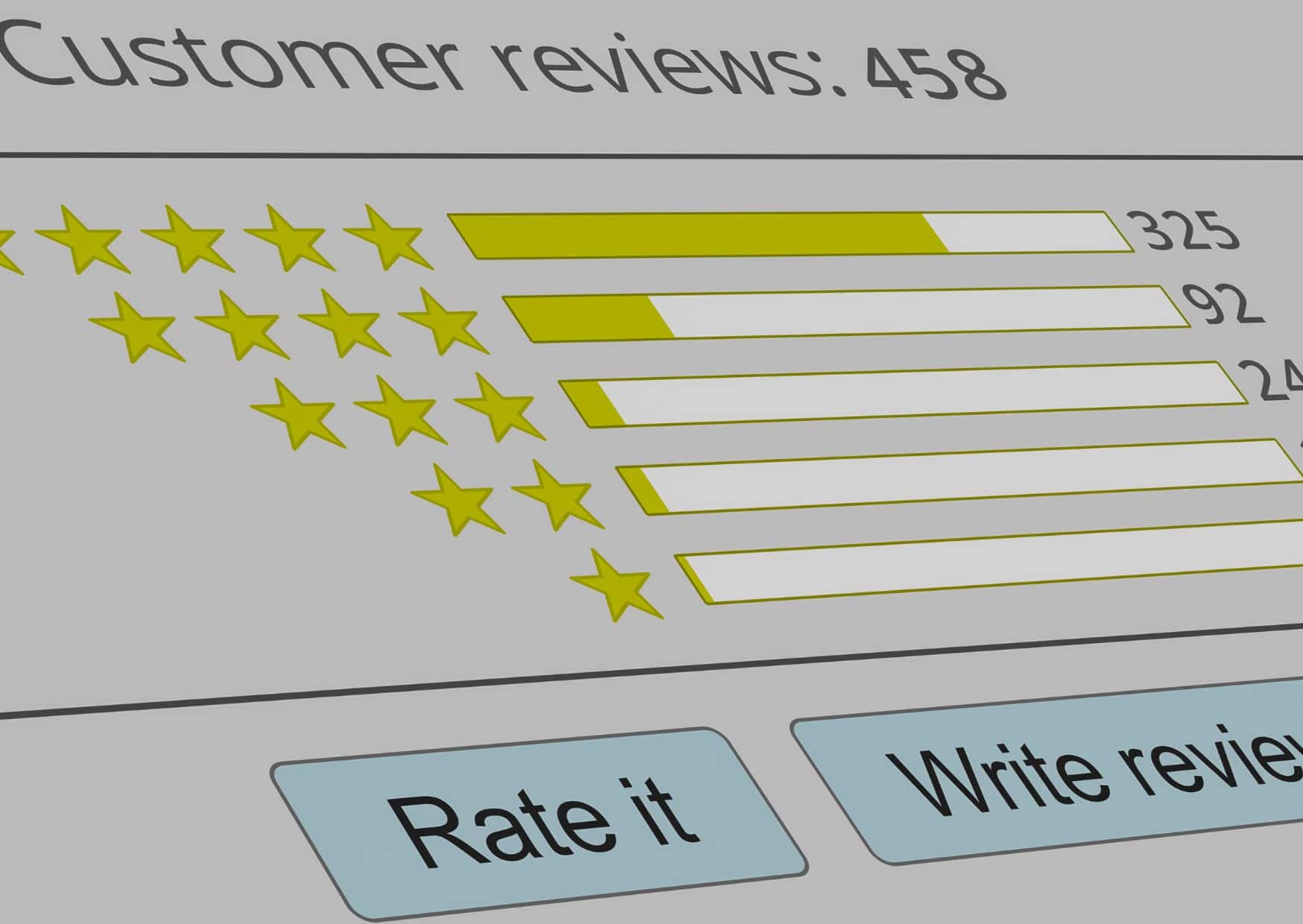
Use platforms like TripAdvisor, Google Reviews, or Airbnb ratings to vet places.
Prioritize highly rated businesses with a proven track record.
Final Thoughts
Travel doesn’t have to be risky if you take the right precautions. These safety hacks aren’t meant to scare you—they’re here to empower you to travel smarter, safer, and with less stress. Knowing your surroundings, trusting your instincts, and being just a bit more strategic about your gear can completely change how you navigate new environments.
In the end, the goal isn’t to avoid every bump in the road—it’s to minimize the risks that can derail your plans. Some of the most valuable souvenirs from travel aren’t physical—they’re the lessons learned and habits adopted that make you a more confident, resilient traveler for life.
Whether you’re heading out for a weekend getaway or a year-long round-the-world trip, keeping safety at the top of your list allows you to focus on what really matters: soaking up new cultures, connecting with people, and making unforgettable memories.

About the Author: Ruben, co-founder of Gamintraveler.com since 2014, is a seasoned traveler from Spain who has explored over 100 countries since 2009. Known for his extensive travel adventures across South America, Europe, the US, Australia, New Zealand, Asia, and Africa, Ruben combines his passion for adventurous yet sustainable living with his love for cycling, highlighted by his remarkable 5-month bicycle journey from Spain to Norway. He currently resides in Spain, where he continues sharing his travel experiences with his partner, Rachel, and their son, Han.