
And what it reveals about microbiomes, mindset, and the cultural meaning of “dangerous” food
In the United States, the list of “risky” foods grows longer every year. Raw milk. Runny eggs. Cured meats. Soft cheeses. Unwashed fruit. Fermented fish. Undercooked pork. Each comes with warnings, caution labels, and in some states, outright bans. The message is clear: eat this, and you might get sick — or worse.
But fly to Europe, and those same foods are part of daily life.
Camembert, tartare, anchovies packed in oil, air-dried sausages, liver pâté, blue cheese with visible veins, goat cheese stored at room temperature. No disclaimers. No hand sanitizer nearby. No fearful glances. Just pleasure — often from foods that Americans are told could cause everything from E. coli to cancer.
So why are Europeans not dropping dead from stomach illnesses?
Why does France have lower stomach cancer rates than the U.S., despite eating more cured meats? Why do Greeks, Italians, and Spaniards regularly consume aged, raw, and fermented foods — without fear, and without statistically higher rates of food-related illness?
Here’s why the foods Americans fear most are not dangerous in Europe — and what this tells us about health, history, and the unspoken power of cultural conditioning.
Want More Deep Dives into Everyday European Culture?
– Why Europeans Walk Everywhere (And Americans Should Too)
– How Europeans Actually Afford Living in Cities Without Six-Figure Salaries
– 9 ‘Luxury’ Items in America That Europeans Consider Basic Necessities
1. The Gut Is Trained, Not Sealed

In the U.S., the approach to food safety is often based on elimination. Remove the threat. Cook everything fully. Wash obsessively. Avoid all risk.
In much of Europe, the approach is different: exposure builds resilience.
From an early age, children eat raw cheeses, cured meats, wild mushrooms, and eggs with runny yolks. They sample food at markets, pick fruit from trees, and eat meals that would never pass USDA inspection.
As a result, European guts are often more adaptive, more varied in bacterial diversity, and better at processing complex foods without overreacting.
It’s not magic. It’s long-term training — through real food, not sterile food.
2. Raw and Aged Foods Are Respected — Not Feared
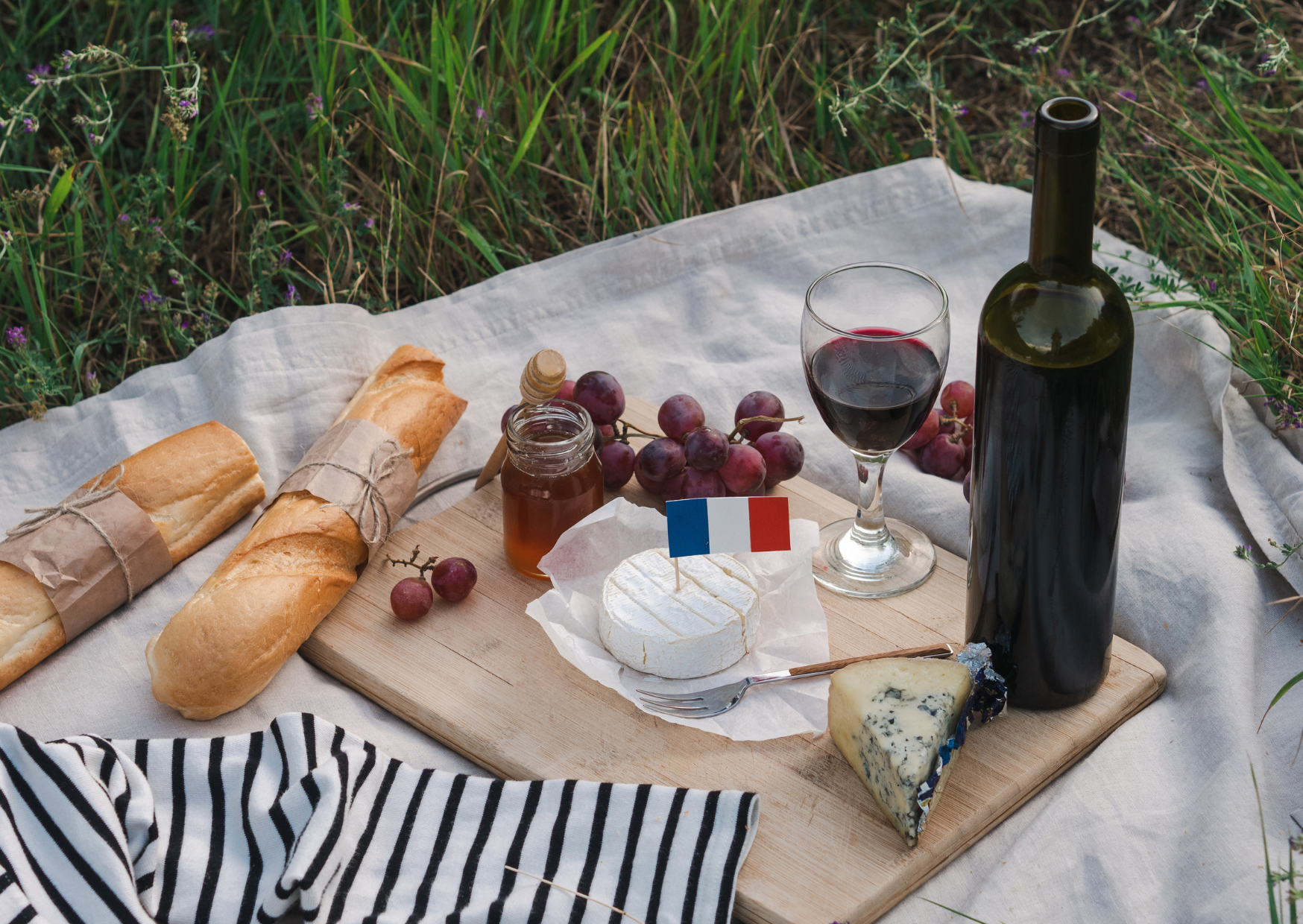
In American food culture, aging and fermentation are often treated with suspicion. Aged cheese? Moldy. Cured meat? Carcinogenic. Fermented fish? Banned. Raw eggs? Hazardous.
In Europe, these processes are considered traditional, beneficial, and in many cases, protective.
Fermentation and aging kill harmful bacteria and encourage good bacteria. These foods introduce natural probiotics. They strengthen the gut barrier.
Stomach cancer in Japan has been linked to extremely salty fermented fish, but in the Mediterranean, moderate consumption of fermented and aged foods supports digestion.
In short, it’s not the process that’s dangerous. It’s the industrial excess, not the traditional form.
3. Portion Size — Not Ingredient List — Matters
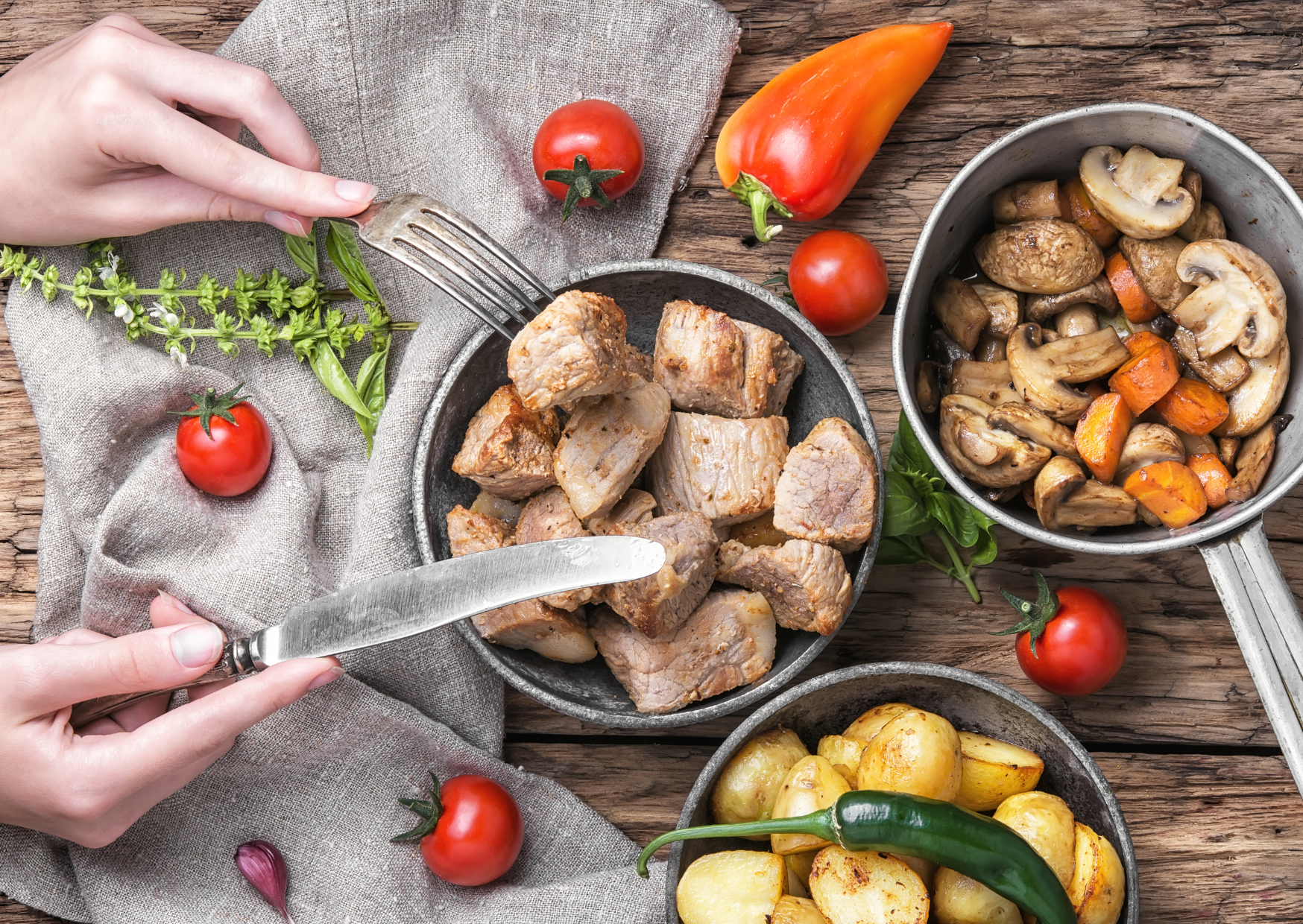
In the U.S., people often overeat the very foods they are warned about. Bacon by the slice? Sausage patties by the dozen. Salami piled onto sandwiches. Cheese melted onto everything.
In Europe, these same foods are eaten — but in smaller, more intentional quantities.
A few slices of jamón. A thin shaving of pecorino. One rich pâté toast point. Quality is emphasized over volume.
So even if some of these foods carry potential risks, the frequency and portion do not support sustained danger — especially when consumed as part of a diverse diet.
4. There’s Less Reliance on Additives and Preservatives
American processed meats often include nitrates, nitrites, artificial smoke, shelf-life stabilizers, and coloring agents — many of which have been linked to increased cancer risk in laboratory studies.
In Europe, especially in Mediterranean countries, traditional meats are made with salt, air, time, and natural fermentation.
Salchichón in Spain, finocchiona in Italy, or saucisson sec in France aren’t lab-designed. They’re artisanal, often made locally, and without the additive load of mass-market meat.
This means fewer chemical triggers, fewer unnecessary risks, and more food treated as nourishment, not product.
5. Meals Are Balanced — Not Singular
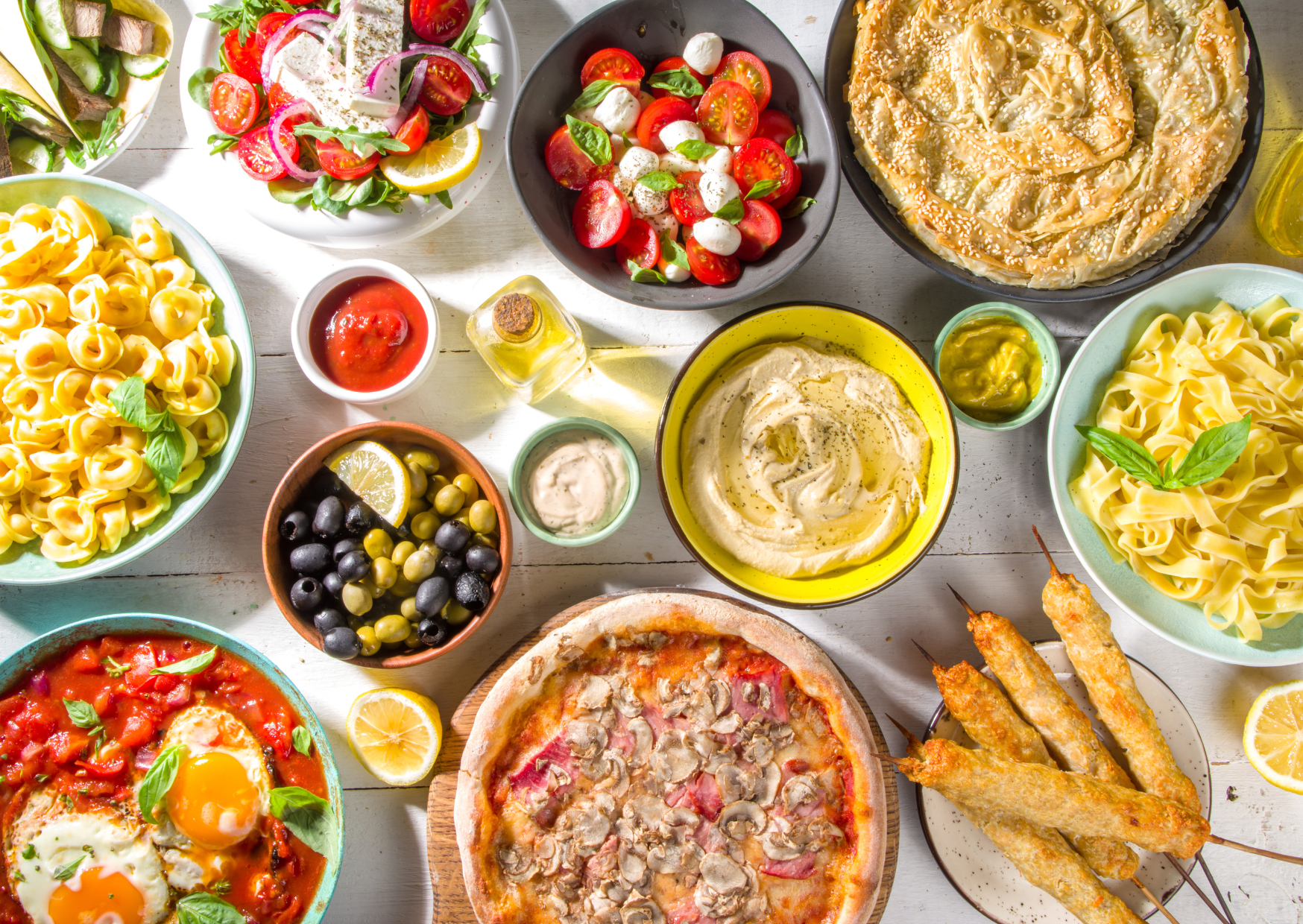
In America, a meal might center around one food: a meat-heavy sandwich, a protein smoothie, a cheesy pasta.
In Europe, meals are structured with balance. Even rich dishes come with a salad, pickled vegetables, lemon, bitter greens, or fresh fruit.
This not only aids digestion but helps regulate stomach acid, reduce inflammation, and support the liver — all of which are protective against gastric disorders and cancer.
No food exists alone. It’s part of a whole — and that whole is often more alkaline, fibrous, and plant-forward than it appears.
6. Antibiotic Resistance Is Lower — Because Drug Use Is Lower
The American meat supply is heavily reliant on antibiotics, which has led to increased resistance and harder-to-treat infections.
Europe has far stricter regulations on antibiotic use in livestock. This lowers the risk of contamination and keeps gut flora from being compromised by constant low-dose antibiotic exposure.
In a landscape where gut health matters, fewer antibiotics mean less disruption, less inflammation, and lower risk of chronic digestive diseases.
7. Food Culture Includes Rest, Digestion, and Awareness
In the U.S., food is rushed. Eaten in cars. Standing up. On the go. Often alone.
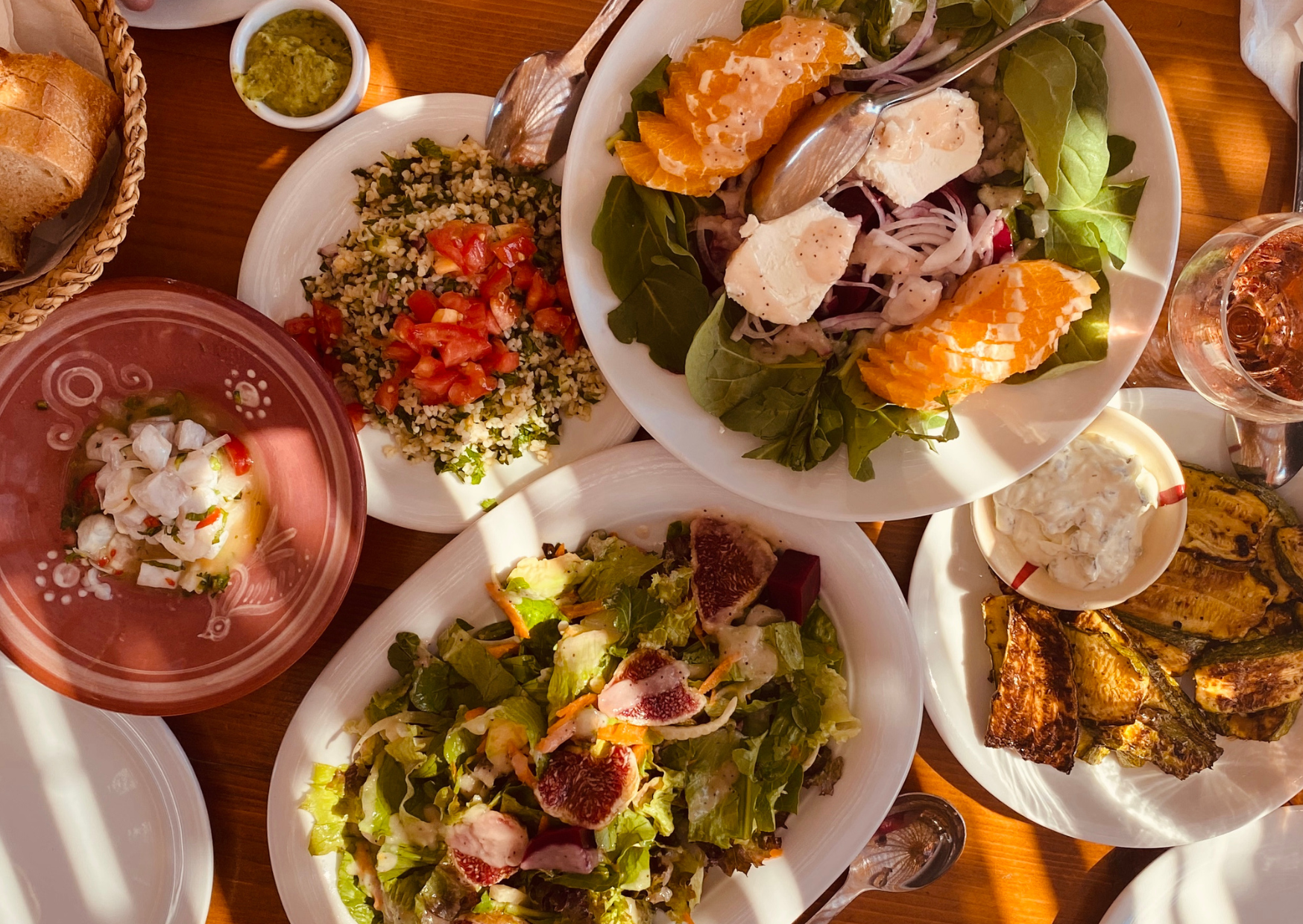
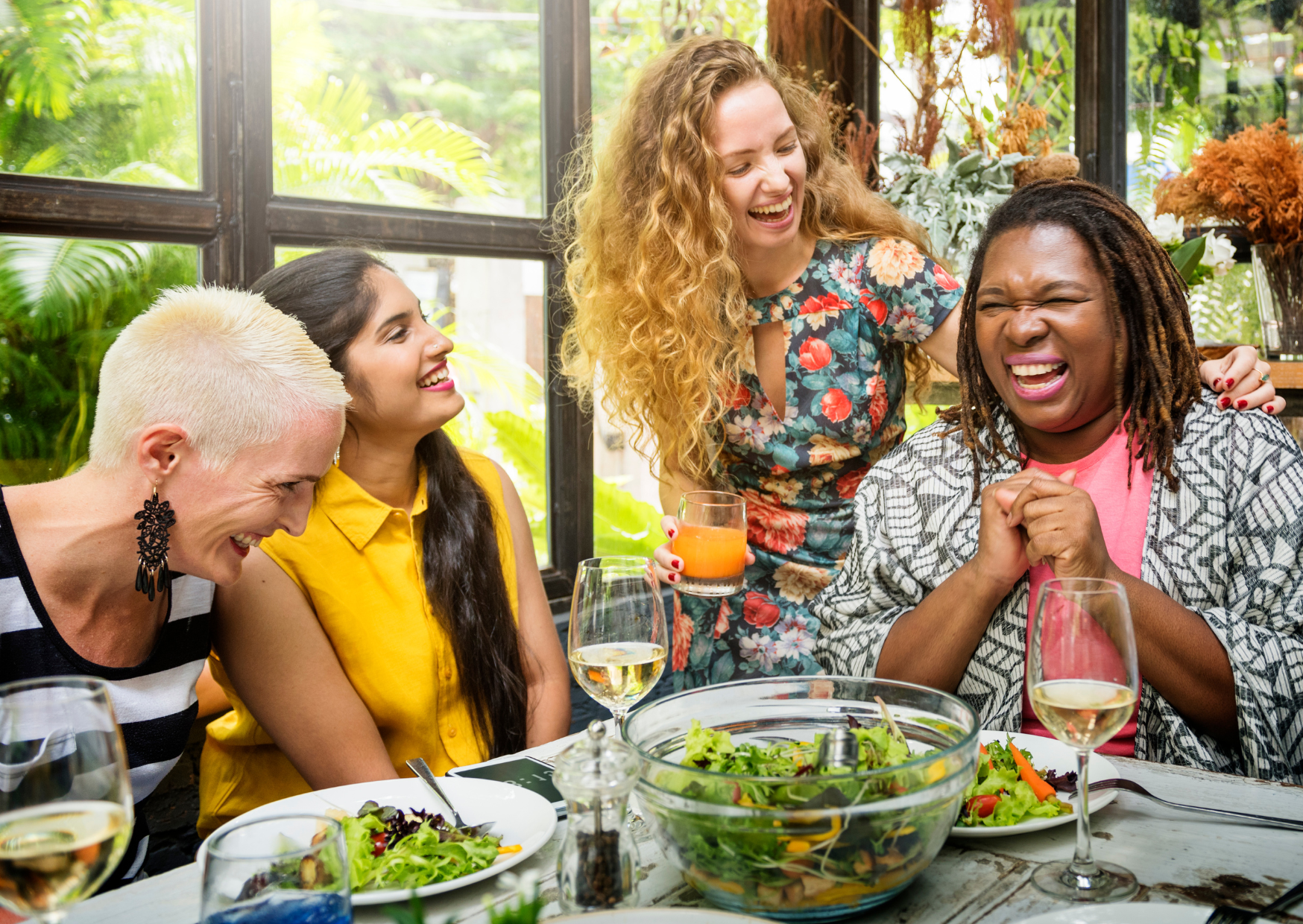
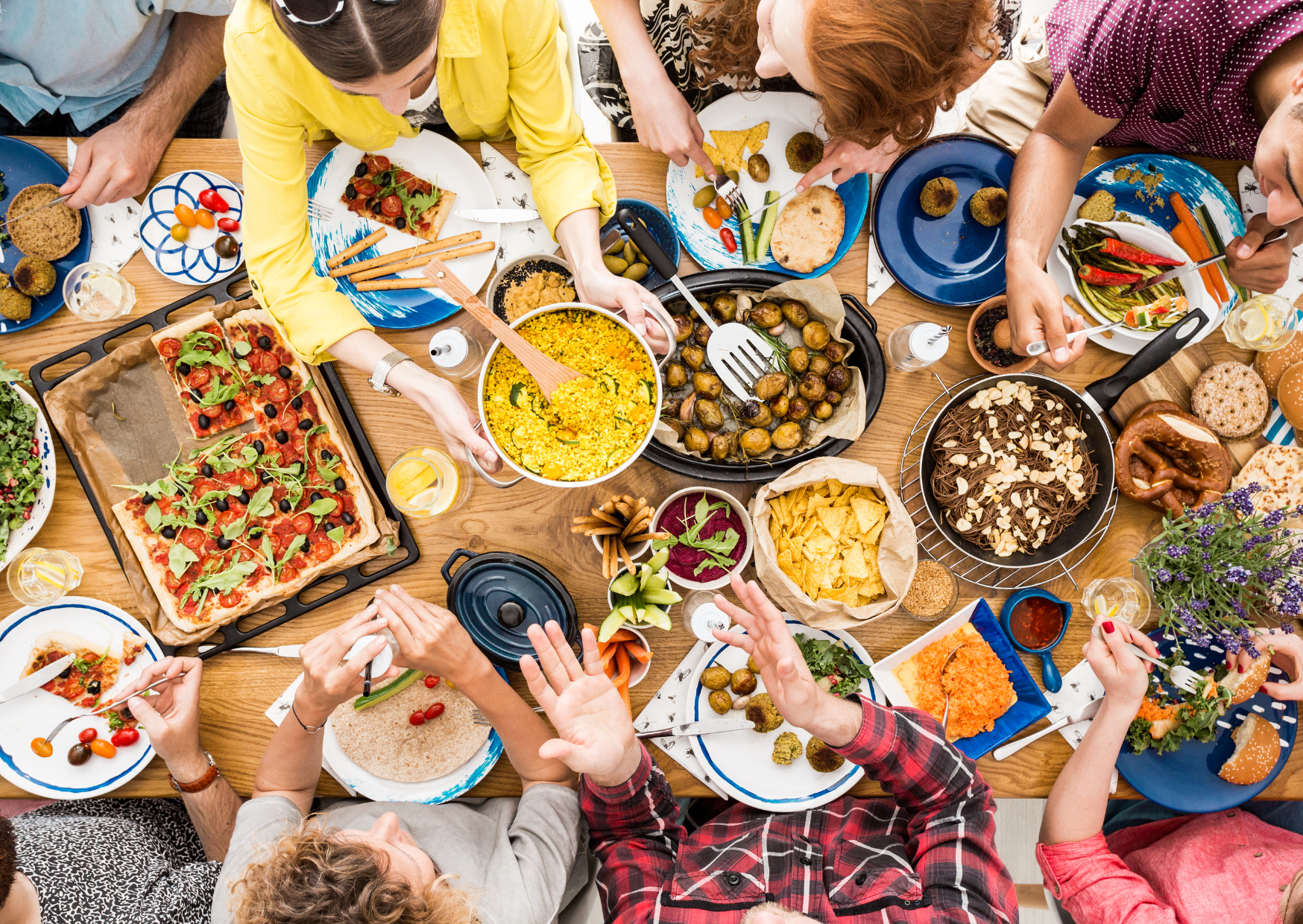
In Europe, meals are slow, social, and conscious.
Lunch is sacred. Dinner is often late but unhurried. People chew, talk, digest. The nervous system slows. Digestion improves.
And a slow meal reduces pressure on the stomach lining, improves gut motility, and gives the body a chance to properly process complex foods, including aged, fermented, or fatty dishes.
In short: it’s not just what you eat — it’s how you eat it.
8. Fewer Ultra-Processed Foods Reduce Overall Inflammation
Americans may fear a sliver of cured ham, but then eat a bowl of “healthy” cereal made from extruded grains, gums, artificial flavorings, and seed oils.
Europeans eat more real food, even if some of it is aged, raw, or fatty. And that real food comes with fiber, minerals, enzymes, and fewer synthetic inputs.
Stomach cancer risk increases with chronic inflammation, not just one ingredient. A gut loaded with additives, sugar alcohols, emulsifiers, and hyper-processed oils is more vulnerable than one fed with real bread, butter, cured meat, and fermented dairy.
9. Fear Weakens Digestion — Familiarity Strengthens It
Perhaps the most underappreciated factor is psychological.
Americans often approach food with fear: “Will this make me sick?” “Is this safe?” “Did I read the label?” “Is this expired?”
Spaniards, Italians, and French eat confidently. They trust their senses. They know where the food came from. They don’t obsess about expiration dates or panic about a slice of cheese left out for an hour.
And that ease translates into better digestion. The gut and brain are connected, and chronic stress — even fear of food — can trigger indigestion, acid reflux, and stomach irritation.
A relaxed eater is a safer eater.
One Ingredient, Two Interpretations
To Americans, a raw-milk cheese or aged sausage might seem like a health risk.
To Europeans, it’s a heritage food — nourishing, protective, and worth celebrating.
To Americans, food safety means removing danger.
To Europeans, it means understanding how to work with nature — fermentation, acid, salt, time, and trust.
Both cultures want to avoid disease. But only one is willing to live with a little mold, a little funk, and a lot of trust in the body’s ability to handle what it has always handled.
So the next time you find yourself staring at a French cheese plate or a Spanish bocadillo filled with jamón ibérico, pause.
It’s not a risk. It’s not a dare.
It’s a sign that not all warnings mean danger — and that sometimes, the body knows exactly what to do.

About the Author: Ruben, co-founder of Gamintraveler.com since 2014, is a seasoned traveler from Spain who has explored over 100 countries since 2009. Known for his extensive travel adventures across South America, Europe, the US, Australia, New Zealand, Asia, and Africa, Ruben combines his passion for adventurous yet sustainable living with his love for cycling, highlighted by his remarkable 5-month bicycle journey from Spain to Norway. He currently resides in Spain, where he continues sharing his travel experiences with his partner, Rachel, and their son, Han.