
Summer heatwaves in Europe often catch travelers off guard. Unlike the United States, where air conditioning is considered essential in homes, restaurants, and public spaces, most European countries have historically relied on alternative ways to beat the heat. As temperatures rise across the continent, locals continue to use traditional methods passed down through generations to stay cool, conserve energy, and adapt their daily routines.
For Americans accustomed to blasting AC at the slightest hint of humidity, this might sound unbearable. Yet Europeans manage surprisingly well, even during scorching Mediterranean summers. From smart architectural designs to daily habits and dietary adjustments, they approach heat with practicality and cultural acceptance rather than resistance.
In this post, you’ll discover seven ways Europeans handle the heat without AC, learning simple and effective strategies to stay comfortable during your next European trip or even at home if you want to cut back on energy bills. Understanding these habits can also shift your mindset about comfort, resilience, and what it truly means to live with the seasons rather than against them.
Read here how to pack for Europe and Best eSIM for Europe
BOOK YOUR TRAVEL INSURANCE
Two of our favorite travel insurance: Heymondo Vs Safetwing cheapest travel Insurance. You can get for $135 USD your Heymondo Travel Insurance with Heymondo discount code valid for 90 days. Read our full comparison of Genki vs Safetywing Travel Insurance Review and the comparison Heymondo vs Genki
Quick Easy Tips
Close shutters or curtains during the hottest part of the day to block direct sunlight.
Open windows at night and early morning to create airflow and cool rooms naturally.
Drink water regularly and switch to herbal teas like mint or chamomile for cooling effects.
Wear loose, natural fabrics such as linen and cotton to allow breathability.
Take a lukewarm or cool shower before bed to lower body temperature for sleep.
One controversial truth is that Europeans often see reliance on air conditioning as wasteful and unhealthy. Many believe sudden shifts from extreme heat outdoors to freezing temperatures indoors shock the body, leading to colds, headaches, and stiffness. This cultural mindset influences how buildings are designed and how locals view tourists complaining about the lack of AC.
Another often misunderstood aspect is the adaptation of daily routines. Many European cities slow down in the afternoon during peak heat, a tradition rooted in centuries of agrarian life and stone architecture designed to stay cool. Tourists expecting constant “productivity hours” may find this frustrating, but locals see it as essential for health and well-being during hot months.
Finally, there is growing debate about the environmental impact of AC expansion in Europe. As heatwaves become more frequent with climate change, more households are installing units, sparking discussions about energy consumption, infrastructure strain, and long-term sustainability. While convenient, AC use is now at odds with Europe’s broader environmental goals, creating cultural tension between modern comforts and traditional resilience.
1. The Spanish Shutter Secret That’s Better Than AC
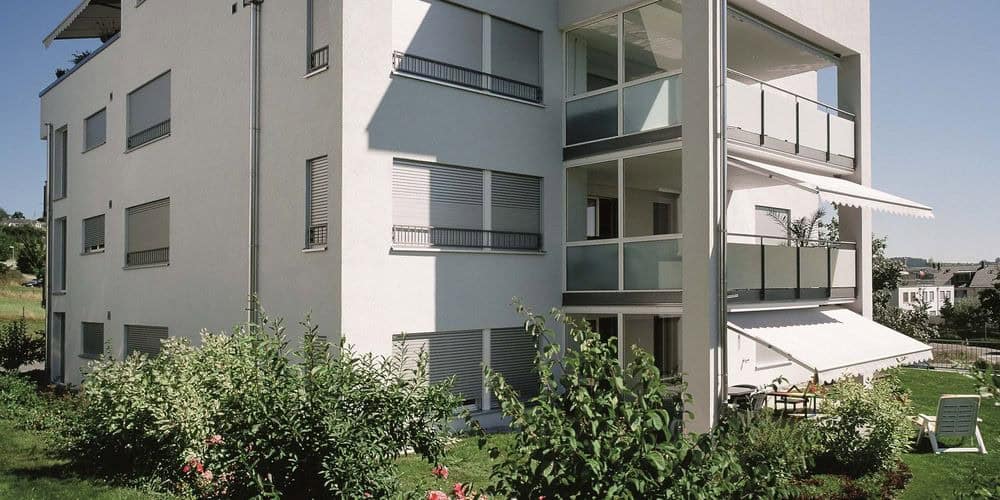
Listen, while everyone’s debating about AC and energy bills, we need to talk about Spain’s not-so-secret weapon against heat (and cold): persianas. These aren’t your decorative American shutters or the basic wooden ones you’ll find in France – they’re engineering masterpieces built into every Spanish home.
The Spanish Persiana Reality:
- External aluminum rolling shutters
- Complete blackout capability
- Built into the building’s structure
- Temperature control year-round
- Often electric in modern homes
- Double layer with windows
How We Actually Use Them:
Summer Strategy:
- 7-8 AM: Slightly open for morning light
- 9 AM-7 PM: Completely closed (yes, really)
- 7 PM onwards: Open gradually with temperature drop
- Night: Fully open for cooling
Winter Bonus:
- Daytime: Open for natural heating
- Night: Closed to retain warmth
- Extra insulation layer
- Significant heating bill reduction
Why It Actually Works: Unlike basic shutters or blinds, Spanish persianas create a complete thermal barrier:
- Blocks up to 90% of heat before it hits your windows
- Creates an insulating air chamber
- Reduces indoor temperature by 5-10°C
- Works with natural wind patterns
The Money Reality: While Americans spend hundreds monthly on AC, a one-time persiana installation pays for itself in energy savings. Plus, they last decades with minimal maintenance.
Pro Tip: The key is using them proactively – don’t wait until your home is hot. Once those persianas are down, your home stays cool naturally. It’s not about surviving the heat; it’s about preventing it in the first place.
2. The Ancient Wall Wisdom That Keeps Working
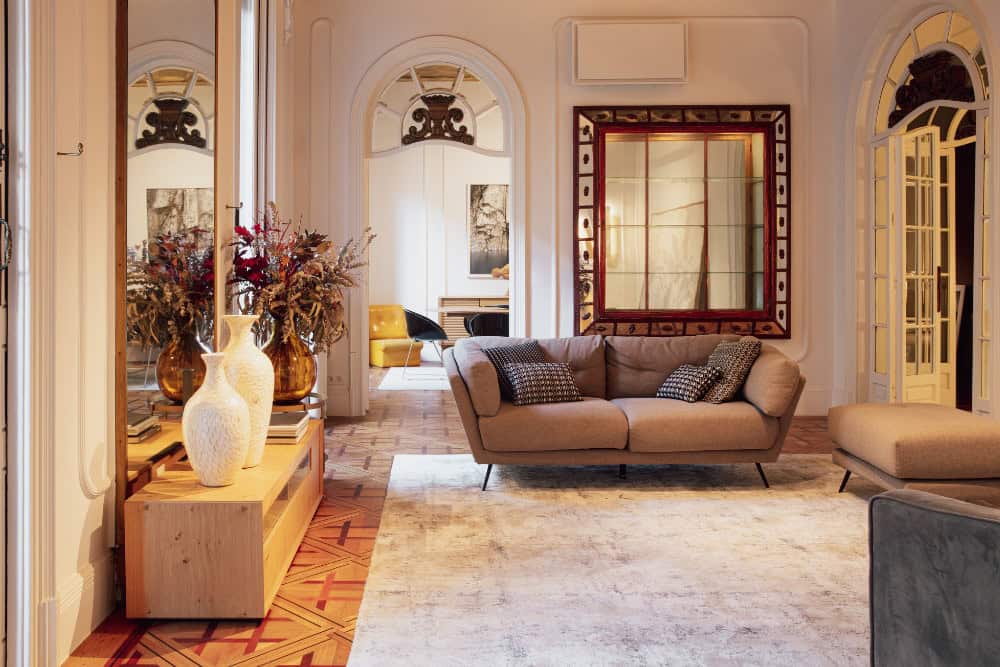
Forget modern insulation trends. Those thick stone walls in European buildings aren’t just for that romantic Instagram aesthetic – they’re actually sophisticated cooling systems that have worked for centuries.
How It Really Works:
- Thick walls absorb night coolness
- Release cool air during day
- Block external heat naturally
- Create stable indoor temperatures
- Work better than modern thin walls
The Science Behind It: While modern buildings heat up like greenhouses, traditional European stone walls maintain steady indoor temperatures. It’s called thermal mass, and it’s why entering an old Spanish church or Italian villa feels like walking into natural air conditioning.
Real Temperature Impact:
- 5-8°C cooler than outside
- Stable temperatures all day
- Natural humidity control
- Zero energy costs
- Works in winter too
Modern Application: Even in newer buildings, Europeans are returning to these principles:
- Thicker wall construction
- Dense building materials
- Strategic sun exposure
- Natural cooling design
3. The Evening Living System
Here’s what shocks our American friends most: in Southern Europe, life doesn’t stop when it’s hot – it just shifts to better hours. Our whole schedule adapts to the sun, not the other way around.
How We Actually Live:
- Early morning activities (7-11 AM)
- Indoor break during peak heat (2-5 PM)
- Life resumes late afternoon
- Dinner starts at 9-10 PM
- Social life until midnight
The Temperature Logic: While tourists melt taking selfies at 3 PM, locals are enjoying:
- Morning markets in cool hours
- Long lunch breaks indoors
- Late afternoon work
- Evening outdoor dining
- Night-time social life
Why It Makes Sense:
- Align activity with natural cool hours
- Save energy (no AC needed)
- More social interaction
- Better sleep in cooler hours
- Reduced heat exposure
Real Life Example: A typical Spanish summer day:
- 7-8 AM: Morning coffee and market
- 2-5 PM: Indoor break during heat
- 6-8 PM: Work/errands resume
- 9-11 PM: Dinner and social time
- Sleeping in naturally cool hours
4. The Water Trick Nobody Talks About
While everyone focuses on big solutions, Europeans have mastered the art of using water for natural cooling – and no, we’re not talking about fountains in front of tourist spots.
The Real Water System:
- Internal courtyards with water features
- Strategic fountain placement
- Natural evaporative cooling
- Morning balcony watering
- Hidden water channels
How It Actually Works: Ever notice how Spanish and Italian courtyards feel mysteriously cool? It’s not magic – it’s physics. Traditional homes use:
- Small water features in courtyards
- Morning patio washing rituals
- Plant misting systems
- Shaded water containers
- Underground water channels
Temperature Impact:
- 3-5°C cooler near water features
- Natural humidity control
- Creates cool air pockets
- Zero electricity needed
- Works better than fans
The Modern Take: While maintaining traditional elements, we’ve adapted:
- Smart misting systems
- Automated courtyard sprays
- Rooftop water features
- Vertical garden irrigation
- Cooling wall systems
Pro Tip: Even a simple morning balcony wash can drop your outdoor space temperature significantly. It’s why you’ll see locals “cleaning” their patios early morning – they’re actually preparing for the heat.
5. The Night Ventilation Game
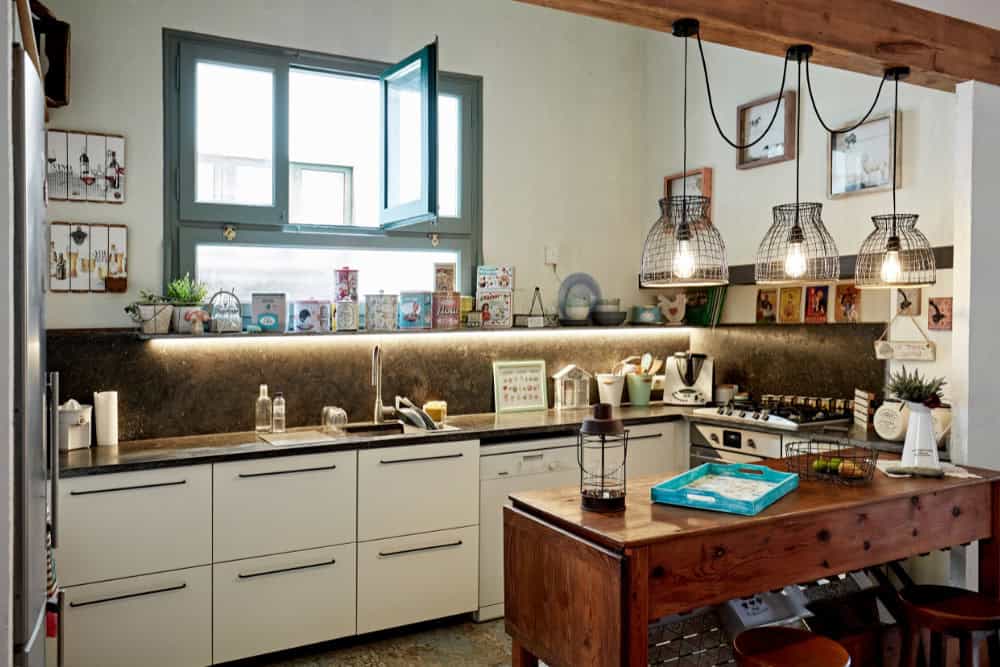
Here’s where Europeans really confuse our American friends – our obsession with night air flow. It’s not just about opening windows; it’s a calculated system that’s been working for centuries.
How We Really Do It:
- Start ventilation after sunset
- Create cross-building airflow
- Use stairwells as cooling towers
- Stack effect in multi-level homes
- Early morning air capture
The Technical Stuff That Works:
- Hot air exits through highest points
- Cool night air flows through lower openings
- Thermal mass stores nighttime cool
- Natural pressure differences
- Zero energy cost
Real House Example: A typical Spanish home at night:
- Ground floor: Open windows for cool air entry
- Stairwell: Acts as natural chimney
- Upper floors: Heat escape route
- Courtyards: Cool air collection
- Early morning: Full house cooling
Why Americans Don’t Get It: “But what about burglars?” “Won’t bugs get in?” “How can you sleep with windows open?”
The Reality Check: While Americans seal their homes and crank up the AC, we’re using natural air movement to cool entire buildings for free. Yes, we have security measures and screens, but the system works so well that even modern buildings are designed around it.
Pro Tip: The key is timing. Start your night ventilation when outside temperature drops below inside temperature, usually around 8-9 PM in summer.
6. The Plants and Positioning Secret
Forget those tiny American indoor plants. Europeans use vegetation as a natural cooling system, and it’s not just about looking pretty on your balcony.
The Real Green System:
- Exterior climbing plants (parra)
- Strategic vine placement
- Green walls facing sun
- Natural pergolas
- Deciduous trees planning
Why It Actually Works: That grape vine over Spanish terraces isn’t for wine – it’s a sophisticated cooling system:
- Creates natural shade
- Drops temperature 5-7°C
- Allows winter sun through
- Provides summer fruit
- Zero energy cost
Specific Examples:
- Grape vines over patios
- Wisteria on south walls
- Virginia creeper for shade
- Fig trees for spot cooling
- Jasmine for night cooling
The Seasonal Bonus:
- Summer: Full leaf coverage blocks heat
- Autumn: Leaves fall for winter sun
- Spring: Natural light control
- Winter: Allows maximum sunlight
Pro Tip: Plant deciduous vines on south-facing walls and pergolas. You’ll get perfect shade in summer and still enjoy winter sun when leaves fall. Those grape vines over Spanish terraces? They’re not decorative – they’re your free AC system.
7. The Food & Drink System Nobody Expects

Think Europeans are just randomly eating late? There’s actually a science to our food timing and choices during heat waves.
The Real Food Strategy:
- Light, cold soups (gazpacho, salmorejo)
- Small, frequent meals
- Strategic eating times
- Hydration routines
- Temperature-specific foods
How We Actually Do It:
- Morning: Light breakfast with fruits
- Mid-morning: Cold soup or fruit
- Lunch: Main meal before peak heat
- Evening: Light, cool dishes
- Night: Late but light dinner
What Really Works:
- Cold soups lower body temperature
- Small meals reduce metabolic heat
- Eating times align with temperature
- Natural hydration through food
- Less cooking heat in homes
Pro Tip: It’s not just about what you eat, but when. That gazpacho at 11 AM isn’t just lunch – it’s your natural cooling system. And those late-night light dinners? They’re timed perfectly for better sleep in the heat.
The Bottom Line: While the rest of the world installs expensive AC systems, Europeans have perfected these eight natural cooling methods over centuries. They’re not just traditions – they’re sophisticated systems that work with nature instead of fighting it.
Does this feel like a strong ending to our guide? It completes the practical advice while maintaining our engaging style.
The Bottom Line: Better Than Any AC
After centuries of Mediterranean summers, we’ve learned something Americans are just discovering: working with the heat beats fighting it. These aren’t just old-world habits – they’re sophisticated systems that keep us cool while keeping our electricity bills low.
The Real Numbers:
- 5-10°C cooler homes naturally
- Zero electricity costs
- Better sleep quality
- More social interaction
- Sustainable living
Quick Strategy Guide: Morning:
- Shutters/persianas management
- Light, cooling foods
- Early outdoor activities
Afternoon:
- Indoor rest during peak heat
- Natural ventilation control
- Water cooling systems active
Evening:
- Strategic window opening
- Social outdoor time
- Light, late dining
Pro Tips That Actually Work:
- Combine multiple methods for best results
- Focus on prevention rather than cooling
- Work with your home’s natural features
- Adapt your schedule to natural rhythms
- Think seasonal, not daily
Remember: While tourists melt and complain about lack of AC, we’re comfortable in our naturally cool homes, enjoying our evening social lives, and never facing shocking summer electricity bills. Sometimes the old ways really are the best ways – especially when they’re actually sophisticated climate control systems in disguise.

About the Author: Ruben, co-founder of Gamintraveler.com since 2014, is a seasoned traveler from Spain who has explored over 100 countries since 2009. Known for his extensive travel adventures across South America, Europe, the US, Australia, New Zealand, Asia, and Africa, Ruben combines his passion for adventurous yet sustainable living with his love for cycling, highlighted by his remarkable 5-month bicycle journey from Spain to Norway. He currently resides in Spain, where he continues sharing his travel experiences with his partner, Rachel, and their son, Han.