
Vietnam is a country that stuns travelers with its energy, natural beauty, and layered history — but beneath the surface lies a world of social customs that are rarely explained to outsiders. Many visitors leave without ever realizing they’ve unknowingly offended someone, misread a situation, or missed a key cultural nuance.
Like many places in Southeast Asia, Vietnamese society thrives on subtlety, respect, and quiet social harmony. But what’s considered polite or appropriate in the West doesn’t always translate. Whether it’s how you cross the street, how you handle money, or how you behave at the dinner table, Vietnam has its own set of unspoken rules that govern daily life — rules that locals follow instinctively.
This post breaks down 20 of the most important cultural codes that travelers often get wrong without ever knowing. By understanding these norms, you’ll not only avoid embarrassment, but you’ll also earn respect from locals, deepen your travel experience, and leave with a more authentic connection to Vietnam.
Read here the best things to know before visiting Vietnam, how to get from Hanoi airport to Old Quarter and Ho Chi Minh airport to city center.
BOOK YOUR TRAVEL INSURANCE
Two of our favorite travel insurance: Heymondo Vs Safetwing cheapest travel Insurance. You can get for $135 USD your Heymondo Travel Insurance with Heymondo discount code valid for 90 days. Read our full comparison of Genki vs Safetywing Travel Insurance Review and the comparison Heymondo vs Genki
Quick Easy Tips
Don’t point with your fingers — gesture with your whole hand or chin instead.
Always remove your shoes before entering someone’s home or even some shops.
Respect elders first in every situation, from greetings to serving food.
Use both hands when giving or receiving anything — especially money.
Keep your voice low in public settings; loudness is often seen as aggression.
Never touch someone’s head, even a child’s — it’s considered sacred.
Don’t flash wealth or dress too provocatively, especially in rural areas.
Many Western tourists mistake Vietnam’s smiles and politeness for friendliness without realizing that many Vietnamese avoid confrontation at all costs. Just because someone agrees with you or smiles doesn’t always mean they’re happy — it may simply be a polite way to avoid an uncomfortable situation. This “saving face” culture can be misunderstood and misinterpreted.
Another shock for foreigners is Vietnam’s communal lifestyle and lack of personal space. In busy cities like Hanoi or Ho Chi Minh, you’ll see people eating shoulder-to-shoulder, riding five to a scooter, or haggling in packed markets. What might feel “too close” to a Western traveler is just normal everyday life in Vietnam.
Additionally, Vietnamese humor, manners, and communication styles are vastly different from what many expect. Sarcasm doesn’t translate well. Small talk might include blunt questions about your age, income, or relationship status — not out of rudeness, but curiosity and cultural norms. What’s taboo in the U.S. is often fair game here, and navigating that gap requires awareness and humility.
Unspoken Rules of Vietnamese Life
1. Respect for Elders
What to Know: Age and hierarchy are highly respected in Vietnamese culture. Elders are treated with deference, and their opinions carry significant weight.
Tip: Use polite greetings and gestures, and offer the best seat or first serving to elders at meals.
2. Dining Etiquette
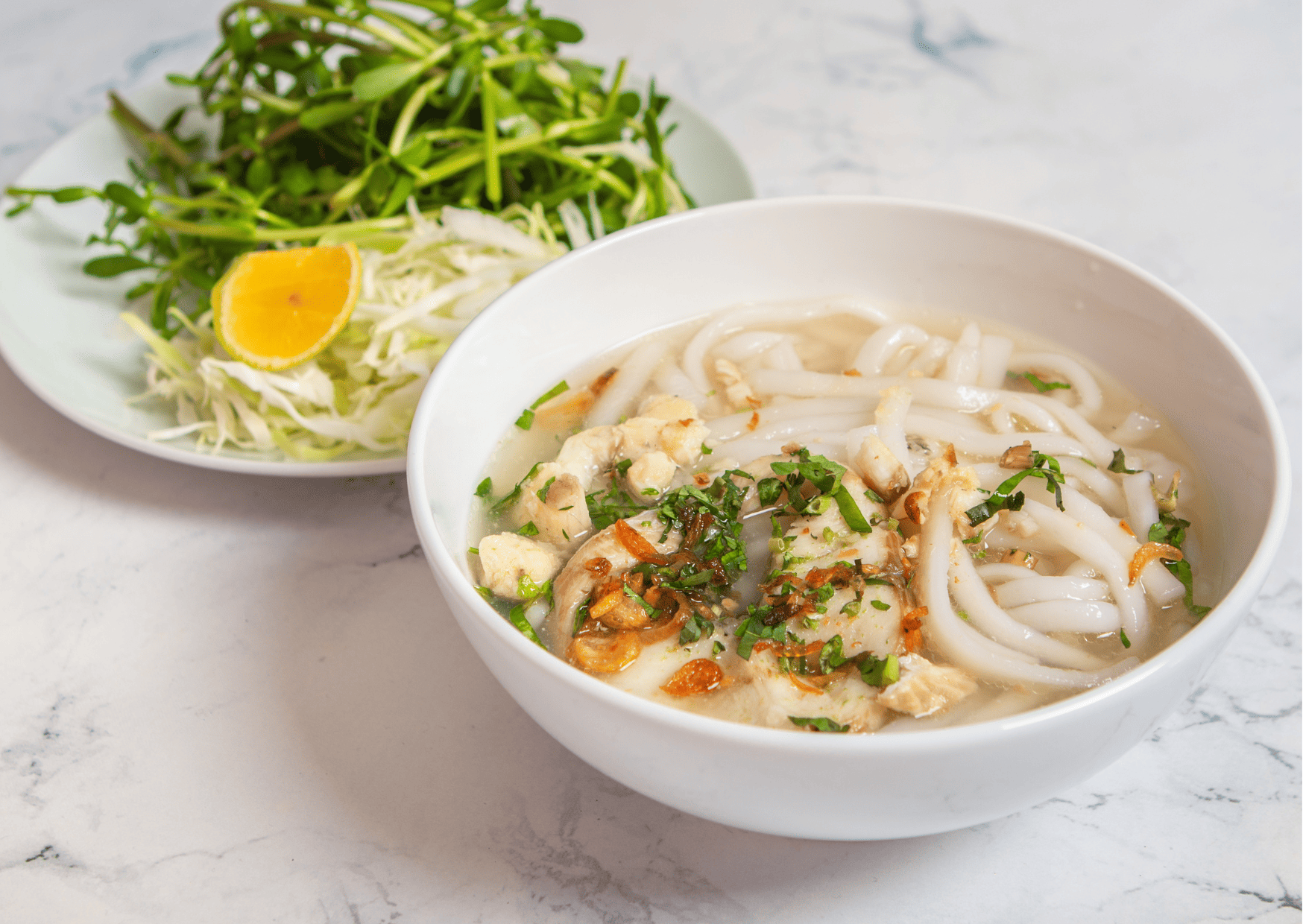
What to Know: Meals are communal, and dishes are often shared. It’s polite to wait for the eldest or host to start eating before you begin.
Tip: Use serving utensils when taking food from shared dishes, and never stick chopsticks upright in a bowl of rice—it resembles incense at funerals and is considered bad luck.
3. Crossing the Street
What to Know: Traffic in Vietnam, especially in cities like Hanoi or Ho Chi Minh City, can seem chaotic. Vehicles rarely stop for pedestrians.
Tip: Cross the street slowly and steadily so drivers can predict your movement. Avoid sudden stops or rushing.
4. Shoes Off Inside
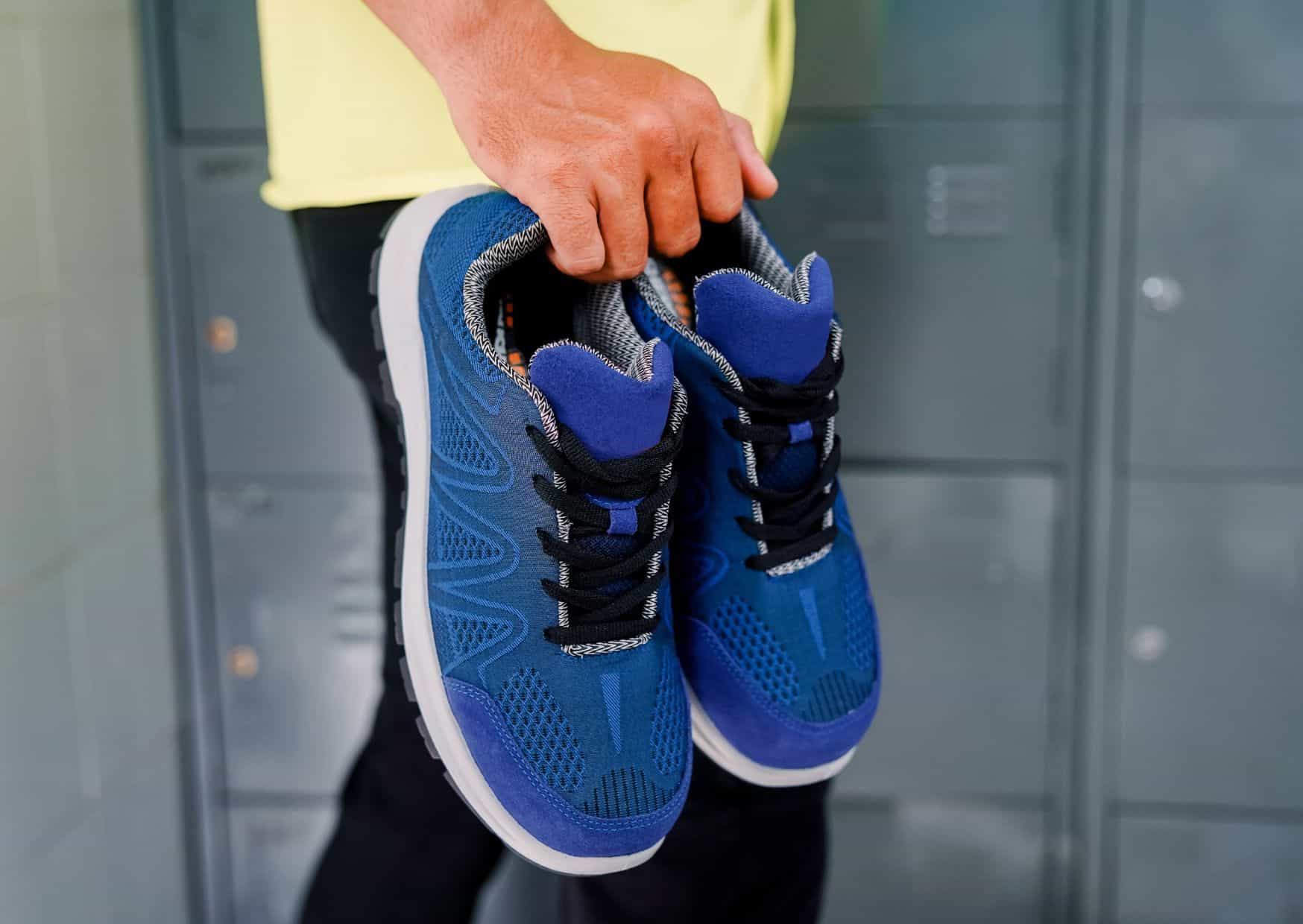
What to Know: It’s customary to remove shoes before entering someone’s home, temples, or certain establishments.
Tip: Look for shoes left at the entrance as a cue to remove yours. Wearing socks is acceptable.
5. Face-Saving Is Crucial
What to Know: Avoiding public embarrassment is important in Vietnamese culture. Criticizing someone openly or showing anger can cause a loss of “face.”
Tip: Approach sensitive topics privately and calmly to maintain harmony.
6. Bargaining at Markets
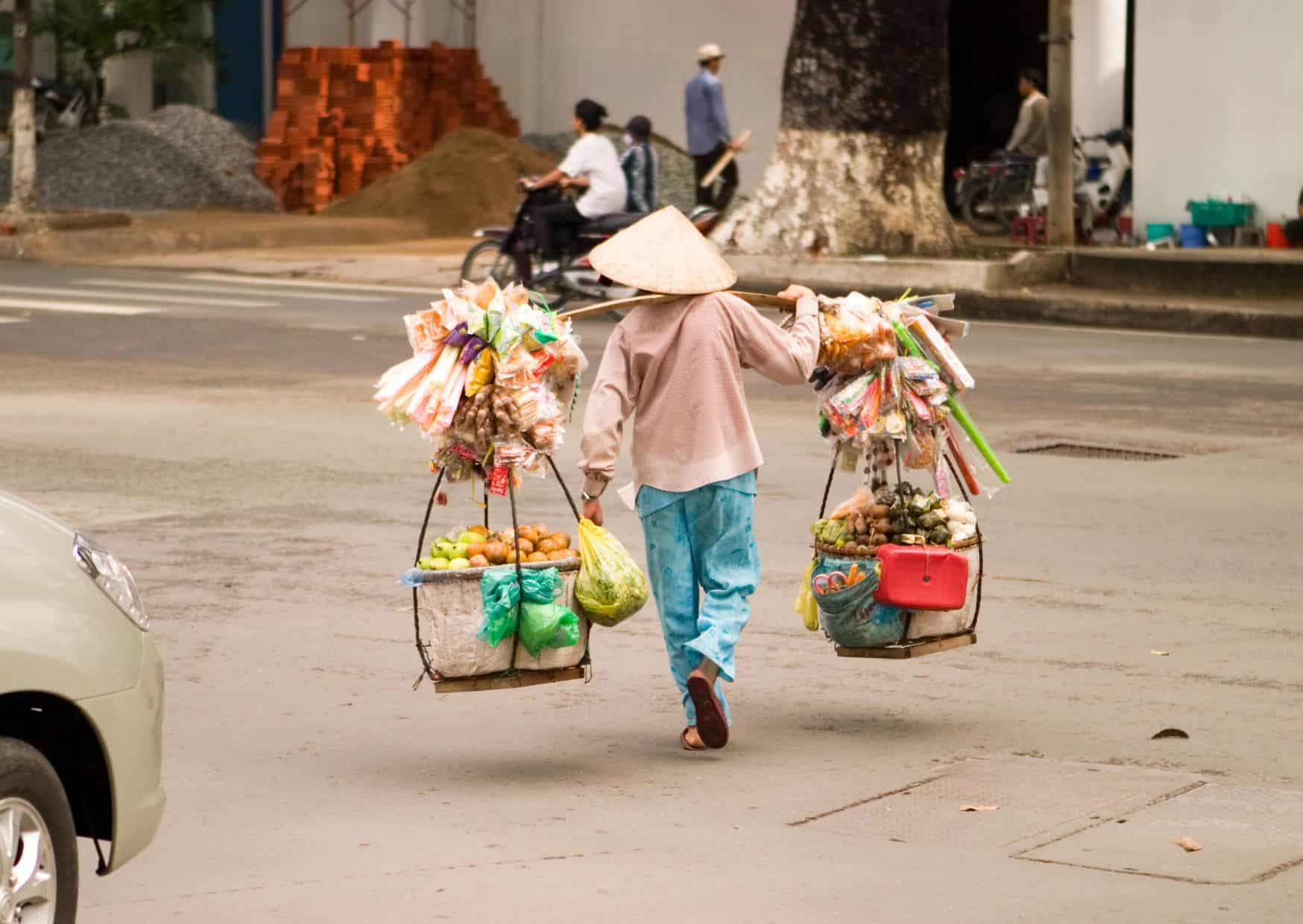
What to Know: Bargaining is common at local markets and street stalls. Vendors expect it, but the process should remain lighthearted.
Tip: Start with an offer about half of the asking price and work your way up. Always smile and be polite.
7. The Importance of Gift-Giving
What to Know: Giving and receiving gifts is an important part of Vietnamese social and business relationships. However, some gifts, like handkerchiefs or black objects, are considered unlucky.
Tip: When presenting a gift, use both hands, and avoid wrapping it in black or white, as these colors are associated with mourning.
8. Public Displays of Affection
What to Know: Public displays of affection, such as kissing or hugging, are not common in Vietnam and may make locals uncomfortable.
Tip: Keep physical affection subtle, such as holding hands.
9. Drinking Culture
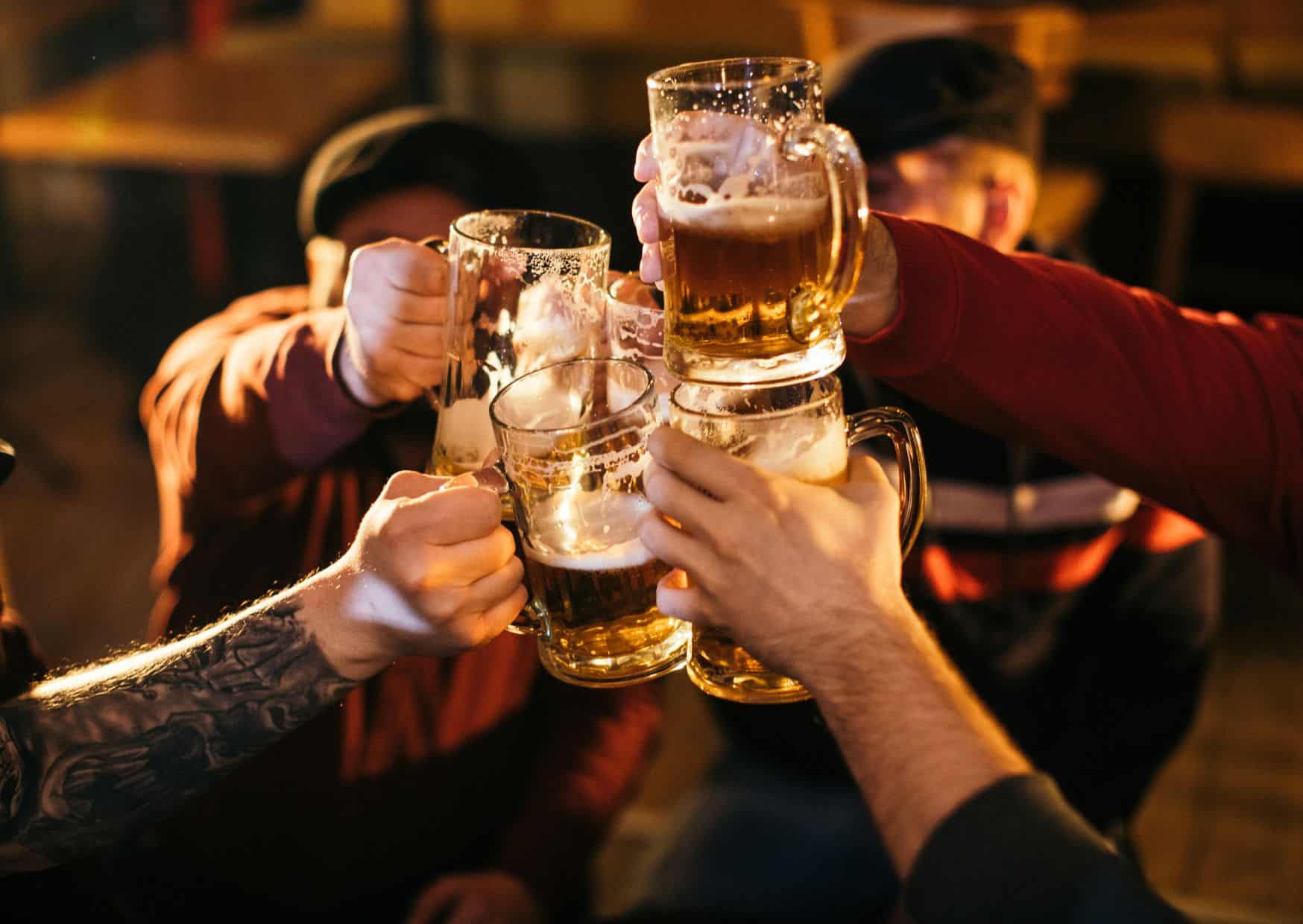
What to Know: Sharing drinks is a social bonding activity, especially with beer or rice wine. Refusing a drink can be seen as impolite.
Tip: If you don’t drink, politely explain rather than outright refusing. If you do drink, be prepared for rounds of toasting with “Mot, hai, ba, yo!” (One, two, three, cheers!).
10. Tipping Is Optional
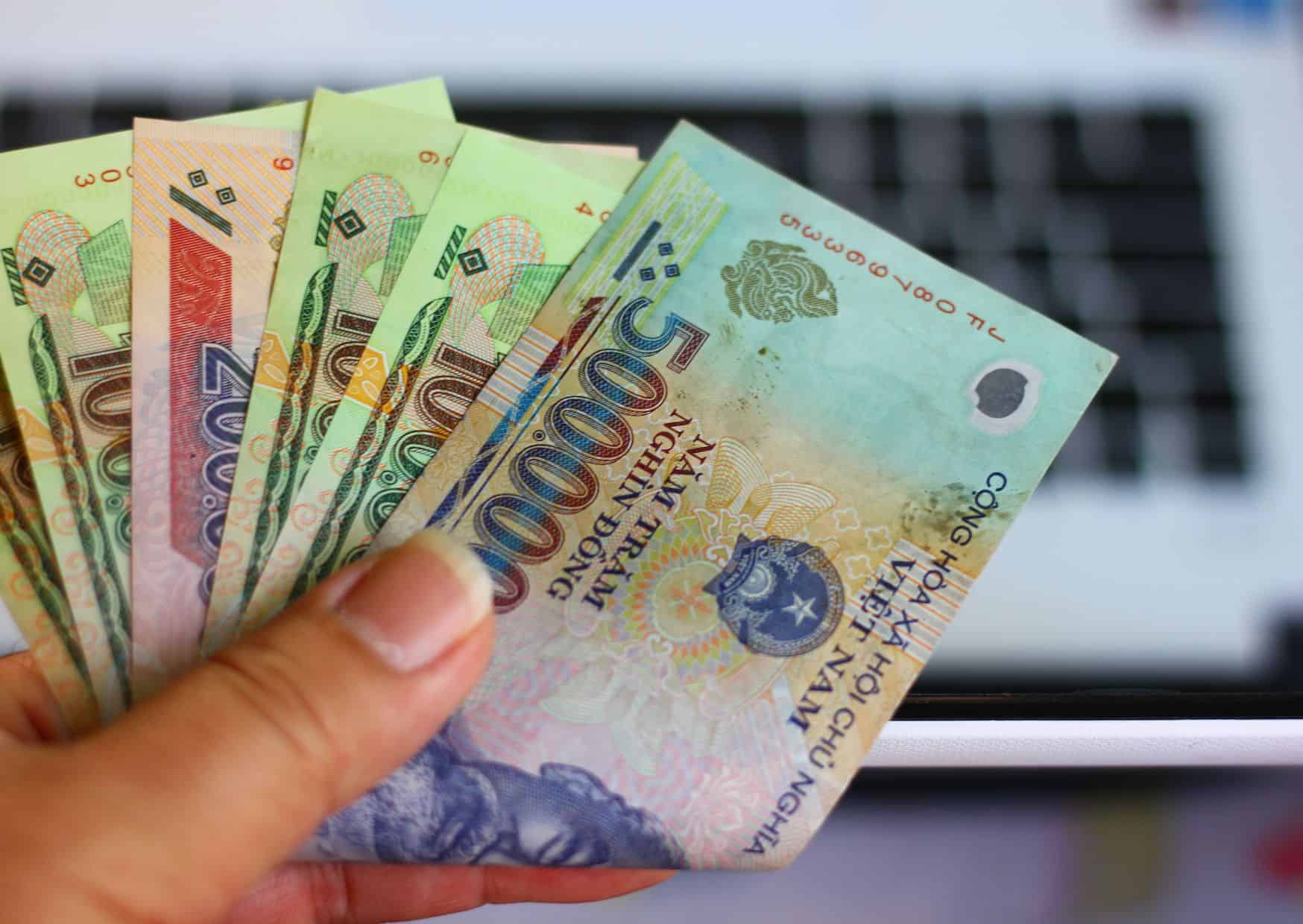
What to Know: Tipping is not a traditional practice in Vietnam but has become more common in tourist areas. It’s appreciated but not expected.
Tip: Leave a small tip (10% or round up the bill) for good service at restaurants, hotels, or taxis.
11. Motorbike Dominance
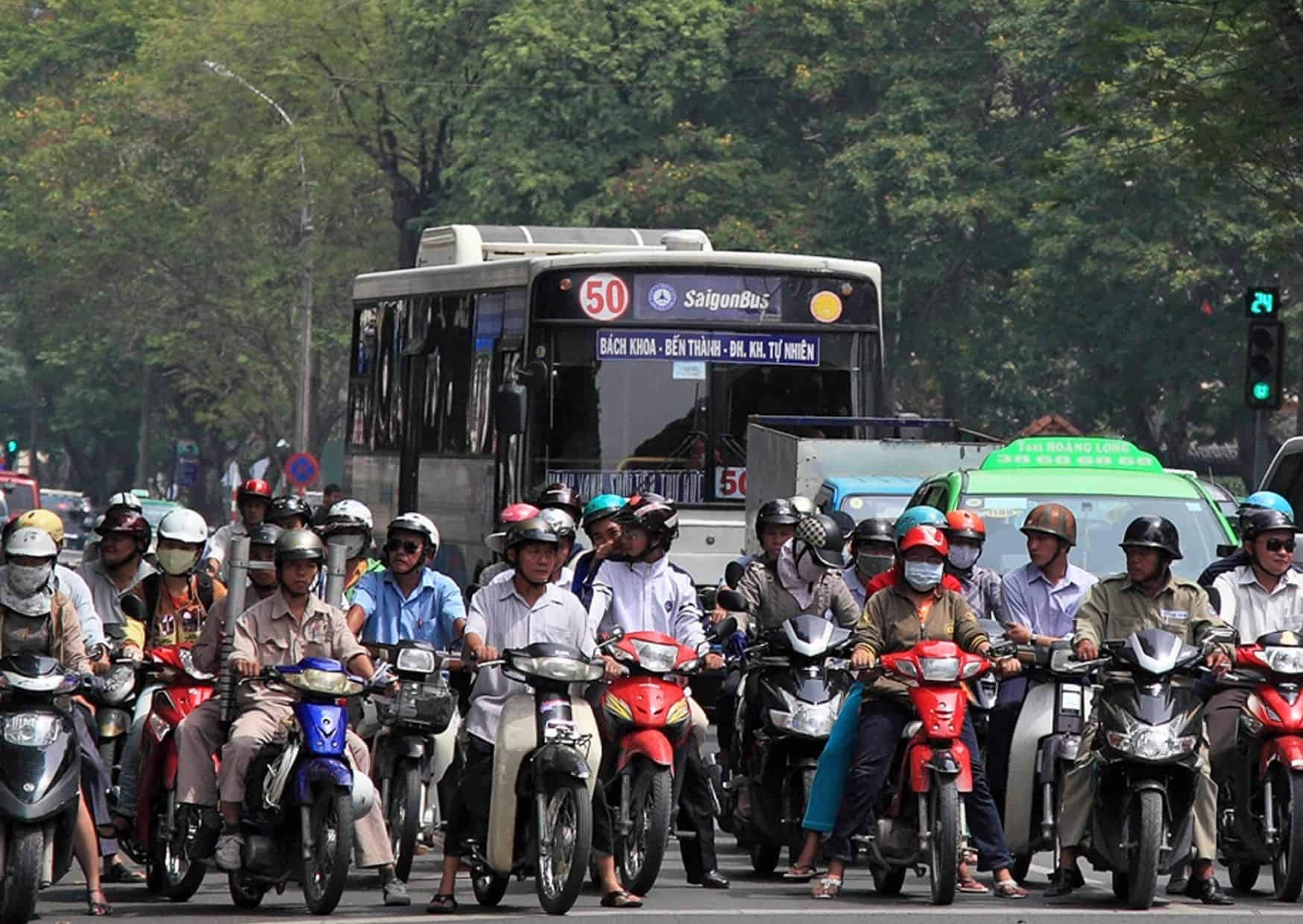
What to Know: Motorbikes are the primary mode of transport, and sidewalks are often used for parking or even driving.
Tip: Be cautious while walking and look both ways—even on sidewalks.
12. Speak Softly
What to Know: Loud or boisterous behavior in public is generally frowned upon in Vietnam, as it disrupts harmony.
Tip: Keep your voice low in conversations, especially in temples, museums, or public spaces.
13. Modest Dress in Temples
What to Know: Temples are sacred spaces, and visitors are expected to dress modestly.
Tip: Cover your shoulders and knees, remove hats, and avoid wearing flashy or revealing clothing.
14. The Value of Smiling
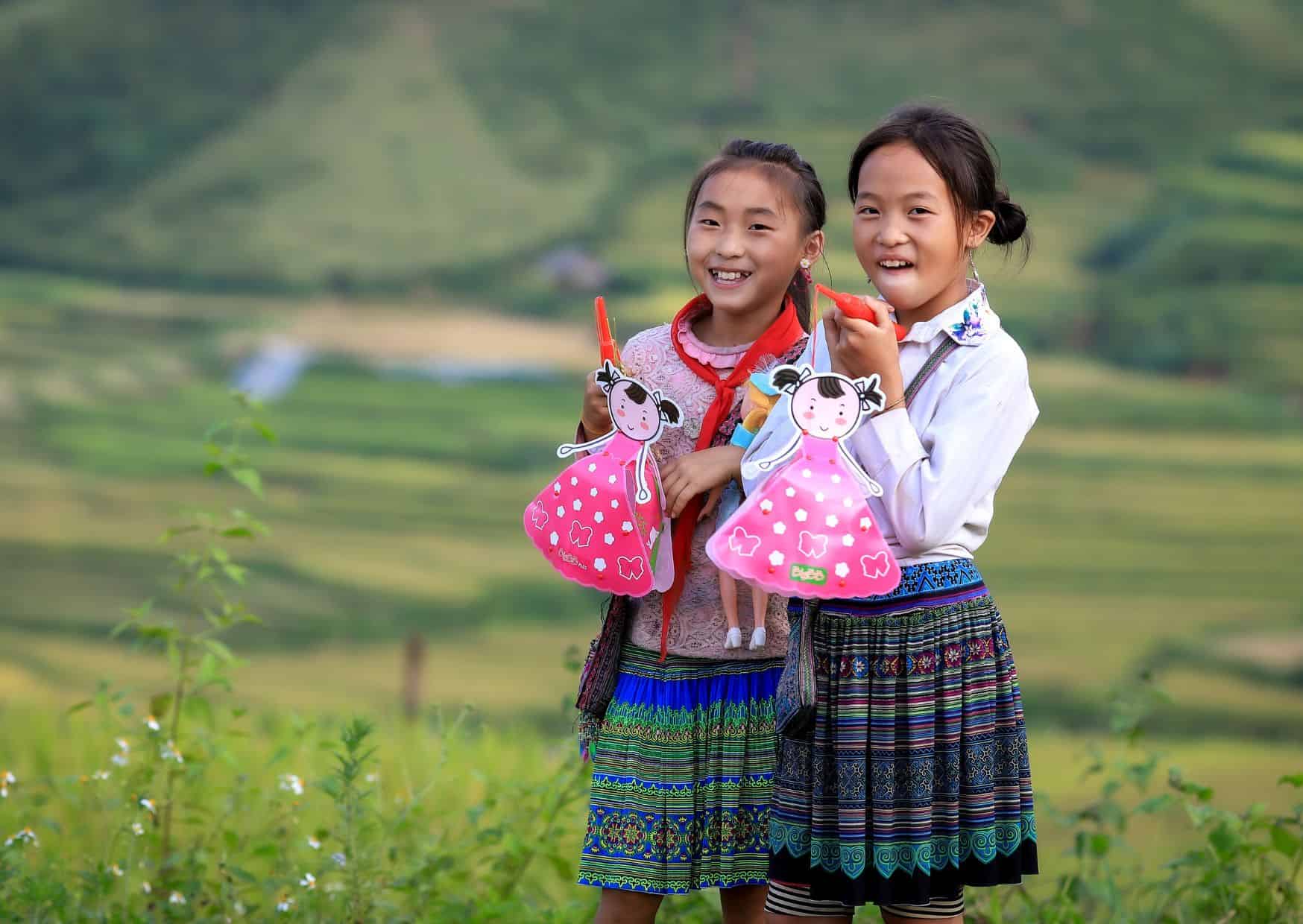
What to Know: Smiling is a universal way to convey friendliness and diffuse tension in Vietnam. Locals often smile even in challenging situations.
Tip: Return a smile to show goodwill, but don’t mistake it for agreement or submission.
15. Avoid Pointing
What to Know: Pointing at people or objects with your finger is considered impolite.
Tip: Use your whole hand or nod in the direction of what you’re referring to.
16. Respect for Ho Chi Minh
What to Know: Ho Chi Minh, the founding father of modern Vietnam, is deeply revered. Disrespecting his image or his mausoleum is offensive.
Tip: Dress respectfully when visiting the Ho Chi Minh Mausoleum, and avoid joking about his legacy.
17. The Concept of “Gia Đình” (Family)
What to Know: Family plays a central role in Vietnamese life, and decisions often consider familial obligations and harmony.
Tip: Respect family values and understand that they influence many aspects of social and professional life.
18. Eating with Chopsticks
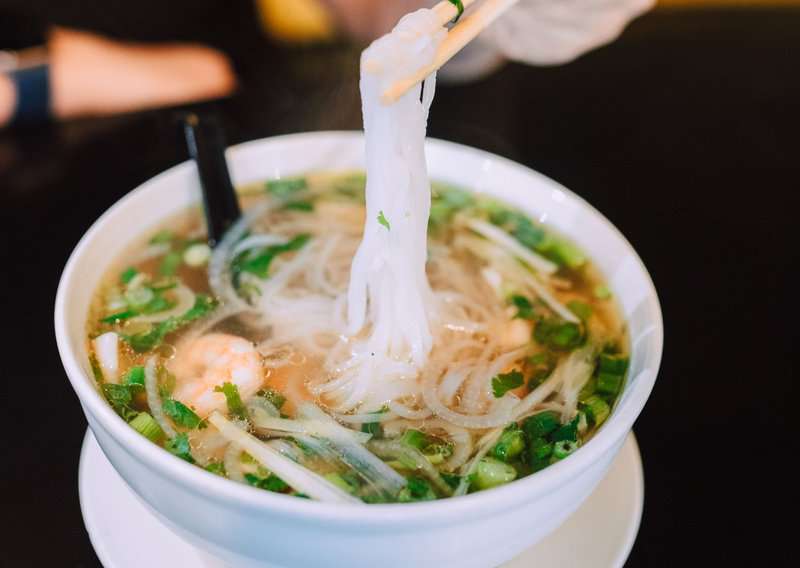
What to Know: Chopsticks are used for most meals. Improper use, such as playing with them or pointing them at others, is considered bad manners.
Tip: Place chopsticks neatly on the chopstick holder or the edge of your bowl when not in use.
19. Public Holidays and Tet
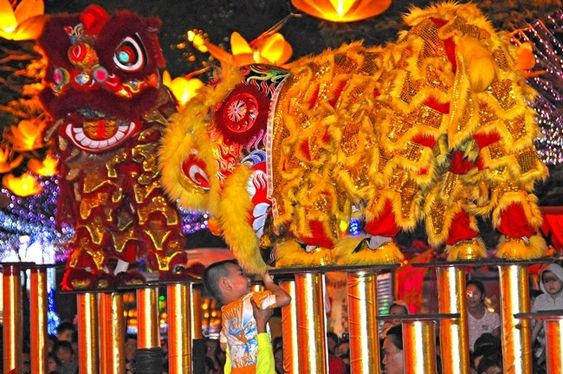
What to Know: During Tet (Lunar New Year) and other major holidays, most businesses close, and transportation becomes crowded.
Tip: Plan your travel around these dates and expect increased prices for accommodations and transport.
20. Traffic Chaos Is Normal
What to Know: Traffic in Vietnam can seem chaotic to newcomers, with motorbikes weaving through cars and pedestrians crossing busy streets.
Tip: Stay calm, make eye contact with drivers, and cross the street confidently at a steady pace.
Final Thoughts
Traveling to Vietnam is a sensory overload — in the best way. But to truly appreciate the beauty of the culture, it’s important to do more than just eat the food or take in the scenery. Understanding the invisible codes of behavior that guide daily life is what separates a surface-level tourist from a thoughtful traveler.
When you take time to observe and respect local norms, you’re not just avoiding awkward moments — you’re building trust. And that opens doors: a shared laugh at a family-run café, an invite to a countryside wedding, or a long conversation over iced coffee with someone who otherwise might have stayed silent.
In short, Vietnam is more than motorbikes and street food. It’s a country of deep traditions, quiet values, and a culture that rewards those who listen first and act later. Mastering these unspoken rules might not come instantly — but they’ll transform the way you experience this remarkable country.

About the Author: Ruben, co-founder of Gamintraveler.com since 2014, is a seasoned traveler from Spain who has explored over 100 countries since 2009. Known for his extensive travel adventures across South America, Europe, the US, Australia, New Zealand, Asia, and Africa, Ruben combines his passion for adventurous yet sustainable living with his love for cycling, highlighted by his remarkable 5-month bicycle journey from Spain to Norway. He currently resides in Spain, where he continues sharing his travel experiences with his partner, Rachel, and their son, Han.