
Between breezing through pedestrian-only zones with an open beer or sunbathing topless at a local beach, many Europeans enjoy certain “norms” that might be frowned upon—or outright illegal—in other parts of the world. If you’re used to these freedoms, you could unknowingly break a few rules while traveling. Below, we unpack 8 unexpected laws that often catch Europeans off guard when they go abroad.
Want More ‘Surprising’ Travel Insights?
– 13 Things Europeans Notice in Your Kitchen (That You Never Realize)
– 7 Ways You’re Insulting Europeans Without Even Realizing It
– 10 Secrets to Understanding European Politeness (And Why You’re Doing It Wrong)
Quick & Easy Tips for Navigating Different Laws Abroad
Always Research Local Laws Before You Travel — What’s normal at home could be illegal elsewhere. Don’t assume your rights travel with you.
Check for Common Tourist Mistakes — Laws about tipping, public behavior, or even dress codes can vary by country.
Know Local Alcohol and Smoking Rules — Age limits, public drinking, and smoking laws differ greatly from country to country.
Be Aware of Drug and Prescription Rules — Medications and substances legal in Europe might be banned or tightly controlled abroad.
Respect Cultural and Religious Norms That Carry Legal Weight — In some countries, breaking a social norm could result in legal trouble.
One common misconception is that European legal norms are shared across most Western or developed countries. In reality, laws on things like alcohol, freedom of speech, and personal rights vary significantly — and what’s legal in one country can be a serious offense in another.
Another debated belief is that being a tourist means you’ll get a free pass for minor infractions. Many travelers assume local authorities will overlook small mistakes, but some countries enforce laws strictly regardless of your nationality or intent.
Perhaps most surprising is the idea that common European freedoms like topless sunbathing, public drinking, or casual swearing are globally accepted. These behaviors can attract fines — or worse — in countries with stricter cultural norms or legal systems, proving that what’s casual in Europe might be criminal elsewhere.
1. Open Container Bans (United States)

What Europeans Expect
- Casually sipping a beer in public is normal in parts of Europe (e.g., Germany’s “Bier to go”), especially at festivals or along the riverbank.
The Reality Elsewhere
- Many US states/cities have strict open container laws—it’s illegal to possess or drink alcohol openly on the street. You might get fined or told to discard your drink.
Why It’s Surprising
- Europeans used to the relaxed approach find it odd that “walking with a beer” can be a ticketable offense.
How to Adapt
- Check local regulations. Some cities (like New Orleans, Las Vegas) allow it in specific zones. Otherwise, keep that drink indoors or within designated areas.
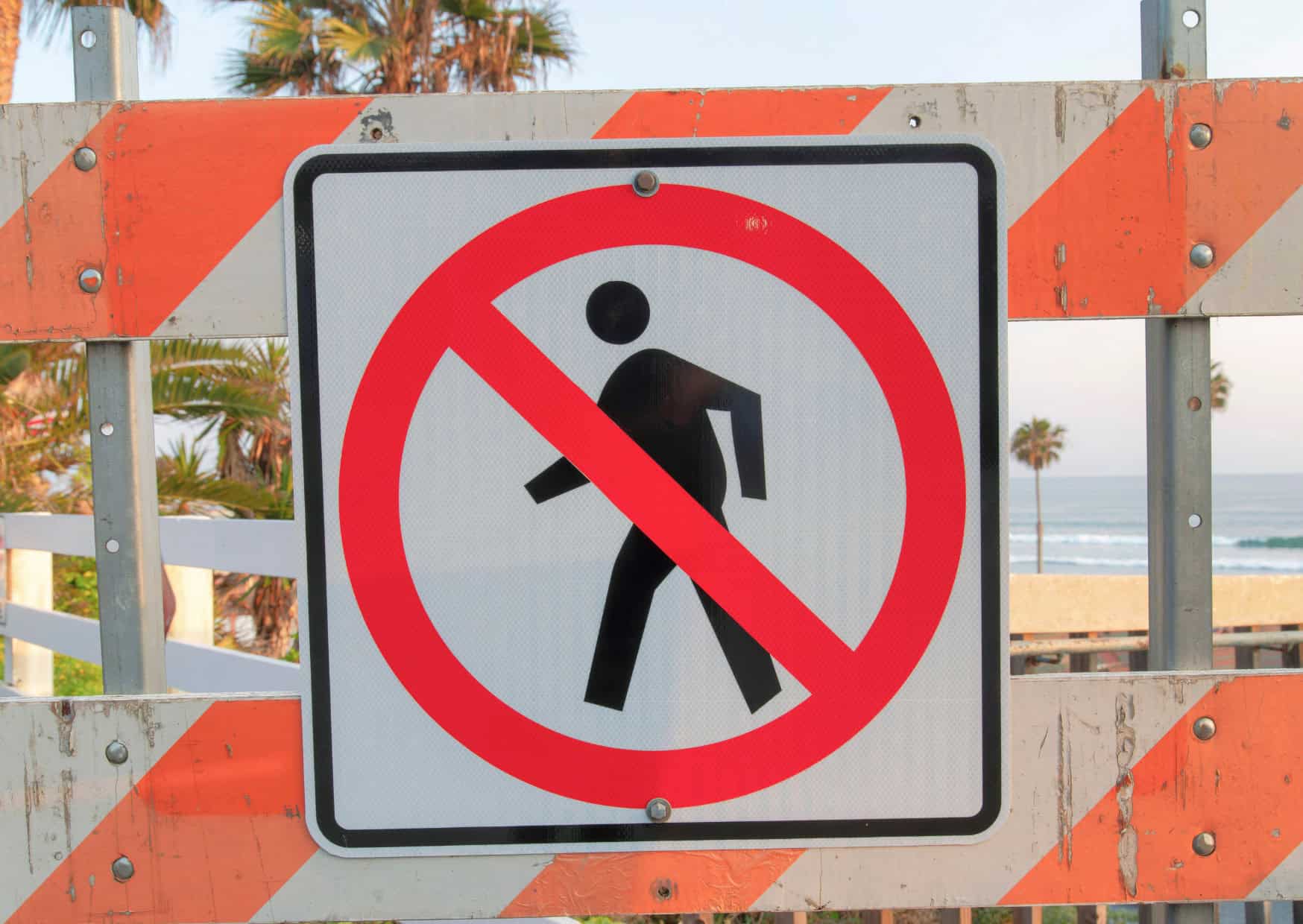
2. Jaywalking Fines (Certain US States & Beyond)
What Europeans Expect
- In many European cities, pedestrians cross the street whenever there’s a gap in traffic—jaywalking tickets are rare. Lights are suggestions, especially if no cars are coming.
The Reality Elsewhere
- In some US states (like California) and countries such as Singapore, jaywalking (crossing outside the crosswalk or against the signal) is enforced with potential fines.
Why It’s Surprising
- A German or Dutch traveler might be used to methodical crossing, but an Italian or Spanish local, used to flexible street-crossing, might inadvertently rack up a penalty.
How to Adapt
- Observe local foot traffic: if everyone waits for the “Walk” signal, do the same. If uncertain, ask your hotel or read posted signs about pedestrian rules.
3. Chewing Gum Bans (Singapore)

What Europeans Expect
- Gums, mints, and candies are standard pocket essentials—no big deal chewing away while sightseeing or riding the metro.
The Reality Elsewhere
- In Singapore, importing or selling gum without a medical license is heavily restricted. Chewing gum is heavily frowned upon (except certain therapeutic gums).
Why It’s Surprising
- To maintain cleanliness, Singapore enforces tough fines. Europeans used to freely chomping gum anywhere might not realize it’s a near-prohibited habit here.
How to Adapt
- Check customs rules if carrying gum into Singapore. If you must chew, do so discreetly—and never dispose of it improperly. Fines can be steep.
4. Strict Dress Codes for Beach Nudity (Many Non-European Regions)

What Europeans Expect
- Topless or even nude sunbathing is tolerated in various European beaches (France, parts of Spain, Germany’s FKK tradition). People generally see it as normal.
The Reality Elsewhere
- Some countries (e.g., many in the Middle East, certain US states) have strict modesty laws. Public nudity or toplessness can be classified as indecent exposure, leading to fines or arrest.
Why It’s Surprising
- A French or German traveler might inadvertently treat a foreign beach like their local spot—where minimal coverage is normal—only to face legal trouble or cultural offense.
How to Adapt
- Always check local beach norms. If in doubt, keep your top on or find specifically designated nude beaches if they exist. Respect local customs to avoid major misunderstandings.
5. Zero Tolerance for Public Swearing (Parts of Australia & Middle East)

What Europeans Expect
- Dropping casual profanity among friends is hardly a taboo in many European groups. Even mild curses go unpunished in public if they’re not aimed at someone directly.
The Reality Elsewhere
- Some Australian states (like Victoria) can fine you for “offensive language” in public. In certain Middle Eastern countries, cursing or obscene gestures are considered a severe breach of public decency laws.
Why It’s Surprising
- Brits or Spaniards might pepper everyday speech with mild swear words. This casual cursing can attract official penalties in conservative or “strict-languaged” jurisdictions.
How to Adapt
- Tone down the profanity in public spaces. Save colorful language for private chats with close friends. Avoid gestures that might be interpreted as rude or obscene.
6. Prohibitions on Public Displays of Affection (Some Asian & Middle Eastern Countries)

What Europeans Expect
- Kissing or hugging in public is often normal in Western Europe. Couples can be quite affectionate without raising eyebrows.
The Reality Elsewhere
- In more conservative areas (e.g., parts of the UAE, certain provinces in Asia), PDA can lead to warnings or fines. Even mild kisses on the cheek or hugging might offend local sensibilities.
Why It’s Surprising
- A French or Italian couple, used to casual cheek kisses, might shock onlookers or break decency laws in places with strict moral codes.
How to Adapt
- Keep physical affection subtle—hand-holding might be acceptable, but full-on kissing or cuddling in public could spark trouble. Research local guidelines for couples traveling abroad.
7. Time-Restricted Alcohol Sales (Various US States & Scandinavian Countries)

What Europeans Expect
- Grabbing wine or beer at a local store anytime of day is typical in many European nations (though some have Sunday closures). Minimal fuss about alcohol sale hours.
The Reality Elsewhere
- Certain US states ban liquor sales on Sundays or late nights. Scandinavian countries (e.g., Sweden’s Systembolaget, Norway’s Vinmonopolet) limit alcohol buying to specialized state-run shops with shorter hours.
Why It’s Surprising
- A Spanish traveler might expect to pick up a bottle of wine at 10 PM for dinner, only to find all alcohol sales ended at 8 PM in a strict region.
How to Adapt
- Plan ahead: if you want a late-night beverage, buy earlier or confirm local store hours. For extended stays, adapt to local patterns—less spontaneity, more schedule-savvy.
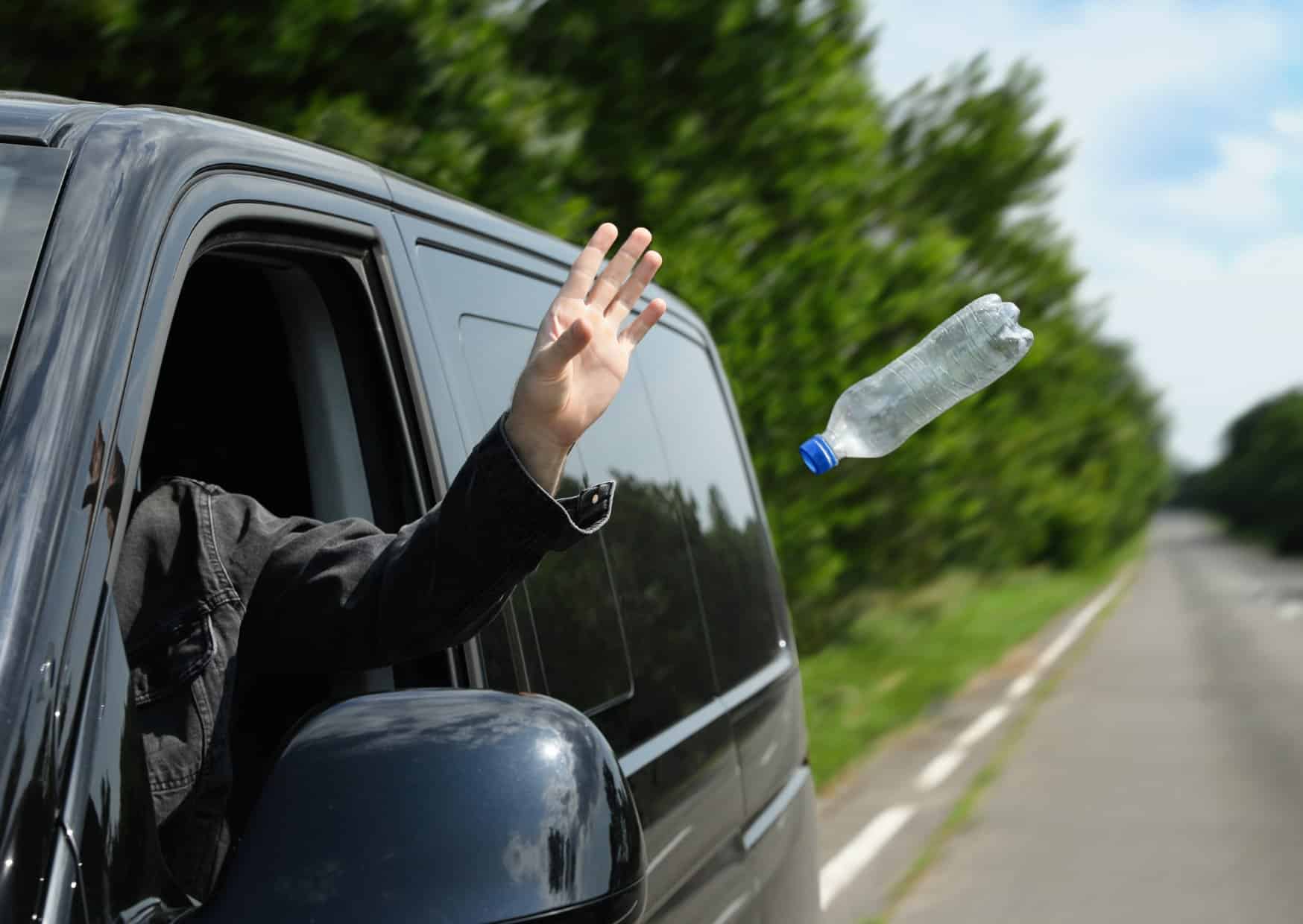
8. Strict Litter & Spitting Laws (Some Cities Worldwide)
What Europeans Expect
- While littering is frowned upon in Europe, consequences vary. Casual gum disposal or spitting on the pavement might not lead to instant fines.
The Reality Elsewhere
- Singapore, certain Chinese municipalities, and cities like Hong Kong or Tokyo enforce heavy fines for spitting, littering, or improper gum disposal. Their streets stay immaculately clean for a reason.
Why It’s Surprising
- Europeans used to less rigorous enforcement might not expect a penalty if they drop small trash or spit out gum on the sidewalk.
How to Adapt
- Always carry a small trash bag or wait for a bin—avoid discarding anything in public. The cleanliness standards are high, and so are the fines if you break them.
The Bottom Line
While Europe offers plenty of freedoms—public drinking, casual crossing of roads, or liberal beach attire—other regions see these same acts as legal no-nos. The last thing you want on a dream trip is a fine or an arrest for a habit you assumed was harmless. By researching local laws ahead of time and adjusting your behavior, you’ll not only dodge trouble but also show respect for cultural norms that differ from your own.
Pro Tip
Before jetting off, do a quick check: “What’s the stance on public drinking, gum, or beach attire?” Official tourism boards or expat forums are goldmines for up-to-date info. After all, enjoying new cultures is more fun when you’re not inadvertently breaking the law!

About the Author: Ruben, co-founder of Gamintraveler.com since 2014, is a seasoned traveler from Spain who has explored over 100 countries since 2009. Known for his extensive travel adventures across South America, Europe, the US, Australia, New Zealand, Asia, and Africa, Ruben combines his passion for adventurous yet sustainable living with his love for cycling, highlighted by his remarkable 5-month bicycle journey from Spain to Norway. He currently resides in Spain, where he continues sharing his travel experiences with his partner, Rachel, and their son, Han.