
And what it reveals about training, trust, and a national belief that children deserve real food from day one
Walk into a family restaurant in France, and you’ll see it — children eating endive salad with vinaigrette, lentils with Dijon mustard, sautéed fish with capers, or a slice of goat cheese on toast. There may be dessert, but it’s not a bribe. There may be wine at the table, but no one is explaining whether the sauce is “kid friendly.”
Now walk into an American family restaurant. You’ll often find a separate kids’ menu, typically offering the same five items: chicken nuggets, mac and cheese, pizza, buttered pasta, and grilled cheese. Anything green is suspect. Anything sauced is dissected. The ketchup bottle is in heavy use.
To American parents, this is the norm. To French parents, it’s unthinkable.
So why do French children eat almost everything — and seem to enjoy it — while American children demand plain food, limited choices, and familiar textures? Why do French kids try escargot without protest, while American parents beg their children to eat one carrot?
Here’s why French children eat like grown-ups, and why American kids so often refuse anything not shaped like a dinosaur.
Want More Deep Dives into Everyday European Culture?
– Why Europeans Walk Everywhere (And Americans Should Too)
– How Europeans Actually Afford Living in Cities Without Six-Figure Salaries
– 9 ‘Luxury’ Items in America That Europeans Consider Basic Necessities
1. French Kids Eat What Adults Eat — From the Very Beginning
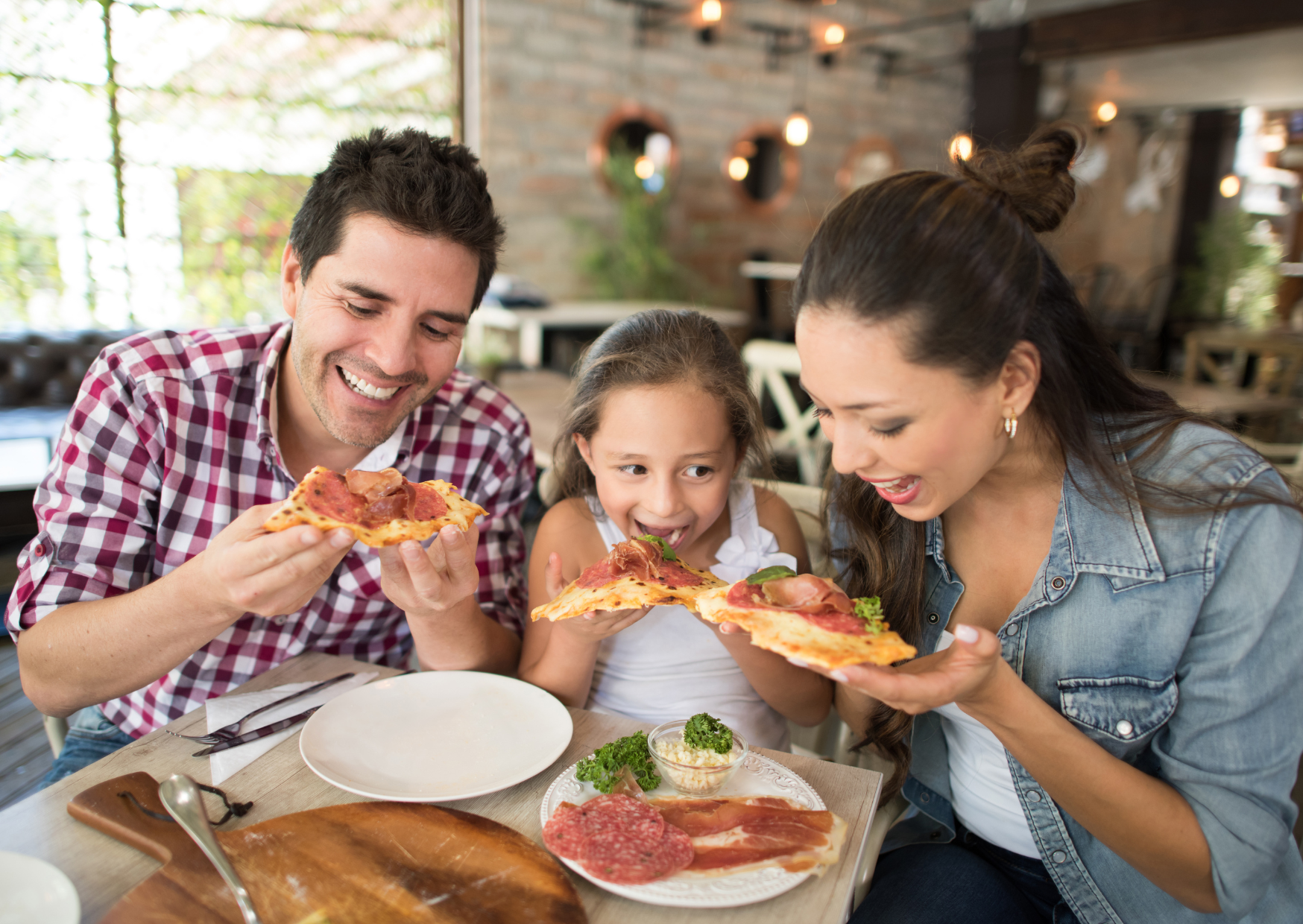
In the U.S., it’s common for toddlers and preschoolers to have separate meals. Chicken nuggets, fruit slices, boxed mac and cheese — prepared just for them. The idea is to give kids what they’ll actually eat, and avoid mealtime battles.
In France, there’s no separate meal.
From the time solid food is introduced, French babies are exposed to the same flavors their parents are eating — puréed green beans, leek soup, soft cheeses, gently spiced lentils. Meals aren’t sweetened, flattened, or disguised.
By the time they’re toddlers, they’re used to bitter greens, fish, and tart fruits. They don’t need to be convinced. Their palate has already been trained.
2. “Picky Eating” Isn’t Treated Like a Personality Trait
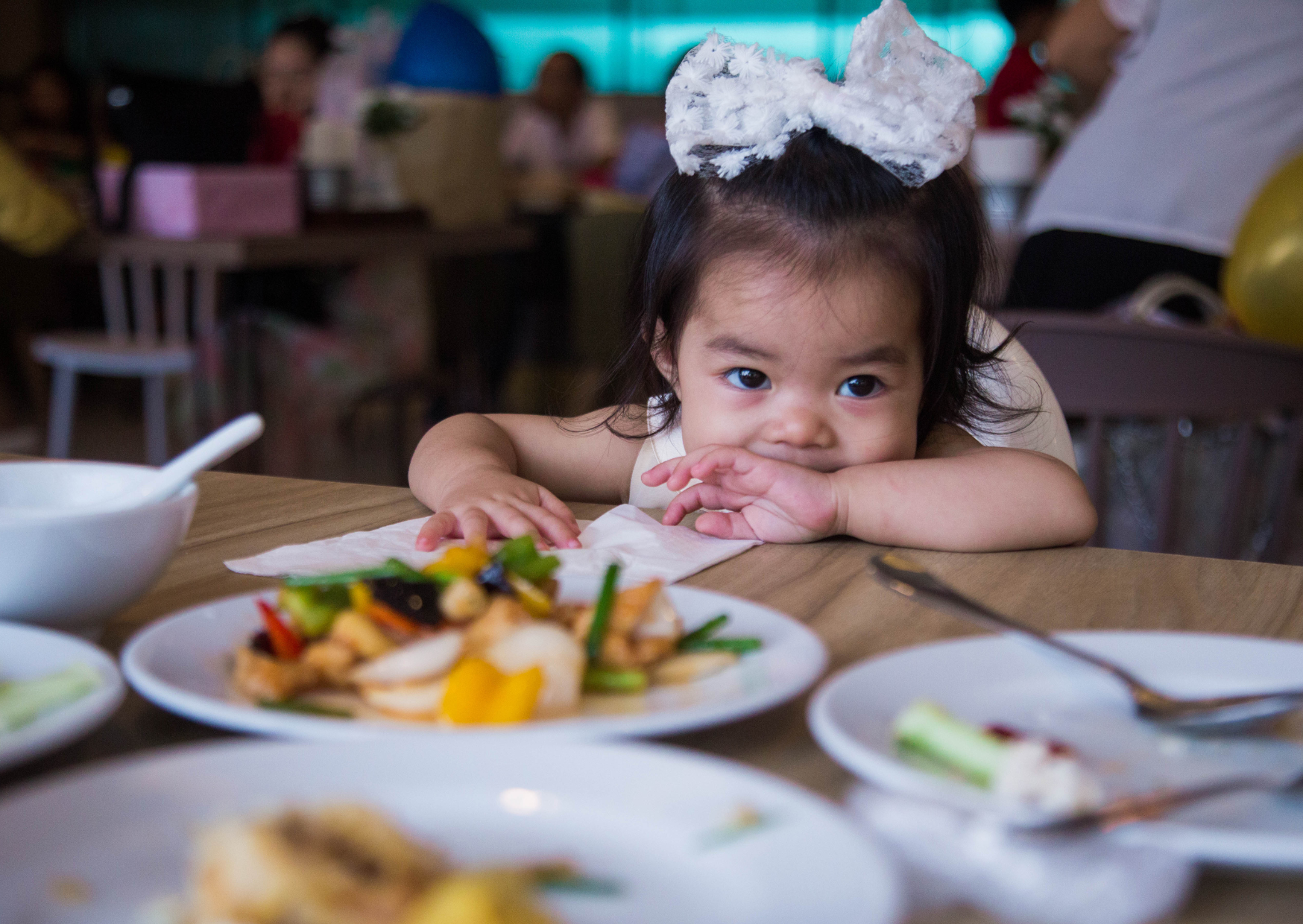
In American parenting, being a “picky eater” is seen as a normal phase — sometimes even permanent. It’s framed as a temperament. “He’s just picky.” “She only eats white food.” “It’s a texture thing.”
In France, this idea doesn’t exist. Picky eating isn’t considered innate — it’s seen as a behavior that’s shaped by environment.
If a child refuses something, they’re not labeled. They’re gently exposed again later. A rejected food today might be tried again next week — no pressure, no reward, just repeated presence.
Parents don’t cave. But they also don’t panic. The message is simple: food is part of life, and you’ll learn to eat it.
3. Taste Is Educated — Not Inherited
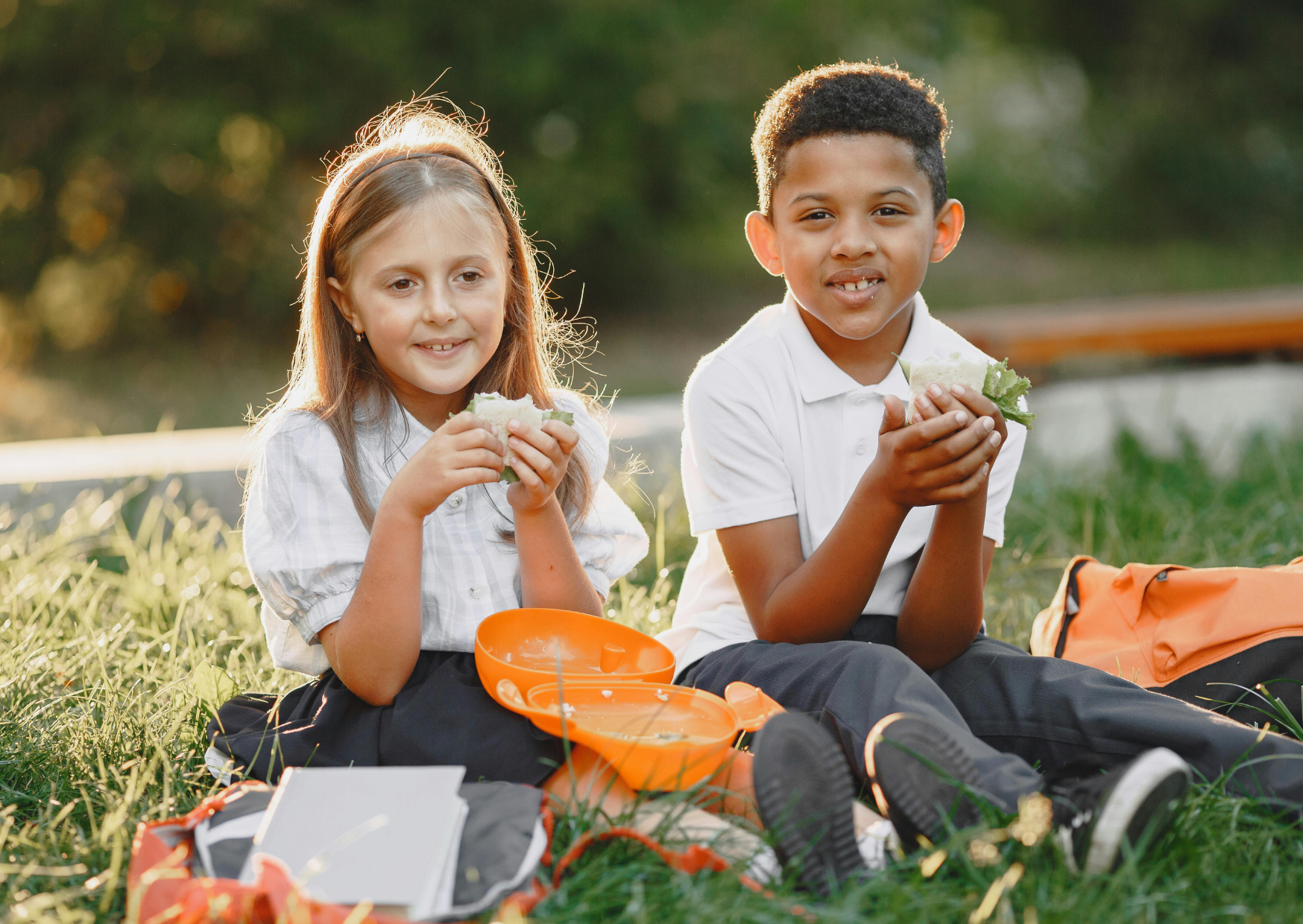
In American parenting, children are seen as having fixed likes and dislikes. You work around them. Meals are prepared to meet the preferences of the child.
In France, children are taught that taste is learned.
Just as they learn to read, write, and tie their shoes, they learn to enjoy green vegetables, bitter notes, and complex textures.
They’re given small servings, encouraged to taste, and exposed to the same ingredients in multiple forms. Broccoli steamed one week becomes roasted with cheese the next.
French parents believe it is their job to shape taste — not to negotiate around it.
4. Meals Have Structure — Not Snacking
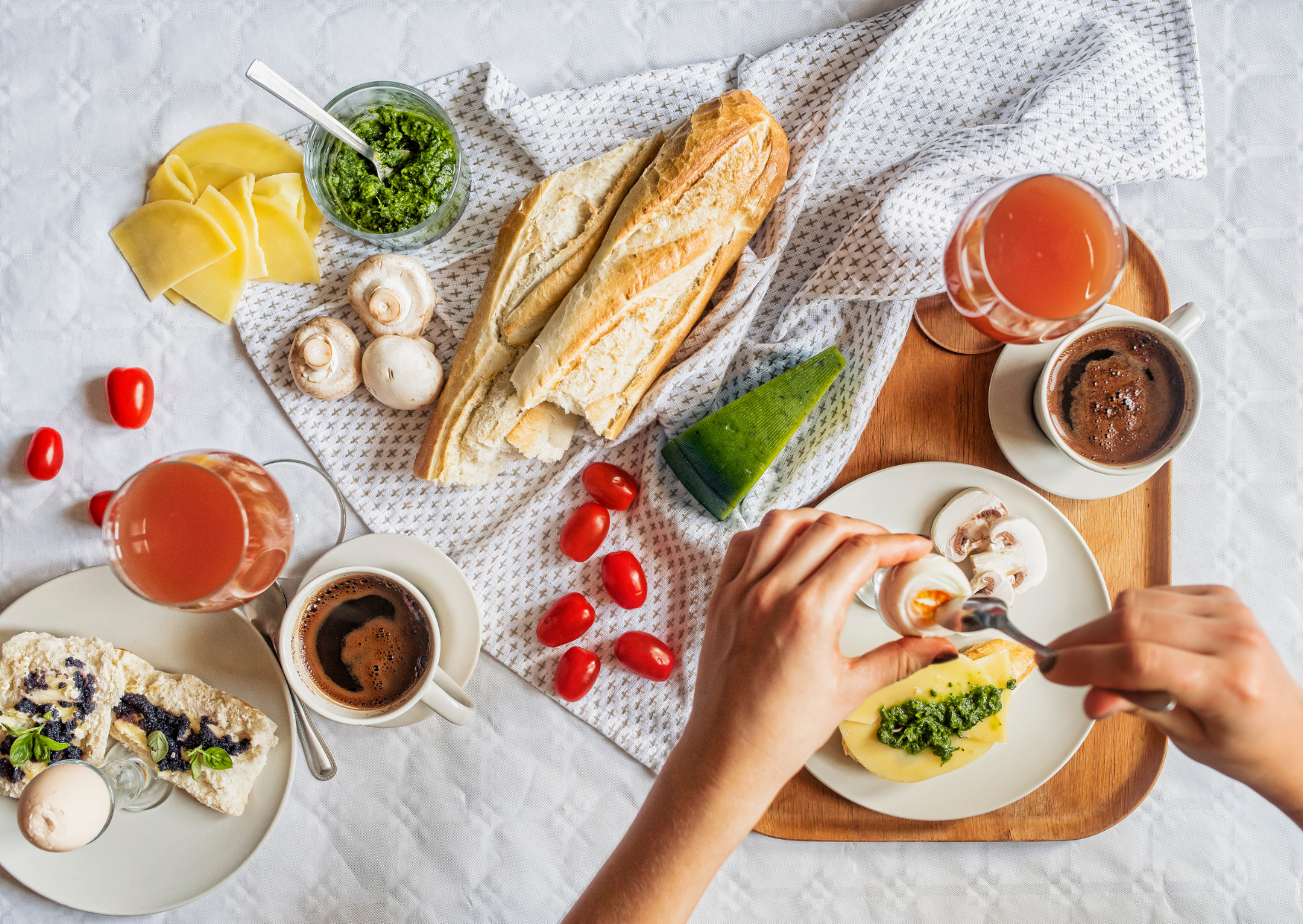
In the U.S., many children snack throughout the day. Goldfish in the car. Granola bars after school. Juice boxes on the playground. This leaves kids less hungry at mealtimes — and more likely to reject unfamiliar foods.
In France, children eat four times a day:
- Breakfast
- Lunch
- Afternoon snack (le goûter)
- Dinner
There’s no grazing. No constant snacking. Meals are spaced and structured, which means children come to the table hungry — and ready to eat what’s served.
This single habit changes everything. Hunger becomes the gateway to new flavors.
5. Parents Don’t Bribe, Beg, or Negotiate
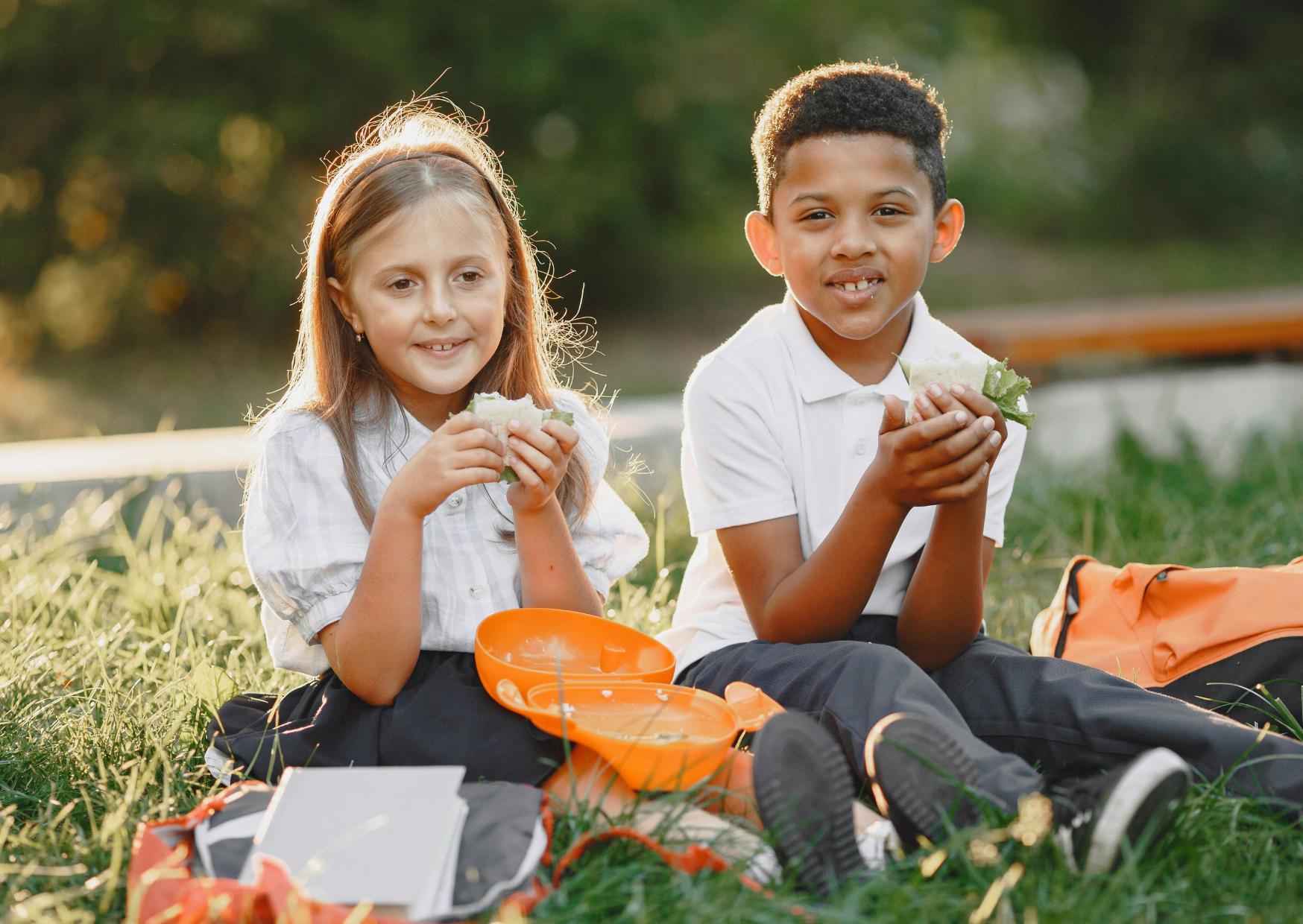
In American culture, meals often come with a side of stress. “Just two more bites.” “If you eat your broccoli, you can have ice cream.” “Do it for Mommy.”
In France, there’s no meal-time negotiation. Parents set the tone. Meals are not battles.
Dessert isn’t a reward. It’s part of the meal. You don’t earn it — you progress toward it. If a child refuses something, it’s not a crisis. They simply eat what they want and leave the rest. The food will return again another day.
There is no power struggle. Just quiet persistence.
6. Food Is Conversation — Not a Performance
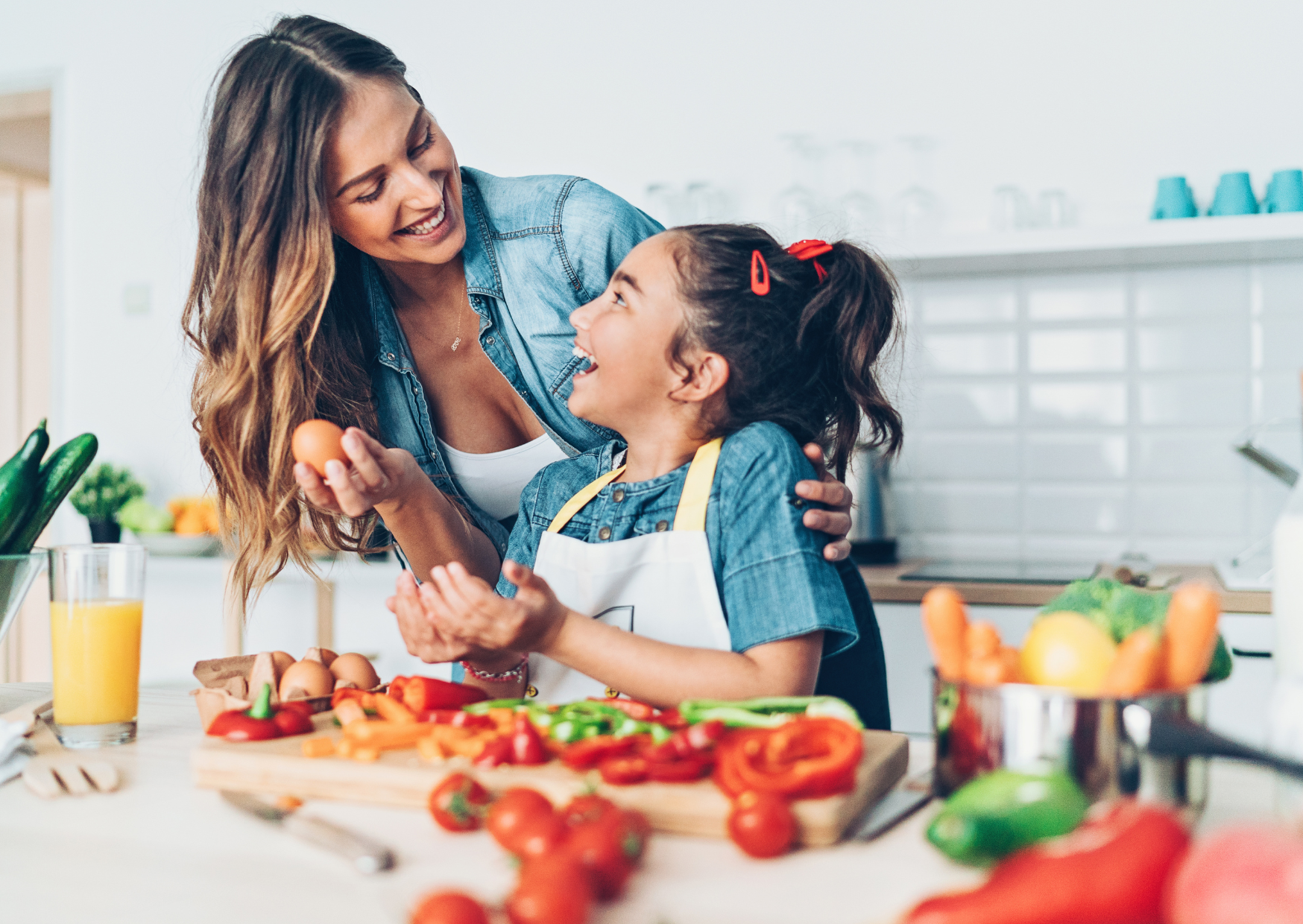
In the U.S., meals are often rushed, distracted, or focused entirely on the child. Parents praise every bite. They cheer. They coax. The spotlight stays on what the child is doing or refusing.
In France, mealtime is a shared ritual. Adults talk about their day. Children are expected to sit, listen, and contribute — even in small ways.
The food is not the center of attention. It’s part of the atmosphere.
This removes pressure. Children are included, but not spotlighted. They’re not expected to perform. They simply eat — because that’s what everyone else is doing.
7. Restaurants Don’t Offer “Kids’ Menus” — And No One Misses Them
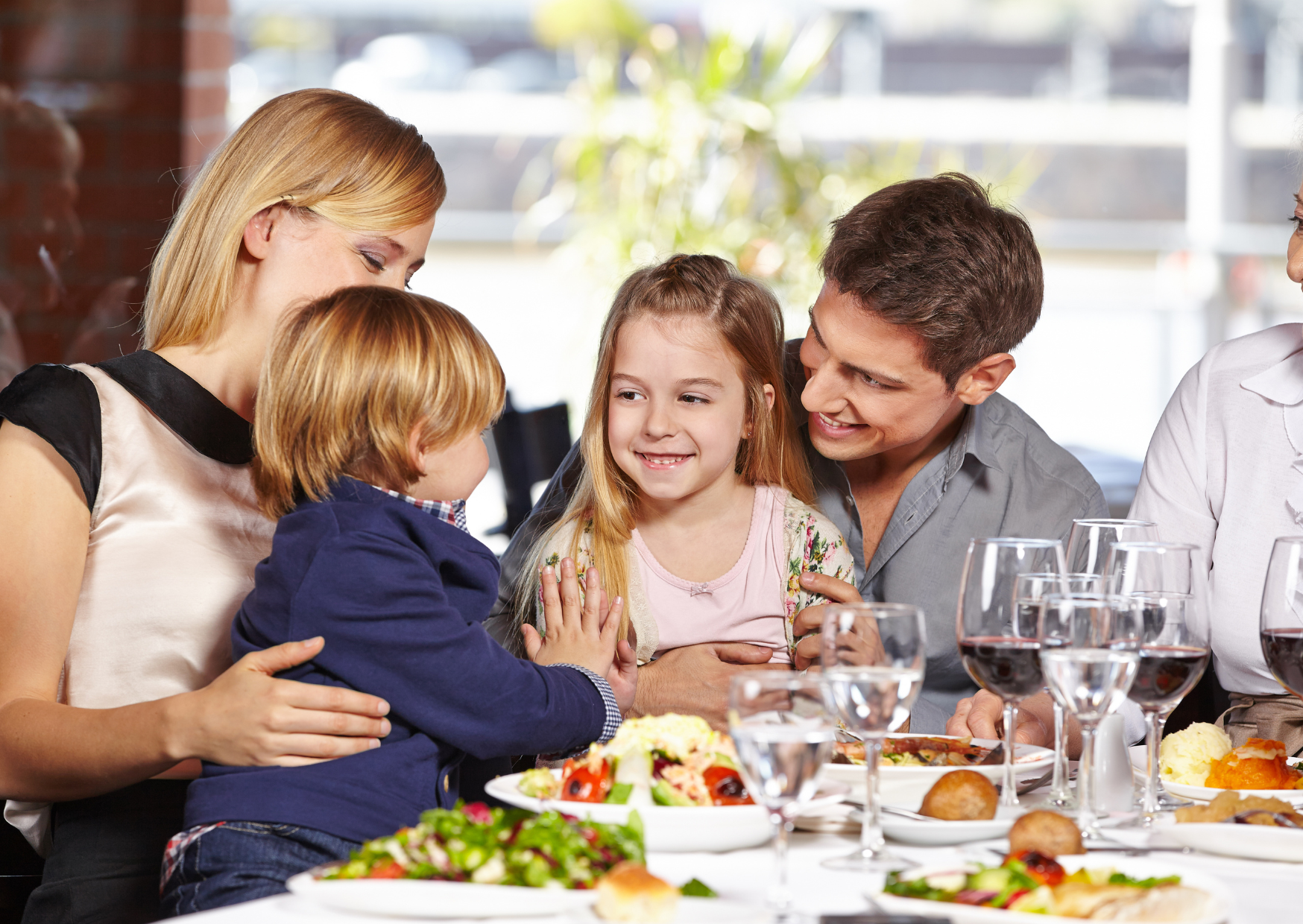
In American restaurants, children are often handed a separate menu immediately — usually with simplified food, crayons, and zero seasoning.
In France, there may be a “menu enfant,” but it often includes smaller portions of adult food. Think fish with rice, steak haché (chopped steak) with green beans, or a piece of cheese and fruit.
Children eat slowly. With forks and knives. They order three courses. They sit for long meals.
And no one is chasing them around the table. There’s an unspoken expectation: you’re here to eat like everyone else.
8. Schools Serve Real Food — Not Processed Trays
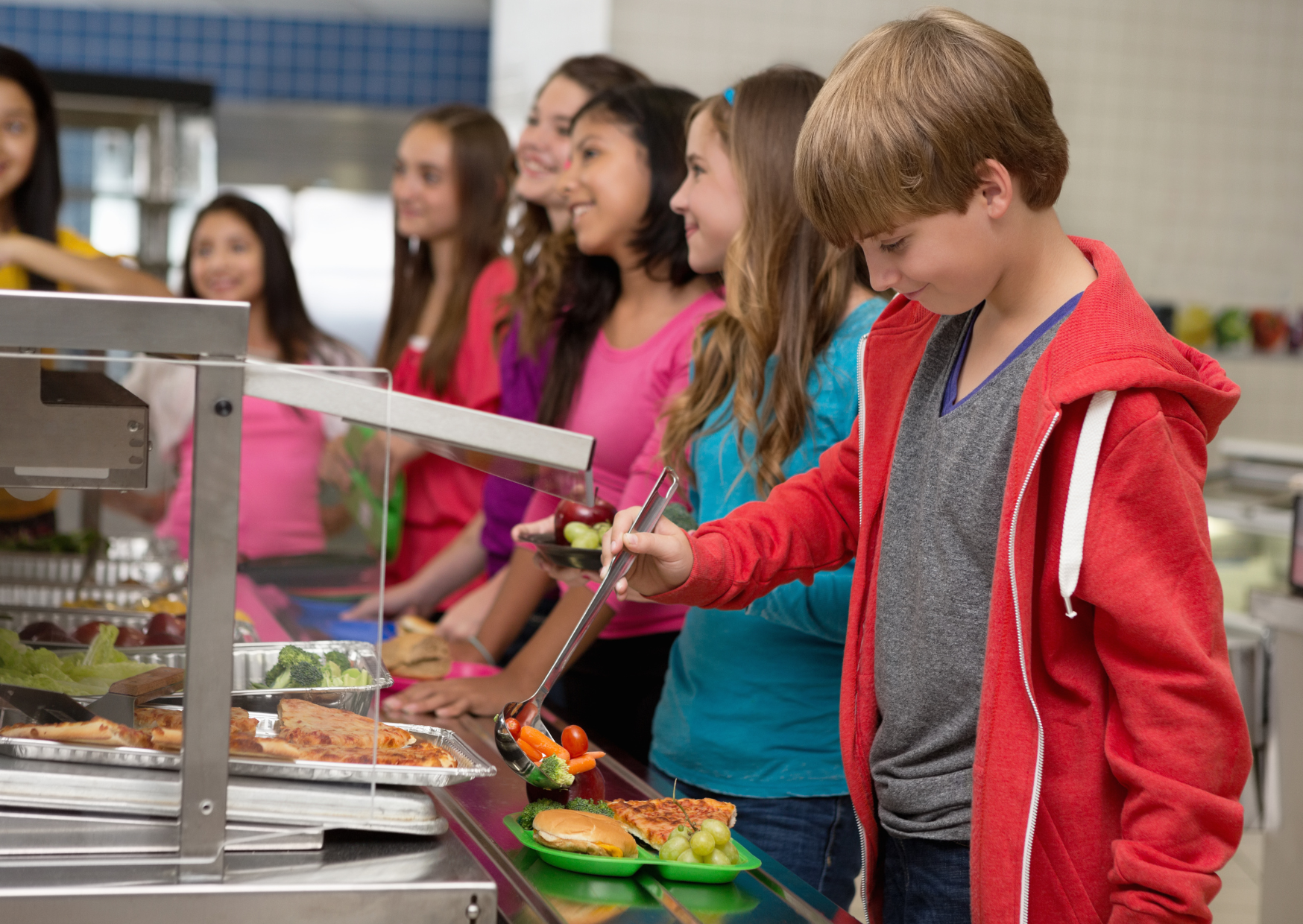
In the U.S., school lunch is often pre-packaged, high in sugar and salt, and designed for speed and minimal mess. Pizza, tater tots, chocolate milk.
In France, school lunch is a civic ritual. Meals are cooked on-site. They include multiple courses: a vegetable starter, a protein and side, cheese or fruit, and sometimes dessert.
Menus are published weekly. Children learn about nutrition, taste, and seasonal eating through daily exposure. Lunch is long, seated, and quiet.
And yes — they eat everything. Because that’s what’s normal.
9. Food Is Identity, Not a Source of Anxiety
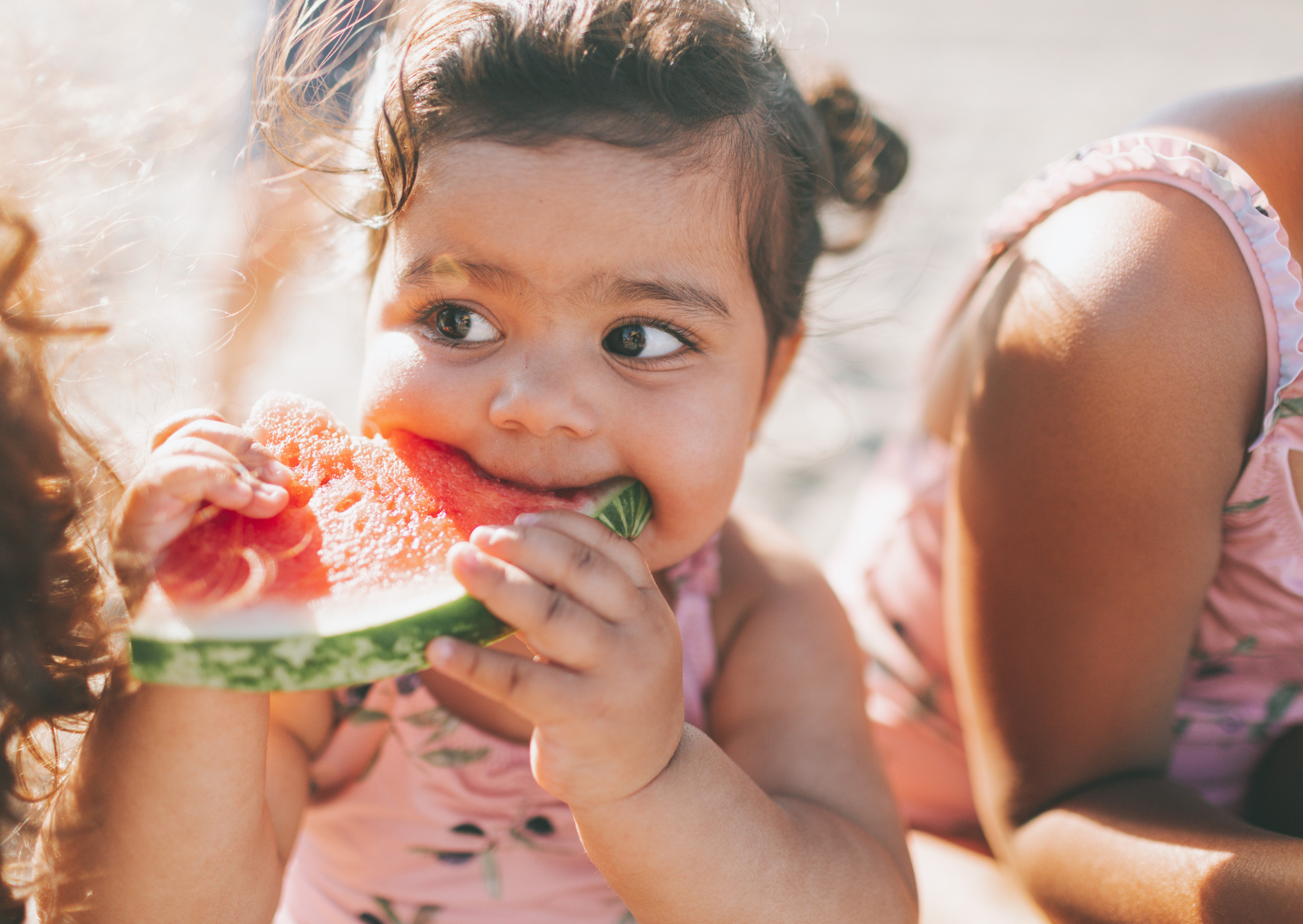
In the U.S., food is increasingly loaded with anxiety: health concerns, allergies, dietary restrictions, fears around weight, and endless debates about “good” vs “bad” foods.
In France, food is seen as joyful, cultural, and sensual. It’s where families bond. Where identity is passed down. Where taste and pleasure are taught early — not postponed until adulthood.
Children aren’t shielded from real food. They’re welcomed into it. Tastes are layered slowly. Meals are repeated. Dishes are imperfect. But the experience is consistent.
Food is not a reward. It’s not a punishment. It’s not a battleground.
It’s just life.
One Meal, Two Philosophies
To Americans, the French approach to food might seem strict. No snacks? No bargaining? No nuggets?
To the French, the American approach seems chaotic — and sad. Why deny children the pleasure of real food?
In the U.S., food is something kids learn to like when they’re older.
In France, food is something children learn to appreciate from day one.
And when you treat children like they’re capable of eating well — they often prove that they are.

About the Author: Ruben, co-founder of Gamintraveler.com since 2014, is a seasoned traveler from Spain who has explored over 100 countries since 2009. Known for his extensive travel adventures across South America, Europe, the US, Australia, New Zealand, Asia, and Africa, Ruben combines his passion for adventurous yet sustainable living with his love for cycling, highlighted by his remarkable 5-month bicycle journey from Spain to Norway. He currently resides in Spain, where he continues sharing his travel experiences with his partner, Rachel, and their son, Han.