
And what it reveals about reusability, dignity, and a culture that still prefers a square of cotton over disposable convenience
In many American households, a used tissue is treated like a biohazard. It’s grabbed with two fingers, folded in on itself, and tossed straight into a sealed trash bin. The idea of reusing something that touched your nose — or worse, your mucus — is cause for disgust, not nostalgia.
Now imagine visiting France and seeing someone calmly unfold a small cotton square from their pocket, blow their nose with a firm, practiced motion, and tuck the cloth back in again — to be used again later.
No apologies. No plastic bin. No emergency hand sanitizer.
To Americans, this would feel almost unthinkable. But for many French people, especially older generations and even a growing number of eco-conscious youth, the fabric handkerchief isn’t a thing of the past. It’s still present. Still normal. And in many ways, still preferred.
Here’s why French people continue to use cloth handkerchiefs in 2025 — and why Americans still recoil at a habit that, in France, is tied to pride, practicality, and politeness.
Want More Deep Dives into Everyday European Culture?
– Why Europeans Walk Everywhere (And Americans Should Too)
– How Europeans Actually Afford Living in Cities Without Six-Figure Salaries
– 9 ‘Luxury’ Items in America That Europeans Consider Basic Necessities
1. The Fabric Handkerchief Has Never Fully Left
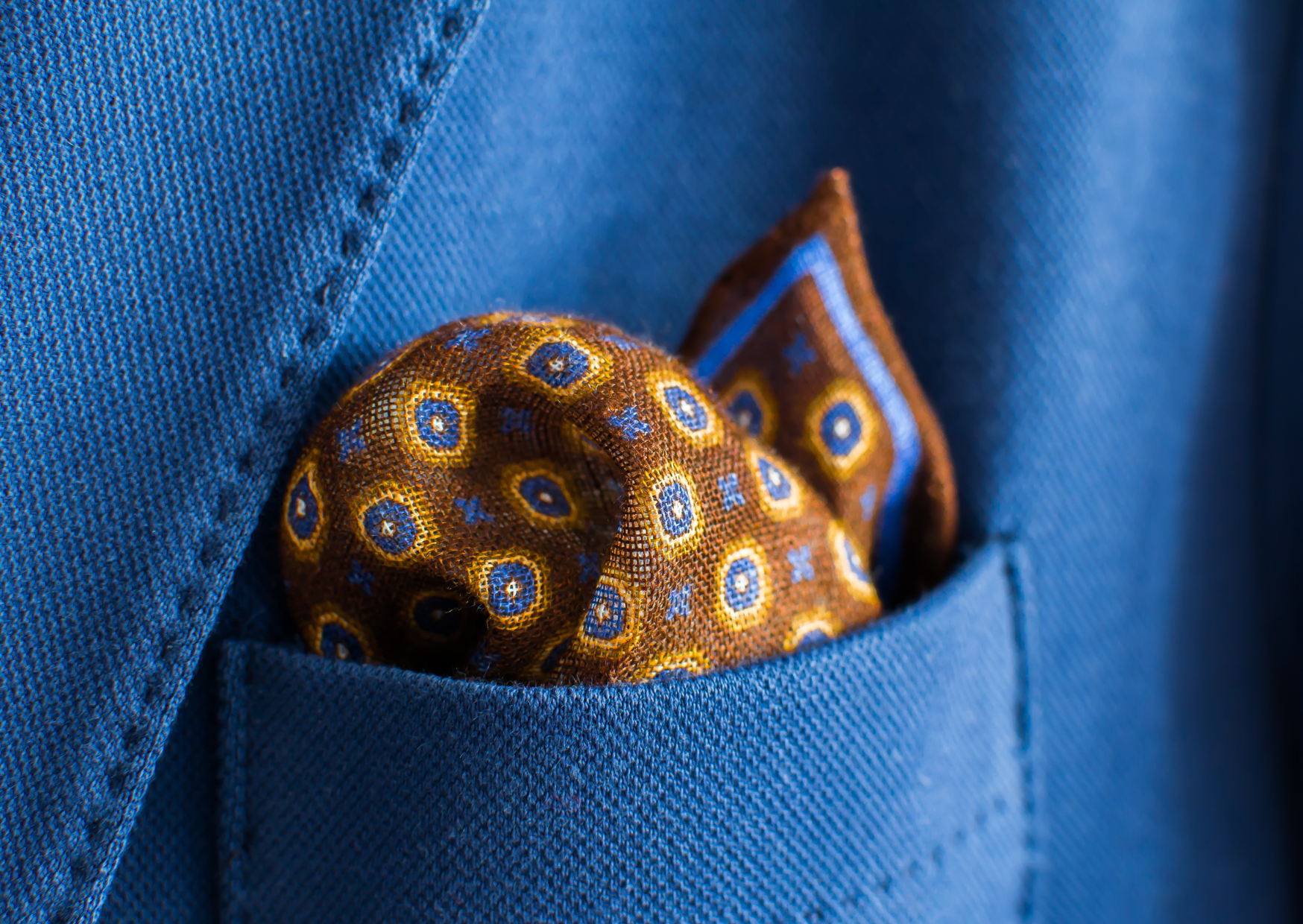
In the U.S., handkerchiefs exist — but mostly in theory. They’re tucked into vintage suits, worn ironically, or kept in drawers for sentimental value. Disposable tissues dominate.
In France, handkerchiefs are still widely used — by grandparents, yes, but also by parents, commuters, market vendors, and even chic Parisians.
You’ll see them folded in coat pockets, tucked into handbags, pressed into the hands of sniffly children.
They’re made of cotton, linen, or flannel. Some are plain. Others are embroidered. And they’re meant to be washed — not thrown away.
2. Using One Is Seen as Polite — Not Gross

To an American, blowing your nose loudly in public is already awkward. Doing so with a reusable cloth would be unthinkable.
In France, a handkerchief signals manners.
Sniffling endlessly is ruder than blowing your nose once, clearly and efficiently. Reaching into your pocket for a fabric handkerchief shows that you came prepared — that you’re managing your cold responsibly.
There’s no shame. No whispers. Just a quiet cultural understanding that a cloth handkerchief is more dignified than a trail of Kleenex confetti in your wake.
3. Disposable Isn’t Always Better — It’s Just American

The U.S. built its hygiene habits on disposability. Tissues, wipes, cotton pads, paper towels — all used once and discarded.
France takes a different view. In daily life, there’s more room for reusability and repetition.
Napkins are made of fabric. Shopping bags are reused. Cleaning cloths aren’t single-use. And the handkerchief fits naturally into that rhythm.
It’s not about being retro. It’s about refusing to create unnecessary waste for something as basic as blowing your nose.
4. It’s Not the Whole Day’s Use — It’s for Moments
One misconception Americans have is that someone uses the same cloth all day — over and over, until it’s soaked.
In reality, many French people carry more than one handkerchief. One for dabbing eyes. One for a cold. One just in case.
They’re not using a single square of cloth for ten sneezes in a row. They’re using it once or twice, folding it neatly, and using another if needed.
The practice is thoughtful, not sloppy.
5. Children Are Taught Early — With No Drama
In American elementary schools, tissues are stocked like gold. Teachers monitor sniffles. Kids are taught to dispose, wipe, sanitize.
In French schools, children are taught how to fold and carry a handkerchief. It’s considered a basic part of being properly dressed — like bringing your lunch or wearing a coat.
No one gasps if a kid blows their nose with a fabric square. Parents don’t panic. Teachers don’t reach for gloves.
It’s seen as a sign of maturity, not contamination.
6. It’s an Object of Care — Not Just a Utility

In France, a handkerchief isn’t just a rag. It’s often pressed. Folded. Stored with intention.
Some people iron theirs. Some embroider initials. Some have ones passed down from family. Others choose designs that match their style.
Like so many small things in French life — soap, notebooks, wrapping paper — even utilitarian items carry a sense of aesthetic and ritual.
That care elevates the object — and makes it feel far less disposable.
7. Public Blowing Isn’t Taboo — Just Strategic
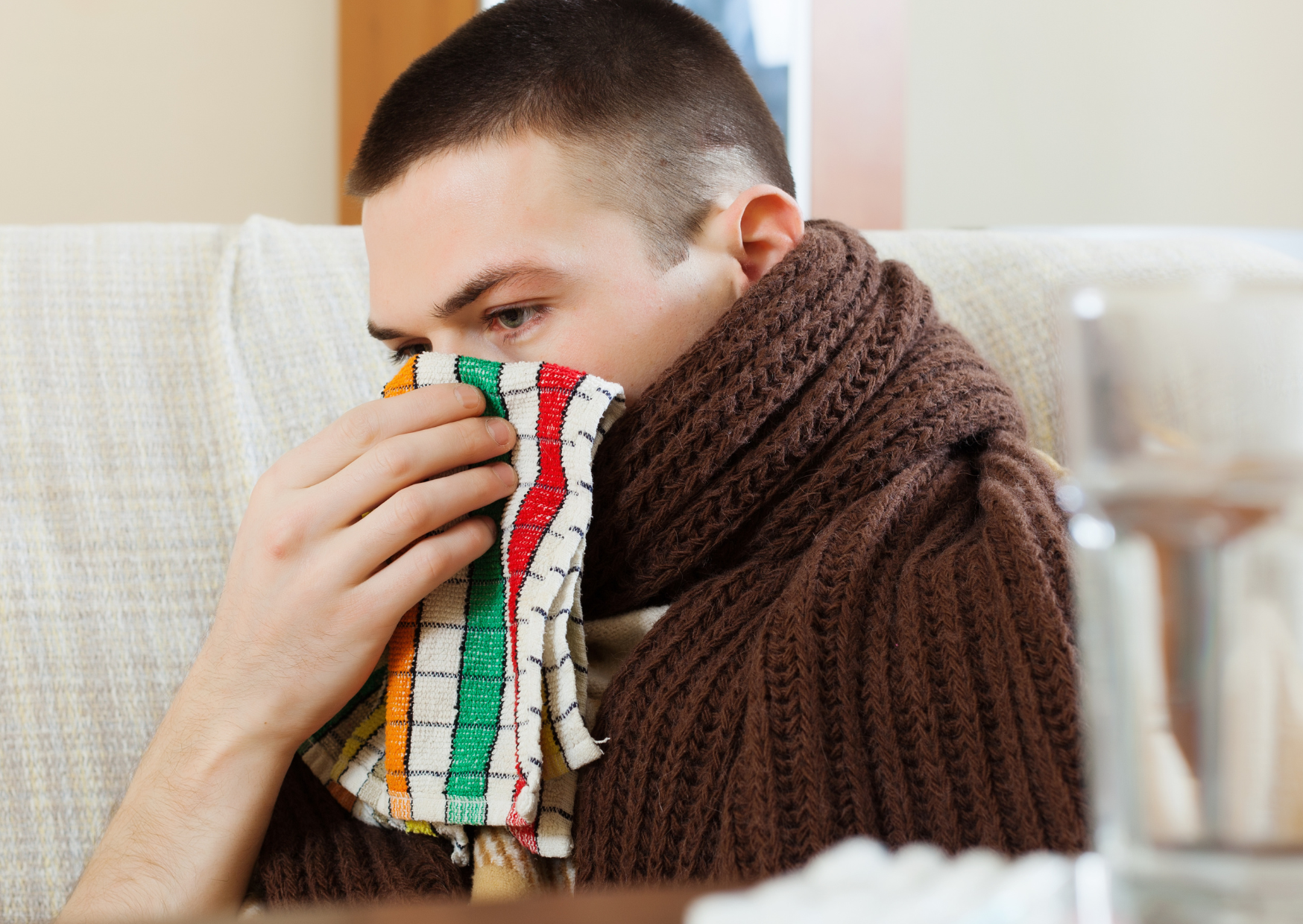
Americans often suppress nose-blowing in public. It’s seen as too loud, too intimate, too risky. People sniff, excuse themselves, or wait for private space.
In France, nose-blowing is direct and practical. You feel it coming, you address it, and you move on.
You don’t look for a restroom. You don’t apologize. You reach into your pocket, do what needs doing, and carry on.
What’s offensive in France? Constant sniffling. Postponing what could be solved in five seconds. Not carrying a tissue at all.
8. The Judgment Runs Both Ways
French people often find American tissue habits wasteful and childish.
They notice the trail of discarded tissues, the constant dabbing and sniffling, the over-reliance on products that solve nothing.
They see people blowing into a tissue, then immediately tossing it, only to reach for another. And they think, “What are you doing?”
To them, it’s the American obsession with disposal as hygiene that’s strange — not the idea of using a clean, washable cloth.
9. The Cultural Context Is Different — So the Scent Expectations Are Too
Part of what drives American disgust is the expectation that all bodily fluids be quickly neutralized, removed, or sanitized.
In France, the body is treated less like a threat. Scent, breath, skin, and yes — mucus — are part of being alive.
That doesn’t mean hygiene is dismissed. French people bathe, wash hands, and stay home when sick. But they’re less theatrical about the body.
The handkerchief, in this context, isn’t a throwback. It’s just another way to handle something human — with minimal fuss.
One Square of Cotton, Two Reactions
To Americans, the idea of blowing your nose into fabric — and reusing it — feels unsanitary, even revolting.
To French people, the idea of using tissue after tissue and throwing each one away feels juvenile, unnecessary, and worse — undignified.
To Americans, hygiene is about eliminating contact.
To the French, it’s about managing contact with care.
So if you’re in France and see someone calmly unfolding a cloth square from their pocket, don’t stare. Don’t recoil. Don’t assume they’re clinging to an outdated ritual.
They’re practicing a habit that’s as French as butter and café noir:
A little bit old-fashioned, a little bit stubborn — and completely intentional.

About the Author: Ruben, co-founder of Gamintraveler.com since 2014, is a seasoned traveler from Spain who has explored over 100 countries since 2009. Known for his extensive travel adventures across South America, Europe, the US, Australia, New Zealand, Asia, and Africa, Ruben combines his passion for adventurous yet sustainable living with his love for cycling, highlighted by his remarkable 5-month bicycle journey from Spain to Norway. He currently resides in Spain, where he continues sharing his travel experiences with his partner, Rachel, and their son, Han.