
And what it reveals about trust, taste, and why tradition sometimes ignores expiration dates
Step into the kitchen of a traditional Spanish home — especially one outside a major city — and you might notice something that would set off alarms in the mind of any food safety-conscious American.
A whole leg of pork hanging from a wooden stand in the corner. No refrigeration. No packaging. No use-by label. A cloth draped casually over the exposed bone. Slices cut off now and then, sometimes for weeks, sometimes for months.
And no one is worried. In fact, it’s celebrated.
That leg is jamón — dry-cured Spanish ham — and in homes across Spain, families store, slice, and serve it at room temperature, often long after an American would assume it’s spoiled.
This is just one example of the deeply ingrained meat preservation traditions that flourish across Spain. Whether it’s dry-aged beef, salt-cured pork, blood sausage, or homemade chorizo hanging from kitchen rafters, Spanish meat culture runs directly against American ideas of food safety, refrigeration, and regulation.
Here’s why the way Spanish families handle meat at home would send the FDA into a frenzy — and why, for locals, these habits aren’t dangerous. They’re delicious, ancestral, and perfectly under control.
Want More Deep Dives into Everyday European Culture?
– Why Europeans Walk Everywhere (And Americans Should Too)
– How Europeans Actually Afford Living in Cities Without Six-Figure Salaries
– 9 ‘Luxury’ Items in America That Europeans Consider Basic Necessities
1. A Whole Jamón Left at Room Temperature for Months, Sometimes Longer
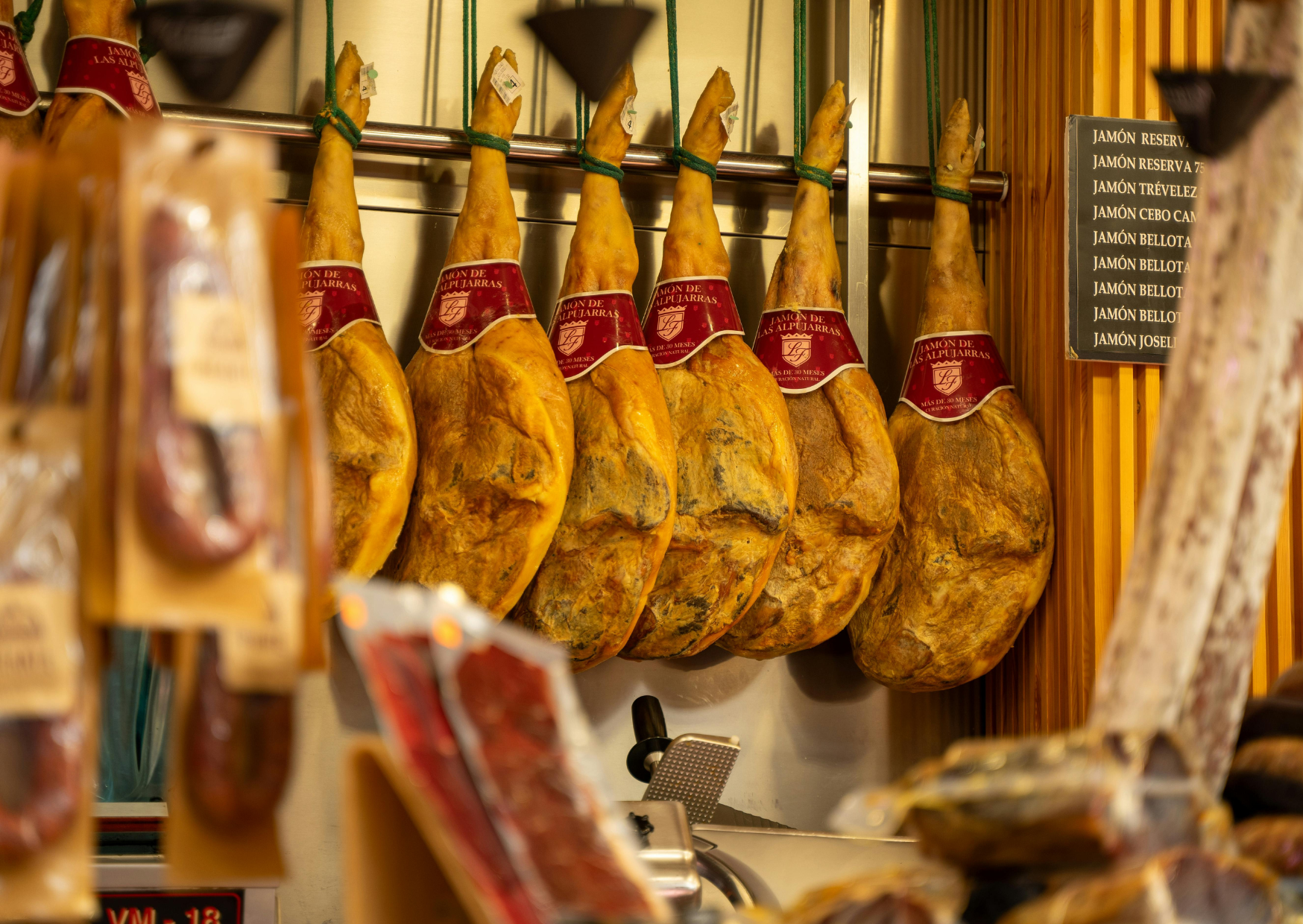
In an American kitchen, any meat product left unrefrigerated for more than a few hours is considered unsafe. “Keep refrigerated below 40°F” is printed on nearly every package.
But in Spain, a whole cured leg of jamón ibérico or serrano is expected to sit at room temperature — even in summer — for weeks or months.
No refrigeration. No vacuum sealing. Just a proper curing process that dries, salts, and preserves the meat before it ever arrives in the home.
The exposed part is covered with a towel. Mold might appear. It’s wiped off. The meat is sliced thin and eaten raw. It’s served to guests. It’s used in sandwiches for children.
And no one panics.
2. Homemade Chorizo Hanging from Hooks in the Kitchen
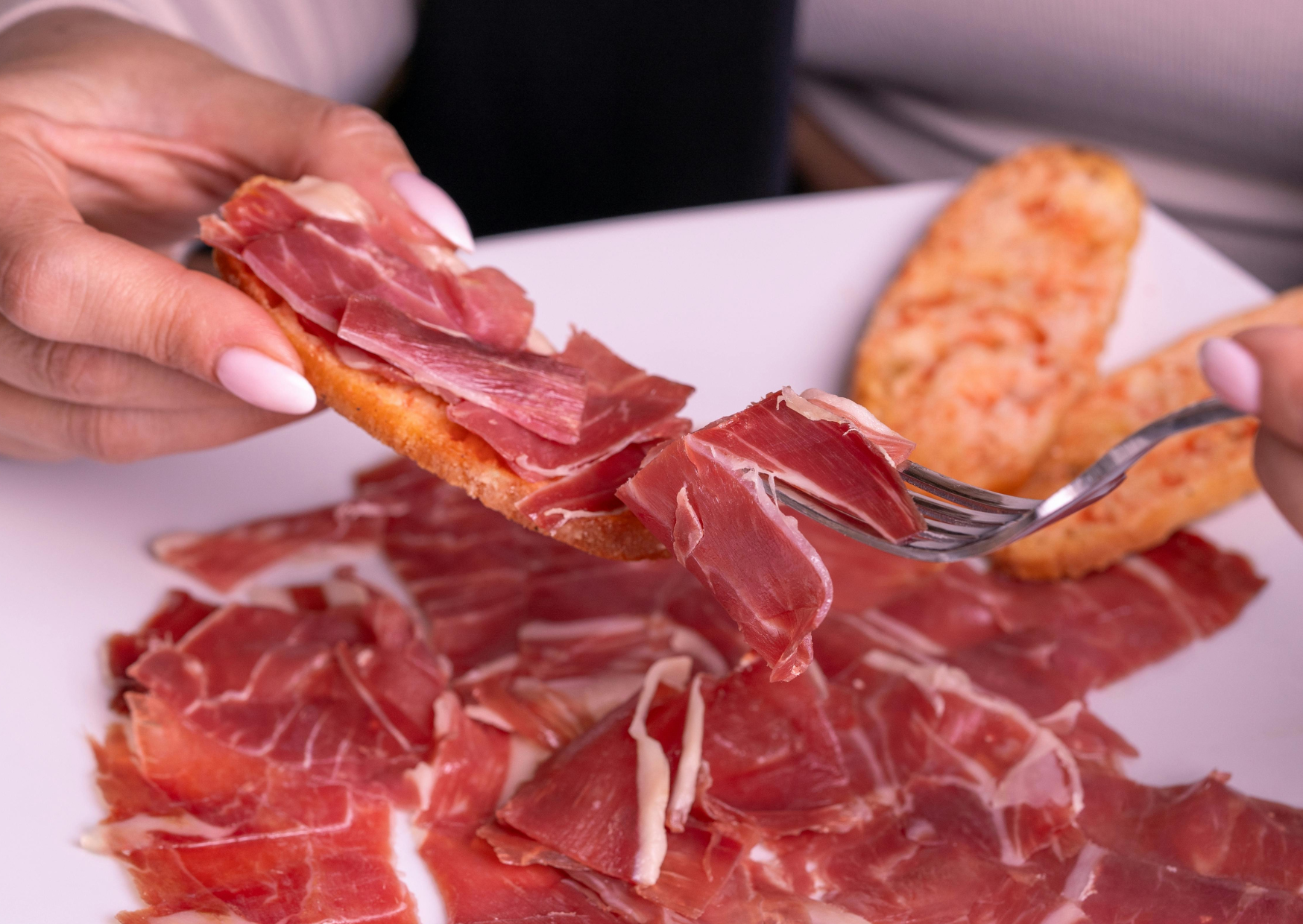
In rural areas, and even some suburban households, it’s still common to find homemade chorizos — raw, cured sausages seasoned with garlic, paprika, and salt — hanging from hooks in a pantry or cool room.
They hang for days or weeks, depending on humidity, until they firm up and deepen in flavor. Sometimes, they’re vacuum sealed later. Other times, they’re sliced directly off the string.
To American food safety officials, this would be an unregulated biohazard. Raw meat. Ambient temperature. No USDA oversight.
But to Spanish families, it’s simply the way it’s always been done.
3. Aging Beef in Home Fridges on Purpose
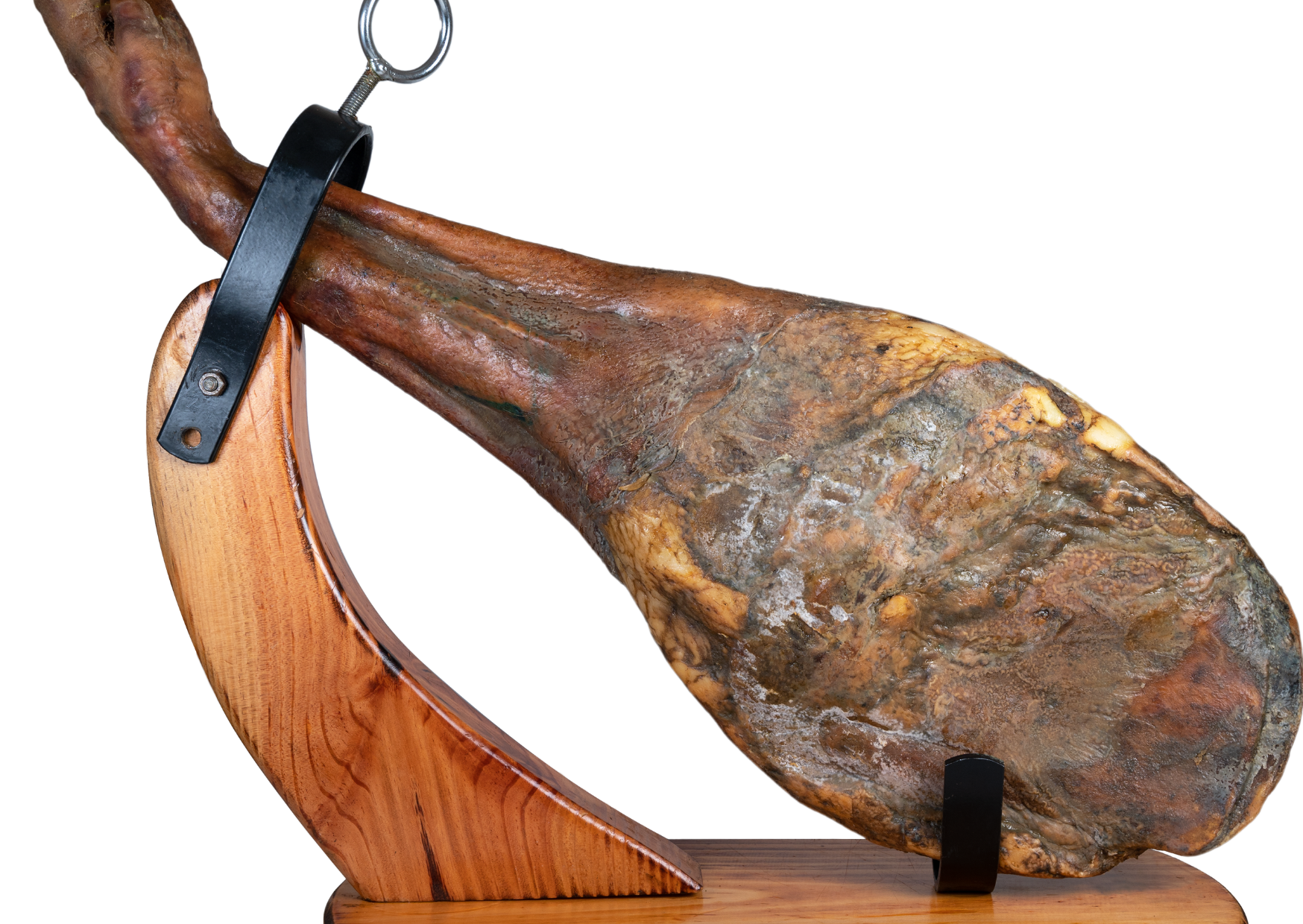
In high-end restaurants, dry-aged beef is stored in temperature- and humidity-controlled cabinets, carefully monitored.
In Spanish households, it’s not unusual for butchers to offer chuletón — bone-in ribeye — that you’re told to “age a few more days” at home. Some families go further, aging the meat in their home fridge, wrapped in cloth or butcher paper, for added flavor.
Yes — that means meat intentionally kept just above spoilage, in a family fridge.
Americans are taught to throw out meat if it’s turned slightly gray. Spaniards might call that perfect for the grill.
4. Morcilla and Other Blood-Based Products That Don’t Need Cold
Morcilla — Spanish blood sausage — is a staple in many households, and often kept unrefrigerated if it’s been properly cured or dried.
The key? Salt, spice, and time. These traditional preservation methods date back centuries. And when morcilla is firm and dry, it can sit in a pantry for days — sliced and fried as needed.
In American kitchens, the word “blood” alone would cause alarm, never mind the storage. But in Spain, it’s just another item on the shelf — stored with the same care as olive oil or garlic.
5. Trusting the Nose, Not the Expiration Date
One of the clearest cultural differences is how freshness is judged.
In the U.S., expiration dates are law. A piece of meat that hits its printed date is tossed, often unopened. American kitchens are trained to believe that a label knows more than the senses.
In Spain, people use their nose, their fingers, and their eyes. A bit of mold? Scrape it. A dry edge? Cut it off.
If it smells fine and tastes good — it’s good.
This isn’t recklessness. It’s confidence in understanding food, something that comes from generations of practice.
6. Zero Fear of Mold (Unless It’s the Bad Kind)
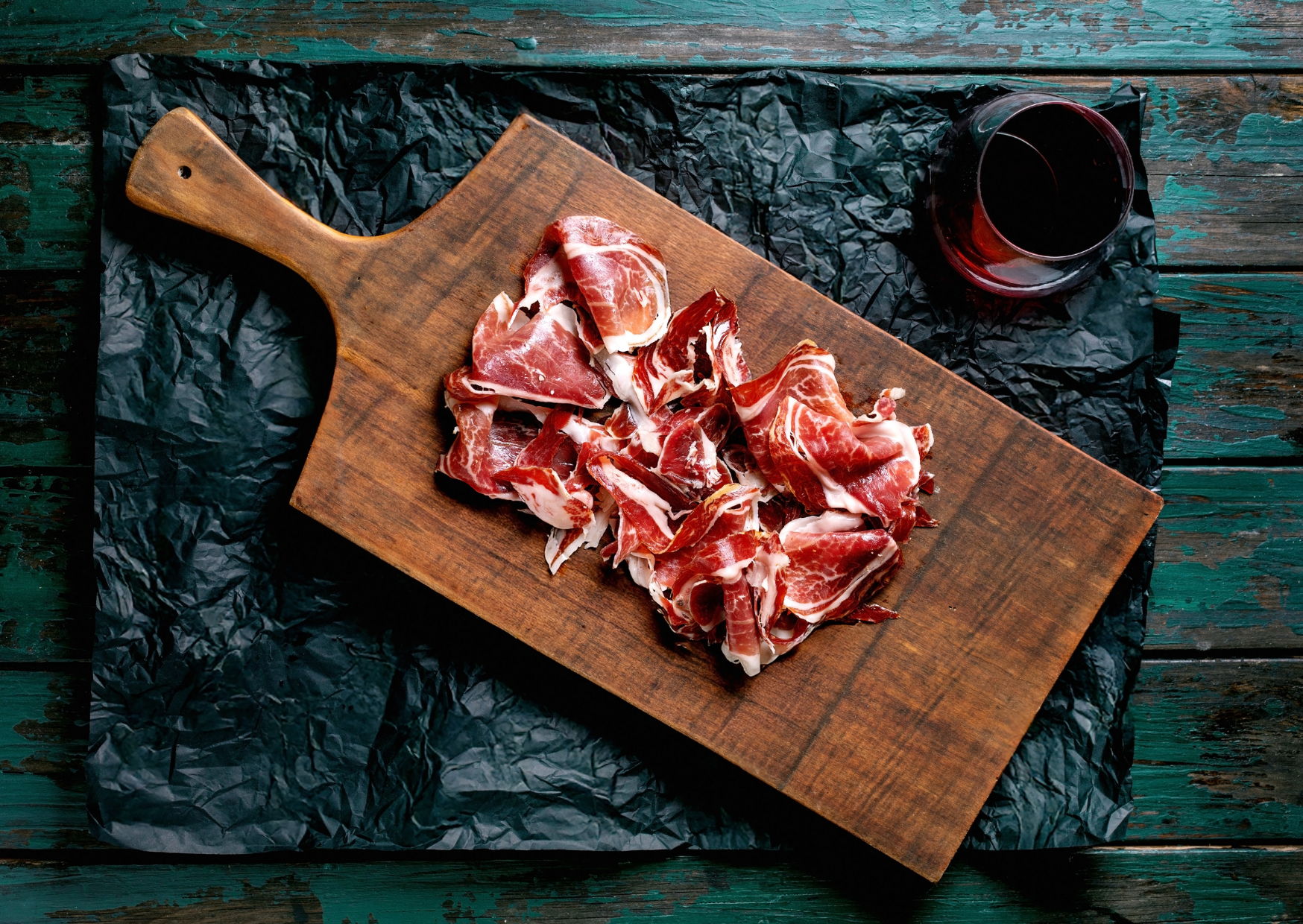
If mold appears on a block of cheese or the edge of jamón, the reaction in the U.S. is almost always the same: throw it away.
In Spain? Mold is part of life.
Soft mold on the outer fat of cured ham? Wipe it. White film on a homemade sausage? Normal. It’s a sign that natural fermentation is doing its work.
What’s dangerous is green or black mold deep inside a product — and people here know how to spot that. But everyday surface mold? Not scary. Just something to clean and move on.
7. Meat Is Bought in Larger Cuts and Stretched Over Time
In the U.S., meat is often purchased in pre-portioned, sealed packs — consumed within days.
In Spain, people often buy larger cuts, especially for pork or beef. A half pig, a whole leg, a block of ribs — portioned and stored across weeks.
And because cured meats don’t need refrigeration, they’re left out, sliced over time, and enjoyed slowly. Nothing rushed. Nothing panicked.
Americans are taught to store food by refrigeration. Spaniards are taught to store by tradition.
8. Butchers Still Cure Meat Themselves Without Corporate Oversight
Much of the meat you see in Spanish markets is prepared and aged at the butcher, often with techniques passed down for generations. Salt levels. Air drying. Hanging times. No barcode. No factory.
That meat makes it into homes — not as vacuum-packed goods with printed safety notices, but as living food, meant to age further.
The FDA would shut this down — not because it’s unsafe, but because it’s not standardized.
Spaniards trust their butcher more than a label. And that trust, for many families, replaces the need for regulation.
9. No One Treats Meat Like It’s Toxic Even When It Ages
Perhaps the most striking difference is emotional.
In the U.S., meat is treated like a perishable hazard. A ticking clock. A liability. You sanitize the counter. Wash your hands constantly. Fear contamination.
In Spain, meat is a raw material to be shaped. Salted. Dried. Sliced. Aged. Shared. Trusted.
That calm approach creates fewer rules — and less anxiety. A little exposure? A missed day in the fridge? The family doesn’t panic. They adapt, and they continue eating.
One Product, Two Mindsets
To the FDA, Spain’s home meat aging culture would be reckless. Unregulated. Potentially dangerous.
To Spanish families, it’s one of the most respected, delicious, and practical traditions they have — rooted in knowledge, not fear.
In the U.S., food safety is built around regulation.
In Spain, food safety is built around relationship — to food, to time, to taste, and to experience.
So the next time you see a jamón hanging in someone’s kitchen, or a string of chorizos drying in the pantry, don’t flinch.
It’s not a health code violation.
It’s a living piece of history — being served one slice at a time.

About the Author: Ruben, co-founder of Gamintraveler.com since 2014, is a seasoned traveler from Spain who has explored over 100 countries since 2009. Known for his extensive travel adventures across South America, Europe, the US, Australia, New Zealand, Asia, and Africa, Ruben combines his passion for adventurous yet sustainable living with his love for cycling, highlighted by his remarkable 5-month bicycle journey from Spain to Norway. He currently resides in Spain, where he continues sharing his travel experiences with his partner, Rachel, and their son, Han.