
And what it reveals about family roles, personal space, and a cultural comfort with closeness that goes far beyond weddings
In the United States, one of the most universal relationship punchlines is about the in-laws. Particularly the mother-in-law.
She’s too nosy. Too close. Too opinionated. And the solution — whether through jokes, sitcoms, or real estate planning — is distance. Preferably several zip codes’ worth.
For American couples, emotional health is often framed around physical space. Living near in-laws, especially a mother-in-law, is associated with tension, drama, and the potential collapse of independence.
In Spain, that mindset doesn’t exist. In fact, many Spanish couples choose to live within walking distance of one or both sets of parents, and often — especially after children arrive — they prefer it.
Not only do they not panic at the idea of a mother-in-law nearby, they rely on it. And the cultural logic behind this choice runs deep.
Here’s why Spanish people prefer living close to their in-laws — especially their mother-in-law — and why the same situation would cause many Americans to spiral into panic or start checking real estate listings two towns over.
Want More Deep Dives into Everyday European Culture?
– Why Europeans Walk Everywhere (And Americans Should Too)
– How Europeans Actually Afford Living in Cities Without Six-Figure Salaries
– 9 ‘Luxury’ Items in America That Europeans Consider Basic Necessities
1. Family Proximity Is Viewed as an Asset Not a Threat

In American culture, newly married or cohabiting couples are often encouraged to “establish boundaries” and “build their own life” — separate from their families.
Living too close to your parents is seen as a failure to launch, a sign of dependence, or worse, a recipe for disaster.
In Spain, the logic is reversed. If your mother-in-law lives five minutes away, that’s practical. If your parents are downstairs, that’s ideal.
You’re not failing to be an adult — you’re making life work more smoothly. Help is nearby. Support is immediate. No one needs to drive across town to babysit or deliver soup.
2. Mothers-in-Law Are Involved And That’s the Point

In the U.S., in-laws are often expected to keep their distance unless explicitly invited.
In Spain, mothers-in-law are present, often daily. They come for lunch. They help with laundry. They walk grandchildren to school. They give unsolicited advice — and are usually thanked for it.
This isn’t about controlling the couple’s life. It’s about maintaining an ecosystem of multi-generational support.
There’s no awkward “talk” about boundaries. Everyone knows the rhythm. And while jokes about “la suegra” exist in Spain too, they’re laced with affection — not fear.
3. Grandparent Involvement in Childcare Is Expected
In America, childcare is typically seen as a paid service — something outsourced or scheduled.
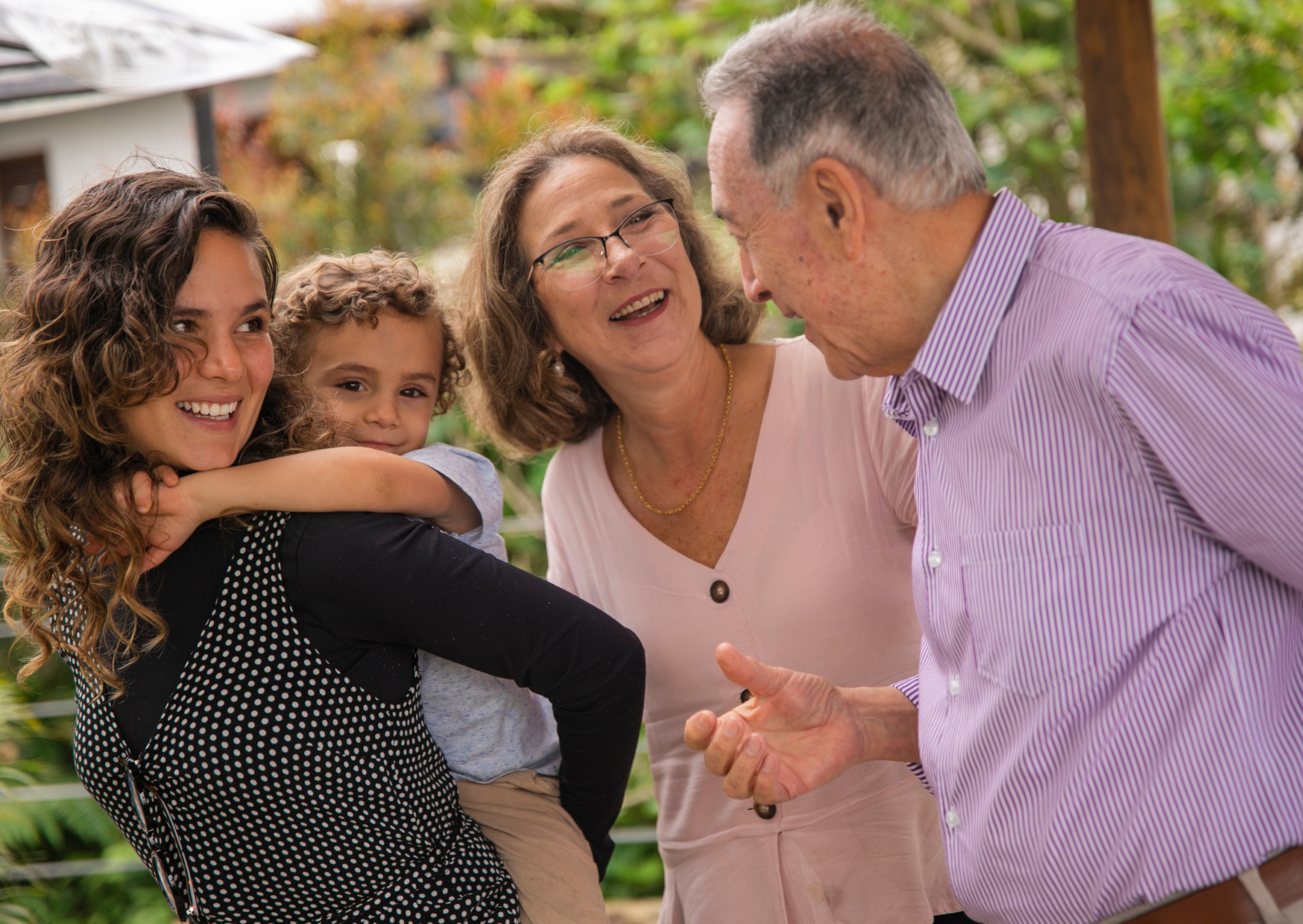
In Spain, grandparents, especially grandmothers, are central. If your mother-in-law lives nearby, she likely picks the kids up from school. Watches them after work. Cooks for them. Keeps them overnight — regularly.
This isn’t a desperate favor. It’s how the system is built.
Many Spanish working parents rely on this informal, trusted help — and mothers-in-law take pride in being needed.
Americans might see this as intrusive. Spaniards see it as family.
4. Couples Are Not Expected to Function in Isolation

In the U.S., young couples often pride themselves on doing everything alone. From cooking to cleaning to parenting to managing crises — independence is the goal.
In Spain, this expectation doesn’t exist. Life is viewed as collective, not solo.
So when your mother-in-law shows up unannounced with a tupperware of lentils or offers to help fix the curtains, it’s not a power grab. It’s routine.
American couples might fear dependency or blurred boundaries. Spanish couples appreciate the shared load.
5. Multi-Generational Housing Still Exists Without Shame
In the U.S., living with in-laws is often treated as a last resort — a sign of financial struggle or failure.
In Spain, especially in rural areas and smaller towns, multi-generational housing is normal. Newlyweds live upstairs. Parents live below. Kids grow up with grandparents in the next room.
There’s no embarrassment. No rush to “get out.” If anything, it’s a comfort.
This arrangement provides stability, warmth, and a shared rhythm of life that many Americans never experience — and might even dread.
6. Private Life Isn’t Guarded with the Same Anxiety
One reason Americans panic at the thought of a mother-in-law living nearby is the fear of constant interference — the idea that private life will no longer be private.
In Spain, the threshold for what counts as “private” is very different.
Daily interactions, shared meals, unfiltered opinions — these don’t violate privacy. They form intimacy.
You don’t hide your mess. You don’t pretend everything’s perfect. You let your mother-in-law see the inside of your fridge — and your relationship — because that’s what family means.
7. Elders Remain Relevant Not Shelved

American aging culture tends to emphasize independence until decline, then institutionalization. Elders are expected to “age gracefully” without becoming a burden.
In Spain, aging doesn’t remove someone from relevance — especially mothers and mothers-in-law.
They remain central. Their knowledge is valued. Their food is loved. Their presence is assumed.
When they live nearby, their life intertwines with their children’s lives — and no one questions that arrangement.
8. The Neighborhood Is Designed for It
Spanish cities and towns are built around proximity — not car-based sprawl. It’s common for multiple generations to live within walking distance, even in urban areas.
You might run into your mother-in-law at the butcher. Or the pharmacy. Or she might pop in “just for a minute” and stay for coffee and laundry folding.
This closeness isn’t orchestrated — it’s baked into the geography.
There’s no need for elaborate scheduling. Family happens organically, not by appointment.
9. Closeness Builds Resilience Not Resentment
The American fear of living near a mother-in-law is based on the idea that proximity breeds tension.
But in Spain, proximity breeds resilience.
Disagreements happen. Frustrations arise. But people don’t avoid each other to solve them. They talk. They vent. They make a tortilla and move on.
Distance is not the solution to conflict. Closeness — and the emotional maturity to live with imperfections — is.
One Family, Two Realities
To Americans, the idea of a mother-in-law living next door sounds like a sitcom disaster.
To Spaniards, it sounds like a functional support system.
In the U.S., family closeness must be earned, regulated, and managed.
In Spain, it’s assumed, expected, and welcomed.
One culture guards boundaries to protect personal autonomy.
The other blurs them to protect shared life.
So if you’re in Spain and a friend casually mentions that their mother-in-law lives two doors down, or comes over daily to cook lunch, don’t react with horror. Don’t offer sympathy.
Offer admiration.
Because in that closeness is a kind of resilience, warmth, and grounded joy that many modern families have forgotten how to even look for.

About the Author: Ruben, co-founder of Gamintraveler.com since 2014, is a seasoned traveler from Spain who has explored over 100 countries since 2009. Known for his extensive travel adventures across South America, Europe, the US, Australia, New Zealand, Asia, and Africa, Ruben combines his passion for adventurous yet sustainable living with his love for cycling, highlighted by his remarkable 5-month bicycle journey from Spain to Norway. He currently resides in Spain, where he continues sharing his travel experiences with his partner, Rachel, and their son, Han.