
And what it reveals about food rhythm, oral habits, and how each culture defines freshness
For many Americans, brushing their teeth is the final act of the morning routine — the last step before heading out the door, before eating anything, before that first sip of coffee. It’s a seal. A reset button. The signal that your mouth is “done” and ready for the day.
So when Americans visit Spain and notice that people are brushing their teeth after breakfast — and more specifically, after coffee — confusion follows.
To many Spanish people, brushing before coffee is pointless. You’re about to eat. You’re about to drink something strong. Why would you brush your teeth only to coat them in espresso minutes later?
Here’s why Spanish people brush their teeth after coffee while Americans do it before — and what this small difference says about two very different approaches to daily rhythm, oral hygiene, and how a culture times its sense of “readiness.”
Want More Deep Dives into Everyday European Culture?
– Why Europeans Walk Everywhere (And Americans Should Too)
– How Europeans Actually Afford Living in Cities Without Six-Figure Salaries
– 9 ‘Luxury’ Items in America That Europeans Consider Basic Necessities
1. In Spain, You Don’t Start the Day With an Empty Mouth
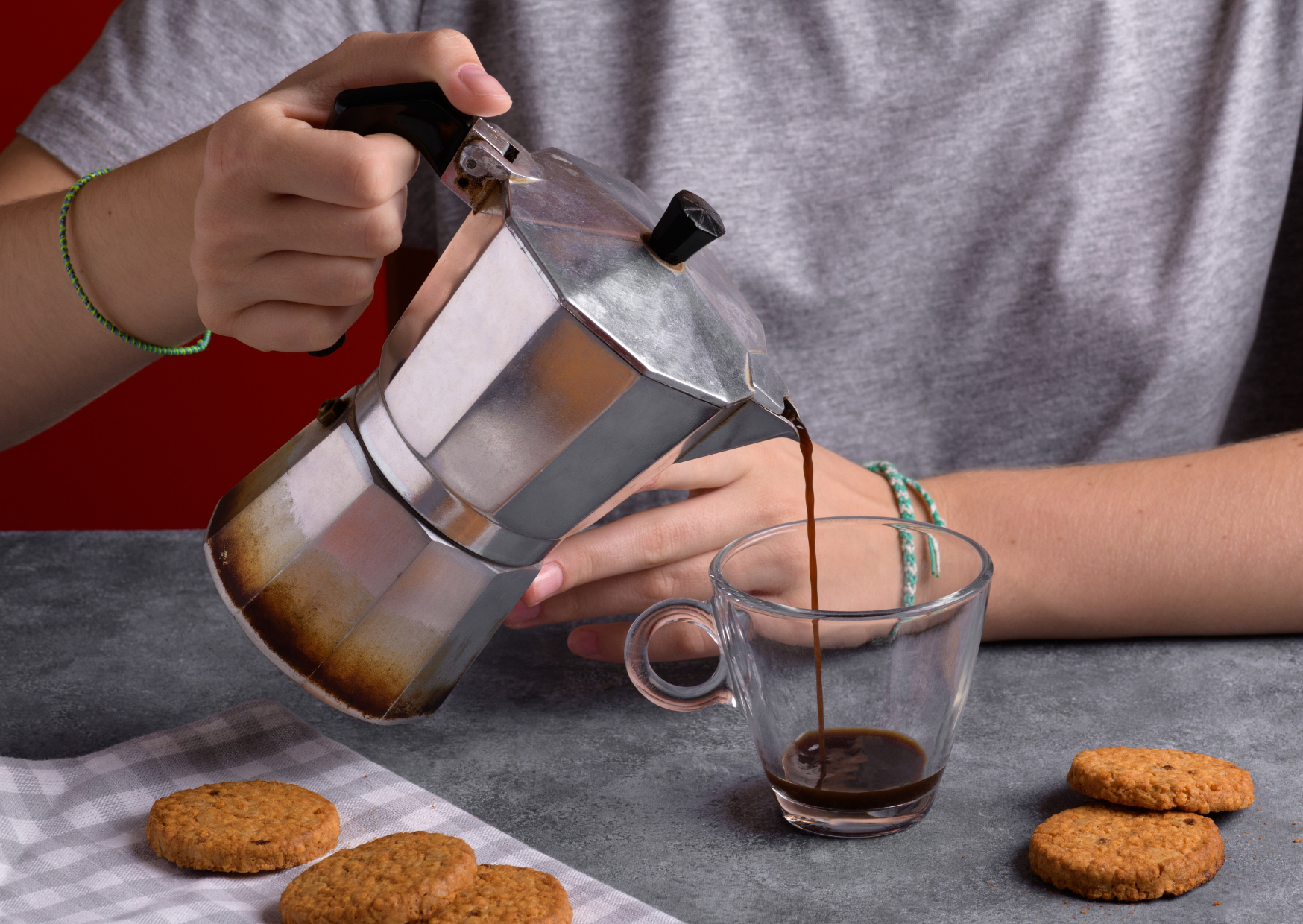
Americans often brush their teeth immediately upon waking. It’s not even tied to breakfast — it’s just part of waking up. The logic is internal: you slept, your breath is bad, your teeth feel fuzzy, so you clean them.
In Spain, you start the day with breakfast first — sometimes while still half-dressed, still groggy, still in slippers.
Coffee, toast, maybe something sweet. Then you shower. Then you brush.
The mouth isn’t cleaned to start the day. It’s cleaned to finish breakfast.
It’s a practical sequence — not a symbolic one.
2. Coffee Isn’t Rushed — So Neither Is Brushing

In the U.S., coffee is often consumed in transit. A travel mug, a drive-thru cup, a to-go order. You might brush, then drink coffee during your commute. The routine is built for movement.
In Spain, coffee is anchored. It’s sipped slowly. Often at home. Sometimes standing at a café bar. It’s not something you do while multitasking.
Because of that, you don’t pre-brush and then ruin the taste. You drink your coffee with your normal mouth. You enjoy the flavor fully. Then, once you’re done — you brush.
To Spanish sensibilities, brushing before coffee is like washing the dishes before eating.
3. Fresh Breath Is Expected After, Not Before
In American culture, fresh breath is something you prepare in advance. You don’t want morning breath in a meeting, or even in your own car. The minty scent becomes a social shield — even if you’re about to undo it with breakfast.
In Spain, breath management happens after meals. If you’re going to interact with people after coffee, that’s when you freshen up.
You don’t worry about minty breath during your first coffee of the day — you worry about not smelling like coffee afterward.
It’s not about controlling first impressions. It’s about realistically responding to what you just consumed.
4. Brushing After Meals Is More Common in Spain
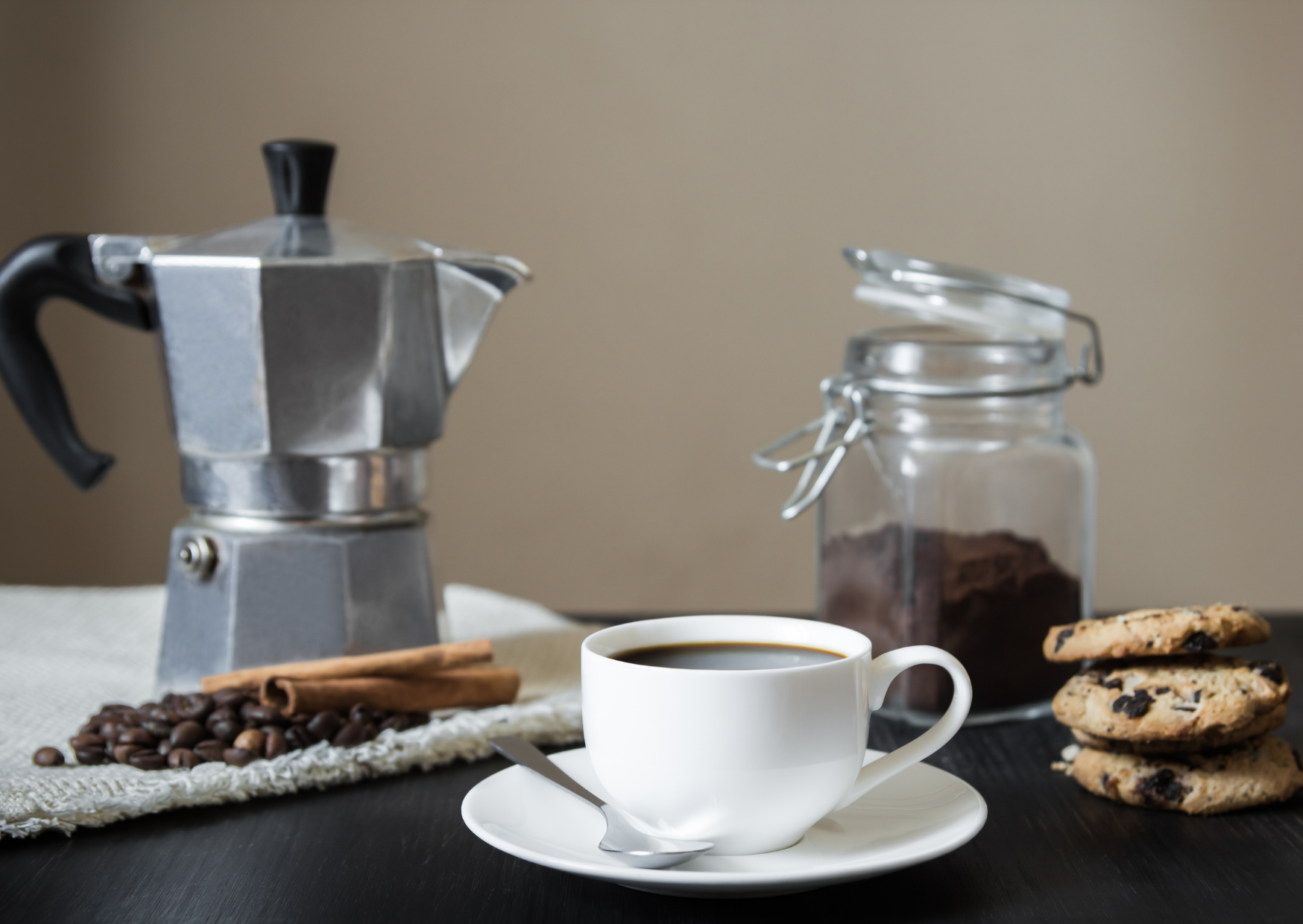
In the U.S., brushing happens twice a day: morning and night. Sometimes a third time if you’re feeling diligent. But brushing after breakfast isn’t always part of the ritual.
In Spain, brushing after meals — including breakfast — is very common. You might brush after lunch too, especially if you’re home or working close by. Many Spanish schools even schedule time for kids to brush after lunch.
It’s built into the culture: you eat, then you clean. Not the other way around.
That pattern carries into adulthood without resistance — it’s simply how the day flows.
5. Brushing Before Coffee “Ruins the Flavor”
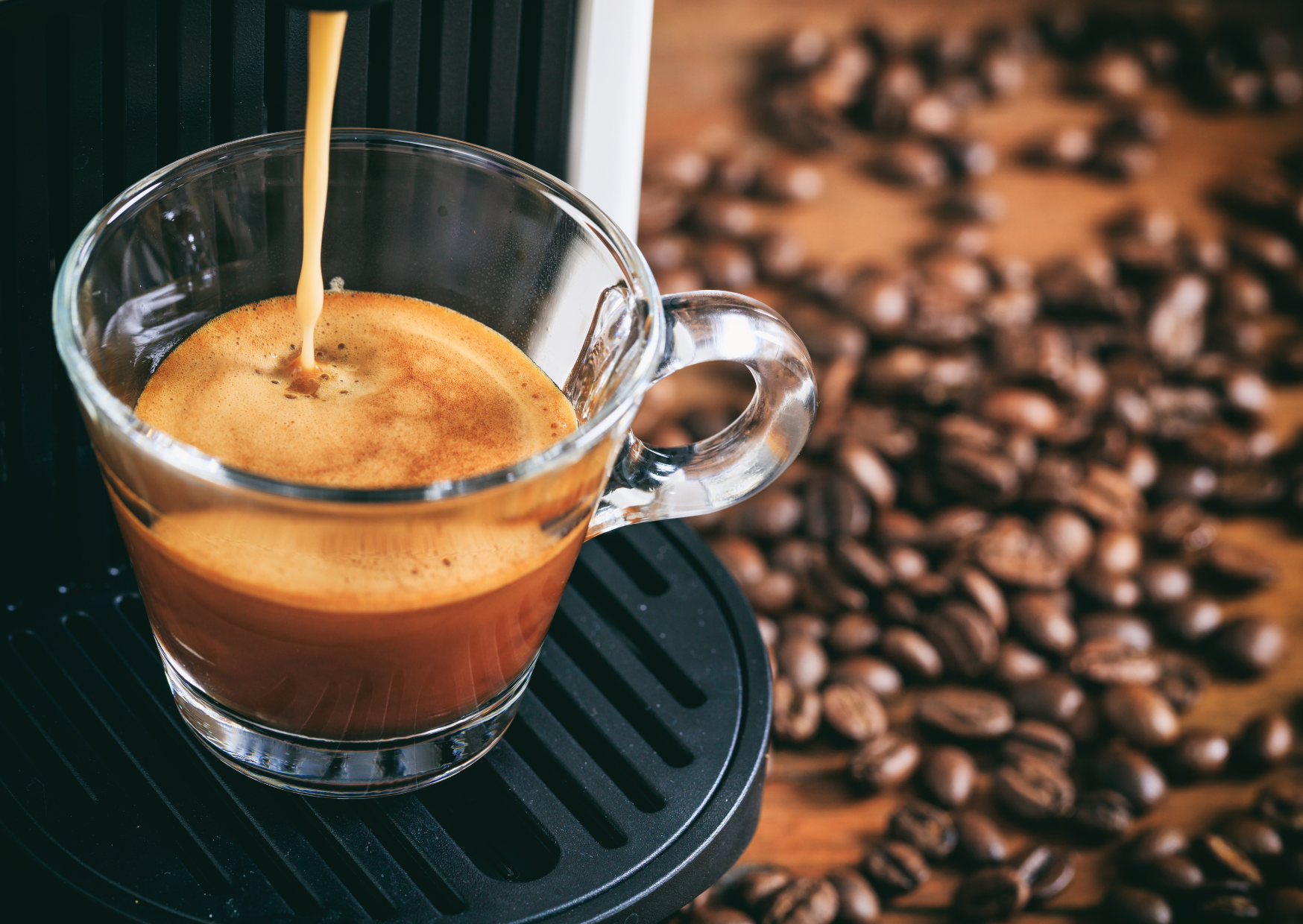
Ask a Spaniard why they don’t brush first thing in the morning, and you’ll often get the same answer: “It makes the coffee taste bad.”
And they’re right.
Mint and espresso don’t mix well. The flavor is dulled, distorted, or made bitter.
In Spain, where coffee is sacred — even in its simplest form — no one wants to mess with the taste. Especially not with toothpaste.
So you drink coffee with your natural morning mouth — and then brush to remove the flavor, not prepare for it.
6. The Morning Routine in Spain Is Slower — and More Flexible
American mornings are structured. The alarm rings, the clock starts ticking, and every step — shower, brush, dress, leave — is scheduled with military precision.
In Spain, especially in households that follow traditional rhythms, mornings are softer.
There’s time for coffee. A little breakfast. Conversation. Maybe another round of toast. Then — later — teeth are brushed, faces washed, clothes changed.
Because the rhythm is different, the logic around brushing shifts, too. It’s not the final seal before public life — it’s part of a slower transition from private to public.
7. American “Clean” Culture Is More Visual — Spanish Hygiene Is Cyclical

In American culture, cleanliness is often symbolic. You brush to feel fresh, smell minty, and look ready. Even if the food comes later, even if the scent fades quickly, you start with a clean slate.
In Spain, hygiene is more tied to the flow of daily events.
You don’t wash before a meal. You wash after. You don’t brush just to feel clean — you brush because you just ate or drank something that should now be removed.
There’s less performance, more response. The body isn’t managed in anticipation — it’s maintained in rhythm.
8. Brushing Before Coffee Doesn’t Make Sense If You Eat Right Away

In Spain, breakfast and coffee usually happen within minutes of waking up. You don’t spend thirty minutes reading emails or stretching. You head to the kitchen. You eat.
Brushing before breakfast would interrupt the routine.
Why scrub your teeth only to smear them with toast, butter, and strong coffee right after?
So instead, you brush after — while the coffee’s still warm on your breath. While you’re still home. While the day hasn’t fully begun.
And it feels more logical, more satisfying, more complete.
9. The Mouth Isn’t a Battle Zone — It’s Part of Life
American oral culture is based on management and protection. You brush, floss, whiten, rinse, and spray to guard against bacteria, breath, and judgment.
In Spain, the mouth is just another part of the body — not a threat. Not a project. Not a zone of shame.
Brushing happens regularly, but without obsession. Whitening products are rare. Dental visits are routine, not evangelical.
And so brushing after coffee is simply part of cleanup — not a panic move to erase yourself before you step into the world.
One Cup, Two Habits
To Americans, brushing teeth before coffee is a standard. To Spaniards, it’s a mistake.
One culture brushes to signal readiness. The other brushes to reset.
One prepares. The other responds.
One tries to present the mouth as minty and untouched. The other accepts that coffee is real — and cleanup comes later.
So if you find yourself in a Spanish household where everyone has their café con leche before stepping near a toothbrush, don’t worry.
They’re not lazy.
They’re just following a different logic — one built on taste, timing, and the quiet belief that freshness doesn’t need to come before flavor.

About the Author: Ruben, co-founder of Gamintraveler.com since 2014, is a seasoned traveler from Spain who has explored over 100 countries since 2009. Known for his extensive travel adventures across South America, Europe, the US, Australia, New Zealand, Asia, and Africa, Ruben combines his passion for adventurous yet sustainable living with his love for cycling, highlighted by his remarkable 5-month bicycle journey from Spain to Norway. He currently resides in Spain, where he continues sharing his travel experiences with his partner, Rachel, and their son, Han.