
And what it reveals about architecture, habits, and how Italians keep their homes livable with centuries-old logic instead of climate control
You’ve just checked into an apartment in Rome or Florence in July. It’s 2 p.m., the streets are quiet, the sun is harsh, and your American body is already hunting for the A/C remote.
But there’s none.
Or maybe there is, but it’s a wall unit with limited reach, a timer, and a warning not to run it for more than two hours at a time.
You wonder how anyone lives like this.
Then you realize the apartment is surprisingly cool. Not icy, not humid — just…bearable. Even comfortable, if you stop moving. The windows are closed, the shutters drawn, the lights off. The house is calm.
And outside, the neighbors are doing the same thing.
Here’s why Italian homes stay cool without the round-the-clock air conditioning Americans rely on — and what that difference says about design, energy, rhythm, and how cultures adapt to heat in radically different ways.
Want More Deep Dives into Everyday European Culture?
– Why Europeans Walk Everywhere (And Americans Should Too)
– How Europeans Actually Afford Living in Cities Without Six-Figure Salaries
– 9 ‘Luxury’ Items in America That Europeans Consider Basic Necessities
1. Italian Architecture Was Built for Heat Before Electricity Existed
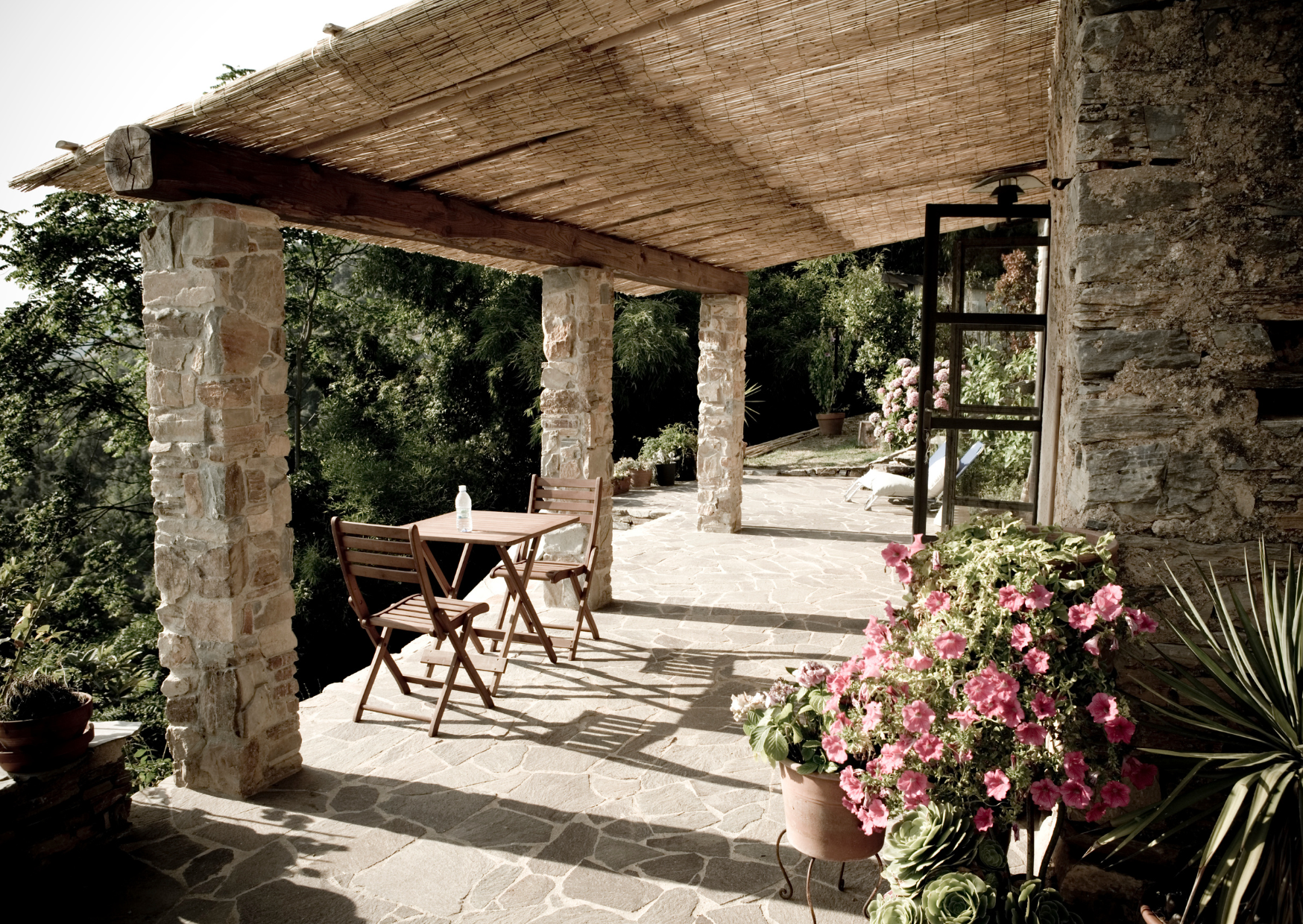
Italian buildings — especially older ones — were designed with thermal efficiency in mind.
Thick stone or plaster walls regulate interior temperature, absorbing heat during the day and releasing it slowly at night. High ceilings draw warm air upward. Shutters and overhangs block direct sunlight.
Before modern cooling, these passive techniques were the only defense against southern Europe’s sun. And they still work.
In the U.S., homes are built assuming A/C will do the work. In Italy, homes are designed so they don’t need to rely on it as much.
2. Shutters Aren’t Decorative — They’re Strategic
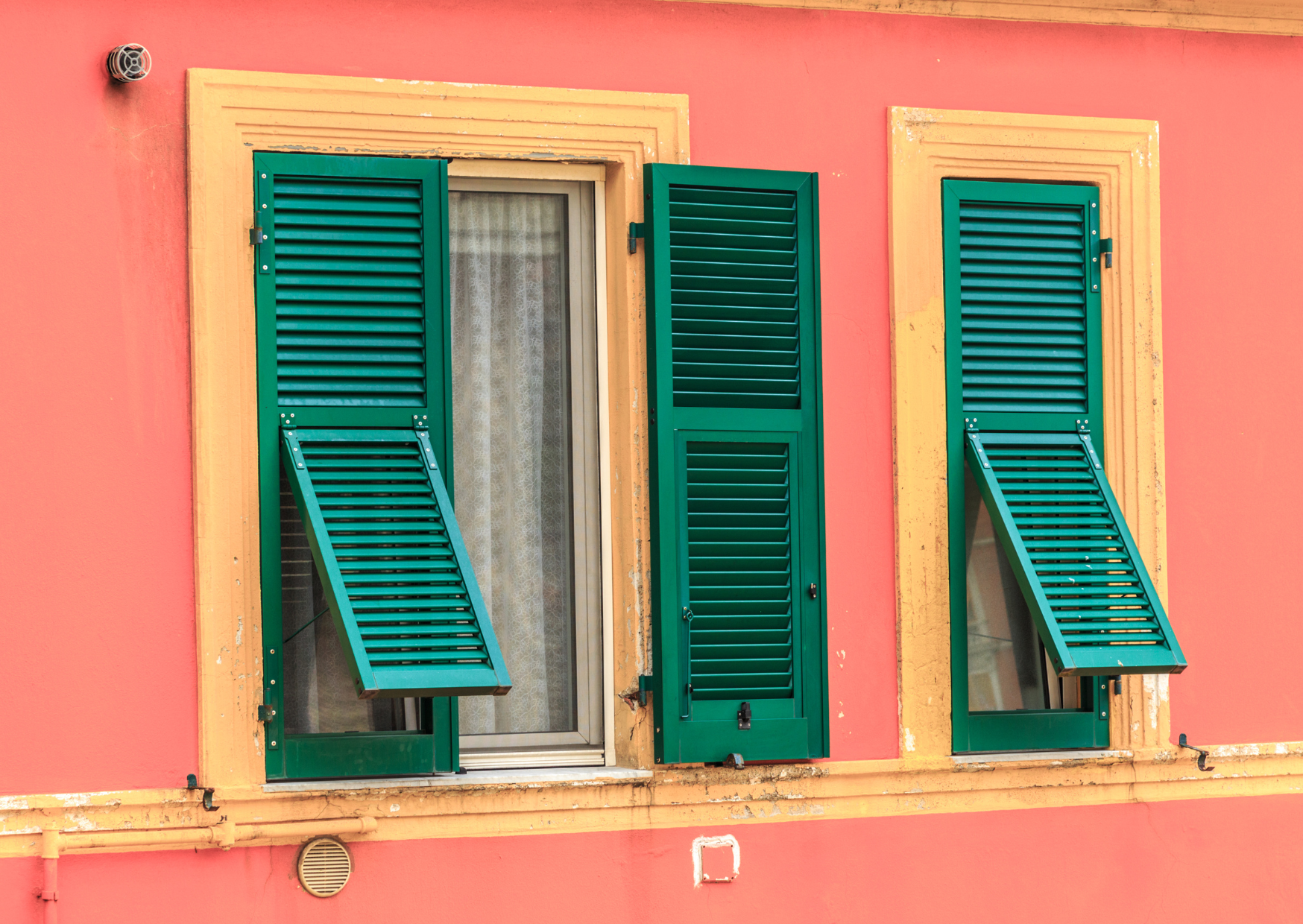
In Italy, almost every window has external shutters — often wood or metal, designed to block heat while allowing ventilation.
They’re closed during peak sunlight hours and opened when the sun lowers.
This simple habit — close up when it’s hot, open when it’s cool — keeps homes dramatically cooler without any machines. Light is sacrificed for comfort. Darkness equals relief.
To Americans, shuttering your house in the middle of the day feels strange. To Italians, it’s basic seasonal literacy.
3. Air Conditioning Exists — But It’s Used Differently
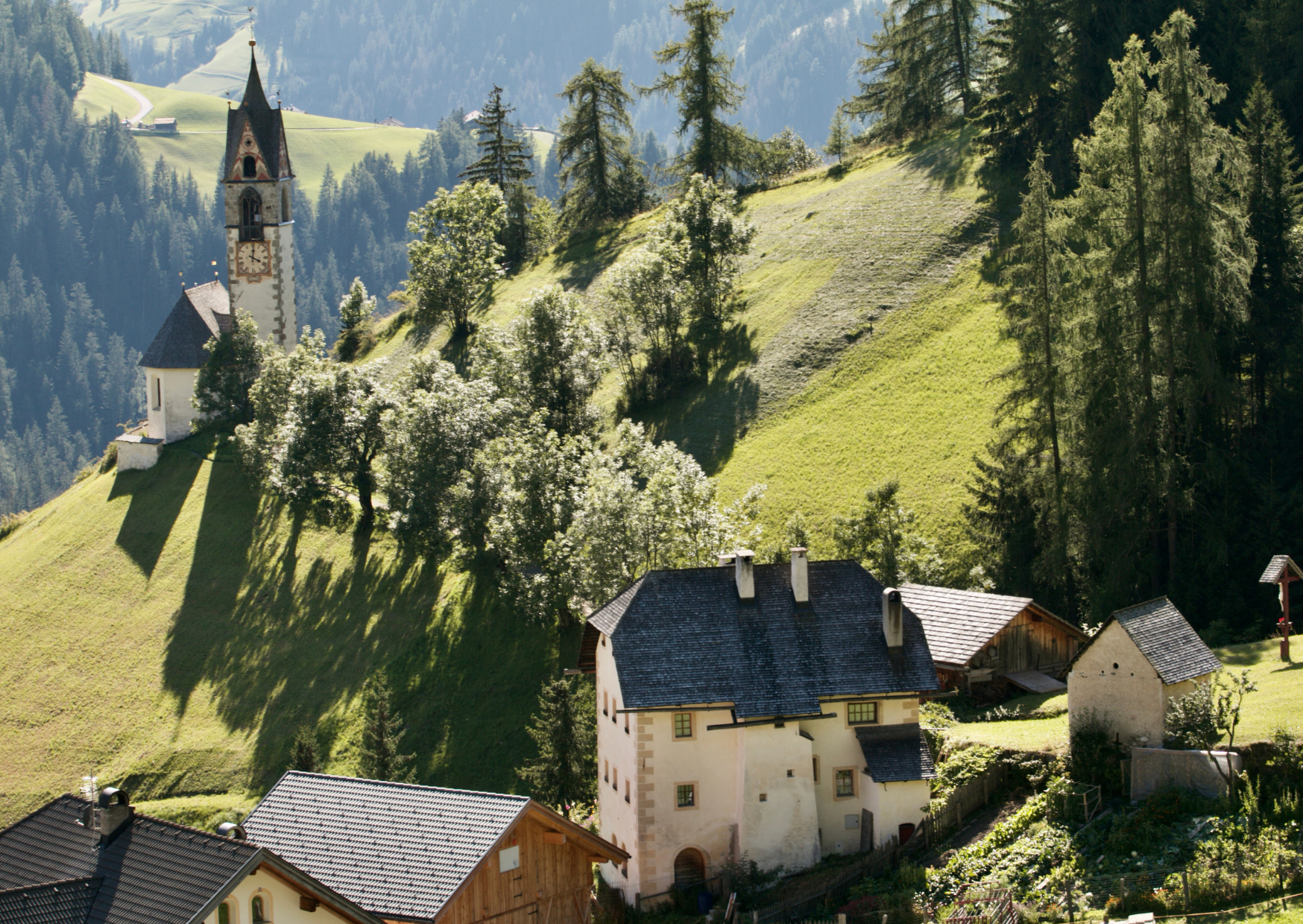
Italians have air conditioning. But they treat it as a tool, not a default setting.
They turn it on before bed or during the hottest hours of the afternoon. They aim it at specific rooms. They don’t set the thermostat to 68°F and leave it there for weeks.
In many cases, electricity is expensive, regulated, or limited in wattage. There are financial and practical incentives to be selective about use.
The result is a mindset where A/C is relief, not expectation.
4. Summer Behavior Adjusts to the Heat
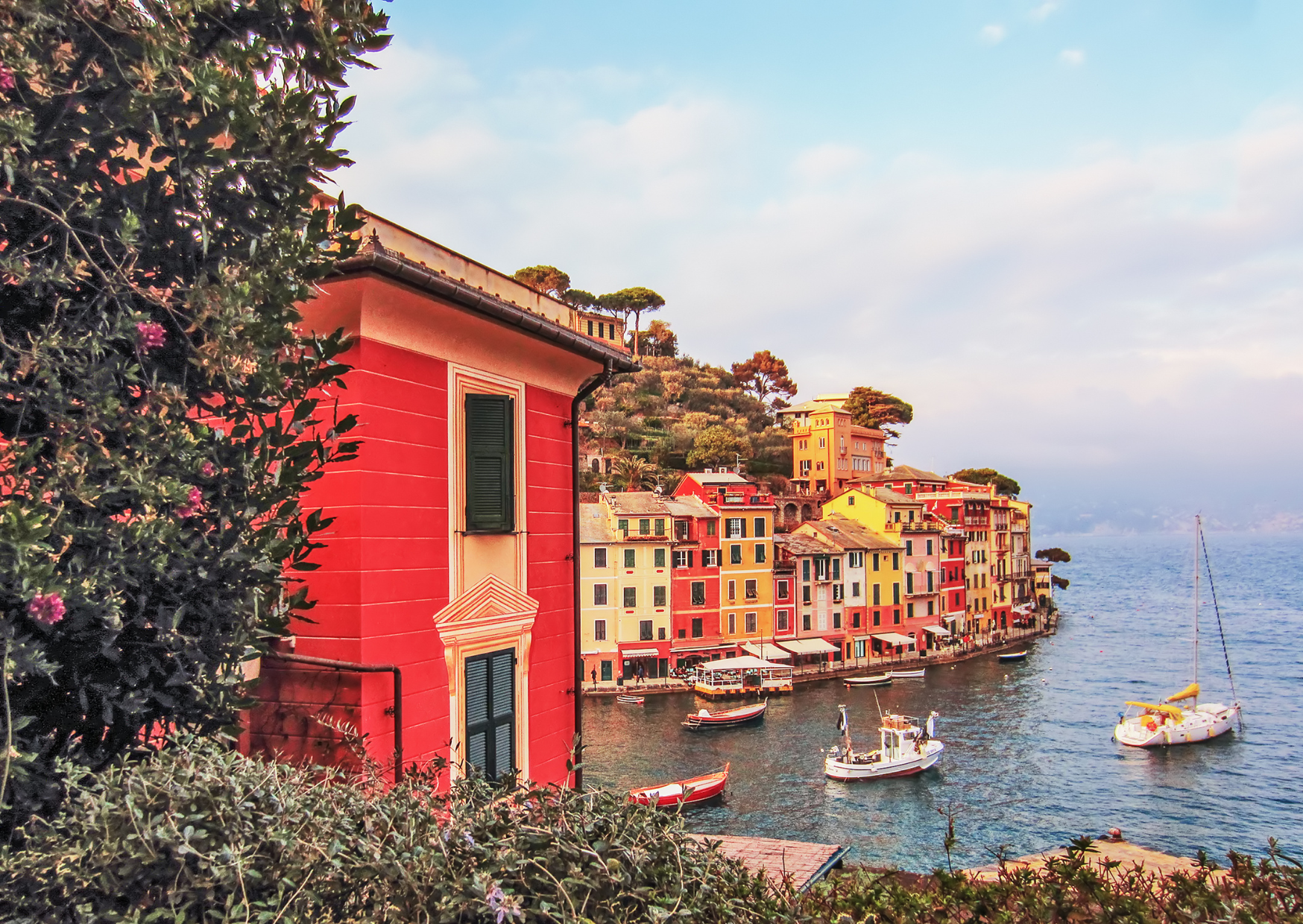
Italians don’t just cool their homes differently. They live differently during summer.
They slow down midday. They eat lighter. They open windows strategically in the early morning and after dark. They minimize appliance use. They close curtains. They move less.
American culture tends to defy heat — drive, work, clean, and cook as if it’s 70 degrees.
Italian culture adapts. And the house reflects that adaptation.
5. Tiles, Not Carpets, Make a Difference
Italian floors are usually stone, tile, or terrazzo — all materials that stay cool to the touch.
In summer, these surfaces help regulate body temperature, especially in homes without A/C.
American homes often rely on carpet, wood, or laminate — warmer materials that hold heat and offer no relief when temperatures rise.
You feel the difference the minute your bare feet hit the floor.
6. Windows Are for Ventilation, Not Light
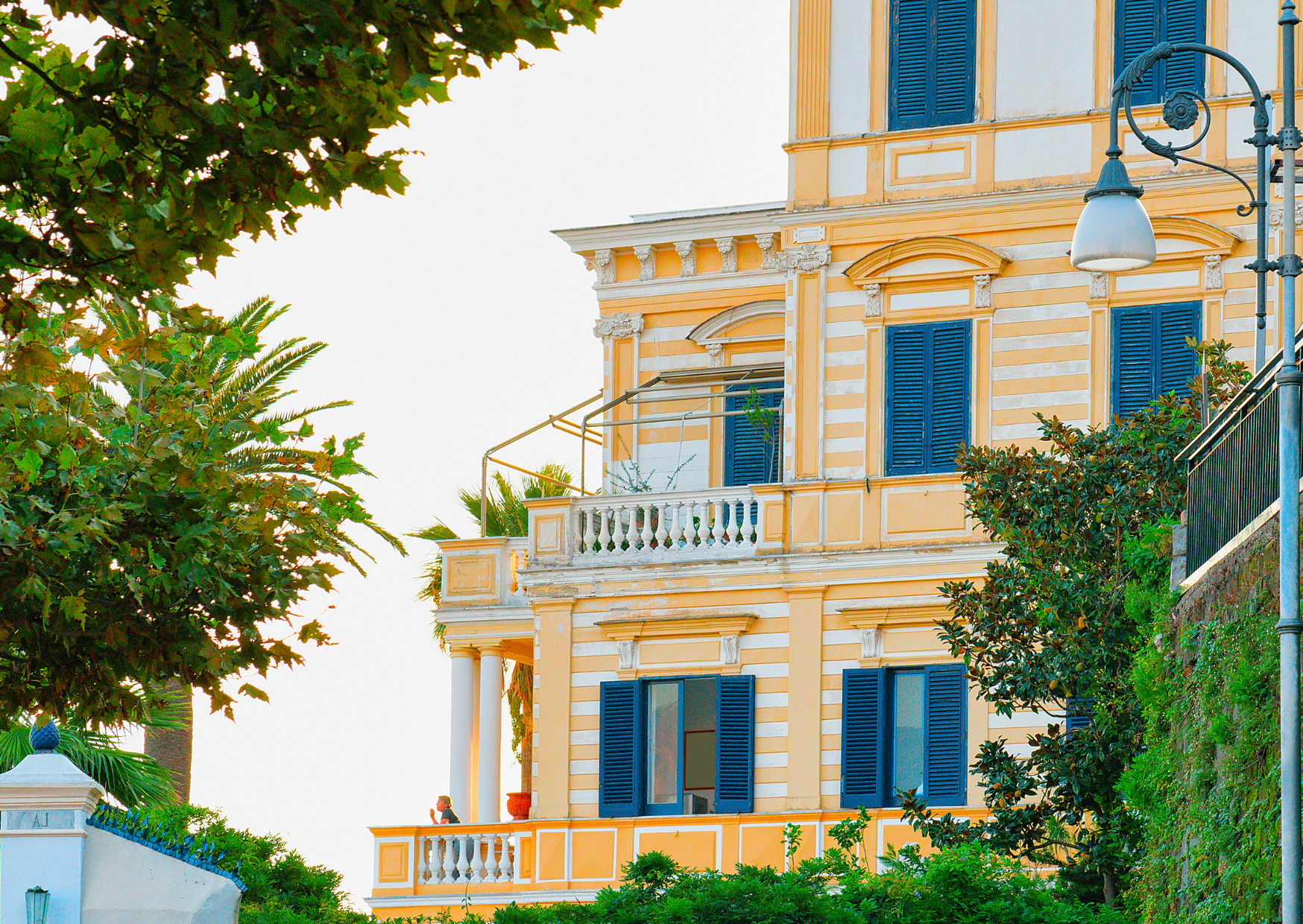
In the U.S., windows are designed to let in as much light as possible. Natural brightness is a virtue.
In Italy, light is sacrificed to maintain cool interiors. Windows stay closed during the day. Shutters are angled to allow air without heat. The goal isn’t brightness. It’s balance.
A dark, cool room at 2 p.m. in July is considered wise, not gloomy.
7. Many Italians Grew Up Without A/C at All

For older generations — and many still today — central air was never part of the home.
People grew up managing heat without technology. Families shared sleeping spaces. Summer meals were eaten cold. Windows were opened only at the right times.
This cultural memory shapes behavior. Even those with modern units often feel guilty or wasteful using them too much.
In the U.S., the opposite is true — A/C is considered a basic right, not a luxury.
8. The Power Grid Isn’t Designed for Massive A/C Use
In many older Italian homes, the electrical system can’t handle multiple high-wattage devices at once.
Try running the air conditioner, the oven, and the washer — and the power may cut out.
This forces people to be more conscious of when and how they cool their homes. It’s not just about preference. It’s about infrastructure.
In contrast, American homes are wired to run everything at once — so we do.
9. Cultural Tolerance for Heat Is Higher
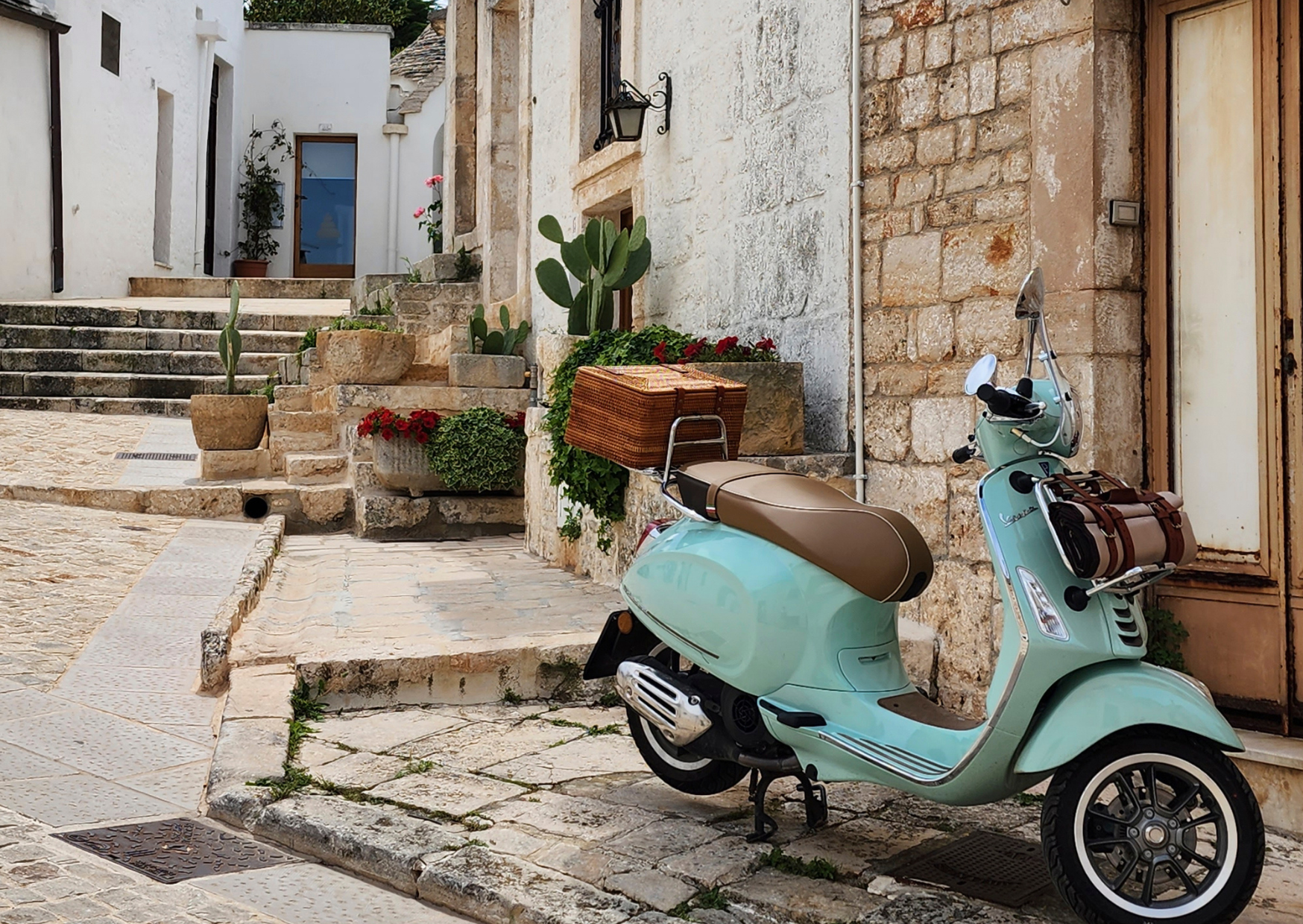
Italians are more comfortable being slightly hot. A fan is enough. A shaded nap is fine. Sweat isn’t shameful. It’s part of summer.
They don’t expect their homes to be freezing in July. They expect them to be bearable — and then they adjust their behavior.
American comfort culture demands climate control. Feeling sticky is unacceptable. Sweat means failure.
That psychological difference shapes how we build, live, and cool.
10. Energy Use Is Framed as Ethics
In Italy, excessive air conditioning isn’t just expensive — it’s considered wasteful.
Many Italians feel a civic or environmental duty to use less energy, especially during hot spells. TV ads and public signs often encourage restraint.
This mindset means that keeping your house cool with passive techniques is not just smart. It’s socially responsible.
In the U.S., energy consumption is personal. In Italy, it’s communal.
11. Government Regulations Encourage Efficiency
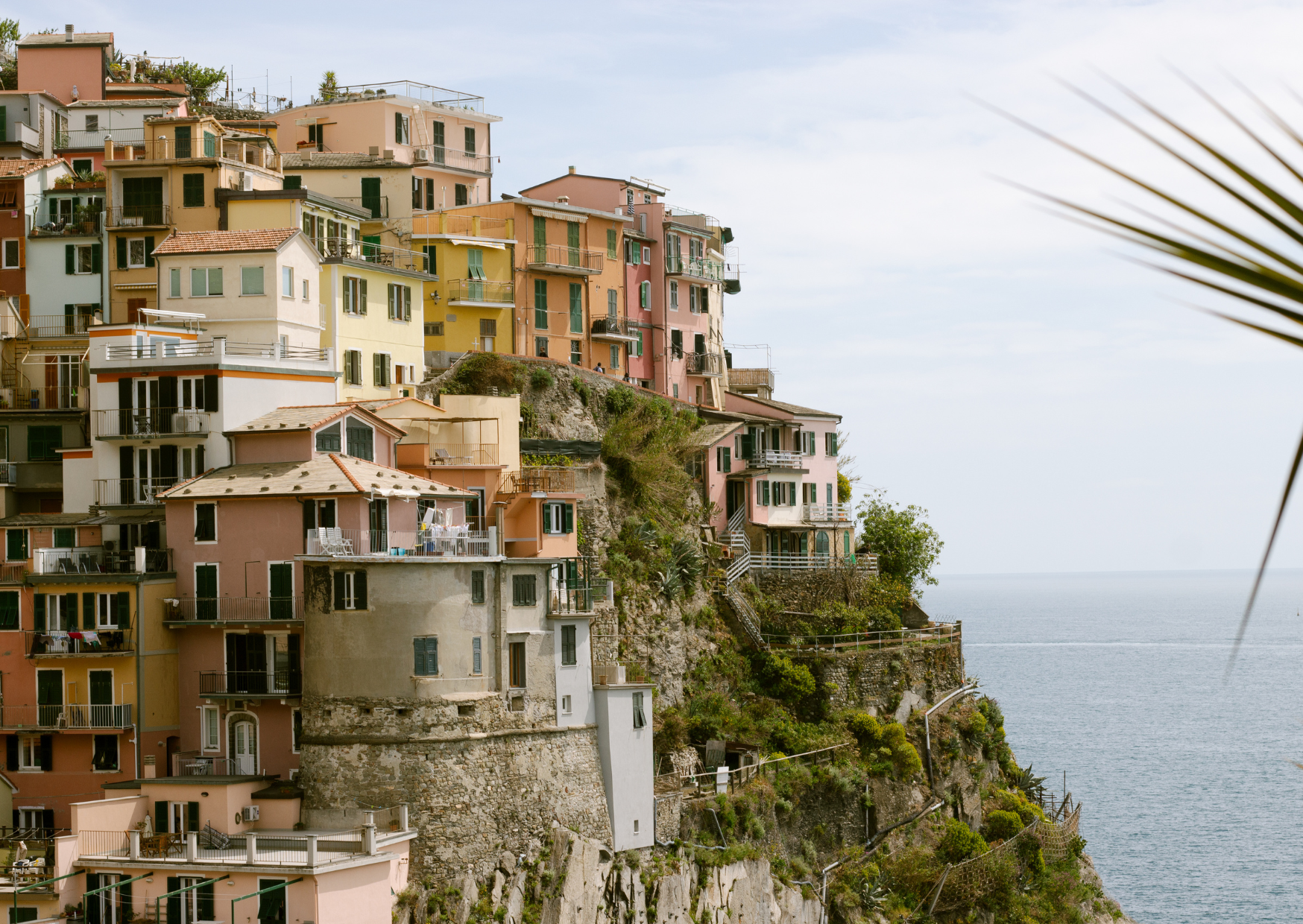
Italy — like much of Europe — has national and EU regulations that push for energy efficiency in homes.
That means insulation standards, incentives for shading systems, and strong messaging around conservation.
As a result, newer buildings are designed with better passive cooling, and older ones are preserved with techniques that reduce dependence on A/C.
You feel the impact — especially when you step inside on a 90-degree day and the house is still cool.
12. American Tourists Don’t Understand the System
Every summer, American tourists arrive in Italian rentals and immediately look for central A/C, ceiling fans, or smart thermostats.
When they find none — or limited use — they complain. The apartment feels “unfinished.” The host feels “cheap.” The experience feels “miserable.”
But the issue isn’t the apartment. It’s the expectation.
Italy doesn’t rely on climate control. It relies on centuries of observation, design, and rhythm. The house works — just not the way you thought it would.
The House Was Never Meant to Fight the Heat — Only to Live With It
When you walk into an Italian home in the middle of summer and find the windows shut, the shutters drawn, and the rooms dim, you haven’t entered a broken system.
You’ve entered a space that knows how to survive the heat — quietly, patiently, and without panic.
There may be no central air, no hum of cool air filling every room. But there is logic, tradition, and a lived knowledge of how to keep cool without addiction to machines.
You can scoff at it. Or you can learn from it — and maybe, sweat a little more consciously.

About the Author: Ruben, co-founder of Gamintraveler.com since 2014, is a seasoned traveler from Spain who has explored over 100 countries since 2009. Known for his extensive travel adventures across South America, Europe, the US, Australia, New Zealand, Asia, and Africa, Ruben combines his passion for adventurous yet sustainable living with his love for cycling, highlighted by his remarkable 5-month bicycle journey from Spain to Norway. He currently resides in Spain, where he continues sharing his travel experiences with his partner, Rachel, and their son, Han.
Nick
Monday 21st of July 2025
No mention of the fact that many Italians still think it causes colds?
Dan Ketchum
Saturday 19th of July 2025
Nicely written article, you capture the culture and expectations about using energy well. We’re in our 70’s living in California and have always followed many of the same strategies such as closed shutters, using washer or dishwasher late at night or very early morning, etc.